The Georgia Plant That Becomes More Colorful During Extreme Heat
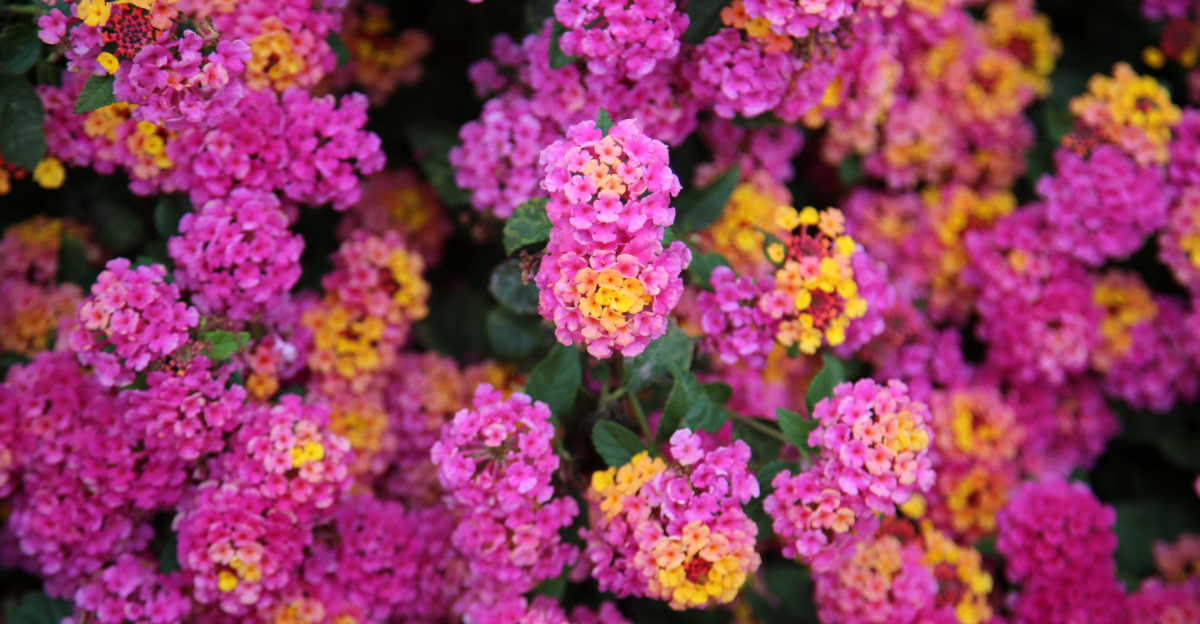
You expect flowers to fade when the hottest part of summer arrives. Seeing tired leaves and fewer blooms almost feels normal after days of relentless heat.
That is why one particular plant catches so many people by surprise. Instead of losing its color, it seems to become even brighter as temperatures keep climbing.
A garden does not have to look washed out just because the forecast keeps getting hotter. Some plants are built to shine when others begin slowing down.
That unexpected change is exactly what makes this plant stand out.
Georgia gardeners often notice its richest color appearing during extreme heat rather than cooler weather.
Once you see how it responds, you may start looking at hot summer days a little differently and appreciate why it earns so much attention in landscapes every year.
1. Lantana Produces More Blooms In Hot Weather
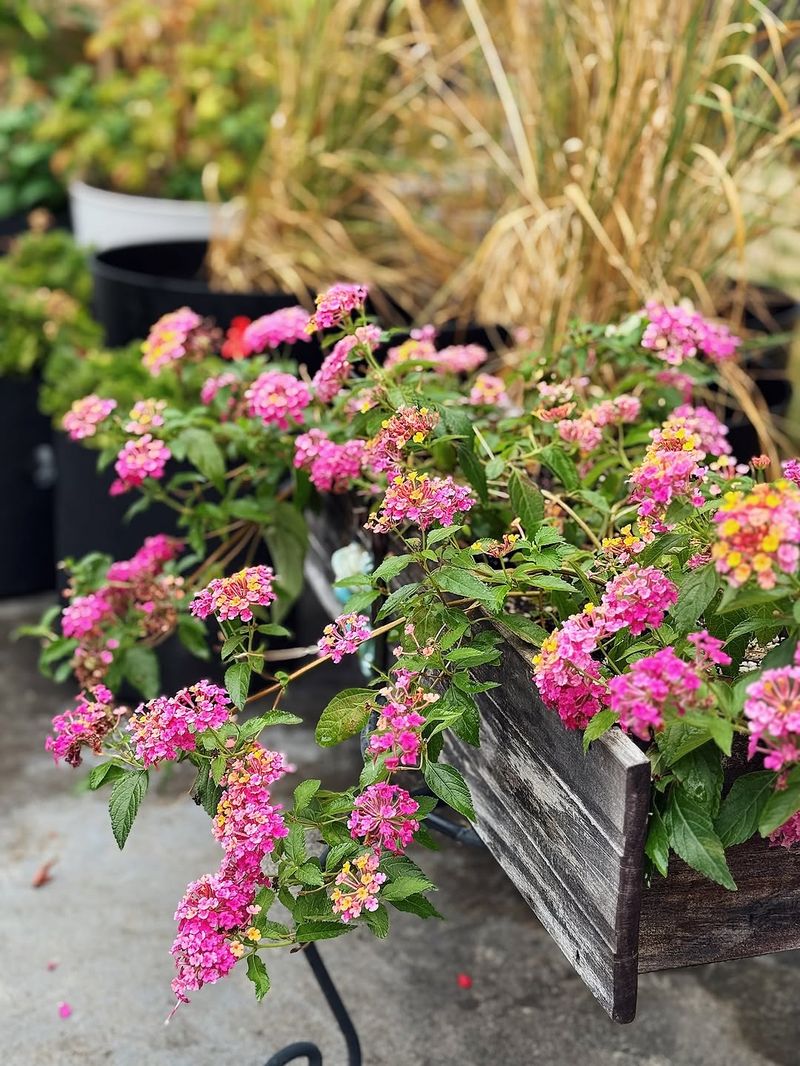
Heat does not slow lantana down. It speeds things up.
While most flowering plants drop their blooms or stop producing new ones when temperatures climb, lantana responds by pushing out more flower clusters than ever.
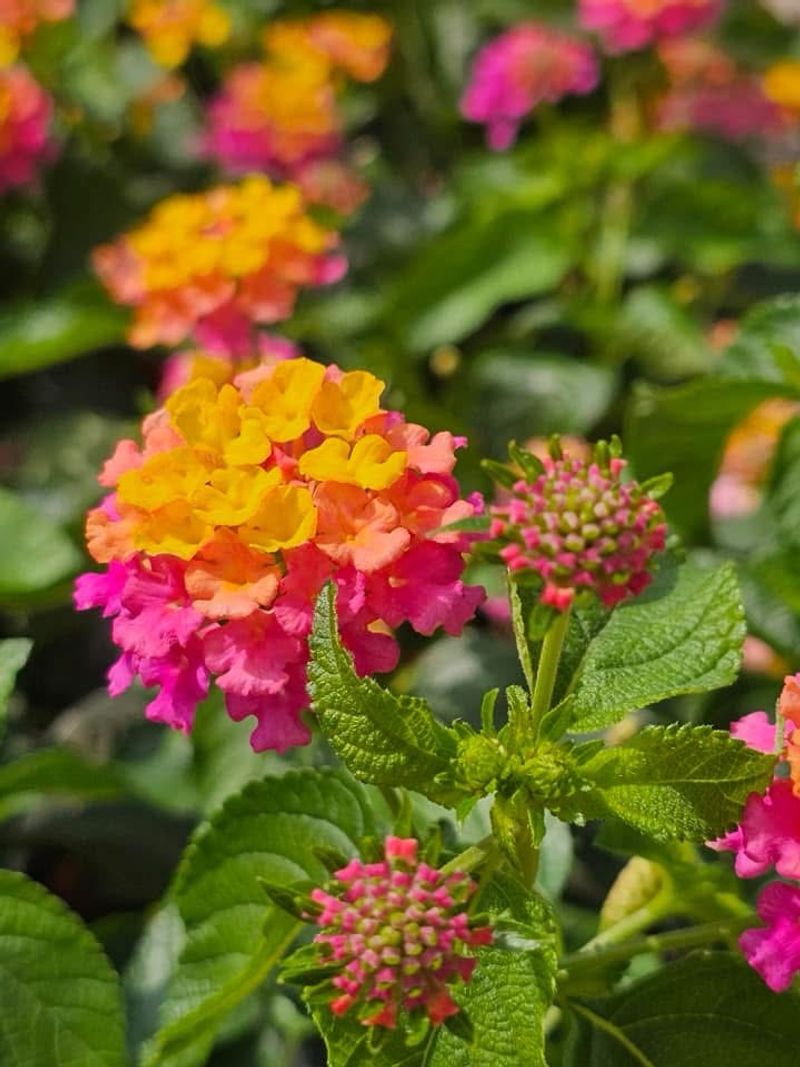
Each flower head is made up of tiny individual blooms grouped tightly together. As one group fades, another set opens nearby.
During peak summer heat, this cycle runs faster than at any other time of year.
Gardeners in Georgia often notice that lantana planted in full sun looks almost unrecognizable by mid-July compared to how it looked in spring. The plant gets denser, fuller, and covered in color.
That change happens because lantana evolved in tropical climates where heat is the norm, not the exception.
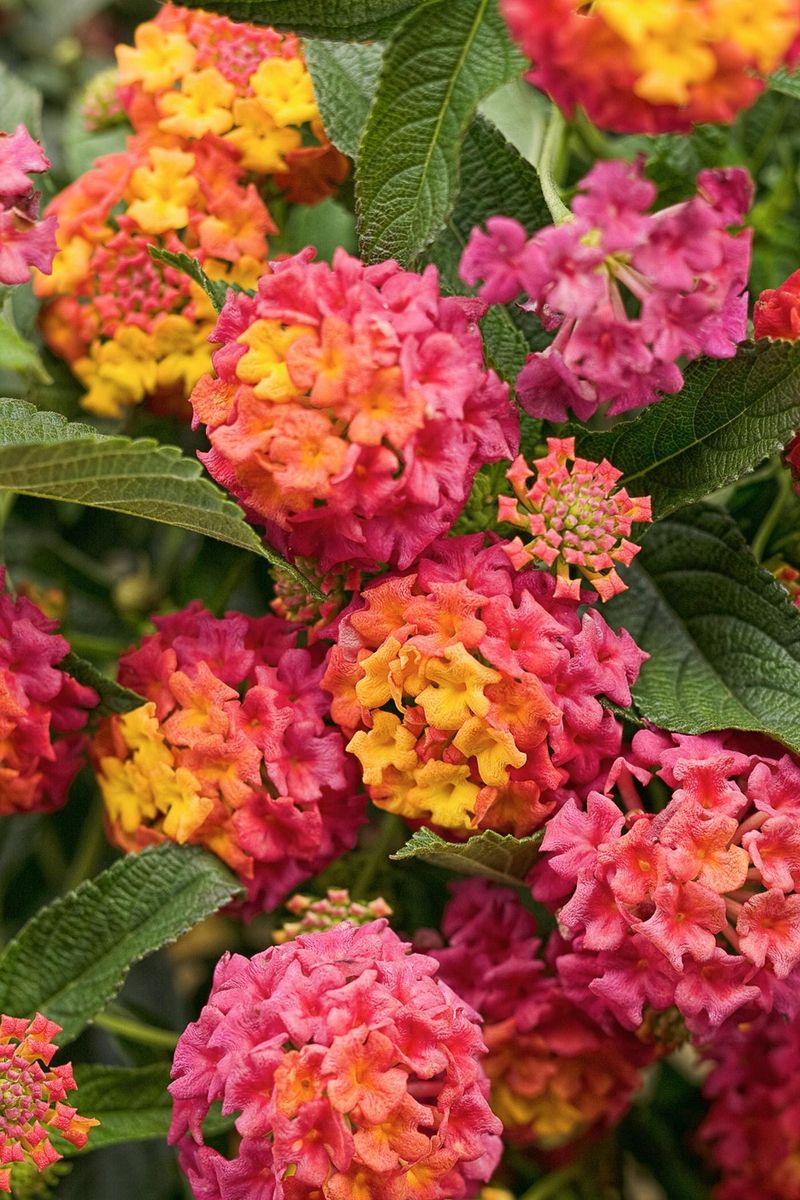
Bloom colors can shift slightly as temperatures rise. A plant that started with soft yellow flowers may develop deeper orange or red tones as summer progresses.
Some varieties are more prone to this color drift than others.
Choosing heat-tolerant varieties matters. Look for cultivars labeled as heavy bloomers or long-season performers.
Names like ‘Miss Huff,’ ‘Ham and Eggs,’ and ‘Dallas Red’ are well-suited to hot, humid summers.
2. Full Sun Brings Out The Brightest Flower Colors
Shade is not lantana’s friend. Put this plant in partial shade and the colors look washed out, the stems stretch thin, and bloom production drops noticeably.
Full sun is where lantana earns its reputation.
Six hours of direct sunlight is the minimum. Eight to ten hours is even better.
Spots along south-facing fences, open garden beds, or the edge of a driveway tend to work well because nothing blocks the light during the hottest parts of the day.
Color intensity in lantana blooms is directly linked to light exposure. More sun means more pigment production in the flowers.
Plants grown in shadier spots often produce blooms that look pale or faded compared to those grown in full sun.
Reflected heat from pavement or walls can actually boost performance even further. Lantana planted near a brick wall or concrete surface often blooms harder because the surrounding surfaces hold and radiate heat long after sunset.
It is not a requirement, but it helps.
Your Georgia Garden Changes Every Week. Your Plan Should Too.
Gardening in Georgia changes quickly throughout the season. Every Friday you’ll receive a simple weekly plan showing exactly what to plant, prune, fertilize, harvest, and protect so you never miss the right timing.
Spacing also plays a role. Crowding lantana next to taller plants that cast afternoon shadows will reduce its color output over time.
Give each plant enough open sky so sunlight reaches the full canopy from morning through late afternoon.
3. Butterflies Visit The Blooms All Summer
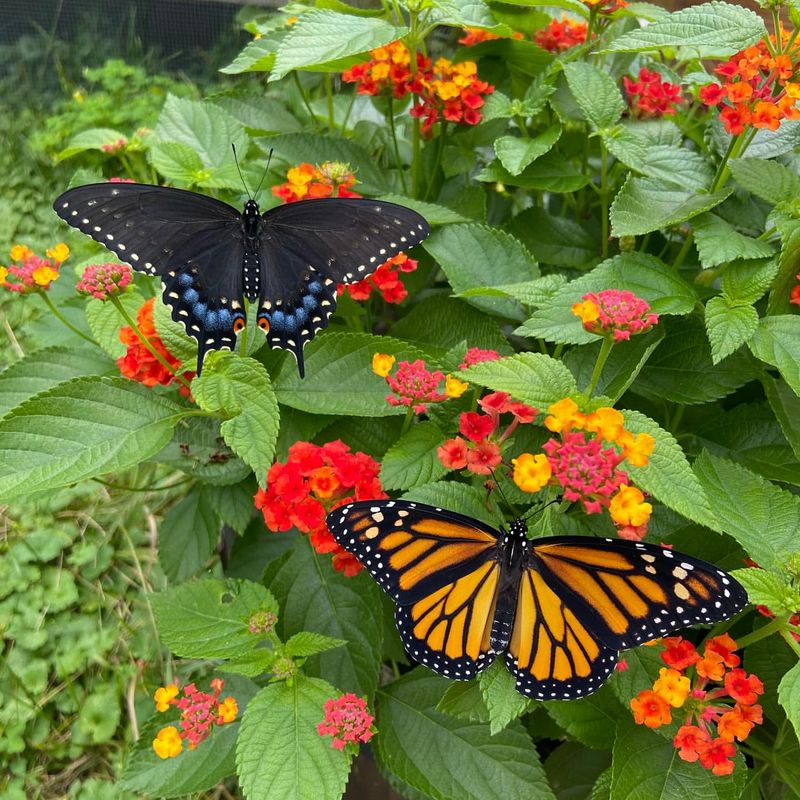
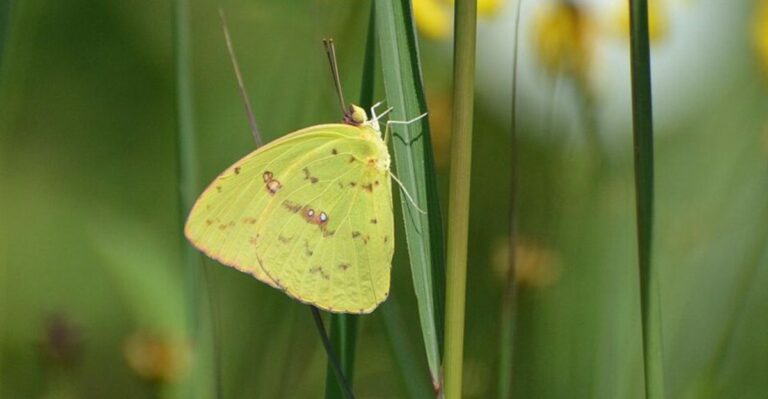
Walk past a blooming lantana on a warm afternoon and you will almost certainly see butterflies. Swallowtails, monarchs, skippers, and fritillaries are regulars.
Lantana is one of the most reliable butterfly magnets available to Southern gardeners.
Butterflies are drawn to the flower clusters because each tiny bloom holds nectar. With dozens of blooms per cluster and multiple clusters per plant, a single lantana can feed a steady stream of visitors from morning to late afternoon.
The flat-topped flower heads also make landing easy for butterflies of different sizes.
Planting lantana near other nectar sources creates a stronger pollinator corridor. Pairing it with pentas, salvia, or Mexican sunflower gives butterflies more reason to stay in your yard rather than passing through quickly.
Grouping plants together rather than spacing them far apart tends to attract more activity overall.
Avoid using broad-spectrum insecticides near lantana during bloom season. Sprays intended for pest control can reduce butterfly visits significantly and may affect other beneficial insects that share the same feeding space.
Lantana also attracts hummingbirds, though less consistently than butterflies. If hummingbird activity is a priority, planting red or orange varieties tends to draw more visits than yellow or pink ones.
4. Well-Drained Soil Prevents Root Problems
Wet feet are a real problem for lantana. Standing water around the roots, even briefly after heavy rain, can cause serious root stress that shows up weeks later as yellowing leaves and reduced blooms.
Sandy or loamy soil drains quickly and stays aerated. Clay-heavy soil holds moisture too long and tends to compact, which restricts oxygen from reaching the roots.
In areas with heavy clay, raised beds or amended planting holes make a noticeable difference.
Adding coarse sand or perlite to planting soil improves drainage without reducing fertility.
Mixing in a small amount of compost gives the roots something to work with early in the season, though lantana does not need heavily enriched soil to perform well.
Mulching around the base of the plant helps regulate soil temperature and slows moisture evaporation. A two to three inch layer of pine bark or wood chip mulch works well in most Southern garden beds.
Keep the mulch a few inches away from the main stem to allow airflow.
Sloped planting sites naturally drain faster than flat ground, which can be an advantage. If your yard has low spots that collect water after storms, those areas are not ideal for lantana.
5. Established Plants Thrive With Less Water
New lantana plants need regular watering during the first few weeks after planting. Once the roots are established, usually after four to six weeks, the plant becomes far more self-sufficient than most garden flowers.
Mature lantana handles dry stretches well. In typical summer conditions without rain, a deep watering once or twice a week is usually enough to keep plants healthy and blooming.
Shallow, frequent watering encourages surface roots that are more vulnerable to heat stress.
Deep watering means soaking the root zone slowly rather than a quick sprinkle. A soaker hose or slow trickle from a garden hose aimed at the base of the plant for several minutes does more good than a brief overhead spray.
Water in the morning when possible so foliage dries quickly.
Overwatering established lantana is a more common mistake than underwatering. Soggy soil for extended periods can cause root stress that mimics drought symptoms, making it easy to misread what the plant actually needs.
Check soil moisture a few inches down before adding more water.
Rainfall patterns across the South vary from year to year. During unusually dry stretches lasting several weeks, even established plants may need supplemental water to maintain bloom production.
6. Good Airflow Helps Keep Foliage Healthy
Humid summers create conditions where fungal issues can develop on plants that are crowded or poorly positioned. Lantana is fairly tough, but dense plantings with limited airflow can invite powdery mildew or sooty mold under the right conditions.
Spacing plants about two to three feet apart gives each one room to breathe.
Air moving through the foliage helps leaves dry faster after rain or morning dew, which reduces the time moisture sits on leaf surfaces where fungal spores can take hold.
Avoid planting lantana directly against walls or fences with no space behind them. Tight corners restrict airflow and create pockets of stagnant humid air that linger long after rain passes.
Even a foot or two of clearance behind the plant makes a meaningful difference.
Thinning the interior of a bushy lantana occasionally improves airflow without reducing the plant’s overall size or bloom production much.
Removing a few crossing or crowded stems from the center of the plant allows more air to circulate through the canopy.
It takes only a few minutes and can noticeably improve foliage appearance by late summer.
Sooty mold sometimes appears on lantana leaves when honeydew-producing insects like whiteflies are present. Controlling the insect source is the most practical first step.
7. Occasional Trimming Keeps Plants Compact
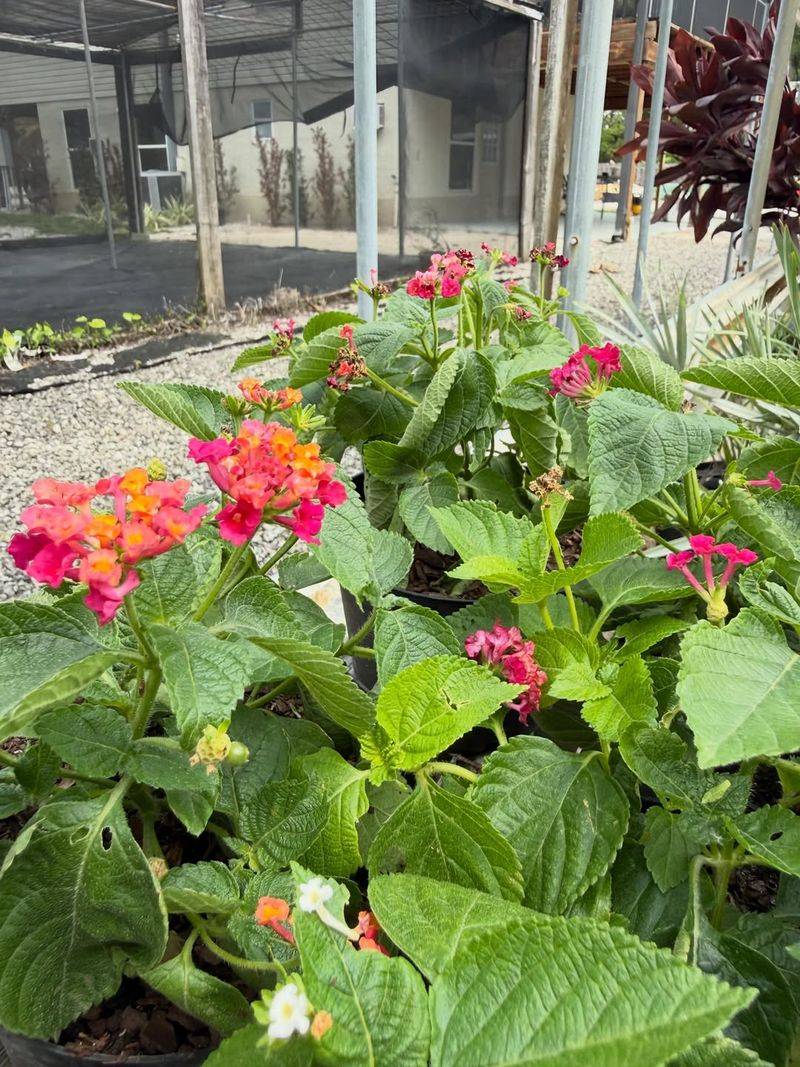
Lantana can spread quickly during a warm Georgia summer. Without any trimming, some varieties grow into sprawling mounds that spill over garden edges or crowd neighboring plants within just a few months.
Light trimming every few weeks keeps the plant tidy and encourages fresh growth from the base. Cutting stems back by about one-third prompts new shoots to emerge, and those new shoots produce the next round of flower clusters.
Trimming too hard or too infrequently both reduce bloom output.
Use clean, sharp pruning shears rather than dull or dirty tools. Clean cuts heal faster and reduce the chance of introducing anything unwanted into the plant tissue.
Clean pruning blades between plants if you are working through a large garden bed with multiple lantana specimens.
Avoid heavy cutbacks during peak summer bloom season if consistent color is the goal.
A light shaping pass that removes spent flower heads and long straggling stems is usually enough to keep things looking clean without setting the plant back significantly.
Late summer or early fall is a good time for a more substantial trim if the plant has gotten very large.
Cutting it back by half before cooler weather arrives helps it go into the fall season in a manageable shape.