The Watering Mistakes That Can Ruin A California Cucumber Harvest
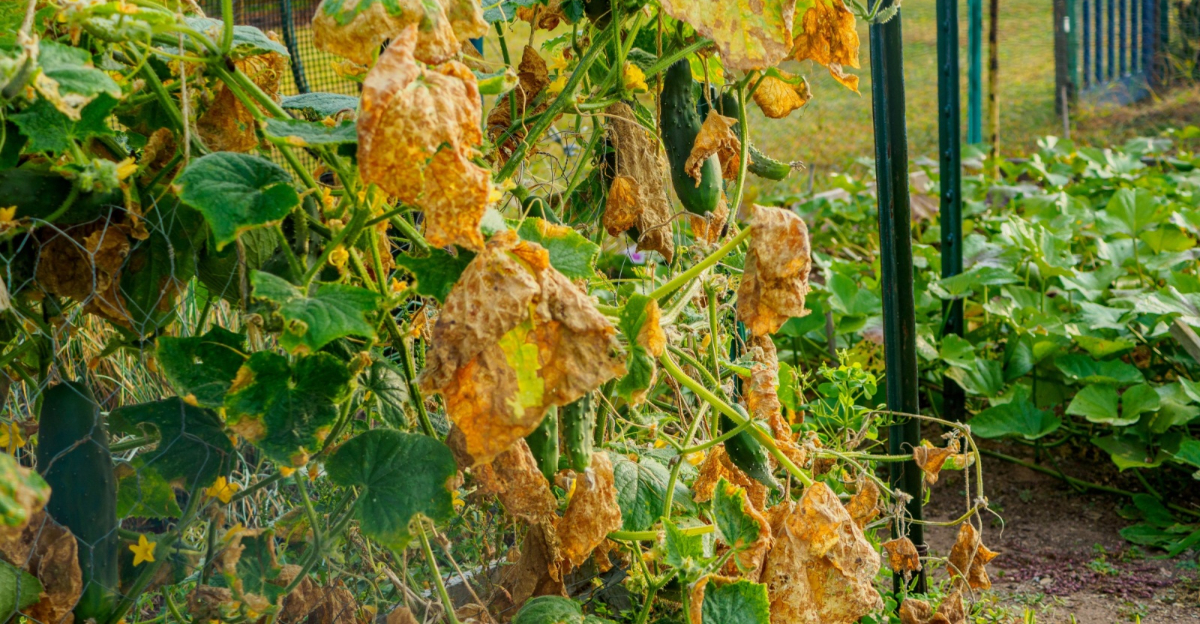
Cucumbers are one of those vegetables that make California summer gardening feel genuinely exciting, right up until they do not.
One stretch of inconsistent watering, a few days of dry soil followed by a heavy soak, and suddenly the cucumbers coming off the vine are bitter, misshapen, or just plain sad.
And the really frustrating part is that the problem usually starts before anything looks wrong on the outside. Cucumbers need steady, consistent moisture to keep producing well, and they are not shy about showing their displeasure when they do not get it.
Dry soil, shallow watering, skipping mulch, soaking a wilted plant in a panic, these habits add up fast in a California summer.
Uneven moisture is not the only thing that can derail a cucumber harvest, but it is one of the most common and most preventable.
1. Letting Soil Dry Out Between Waterings
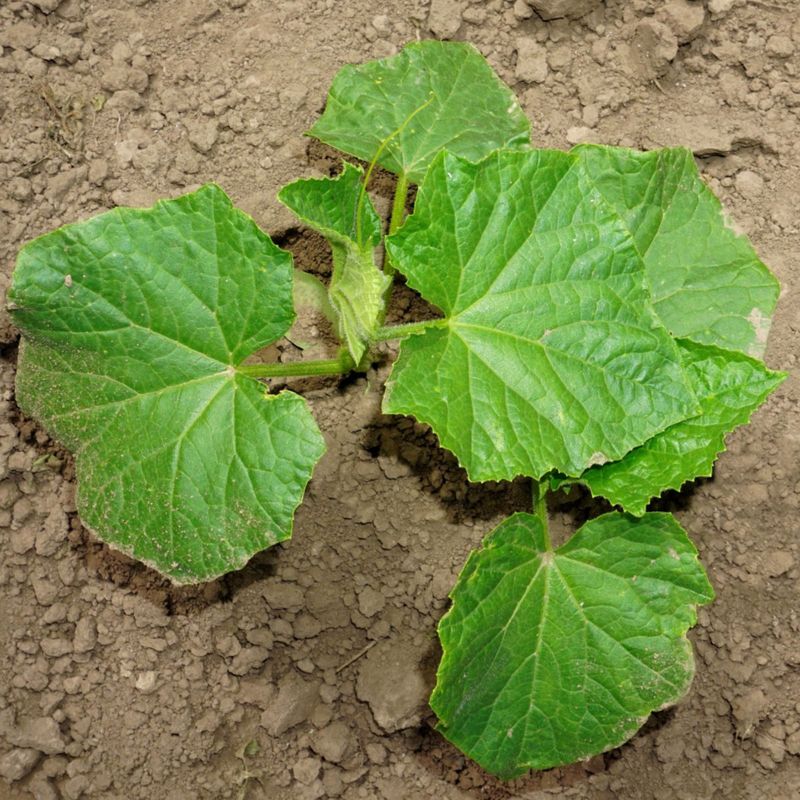
Dry, cracked soil around the base of a cucumber vine is one of the clearest signs that something has gone wrong before the plant even starts to show it on its leaves.
Cucumbers rely on consistent soil moisture to move nutrients up through their roots and into developing fruit.
When soil dries out between waterings, that process slows down, and the plant begins to struggle quietly.
In California, summer heat can pull moisture out of garden soil much faster than gardeners expect, especially in warm inland areas where temperatures regularly climb above 90 degrees.
A vegetable bed that felt moist in the morning may be dry just a few inches down by early afternoon.
Checking only the surface can give a false sense of security.
Pushing a finger two to three inches into the soil near the root zone gives a much more accurate picture of what the plant is actually experiencing. If the soil feels dry at that depth, the cucumber likely needs water.
Waiting until leaves visibly wilt means the plant has already been under stress for some time.
Letting the soil dry out repeatedly can cause fruit to develop unevenly, with some cucumbers turning bitter or misshapen.
Setting a consistent watering schedule and checking soil moisture regularly, rather than guessing by appearance alone, makes a noticeable difference in how well California cucumber plants hold up through summer heat.
2. Watering Shallowly Instead Of Deeply
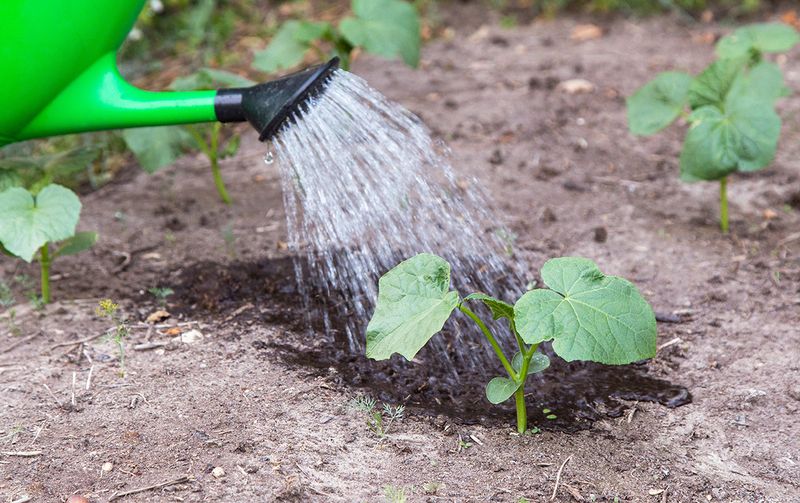
Shallow wet spots on the soil surface can look like enough water has been applied, but just below that damp layer the soil may still be completely dry. Cucumbers are not shallow-rooted plants.
Their roots reach several inches down into the soil, and they need water to penetrate deeply enough to actually reach them.
When watering is too brief or too light, roots have no reason to grow downward. Instead, they stay near the surface where the moisture is, which makes the plant far more vulnerable to the intense heat that California summers bring.
A shallow root system dries out faster and gives the plant less stability during hot spells.
Deep watering encourages roots to follow moisture downward, which helps the plant access cooler, more stable soil. A slow, steady watering session that allows water to soak in gradually works better than a quick spray across the top.
Your California Garden Changes Every Week. Your Plan Should Too.
Gardening in California changes quickly throughout the season. Every Friday you’ll receive a simple weekly plan showing exactly what to plant, prune, fertilize, harvest, and protect so you never miss the right timing.
Raised beds and in-ground vegetable patches both benefit from this approach, though raised beds may dry out slightly faster due to better drainage.
Drip irrigation or soaker hoses placed near the base of cucumber plants can make deep watering more consistent and efficient.
Checking soil moisture several inches below the surface after watering helps confirm that water has reached where the roots actually are.
Shallow watering is an easy habit to fall into, especially during busy weeks, but it quietly limits how well cucumbers perform through the heat.
3. Soaking Plants After They Wilt
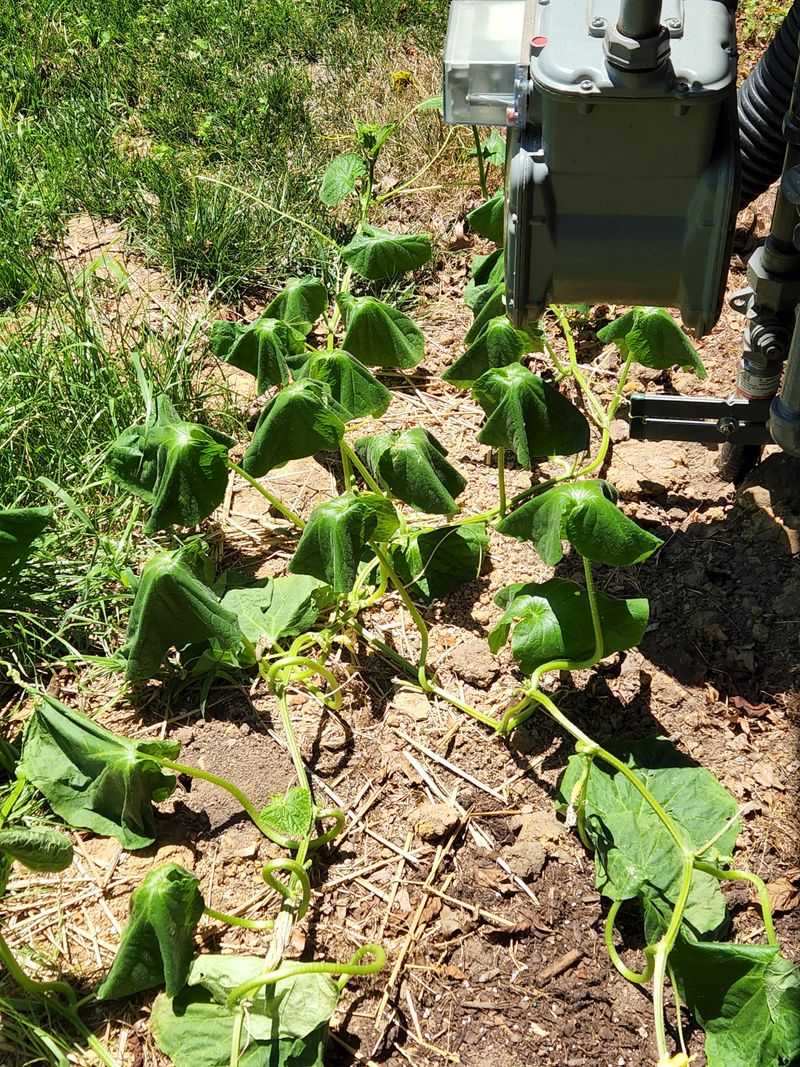
Limp leaves drooping in the afternoon heat can send a gardener rushing for the hose, but soaking a wilted cucumber plant with a sudden flood of water is not always the right response.
Some wilting during the hottest part of a California summer day is a normal self-protective reaction, not necessarily a sign of dehydration.
The plant temporarily reduces water loss through its leaves when temperatures spike.
The problem comes when gardeners respond to that afternoon droop with a heavy, sudden soaking. If the soil was already holding adequate moisture, adding a large amount of water quickly can push out air from the soil, stress the root zone, and encourage disease.
Overwatering after wilting is a surprisingly common mistake in home vegetable gardens.
A better approach is to check the soil two to three inches below the surface before reaching for the hose. If the soil still feels moist at that depth, the plant may simply be responding to heat rather than drought.
Waiting until the cooler evening hours and then checking again often reveals whether actual watering is needed.
If the soil does feel dry and the wilting continues into the evening after temperatures drop, that is a clearer signal that the plant genuinely needs water.
Watering in the early morning gives cucumbers the best chance to absorb moisture before the day heats up, reducing the dramatic wilting cycles that stress plants and affect fruit quality over time.
4. Skipping Mulch In Hot Weather
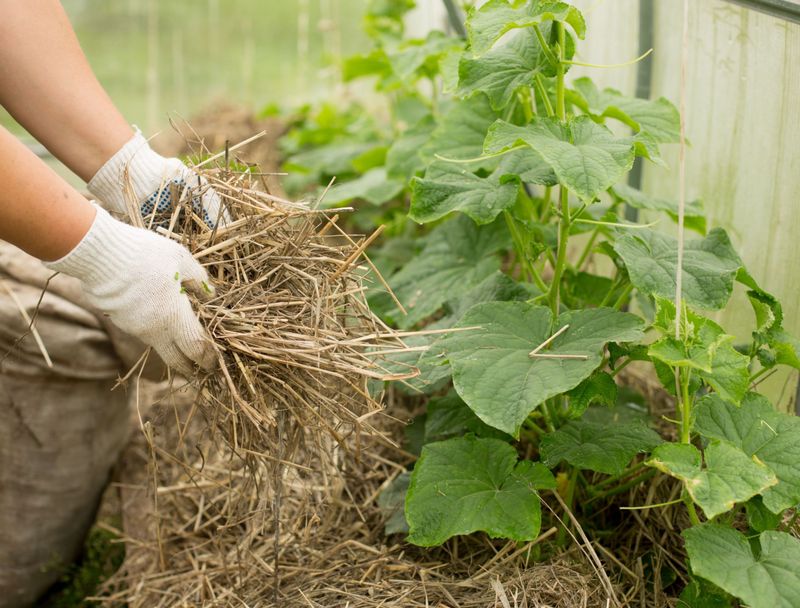
Bare soil in a California summer vegetable garden loses moisture faster than most gardeners realize.
Without a layer of mulch around cucumber plants, the sun and heat pull water out of the soil quickly, leaving the root zone drier between waterings than it needs to be. That constant drying cycle puts stress on plants that prefer steady, even moisture.
Mulch acts as a buffer between the soil and the heat above it.
A two-to-three-inch layer of straw, wood chips, or similar organic material spread around the base of cucumber plants helps slow evaporation, moderate soil temperature, and keep roots more comfortable during hot spells.
In warm inland California areas especially, that layer of protection can make a meaningful difference.
Skipping mulch is an easy oversight, particularly for gardeners who are new to growing vegetables in California summers. The garden may look tidy without it, but the soil underneath is working much harder to hold onto moisture.
Plants that are already dealing with heat stress have less energy to put into producing fruit.
Applying mulch after planting or transplanting cucumbers is one of the more straightforward ways to reduce watering frequency and support more consistent soil moisture.
Keep the mulch a couple of inches away from the base of the stem to reduce the chance of moisture sitting directly against it.
Refreshing mulch as it breaks down through the season helps it continue doing its job effectively.
5. Watering Leaves Instead Of The Root Zone
Water splashing across cucumber leaves may look satisfying, but the leaves are not where the plant absorbs moisture.
Cucumbers take up water through their roots, which means overhead watering that wets the foliage rather than soaking the root zone is less efficient and can create problems that go beyond just wasted water.
Wet leaves in warm California weather, especially when there is not enough airflow, can encourage fungal issues like powdery mildew.
Cucumber foliage that stays damp for extended periods is more vulnerable to these kinds of problems, and once they take hold, they can spread quickly through a garden bed.
Overhead watering in the evening is particularly risky because leaves may stay wet through the night.
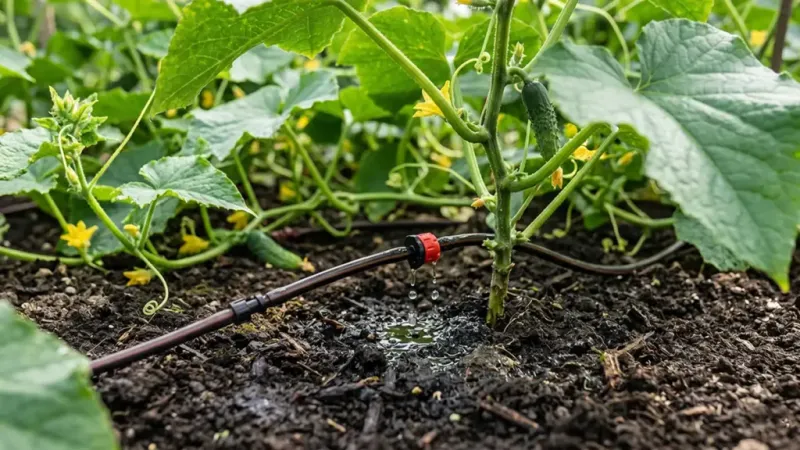
Directing water to the base of the plant, close to the soil surface around the root zone, is a more effective approach.
Drip irrigation lines or soaker hoses are well-suited for cucumbers because they deliver water slowly and directly to where roots can actually use it.
Hand watering at the base of each plant also works well for smaller garden spaces.
When watering by hand, using a watering wand or a hose with a gentle setting helps control where the water goes. The goal is to wet the soil thoroughly in the root zone while keeping the leaves as dry as possible.
This small adjustment in watering technique can noticeably reduce leaf problems and help California cucumber plants stay healthier through the summer.
6. Letting Containers Dry Out Too Fast
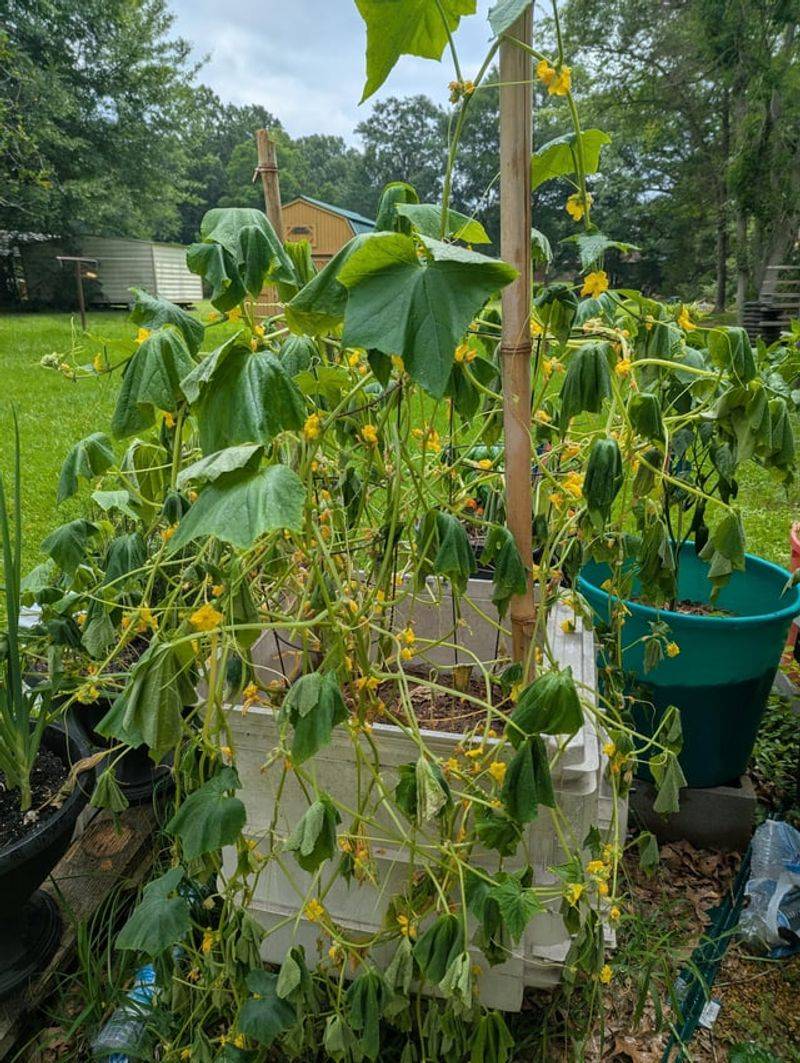
Container gardening has become popular in California, especially in urban areas and smaller yards where raised beds are not practical.
Growing cucumbers in pots on a patio or balcony is absolutely doable, but containers come with a watering challenge that in-ground beds do not have quite as severely: they dry out fast, sometimes within a single day during a hot California summer.
The smaller the container, the quicker the soil loses moisture. Terra cotta pots are especially prone to drying out because the material itself is porous and allows moisture to escape through the sides.
Dark-colored containers sitting in direct sun can also heat up significantly, which speeds up evaporation from the soil and stresses roots that are already confined to a limited space.
Cucumbers in containers may need watering once a day or even more during peak summer heat, especially in warm inland California regions.
Checking the soil daily rather than on a fixed schedule helps prevent the plant from going through repeated dry and wet cycles that affect fruit quality.
Lifting the container can also give a rough sense of how much moisture is left in the soil.
Choosing larger containers, at least five gallons and ideally more, gives cucumber roots more room and helps the soil hold moisture longer.
Adding a layer of mulch on top of the container soil, just as you would in a garden bed, can also slow evaporation and reduce how often watering is needed throughout the day.
7. Ignoring Bitter Fruit As A Stress Sign
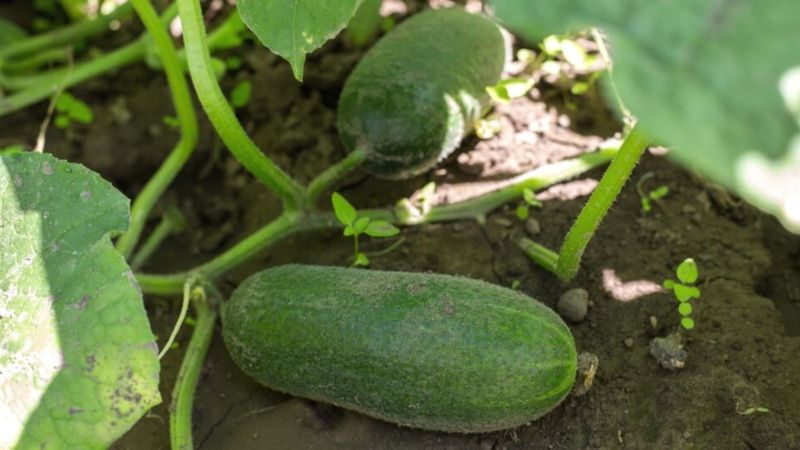
Biting into a cucumber slice and getting a sharp, unpleasant bitterness instead of the mild, refreshing flavor you expected is one of the more discouraging moments in a home garden.
Many gardeners chalk it up to bad luck or a poor variety, but bitter cucumbers are often a signal that something has been off with watering or overall plant stress during the growing period.
Cucumbers produce bitter compounds called cucurbitacins naturally, but stress tends to increase their concentration in the fruit.
Inconsistent watering, which causes the plant to swing between too dry and too wet repeatedly, is one of the conditions that can push cucurbitacin levels higher.
California summers, with their intense heat and dry spells, make this kind of stress more likely when watering is not managed carefully.
Bitterness tends to concentrate near the stem end and in the skin, which is why some gardeners peel cucumbers or slice off the stem end before eating. But those are workarounds rather than solutions.
Addressing the underlying watering inconsistency is the more useful response.
If bitter fruit appears in your California garden, reviewing your watering routine is a practical first step.
Are you watering deeply enough? Is the soil drying out between sessions? Is mulch in place to slow evaporation?
Bitter cucumbers are not a reason to give up on the harvest but rather a useful prompt to look more closely at what the plant has been experiencing over the past few weeks.
8. Forgetting That Cucumbers Need Steady Moisture
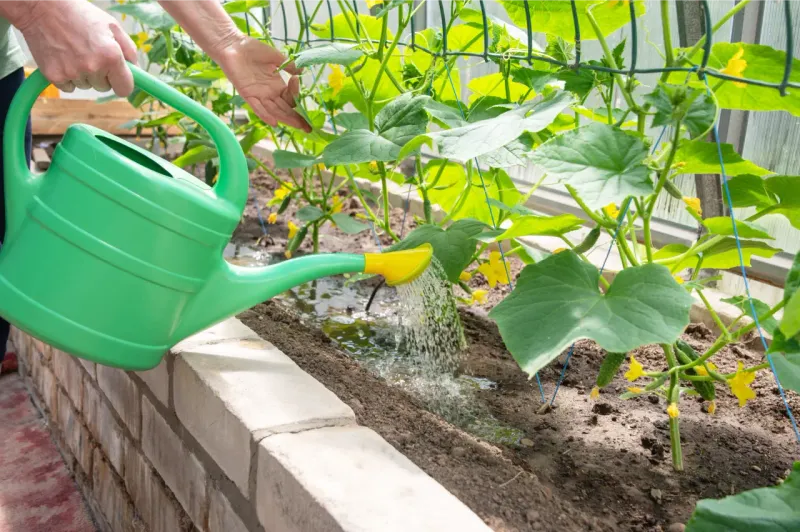
Among all the watering habits that affect cucumber performance, the one that ties everything together is consistency.
Cucumbers are not particularly drought-tolerant vegetables, and they do not bounce back from extended dry periods the way some other garden plants do.
They grow best when soil moisture stays relatively even throughout the growing season, without dramatic swings in either direction.
In California, where summer conditions can be dry and relentless for weeks at a time, maintaining that steady moisture takes some planning.
Setting a regular watering schedule, checking soil moisture at root depth, using mulch to slow evaporation, and adjusting frequency during heat waves all contribute to keeping cucumbers in a comfortable range.
No single technique handles everything on its own.
Uneven moisture over time can lead to a range of issues beyond just bitterness. Fruit may develop with irregular shapes, blossoms may drop before setting fruit, and the plant may slow production earlier in the season than expected.
These are not always dramatic or sudden, which is part of why inconsistent watering can go unnoticed until the harvest disappoints.
For California home gardeners, the goal is not to water more aggressively but to water more thoughtfully.
Observing the garden regularly and responding to what the soil and plant are actually showing, rather than following a rigid calendar, supports the kind of steady moisture that cucumbers need to keep producing well.
Making small adjustments as conditions change throughout the season is often more effective than any fixed watering schedule, especially during the unpredictable heat stretches of a California summer.