11 North Carolina Perennials That Multiply Themselves So You Fill New Beds For Free
You walk out on a July morning in the Piedmont, coffee in hand, and notice a clump of daylilies has quietly doubled since spring. That is not a mistake. Some plants genuinely spread on their own, filling gaps you never planted, and you can dig up the extras to start whole new beds without spending a dime. Across North Carolina, from the red clay of the Piedmont to the sandy Coastal Plain, these generous perennials do the work for you.
Here are 11 that multiply themselves so your yard grows fuller, greener, and cheaper every single year.
1. Daylily
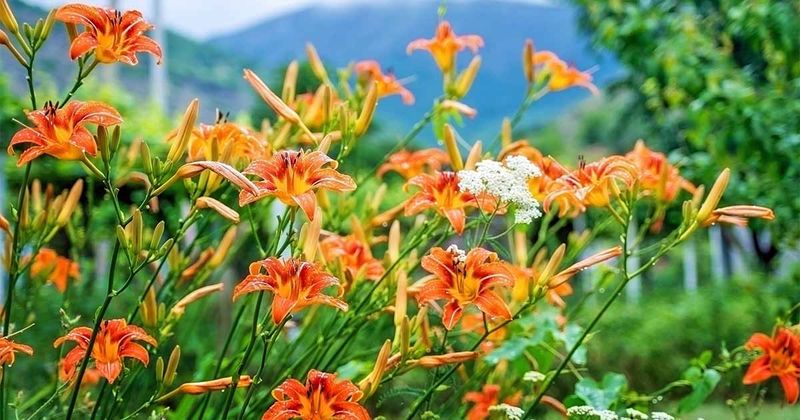
Drive past almost any old NC farmhouse in June and you will spot ditches glowing orange with daylilies (Hemerocallis). Somebody planted three of them forty years ago, and now there are hundreds.
Here is what surprises people. Daylilies grow from thick clumps of roots called crowns, and every year that clump fattens up and pushes out new fans of leaves. After two or three seasons a single plant becomes a crowded football of roots that is genuinely begging to be split.
The turn is simple. In early fall, roughly late September in the Piedmont, dig up the whole clump and pull it apart into sections with three or four fans each. A garden fork or even two hands will do it. Replant the divisions 18 to 24 inches apart, water them in, and walk away.
By next summer those free divisions will bloom like they were store-bought. NC State Extension notes daylilies tolerate our clay, heat, and muggy afternoon storms with almost no fuss. So one $8 plant becomes a whole roadside border in about three years. Not a bad return on a lazy fall afternoon.
2. Black-Eyed Susan
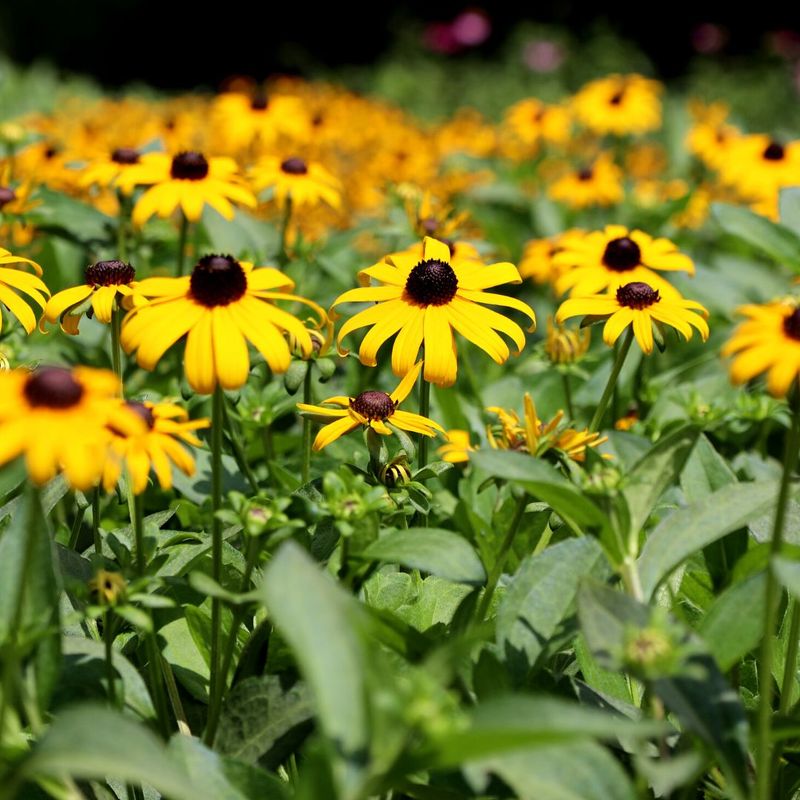
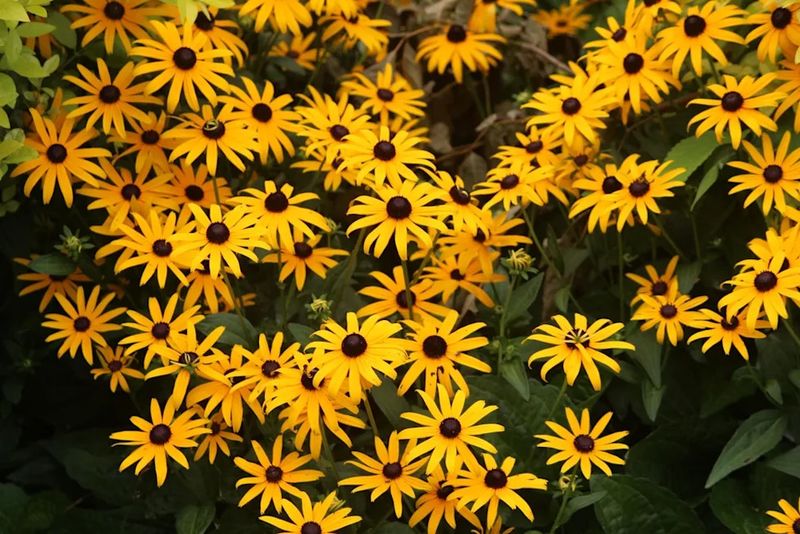
Cheerful and stubborn, black-eyed Susans (Rudbeckia) act like they own the place, and honestly they kind of do. Plant one this year and watch the yellow petals show up three feet away next summer.
They pull off this trick two ways. The roots creep outward underground, and the spent flower heads drop seed that sprouts wherever it lands. Leave a few seed heads standing through winter and goldfinches will thank you while the plant plants itself.
Want more control and more free plants? In early spring, dig the outer edges of a clump and move those rooted pieces to a new spot, spacing them about 12 to 18 inches apart. They settle in fast.
Across the Piedmont and Sandhills, black-eyed Susans shrug off drought and July heat that would flatten fussier flowers. Bees and small butterflies work the blooms all summer, which feeds the yard-health system you are building. One packet or one plant can seed a sunny 10-foot stretch within two seasons. Free color, and the pollinators come with it.
3. Bearded Iris
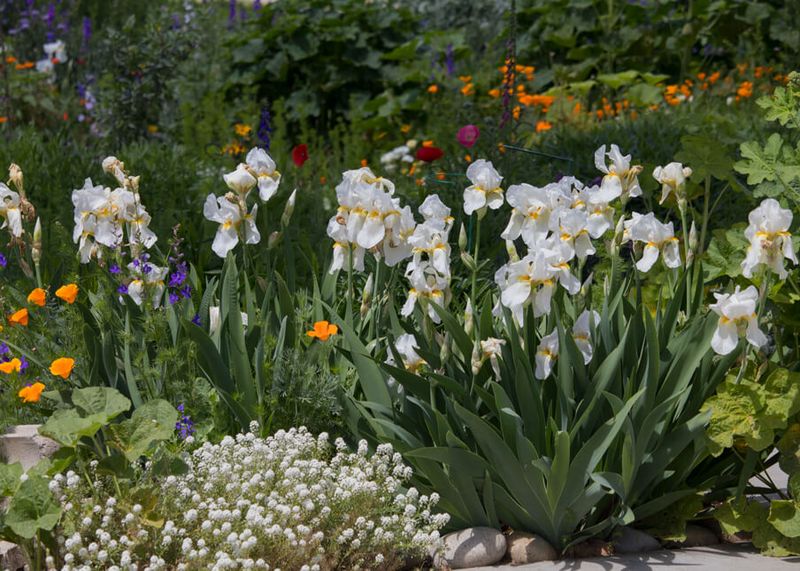
Grandma had a fence line of purple iris, and there is a reason those same plants outlived her. Bearded iris (Iris germanica) grow from fat surface roots called rhizomes that crawl sideways and multiply like clockwork.
Every three or four years the clump gets so crowded it actually stops blooming well. That is the plant telling you it is time to divide. Here is where it gets easy.
Your North Carolina Garden Changes Every Week. Your Plan Should Too.
Gardening in North Carolina changes quickly throughout the season. Every Friday you’ll receive a simple weekly plan showing exactly what to plant, prune, fertilize, harvest, and protect so you never miss the right timing.
In midsummer after they finish flowering, roughly July in the Piedmont, dig the clump and snap the rhizomes apart where they naturally fork. Trim the leaves to a 6-inch fan, then replant each piece with the top of the rhizome just barely showing above the soil. Bury them too deep and they sulk.
Space divisions 12 to 18 inches apart in full sun. One tired clump can yield eight or ten new plants in a single afternoon. Iris handle NC’s mild winters and surprise cold snaps without blinking, and they ask for almost no water once settled. Next spring you get a river of blooms for the price of a shovel.
4. Hosta
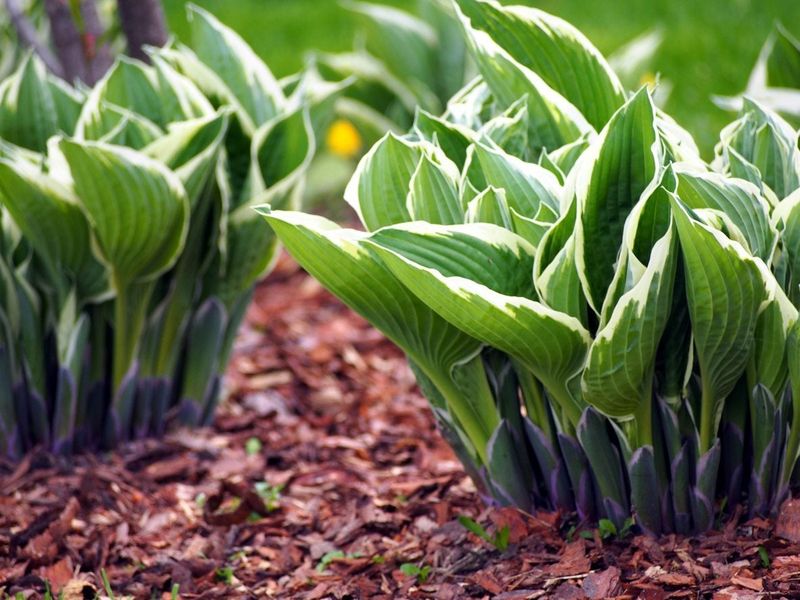
Got a shady corner where nothing grows and grass gives up? Hostas (Hosta) turn that dead zone into a lush green carpet, and one plant becomes many with almost embarrassing ease.
The magic happens underground. Each hosta forms a crown that splits into more crowns every year, so a modest plant swells into a wide mound within a few seasons. Peel it apart and you have instant free plants for every dim spot on the property.
Divide in early spring as the pointed shoots poke up, or in early fall. Dig the whole clump, then cut down through the crown with a sharp spade so each piece keeps roots and a few shoots. Replant 18 to 30 inches apart depending on the variety, and water deeply.
Slugs are the scheming antagonist here, chewing holes on humid NC nights. A ring of coarse mulch or crushed grit around each plant may help slow them down, though it is not a magic solution. Even so, hostas shrug off our muggy summers under dogwoods and oaks, giving you a free shade garden that fills in year after year.
5. Common Milkweed
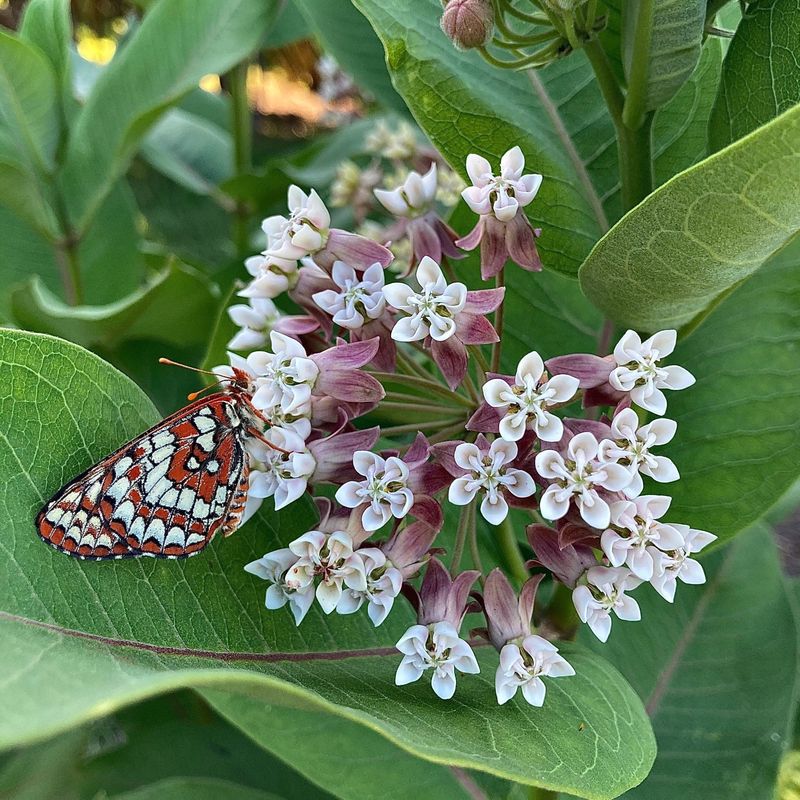
Every fall a wave of monarch butterflies drifts down through North Carolina heading for Mexico, and they are searching for one thing. Milkweed (Asclepias syriaca) is the only plant their caterpillars can eat, which makes it the quiet hero of any NC pollinator yard.
Common milkweed spreads with intent. Underground runners called rhizomes push out new shoots several feet from the parent, so a single plant becomes a small patch in two or three years. That habit annoys tidy gardeners and delights monarchs.
To make free plants, dig those outer shoots in early spring while they are young, keeping a chunk of root, and move them to a sunny spot 18 to 24 inches apart. Butterfly weed (Asclepias tuberosa) is a better-behaved cousin for smaller beds and handles sandy Coastal Plain soil beautifully.
NC State Extension points to native milkweed as one of the best things you can plant for fall monarchs. So a corner of your yard becomes a working nursery for one of the most watched migrations on the continent. Free plants, and a front-row seat.
6. Bee Balm
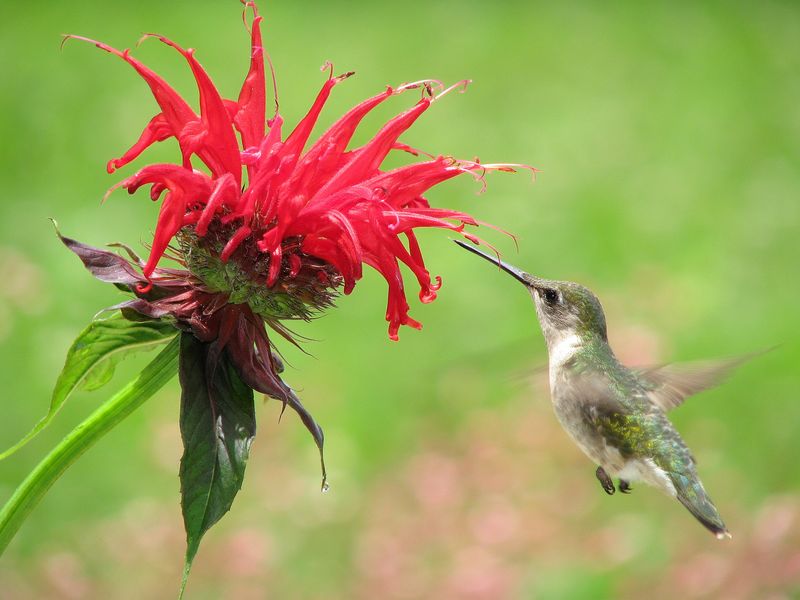
Hummingbirds hover like tiny helicopters over bee balm (Monarda) all through a Carolina summer, and the plant repays your attention by spreading fast. Blink and the patch is twice as wide.
Bee balm travels on shallow runners just below the surface, sending up fresh stems around the edges of the clump. The center sometimes dies out and goes bare, which is your cue to divide. That bare middle is not a failure, it is a signal.
In early spring, dig the whole clump, toss the woody center, and replant the vigorous outer pieces 18 inches apart in full sun to light shade. Give them room and airflow.
Here is the honest catch. Bee balm in humid NC summers is prone to powdery mildew, that dusty gray film on the leaves. Spacing plants well and picking mildew-resistant types can reduce it, though wet Piedmont Julys will always test them. Even a little mildew does not stop the blooms or the hummingbirds.
One plant can seed a whole nectar station within two seasons, and the buzzing crowd it draws feels like a small backyard miracle.
7. Shasta Daisy
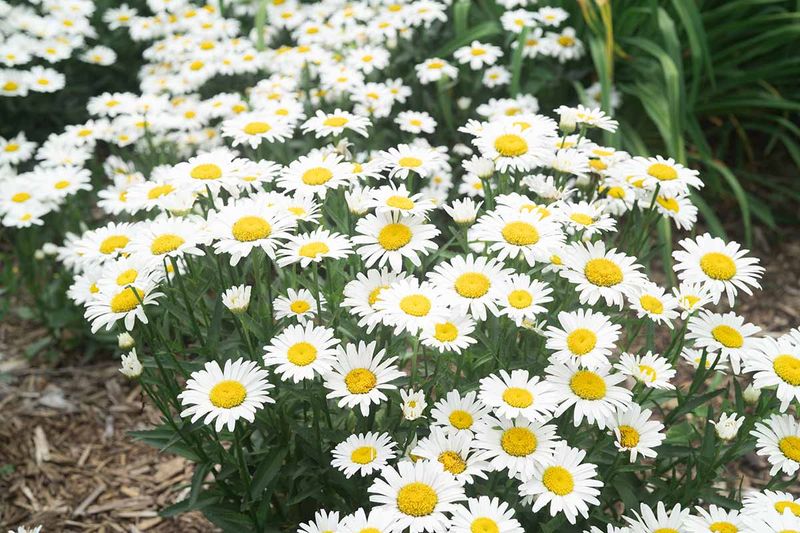
Clean white petals around a sunny yellow button, the Shasta daisy (Leucanthemum superbum) looks like a child drew it, and it multiplies almost as easily as it charms.
Left alone, the clump widens each year until the middle grows tired and thin. Most Piedmont gardeners find they need to divide every two or three years just to keep the flowers coming strong. The upside is a steady supply of free plants.
Lift the clump in early spring or right after fall bloom, then pull or cut it into fist-sized sections, each with roots and a few shoots. Replant 12 to 18 inches apart in full sun with decent drainage. They are not fond of soggy clay that stays wet, so a little compost mixed in helps.
Cut the spent flowers through summer and you often coax a second flush. Shasta daisies handle our heat and mild winters without drama, and they make cheerful cut flowers for the kitchen table. One well-behaved clump can border a 15-foot walkway in a couple of years, no receipt required.
8. Coneflower
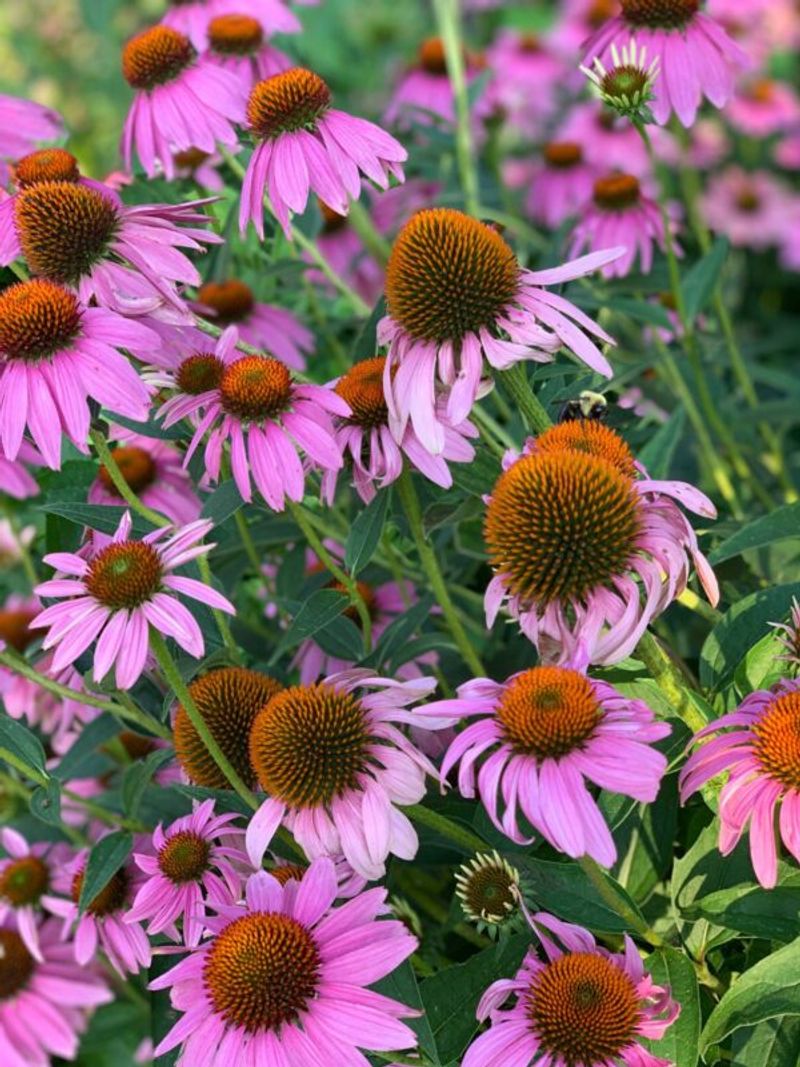
Goldfinches balancing on stiff seed heads in October tell you a lot about coneflowers. Purple coneflower (Echinacea purpurea) feeds bees in summer, birds in fall, and gardeners any time they want free plants.
It multiplies in two directions. The crown slowly widens for division, and the spiky seed heads drop seed that sprouts nearby the following spring. Leave a few heads standing and you will find volunteer seedlings you can transplant.
For sturdy clones, divide an established plant in early spring, spacing pieces 18 inches apart in full sun. For a whole meadow effect, just let the seed heads stand through winter and thin the seedlings where they crowd.
Coneflowers are tough natives built for NC conditions, from Piedmont clay to Sandhills sand, and they laugh off drought once their deep roots take hold. Butterflies work the blooms all summer, adding to the beneficial insect crowd that keeps a yard balanced. A single plant can populate a sunny bed within three years, and the winter birds show up as a bonus you did not have to buy.
9. Creeping Sedum
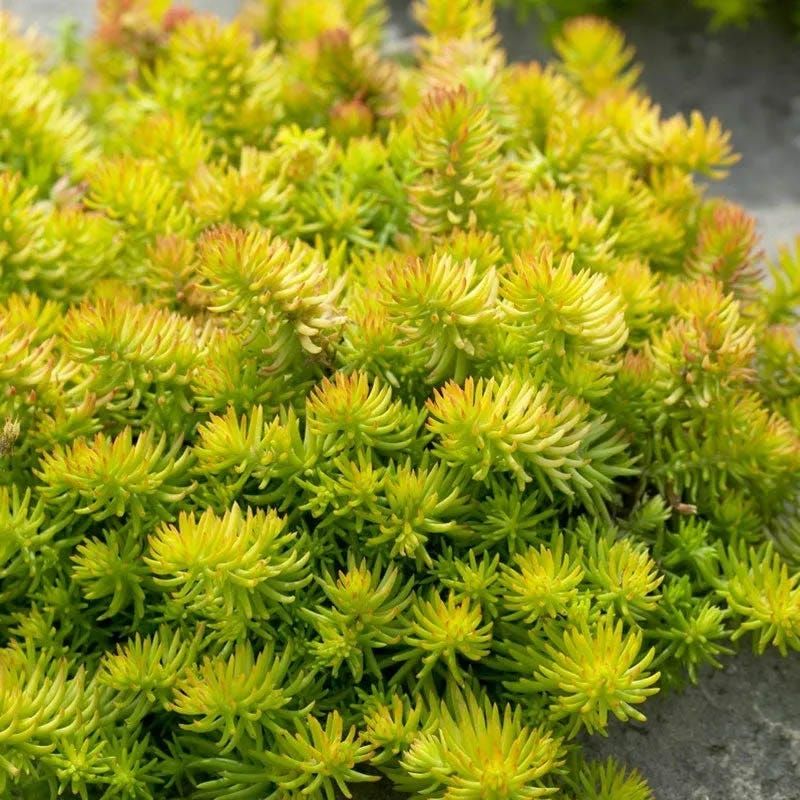
Forget to water for two weeks in August? Creeping sedum (Sedum) does not hold a grudge. This low, fleshy groundcover stores water in its leaves and spreads across hot, dry spots where grass fries.
Multiplying it is almost too simple. Stems root wherever they touch soil, so the mat creeps outward on its own. Snap off a 3-inch piece, lay it on bare ground, press it down, and it roots within a couple of weeks. That is the whole process.
Space cuttings or divisions 6 to 12 inches apart in full sun with fast-draining soil. Sedum despises soggy feet, so those baking Sandhills edges and gravelly slopes where nothing else survives are exactly where it thrives.
It shrugs off drought, sends up star-shaped blooms that small bees adore, and asks for practically nothing. Because it needs so little water, a bed of sedum is genuinely kind to your summer water bill. A single flat of plugs, or a handful of free cuttings from a neighbor, can carpet a rocky slope within one growing season.
10. Yarrow
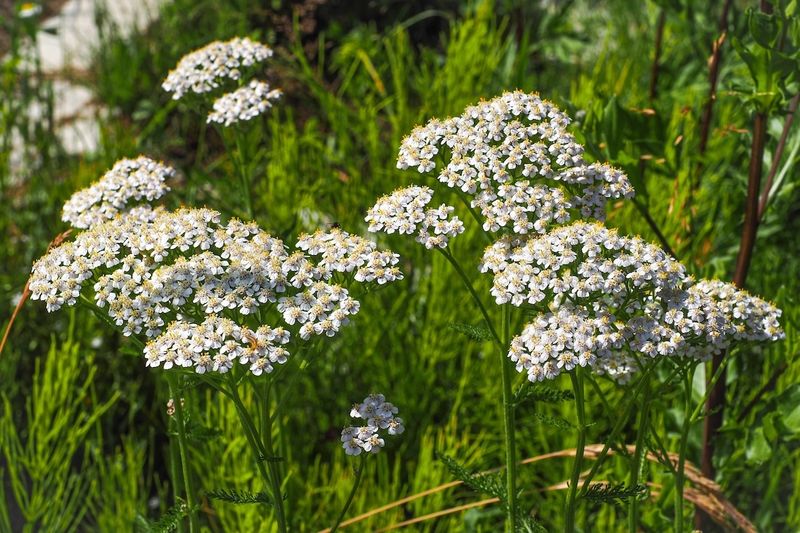
Feathery leaves and flat-topped flowers that look like landing pads for bugs, yarrow (Achillea millefolium) is one of the most generous spreaders you can grow, and one of the toughest.
It runs on underground rhizomes and also self-seeds, so a lone plant becomes a drift in a season or two. Beneficial insects like tiny wasps and hoverflies land on those flat blooms, and many of them prey on garden pests, which quietly helps your whole yard.
Dig and divide in spring or fall, pulling the spreading clump into pieces with roots attached and replanting them 12 to 24 inches apart in full sun. Poor, lean soil is fine. Rich, wet ground actually makes it flop.
Yarrow handles Coastal Plain sand, Piedmont clay, drought, and salty coastal breezes with the same easy shrug. Cut it back after the first bloom and it often flowers again. One clump can spread across an 8-foot dry border within two years, feeding the good bugs while filling space you never had to plant twice.
11. Joe Pye Weed
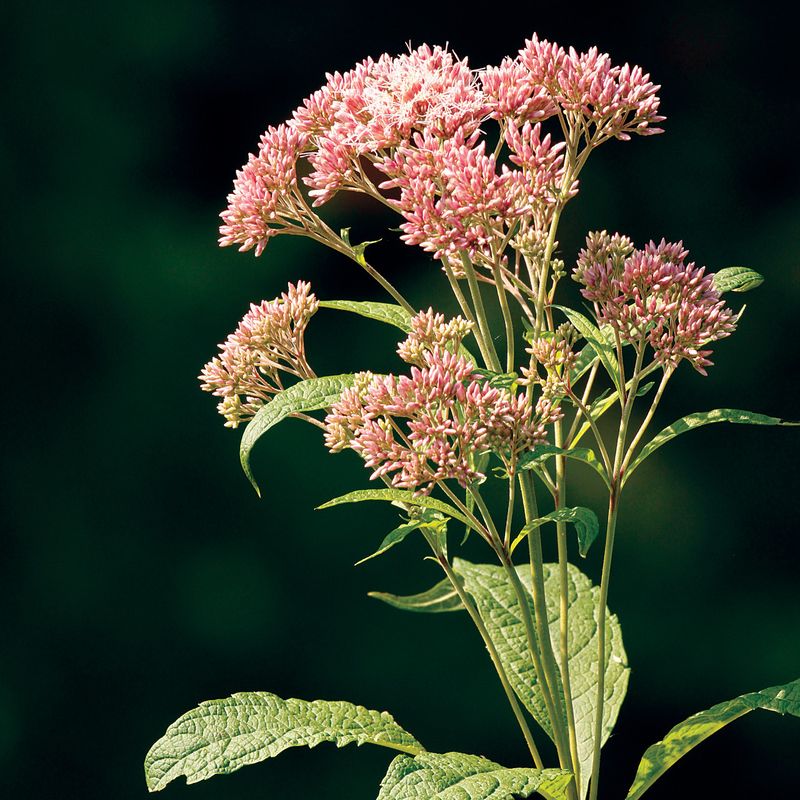
Late summer along a mountain creek, tall mauve flower heads tower overhead humming with butterflies. Joe Pye weed (Eutrochium) brings that wild, alive feeling right into your own backyard, and it does not stay small for long.
Reaching 5 to 7 feet tall, it forms fat clumps that widen every year and drop seed nearby. Give it a back-of-the-border spot with room to stretch and it will anchor a whole native bed. Swallowtails and monarchs cluster on the blooms in the same weeks fall migration ramps up.
To make more, divide the crown in early spring, spacing pieces 24 to 36 inches apart. It likes moist ground, so those low, damp corners where other plants rot are its happy place, whether in the mountains or a Piedmont drainage swale.
NC State Extension lists Joe Pye weed among the strong native nectar plants for supporting pollinators. So one clump becomes a towering butterfly magnet and a stack of free divisions within a few seasons. Stand near it on a warm evening and the whole thing seems to hum. That is a yard doing its job.