The Only Native Texas Perennial You Need If You Want Slugs To Find Your Shaded Beds Less Attractive
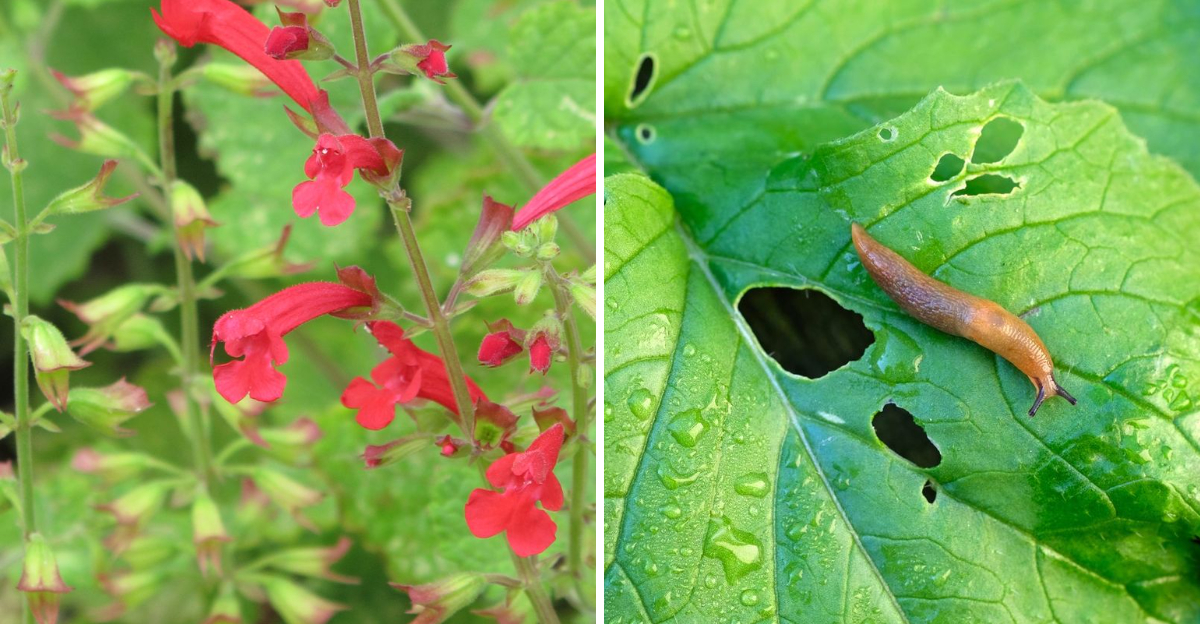
Slugs in shaded garden beds are one of those problems that Pennsylvania gardeners deal with almost seasonally. The cool, damp conditions that make shaded beds so hospitable for certain plants are exactly what slugs thrive in.
They work at night, they’re hard to catch in the act, and the damage they leave behind on hostas, heucheras, and other shade loving plants can be genuinely discouraging. Most people reach for pellets or traps.
Those work, but they need constant replenishing and come with concerns around pets and wildlife. There’s a native Texas perennial that takes a different approach entirely.
This plant creates conditions in and around shaded beds that slugs find consistently unappealing. It’s not a repellent in the chemical sense.
It’s more about what this plant introduces to the immediate environment that slugs prefer to avoid. It’s beautiful, low maintenance, and perfectly suited to the shaded corners of a Texas garden.
Here’s the one native perennial that could make your shaded beds a much less welcoming place for slugs.
The Perennial You Need If You Want Slugs To Find Shaded Beds Less Attractive
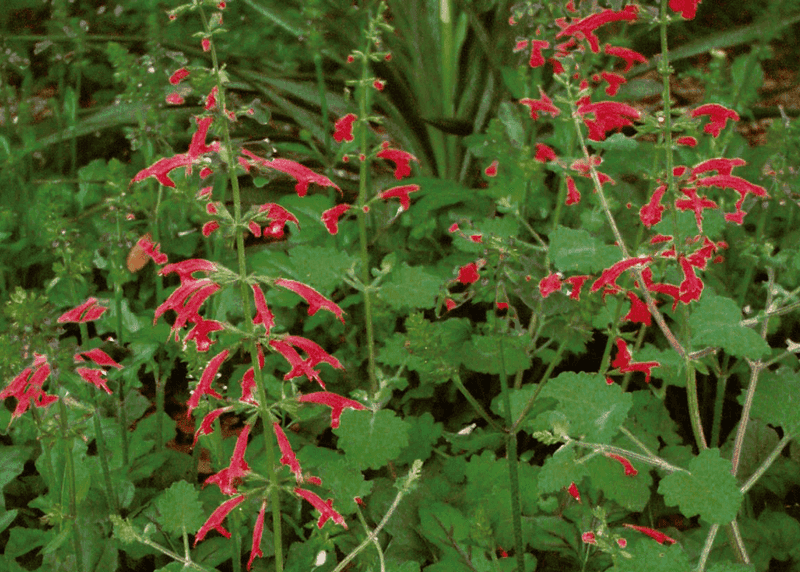
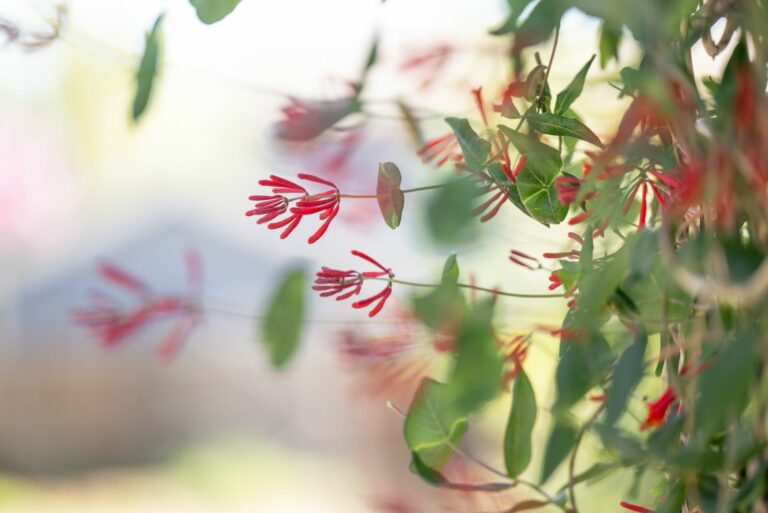
Walk through any shaded Texas woodland in spring, and you might spot bright red flowers tucked under the canopy like little sparks of color.
That plant is cedar sage, known by its botanical name Salvia roemeriana, and it has been growing in Texas long before anyone thought to plant it on purpose.
Cedar sage is a perennial, which means it comes back year after year without you having to replant it. It thrives in part shade or bright shade, making it a natural fit for those tricky spots under trees where not much else wants to grow.
The foliage is aromatic and a bit rough in texture, which is very different from the soft, moisture-soaked leaves that slugs tend to target first.
This plant is not a magic force field against slugs. Slugs can still pass through a bed where cedar sage grows.
But cedar sage does not give them the same easy, tender meal that hostas, impatiens, or other soft-leaved shade plants do. It simply makes the bed feel less like a buffet and more like a place where slugs have to work a little harder to find what they want.
Gardeners in Central Texas especially love cedar sage because it handles dry shade well, attracts hummingbirds, and stays relatively tidy without much pruning. It grows about one to two feet tall and spreads slowly over time.
For anyone trying to build a shaded bed that looks beautiful and stays less slug-friendly, cedar sage is honestly the best place to start.
Why Slugs Love Shaded Texas Beds
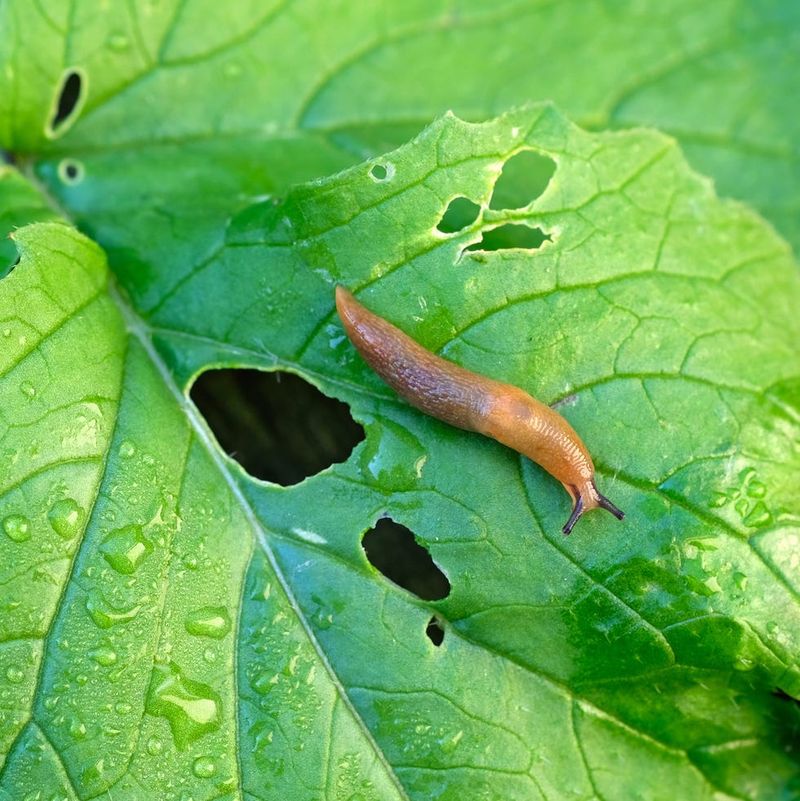
Slugs are basically moisture-seeking machines. They need damp conditions to move around, feed, and survive, so shaded garden beds in Texas can feel like paradise to them.
The shade keeps the soil cooler and wetter for longer than sunny spots, and that is exactly the kind of environment slugs seek out.
Your Texas Garden Changes Every Week. Your Plan Should Too.
Gardening in Texas changes quickly throughout the season. Every Friday you’ll receive a simple weekly plan showing exactly what to plant, prune, fertilize, harvest, and protect so you never miss the right timing.
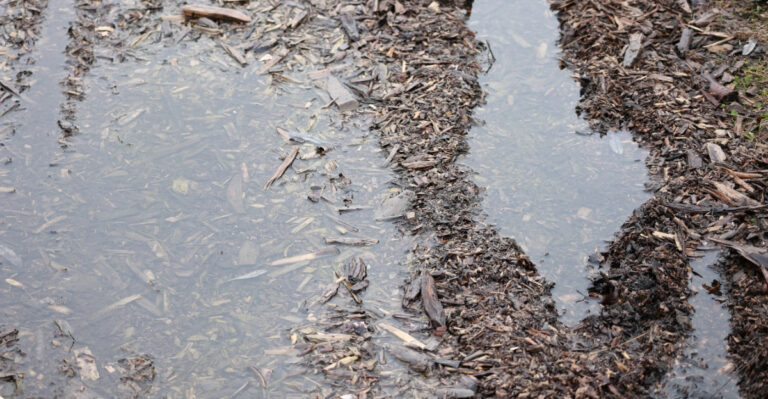
Thick mulch layers make things even better for slugs. Mulch holds moisture close to the soil surface and gives slugs a dark, protected place to rest during the day.
Leaf litter does the same thing. When you add crowded plants with poor airflow into the mix, you end up with a bed that stays damp almost all the time, which is a very appealing setup for a slug looking for a home base.
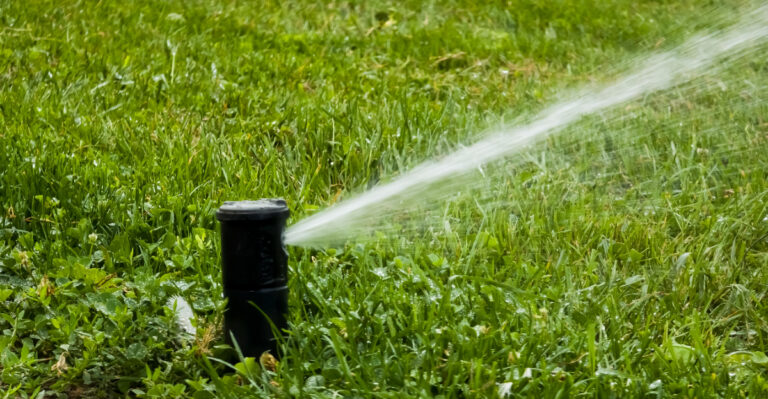
Overwatering is another big factor. Many gardeners water shaded beds just as often as sunny ones, but shaded beds dry out much more slowly.
That extra moisture sitting in the soil and on plant leaves overnight creates perfect conditions for slug activity after dark.
Understanding why slugs are drawn to shaded beds helps you make smarter choices about what you plant there and how you care for the space. Slugs are not random visitors.
They show up where conditions suit them best. Once you start thinking about your shaded bed from a slug’s point of view, you can begin adjusting those conditions little by little.
Choosing plants like cedar sage that do not offer the soft, wet foliage slugs love is one of the most effective first steps you can take.
How Cedar Sage Helps Make The Bed Less Appealing
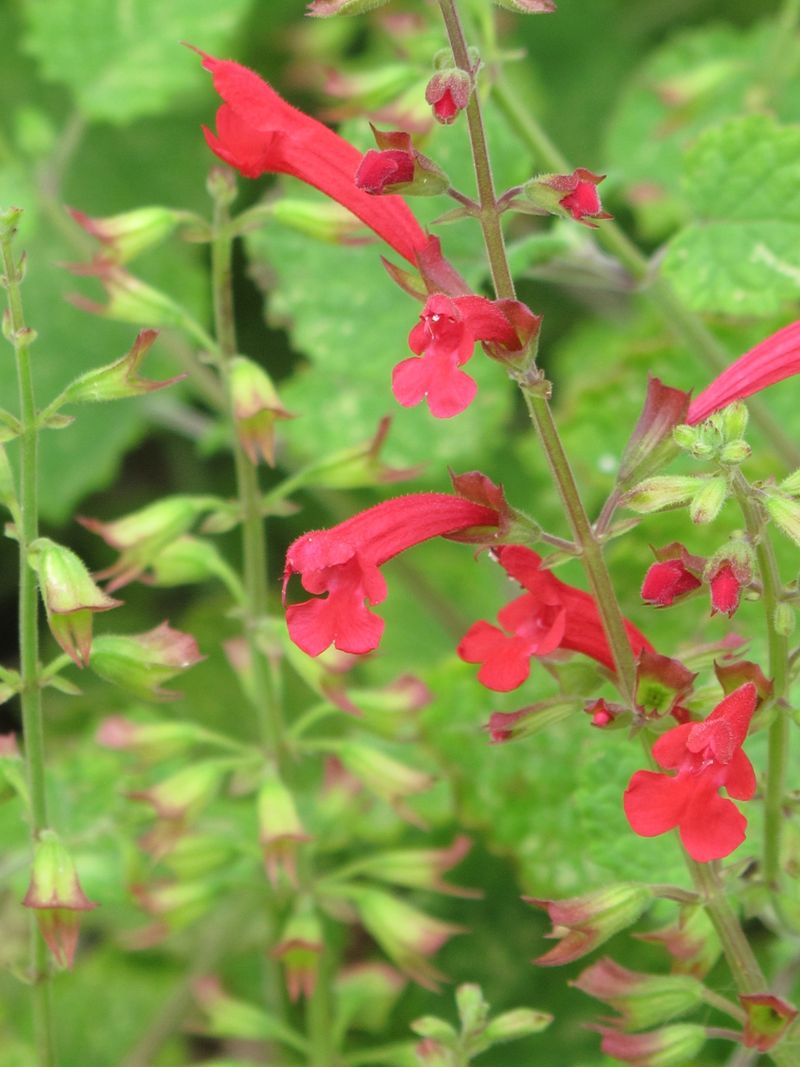
Slugs are picky in their own way. They strongly prefer soft, thin, moisture-rich leaves over tough, aromatic, or textured foliage.
Cedar sage falls into that second category, and that is exactly why it works so well in a slug-reduction strategy for shaded beds.
The leaves of cedar sage have a slightly rough, almost fuzzy texture and carry a noticeable herbal scent. That fragrance comes from natural oils in the foliage, which is a common trait among salvia species.
Slugs generally avoid plants with strong scents and tough leaf surfaces because those plants take more effort to chew and offer less moisture reward. When you plant cedar sage near or instead of soft ornamentals, you are quietly shifting the character of the whole bed.
Think of it as replacing a plate of soft bread with a plate of crackers. Slugs can still find food elsewhere, but the bed stops being their first choice.
Cedar sage also brings real beauty to the space with its scarlet red flowers that bloom from spring through fall and sometimes longer in mild Texas winters. You are not sacrificing looks for function here.
Pairing cedar sage with other plants that have similarly tough or aromatic foliage builds on this effect even more. The more of the bed that offers less-appealing texture and scent, the less inviting the whole space becomes.
Cedar sage is not doing heavy lifting all by itself, but as part of a thoughtful planting plan, it genuinely helps tip the balance in your favor and makes your shaded bed a far less comfortable destination for slugs.
Where Cedar Sage Grows Best
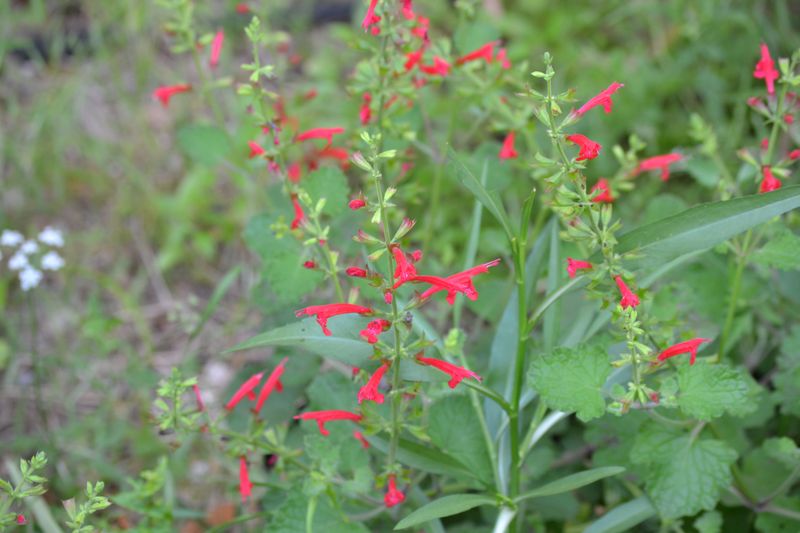
Cedar sage earned its name for a reason. In the wild, you find it growing naturally under cedar and live oak trees across Central Texas, the Hill Country, and into parts of East Texas.
It is built for those conditions, which means it already knows how to handle the kind of shaded spots that challenge so many other plants.
Part shade or bright shade is the sweet spot for cedar sage. A spot that gets morning sun and afternoon shade works beautifully.
Deep, dark shade under a very dense canopy can limit flowering, so aim for a location where filtered light reaches the plant for at least a few hours each day.
Along woodland edges, near shaded walkways, or under deciduous trees that let in winter light are all excellent choices.
Soil drainage matters quite a bit. Cedar sage is adapted to the rocky, well-drained soils of the Texas Hill Country, so it does not like sitting in wet or boggy ground.
If your shaded bed tends to stay soggy after rain, amending the soil with coarse sand or grit can help. Raised beds in shaded areas also work well for this plant.
Once established, cedar sage handles dry spells with impressive ease. It does not need regular irrigation once its roots are settled in, which also helps keep the soil drier and less welcoming to slugs.
Planting it in spots where water drains away naturally gives you a healthier plant and a less slug-friendly environment all at once. It is a genuinely practical match for real Texas growing conditions.
How To Use Cedar Sage In A Slug-Resistant Planting
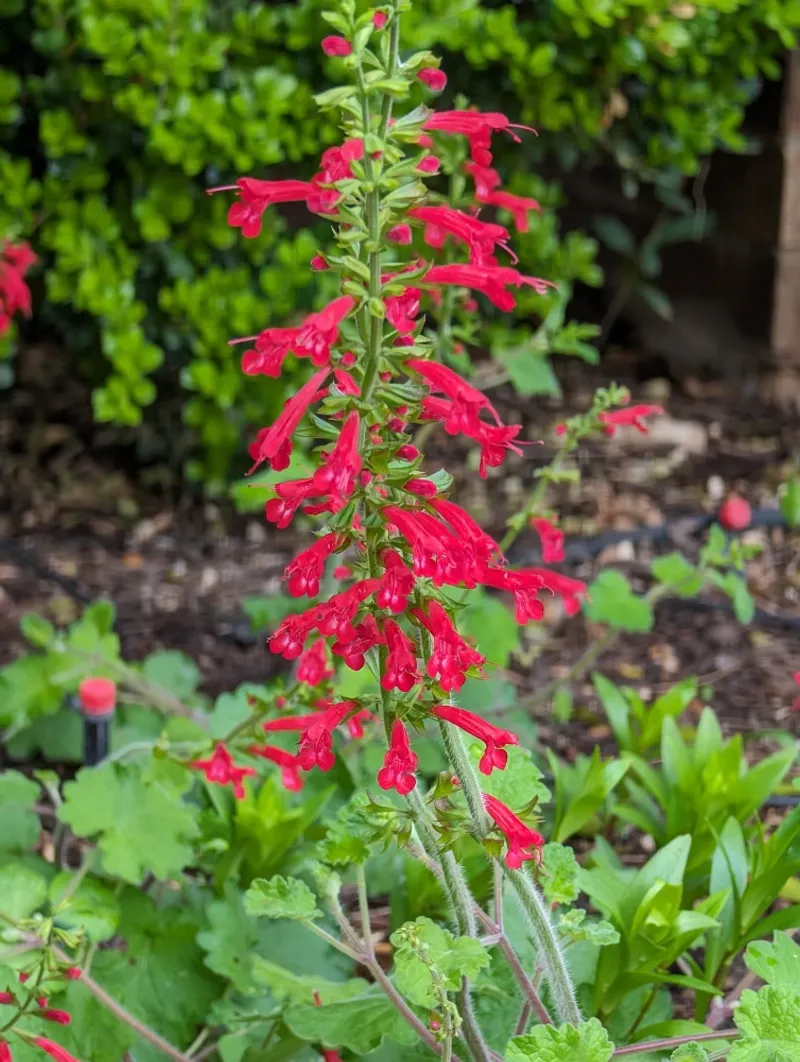
Planting cedar sage in a single spot here and there can look a little random. For the best visual effect and the most impact on slug appeal, plant it in small groups or drifts of three to five plants.
Grouped plantings look intentional and natural at the same time, and they fill in the bed with more of the aromatic, textured foliage that slugs find less interesting.
Spacing matters too. Leave enough room between plants for air to move through the foliage.
Good airflow helps the soil and leaves dry out faster after rain or watering, which removes one of the key conditions that make a bed attractive to slugs. Crowded plants trap humidity and create the kind of damp microclimate that slugs actively seek out.
Mulch is worth rethinking as well. A thin layer of mulch, about one to two inches, is enough to protect roots and keep weeds down without creating the thick, moist hiding layer that slugs use as a daytime shelter.
Shredded cedar mulch is a popular choice in Texas and may add a mild aromatic quality to the bed surface.
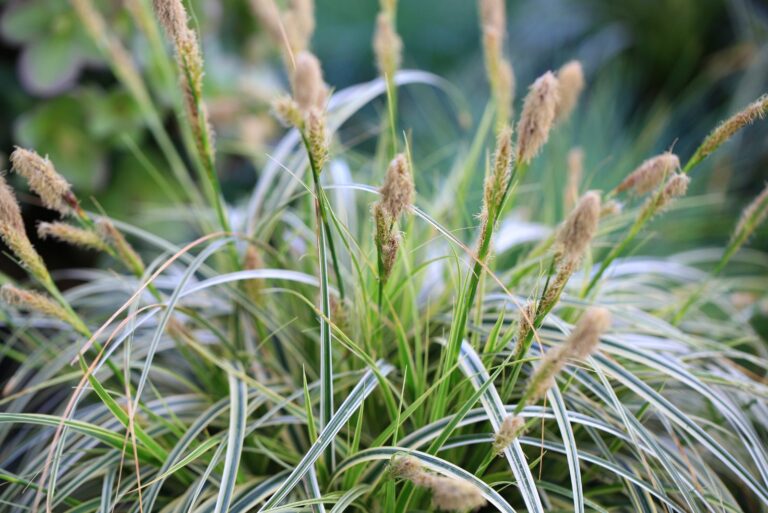
Pairing cedar sage with other tough, slug-resistant shade plants rounds out the strategy nicely. Native ferns with leathery fronds, inland sea oats, and turk’s cap are all good companions that hold up well in Texas shade without offering slugs a soft, easy target.
When the whole bed is filled with plants that have tougher leaves and better drainage, the slugs that wander through are far less likely to stick around and set up camp.
What Else To Do If Slugs Keep Showing Up
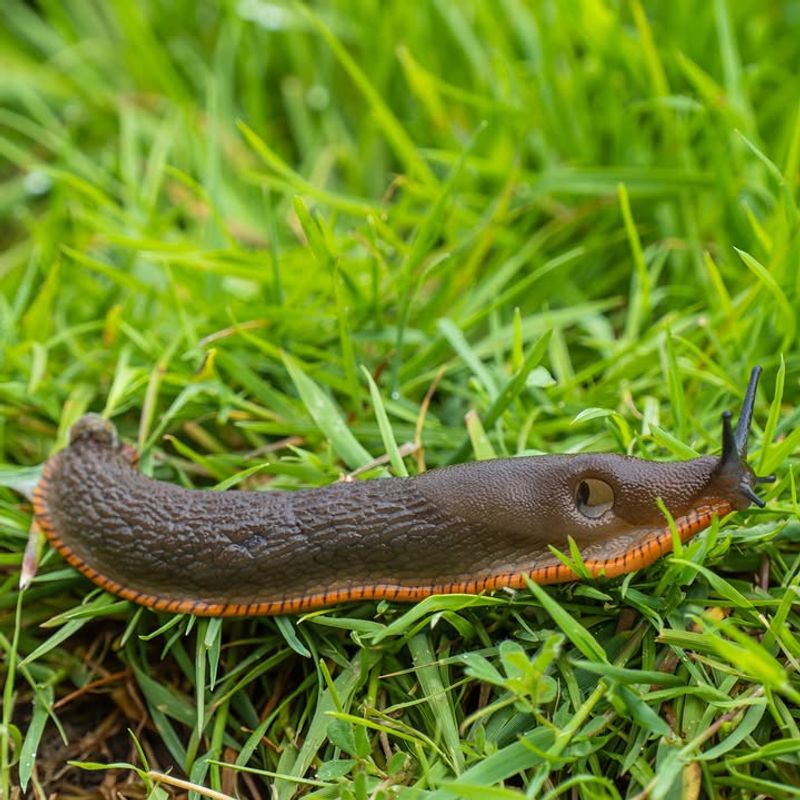
Cedar sage is a great tool, but it works best when the rest of the bed is also less friendly to slugs. One of the simplest changes you can make is adjusting when you water.
Watering in the morning instead of the evening gives the soil and foliage time to dry out before nightfall, which is when slugs are most active. Wet leaves and soggy soil at night are basically an open invitation.
Leaf litter is another thing to stay on top of. Fallen leaves that pile up in shaded beds hold moisture and create the dark, damp hiding spots slugs love.
Raking out heavy leaf buildup regularly, especially after rainy spells, removes a lot of the shelter slugs depend on during the day. You do not need to keep the bed completely bare, just avoid letting thick wet layers sit undisturbed for weeks at a time.
Check under boards, pots, stepping stones, and low plant debris after rainy periods. Slugs hide under anything that holds moisture and blocks light.
Lifting and removing those hiding spots reduces the local slug population over time without any special products needed.
Improving drainage across the whole bed ties everything together. When water moves through the soil instead of pooling, the bed stays drier overall, and slugs have less reason to linger.
Cedar sage helps most when the environment around it also works against slugs. Think of it as a team effort where the plant, the soil, the mulch depth, and your watering habits all work together to make the bed a less comfortable, less rewarding place for slugs to spend their time.