How To Revive Heat Damaged Salvia In Florida And Get It Blooming Again
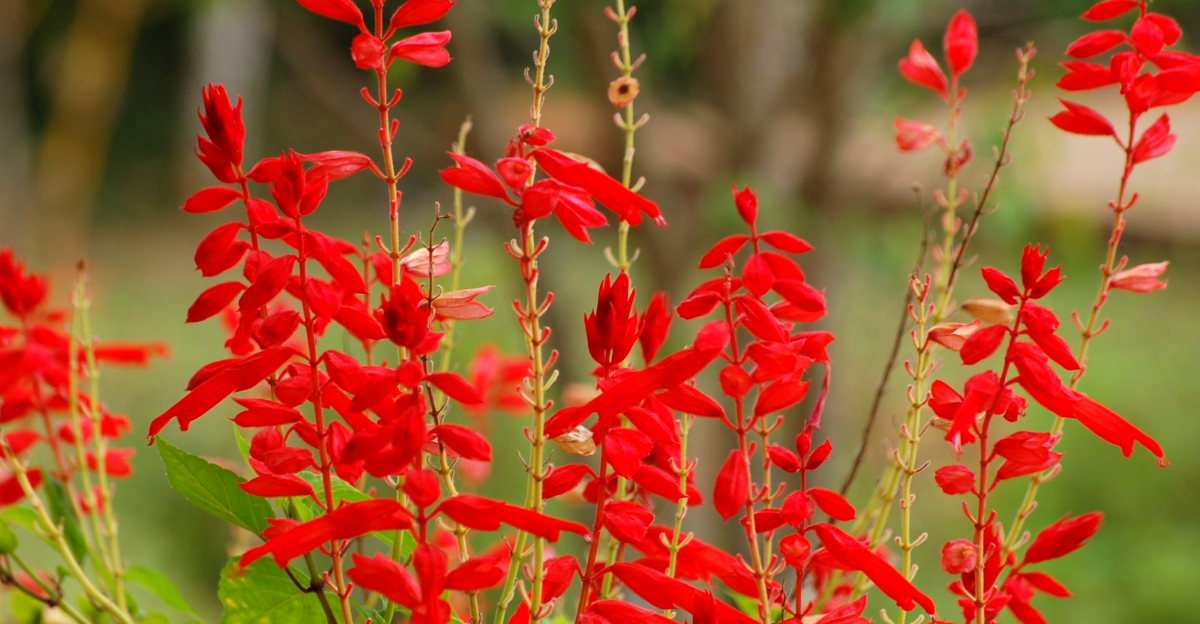
Salvia looks like a heat-tough plant, and in many ways it is, but Florida’s July has a way of finding the limits of even the most reliable garden performers.
One stretch of intense afternoon heat, a few days of unpredictable rain, some reflected warmth bouncing off a nearby patio or driveway, and a salvia that looked great in June can start looking genuinely rough in a hurry.
The tricky part is that heat stress on salvia is easy to misread, and jumping straight to fertilizer or heavy pruning on a struggling plant almost never helps. The smarter starting point is stabilizing first.
Checking soil moisture, refreshing mulch, managing sun exposure, and lightly trimming spent flower stems give a stressed salvia the breathing room it needs to build strength and find its way back to blooming on its own timeline.
1. Check Soil Moisture Before Watering Again
Drooping flower spikes and limp leaves on a salvia plant do not automatically mean the soil is too dry. In Florida, heat stress alone can cause salvia to look exhausted even when the root zone still holds enough moisture.
Before reaching for the hose, take a moment to check what is actually happening underground.
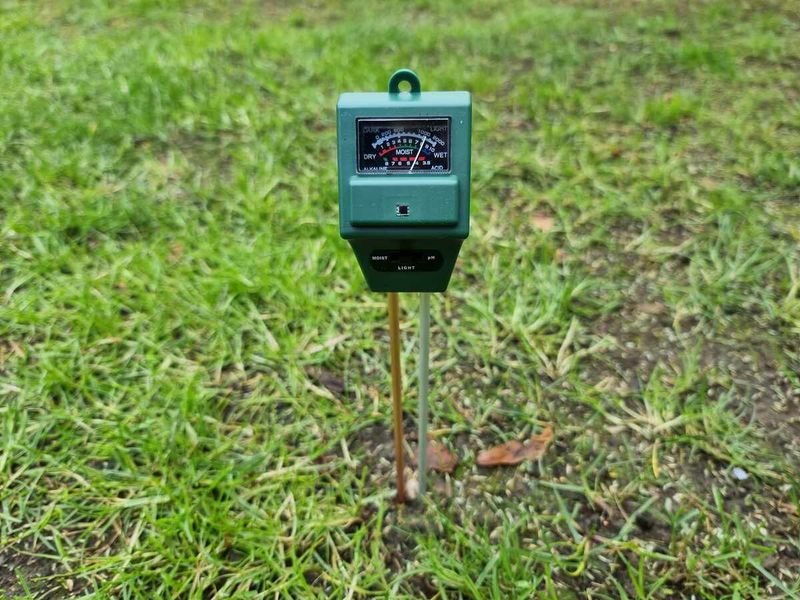
Press a finger or a thin wooden dowel about two inches into the soil near the base of the plant. If the soil feels cool and damp at that depth, the plant may not need more water right away.
Watering into already moist soil can reduce oxygen in the root zone and add a different kind of stress to a plant that is already struggling.
Containers on patios can be especially tricky because the top layer of potting mix dries out fast in Florida heat while the bottom stays wet much longer. A pot that feels light when lifted is usually ready for water, while a heavy pot often still holds plenty of moisture near the roots.
Sandy soil in Florida drains quickly, so outdoor beds may dry out faster than container mixes, but compacted areas or low spots can stay soggy after summer rain even when the surface looks dry.
Reading the actual root zone rather than going by appearance alone helps gardeners avoid the two most common mistakes: overwatering a stressed plant or leaving a genuinely dry one without enough moisture to recover.
2. Water Deeply When The Root Zone Is Dry
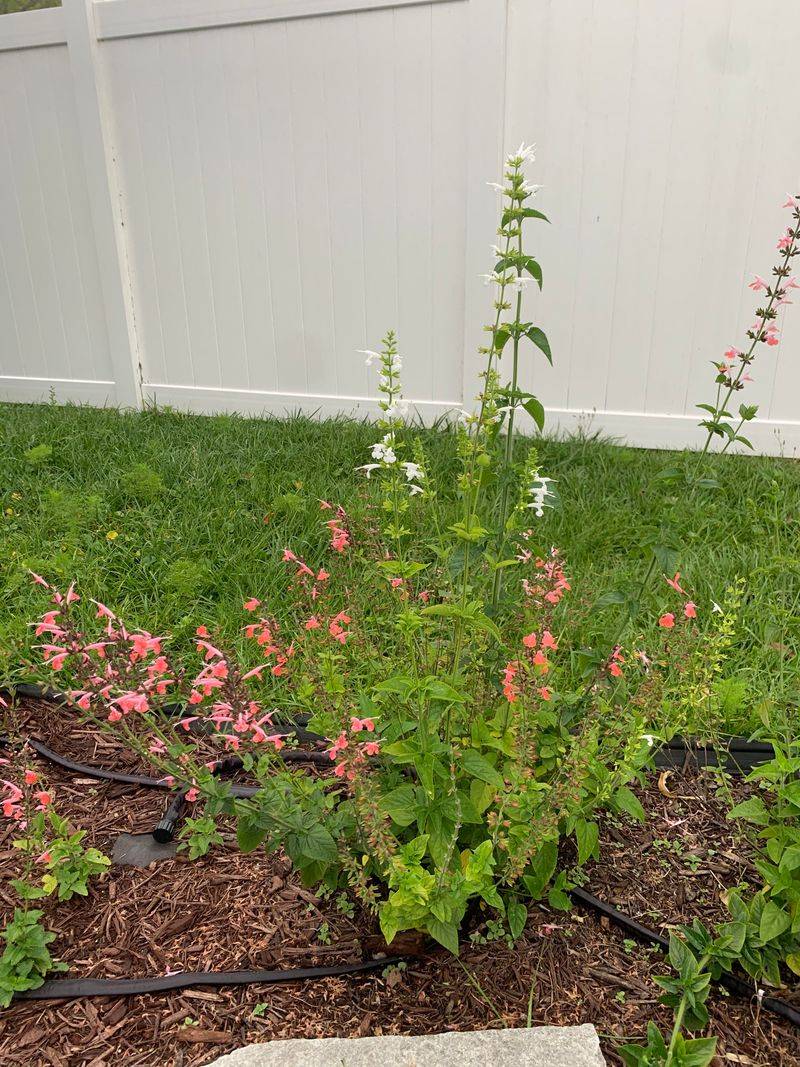
A quick splash of water over the top of the soil rarely does much good for a salvia that is stressed from Florida summer heat.
When the root zone is genuinely dry, the plant needs water that moves slowly and deeply down through the soil so the roots can actually reach it.
Shallow watering tends to wet only the top inch or two, which evaporates quickly in the heat and leaves the deeper roots just as dry as before.
Watering slowly at the base of the plant for several minutes gives moisture time to move downward into the root zone. This approach is more effective than frequent short bursts, which can encourage surface roots that are more vulnerable to heat and dry spells.
Your Florida Garden Changes Every Week. Your Plan Should Too.
Gardening in Florida changes quickly throughout the season. Every Friday you’ll receive a simple weekly plan showing exactly what to plant, prune, fertilize, harvest, and protect so you never miss the right timing.
For salvia growing in Florida beds with sandy soil, deep watering once or twice a week during dry stretches is generally more helpful than light daily watering.
Container-grown salvia needs consistent attention during hot weather because pots heat up faster than ground beds and dry out more quickly on sunny patios or decks.
Watering until moisture drains from the bottom of the pot ensures the entire root ball gets hydrated rather than just the top layer of potting mix.
Avoid watering during the hottest part of the day when possible. Early morning is a practical choice in Florida because it gives foliage time to dry before nighttime, which can reduce the chance of fungal issues in humid summer conditions.
3. Keep The Soil Well Drained
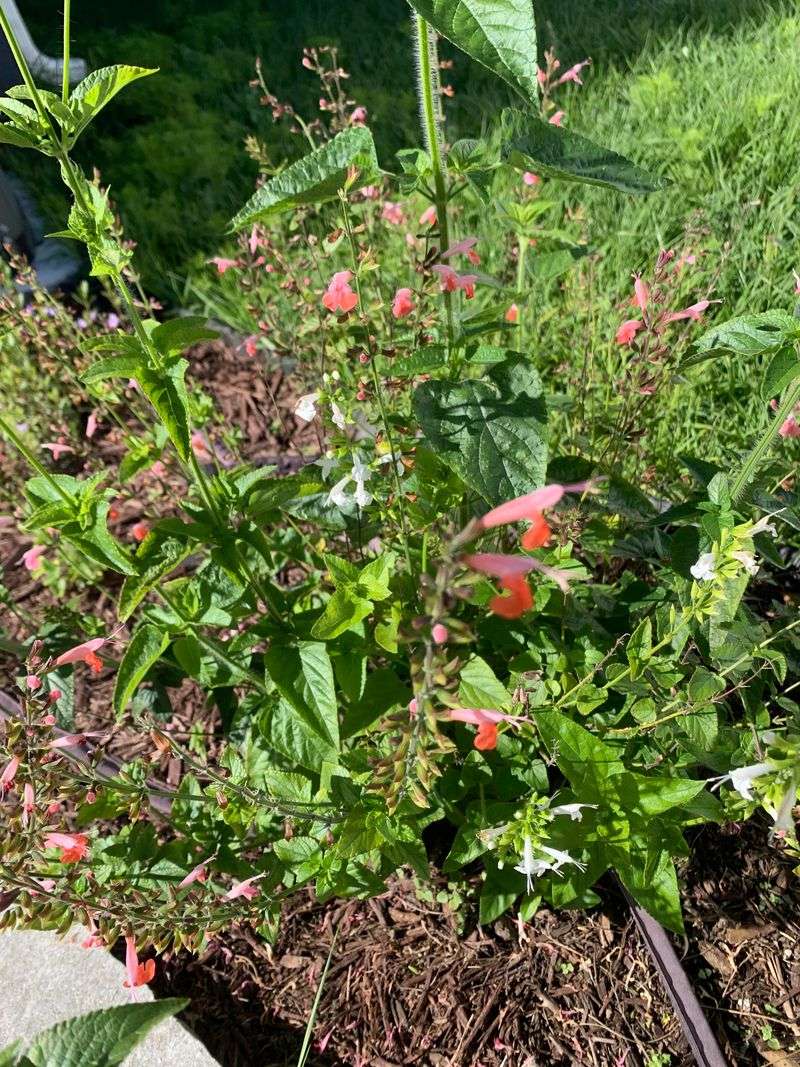
Soggy beds after a Florida summer storm can be just as harmful to salvia as dry, parched soil.
Salvia generally performs best in well-drained conditions, and roots that sit in waterlogged soil for too long can struggle to take up oxygen, which weakens the plant even further when it is already dealing with heat stress.
Low spots in the landscape, compacted clay-heavy areas, and containers without drainage holes are common problem zones in Florida gardens.
Even when a salvia plant looks thirsty above ground, the root zone below might be holding far more water than the plant can handle.
Checking drainage before adding more water is a simple habit that can prevent a lot of unnecessary setbacks during the rainy season.
Raised beds and mounded planting areas tend to drain more naturally than flat ground, making them a practical option for salvia in Florida landscapes where heavy afternoon storms are common.
For containers, making sure drainage holes are clear and not blocked by compacted roots or sitting in a saucer full of water can make a noticeable difference during recovery.
Amending soil with coarse sand or organic material before planting helps with long-term drainage, but that option is off the table for a plant already in the ground.
The most realistic short-term fix is managing water input carefully and avoiding irrigation when the soil is still damp from recent rain.
Steady drainage supports root health, which is the foundation for any kind of recovery and future blooming.
4. Refresh Mulch Around The Plant
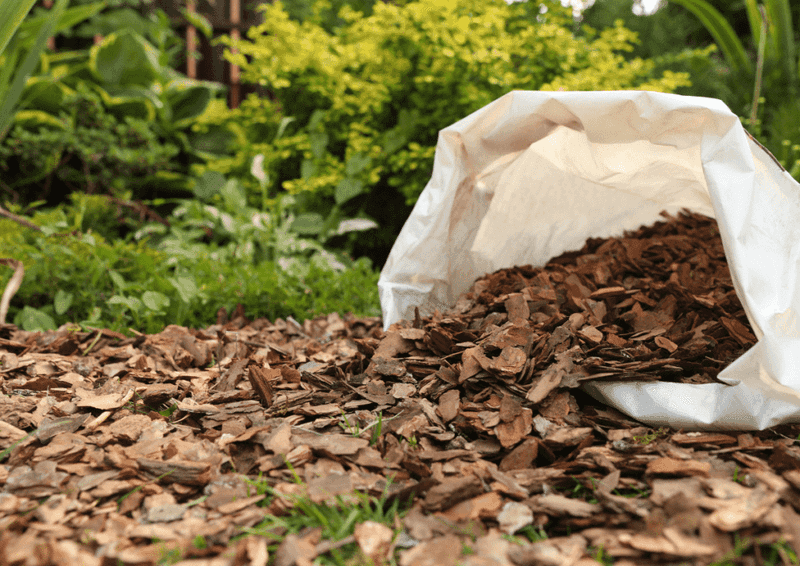
Dry, thin, or broken-down mulch around a salvia plant is easy to overlook, but it can make a real difference during Florida’s intense summer heat.
A fresh layer of mulch helps slow moisture evaporation from the soil, moderate root zone temperatures, and reduce the stress that comes with rapid soil drying between watering sessions.
Organic mulches like shredded bark or pine needles work well in Florida garden beds because they break down gradually and add a bit of organic matter to the soil over time.
Applying a layer of about two to three inches around the base of the plant is a reasonable starting point, though the exact amount can vary based on the type of mulch and the bed conditions.
One detail that matters more than many gardeners expect is keeping the mulch pulled back slightly from the crown of the plant, which is the area where the stems meet the soil.
Packing mulch directly against the stems can trap moisture and heat against the base of the plant, which may encourage rot or fungal issues, especially in Florida’s humid summer climate.
Refreshing mulch is one of the simpler steps in a heat recovery plan, and it costs very little effort compared to the benefit it can provide.
For pollinators visiting salvia flowers, a well-mulched bed also tends to stay more hospitable during dry spells because the soil underneath holds moisture longer and stays cooler through the hottest parts of an afternoon.
5. Give It Sun With Some Heat Relief If Needed
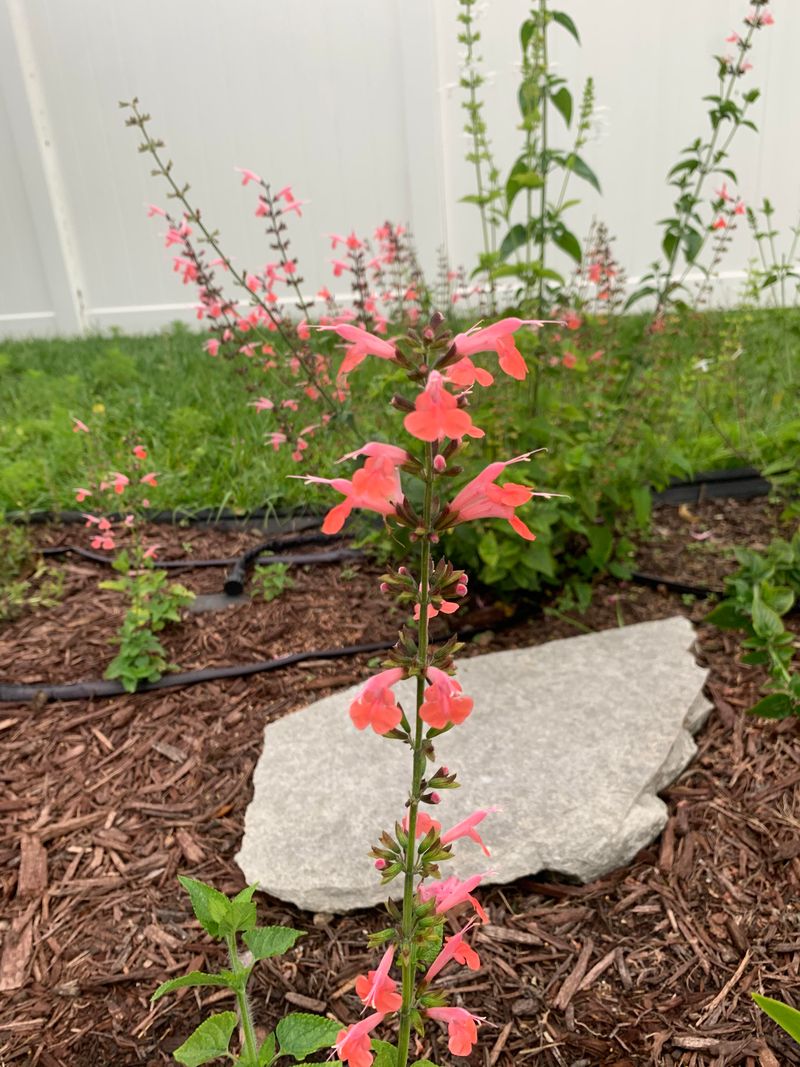
Faded blooms and scorched leaf edges on a salvia plant growing in full reflected heat from a concrete patio or white wall can signal that the plant is getting more intensity than it can handle during Florida’s peak summer months.
Salvia generally needs good sun exposure to produce strong flower spikes, but there is a difference between healthy sunlight and relentless reflected heat that builds up around containers or south-facing walls throughout the afternoon.
For salvia growing in containers, temporary afternoon relief is one of the easier adjustments to make.
Moving a pot to a spot that receives morning sun and some filtered light in the late afternoon can reduce heat load without cutting off the light the plant needs for flowering.
This is a short-term measure while the plant is stressed, not a permanent change to shadier conditions.
Ground-planted salvia has fewer options for repositioning, but adding mulch, improving drainage, and adjusting irrigation timing can reduce some of the stress caused by intense afternoon sun.
Established salvia in a well-prepared Florida bed tends to handle direct sun better than a recently planted or already weakened specimen.
Too much shade can reduce bloom production noticeably, so any heat relief should be thoughtful and temporary.
The goal is to reduce extreme heat stress during recovery, not to shift the plant into low-light conditions where it may drop flower production altogether.
Steady morning sun with moderate afternoon exposure tends to support the best balance during Florida’s long summer season.
6. Lightly Prune Spent Flower Stems
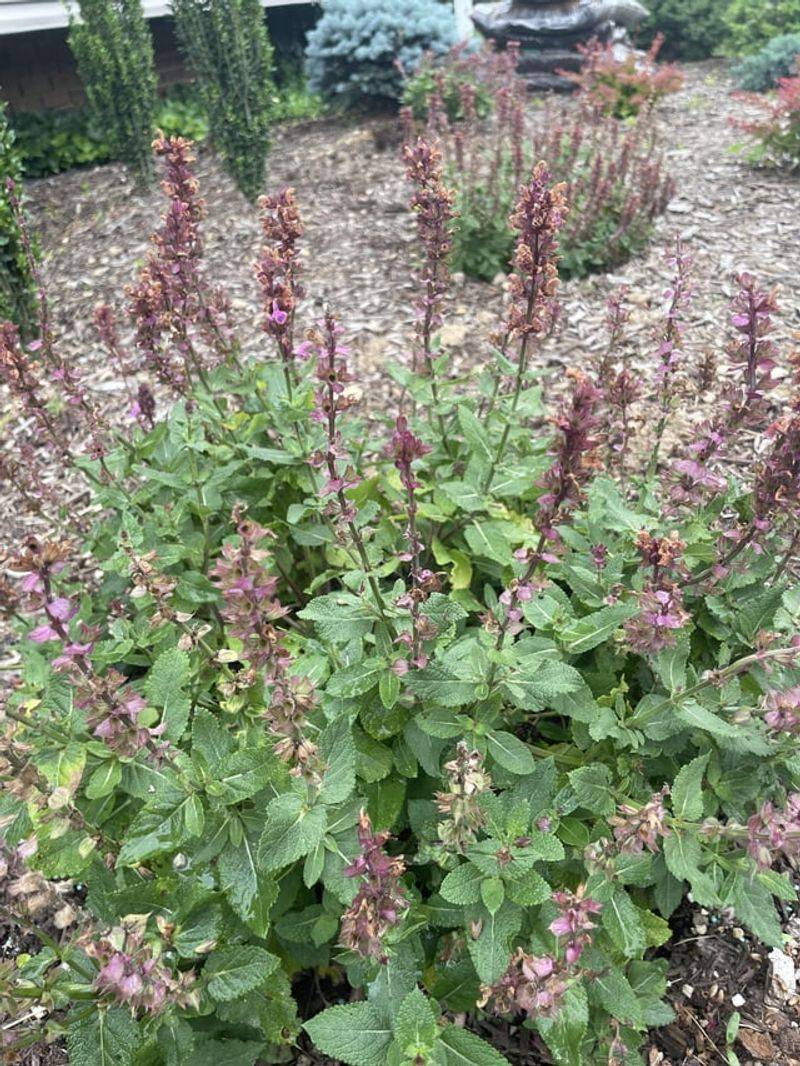
Tired-looking stems topped with brown, dried flower spikes are a common sight on salvia after a stretch of intense Florida heat. Trimming those spent flower heads lightly can tidy up the plant and signal to it that producing new growth is worth the energy.
This kind of light cleanup is different from cutting the whole plant back aggressively, and that distinction matters when the plant is still recovering.
Using clean, sharp pruning shears to snip off the faded flower stems just above a healthy leaf node keeps the cuts tidy and reduces the chance of introducing issues through ragged cuts on an already stressed plant.
Removing spent blooms during the growing season is a common practice for encouraging salvia to send up fresh flower spikes rather than putting energy into setting seed on old ones.
Light pruning also makes the plant look more cared for in a pollinator garden or a front-yard bed, which can be encouraging when the rest of the plant still looks a bit rough.
Pollinators like bees and butterflies tend to visit fresh, open flowers rather than dried ones, so keeping the plant tidy can help it stay attractive and functional in the landscape.
The key word here is light. Snipping off the spent tops of flower stems is not the same as cutting deeply into the green stems below.
Keeping cuts minimal while the plant is still heat-stressed gives it the best chance to push out new growth without the added strain of recovering from heavy pruning at the same time.
7. Hold Off On Heavy Cutting Until It Stabilizes
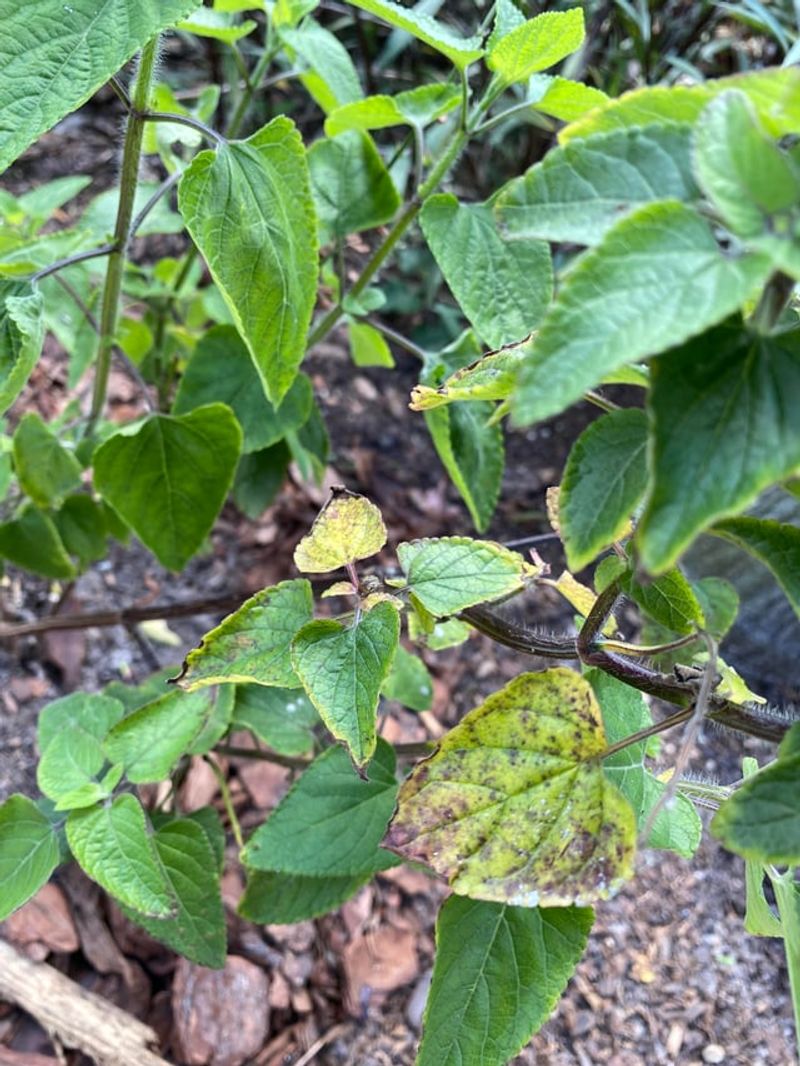
When salvia looks completely limp and worn out after a Florida heat spell, the instinct to cut it back hard can feel like the right move.
Cutting back heavily seems like a fresh start, but for a plant that is still wilted, stressed, and struggling to maintain basic functions, heavy pruning can add a significant burden at exactly the wrong time.
New growth after a hard cut requires energy, and a heat-damaged plant with a weakened root system may not have the reserves to push out strong new shoots quickly.
Cutting deeply into stems that are still green but stressed can leave the plant with fewer leaves to support recovery through photosynthesis, which is how it produces the energy needed to stabilize and eventually rebloom.
Waiting until the salvia shows some steadier signs of recovery is a more realistic approach.
Look for new leaf growth emerging from the base or along the stems, firmer stems that no longer droop in the morning, and leaves that look less wilted even during the hottest part of a Florida afternoon.
Those are signs that the plant is gaining some stability.
Once the plant looks more settled and is producing new growth reliably, a more thorough trim can help shape it and encourage a fresh flush of flowers. Rushing that step while the plant is still unstable tends to slow recovery rather than speed it up.
Patience during this window is one of the more useful tools a Florida gardener can use.
8. Skip Fertilizer Until New Growth Looks Stronger
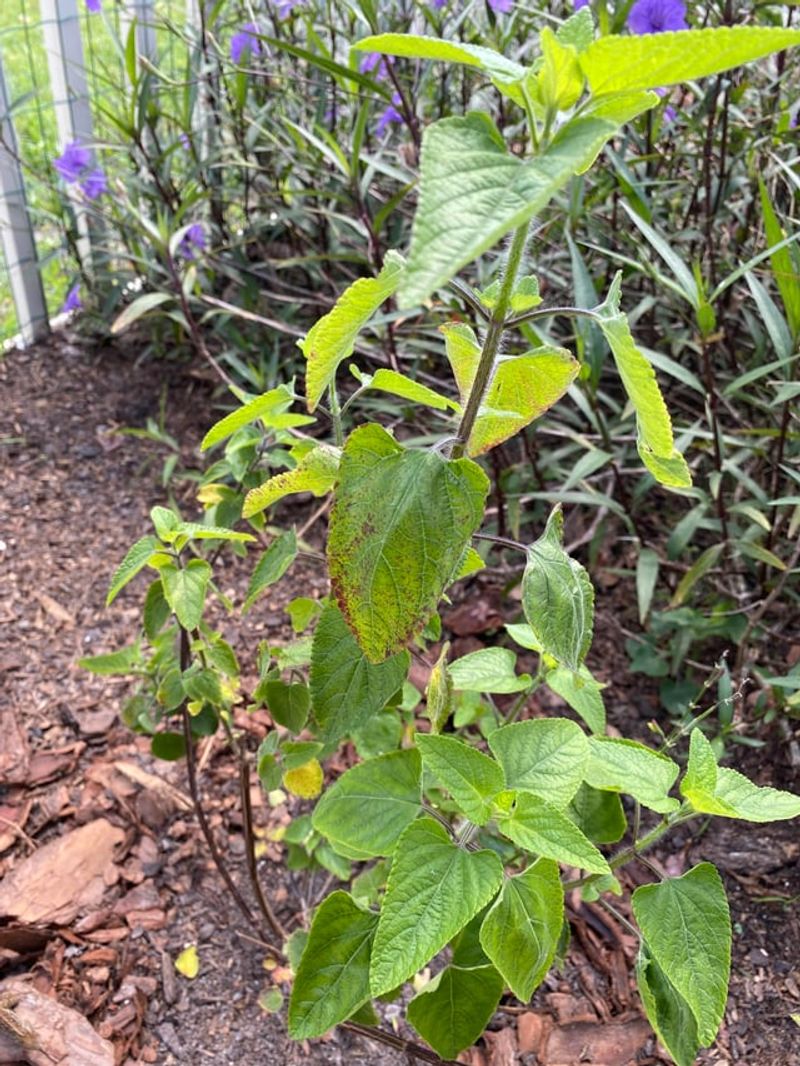
Reaching for fertilizer when salvia looks bad after Florida summer heat is an understandable reaction, but it is rarely the right first step.
Fertilizer is meant to support active, healthy growth, and a plant that is still struggling with heat stress, inconsistent moisture, or poor drainage may not be in a position to use those nutrients effectively.
Applying fertilizer to a weakened root system can sometimes add salt stress to the soil, which may make recovery harder rather than easier.
Roots that are already compromised by heat, waterlogging, or dry conditions are less capable of absorbing nutrients efficiently, and pushing growth through fertilizer before the plant is stable can draw energy away from the basic repair work happening underground.
The more productive approach is to focus on moisture management, drainage, mulch, and light first.
Once the salvia begins to show consistent new growth, with fresh green leaves emerging and stems that feel firm rather than limp, the plant is in a better position to benefit from a light feeding.
A balanced, slow-release fertilizer applied at a modest rate tends to be a gentler option than heavy liquid feeds during early recovery.
Florida’s summer heat and humidity can affect how fertilizer behaves in the soil, so timing and rate both matter.
Holding off until the plant looks genuinely stronger rather than just less wilted gives the roots time to recover and improves the chance that the fertilizer will actually support the new blooms rather than simply stress an already fragile plant.