The Bird Feeder Placement Mistake That Can Hurt California Backyard Birds
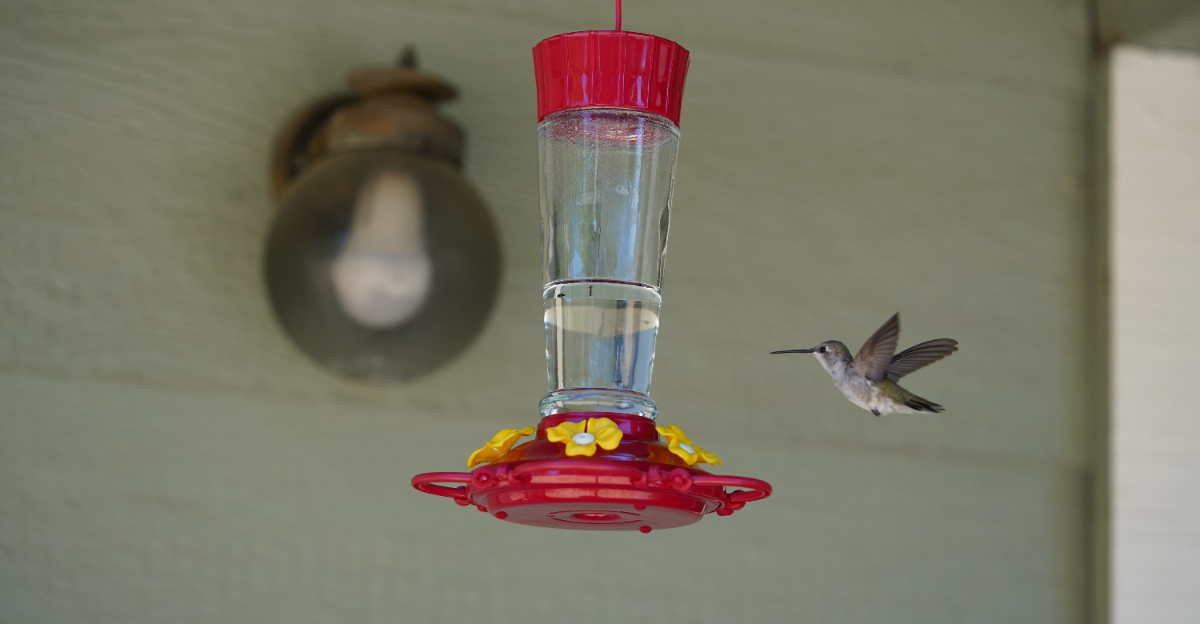
A bird feeder can seem like the easiest way to make a California yard feel more alive. Hang it up, add seed, and wait for the cheerful visitors.
Simple enough. Except one small placement choice can quietly turn that welcoming setup into a risky stop.
The feeder may look perfectly fine from the patio, which makes the problem easy to miss. Birds see the yard differently, and the surrounding space can affect how safely they land, eat, and take off again.
Suddenly, location matters a lot more than expected. This is not about removing the feeder or abandoning your backyard birdwatching dreams.
It is about noticing what sits nearby and how birds move through the area. Tiny details can create trouble without looking dangerous at all.
A quick adjustment may make the whole setup safer, while still keeping those lively feathered guests coming back for another visit.
1. This Feeder Spot Can Put Birds At Risk
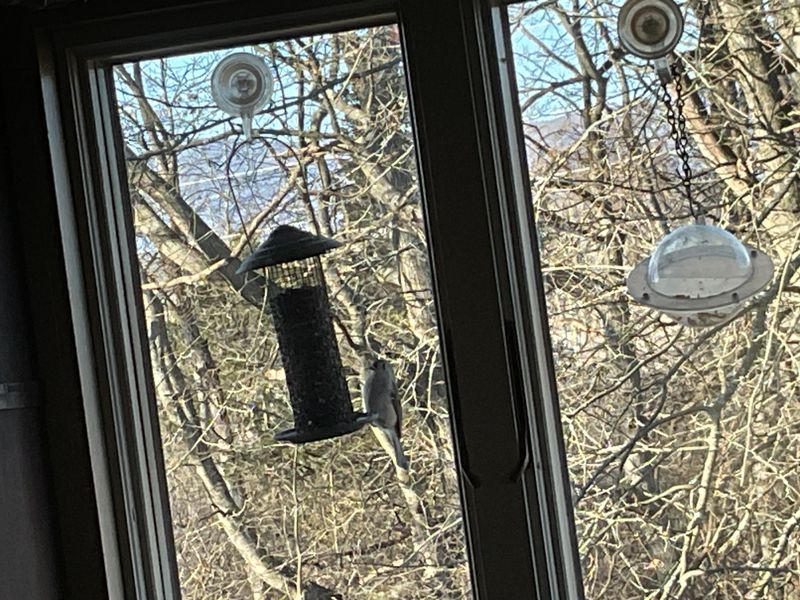
Window strikes are one of the leading causes of injury for backyard birds across the country. It happens fast.
A bird sees the reflection of sky or trees in your window and flies straight toward it at full speed. The closer a feeder is to a window, the more likely this scary moment will happen.
Feeders placed between five and fifteen feet from a window sit in the most dangerous zone. Birds have just enough space to build up speed before hitting the glass.
That distance gives them a short runway that ends badly.
Placing a feeder within three feet of a window actually reduces the risk. At that distance, birds do not have enough room to gain speed.
If they do bump the glass, they are moving slowly and usually recover quickly without serious harm.
You can also add window decals or tape strips to break up the reflection. Patterns spaced two to four inches apart help birds see the glass as a solid barrier.
Screens on the outside of windows also soften any accidental contact.
In California, where species like Allen’s hummingbirds and cedar waxwings are common backyard visitors, window strikes happen more often during migration season.
Paying attention to feeder distance from windows is one of the easiest and most effective ways to protect the birds you love watching.
2. The Middle Distance Is The Danger Zone
Most people assume that placing a feeder far enough from the house is always safer. That logic feels right, but the numbers tell a different story.
The middle distance, roughly five to fifteen feet from any window, is actually the most dangerous zone for birds.
At that range, birds have enough space to accelerate before hitting glass. A bird traveling at full speed toward a reflection has almost no chance to stop or turn in time.
Even small songbirds can hit glass hard enough to cause serious injury.
Studies from wildlife researchers show that window collisions are far more common at mid-range feeder placements than at very close or very far placements.
This surprises many backyard birders who thought they were being careful by keeping feeders away from the house.
Your California Garden Changes Every Week. Your Plan Should Too.
Gardening in California changes quickly throughout the season. Every Friday you’ll receive a simple weekly plan showing exactly what to plant, prune, fertilize, harvest, and protect so you never miss the right timing.
The fix is simple once you know the rule. Either move your feeder within three feet of the window or push it out beyond fifteen feet from any glass surface. Both options greatly reduce the chance of a bird being hurt.
In neighborhoods throughout the Central Valley and coastal communities, this middle-distance mistake is incredibly common. It is one of the most overlooked feeder placement errors out there.
Spreading the word about this zone could protect thousands of birds every year. Small adjustments in placement truly add up to big results for backyard wildlife safety.
3. Place Feeders Within Three Feet Or Far Away
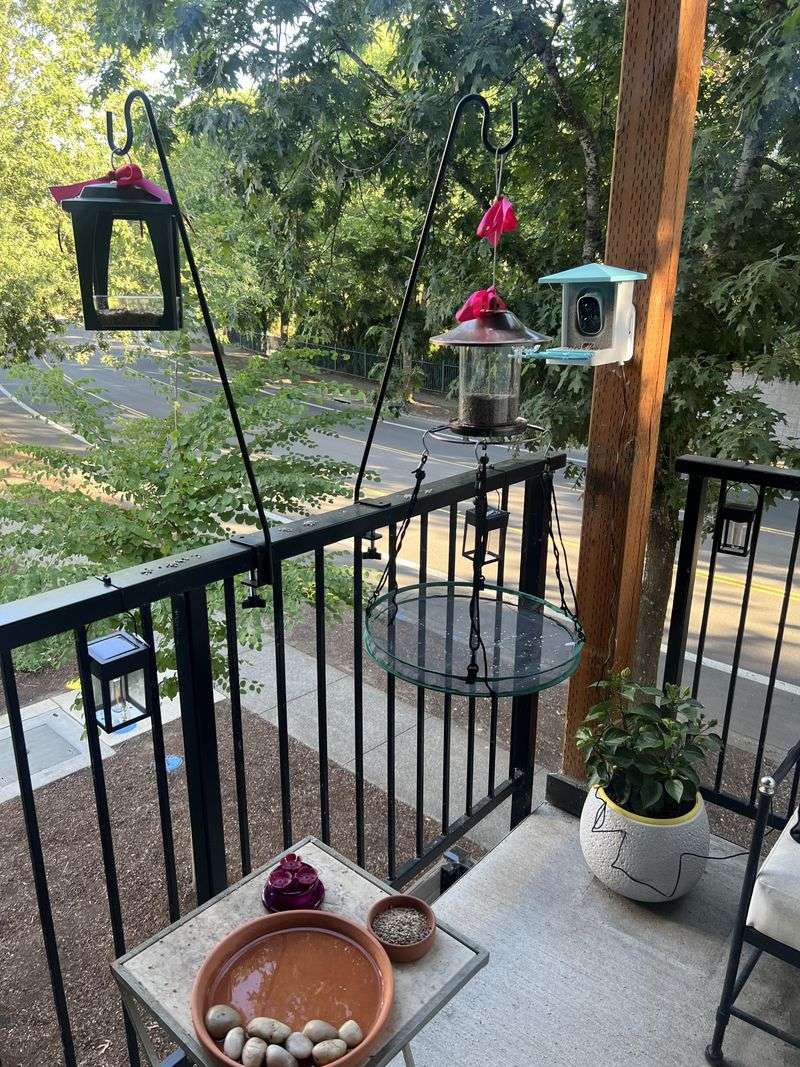
Knowing the danger zone is only half the battle. The real question is where should you actually put your feeder?
Bird safety experts and wildlife organizations agree on a clear guideline: place feeders either within three feet of a window or more than fifteen feet away from any glass.
Both options work well for different reasons. When a feeder is very close to the window, birds do not build up enough speed to get hurt if they accidentally brush the glass.
When a feeder is far away, birds have plenty of time to see the window and change direction before reaching it.
Many backyard birders love the close-window option because it also gives them an amazing view.
Watching a black-headed grosbeak or a white-crowned sparrow up close from inside your home is a real treat.
You get the beauty of birdwatching without putting the birds at risk.
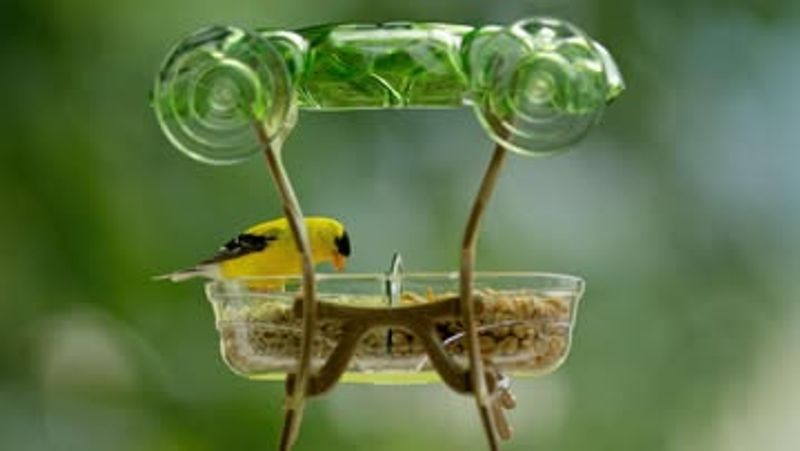
If your yard has limited space, mounting a feeder directly on the window using a suction cup bracket is a smart solution. These setups are easy to find online or at local garden centers.
They keep birds safe and give you a front-row seat to all the action.
Across California, from the foggy Bay Area to the sunny Inland Empire, this simple placement rule can make a real difference. Try it and see how quickly the birds come back with confidence.
4. Reflections Trick Birds Into Flying Toward Glass
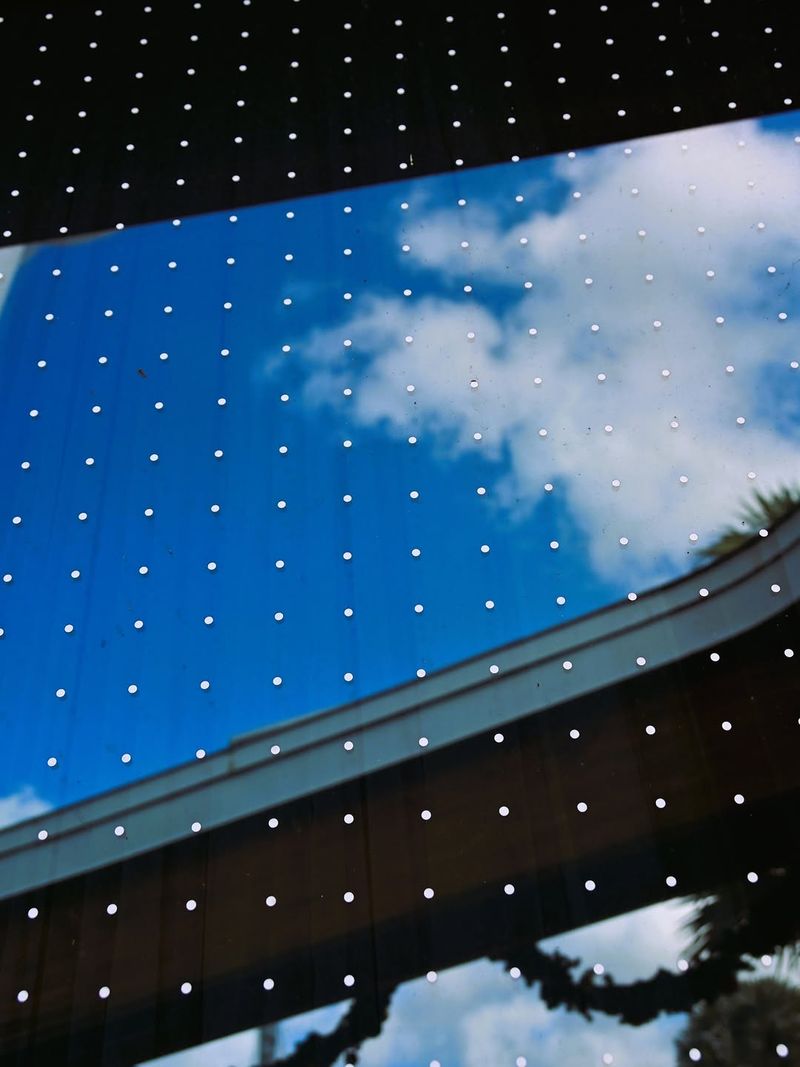
Birds do not understand glass the way humans do. To them, a reflection of trees or open sky in a window looks like real space they can fly through.
This is why window strikes happen so often, even in yards with the best intentions behind them.
The problem gets worse during certain times of day. Morning and late afternoon sunlight hits windows at angles that create especially vivid reflections.
During those hours, a window can look almost identical to the real landscape behind the bird.
Seasonal changes matter too. Spring and fall migration brings huge numbers of birds.
Many of these travelers are unfamiliar with your yard and have no memory of where the windows are. They rely entirely on what they see in the moment, and a convincing reflection can fool them every time.
There are several ways to break up window reflections. Applying frosted window film, using exterior screens, or hanging strings of paracord a few inches from the glass all help birds recognize the surface as solid.
Even painting simple patterns on the outside of windows with tempera paint works well.
Bird-safe window tape comes in patterns that are nearly invisible to humans but highly visible to birds. Products like Feather Friendly tape are widely available and easy to apply.
Addressing reflections alongside smart feeder placement gives your backyard birds the safest possible environment to visit and eat in peace.
5. Nearby Shrubs Can Create A Safe Escape Route
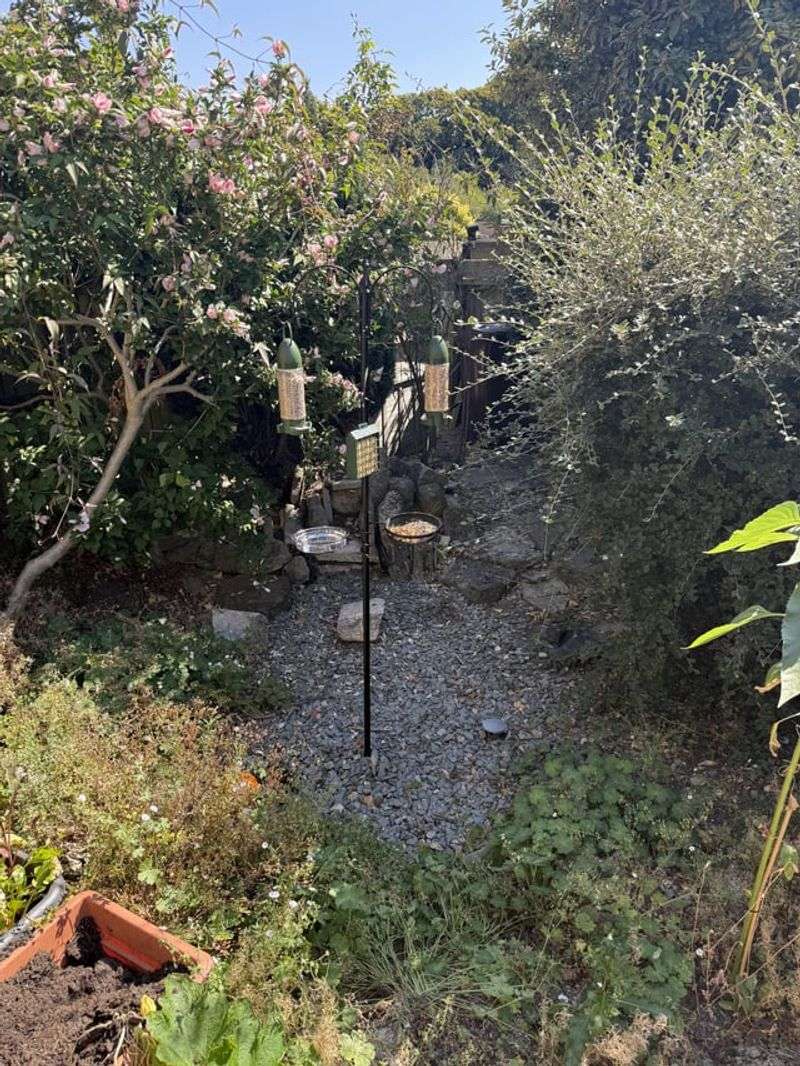
Not every placement concern is about danger. Some are about giving birds the confidence to actually use your feeder.
Birds are naturally alert and cautious. They feel much safer eating when they know a quick escape route is nearby.
Native shrubs placed within a few feet of a feeder give birds a place to dart into when they sense a threat. Think of it like having a safe room right next to the snack table.
Birds will visit more often and stay longer when cover is close by.
Good native options for California include toyon, coffeeberry, and coyote bush. These plants grow dense enough to hide small birds quickly.
They also provide berries and insects, which adds even more food value to your yard.
Placement matters when adding shrubs near feeders. Aim for shrubs that are within five to ten feet of the feeder but not so close that predators can use them as a hiding spot.
A little open space between the shrub and the feeder gives birds a clear view of approaching threats.
Northern and mountain regions of our state have excellent native shrub options that thrive in cooler climates. Coastal areas benefit from salt-tolerant natives like lemonade berry.
Matching your shrub choice to your local climate makes the whole setup more sustainable and bird-friendly. A well-placed shrub truly transforms a basic feeder into a safe feeding station.
6. Too Much Cover Can Hide Outdoor Cats
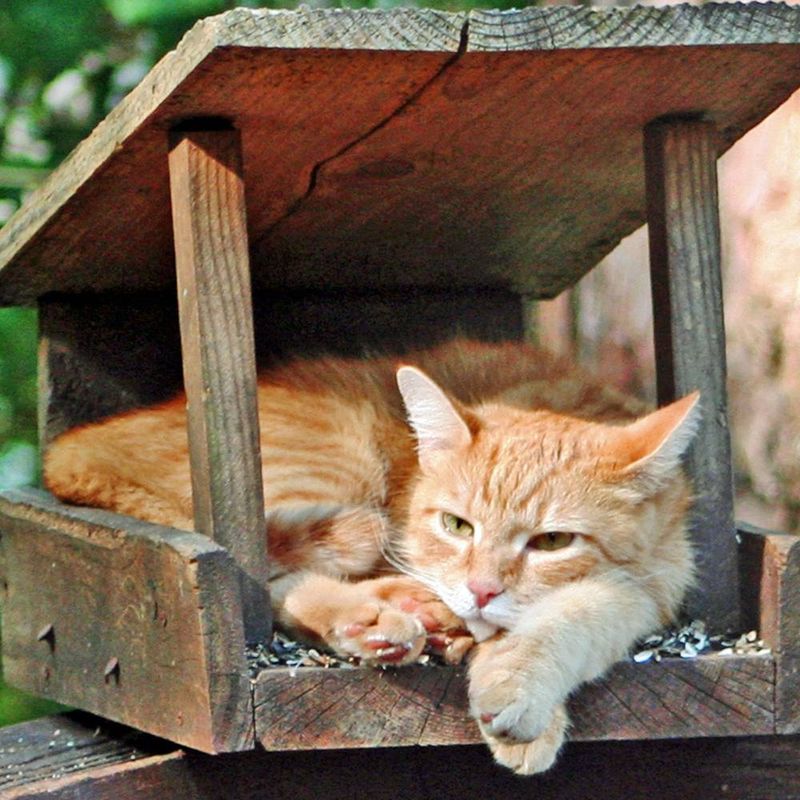
Shrubs near feeders are helpful, but there is a tipping point where too much cover becomes a real problem.
Dense, low plantings right next to a feeder can give outdoor cats the perfect hiding spot to stalk visiting birds without being seen.
Cats are skilled hunters, and they are incredibly patient. A cat hidden in thick ground cover can wait quietly until a bird lands nearby.
By the time the bird notices any movement, it may be too late to escape safely.
Across suburban neighborhoods, outdoor cats are one of the biggest threats to backyard songbirds.
Research from wildlife organizations shows that free-roaming cats are responsible for a staggering number of bird losses every year.
Feeder placement that invites cats closer only makes the problem worse.
To reduce this risk, keep the area directly under and around your feeder clear of dense low-growing plants. A few feet of open space gives birds a chance to spot a crouching cat before landing.
Tall shrubs are safer than low sprawling ones because they do not provide ground-level hiding spots.
If you know cats visit your yard, consider adding a motion-activated sprinkler near the feeder area. These devices startle cats without harming them and teach them to avoid the space over time.
Pairing this with thoughtful feeder placement keeps your backyard birds safer every single day.
7. Low Feeders Put Birds In Predator Range
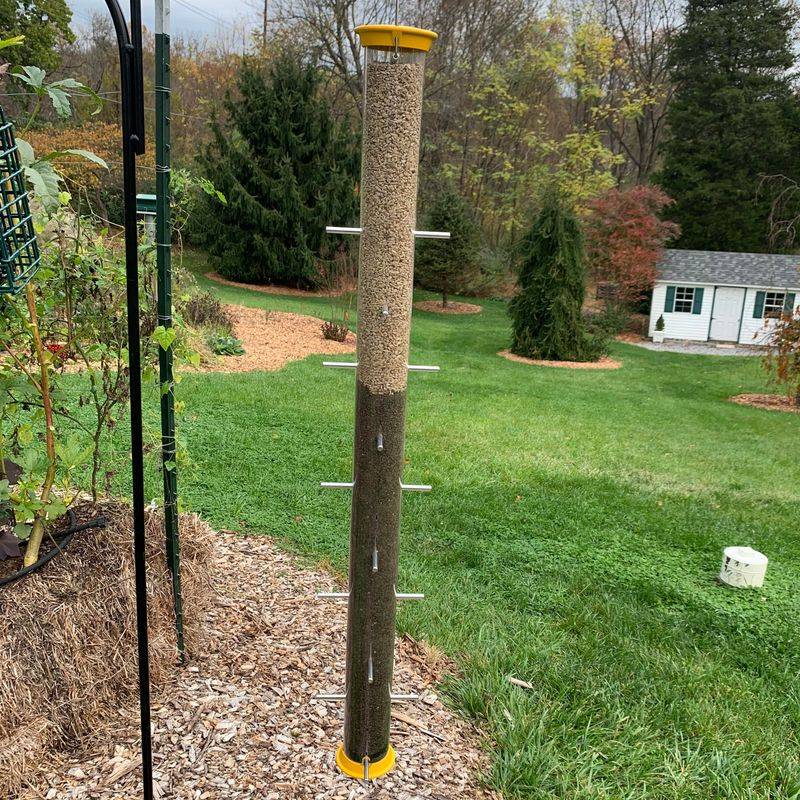
Height matters a lot when it comes to bird feeder safety. A feeder placed too close to the ground puts birds in easy reach of cats, raccoons, and other predators that hunt at ground level.
Many people underestimate how vulnerable a low feeder makes visiting birds.
Ground-level feeders might seem cozy and natural, but they remove one of a bird’s best defenses: vertical space. Birds rely on height to spot danger and escape quickly.
A feeder just a foot or two off the ground eliminates that advantage entirely.
The general recommendation from birdwatching experts is to hang or mount feeders at least five feet above the ground.
This height keeps most cats and raccoons from easily reaching the feeder while still giving birds a comfortable landing spot.
Pole-mounted feeders with a baffle below the feeder are even better. A baffle is a dome-shaped guard that prevents climbing animals from reaching the seed.
Paired with the right height, a baffled pole setup is one of the most predator-resistant feeder options available.
In areas with dense wildlife activity, like foothill neighborhoods near open land in California, predator pressure on backyard birds can be intense. Raising your feeder height and adding a baffle is a practical and affordable upgrade.
Birds will notice the difference and feel much more comfortable visiting a feeder that keeps them safely out of reach.
8. Busy Patio Spots Make Birds More Vulnerable
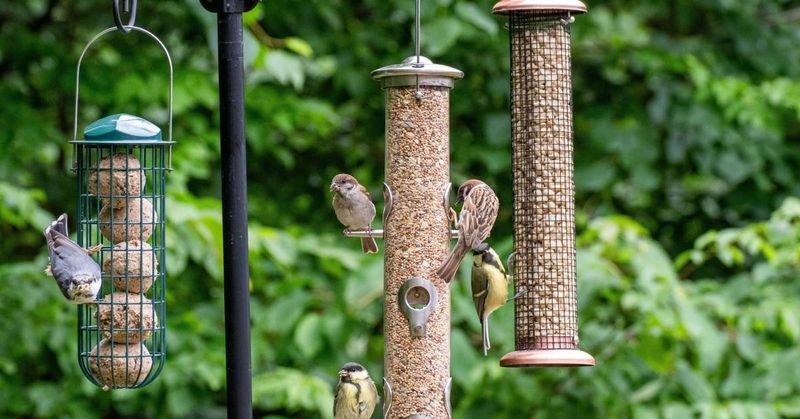
Foot traffic near a feeder stresses birds out more than most people realize. Placing a feeder right above or beside a busy patio might seem convenient for watching birds, but it actually discourages many species from visiting at all.
Birds are always on alert for movement and noise. A patio with people walking, talking, or moving chairs around creates a level of disturbance that makes birds feel unsafe.
Skittish species like thrushes or warblers may avoid the feeder entirely if it is placed in a high-traffic zone.
Even the birds that do visit a busy patio feeder spend less time there. They grab a quick bite and leave fast rather than relaxing and eating comfortably.
That kind of constant stress is not good for birds, especially during hot summer months or cold winter days when they need steady energy.
The best placement keeps feeders at least ten to fifteen feet away from high-traffic patio areas. A quiet corner of the yard, near a fence or garden bed, usually works much better.
Birds feel more at ease when they can eat without constant human movement nearby.
You can still enjoy watching them from your patio by using binoculars or setting up a comfortable viewing chair at a respectful distance.
Many bird lovers across California find that this small change brings more birds to the yard overall.
Giving birds a calm, quiet space to eat is one of the kindest things you can do for your backyard flock.