The Georgia Plants That Actually Prefer Sandy Soil Over Rich Garden Beds
Sandy soil gets a bad reputation, but it is not always the problem people think it is. Many gardeners try to improve it before they even choose what to plant.
That sounds like a smart plan, yet it can create the wrong conditions for certain plants. Some species naturally grow best where the soil drains fast and never stays wet for very long.
Giving those plants rich, moisture-holding soil can do more harm than good.
Take a closer look at the plants you want before changing your garden beds. You may already have the right growing conditions without realizing it.
Plenty of beautiful plants thrive in loose, sandy ground and need very little extra help. Georgia has many landscapes where this type of soil is common, and the right plant choices can turn it into a real advantage.
Working with your natural soil often saves time, reduces maintenance, and rewards you with healthier plants throughout the growing season.
1. Lavender Needs Fast Draining Soil
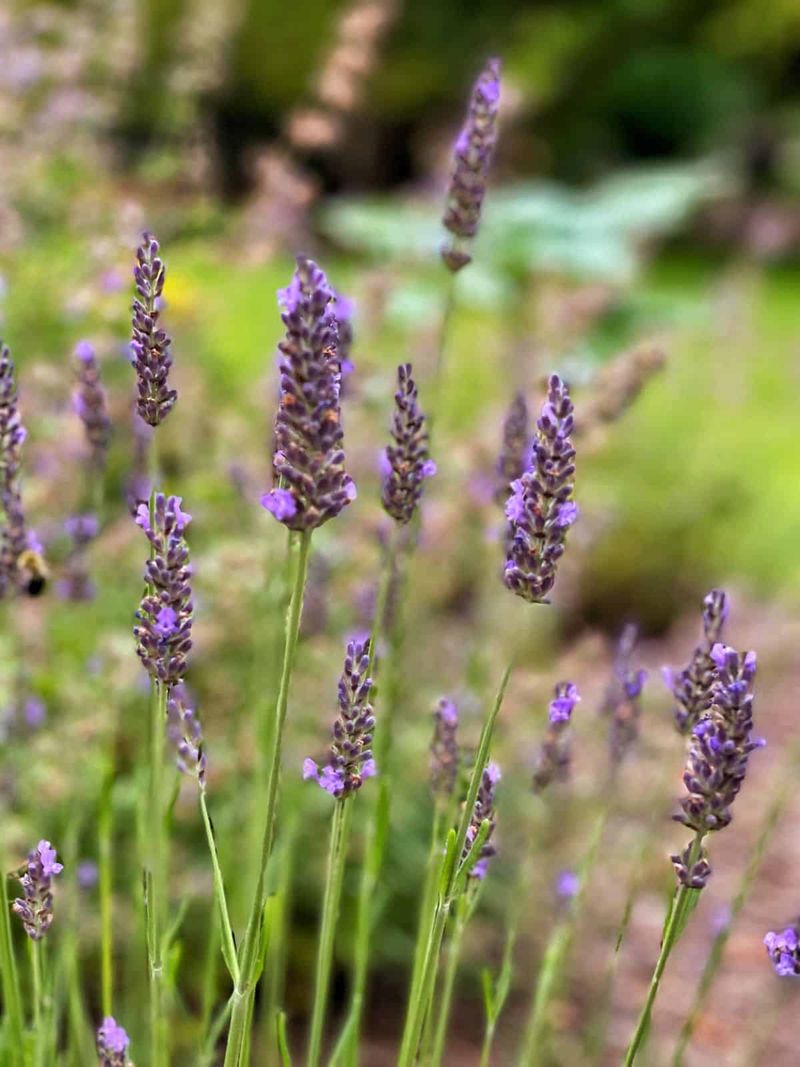
Soggy roots are lavender’s worst enemy. Rich garden beds that hold moisture can cause root rot quickly, especially during hot, humid summers.
Sandy soil keeps things dry between waterings, which is exactly what lavender prefers.
Lavender originates from the rocky, dry hillsides of the Mediterranean. Its roots evolved to handle lean, gritty conditions without much nutrition.
Planting it in compost-heavy soil often causes lush, floppy growth with fewer blooms.
Sandy ground encourages stronger stems and better flower production. Less nitrogen means the plant puts its energy into blooming rather than producing excess foliage.
That trade-off is worth understanding before you amend your soil.
In terms of drainage, a slope or raised bed with sandy fill works well. Avoid low spots where water pools after rain.
Even brief waterlogging can stress lavender significantly.
Full sun is non-negotiable. Lavender needs at least six to eight hours of direct sunlight daily to perform well.
Shade combined with moisture is a combination it handles poorly.
Spacing matters too. Good airflow around each plant reduces humidity at the base, which helps prevent fungal issues.
Plant lavender at least 18 inches apart for best results.
Pruning lightly after each bloom cycle keeps the plant tidy and encourages fresh growth. Avoid cutting into old, woody stems.
A little maintenance goes a long way with this fragrant, sun-loving perennial.
2. Yucca Grows Better Without Rich Garden Beds
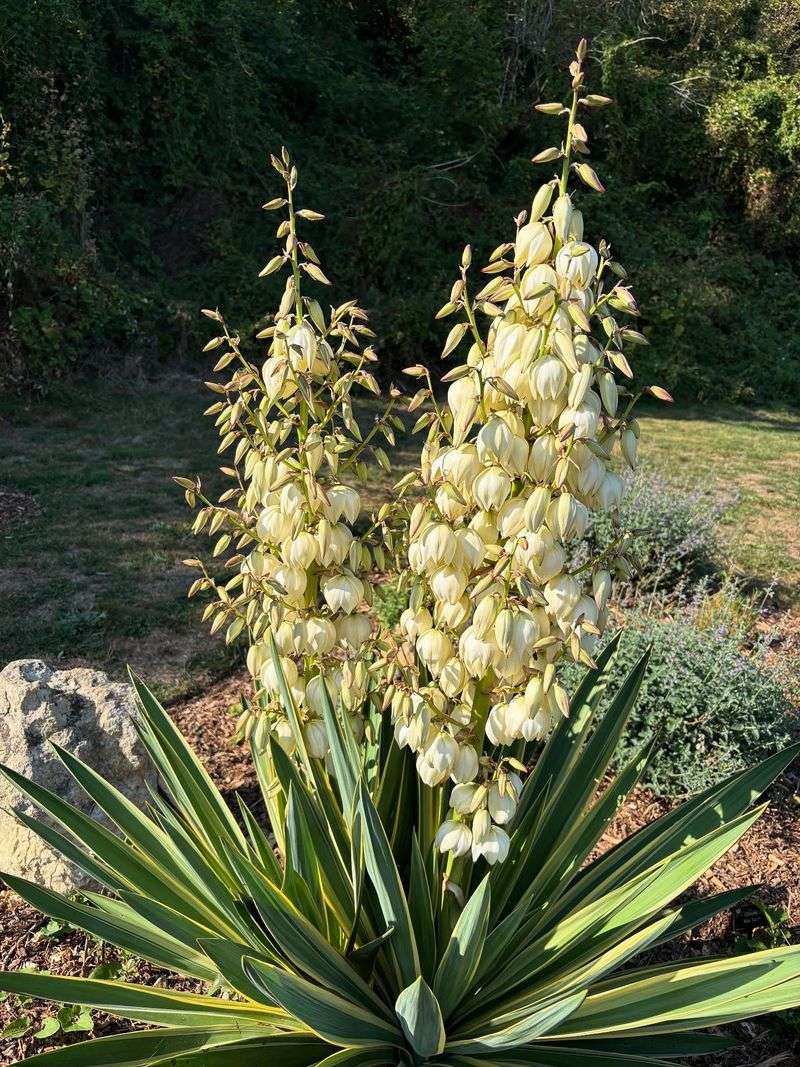
Yucca does not ask for much, and that is honestly part of its charm. It thrives in conditions that would stress most garden plants.
Sandy, nutrient-poor soil suits it better than anything heavily amended.
Too much organic matter or fertilizer pushes yucca toward soft, weak growth. Its natural habitat includes dry plains, sandy coastlines, and rocky outcrops.
Replicating those lean conditions in your yard produces a tougher, more resilient plant.
Overwatering is a common mistake with yucca. Sandy soil drains fast, which prevents moisture from sitting around the roots.
That drainage cycle matches what yucca experiences in the wild.
Mature yucca plants can handle extended dry spells without much intervention. Established specimens rarely need supplemental watering once roots are settled in.
Your Georgia Garden Changes Every Week. Your Plan Should Too.
Gardening in Georgia changes quickly throughout the season. Every Friday you’ll receive a simple weekly plan showing exactly what to plant, prune, fertilize, harvest, and protect so you never miss the right timing.
Young plants benefit from occasional watering during the first growing season.
The bold, sword-like foliage adds strong visual contrast in a landscape. Tall flower spikes appear in late spring or early summer, attracting pollinators.
That display stands out even in a simple, low-maintenance planting scheme.
Sandy soil in Georgia’s Coastal Plain region creates near-ideal conditions for yucca. It handles heat, drought, and poor fertility without complaint.
Few plants offer that level of toughness with so little care required.
3. Blanket Flower Blooms Longer In Sandy Ground
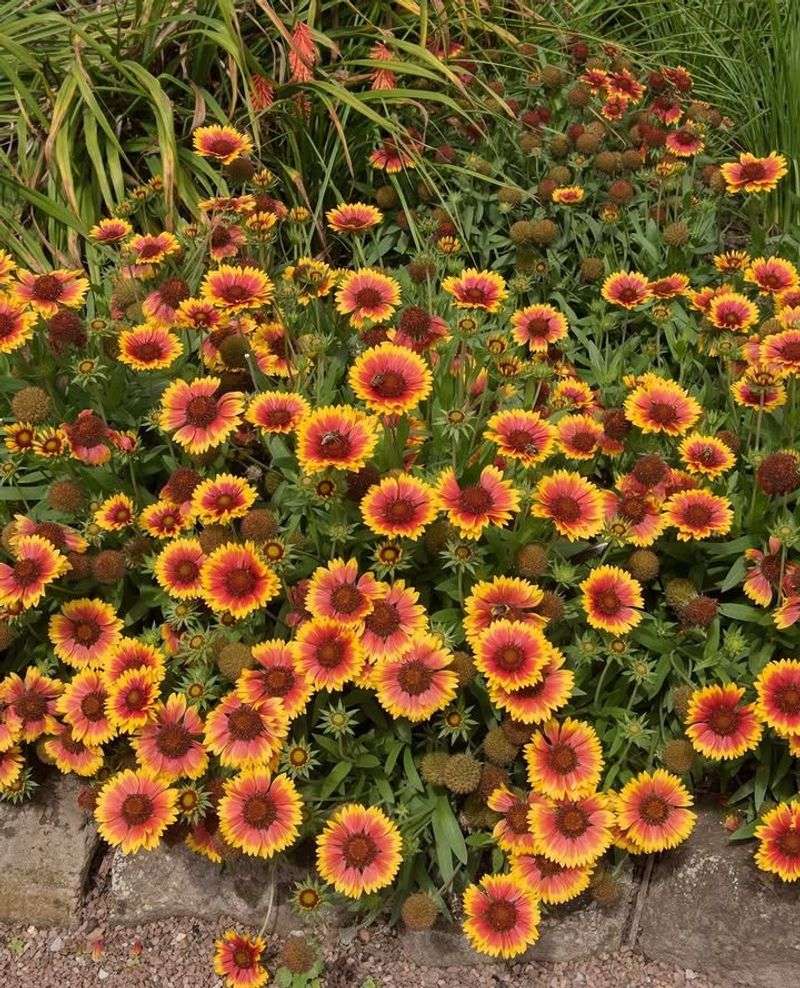
Blanket flower is one of those plants that genuinely rewards neglect. Give it too much water or rich soil, and it tends to flop over and bloom less.
Sandy, lean ground keeps it upright and flowering for months.
Native to North American prairies and dry open fields, blanket flower evolved in tough conditions. Its root system handles heat and drought without much trouble.
That toughness translates directly into better performance in sandy garden spots.
Rich soil encourages excessive leafy growth at the expense of flowers. Sandy ground keeps nutrients limited, which pushes the plant toward blooming.
More flowers with less effort is a trade most gardeners are happy to accept.
Blanket flower blooms from late spring through fall in warm climates. The red, orange, and yellow daisy-like flowers attract butterflies and bees consistently.
That long bloom window makes it a reliable choice for pollinator gardens.
Deadheading spent blooms encourages new flower production. It takes only a few minutes and keeps the plant looking tidy.
Skipping deadheading is fine too, since the plant still blooms reasonably well without it.
Sandy soil also improves winter survival for blanket flower. Excess moisture around the crown during cold months can cause root problems.
Fast drainage removes that risk fairly effectively.
Plant blanket flower in full sun for peak performance.
4. Rosemary Stays Healthier In Lean Soil
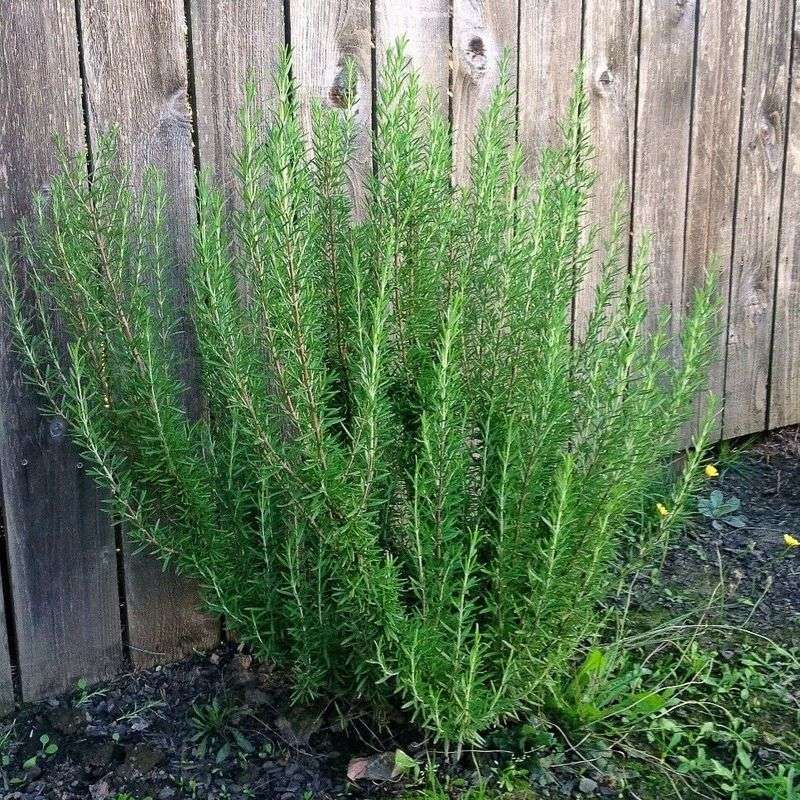
Rosemary is a Mediterranean herb that never really adapted to pampering. It handles lean, sandy soil far better than rich, moisture-retaining beds.
Understanding that preference can make the difference between a thriving plant and a struggling one.
Heavy clay or compost-rich soil holds too much moisture around rosemary’s roots. That moisture encourages root rot, especially during rainy seasons.
Sandy soil flushes water away quickly, keeping the root zone dry between rain events.
Nutrition plays a role too. High-fertility soil pushes rosemary toward soft, fast growth that lacks the intense fragrance the herb is known for.
Lean conditions concentrate the oils that give rosemary its signature scent and flavor.
Full sun is critical. Rosemary needs at least six hours of direct sunlight daily.
Combined with sandy, fast-draining soil, that sun exposure produces a robust, aromatic plant that holds up well through heat and humidity.
In Georgia, rosemary often survives mild winters outdoors without protection. Sandy soil helps because it does not hold cold moisture against the roots during freezes.
Raised sandy beds offer even better drainage and cold resilience.
Pruning after flowering encourages bushy, compact growth. Avoid heavy cuts into old woody stems.
Light, regular trimming keeps the plant productive and well-shaped through multiple growing seasons.
Pairing rosemary with other Mediterranean herbs in a sandy bed creates a low-maintenance culinary garden.
5. Little Bluestem Tolerates Poor Soil
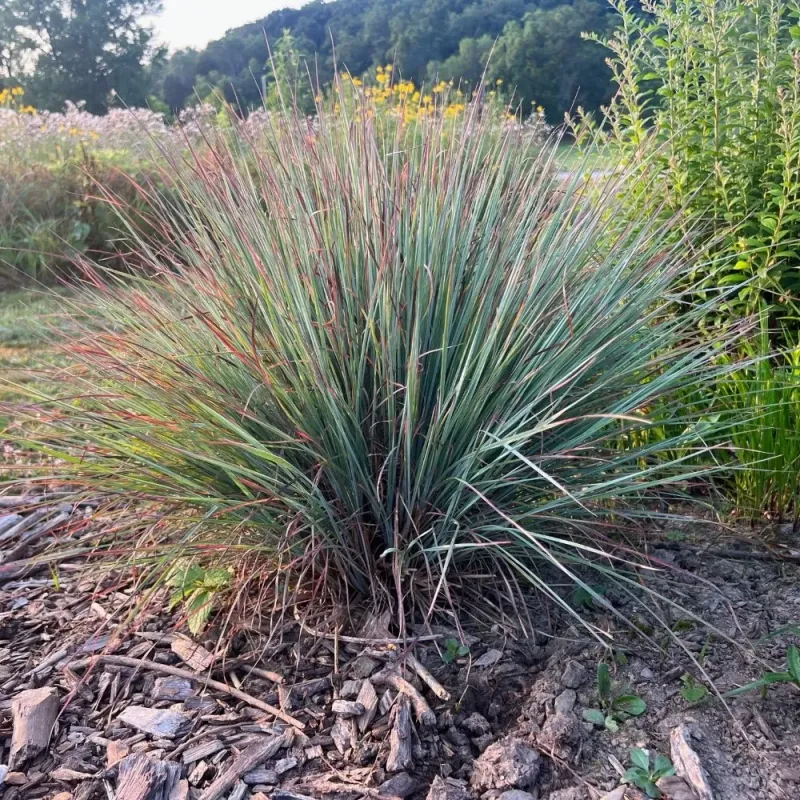
Few ornamental grasses offer the seasonal color range of little bluestem. Blue-green in summer, it shifts to rich copper and bronze by fall.
Sandy, poor soil actually intensifies those fall colors compared to plants grown in richer ground.
Little bluestem is a native prairie grass adapted to lean, dry conditions across much of North America. Its root system runs deep, anchoring it in loose, sandy soil effectively.
That depth also helps it pull moisture from lower soil layers during dry spells.
Fertile soil causes problems with this grass. Too much nitrogen produces lush, floppy growth that falls over by midsummer.
Sandy ground keeps growth upright and well-structured through the entire season.
Wildlife value is significant with little bluestem. Birds feed on its seeds through fall and winter.
The dense clumps also provide shelter for small insects and ground-nesting species.
Sandy soil drains fast, which suits little bluestem’s preference for dry conditions. Wet, heavy soil can cause root problems over time.
Choosing a sunny, sandy site sets the plant up for reliable, long-term performance.
Little bluestem spreads slowly by seed and clump division. It is not an aggressive spreader, which makes it manageable in a mixed planting.
Combining it with native wildflowers creates a naturalistic, low-maintenance garden scheme.
6. Purple Lovegrass Adapts Naturally To Sandy Areas
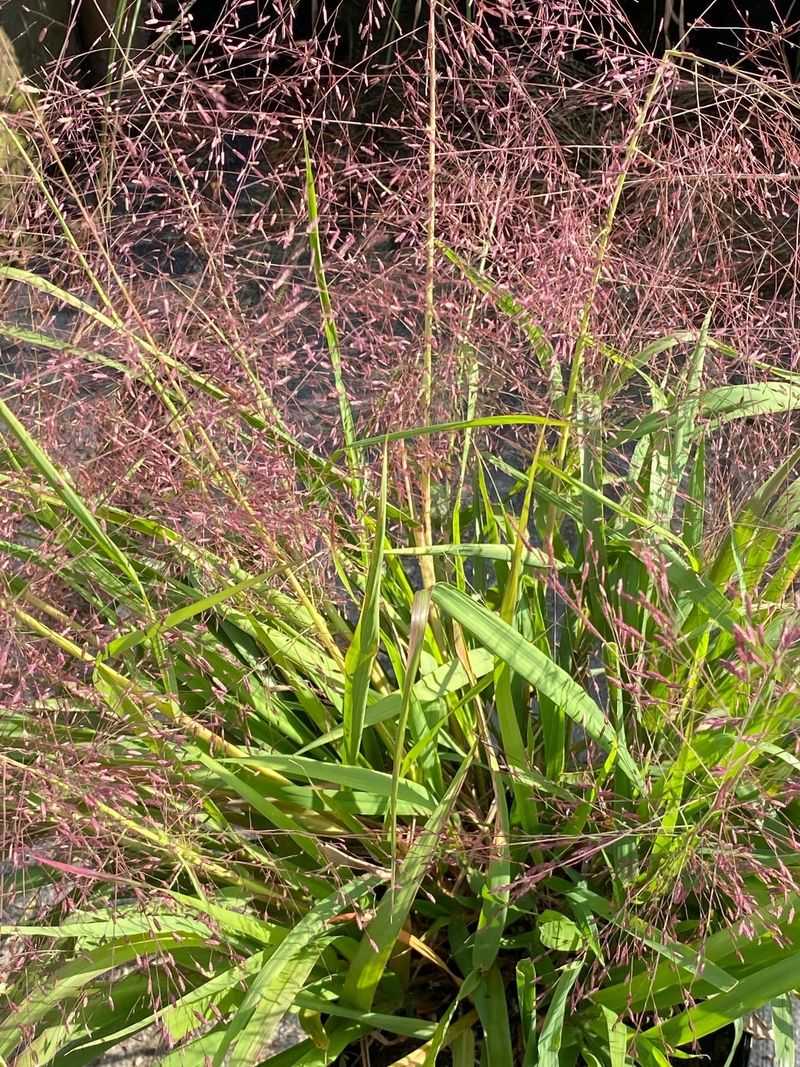
Purple lovegrass puts on a show in late summer when most plants are starting to fade. Its fine, airy seed heads catch the light in shades of purple, pink, and rose.
Sandy soil is where it genuinely performs at its best.
Native to sandy roadsides and dry open fields across the Southeast, purple lovegrass evolved without rich soil or regular rainfall. It handles heat and drought with minimal stress.
That adaptability makes it a natural fit for sandy garden spots that other plants struggle with.
Rich, moist soil tends to produce oversized clumps that flop and spread too aggressively. Sandy ground keeps growth more controlled and the plant looking tidier.
Less fertility also seems to enhance the purple coloration in the seed heads.
Establishment is straightforward. Purple lovegrass germinates easily from seed and settles quickly into sandy ground.
Once established, it rarely needs supplemental watering except during extended dry stretches.
It works well as a ground cover on sandy slopes where erosion is a concern. The root system binds loose soil effectively without becoming invasive.
That combination of beauty and function earns it a practical role in the landscape.
Butterflies and small birds visit purple lovegrass regularly during the growing season. Its seed heads persist into winter, providing ongoing visual interest.
That extended season of appeal makes it worth including in almost any sandy garden design.
7. Beach Sunflower Spreads Quickly In Sandy Soil
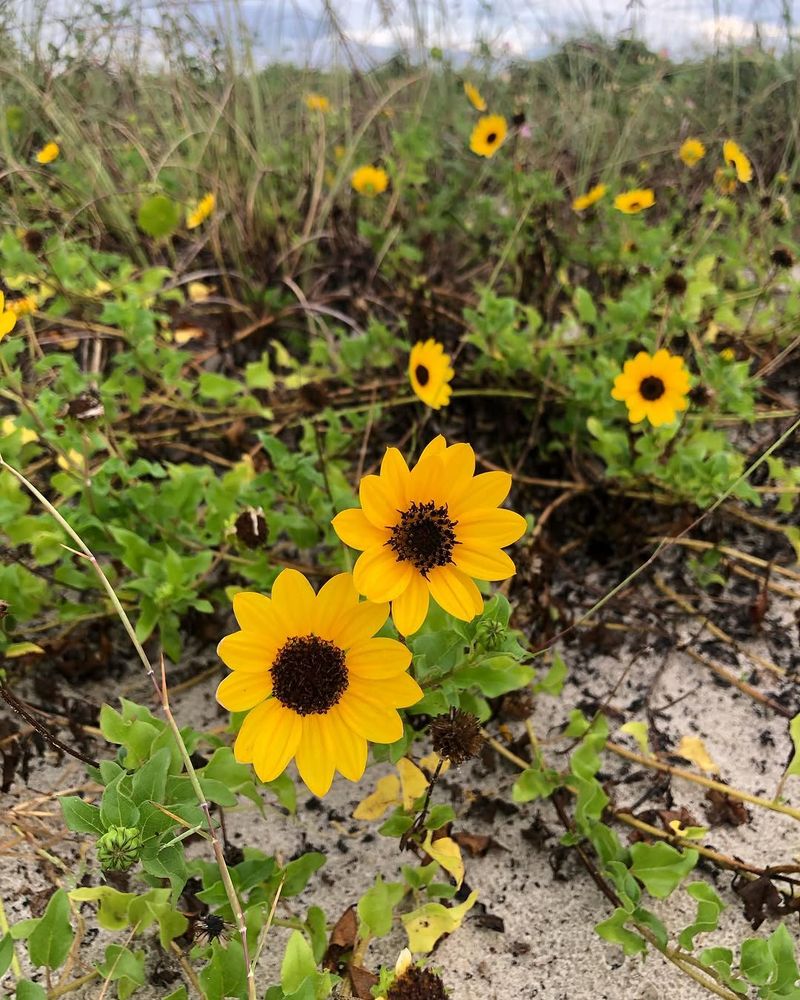
Beach sunflower is built for sand. Its spreading habit and drought tolerance make it one of the most reliable ground covers for sandy, sunny spots.
Give it loose, fast-draining soil and it will fill in surprisingly quickly.
Native to coastal areas of the Southeast, beach sunflower evolved in some of the harshest, sandiest conditions imaginable. Salt spray, intense heat, and minimal rainfall are part of its natural environment.
That background explains why it thrives where other plants barely survive.
Rich garden soil can actually slow beach sunflower down. Excess nutrition pushes growth in unpredictable directions and can reduce blooming.
Sandy, lean conditions keep it low, spreading, and covered in cheerful yellow flowers.
It spreads by rooting at stem nodes wherever they contact the ground. That spreading habit makes it excellent for covering large sandy areas efficiently.
In the right conditions, a single plant can cover several square feet within one growing season.
Pollinators visit beach sunflower consistently throughout its long bloom period. Bees and butterflies are frequent visitors to the bright yellow blooms.
That pollinator activity adds life and movement to what might otherwise be a bare, sandy patch.
Sandy soil is especially important for this plant during wet seasons. Heavy rain events can saturate poorly drained ground, which beach sunflower handles poorly.
Sandy areas shed excess water fast, keeping the plant comfortable even after significant rainfall.
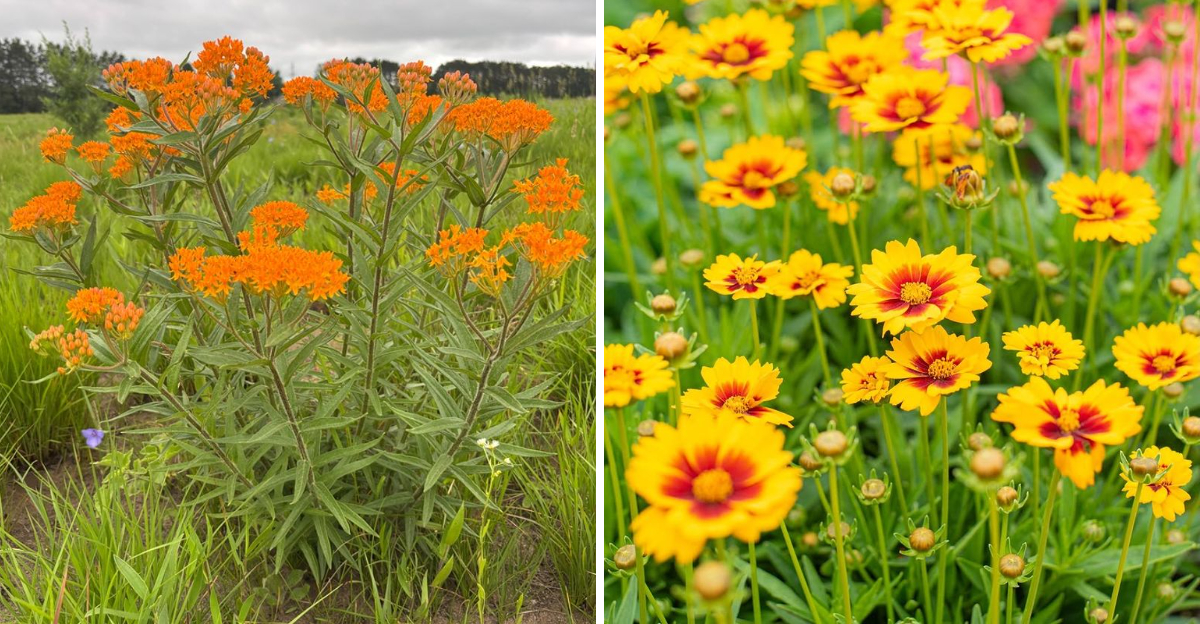
8. Coreopsis Delivers More Color With Excellent Drainage
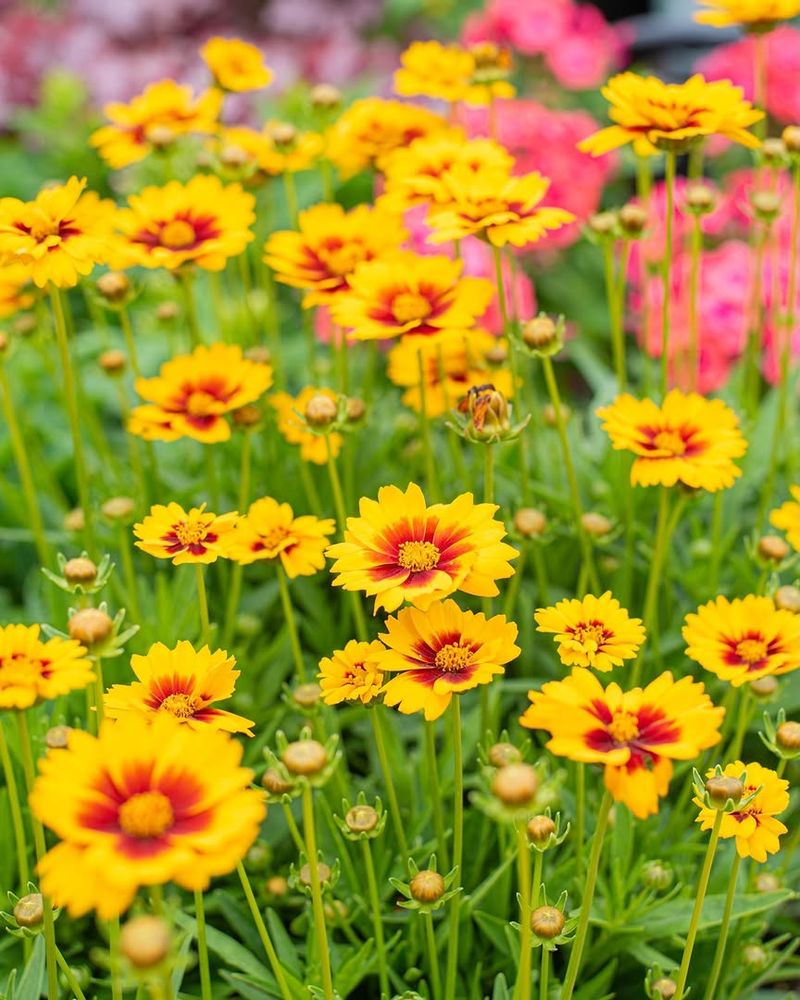
Coreopsis earned the nickname tickseed for its distinctive seed shape, but its flowers are anything but ordinary. Masses of bright yellow or gold blooms cover the plant from late spring into fall.
Sandy, well-drained soil consistently produces better bloom counts than rich, moist ground.
Native coreopsis species are found naturally in dry, open fields and sandy roadsides across the Southeast. Their preference for lean conditions is built into their genetics.
Planting them in heavy, fertile soil often leads to weak stems and reduced flowering.
Drainage is the key factor. Coreopsis roots handle dry periods reasonably well but struggle with prolonged moisture.
Sandy soil removes excess water quickly after rain, keeping the root zone in a comfortable range for the plant.
Several coreopsis species are native to Georgia, making them well-suited to local climate conditions. They handle summer heat and humidity better than many non-native flowering perennials.
That regional adaptation is a real advantage in a challenging Southern climate.
Deadheading spent flowers encourages continuous blooming through the season. It takes minimal effort and noticeably extends the display.
Leaving some seed heads in place at the end of the season provides food for birds through fall and winter.
Sandy soil also helps coreopsis survive winter without root problems. Excess moisture during cold months can damage the crown.
Fast drainage reduces that risk considerably.
9. Butterfly Weed Handles Sandy Conditions Well
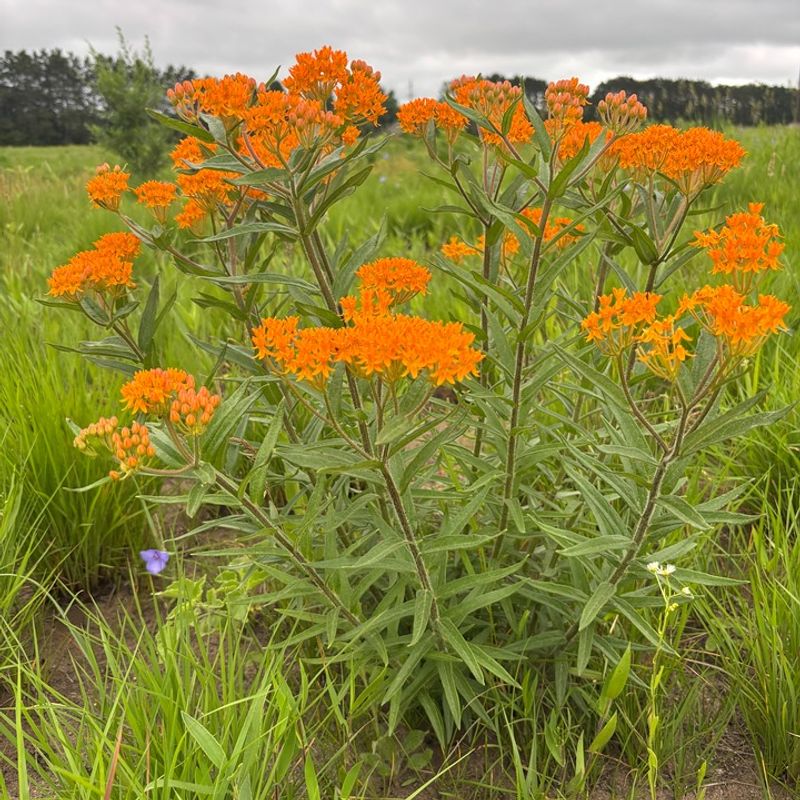
Bright orange clusters of butterfly weed blooms are hard to miss in a summer garden. What surprises many people is how well this plant performs in poor, sandy soil.
It actually struggles more in rich, heavily amended beds than in lean, gritty ground.
Butterfly weed is a native milkweed species found naturally in dry fields and open roadsides. Its deep taproot allows it to reach moisture far below the surface.
That root system makes it drought-tolerant once established in sandy conditions.
Rich soil tends to produce oversized, floppy plants with fewer blooms. Sandy ground keeps growth more compact and encourages stronger flower production.
That combination of toughness and beauty makes butterfly weed a standout choice for difficult spots.
Monarch butterflies depend on milkweed species as a host plant for their caterpillars. Planting butterfly weed supports monarch populations directly.
That ecological benefit adds real value beyond just the visual appeal.
Sandy, well-drained soil also reduces the risk of crown rot, which can affect butterfly weed in wet conditions. Avoid planting in low spots that collect standing water.
Elevated, sandy areas give the plant its best chance to establish well.
Patience is required after planting. Butterfly weed is slow to emerge in spring, sometimes appearing weeks after other perennials.
Mark its location to avoid accidentally disturbing the roots before new growth appears.