Why Tarantulas Start Showing Up In Arizona Yards Every Monsoon
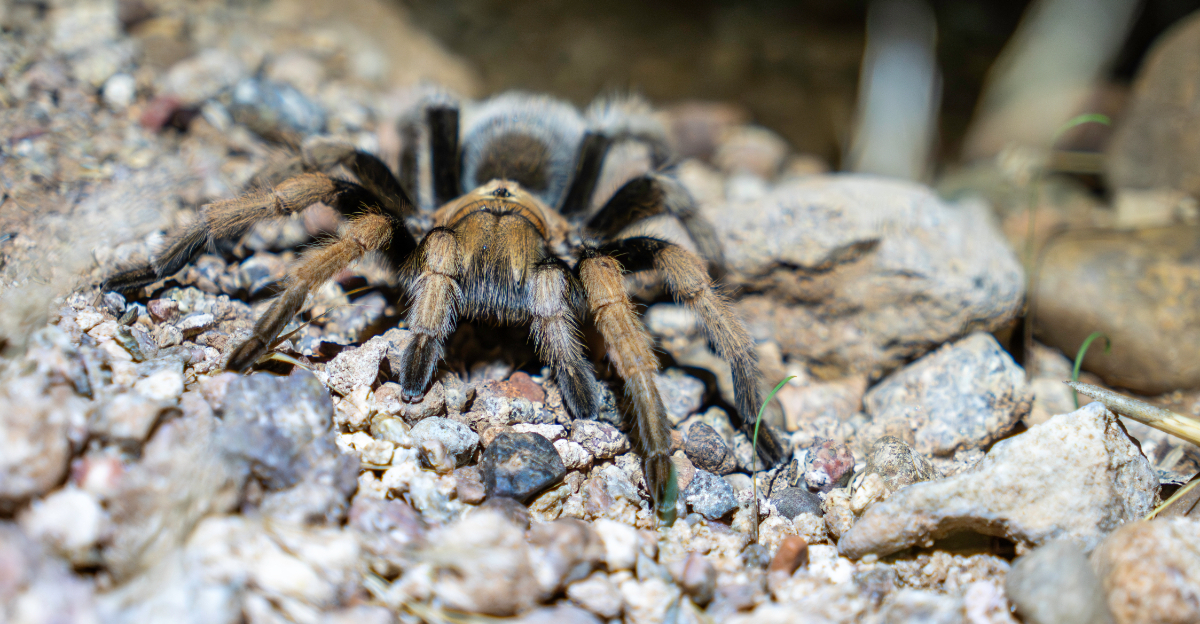
Most people expect to see more tarantulas after the monsoon starts, but few know what sends them out in the first place. One unexpected visitor can make you think something has changed around your home.
Another sighting a day or two later only adds to that feeling. Before you assume your yard has become a permanent home for these giant spiders, take a step back.
Their sudden appearance follows a natural cycle that repeats every summer, whether you notice it or not.
The monsoon marks the time when mature male tarantulas leave their burrows and begin searching for females, covering much more ground than usual.
That seasonal movement becomes much easier to notice in neighborhoods throughout Arizona, especially after periods of rain and warm evenings.
Most of the spiders wandering through your yard are simply passing by, not moving in. Once that brief mating season ends, tarantula sightings usually become much less common again.
1. Monsoon Rains Bring More Tarantulas Above Ground
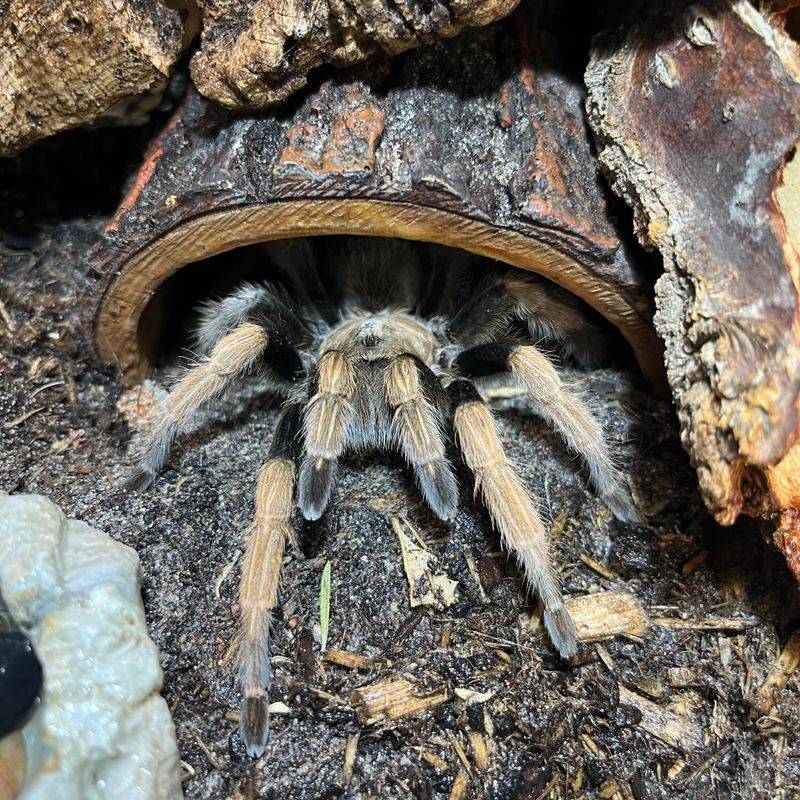
Rain changes everything underground. When monsoon storms hit and water soaks into the desert soil, tarantulas get flooded out of their burrows.
Staying underground during heavy rain becomes difficult, so they surface and start moving around.
Burrows can fill with moisture fast. A spider that was perfectly comfortable a few hours earlier suddenly has a soggy, unlivable home.
Moving above ground is simply a survival response, not an aggressive one.
Monsoon season in Arizona typically runs from mid-June through September. During this stretch, heavy afternoon storms are common, and tarantula sightings spike sharply.
Most homeowners notice them near garden beds, patios, or along fence lines where soil drains slowly.
Tarantulas are not wandering aimlessly. They are reacting to real environmental pressure below the surface.
Once the soil dries out, many return to their burrows or dig new ones nearby. Sightings tend to peak right after a strong storm, then taper off within a day or two as conditions settle.
Knowing this rhythm makes it easier to predict when to expect them and plan accordingly.
2. Mature Males Leave Burrows During The Monsoon
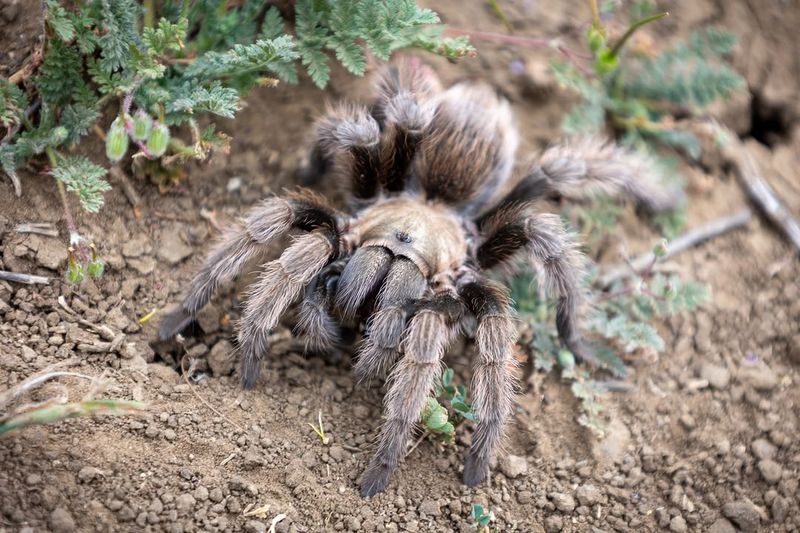
Not every tarantula you spot is reacting to rain. Adult males have their own purpose, and it has nothing to do with the weather.
Once they reach maturity, usually between seven and ten years of age, they leave their burrows to search for females.
Monsoon season lines up closely with this mating period. Warm temperatures, higher humidity, and longer nights create favorable conditions for wandering males.
Yards, sidewalks, driveways, and garden paths often become part of their route during this time.
Male tarantulas can travel surprisingly long distances while searching for a mate. That is why one may suddenly appear crossing a patio, driveway, or garden path late in the evening.
Their journey can continue for days as they move from one area to the next.
After mating, a male tarantula’s lifespan is usually much shorter. Females, by comparison, can remain in the same burrow for many years.
Most tarantulas spotted during the monsoon are wandering males rather than females leaving established homes. If you come across one, giving it plenty of space or gently guiding it away from traffic is the best response.
Your Arizona Garden Changes Every Week. Your Plan Should Too.
Gardening in Arizona changes quickly throughout the season. Every Friday you’ll receive a simple weekly plan showing exactly what to plant, prune, fertilize, harvest, and protect so you never miss the right timing.
3. Bites Are Rare And Usually Defensive
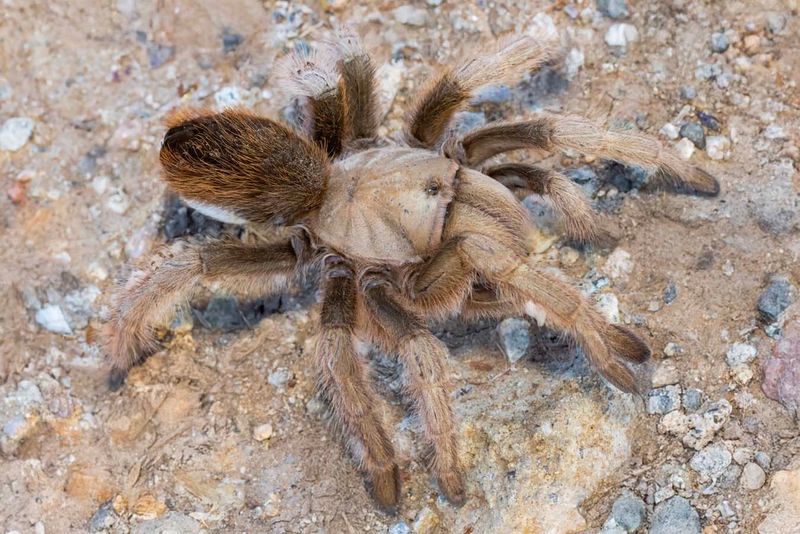
Tarantulas look intimidating, but they are genuinely reluctant to bite. A bite usually only happens when a spider feels cornered or physically threatened.
Reaching toward one without warning is the most common trigger.
Venom from a tarantula bite is mild for most healthy adults. Reactions are typically similar to a bee sting, with localized pain, redness, and minor swelling.
Serious reactions are uncommon but can occur in people with specific sensitivities, so medical attention is still a smart move if bitten.
Urticating hairs are actually a tarantula’s first defense. When agitated, they flick tiny bristles off their abdomen using their back legs.
These hairs cause skin irritation and eye discomfort, so avoid rubbing your face after handling or being near one.
Keeping a calm, slow approach matters enormously. Sudden movements or loud vibrations near a tarantula can trigger a defensive response quickly.
Children should be taught not to poke or chase them. Pets, especially curious dogs, face a similar risk if they sniff too closely.
Respecting their space is the simplest way to avoid any unwanted encounter. Tarantulas are not hunting humans.
They are just passing through, and a little distance goes a long way toward keeping everyone comfortable and unharmed.
4. Keep Pets Away From Wandering Tarantulas

Dogs are naturally curious, and a slow-moving tarantula on the patio is basically an irresistible target. Most dogs will sniff, paw, or snap at one before you even notice what is happening.
That is when things get uncomfortable for both animals.
A tarantula that feels threatened will either flick urticating hairs or attempt to bite. Dog noses are particularly vulnerable to those bristly hairs.
Irritation, pawing at the face, and eye swelling are common reactions in dogs that get too close.
Cats tend to swat at anything that moves slowly. A tarantula crossing the yard at dusk is an easy target for a curious outdoor cat.
The results are usually unpleasant for both the cat and the spider.
Supervising pets during evening hours is especially important throughout monsoon season. Tarantulas move most actively after sunset when temperatures drop slightly.
Keeping dogs on a leash during evening bathroom breaks in the yard reduces the chance of an accidental encounter. If your pet does make contact, check their face, paws, and mouth carefully.
Contact your vet if you notice excessive drooling, pawing at the eyes, or facial swelling. Most reactions are not severe, but getting professional guidance quickly is always the right call when pets are involved.
5. Seal Gaps Around Doors And Foundations
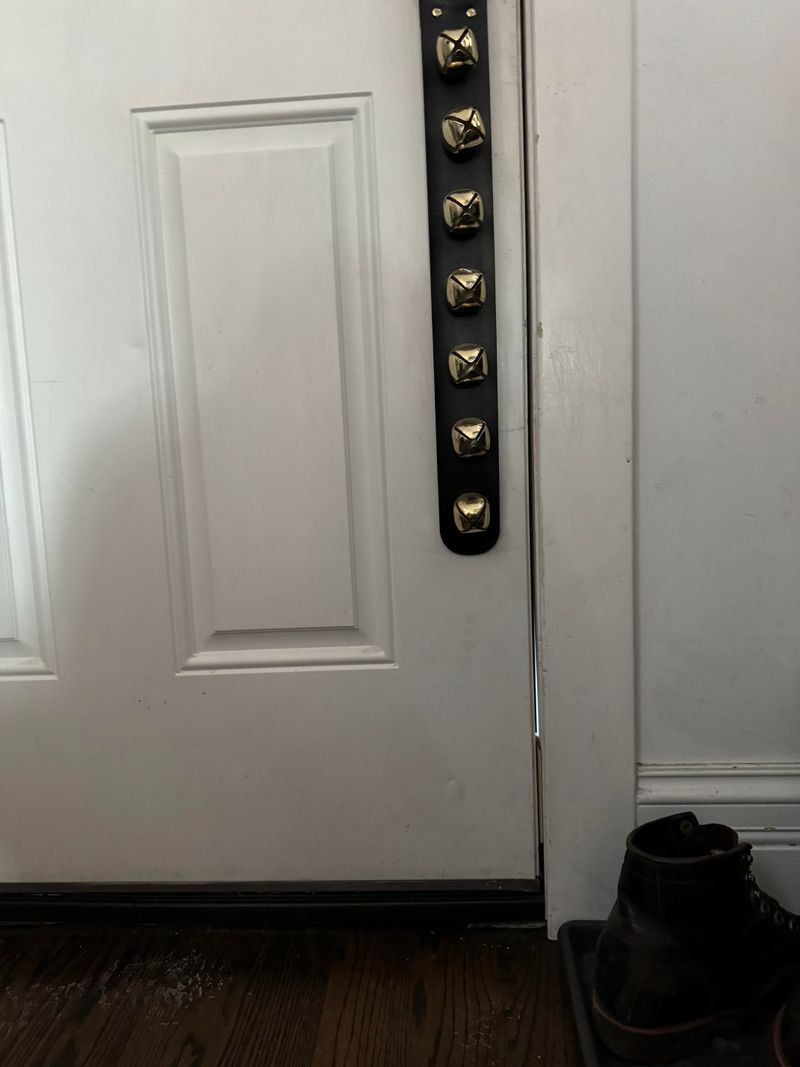
Tarantulas do not squeeze through tiny cracks the way ants do, but gaps around doors, garage entrances, and foundation vents are large enough to let one walk right in. A wandering male searching for shelter or a mate is not picky about where he goes.
Checking door sweeps is a simple first step. Worn or missing sweeps on garage doors and exterior doors leave gaps that are easy entry points.
Replacing them costs very little and blocks more than just spiders.
Foundation vents with damaged screens are another common access point. Inspect them after each monsoon storm since wind and debris can loosen mesh over time.
Patching or replacing damaged screens takes minimal effort and makes a real difference.
Weatherstripping around sliding glass doors tends to degrade in desert heat. Replacing it before monsoon season starts is worth the effort.
Caulking gaps where utility lines enter the home is also helpful, since those openings are often overlooked but surprisingly accessible.
A tarantula indoors is rarely dangerous, but relocating one from inside a bedroom at midnight is not how most people want to spend their evening.
Simple sealing projects completed before the rains arrive can prevent most accidental indoor encounters during the peak activity months in the desert Southwest.
6. Remove Wood Piles And Yard Debris
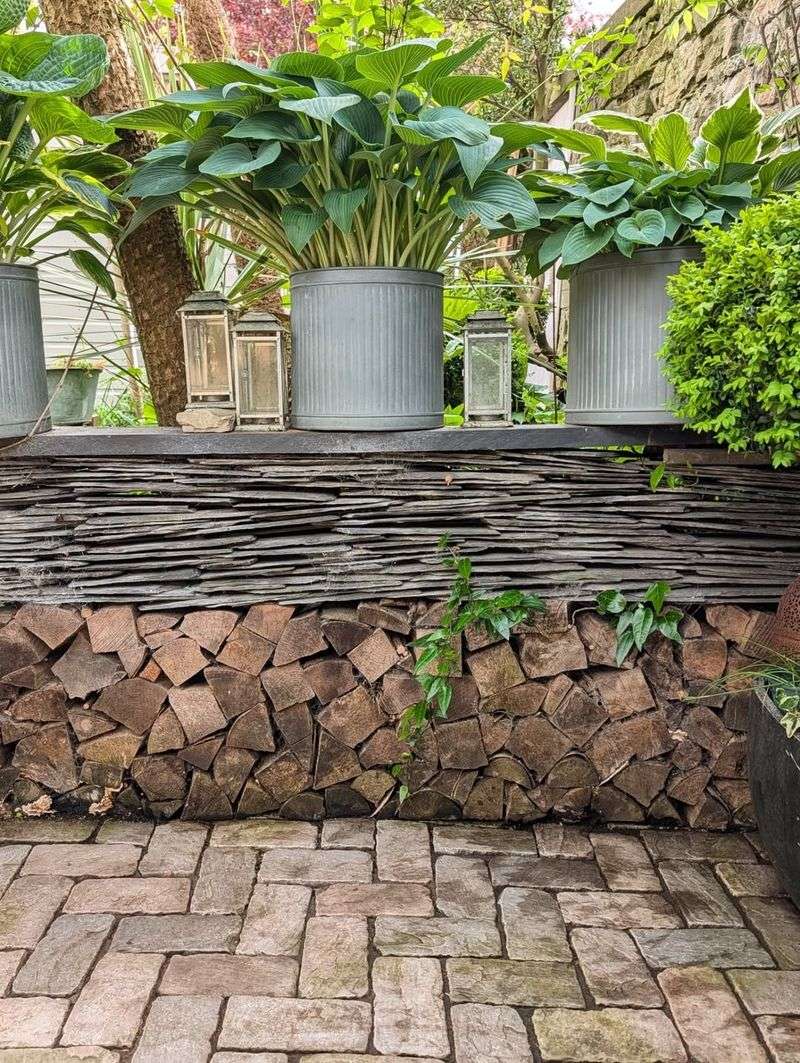
Wood piles sitting against a house foundation are practically an invitation for tarantulas to settle in. Stacked wood holds moisture, stays cool during the day, and offers easy cover.
For a spider looking for a new burrow site, it checks every box.
Moving firewood at least fifteen to twenty feet away from the house reduces this attraction significantly. Storing it off the ground on a rack also helps by removing the dark, damp hiding spots underneath.
Tarantulas prefer ground-level shelter, so elevation matters.
Leaf litter, old pots, and forgotten garden debris serve the same purpose. Piles of material that sit undisturbed for weeks become prime real estate for burrowing spiders.
A quick yard cleanup before monsoon season starts limits available habitat near the home.
Rock borders and decorative gravel can also harbor tarantulas if gaps between stones are large enough. Checking these areas periodically during the monsoon months is a reasonable habit.
Wearing gloves while moving any yard material is smart practice regardless, since other desert creatures like scorpions also favor similar hiding spots.
Reducing clutter around the perimeter of your home does not guarantee you will never see a tarantula.
However, it can noticeably lower the chances of finding one right outside your back door when summer rains roll through the Sonoran Desert.
7. Shake Out Shoes And Gardening Gloves Before Wearing Them
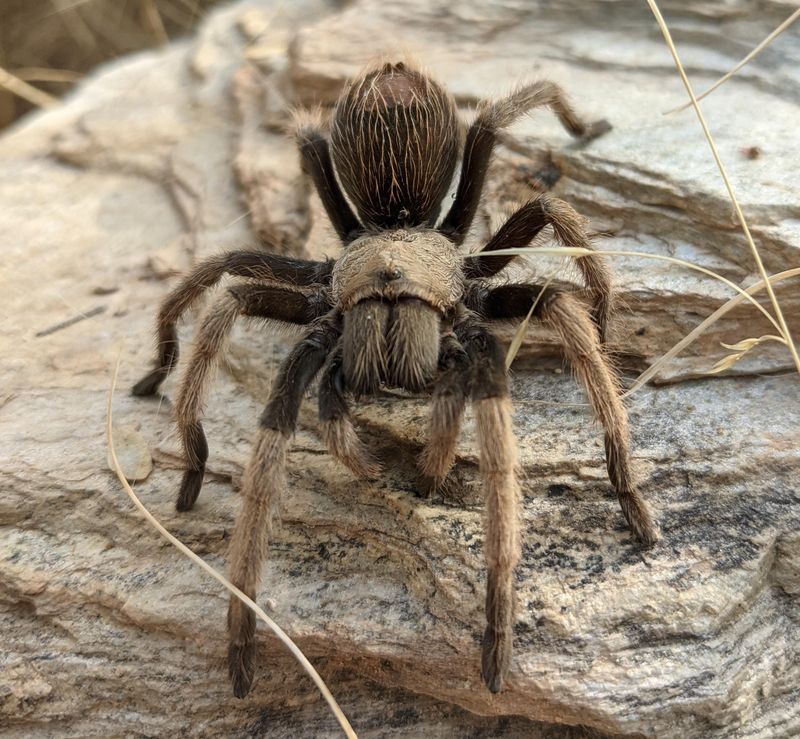
Gardening gloves and shoes left outside can become convenient hiding places during monsoon season.
A dark glove, boot, or sneaker offers shelter from the heat and protection from predators, making it an attractive resting spot for wandering tarantulas.
While these spiders are not looking for people, they may stay hidden until the item is picked up or put on. That surprise encounter often causes panic and increases the chance of a defensive reaction.
Make it a habit to shake out shoes, boots, gardening gloves, and any other outdoor gear before using them. Turn gloves inside out if possible, and check deep shoes with a quick look before slipping your foot inside.
Storing gardening supplies in sealed bins or keeping them indoors also reduces the chance of finding unexpected visitors.
This simple routine takes only a few seconds, but it can prevent an unpleasant surprise during the busiest weeks of tarantula activity.
It is also a good habit because other desert animals, including scorpions, may use the same sheltered spaces. A quick inspection every time you head outside is an easy way to garden more safely throughout the monsoon season.