The Overwatering Mistake Stressing Arizona Potted Herbs
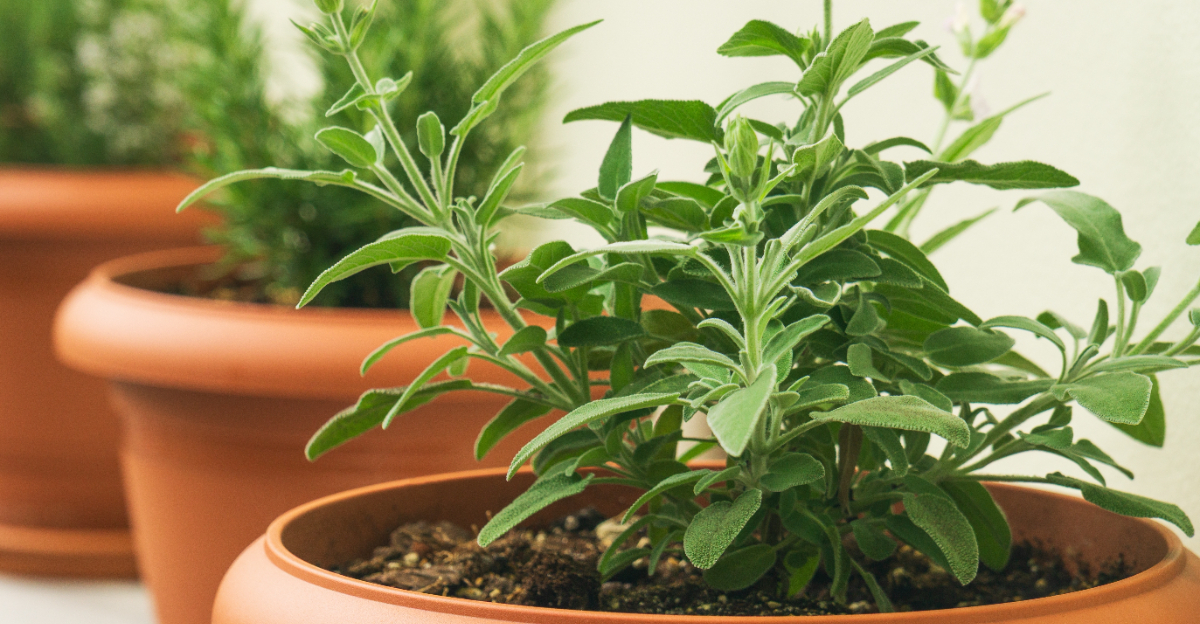
Hot weather can make healthy herbs look thirsty long before they actually need more water. Reaching for the watering can feels helpful, but that quick decision often creates bigger problems below the soil.
Roots trapped in constantly wet potting mix lose the oxygen they need to stay healthy, even when the leaves begin to droop. Good intentions sometimes cause more stress than dry soil.
Check the potting mix before you water again. Push a finger below the surface instead of trusting wilted leaves alone.
Containers respond differently to heat, sunlight, and wind, so yesterday’s routine may not fit today. Gardeners throughout Arizona often run into this exact mistake during the hottest weeks of summer.
Giving roots time to breathe between waterings encourages stronger growth and helps potted herbs thrive longer.
1. Soggy Soil Starves Roots Of Oxygen
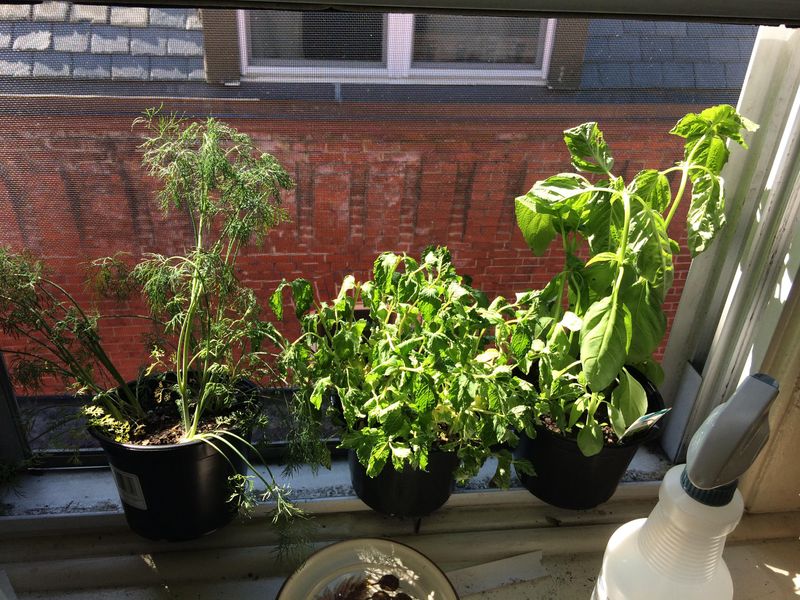
Roots need air just as much as they need water. When soil stays wet for too long, the spaces between soil particles fill with water instead of oxygen.
Roots start to suffocate, and the plant struggles to absorb nutrients.
Soggy soil creates a low-oxygen environment that weakens roots fast. Beneficial soil organisms that help break down nutrients also suffer in waterlogged conditions.
Without healthy root function, even a plant sitting in nutrient-rich soil can starve.
Potted herbs are especially vulnerable because containers limit drainage. Water has nowhere to go if it builds up faster than the soil can release it.
Roots sit in standing moisture, and stress sets in quickly.
Check soil before every watering. Push a finger about an inch deep into the pot.
If it still feels damp or cool, skip the watering session entirely.
In warm desert climates, soil can look dry on the surface but still hold moisture several inches down. Surface appearances are misleading.
Going by feel rather than looks leads to better watering decisions.
Lightweight, well-draining potting mix helps prevent this problem. Mixes designed for cacti or herbs drain faster than standard garden soil.
2. Yellow Leaves Can Signal Too Much Water
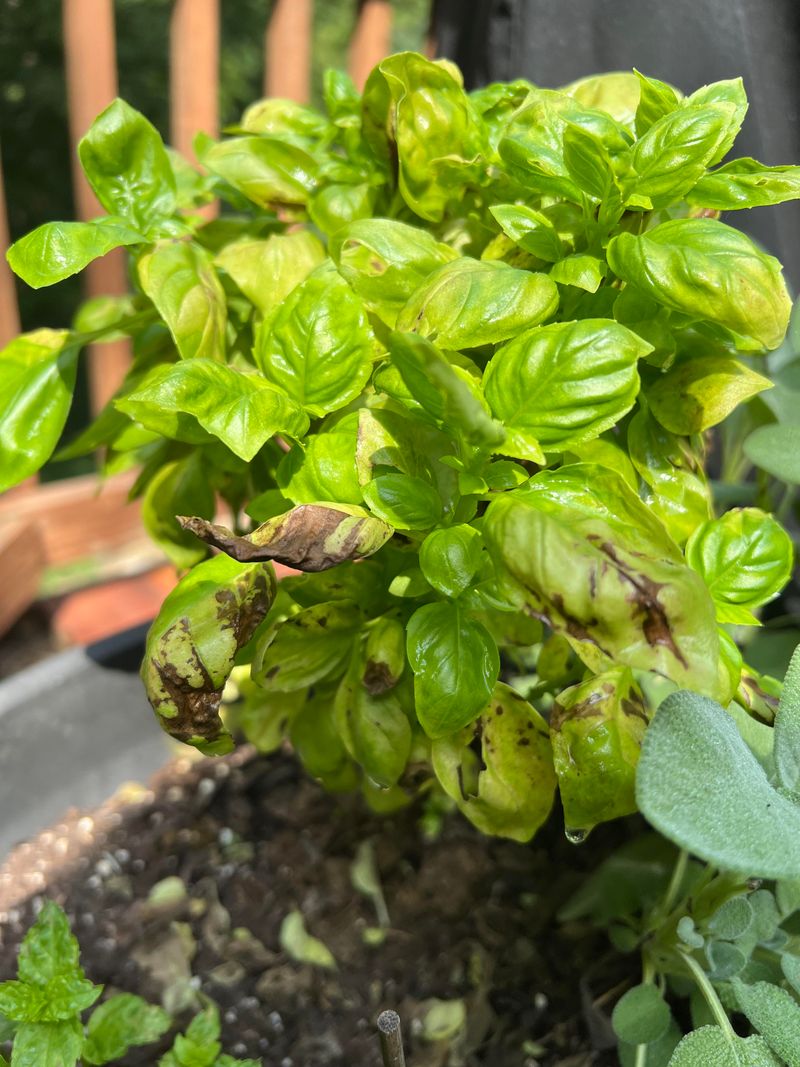
Yellow leaves are easy to misread. Most gardeners assume yellowing means the plant needs more water, so they water again.
That extra water often makes the real problem worse.
Overwatering flushes essential nutrients out of the soil. Nitrogen, iron, and magnesium wash away with repeated heavy watering.
Without those nutrients, leaves lose their green color and turn yellow.
Root rot caused by waterlogged soil also blocks nutrient uptake. Even if nutrients are present, damaged roots cannot absorb them properly.
Leaves yellow from the bottom up in many overwatered plants.
Not every yellow leaf points to overwatering. Pests, low light, and natural leaf aging can cause yellowing too.
Look at the full picture before deciding what to change.
Soft, mushy stems near the soil line combined with yellow leaves are a stronger indicator of excess moisture. Firm stems with yellow leaves might suggest a nutrient or light issue instead.
Observing the whole plant helps narrow down the cause.
Reduce watering frequency and let the soil dry out more between sessions. Remove severely yellowed leaves to reduce stress on the plant.
Your Arizona Garden Changes Every Week. Your Plan Should Too.
Gardening in Arizona changes quickly throughout the season. Every Friday you’ll receive a simple weekly plan showing exactly what to plant, prune, fertilize, harvest, and protect so you never miss the right timing.
If the soil smells sour or earthy in an unpleasant way, that can indicate root decay from prolonged wetness. Adjusting your watering schedule early gives the plant a better chance to recover and push out fresh, healthy growth.
3. Wilted Herbs Are Not Always Thirsty
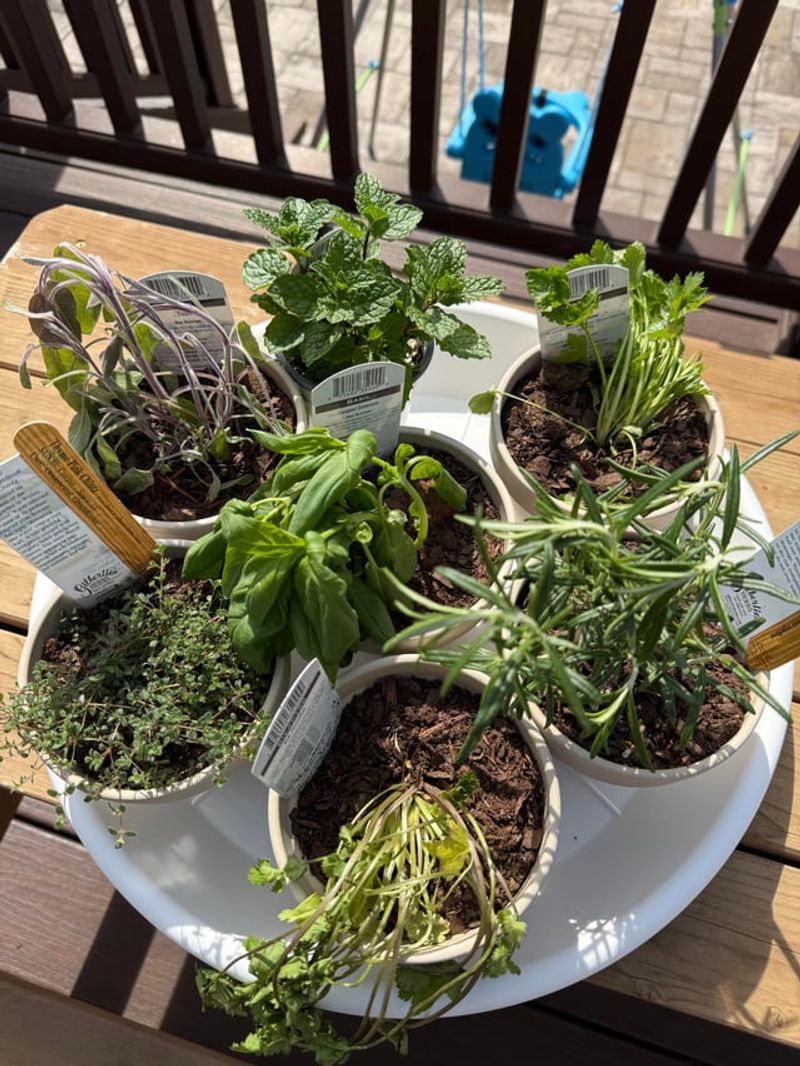
Wilting almost always looks like a cry for water. Grabbing the watering can feels like the obvious fix.
But wet soil under a wilting plant tells a completely different story.
Overwatered roots lose their ability to move water up through the plant. Even when the soil is soaked, a stressed root system cannot push water to the stems and leaves.
Wilting happens because water transport breaks down, not because moisture is missing.
Heat stress causes wilting too, especially during peak afternoon hours in summer. Herbs sometimes droop during the hottest part of the day and perk back up once temperatures drop in the evening.
Watering during that midday wilt can push already stressed roots further into trouble.
Before watering a wilted plant, check the soil moisture first. Stick a finger an inch into the potting mix.
Wet or cool soil means watering should wait, even if the plant looks desperate.
Move heat-stressed pots to a spot with afternoon shade if wilting happens repeatedly on hot days. Shade cloth or a nearby wall can reduce heat exposure significantly.
Small adjustments to placement sometimes solve the problem without changing the watering schedule at all.
Wilting combined with dry, light-colored soil is the clearest sign of actual thirst. Wet soil plus wilting points to root stress from overwatering.
4. Let The Top Inch Of Soil Dry Before Watering
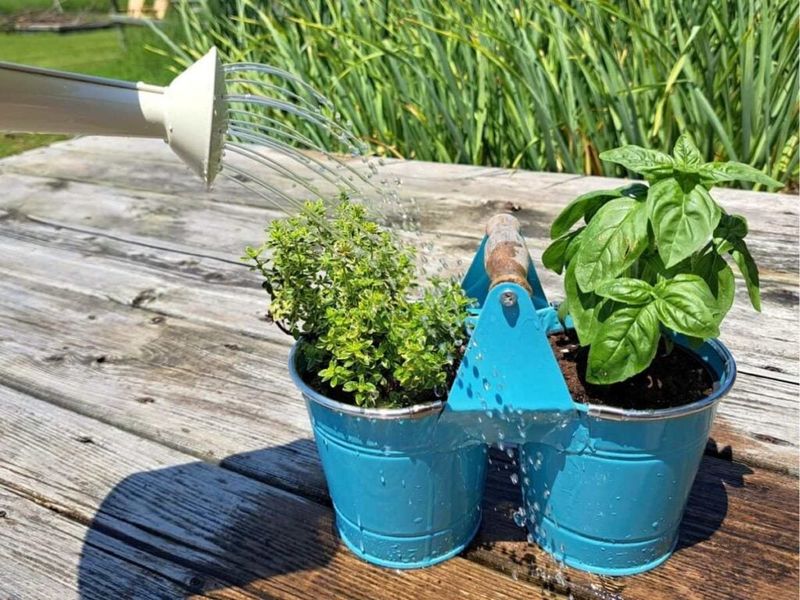
One simple rule can prevent most overwatering problems. Wait until the top inch of soil feels dry before adding more water.
That small check takes about five seconds and saves a lot of trouble.
Herbs like basil, thyme, rosemary, and oregano prefer soil that cycles between moist and slightly dry. Keeping soil constantly wet stresses their roots.
Letting that top layer dry out slightly mimics more natural growing conditions for Mediterranean-origin herbs.
Finger-testing beats relying on a fixed watering schedule. Weather, pot size, and sun exposure change how fast soil dries out.
A schedule that worked in spring may waterlog pots by mid-summer or leave them too dry in a cool stretch.
Moisture meters are another useful option. Affordable and easy to use, they measure moisture deeper in the pot than a finger can reach.
Look for a reading in the low-to-mid range before watering again.
Pots dry out at different rates depending on material. Terracotta pulls moisture from the soil and dries faster than plastic or glazed ceramic.
Knowing your pot type helps set realistic expectations for how often watering is actually needed.
In Arizona, summer heat can dry the surface quickly while deeper soil stays wet. Surface dryness alone is not a reliable trigger.
5. Empty Saucers After Every Watering
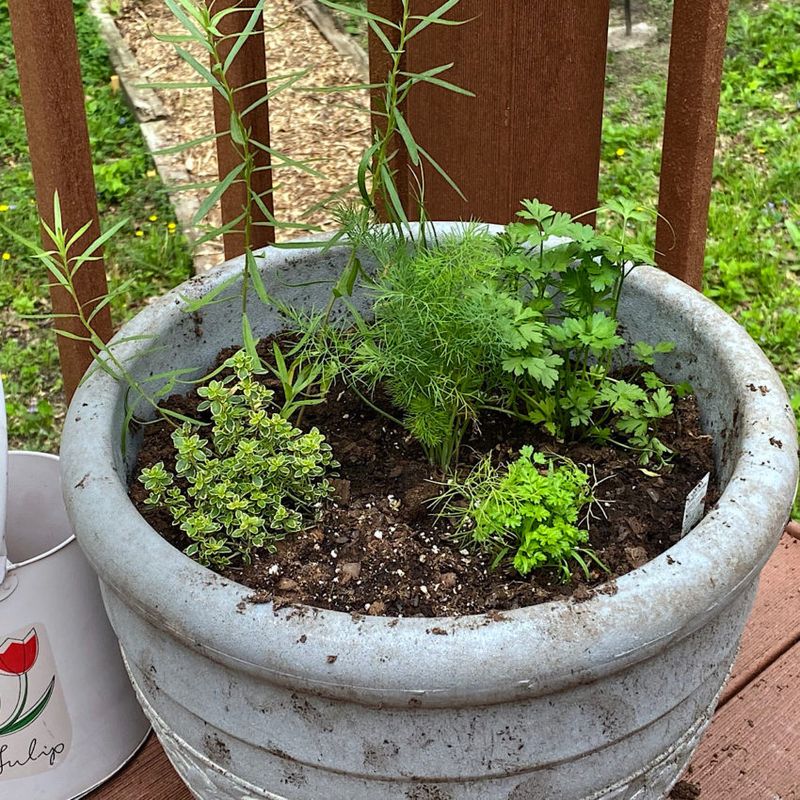
Saucers look helpful, but they quietly cause problems. Water collects in them after watering, and roots sitting above that pooled moisture start pulling it back up.
Constant bottom moisture keeps soil wet far longer than roots prefer.
Standing water in a saucer is a breeding ground for fungus gnats. Those small pests lay eggs in moist soil, and their larvae feed on fine root hairs.
A simple habit of emptying saucers regularly can reduce gnat problems without any sprays or treatments.
Pour out saucer water within thirty minutes after watering. Roots absorb what they need during that window.
Anything left sitting after that just extends the wet period without benefit.
Some gardeners skip saucers entirely for outdoor pots. When herbs are placed on gravel, pavers, or a raised surface, excess water drains freely and evaporates faster.
Removing the saucer is a practical option if pots are not sitting on wood or surfaces that stain.
During monsoon season in the Southwest, rain can fill saucers unexpectedly. Checking pots after a storm and dumping collected water prevents the same soggy-soil problems that come from overwatering by hand.
Elevating pots slightly on pot feet or small risers also helps. Airflow under the pot speeds up drainage and drying.
6. Choose Pots With Drainage Holes
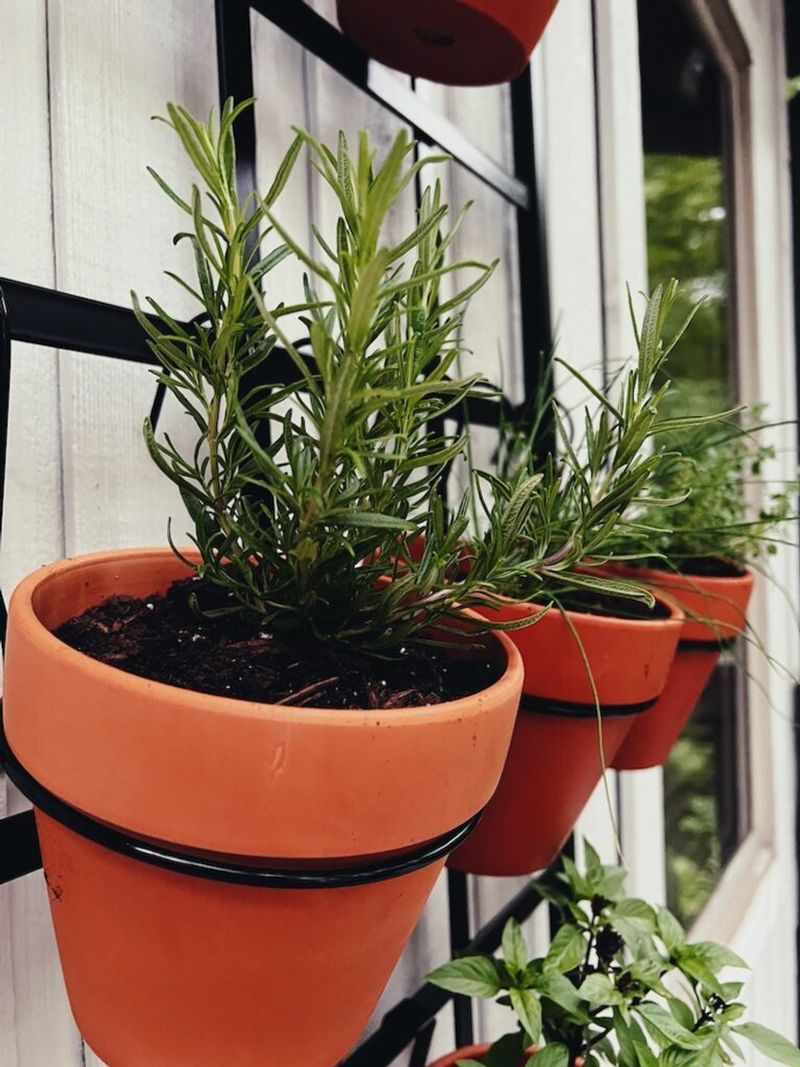
No drainage hole means no escape route for excess water. Water builds up at the bottom of the pot and creates a soggy layer that roots eventually reach.
That bottom zone stays saturated even when the top soil feels dry.
Decorative pots without holes look great but function poorly for herbs. A common fix is using them as outer covers and placing a drilled pot inside.
Water drains into the decorative container, which then needs to be emptied regularly.
Drainage holes do not need to be large. Even small holes at the base allow excess water to escape and prevent buildup.
Multiple small holes work better than one large one in many cases because they distribute drainage more evenly.
Adding a layer of gravel at the bottom of a pot without holes does not solve the drainage problem. That old trick actually raises the water table inside the pot, keeping roots wetter.
Drilling holes is the more reliable solution.
Terracotta pots with drainage holes are a popular choice for herbs in hot climates. They breathe through their walls, which helps soil dry faster between waterings.
Plastic pots retain moisture longer, so herbs in plastic need less frequent watering overall.
Repotting herbs into containers with proper drainage is worth the effort. Stressed herbs often recover noticeably once moved into a well-draining pot.
7. Match Watering To Pot Size And Weather
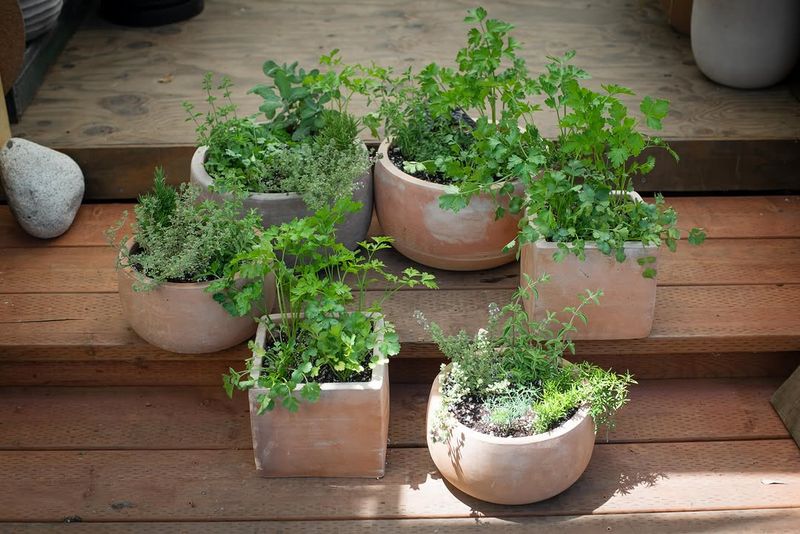
Pot size changes everything about how fast soil dries. Small pots hold less soil, so they dry out quickly and need more frequent watering.
Large pots hold more moisture and can go several days between waterings without stressing the plant.
Watering every herb on the same schedule ignores those differences. A small four-inch pot of basil may need water every day during a heat wave.
A large twelve-inch pot of rosemary might only need water twice a week under the same conditions.
Weather plays a major role too. Cloudy days slow down evaporation and reduce plant water demand.
Windy days dry soil faster than still days, even without direct sun exposure. Adjusting watering based on current conditions leads to better results than sticking to a rigid routine.
Monsoon humidity in the desert Southwest changes the equation in summer. High humidity slows evaporation from soil surfaces.
Pots that dried out quickly in dry June heat may stay moist much longer once monsoon moisture arrives in July and August.
Seasonal adjustments matter throughout the year. Spring and fall bring milder temperatures that reduce watering needs.
Winter in warm desert regions can still require watering, but far less often than peak summer months.
Paying attention to each pot individually rather than watering everything at once builds better habits.