Why More Arizona Gardeners Are Planting Native Desert Milkweed Before Fall Migration
Monarch butterflies never choose a backyard by accident.
They search for the right plants long before most homeowners notice them passing through.
Late summer brings a small window with a big opportunity. Smart gardeners know a few weeks can make a real difference.
Native desert milkweed has started showing up in more landscapes for good reason. Its role goes far beyond adding another splash of green.
Plenty of beautiful gardens still miss one important piece. A yard can look amazing while offering very little to migrating butterflies.
Take a fresh look around before planting anything new this season. One thoughtful choice can have a much bigger impact than you expect.
Fall migration is closer than it seems. There is a good reason this native plant keeps finding its way into more Arizona gardens every year.
1. Native Desert Milkweed Supports Migrating Monarch Butterflies
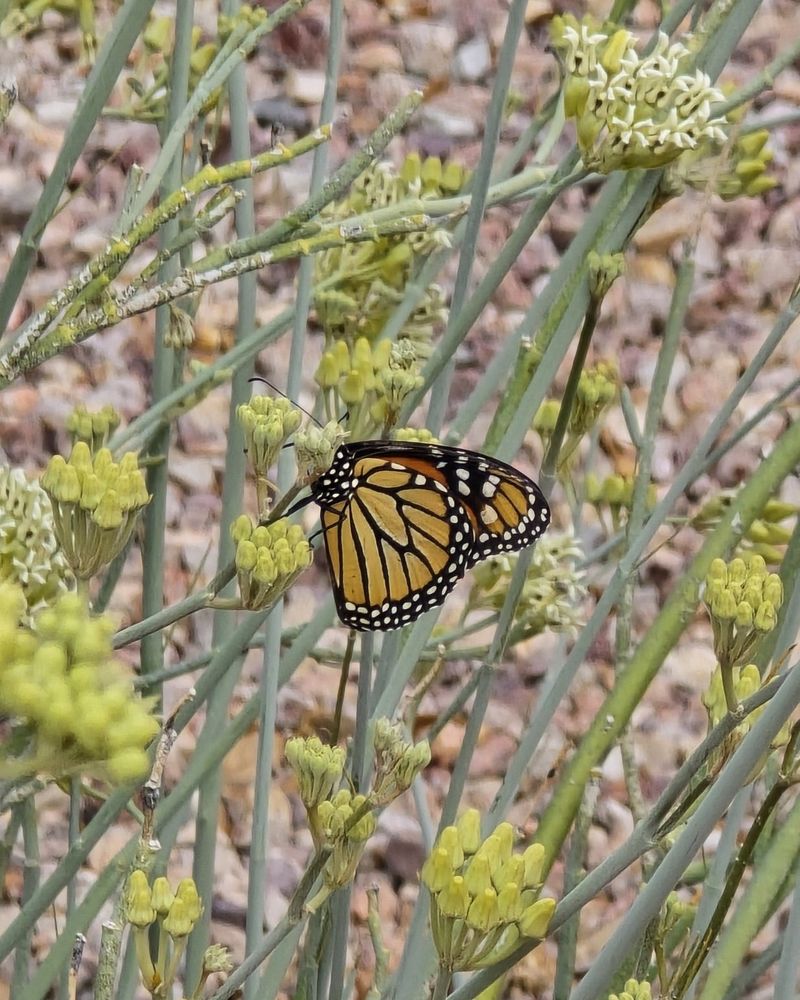
Monarch butterflies cannot complete their migration without milkweed. It is the only plant their caterpillars can eat, and adults rely on it for nectar too.
Planting native desert milkweed gives passing monarchs a reliable stop along their route.
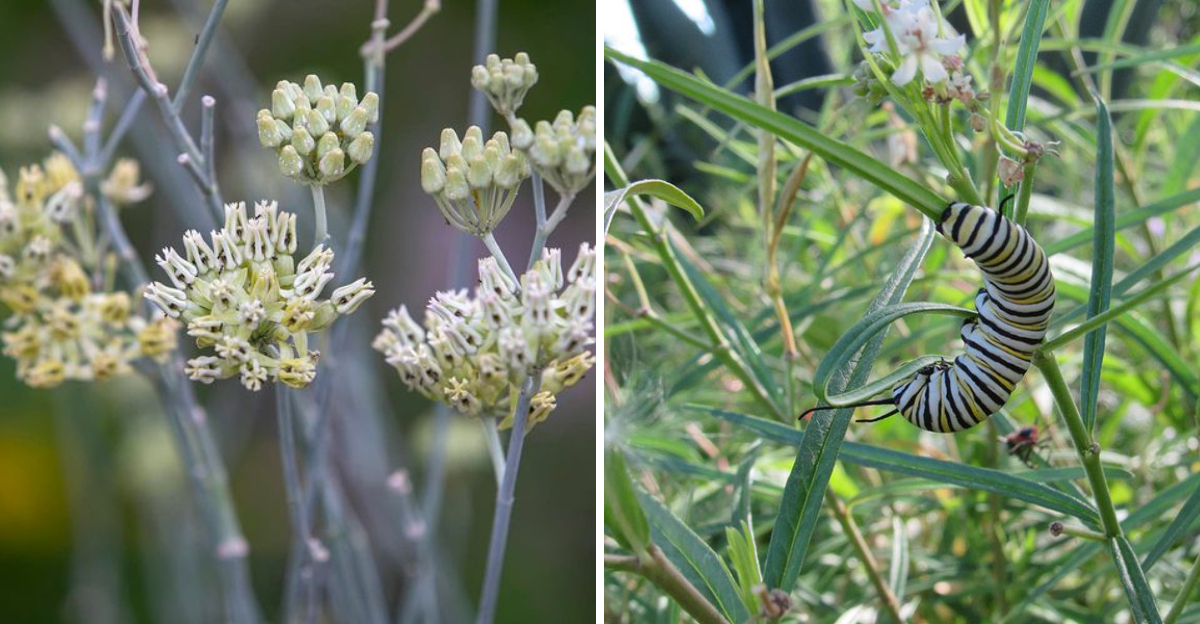
Asclepias subulata, the most common native desert milkweed in the Southwest, is well adapted to dry, hot conditions. It does not need much water once settled in, and it tends to hold up well through warm weather.
Monarchs recognize it quickly and will visit a yard within days of planting.
Gardeners who want to help monarch populations can make a real difference right in their backyard. A single plant may attract multiple butterflies during peak migration weeks in September and October.
Grouping several plants together tends to draw more visitors than a single isolated plant.
Supporting monarchs does not require a large yard or a lot of money. Even a small corner with two or three milkweed plants can serve as a meaningful rest stop.
Native plants are often available at local nurseries that specialize in desert-adapted species, making them easier to find than many people expect.
2. Plant In Full Sun For The Best Growth
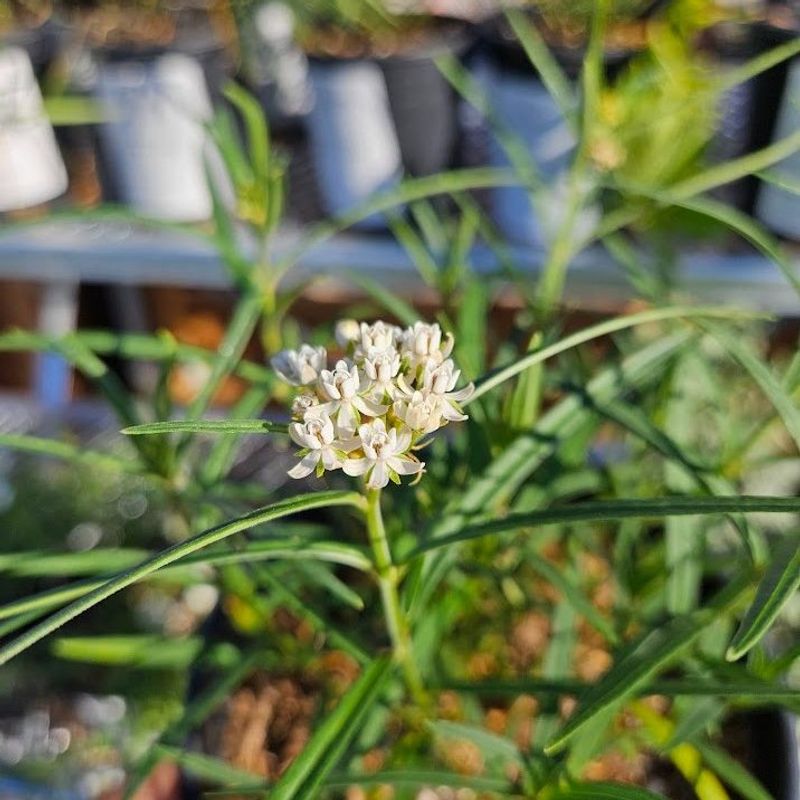
Shade is not a friend to desert milkweed. Put it in a spot that gets direct sun for most of the day, and it will reward you with strong, upright growth and steady blooms.
Asclepias subulata naturally grows in open desert areas where nothing blocks the sun. In a garden setting, that means avoiding spots near walls that create afternoon shade or under tree canopies.
A south or west-facing bed usually works well in most desert yards.
Plants placed in partial shade tend to grow slower and may produce fewer flowers. Fewer flowers means less nectar for adult monarchs passing through.
Full sun placement is one of the simplest ways to get the most out of each plant you put in the ground.
If your yard has limited sunny spots, prioritize milkweed over ornamental plants that can handle shade. Monarchs need the nectar, and the plant needs the light to produce it.
Most desert-adapted gardens already have open, sunny areas that work perfectly for this species.
Your Arizona Garden Changes Every Week. Your Plan Should Too.
Gardening in Arizona changes quickly throughout the season. Every Friday you’ll receive a simple weekly plan showing exactly what to plant, prune, fertilize, harvest, and protect so you never miss the right timing.
Sunlight also helps the soil around the plant dry out between waterings, which reduces the chance of root problems. Planting in a bright, open location sets up the whole growing season for success from the very start.
3. Well Drained Soil Helps Prevent Root Problems
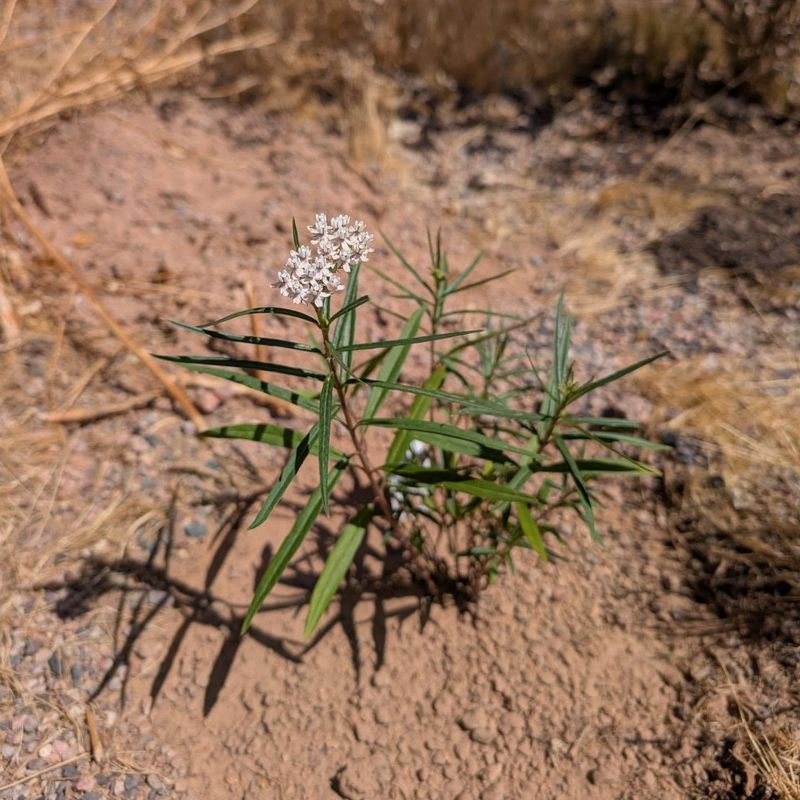
Soggy roots are a real problem for desert milkweed. Standing water around the base of the plant can cause the roots to rot, which weakens or ends the plant over time.
Good drainage is not optional with this species.
Native desert soils tend to be sandy, gravelly, and low in organic matter. Asclepias subulata evolved in those conditions and actually prefers them.
If your yard has heavy clay soil, mixing in coarse sand or gravel before planting can improve drainage noticeably.
Raised beds are another option for gardeners dealing with compacted or clay-heavy ground. Even a modest raise of four to six inches can change how water moves through the soil.
Roots stay healthier when excess moisture drains away instead of pooling.
Avoid planting milkweed in low spots where rainwater collects after a storm. Arizona monsoons can drop a significant amount of rain in a short time, and those low areas stay wet longer than the rest of the yard.
Pick a slightly elevated or flat spot with natural runoff.
Healthy soil drainage keeps the plant’s root system strong through both wet and dry periods. A well-rooted plant handles heat, drought, and heavy rain much better than one struggling in waterlogged ground.
4. Water Regularly While New Plants Become Established
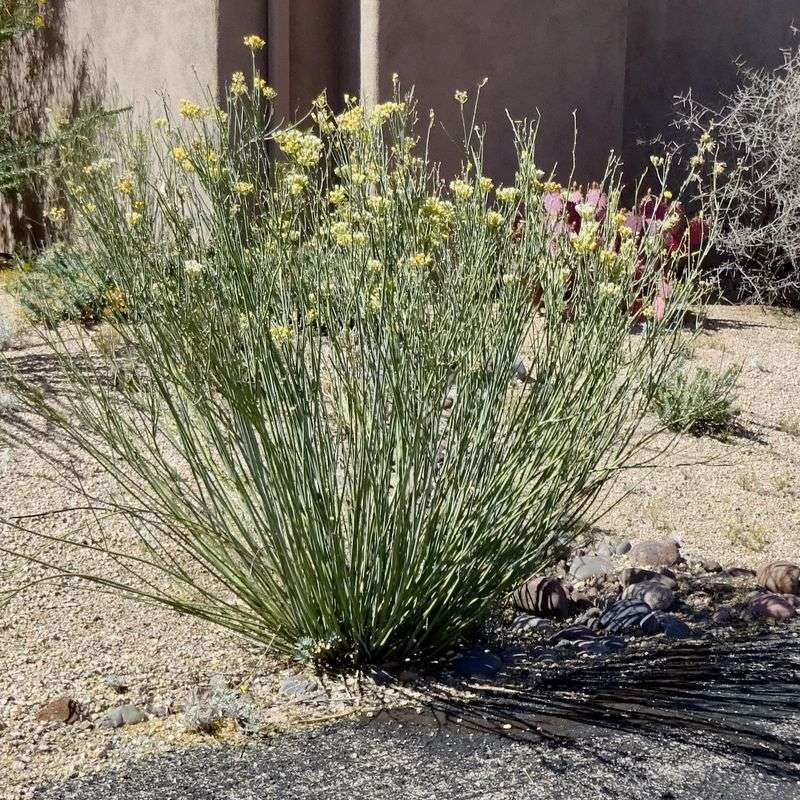
New plants need more help than established ones. Even drought-tolerant species like desert milkweed require consistent moisture during their first few weeks in the ground.
Skipping water too early can slow root development significantly.
Plan to water every two to three days for the first month after planting. Check the soil a few inches down before watering.
If it still feels moist, wait another day before adding more water.
Once roots spread out and anchor into the surrounding soil, the plant becomes much more self-sufficient. Most gardeners can reduce watering to once a week or less after the first six to eight weeks.
During cooler fall weather, the plant needs even less water than it would in summer.
Mulching around the base helps retain soil moisture between waterings. A layer of gravel or bark mulch about two inches thick can reduce how often you need to water during the establishment phase.
Keep mulch slightly away from the stem to allow airflow at the base.
Overwatering is just as risky as underwatering during this period. Too much water prevents roots from reaching outward in search of moisture.
Give the plant enough to stay healthy, but let the soil dry slightly between sessions to encourage strong root growth.
5. Skip Pesticides Around Milkweed Plants
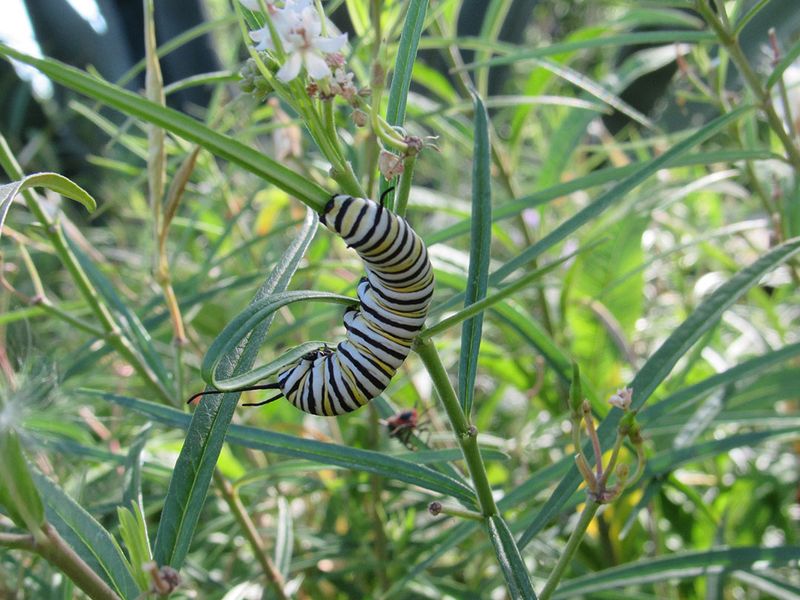
Pesticides and monarch butterflies do not mix. Even products labeled as safe for general garden use can harm monarch eggs, caterpillars, and adult butterflies if applied near milkweed.
Keeping chemicals away from these plants is one of the most important steps a gardener can take.
Systemic insecticides are especially risky. These products absorb into plant tissue and can remain active for weeks.
A caterpillar feeding on treated leaves may be harmed even if no spray is visible on the plant at the time.
Aphids often appear on milkweed, and the temptation to spray can be strong. A strong blast of water from a hose usually removes them without chemicals.
Ladybugs and other beneficial insects often manage aphid populations on their own if given enough time.
Check plants regularly and remove pests by hand when populations are small. Wear gloves, since milkweed sap can irritate skin.
Manual removal takes a few extra minutes but keeps the plant safe for any caterpillars or eggs that may be present.
Creating a pesticide-free zone around your milkweed patch protects not just monarchs but also native bees, wasps, and other pollinators that visit the flowers. A healthy pollinator-friendly garden tends to manage pest pressure more naturally over time.
6. Leave Seed Pods Until They Fully Mature
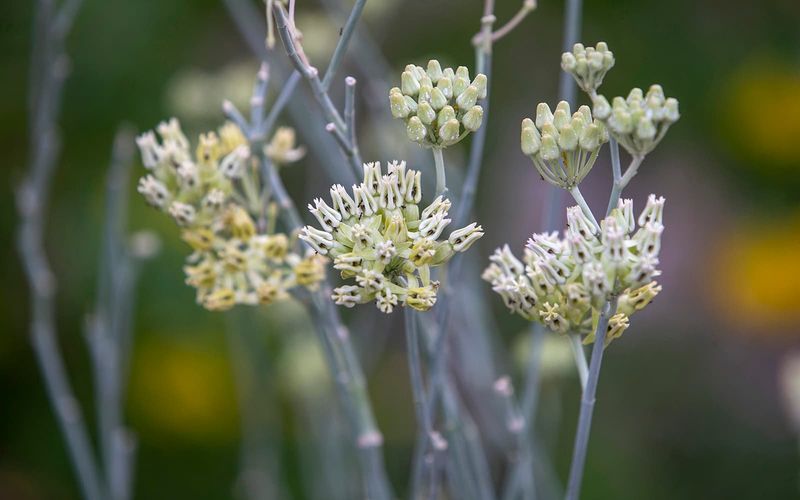
Milkweed seed pods are worth watching. They start out green and firm, then gradually turn brown and dry as they mature.
Cutting them off too early means losing seeds that could grow into next season’s plants.
A fully mature pod will split open along one side and release seeds attached to silky white fibers. Those fibers help the seeds catch wind and travel to new spots in the yard or beyond.
Letting that process happen naturally is the easiest way to expand your milkweed patch over time.
Collect pods just before they open if you want to save seeds for controlled planting. Store them in a paper bag in a cool, dry place until you are ready to plant.
Plastic bags tend to trap moisture, which can reduce seed quality.
Leaving some pods to open on their own also benefits birds that feed on the seeds during fall. Finches in particular are drawn to milkweed seeds and will visit plants regularly when pods are ready.
Watching wildlife interact with a plant you grew is one of the quiet rewards of native gardening.
Patience with seed pods pays off in multiple ways. More plants next season means more habitat for monarchs, more nectar for pollinators, and a stronger native garden overall.
7. Expect Monarch Caterpillars To Feed On The Leaves
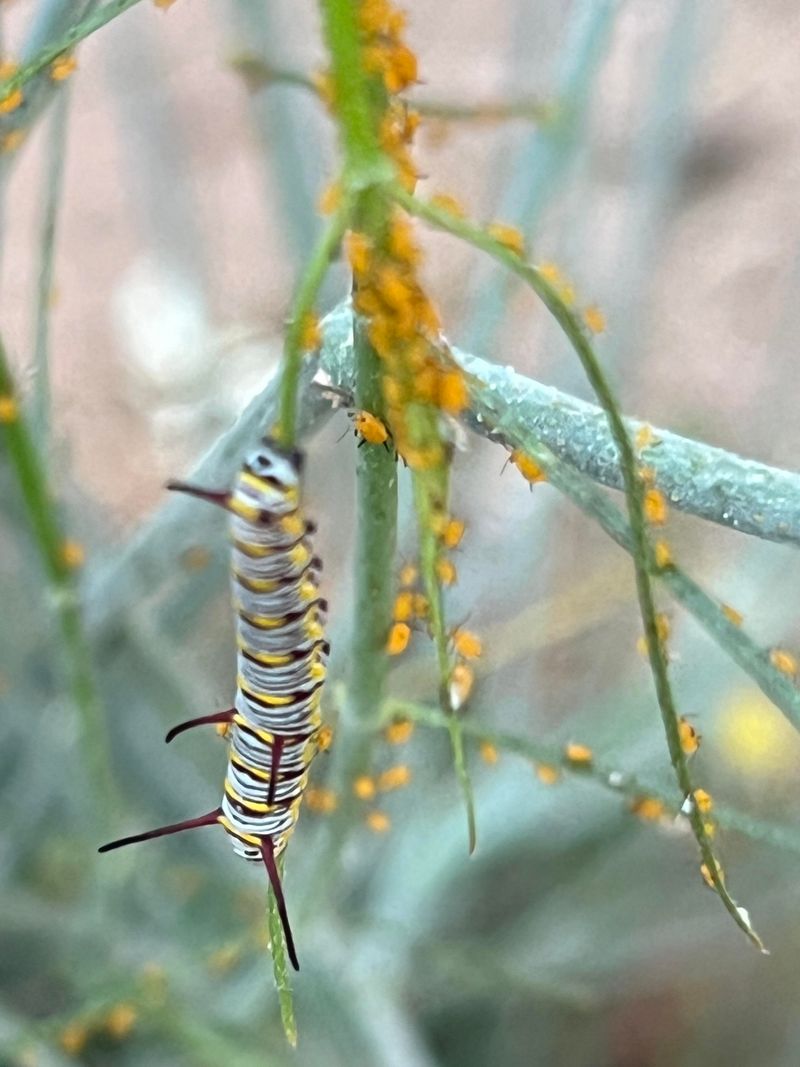
Chewed-up milkweed leaves are a good sign. Monarch caterpillars feed heavily on milkweed foliage, and a plant covered in bite marks means the garden is doing exactly what it should.
Resist the urge to worry about the plant’s appearance during this time.
Caterpillars go through five growth stages before forming a chrysalis. Each stage involves more eating than the last, and a single caterpillar can consume a lot of leaf material in just a few days.
Multiple caterpillars on one plant can strip it back significantly.
Desert milkweed tends to bounce back well after caterpillar feeding, especially when the plant is healthy and established. New growth usually appears within a few weeks after caterpillars move on to form their chrysalises.
Watering consistently during this period supports recovery.
Spotting caterpillars on your plants is a sign that monarch butterflies found and chose your garden. Female monarchs are selective about where they lay eggs, and they prefer healthy, well-placed plants.
A plant with caterpillars on it has earned its spot in the yard.
Check plants every few days during migration season to watch the caterpillars grow and change. Seeing a caterpillar turn into a chrysalis is a memorable experience, especially for younger family members who may not have seen it before.
8. Fall Planting Gives Roots Time To Establish
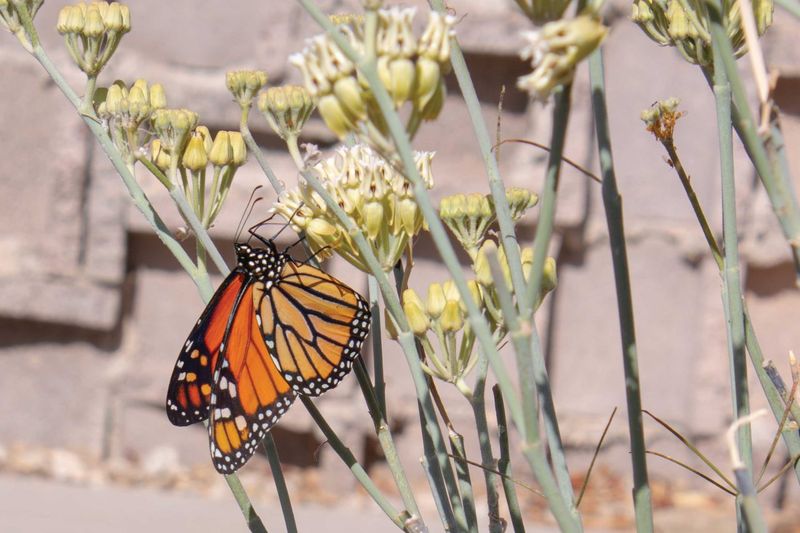
Cooler temperatures make fall one of the best windows for getting new plants into the ground.
Desert milkweed planted in September or October avoids the stress of summer heat while still having enough warm days to push out new root growth before winter.
Root development happens below the surface where most gardeners cannot see it. During fall, energy goes into building a strong root system rather than producing flowers or seeds.
That underground work pays off when warmer weather returns and the plant takes off quickly in spring.
Fall-planted milkweed also has a head start on spring-planted alternatives. By the time monarch migration begins the following fall, a plant with a full year of root growth will be larger, healthier, and more productive than one just getting started.
Soil temperatures in the Southwest stay warm enough through October to support active root growth. Cooler air temperatures reduce stress on new transplants, which lowers the chance of transplant shock.
That combination makes fall a genuinely practical time to plant, not just a gardening trend.
Plan to plant at least a few weeks before the first expected frost in your area. In lower desert elevations of Arizona, that window is often quite long, giving roots plenty of time to settle in before cold nights arrive.