What A Praying Mantis In Your Arizona Yard Actually Means
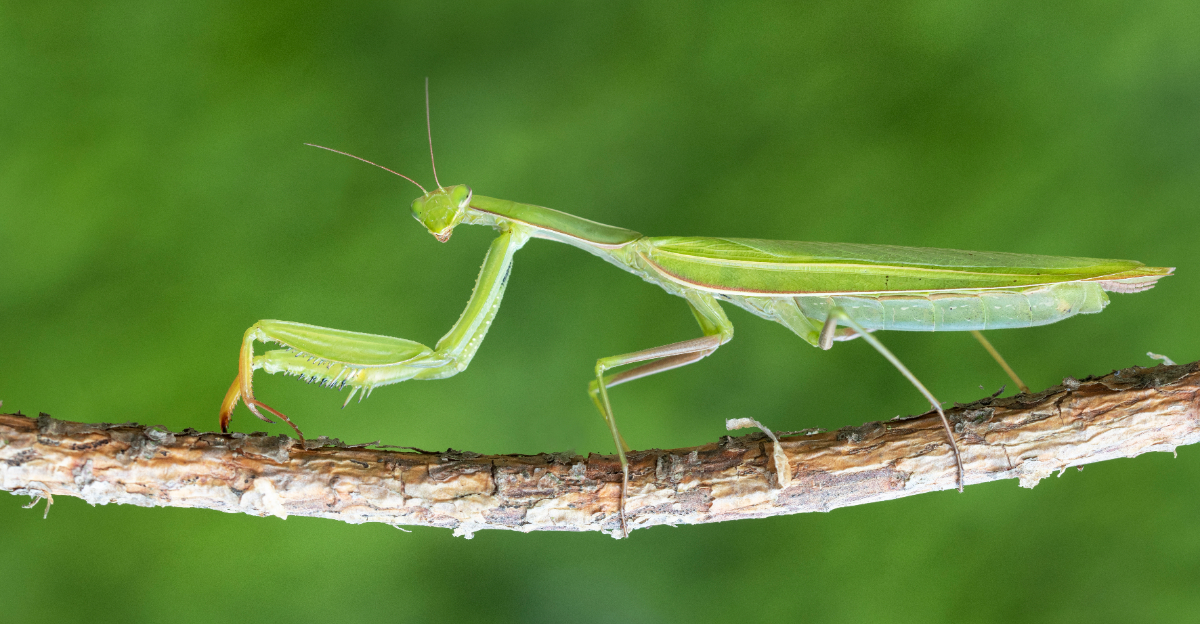
Forget everything you have heard about a praying mantis bringing good luck or carrying a hidden message. Those stories have been around for years, but they do not explain why one suddenly appears in your yard.
Instead of wondering what it symbolizes, pay attention to what your landscape is offering. A praying mantis chooses places where it has a better chance of finding food, staying hidden, and surviving.
That makes its appearance much more interesting than any old superstition.
Take a look around your yard before searching for complicated answers. Flowering plants, shrubs, and healthy insect populations can all make the space more attractive to these patient hunters.
In Arizona, warm weather gives praying mantises plenty of opportunities to stay active for long periods, especially in landscapes with natural cover.
Once you know what draws them in, you will see their visit in a completely different way and understand what it says about the habitat you have created.
1. Your Yard Supports A Healthy Insect Population
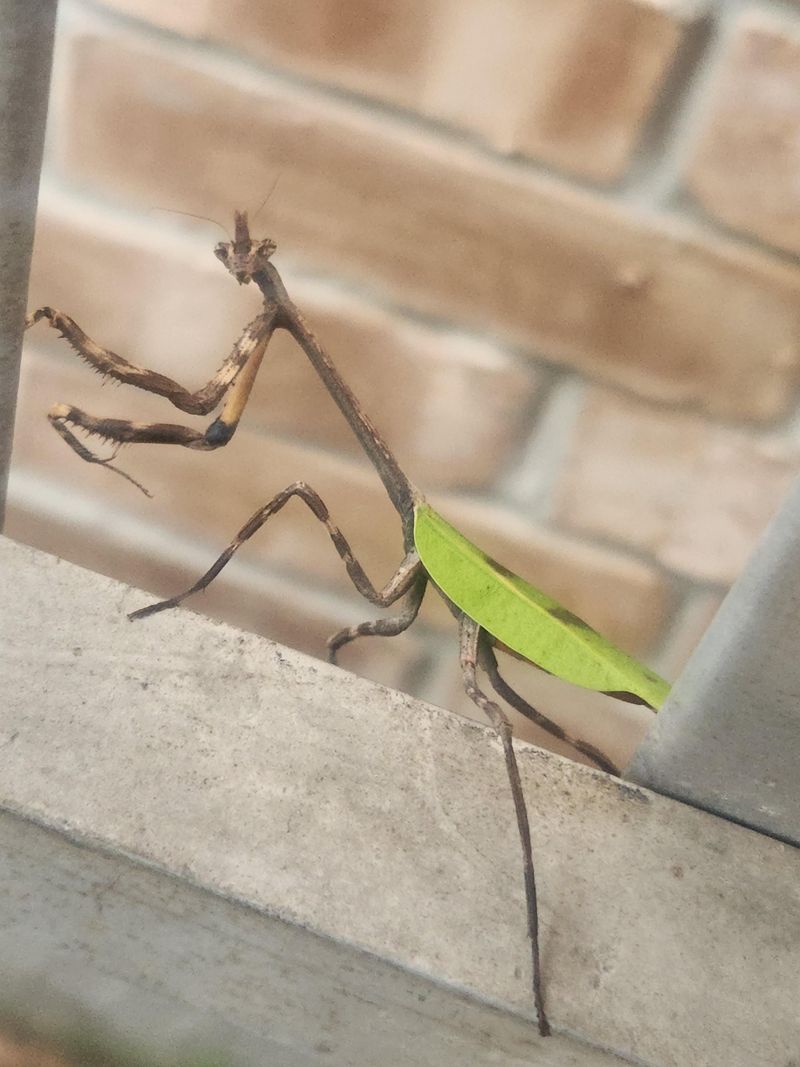
Finding a mantis in your yard is honestly a good sign. Praying mantises are hunters, and they show up where food is available.
If one has settled into your space, insects are present in decent numbers.
Mantises eat a wide variety of bugs, including moths, beetles, flies, and grasshoppers. A yard with a diverse insect population naturally draws them in.
Bare, chemically treated yards rarely attract them at all.
Native plants play a big role here. Shrubs, flowering plants, and ground cover create habitat for smaller insects.
Mantises follow that food chain right into your garden.
Yards with mulch, leaf litter, or dense plantings tend to support more insect variety. That variety is exactly what a mantis needs to survive.
Seeing one suggests your yard has real ecological depth.
Healthy soil matters too. Good soil grows healthy plants, healthy plants attract pollinators and prey insects, and prey insects bring in predators like the mantis.
It all connects.
You do not need to do anything special to keep a mantis around. Just avoid excessive disturbance to plant areas and let natural insect activity continue.
2. Natural Pest Control Is Part Of Their Role
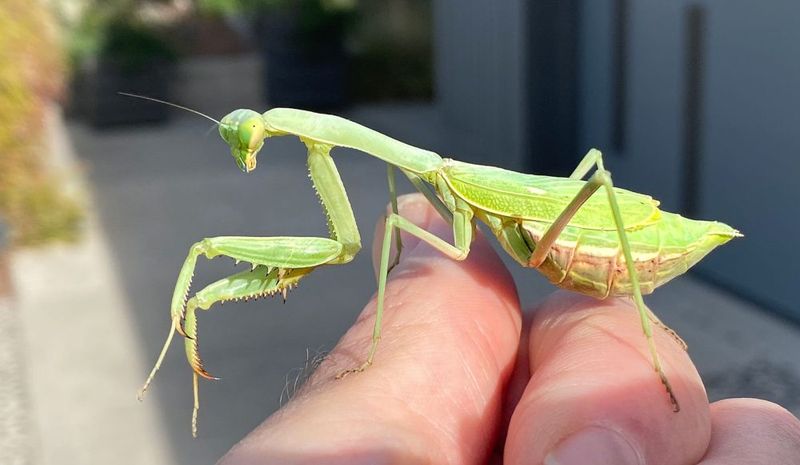
Forget expensive sprays for a moment. A single praying mantis can consume a surprising number of pest insects over its lifetime.
It hunts by staying still and striking with speed when prey gets close.
Grasshoppers, caterpillars, aphid-eating flies, and even small moths are all on the menu. In Arizona gardens, grasshoppers alone can cause serious plant damage during warmer months.
A mantis helps keep those numbers in check.
It is worth noting that mantises are not selective hunters. They eat beneficial insects too, including bees and butterflies.
So while they provide real pest control value, they are not a perfect solution on their own.
Think of them as one part of a balanced yard ecosystem. Paired with other natural strategies like companion planting or hand-picking pests, a mantis presence adds genuine value.
Relying on them alone may not cover all your pest concerns.
Your Arizona Garden Changes Every Week. Your Plan Should Too.
Gardening in Arizona changes quickly throughout the season. Every Friday you’ll receive a simple weekly plan showing exactly what to plant, prune, fertilize, harvest, and protect so you never miss the right timing.
Mantises tend to stay in one territory for extended periods if prey is consistent. They are patient, calculated hunters.
Watching one stalk a grasshopper is genuinely impressive.
Encouraging mantis activity means reducing broad-spectrum pesticide use. Chemicals reduce the prey population, which removes the mantis’s reason to stay.
3. An Egg Case Means Mantises Are Reproducing Nearby
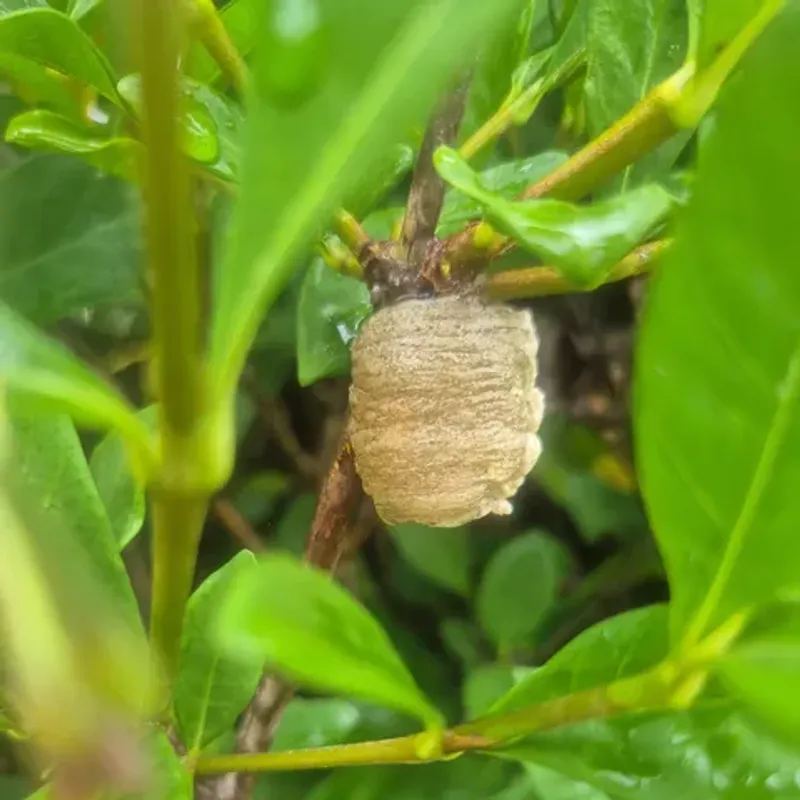
Spotting a small, tan, foamy-looking mass attached to a twig or stem is a bigger deal than it looks. That is a praying mantis egg case, called an ootheca.
It can hold anywhere from 50 to over 200 eggs depending on the species.
Finding one means a female mantis chose your yard as a safe place to reproduce. That is a strong signal about your yard’s overall health and stability.
Mantises do not lay eggs in heavily disturbed or chemically saturated areas.
Egg cases are usually attached to woody stems, fence posts, or dry plant stalks. They blend in well with their surroundings.
Most people walk right past them without noticing.
If you find one, leave it alone. Removing or disturbing it can prevent dozens of young mantises from hatching.
Hatching typically happens in spring when temperatures begin to rise consistently.
Young mantises, called nymphs, are tiny but already skilled hunters. They immediately begin feeding on small insects after hatching.
Very few survive to adulthood due to predation and competition, which is normal.
Having an egg case in your yard means next season could bring even more mantis activity. It is a natural cycle that supports ongoing pest management without any effort on your part.
Protecting the egg case is the simplest thing you can do.
4. Healthy Plants Are Not Their Target
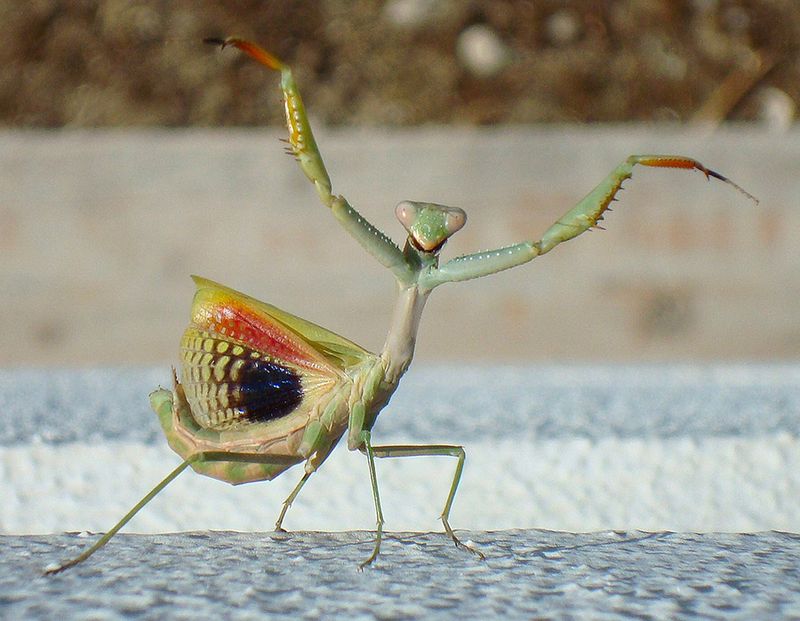
Some gardeners panic when they see a large insect on their plants. With a praying mantis, there is no need.
Mantises are strictly carnivorous, meaning they eat only other animals, never plant material.
Your tomatoes, peppers, herbs, and flowering shrubs are completely safe. A mantis sitting on a leaf is using it as a hunting platform, not a food source.
It is waiting for something smaller to come along.
Plant damage you might notice near a mantis is caused by other insects in the area, not the mantis itself. Aphids, caterpillars, and leafhoppers are far more likely culprits.
A mantis may actually be reducing that damage by eating those pests.
Gardeners in the Southwest often mistake mantis presence for a pest problem. Seeing a large insect on your rosemary or desert sage can feel alarming.
But the mantis is there because other insects are already feeding on or near your plants.
Understanding this distinction changes how you respond. Instead of removing the mantis, consider it a free helper.
It has already identified a problem area and is actively working on it.
Mantises do not damage bark, roots, stems, or flowers. No chewing, no boring, no sap-sucking.
What they offer is predation on the insects that do cause those problems.
5. Warm Weather Brings More Praying Mantis Activity
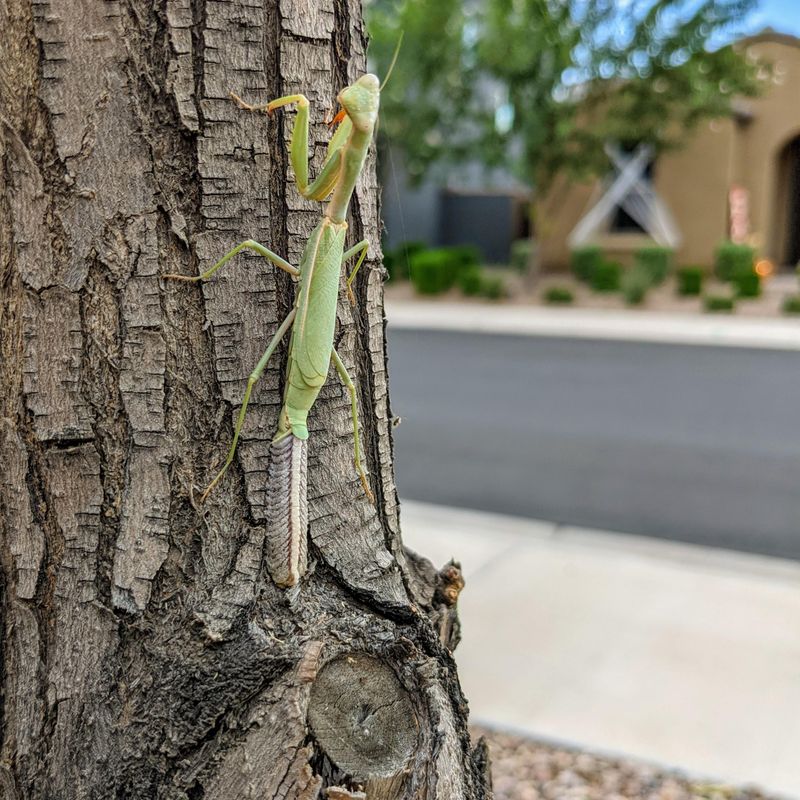
Heat does not slow mantises down the way it affects some insects. In fact, warm conditions in Arizona tend to increase mantis visibility.
Longer days and higher temperatures push insects out into the open, and mantises follow.
Praying mantises are most active from late spring through early fall in this region. That window aligns closely with peak gardening season.
So when your yard is busiest with plant growth and insect activity, mantis sightings become more likely.
Adults are easier to spot during summer months because they have grown to full size. Nymphs hatched in spring go through several molts before reaching adulthood.
By midsummer, they are large enough to notice on plants and fences.
Evening and early morning hours are often when mantises are most active in extreme heat. Midday temperatures can be intense enough to push them into shaded areas.
Checking your garden during cooler parts of the day increases your chances of seeing one.
Monsoon season also plays a role. Increased humidity and rainfall bring out more insects overall.
Higher prey availability can temporarily increase mantis activity in your yard during those weeks.
Cooler fall temperatures signal the end of the adult mantis season. Most adults do not survive into winter, but egg cases left behind protect the next generation.
Seasonal cycles like this are a normal and healthy part of backyard ecology.
6. Heavy Insecticide Use Reduces Mantis Numbers
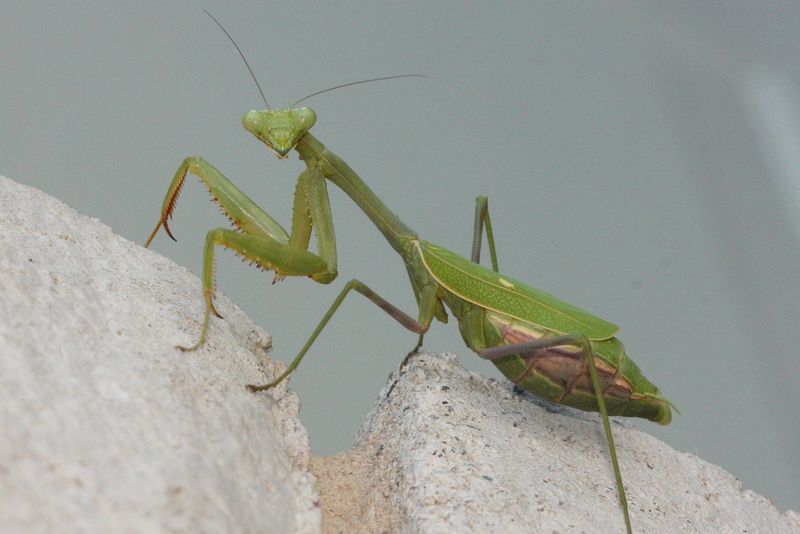
Broad-spectrum insecticides do not distinguish between pest insects and beneficial ones. Mantises exposed to these chemicals, either directly or through eating contaminated prey, can be harmed significantly.
Reduced mantis sightings in a yard often trace back to heavy chemical use.
Systemic pesticides are especially problematic. They move through plant tissue and affect insects that feed on or near treated plants.
Mantises that hunt in those areas can absorb toxins through their prey.
Contact sprays applied directly to plant surfaces pose a more immediate risk. A mantis resting on a sprayed leaf can absorb chemicals through its body.
Even low-concentration products can affect their health over time.
Cutting back on insecticide use does not mean accepting a pest-filled yard. Targeted treatments, applied only where a specific pest problem exists, reduce the impact on beneficial insects.
Spot-treating is a more balanced approach than blanket spraying.
Organic options like neem oil or insecticidal soap tend to be less persistent in the environment. They break down more quickly and pose a lower long-term risk to predatory insects.
Using them carefully and sparingly helps maintain a healthier yard ecosystem.
Mantis populations in neighborhoods with lower pesticide use tend to be noticeably more stable. If you want to see more mantises in your yard over time, reducing chemical inputs is one of the most practical steps available.
7. A Single Mantis Does Not Mean An Infestation
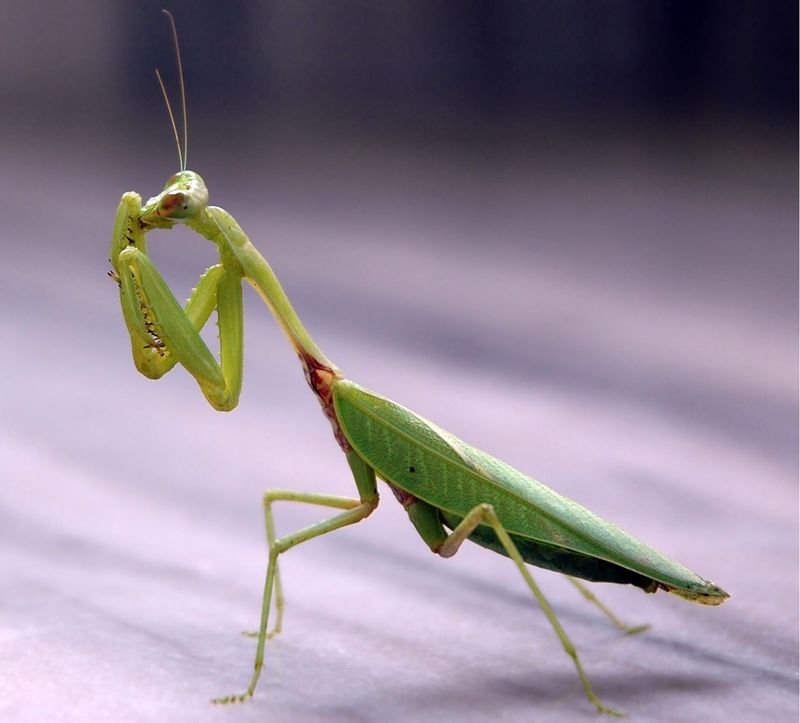
Seeing one praying mantis in your yard is not a warning sign. Mantises are solitary insects.
They do not form colonies, swarms, or groups. One mantis simply means one mantis is passing through or has found a comfortable hunting spot.
People sometimes assume that visible insects signal an infestation. With mantises, that logic does not apply.
A single individual can cover a surprisingly large area while hunting. Spotting one near your porch or garden bed is a normal occurrence.
Mantises are territorial with each other. Adults tend to space themselves out rather than gather in one place.
Even in yards where conditions are ideal, you are unlikely to see more than a few at any given time.
Concern about mantis numbers is rarely warranted. Unlike aphids or whiteflies, mantises do not reproduce in explosive numbers that overwhelm a space.
Their population naturally self-regulates based on available prey and habitat size.
If you do spot several mantises in a season, that is actually a reflection of a very productive yard ecosystem. More prey means more mantises can survive to adulthood.
It is a sign of balance, not a problem.
No control measures are needed when you find a mantis. Relocating one is unnecessary and may reduce its chances of survival.