What It Means When Hummingbird Moths Start Appearing In Your North Carolina Garden At Dusk
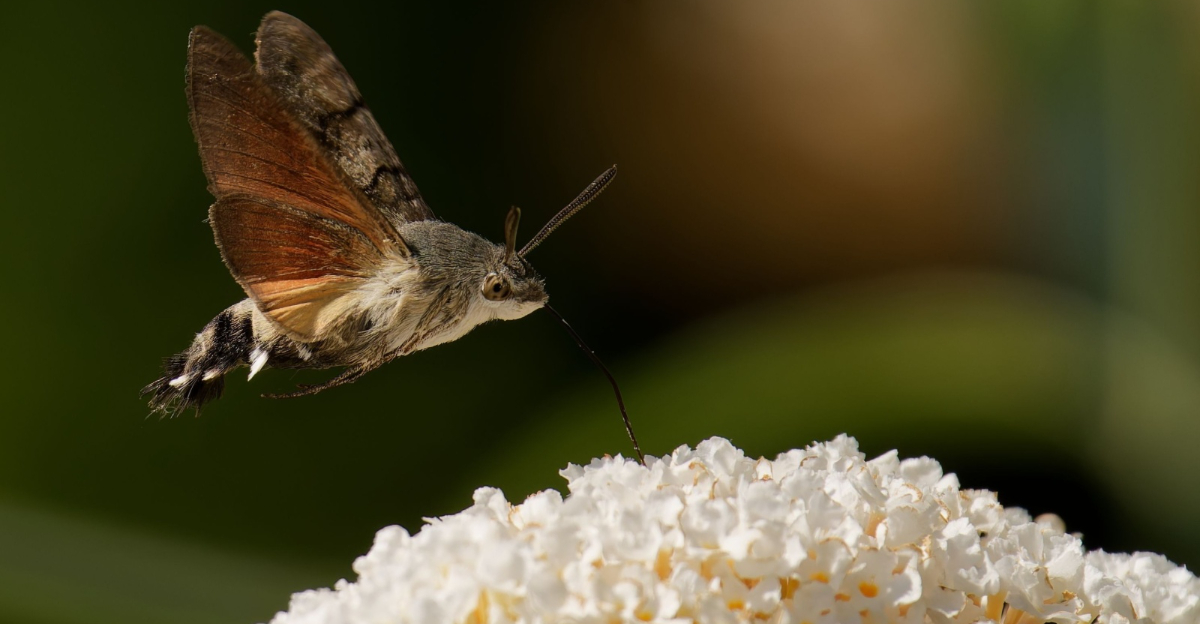
You are standing in your North Carolina garden at dusk, the light is fading, and something small is hovering near your flowers moving exactly like a hummingbird. Except it is not a hummingbird.
It is a hummingbird moth, and that first sighting tends to stop people completely in their tracks.
These fascinating insects belong to a group of sphinx and clearwing moths that feed on nectar by hovering in front of blooms, often showing up right around evening when the air is still warm and the light gets that golden quality.
Spotting one in your garden is genuinely exciting and usually a good sign that your flower beds are offering something pollinators find valuable.
Understanding what actually draws hummingbird moths in can help you make smarter planting choices and keep them coming back to your North Carolina yard.
1. Your Garden Has Nectar They Can Reach
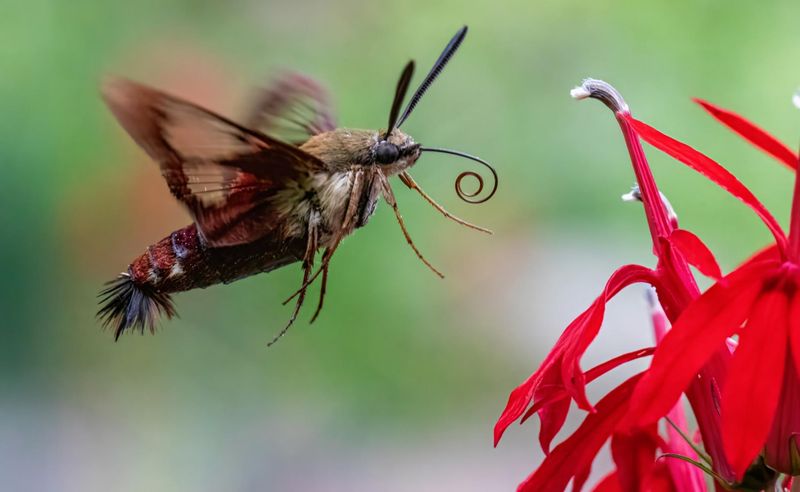
Watching a moth hover perfectly still in front of a flower, its long tongue extended into the bloom, is one of those quiet garden moments that stops you in your tracks.
When hummingbird moths show up in your North Carolina garden at dusk, one of the most straightforward explanations is that your plants are producing nectar they can actually access.
Not every flower offers easy nectar for these insects, so their presence suggests your garden has something worth visiting.
Hummingbird moths use a long, tube-like mouthpart called a proboscis to reach nectar deep inside flowers. Plants that produce accessible nectar in open or moderately deep blooms tend to attract them more reliably.
Common garden favorites like phlox, bee balm, and cardinal flower are known to draw these moths in North Carolina yards during warm months.
If you want to keep them coming back, consider whether your garden has a steady supply of blooming plants from midsummer through early fall.
Gaps in bloom time can reduce visits, since these moths need consistent food sources to fuel their energy-intensive hovering flight.
Grouping nectar-rich plants together in a border or bed makes your garden easier for them to find and navigate, especially as daylight fades and they begin their evening feeding rounds.
Even a modest porch-side planting with the right flowers can be enough to attract a moth or two on a warm evening.
2. Dusk Blooms May Be Drawing Them In
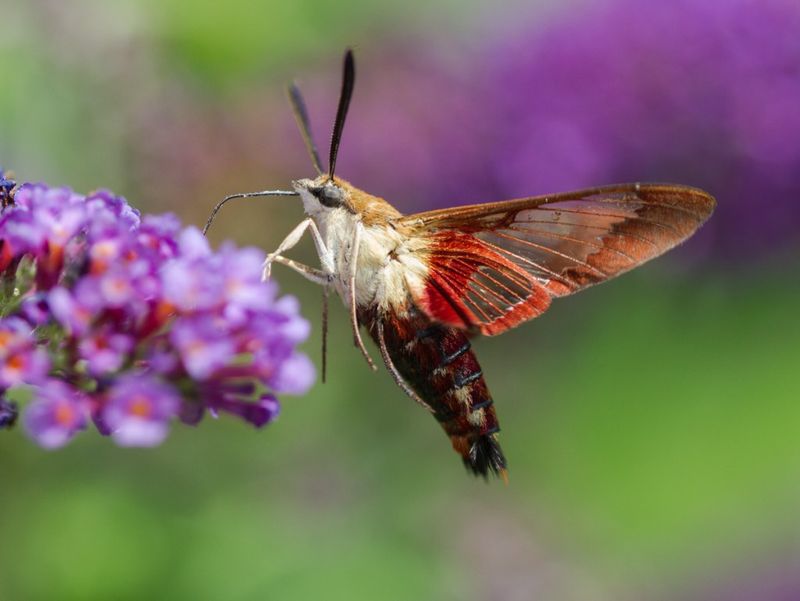
Some flowers seem to come alive right around the time most gardeners are heading inside for the evening.
Evening primrose, moonflower, and night-blooming phlox are just a few examples of plants that open or release stronger fragrance as daylight fades, and hummingbird moths are well suited to take advantage of that timing.
If you notice these moths arriving right around dusk, your garden may be hosting plants that are especially active in the evening hours.
In North Carolina, summer evenings can be warm and humid well after sunset, which creates comfortable conditions for moths to fly and feed.
Unlike many daytime pollinators that slow down as temperatures drop, sphinx moths and clearwing moths often become more active in the soft, low light of early evening.
Your North Carolina Garden Changes Every Week. Your Plan Should Too.
Gardening in North Carolina changes quickly throughout the season. Every Friday you’ll receive a simple weekly plan showing exactly what to plant, prune, fertilize, harvest, and protect so you never miss the right timing.
That timing lines up well with flowers that have evolved to attract night-active visitors.
Gardeners who plant with evening pollinators in mind often find that pale or white flowers work especially well, since they reflect what little light remains and are easier for moths to locate.
Adding a few evening-blooming plants near a patio or along a walkway can make your North Carolina garden noticeably more active at dusk without requiring major changes to your existing layout.
Even tucking a pot of fragrant white nicotiana near a seating area can bring these moths in close enough to observe their remarkable hovering behavior in the fading evening light.
3. Long-Throated Flowers Are Getting Attention
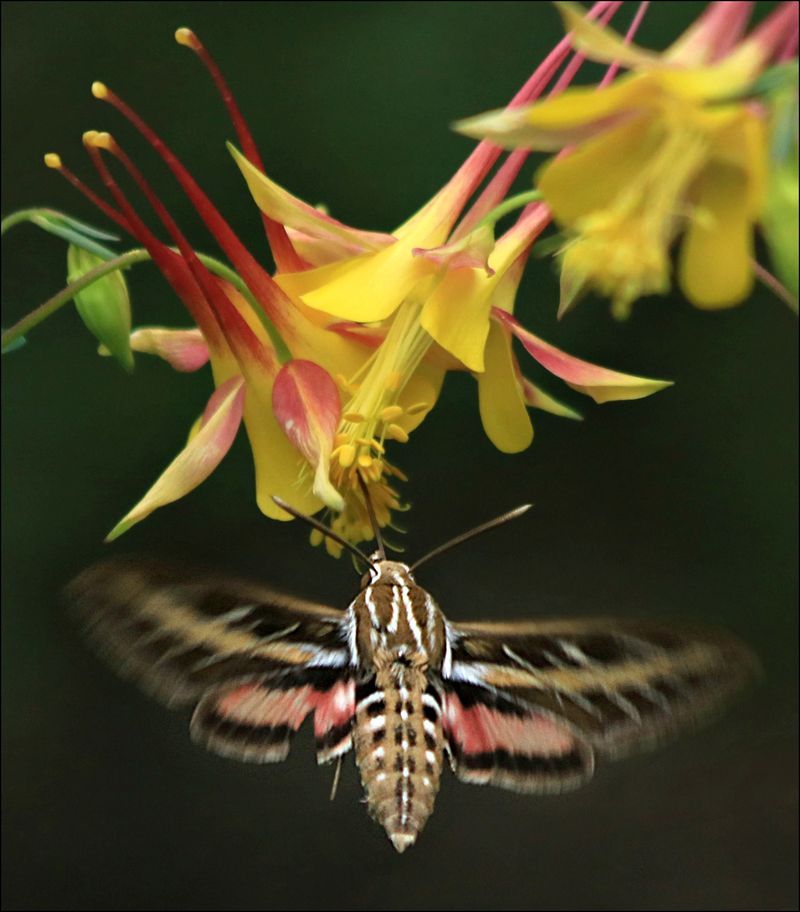
Not every insect can reach the nectar tucked deep inside a long, tubular flower, but hummingbird moths are built for exactly that job.
Their extended proboscis allows them to feed from blooms that bees and butterflies often cannot fully access, which gives them access to a whole category of flowers that many other pollinators overlook.
Spotting them in your garden at dusk may mean you have some of these deep-throated plants blooming right now.
Cardinal flower, trumpet vine, coral honeysuckle, and salvia are among the long-throated blooms that tend to draw hummingbird moths in North Carolina gardens.
These plants often have a tubular or funnel shape that matches the feeding style of hovering moths perfectly.
Some of these same plants also attract actual hummingbirds during the day, which can make it easy to confuse the two visitors if you catch only a quick glimpse.
From a gardening standpoint, this is genuinely useful information. If hummingbird moths are visiting your long-throated flowers, those plants are likely producing nectar and functioning as intended in your pollinator garden.
It also suggests that your flower bed has enough depth and variety to support specialists, not just generalist feeders.
For North Carolina homeowners trying to build a more wildlife-friendly yard, keeping a few long-throated native plants in the mix can make a meaningful difference in which pollinators show up and how often they return through the season.
4. Your Garden Is Supporting Pollinators After Dark
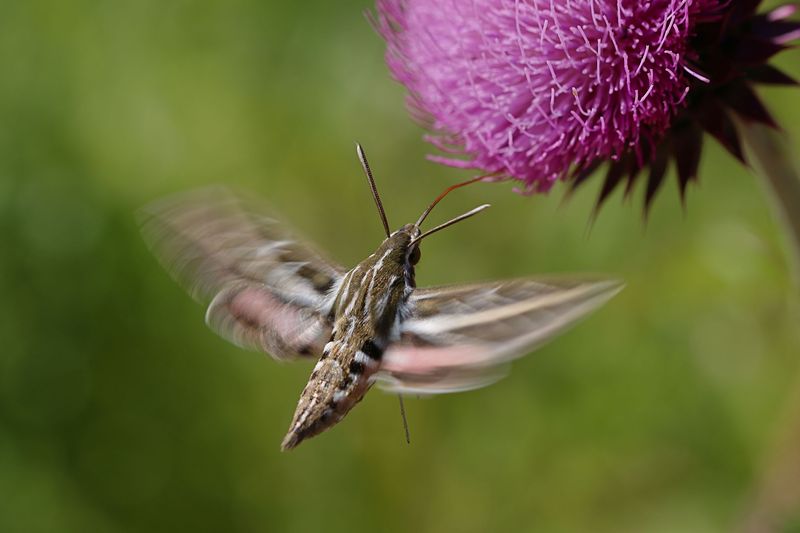
Most people picture bees and butterflies when they think about garden pollinators, but the story of pollination does not end when the sun goes down.
Moths are among the most important nighttime and dusk-active pollinators in North America, and hummingbird moths are a visible and active part of that group.
Seeing them in your North Carolina garden at dusk is a sign that your yard is part of a larger pollinator network that operates well beyond daylight hours.
Evening pollinators often go unnoticed simply because most gardeners are not outside to observe them. Hummingbird moths are an exception because their size and hovering flight make them hard to miss even in low light.
Their visits can help transfer pollen between flowers in the same way daytime pollinators do, contributing to fruit and seed production in plants that bloom or remain open into the evening.
For homeowners in North Carolina who care about supporting wildlife, this is a good reminder that pollinator-friendly gardening is not just a daytime effort.
Leaving some flowers unpruned through the evening, avoiding bright artificial lights near garden beds, and reducing pesticide use around blooming plants can all help create a more welcoming environment for dusk-active visitors.
A garden that supports pollinators after dark tends to have more biodiversity overall, which benefits the wider ecosystem of insects, birds, and other wildlife that depend on a healthy and functioning food web throughout the season.
5. Nearby Host Plants May Be Part Of The Story
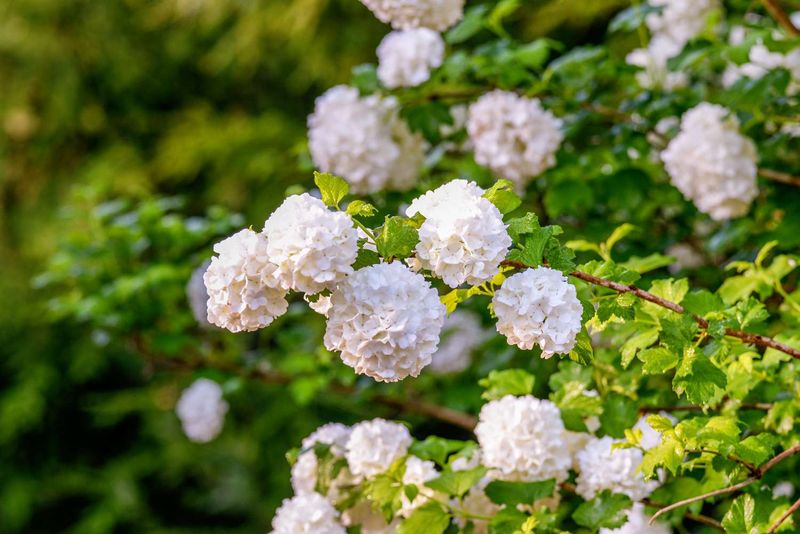
Adult hummingbird moths get all the attention when they hover near flowers, but the real story of their presence in your yard often starts somewhere else entirely.
Caterpillars of sphinx moths and clearwing moths depend on specific host plants to grow and develop, and if those plants are nearby, your garden may be part of a larger habitat that supports the full life cycle of these insects.
Seeing adults at dusk could mean that suitable host plants are within range of your property.
Common host plants for hummingbird moth caterpillars in North Carolina include native shrubs and trees such as viburnum, hawthorn, wild cherry, and blueberry. Caterpillars feed on the leaves of these plants without typically causing serious harm to established shrubs.
If you have any of these plants growing along a woodland edge, fence line, or in a naturalized corner of your yard, you may already be providing habitat without realizing it.
Understanding this connection can shift how you think about garden management.
Before removing a native shrub or treating a plant with broad-spectrum pesticides, it is worth considering whether it might be supporting moth caterpillars or other beneficial insects at some stage of their development.
North Carolina homeowners who keep a mix of flowering plants for adults and leafy host plants for caterpillars tend to see more consistent pollinator activity across the season.
Supporting both needs creates a more complete and functional habitat rather than just a feeding stop for passing adults.
6. They Are Moths, Not Tiny Hummingbirds
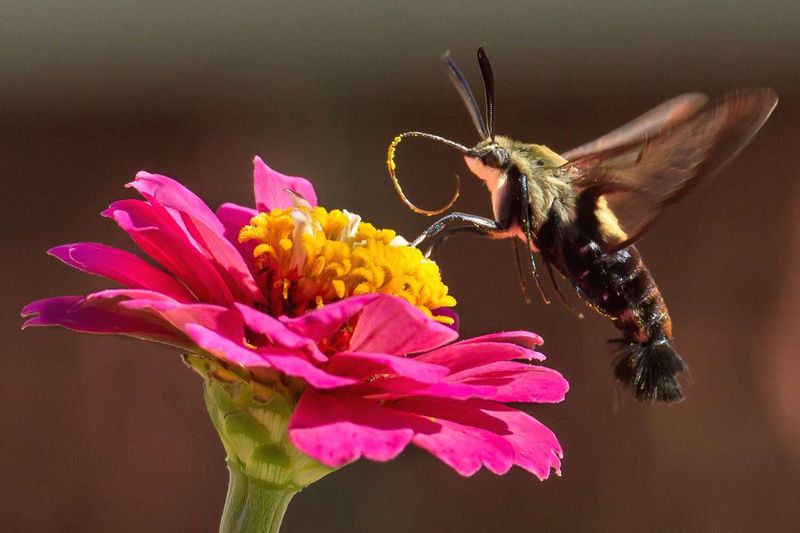
Plenty of North Carolina gardeners have done a double-take at something hovering near their flower beds, convinced for a moment that a very small hummingbird had wandered in. The confusion is completely understandable.
Hummingbird moths hover in place, move quickly between flowers, and even produce a faint buzzing sound that adds to the illusion. Getting a closer look, though, reveals a creature that is very much an insect.
Clearwing hummingbird moths, one of the most commonly seen types in North Carolina, have transparent wing patches that become visible when they are in flight, giving them a slightly glassy appearance that hummingbirds do not share.
Their bodies are often banded with yellow, olive, or reddish markings, and their antennae are clearly visible if you watch long enough.
They tend to be smaller than a ruby-throated hummingbird, though their fast movement can make size hard to judge in the moment.
Knowing the difference matters for a few practical reasons. Hummingbirds and hummingbird moths are both valuable garden visitors, but they have different needs and behaviors.
Hummingbird moths do not need feeders, and they are more sensitive to pesticide exposure than birds are.
If you have been wondering whether to put out a nectar feeder or adjust your plantings, understanding which visitor you are actually seeing can help you make a more useful decision for your garden and the wildlife you want to support through the season.
7. Late-Summer Flowers May Be Keeping Them Around
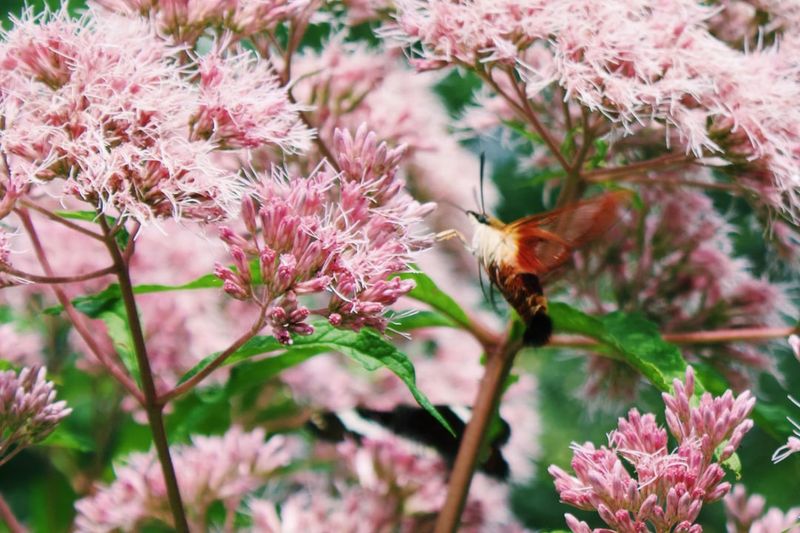
By the time August rolls around in North Carolina, some garden beds start looking a little tired, but the plants still blooming during that stretch are doing some of the most important work of the season.
Late-summer flowers provide critical fuel for pollinators that are still active well into September, and hummingbird moths are among the visitors that take full advantage of what is still in bloom.
If you are seeing them regularly at dusk in late summer, your garden likely still has plenty to offer.
Plants like joe-pye weed, ironweed, tall garden phlox, and native salvias tend to bloom in the later weeks of summer and into early fall across much of North Carolina.
These plants attract a wide range of pollinators, and hummingbird moths are drawn to several of them, particularly those with dense clusters of small tubular flowers that make feeding efficient.
A border that peaks in late summer rather than early summer can extend the window of pollinator activity in your yard significantly.
For gardeners who want to see more of these moths, shifting some planting choices toward late-season bloomers is one of the most practical steps available.
Rather than filling the entire garden with spring and early summer flowers, leaving space for plants that carry color and nectar into August and September keeps the garden productive for a wider range of visitors.
North Carolina’s long warm season makes this kind of extended bloom planning especially rewarding and achievable for most home gardeners.
8. They Usually Signal A Healthy Garden Food Web
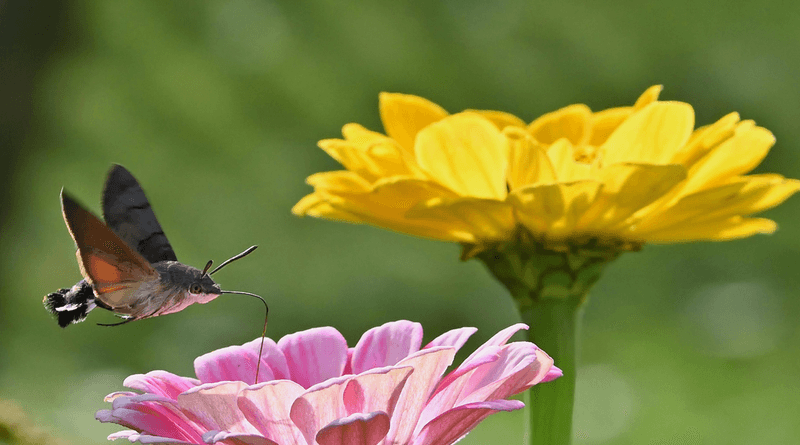
Spotting a hummingbird moth at dusk is one of those moments that feels like a small reward for the effort you have put into your garden.
These insects tend to appear in yards that offer a combination of flowering plants, some undisturbed ground or vegetation, and a relatively low level of chemical interference.
Their presence does not guarantee that every part of your garden is thriving, but it does suggest that conditions are reasonable enough for a specialist pollinator to find what it needs.
A garden that supports hummingbird moths is often also supporting a wider range of insects, birds, and other wildlife, since these species tend to overlap in the habitats they need.
Native plantings, reduced pesticide use, and a mix of plant heights and textures all contribute to the kind of layered environment where multiple species can coexist.
North Carolina gardens with that kind of structure tend to attract more varied wildlife over time.
Treating this sighting as useful feedback rather than just a novelty can help you make better gardening decisions going forward. If the moths are showing up consistently, your current approach seems to be working reasonably well for evening pollinators.
If you want to see more of them, small adjustments like adding a few native late-season bloomers, reducing nighttime lighting near flower beds, or leaving a shrubby corner undisturbed can gradually improve conditions without requiring a complete garden overhaul.
North Carolina yards of almost any size can offer something meaningful to these remarkable insects.