Watering Mistakes That Ruin Petunias In North Carolina And How To Fix Them
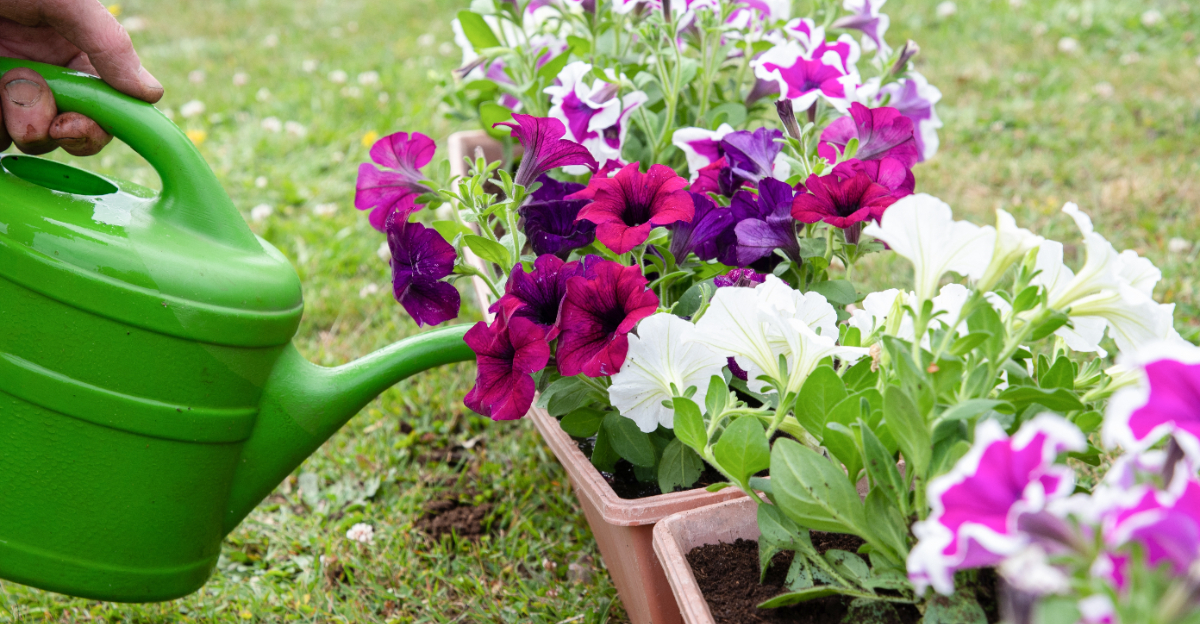
Petunias are sold as easy plants. In North Carolina heat they are easy to get wrong in ways that produce the same disappointing result regardless of how much attention they receive.
Overwatering and underwatering produce nearly identical symptoms in petunias during a Southern summer, which is exactly why so many well-meaning gardeners keep making the same correction in the wrong direction.
Timing, frequency, and where the water actually lands all matter more here than general petunia advice accounts for.
The fixes are straightforward once the specific mistake gets identified correctly. Getting watering right is usually all it takes to turn a struggling container or bed of petunias into the full, continuous bloom display they were always capable of producing.
1. Watering Before Checking The Soil
Most gardeners mean well when they water on a schedule, but petunias do not care what day of the week it is. They care about what is actually happening in the soil right now.
Watering without checking first is one of the easiest ways to accidentally overwater your plants, even when you think you are doing everything right.
Petunias love moisture, but they also need soil that drains well between waterings. When the soil stays soggy without a chance to breathe, roots struggle and problems start building up fast.
Before you reach for the hose, press your finger about one to two inches into the soil or potting mix.
If it still feels damp at that depth, your petunias are fine and do not need more water yet. If it feels dry, go ahead and water thoroughly.
This simple check takes about five seconds and can save your plants weeks of stress. North Carolina summers can swing between scorching dry spells and stretches of heavy afternoon rain, so conditions change quickly.
Building this soil check habit into your routine keeps you one step ahead of both overwatering and underwatering, giving your petunias exactly what they need at exactly the right time.
2. Letting Containers Dry Out Completely
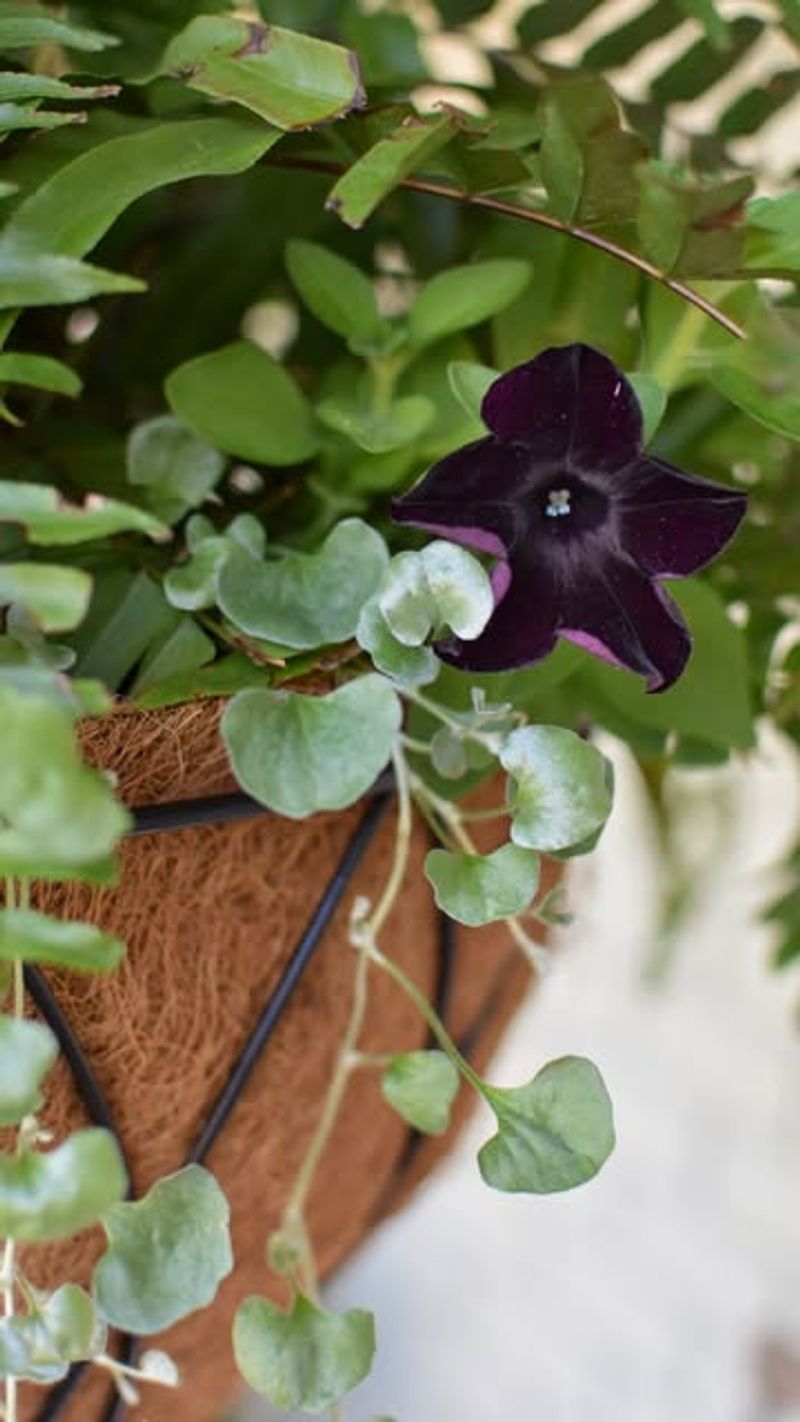
Container petunias are dramatic when they are happy, and equally dramatic when they are thirsty.
Hanging baskets, window boxes, and pots dry out much faster than garden beds because they have limited soil volume and are often exposed to wind and direct sun from multiple angles.
During a hot North Carolina summer, a container can go from perfectly moist to bone dry in less than a day.
When petunias wilt hard and the potting mix shrinks away from the edges of the pot, the plant has been stressed. It may bounce back after a good drink, but repeated drying cycles wear plants down over time and reduce flowering.
The fix is simply checking containers more often than you might think necessary.
On hot, windy, or intensely sunny days, some hanging baskets may need water twice. Lift the pot and feel its weight.
A light pot usually means dry soil, while a heavier pot still has moisture inside. You can also stick your finger into the mix to confirm.
Your North Carolina Garden Changes Every Week. Your Plan Should Too.
Gardening in North Carolina changes quickly throughout the season. Every Friday you’ll receive a simple weekly plan showing exactly what to plant, prune, fertilize, harvest, and protect so you never miss the right timing.
Grouping containers together in a spot with some afternoon shade can also slow moisture loss during the hottest part of the day.
Staying on top of container moisture keeps your petunias blooming strong from spring all the way through fall without unnecessary stress.
3. Watering Too Often In Heavy Soil
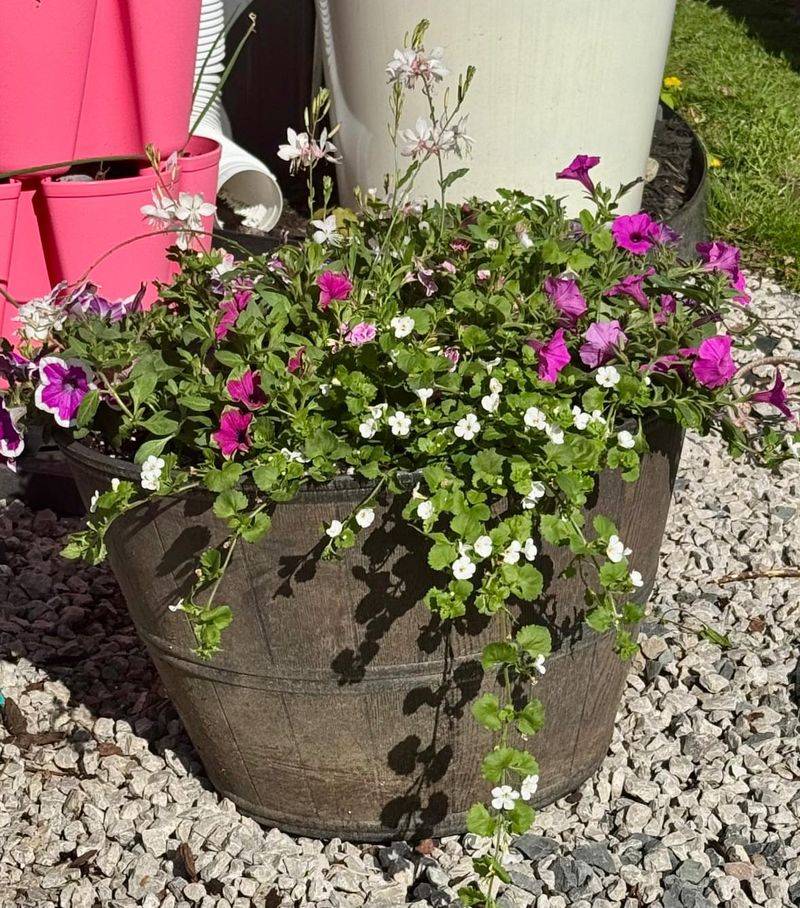
Heavy clay soil is common across many parts of North Carolina, and it creates a tricky situation for petunias.
Clay holds onto moisture much longer than sandy or loamy soil, which means watering on a regular schedule can easily lead to roots sitting in wet conditions for days at a time.
NC State University warns that petunias are vulnerable to root rot, crown rot, and stem rot when soil drainage is poor.
The signs of trouble often look like overwatering even when you think you have been careful.
Yellowing lower leaves, mushy stems near the soil line, and a general decline in plant energy are all red flags that moisture is staying around too long. The good news is that this problem is very fixable with a few smart adjustments.
Raised beds filled with a lighter, well-draining soil mix are a great solution for North Carolina gardeners working with heavy ground. Adding compost to existing beds improves drainage and soil structure over time.
Perlite mixed into potting soil for containers helps water move through more freely. Most importantly, adjust your watering schedule to match what the soil actually holds.
Check the root zone before adding more water and let the top inch or two dry slightly between sessions. Small changes in soil management make a huge difference for petunia health all season.
4. Spraying The Flowers And Leaves Every Time
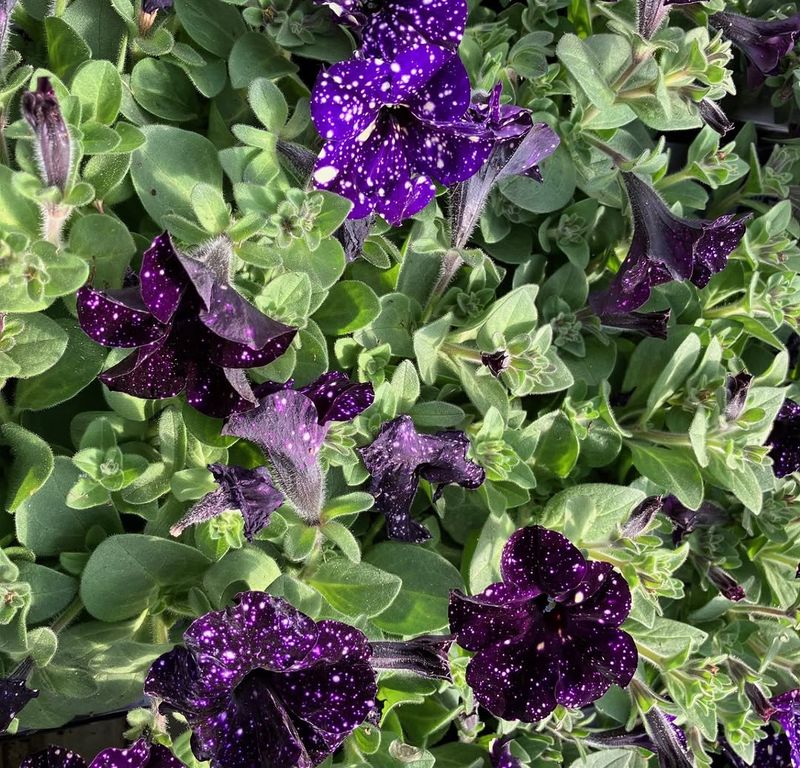
Overhead watering feels natural and easy, but petunias really prefer a different approach.
When you spray water over the top of the plant, the flowers get soaked, the foliage stays wet, and in North Carolina’s famously humid summers, that combination creates an environment where fungal diseases can gain a foothold quickly.
Wet blooms also tend to look battered and faded faster than they should. Botrytis blight and other fungal issues thrive when leaves and flowers stay damp for extended periods.
Petunias that get overhead watered repeatedly, especially late in the day, are more likely to show signs of disease pressure than those watered carefully at the base.
The good news is that switching your technique is simple and makes an immediate difference.
Aim the water at the soil level around the base of the plant rather than at the foliage above. A watering wand with a gentle rose head makes this easy to do without disturbing roots or splashing soil.
Drip irrigation is another excellent option for petunia beds because it delivers moisture directly to the root zone with no leaf contact at all. Soaker hoses work well too.
Keeping the flowers and leaves as dry as possible during watering is one of the most practical habits you can build for healthier, longer-lasting petunias throughout the North Carolina growing season.
5. Giving Quick Shallow Sprinkles
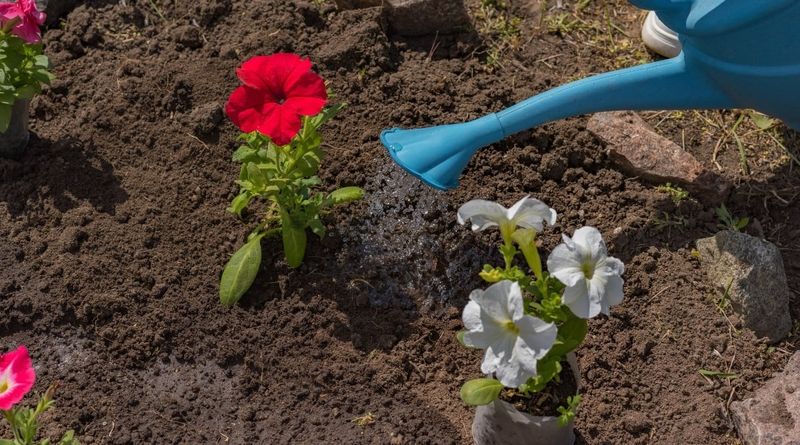
A quick pass with the hose might look like watering, but if the moisture never reaches the root zone, the plants are not actually getting what they need.
Shallow sprinkles wet only the top layer of soil, which dries out again within hours, especially on a warm North Carolina afternoon.
Meanwhile, the roots sitting a few inches below stay dry and stressed. Petunias that only receive surface moisture tend to develop shallow root systems over time because roots naturally grow toward available water.
A shallow root system makes plants more vulnerable during heat waves and dry spells because there is no deeper reservoir of moisture to draw from.
You may notice petunias wilting by midday even though you watered that morning.
The fix is to slow down and water more thoroughly. Give the soil time to absorb moisture rather than letting it run off the surface.
A slow, steady stream directed at the base of the plant for a longer period allows water to soak several inches deep where roots can actually access it. For containers, water until you see it draining freely from the bottom holes.
For in-ground beds, water deeply but less frequently to encourage roots to grow downward. Deeper roots mean more resilient plants that handle North Carolina’s summer heat and occasional dry stretches with much greater confidence.
6. Leaving Saucers Full Of Water Under Pots
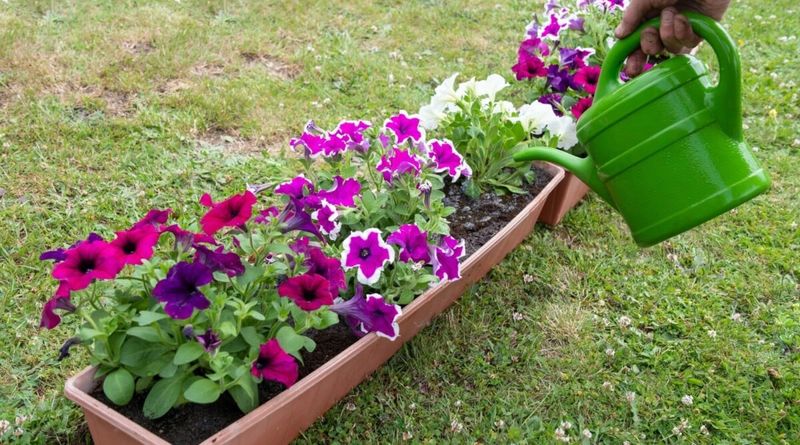
Saucers are useful for protecting surfaces from drips, but they can quietly cause problems if water just sits in them day after day.
When a pot of petunias rests in standing water, the drainage holes that are supposed to help excess moisture escape end up staying submerged.
Instead of draining freely, the bottom of the pot stays wet, and roots in that zone have no access to fresh air.
Roots need oxygen just as much as they need water. When the soil at the bottom of a container stays saturated for too long, roots in that area begin to break down.
The rest of the plant may look fine at first, but over time you will notice reduced growth, yellowing, and fewer blooms as the root system weakens from below.
The simple fix is to empty saucers after watering or after rain. Give the pot about thirty minutes to drain, then pour out whatever has collected in the saucer.
If you want to use bottom watering as a technique, that is perfectly fine, but only leave the pot sitting in water for about twenty to thirty minutes before removing it and letting it drain fully.
Raising pots slightly on pot feet or bricks also improves airflow around the drainage holes. These small adjustments keep your container petunias growing in the well-drained conditions they truly need to thrive.
7. Ignoring Rain Before Watering Again
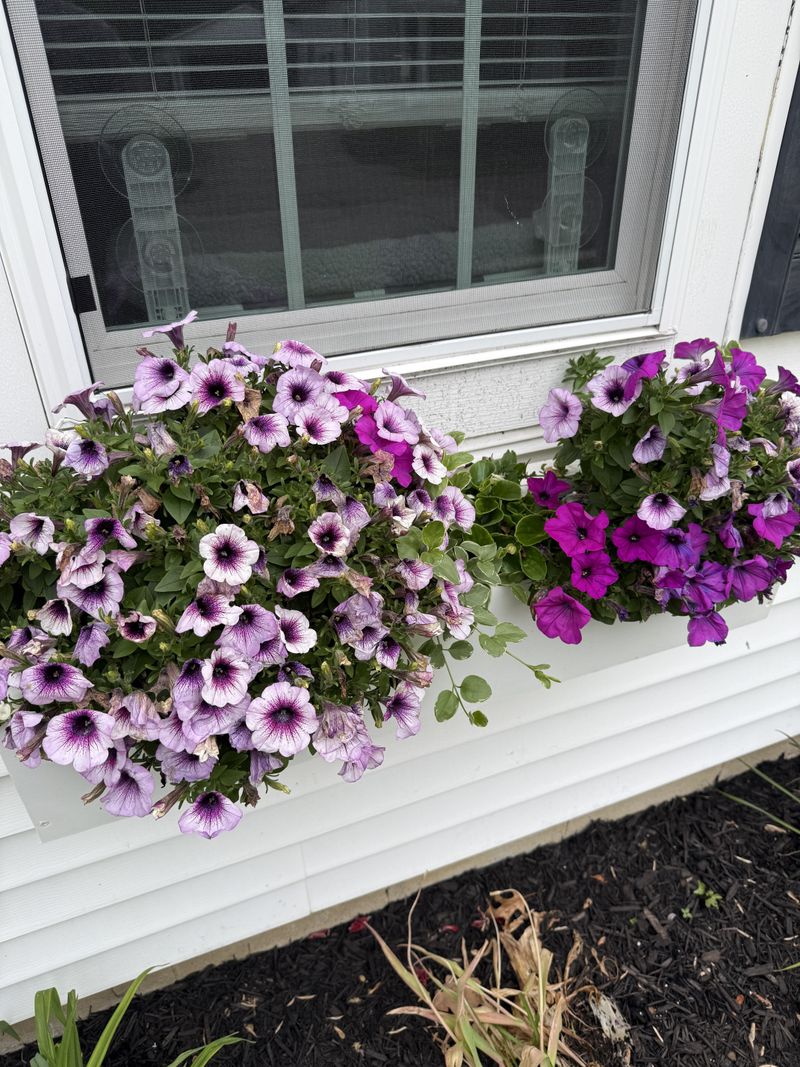
Summer storms in North Carolina can dump a surprising amount of rain in a short time, and then the sky clears up and everything looks dry again within an hour or two. That surface appearance can be misleading.
Just because the top of the soil looks dry after a storm does not mean the root zone is ready for more water. Adding another round of irrigation right after a good rain is a mistake that catches many gardeners off guard.
Rain distribution across a yard or garden bed is rarely perfectly even. Low spots collect more water and drain slowly, while raised areas or spots under tree canopies may stay relatively dry during the same storm.
This uneven pattern means that checking the soil in your specific planting area after rain is always worth the extra few seconds.
Press your finger two inches into the soil near your petunias after any significant rainfall. If it still feels moist, skip the watering and check again the next day.
In heavy soil or low-lying areas, you may find that the ground stays wet for a day or two after a storm, and adding more water on top of that creates exactly the soggy conditions petunias struggle in.
Staying observant and soil-aware after rain events keeps your watering habits accurate and your petunias much happier through the unpredictable North Carolina summer weather.
8. Forgetting Mulch In Hot Flower Beds
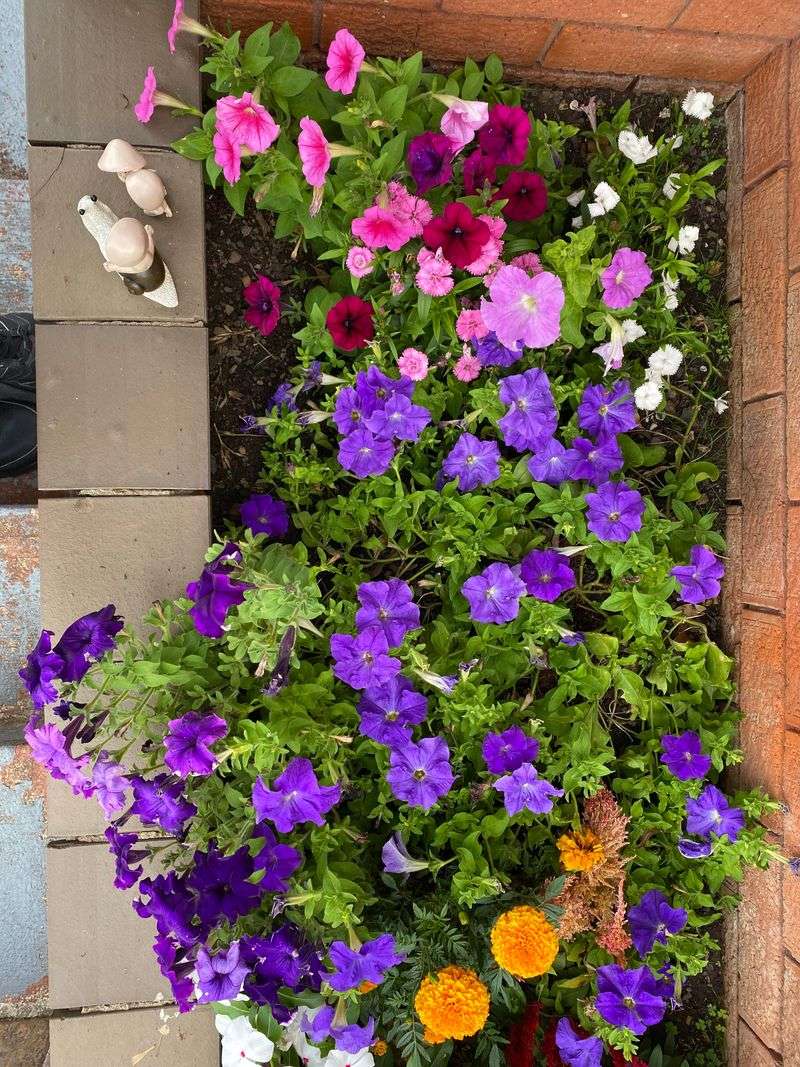
Bare soil in a North Carolina flower bed during July and August heats up fast, dries out even faster, and makes it harder to keep petunias consistently moist between waterings.
Mulch is a simple tool that many gardeners overlook, and it does a lot of quiet work in the background.
A light layer spread across the soil surface helps hold moisture in, keeps soil temperatures more stable, and reduces the frequency of watering needed to keep plants happy.
NC State University recommends about one to two inches of organic mulch for annual color beds. Pine straw, shredded bark, or wood chips all work well and look tidy around petunias in a garden bed.
As organic mulch breaks down slowly over the season, it also adds a small amount of nutrients back into the soil, which is a nice bonus for hungry annual plants.
One important detail to remember is that mulch should never be piled directly against petunia stems.
Keeping a small gap of an inch or so between the mulch and the base of each plant allows stems to stay dry and reduces the risk of stem rot or fungal issues at soil level.
Spread the mulch in a thin, even layer across the bed surface and refresh it mid-season if it starts to break down noticeably.
This one simple step can make a real difference in how well your petunias hold up through the hottest stretch of a North Carolina summer.
9. Watering Late In The Day And Leaving Plants Damp Overnight
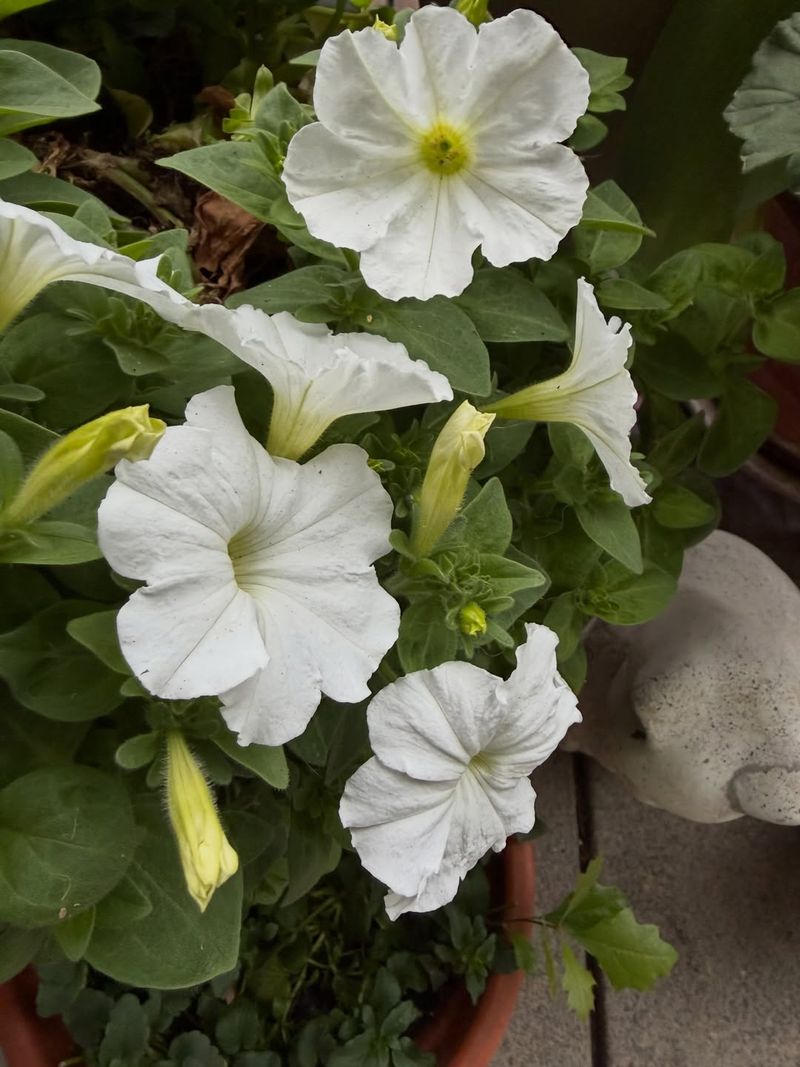
Timing matters more than most people realize when it comes to watering petunias.
Late afternoon or evening watering leaves foliage damp as temperatures drop overnight, and in North Carolina’s humid summer climate, that combination is exactly what fungal diseases need to spread.
Botrytis, powdery mildew, and other moisture-related problems are far more likely to show up on plants that stay wet through the night.
Morning watering is the smarter routine for several reasons. When you water early, any moisture that lands on leaves or flowers has hours of sunlight and warm air to dry it off naturally.
The plant gets hydrated at the start of the day when it needs energy for growth and blooming, and the foliage goes into the cooler evening hours already dry and less vulnerable to disease pressure.
If your schedule makes morning watering difficult, aim for the soil level only and try to finish before early afternoon so the surface has time to dry before nightfall.
Drip irrigation or soaker hoses are especially helpful here because they deliver water directly to the root zone without wetting any part of the plant above ground.
Even a simple shift from evening overhead watering to morning base watering can noticeably improve the health and appearance of your petunias over the course of a few weeks.
Small timing adjustments add up to big results by the end of the season.
10. The Best Fix Is Balanced Moisture And Fast Drainage
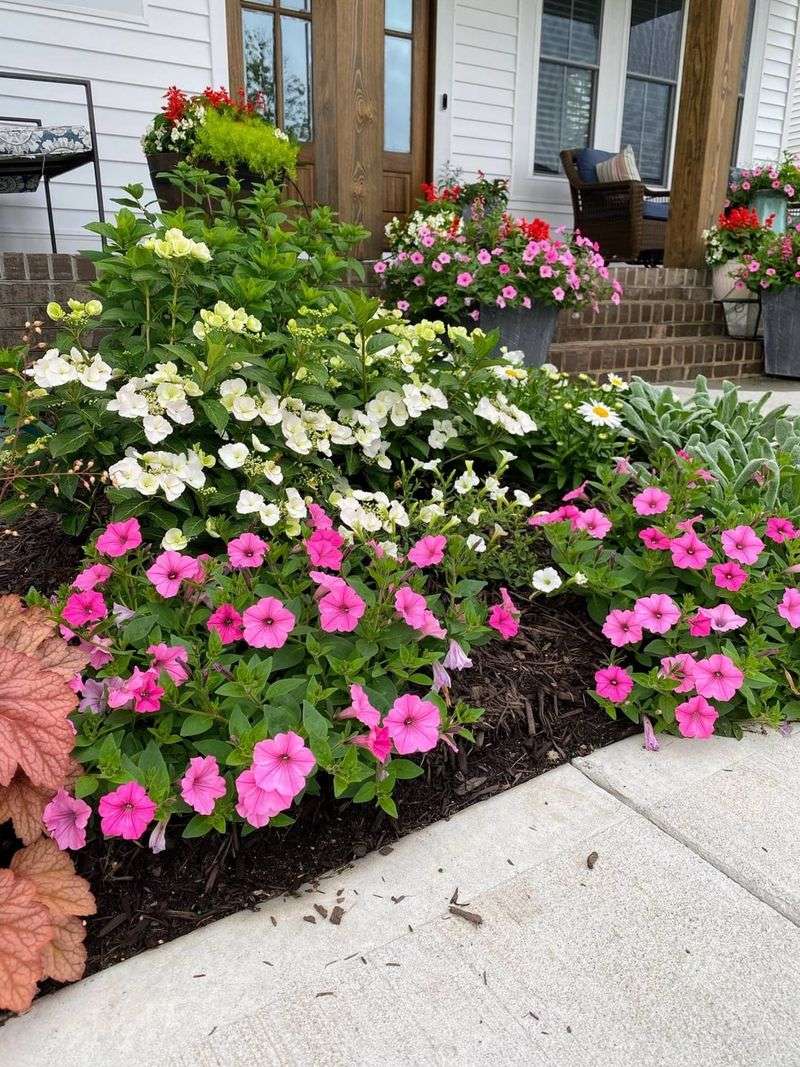
Every watering mistake covered here points back to the same core idea: petunias want consistent moisture without ever sitting in soggy conditions.
Getting that balance right takes a little attention at first, but once you build the right habits, it becomes second nature.
Healthy petunias reward you with non-stop color and lush growth from spring through fall, and they are much more forgiving when their basic needs are met consistently.
Check the soil before every watering session. Water deeply and slowly rather than frequently and lightly.
Keep leaves and flowers as dry as you reasonably can by watering at soil level. Improve drainage in beds by adding compost or moving to raised beds if your native soil is heavy.
For containers, empty saucers after watering, use a well-draining potting mix, and check moisture levels more often during heat waves.
A light layer of organic mulch in garden beds helps hold moisture between waterings and keeps soil temperatures steadier on hot days. Time your watering sessions for the morning whenever possible so plants head into the evening dry and strong.
Watch how your petunias respond after each change you make and adjust from there. North Carolina summers are intense, but petunias are tough, adaptable plants that reward attentive gardeners.
With the right watering approach in place, your petunias can stay vibrant, full, and beautiful all the way through the season.