Fall Vegetables To Start Seeding In July For A Strong Autumn Harvest In Michigan
July feels like the middle of the season in Michigan, not the beginning of another one. That feeling costs a lot of gardeners their entire fall harvest every year.
Fall crops need to go in the ground earlier than most people expect, started during summer heat so they have enough time to mature before Michigan nights turn cold and unforgiving.
The math runs backward from first frost, and it leaves less margin than it appears to at first glance.
The vegetables that reward a July start are some of the best eating of the entire year. Crisp, sweet, and intensely flavored by cool autumn temperatures, they make the effort of planting during the hottest month completely worth it.
1. Radishes
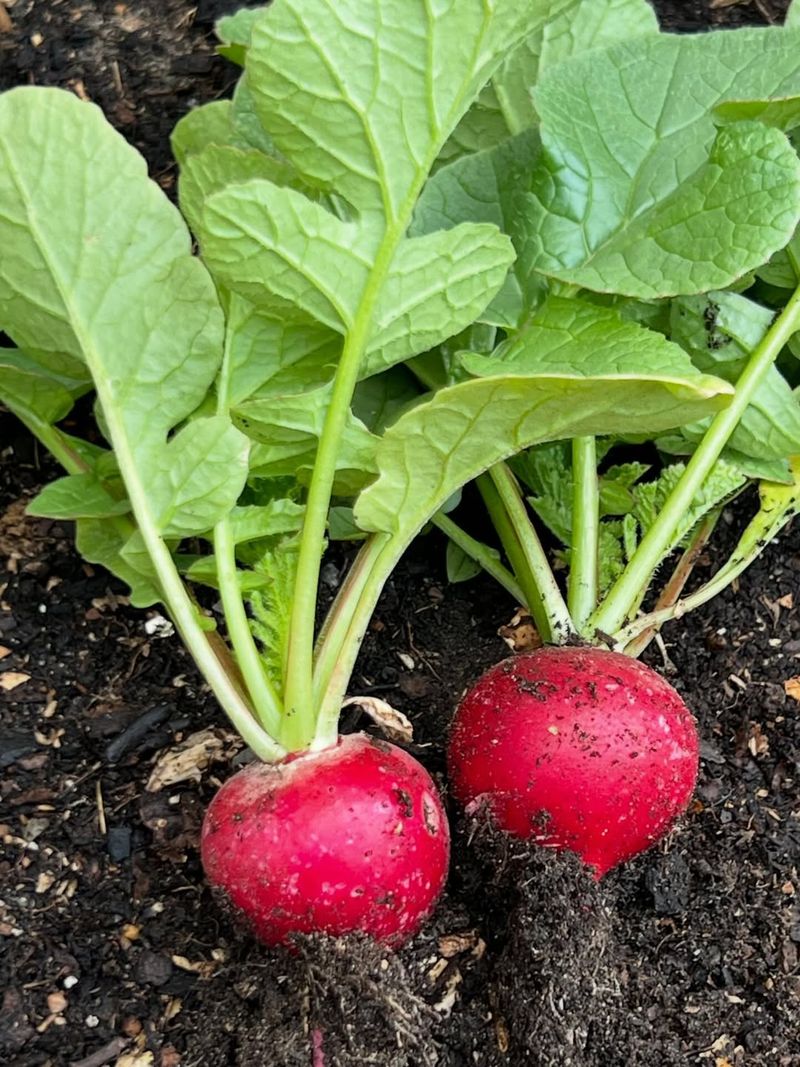
Few vegetables reward impatient gardeners quite like radishes. These small but mighty root crops can go from seed to table in roughly thirty days, making them one of the fastest fall crops you can grow in Michigan.
According to Michigan State University, radishes are an excellent choice for late-season planting because they mature so quickly before the first hard frost arrives.
July is actually a great time to direct sow radish seeds right into your garden bed. The soil is warm, which helps seeds sprout fast, usually within just a few days.
You will want to plant them about half an inch deep and one inch apart in rows, then thin them out as they grow so each root has enough space to round out properly.
One thing to keep in mind is that radishes prefer cooler growing conditions for the best flavor.
Planting in July means they will do most of their growing as August and September bring slightly cooler temperatures, which helps them develop that crisp, peppery bite everyone loves.
Too much heat can make them pithy and bitter, so timing your planting toward the end of July can really pay off.
Radishes also make excellent companion plants. Tucking them between rows of slower-growing vegetables helps use garden space wisely.
They are low-maintenance, need consistent moisture, and take up very little room. Whether you enjoy them sliced into salads or simply dipped in butter and salt, a fall radish harvest feels like a small but satisfying win every single time.
2. Leaf Lettuce
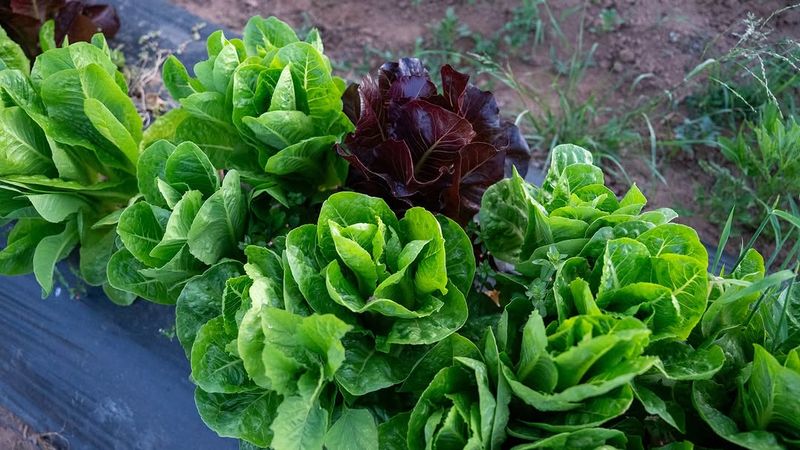
There is something deeply satisfying about cutting fresh lettuce from your own garden on a cool September morning.
Leaf lettuce is one of those vegetables that genuinely thrives as the weather begins to shift, making it a smart pick for gardeners who start their seeds in July.
The cooling temperatures of late summer and early fall are practically made for lettuce growth.
Hot weather is actually lettuce’s biggest challenge. When temperatures stay high, lettuce tends to bolt, meaning it sends up a flower stalk and turns bitter fast.
Starting seeds in mid to late July gives your plants time to establish while the heat is still fading, so they hit their stride right when cooler air moves in.
Keeping the seedbed evenly moist during germination is really important, especially when the summer sun is still strong.
Your Michigan Garden Changes Every Week. Your Plan Should Too.
Gardening in Michigan changes quickly throughout the season. Every Friday you’ll receive a simple weekly plan showing exactly what to plant, prune, fertilize, harvest, and protect so you never miss the right timing.
You can help your seedlings along by placing a thin layer of straw mulch over the bed to hold moisture and keep soil temperatures from spiking.
Some gardeners even use a light shade cloth during the hottest part of the afternoon to protect young seedlings during those warm late-summer days.
Leaf lettuce comes in so many varieties that choosing one is half the fun. Red Sails, Black Seeded Simpson, and Oak Leaf are all popular options that do well in Michigan conditions.
Unlike head lettuce, leaf varieties let you harvest a few outer leaves at a time, so the plant keeps producing. Plant a short row every couple of weeks through July for a steady supply well into fall.
3. Turnips
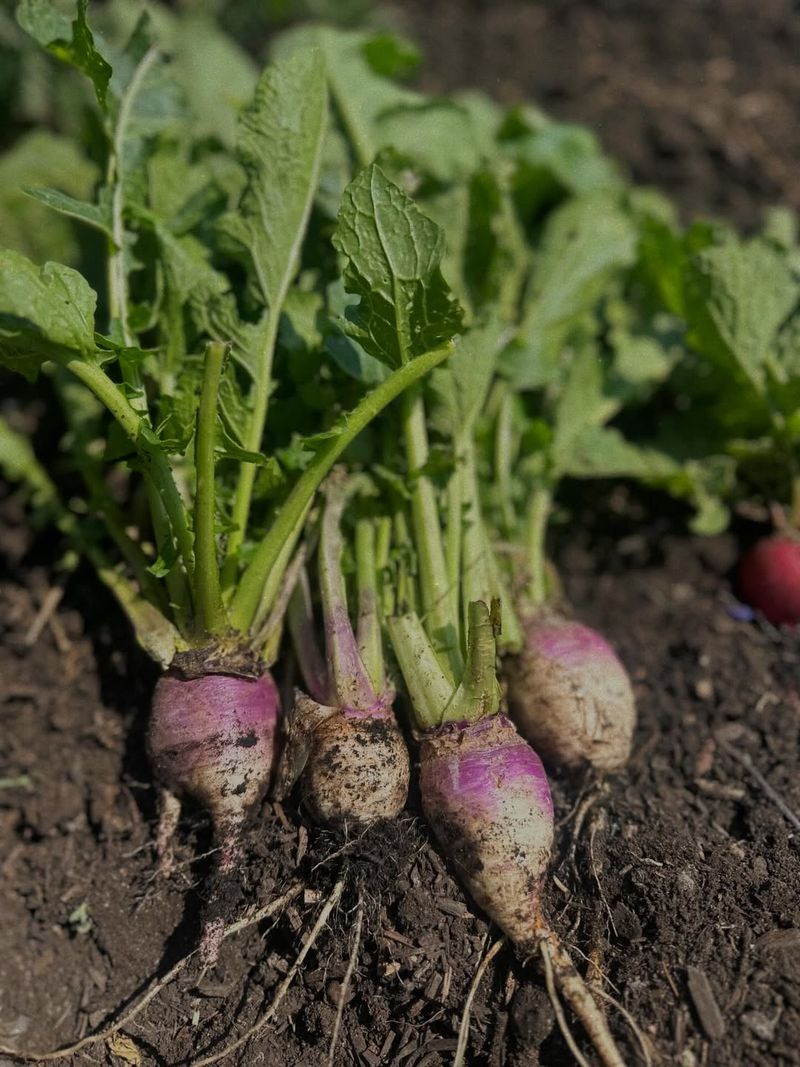
Turnips are one of those underrated vegetables that deserve a lot more attention in the fall garden. Plant them in July and you get double the value from a single crop because turnips give you both the root and the greens.
The leafy tops can be harvested early and cooked like any other cooking green, while the roots continue developing underground for a later harvest.
Michigan gardeners should direct sow turnip seeds about a quarter to half an inch deep in a sunny bed with loose, well-draining soil. Thinning is a step you really cannot skip with turnips.
If the seedlings are too crowded, the roots simply will not have enough room to size up properly. Aim for about four to six inches between plants once you thin them out, and use those pulled seedlings as a tasty bonus green in your kitchen.
One of the best things about turnips is how well they handle cool fall weather. As temperatures drop in September and October, the roots actually continue developing safely in the ground.
A light frost can even improve their flavor, bringing out a natural sweetness that makes them much more enjoyable roasted or mashed.
Turnips grow quickly, typically maturing in about forty-five to sixty days, which makes a July planting perfectly timed for an October harvest in Michigan.
Keep the soil consistently moist for even root development, and watch for flea beetles, which can chew small holes in the leaves.
A row cover over young plants can help protect them during the early weeks while they get established and strong.
4. Spinach
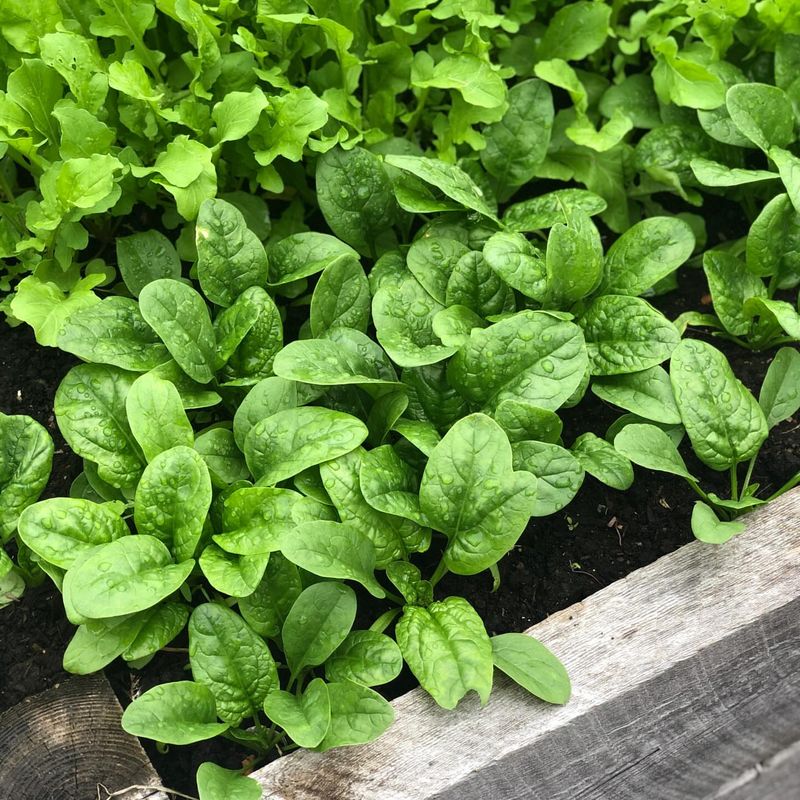
Spinach is the kind of vegetable that makes you feel like a real gardener the moment it starts growing. It is packed with nutrients, easy to use in the kitchen, and genuinely loves cool weather.
The challenge with spinach in Michigan is timing it right, because this leafy green really struggles when temperatures stay above eighty degrees for extended periods.
Starting spinach seeds in late July sets you up for a fall harvest that lines up beautifully with cooling September temperatures. During germination, keeping the seedbed consistently moist is one of the most important things you can do.
Spinach seeds need moisture to break their dormancy, and if the soil dries out even briefly during those first few days, germination rates can drop significantly.
One helpful trick many experienced gardeners use is to provide light afternoon shade during the warmest weeks of late summer.
A shade cloth or even a nearby taller plant can reduce soil temperature enough to help young spinach seedlings survive until cooler air takes over.
Sow seeds about half an inch deep and two inches apart, then thin to four inches once the plants are established.
As temperatures cool through September and into October, spinach plants really come into their own. Growth speeds up, leaves become more tender, and the flavor deepens into that rich, earthy taste spinach is known for.
Varieties like Bloomsdale Long Standing and Tyee are both excellent for fall planting in Michigan. Harvest outer leaves regularly to encourage the plant to keep producing fresh growth all the way until a hard freeze arrives.
5. Beets
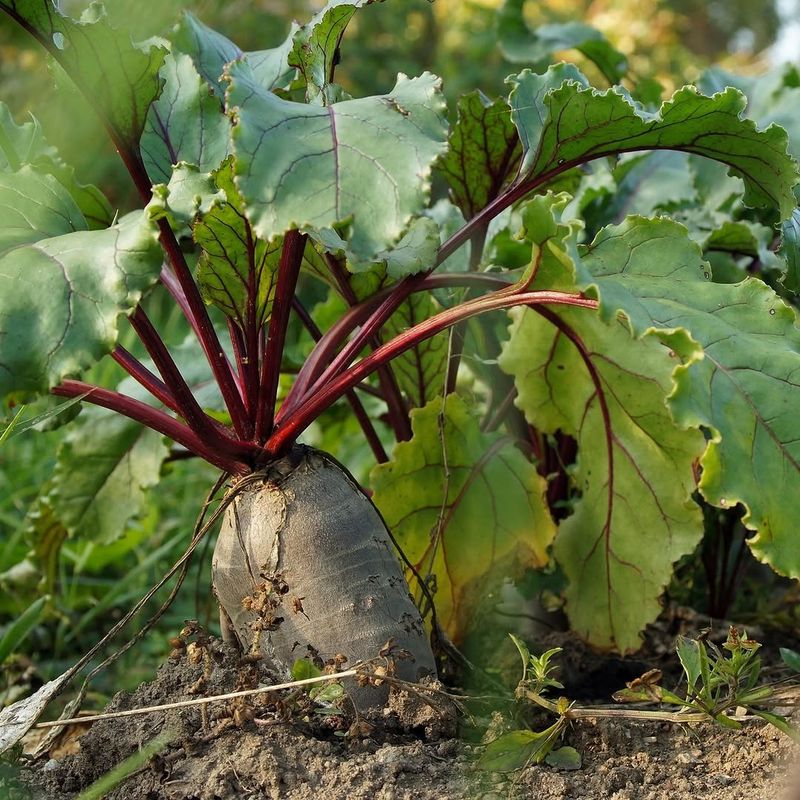
Beets are one of those crops that just keep giving. Pull one up and you have got a sweet, earthy root ready for roasting, and the leafy tops are just as useful sauteed in a little olive oil and garlic.
Michigan State University includes beets on its recommended fall crop list, and for good reason. They are reliable, nutritious, and hold up well as autumn temperatures cool down.
Late July into early August is the sweet spot for seeding beets in Michigan if you want an autumn harvest.
Beets typically need fifty-five to seventy days to mature depending on the variety, so timing your planting within that window gives roots enough time to develop fully before the first hard frost.
Direct sow seeds about half an inch deep and one to two inches apart in loose, well-prepared soil.
One thing that surprises new gardeners is that what looks like a single beet seed is actually a cluster of seeds, meaning multiple seedlings often sprout from one spot. Thinning is essential here.
Crowded beets will not form proper roots, so thin plants to about three to four inches apart once seedlings reach a couple of inches tall. Use the thinned seedlings as micro greens in salads.
Steady moisture is the key to well-developed beet roots. Inconsistent watering can cause the roots to crack or become tough.
Mulching around plants helps retain soil moisture and keeps temperatures even as fall approaches. Detroit Dark Red and Chioggia are two varieties that perform very well in fall gardens and offer wonderful flavor when harvested at peak maturity.
6. Kale
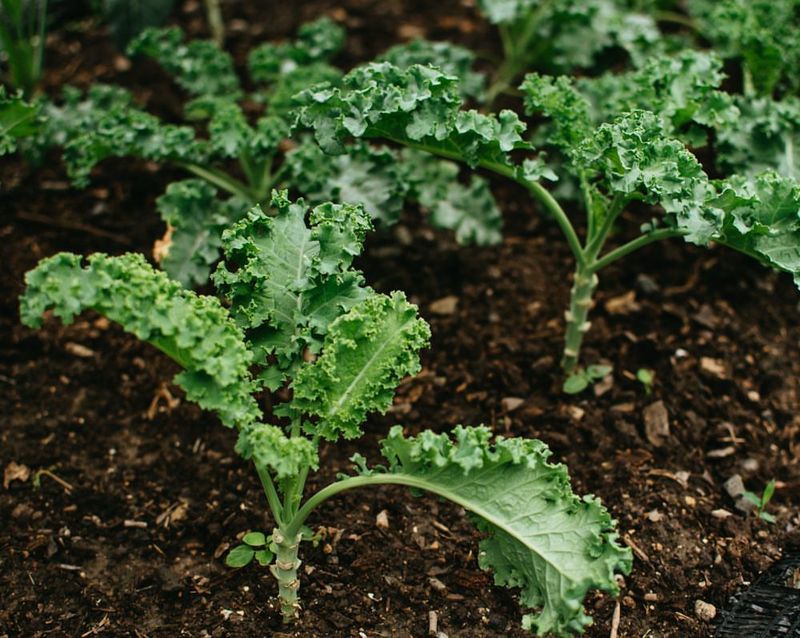
Ask any seasoned Michigan gardener about their favorite fall green, and kale comes up almost every time. This tough, leafy vegetable is practically built for cold weather, and it just gets better as temperatures drop.
Michigan State University notes that kale’s flavor actually improves after a light frost, as the cold converts some of the plant’s starches into sugars, making the leaves noticeably sweeter and more tender.
Starting kale seeds in July gives plants enough time to establish a solid root system and put on strong leafy growth before shorter autumn days begin to slow things down.
Sow seeds about a quarter inch deep in a sunny spot with well-draining soil. Kale seedlings are vigorous and usually germinate within five to eight days in warm summer soil, which makes the process feel very encouraging right from the start.
Thin your kale plants to about twelve to eighteen inches apart once they reach a few inches tall. Giving each plant enough room means better air circulation and larger, more productive leaves.
Kale is not overly fussy about soil, but it does appreciate consistent watering, especially during those warm late-summer weeks when young plants are still getting established.
By October, your kale plants should be full and ready to harvest. Pick outer leaves regularly to keep new growth coming from the center of the plant.
Lacinato kale, also called dinosaur kale, and Red Russian kale are both excellent choices for Michigan fall gardens. They handle cold well, look beautiful in the garden, and make everything from soups to smoothies taste richer and more nourishing.
7. Collards
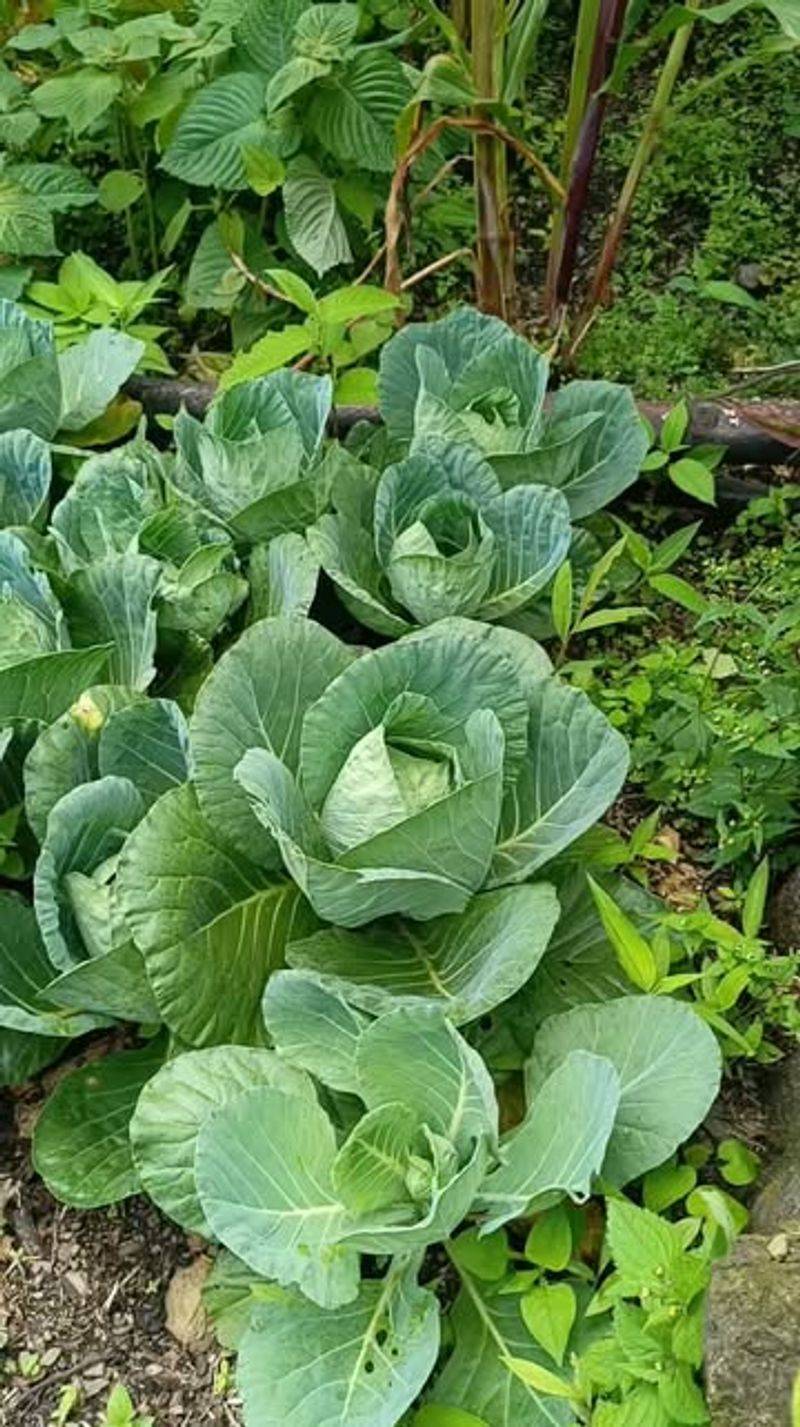
Collards have a long history in American gardens, and they bring a quiet toughness to the fall garden that is hard to match.
Unlike some cool-season greens that wilt or bolt the moment summer lingers a little too long, collards handle warm weather with remarkable ease.
That makes them a particularly smart choice for Michigan gardeners who want to start seeds in July when temperatures are still climbing.
Sow collard seeds about a quarter to half an inch deep in a prepared garden bed or in transplant trays. They germinate quickly in warm soil, often within four to seven days.
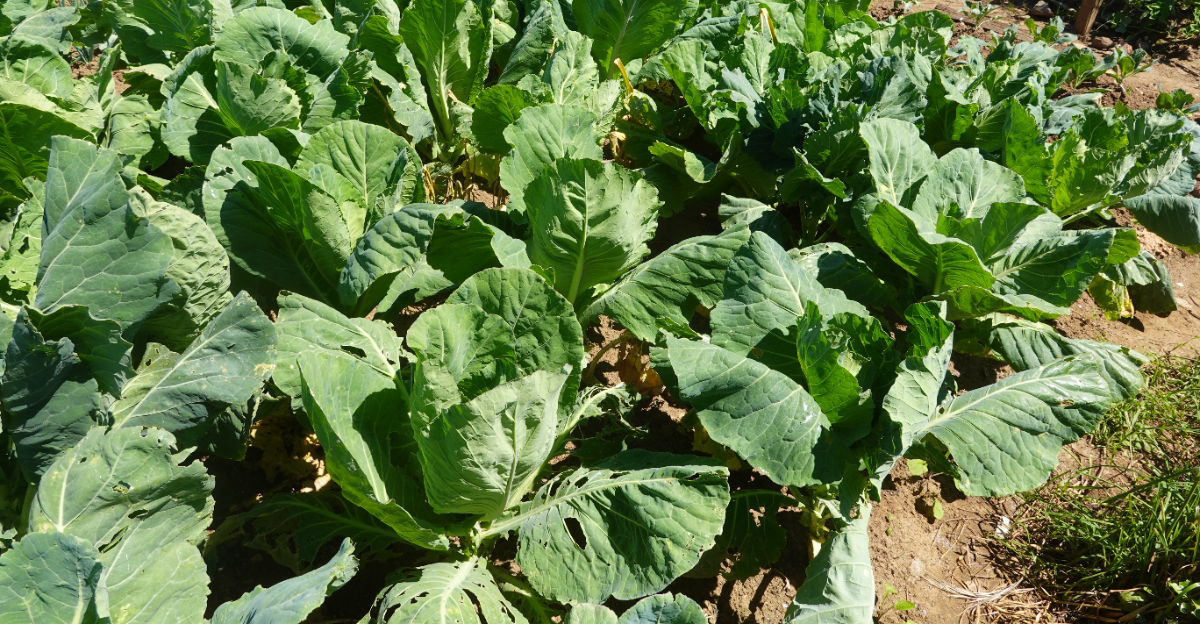
Once seedlings reach about four inches tall, thin or transplant them to stand eighteen to twenty-four inches apart. Collards grow into large, leafy plants, and they need that space to spread out and produce the broad, sturdy leaves they are known for.
Steady watering is especially important during those first few weeks after planting. Young collard seedlings going through a heat wave need consistent moisture to stay healthy and keep growing.
A layer of mulch around the base of each plant helps hold water in the soil and keeps roots cooler on the hottest late-summer afternoons.
As fall arrives and temperatures drop, collards really hit their stride. The leaves become more tender and develop a slightly sweet, earthy flavor that works beautifully in braised dishes, soups, and stir-fries.
A light frost only makes them better. Georgia Southern and Flash are two reliable collard varieties that do well in Michigan, producing generous harvests from fall well into the early weeks of winter.
8. Broccoli
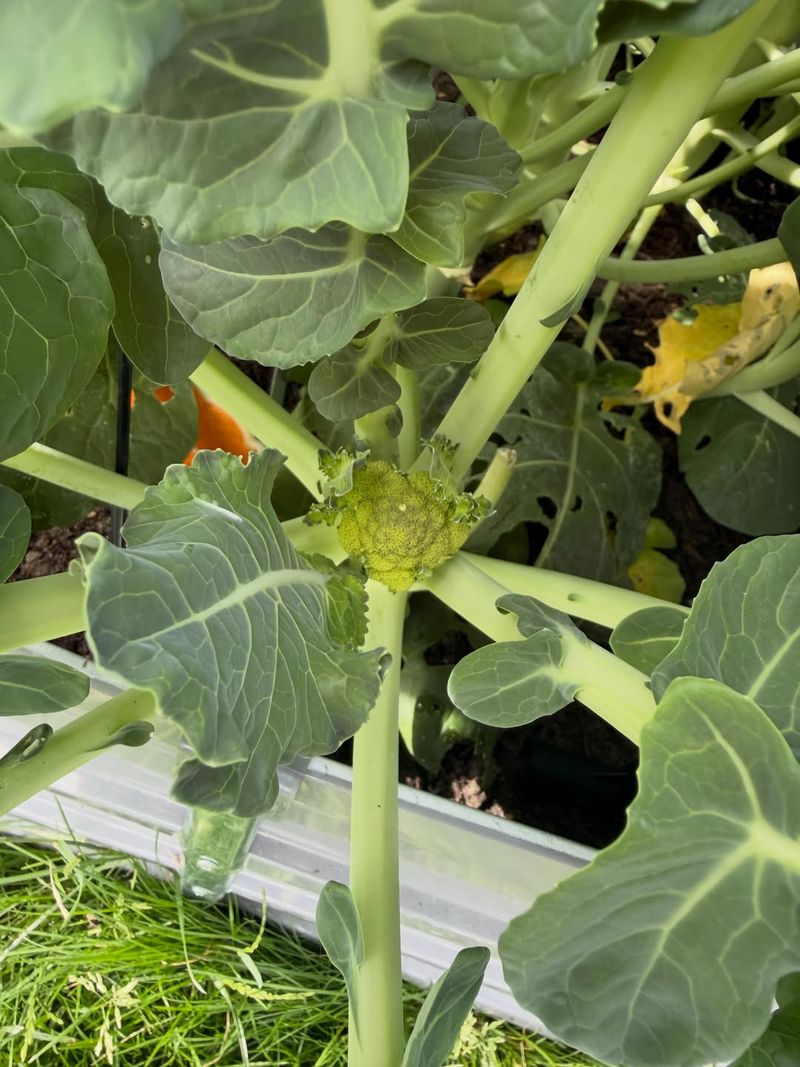
Broccoli is one of those vegetables that looks impressive in the garden and tastes even better when you grow it yourself.
Starting broccoli seeds in July for a Michigan fall harvest takes a little planning, but the reward of cutting a fresh head from your own garden in September or October makes it completely worth it.
Broccoli is a cool-season crop, meaning it performs best when temperatures stay between sixty and seventy degrees Fahrenheit.
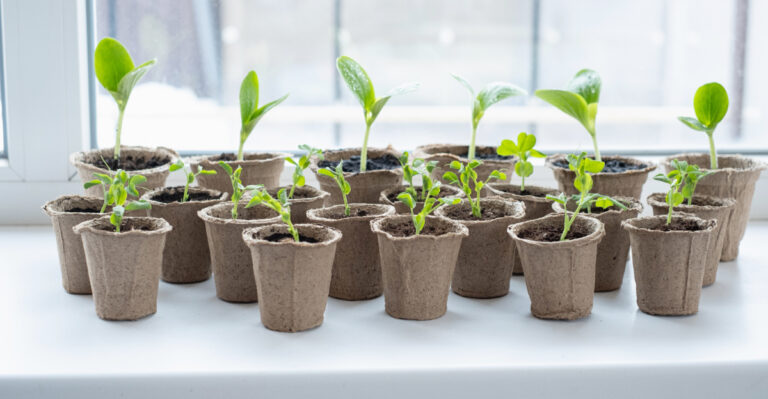
The key to success with July broccoli seeding is starting indoors or in a protected spot and focusing on growing strong, healthy transplants. Fill small seed trays with quality potting mix, sow seeds about a quarter inch deep, and keep the mix evenly moist.
Seedlings typically emerge within five to ten days and should be ready to transplant into the garden after about four to five weeks, right as late-summer temperatures begin to ease.
Hot weather can cause broccoli to bolt, sending up flowers before a proper head forms. To avoid this, watch your local Michigan first frost date carefully and count backward about eighty to one hundred days to figure out your ideal transplant timing.
Keeping seedlings well-watered and out of direct afternoon sun during the hottest weeks helps prevent stress that leads to premature bolting.
Once transplanted, broccoli plants appreciate regular watering, full sun, and fertile soil. Space them about eighteen inches apart to give each plant room to develop a full head.
Varieties like Waltham 29 and Calabrese are well-suited to Michigan fall conditions. Harvest heads while they are still tight and deep green, before any yellow flowers begin to open.