Why Michigan Pepper Plants Drop Healthy-Looking Flowers During Hot, Dry Weeks
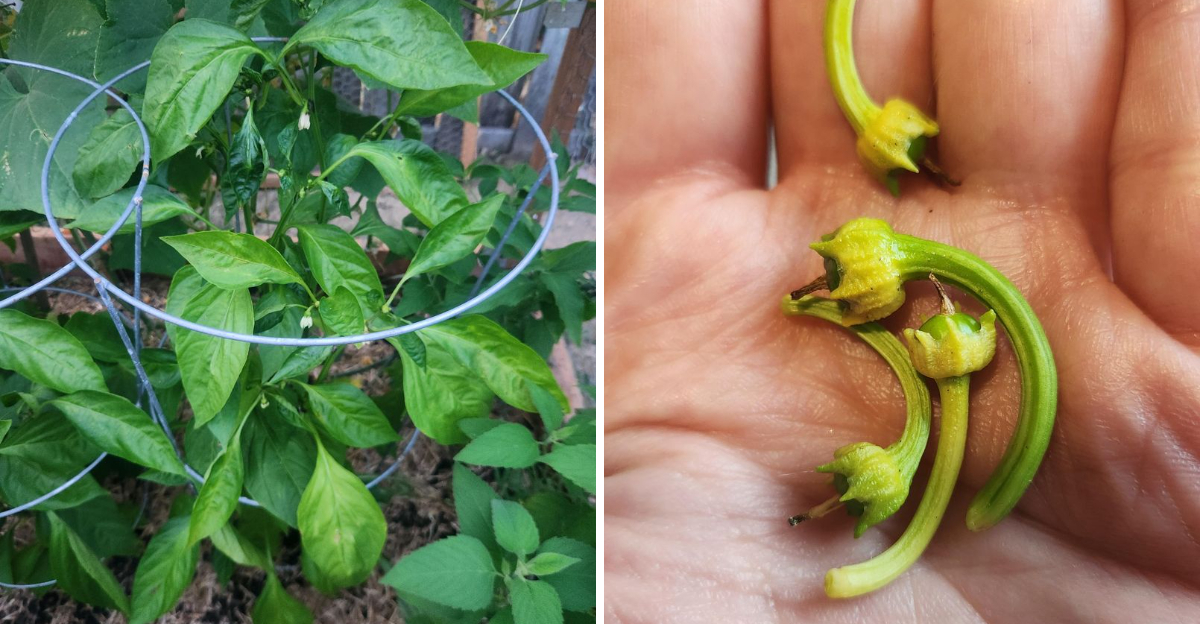
Pepper flowers dropping cleanly from healthy-looking plants during a hot, dry Michigan stretch is one of those garden events that feels like a significant setback and actually communicates something very specific about what the plant is experiencing internally.
The flowers that drop are not damaged or diseased.
They are being shed deliberately by a plant making a resource management decision in response to conditions that make successful fruit development temporarily unlikely.
Michigan’s dry heat weeks create a temperature and humidity threshold that pepper pollination cannot reliably clear, and the plant responds by cutting losses rather than investing in fruit set that would fail anyway.
Understanding this mechanism changes the response from intervention to informed patience with specific conditions to watch for.
1. Daytime Heat Climbs Above Ninety Degrees
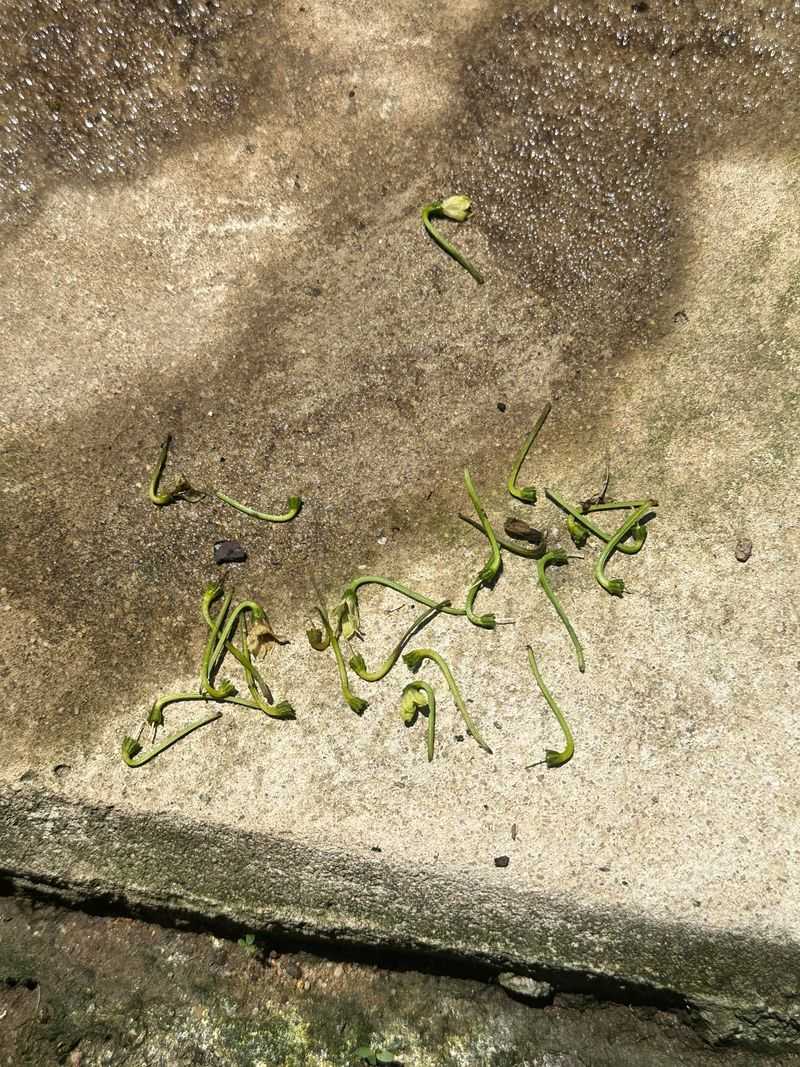
Pepper plants have a comfort zone, and ninety degrees Fahrenheit is basically where that comfort zone ends. When Michigan summers push daytime temperatures past that mark, something happens inside the plant that you cannot always see right away.
The flowers may look perfectly healthy on the outside, but the internal chemistry needed to form fruit simply stops working the way it should.
Pollen becomes less viable when temperatures spike too high. Even if a blossom opens normally and looks great, the heat can make that pollen unable to do its job, which means no fruit will form and the flower eventually drops.
Gardeners often blame themselves or assume something is wrong with the plant, when really the weather is the main culprit.
Michigan summers can flip quickly from comfortable to scorching, especially in July and August. A stretch of just three to five days above ninety degrees is enough to trigger noticeable flower drop in many pepper varieties.
The plant is not struggling to survive in those moments, it is simply prioritizing its own resources over reproduction.
Shade cloth rated at thirty to forty percent can make a real difference during heat waves. Placing it over your pepper bed during peak afternoon hours helps bring the temperature down just enough to keep the plant comfortable.
Watering deeply in the early morning also helps the soil hold coolness longer through the day, giving your peppers a better shot at keeping those flowers attached and moving toward fruit set.
2. Warm Nights Keep Flowers From Setting Fruit
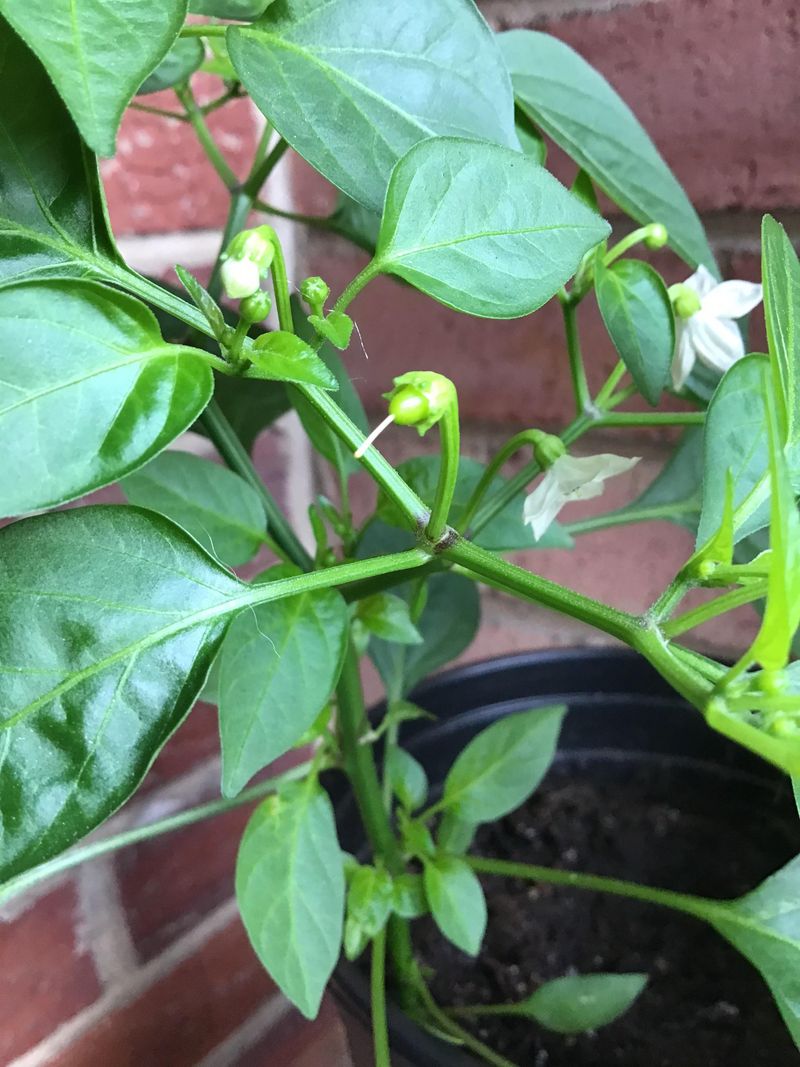
Most people focus on daytime heat when they think about plant stress, but nights matter just as much for peppers.
When nighttime temperatures stay above seventy degrees Fahrenheit, pepper plants have a hard time completing the fruit-setting process.
This is one of those sneaky causes that is easy to overlook because the plant can look completely fine the next morning.
Fruit set in peppers depends on a narrow temperature window, roughly between sixty and eighty-five degrees.
Nights that stay too warm push the plant out of that range, and the flowers that opened during the day never get the cool-down period they need to successfully transition into developing fruit.
Instead, they loosen and fall, often without any visible sign of damage or disease. Michigan gardeners near urban areas or near large bodies of pavement may notice this problem more often because those environments retain heat longer into the evening.
Your Michigan Garden Changes Every Week. Your Plan Should Too.
Gardening in Michigan changes quickly throughout the season. Every Friday you’ll receive a simple weekly plan showing exactly what to plant, prune, fertilize, harvest, and protect so you never miss the right timing.
A garden surrounded by concrete or near a brick wall can stay several degrees warmer at night compared to a more open rural setting.
That small temperature difference can be enough to affect fruit set over a full week of warm nights.
There is not a lot you can do to cool the air at night, but choosing pepper varieties that are rated as heat-tolerant can help. Varieties like Mexibell or some newer hybrid bells are bred to handle wider temperature swings.
Planting in a spot with good airflow can also bring nighttime temperatures down slightly and improve your overall results during warm Michigan summers.
3. Dry Soil Stresses The Plant During Flowering
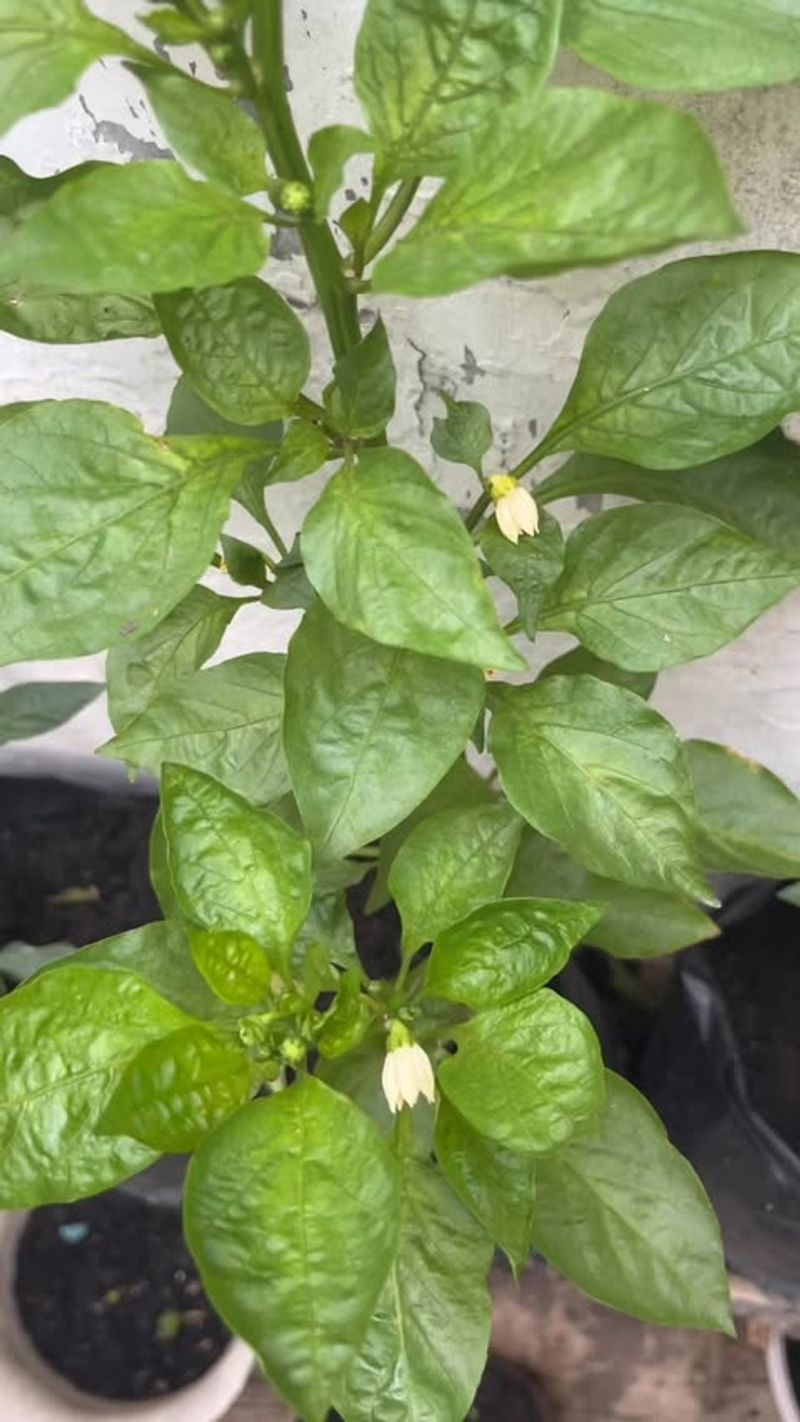
Pepper plants are surprisingly sensitive to moisture levels, especially when they are in the middle of flowering. Dry soil might not show up as a problem right away because the plant can draw on its reserves for a few days before the stress becomes visible.
By the time flowers start dropping, the roots have often been struggling with low moisture for longer than most gardeners realize.
During flowering and early fruit development, consistent soil moisture is one of the most important factors in getting a good harvest. When the soil dries out, the plant starts making decisions about where to send its limited water supply.
Keeping leaves alive and the stem functioning takes priority, and flowers are often the first things to go when resources run tight.
Michigan summers can bring long stretches without meaningful rainfall, and sandy soils found in many parts of the state dry out especially fast.
A garden that got watered three days ago might already be too dry at the root level during a hot week, even if the surface still feels slightly cool to the touch.
Pushing your finger two inches into the soil is a much more reliable test than checking the surface alone.
Aiming for about one to two inches of water per week, delivered deeply and evenly, gives pepper roots what they need to stay productive. Drip irrigation is a great option because it delivers water directly to the root zone without wetting foliage.
Adding two to three inches of mulch around the base of each plant also slows evaporation significantly and keeps moisture in the ground longer between watering sessions.
4. Low Humidity Makes Flowers More Vulnerable
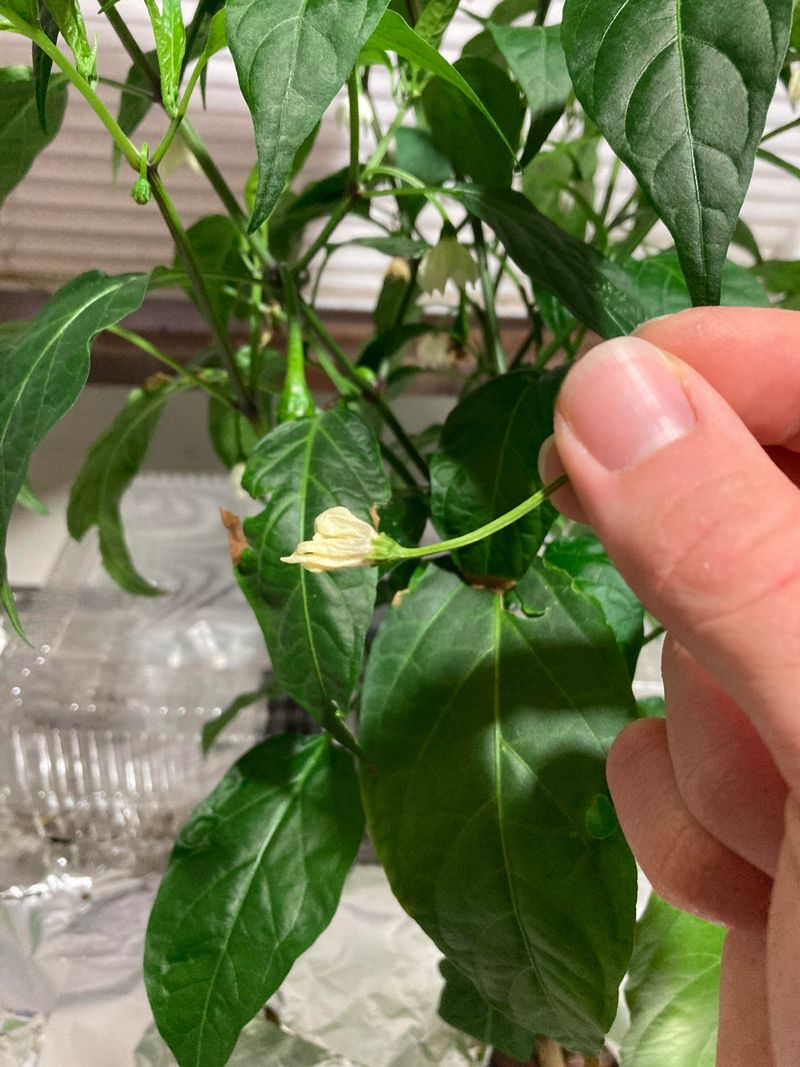
Humidity might not be the first thing that comes to mind when you think about your garden, but it plays a surprisingly important role in how pepper flowers behave.
When the air gets very dry, blossoms can lose moisture faster than the plant can replace it. That rapid moisture loss makes flowers more fragile and less likely to complete the pollination process successfully.
Low humidity can actually cause pollen to dry out before it reaches the stigma of the flower.
Pepper plants are self-pollinating, which means each flower carries both male and female parts, but that process still depends on the pollen being in the right condition at the right time.
When hot, dry air pulls moisture out of the flower too quickly, the pollen can clump, harden, or simply fail to transfer effectively.
Michigan is not usually thought of as a dry climate, but July and August can bring stretches of genuinely low humidity, especially when hot air masses move in from the southwest.
These periods often coincide with the highest heat of the summer, so the plant is already under temperature stress at the same time it is dealing with dry air.
That combination makes flower drop much more likely than either factor would cause on its own.
Misting your pepper plants lightly in the early morning can temporarily boost humidity around the blossoms without encouraging fungal problems. Grouping plants closer together also creates a slightly more humid microclimate around the foliage.
Keeping soil moisture consistent is the most powerful tool for managing low humidity stress, since a well-hydrated plant handles dry air far better than one already running low on water at the roots.
5. Strong Wind Pulls Moisture From Leaves And Flowers
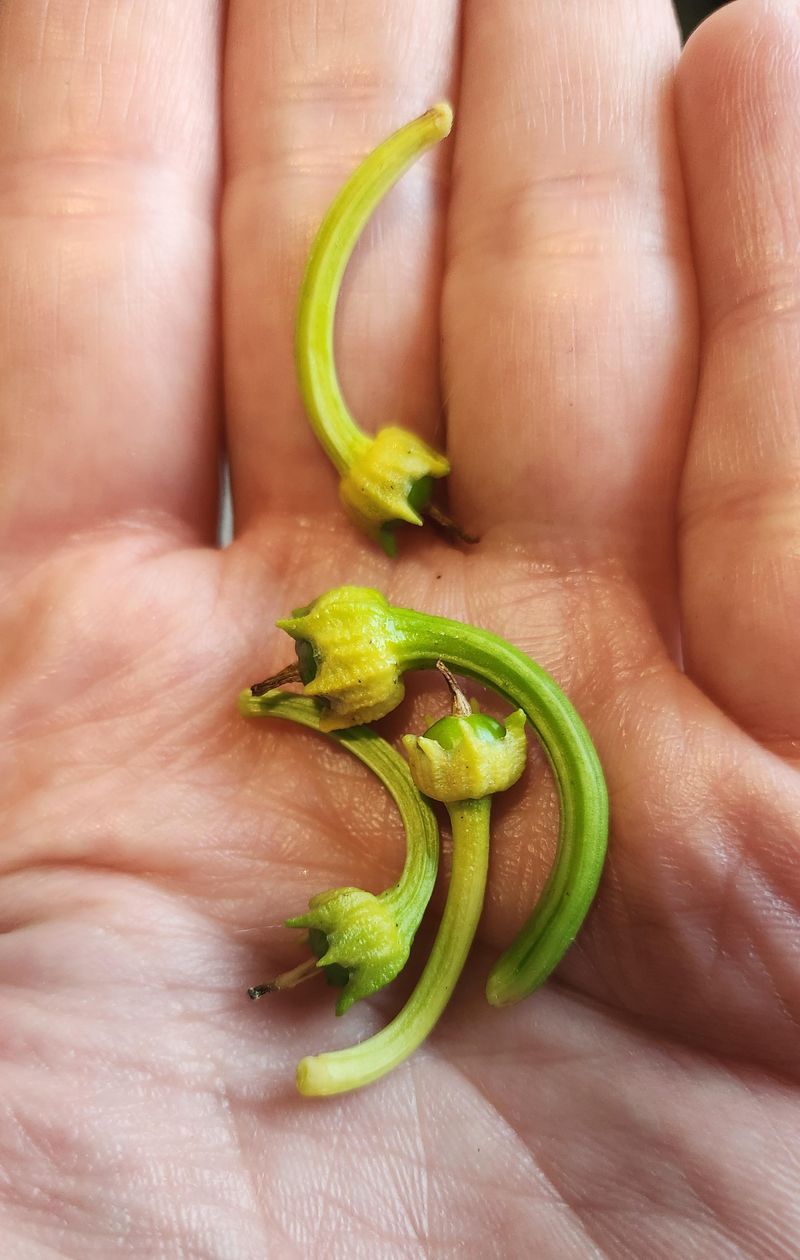
Wind is one of those garden stressors that does not get nearly enough attention. On a hot day, a steady breeze might feel refreshing to you, but to a pepper plant in full flower, that same wind is pulling moisture out of the leaves and blossoms at a rapid rate.
The technical term for this is transpiration stress, and it can quietly push a plant toward flower drop without any other obvious warning signs.
Pepper blossoms are delicate structures. When wind constantly moves across them during hot weather, they lose water faster than the roots can pull it up from the soil.
That imbalance puts the whole flowering process under pressure. A blossom that might have successfully set fruit under calm conditions can fail when wind is added to an already stressful situation.
Michigan gardens, especially those in open areas or near the lakeshore, can experience persistent wind during summer.
The Great Lakes region is known for variable and sometimes strong summer breezes, which means wind stress is a real and regular concern for Michigan pepper growers.
Even moderate wind speeds of ten to fifteen miles per hour can increase moisture loss significantly over a full sunny day.
Building a simple windbreak using garden fabric, a row of tall companion plants like basil or tomatoes, or even a temporary fence panel can reduce wind exposure dramatically. Positioning your pepper plants on the leeward side of taller plants also helps.
Watering more frequently during windy stretches is another smart adjustment, since the soil and plant both lose moisture faster when the wind is blowing steadily through the garden.
6. Containers Heat And Dry Out Too Quickly
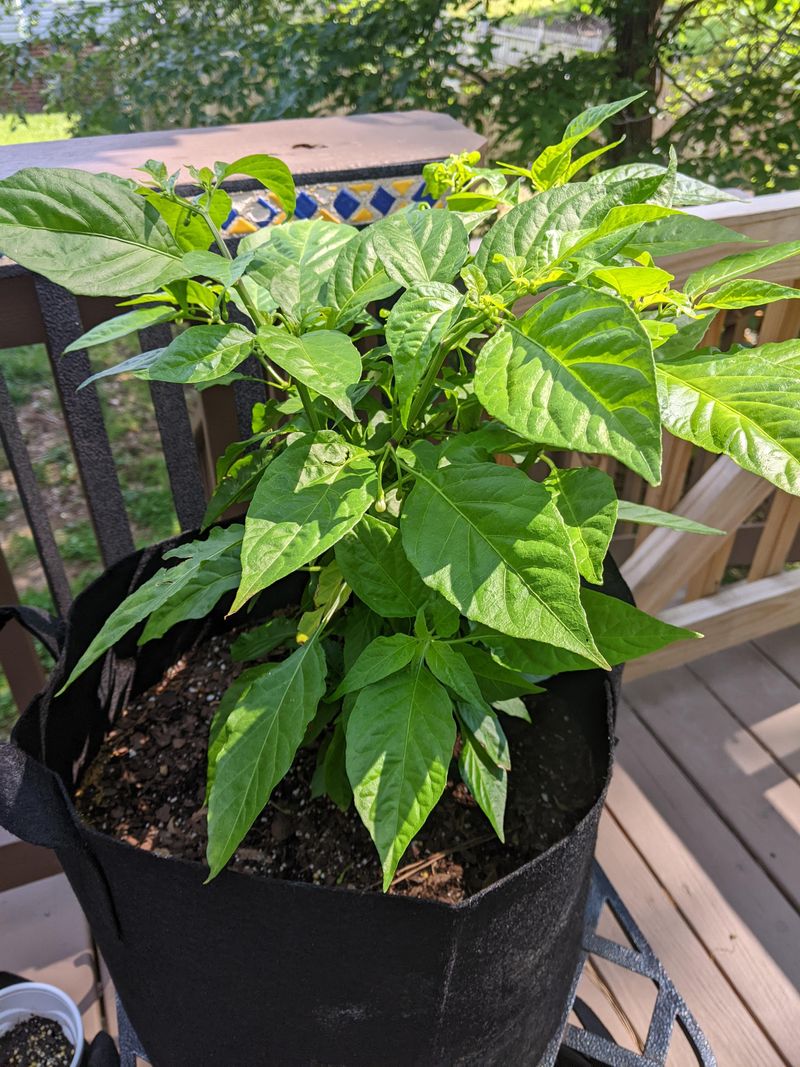
Container gardening is a fantastic option for many Michigan gardeners who are short on space or dealing with poor native soil, but pots come with a built-in challenge during hot weather.
Unlike in-ground beds, containers have a limited volume of soil that heats up fast and dries out even faster.
On a ninety-degree day, the inside of a dark plastic or terracotta pot can reach temperatures that would surprise most gardeners.
When root zone temperatures climb too high, the plant starts experiencing heat stress from the bottom up. The leaves might still look green and the stem might look sturdy, but the roots are struggling in overheated soil, and that struggle shows up as flower drop.
Peppers in containers often drop blossoms during hot stretches even when the same variety growing in the ground nearby holds on just fine.
The size of the container matters a lot here. Smaller pots dry out in hours rather than days during a Michigan heat wave.
A five-gallon container might need watering twice a day when temperatures push past the mid-eighties. Skipping even one watering session during a hot dry stretch can be enough to trigger stress that costs you a flush of flowers.
Moving containers into partial afternoon shade during heat waves is one of the easiest and most effective fixes available.
Choosing larger containers, at least ten to fifteen gallons for each pepper plant, gives the roots more stable soil temperature and more moisture reserve between waterings.
Light-colored pots also reflect heat rather than absorbing it, which keeps the root zone significantly cooler throughout the hottest parts of the summer day.
7. Too Much Nitrogen Pushes Leaves Instead Of Peppers
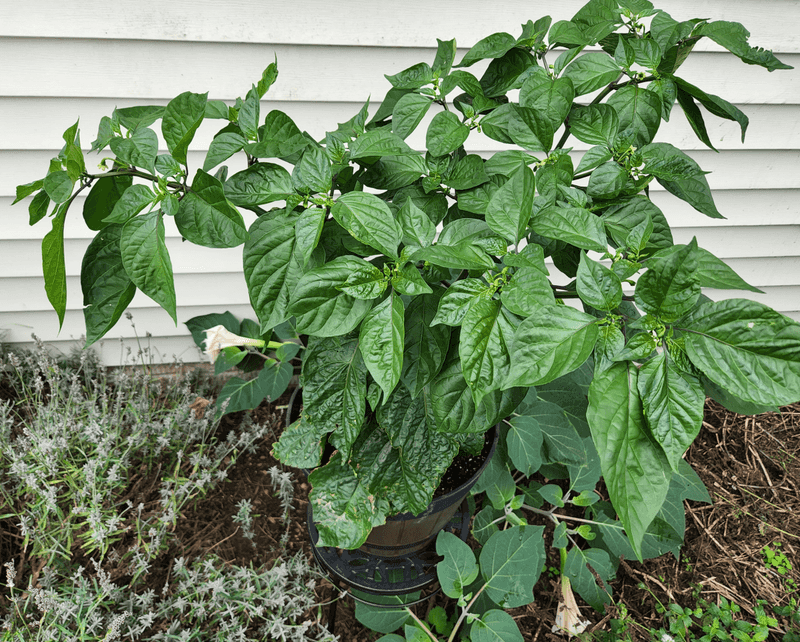
A pepper plant covered in thick, dark green leaves might look like the picture of garden success, but that lush appearance can actually be a sign that something is out of balance.
Too much nitrogen in the soil pushes plants into what gardeners call vegetative growth mode, where the plant focuses almost entirely on producing leaves and stems rather than flowers and fruit.
It looks healthy, but the harvest tells a different story. Nitrogen is an essential nutrient, and every plant needs it to function. The problem comes when there is more of it than the plant can use for balanced growth.
Excess nitrogen signals the plant to keep building green tissue, and that energy comes at the direct expense of flowering. Blossoms may form but drop early, or they may not form in significant numbers at all during the peak of the season.
This is a common mistake in Michigan gardens where gardeners apply the same high-nitrogen fertilizer they use for their lawn or their leafy greens. Peppers have different needs at different growth stages.
During the flowering and fruiting phase, they benefit far more from phosphorus and potassium than from heavy doses of nitrogen. Switching to a bloom-focused fertilizer with a lower first number on the label can make a noticeable difference within a few weeks.
Getting a basic soil test through Michigan State University Extension is one of the smartest investments a vegetable gardener can make. It removes the guesswork entirely and tells you exactly what your soil needs.
Following fertilizer label directions carefully and avoiding the urge to add more than recommended are simple habits that pay off in a much bigger pepper harvest by the end of summer.
8. Pests Or Nutrient Imbalance Add Extra Stress
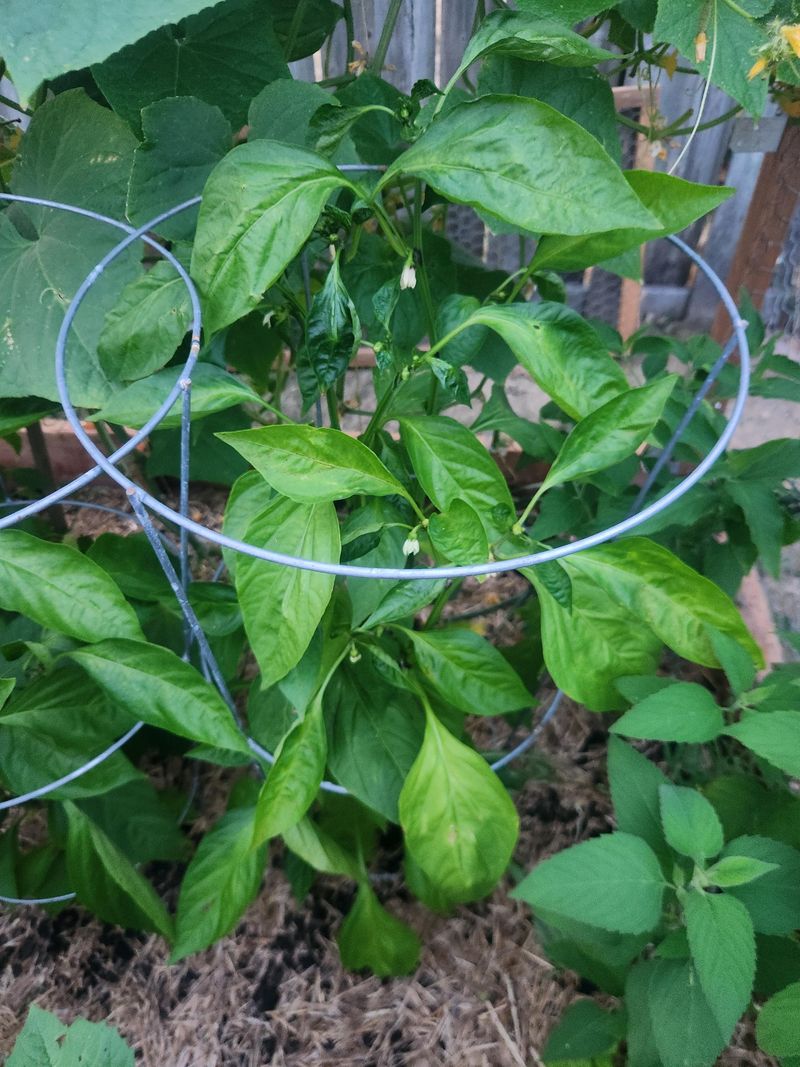
Heat and dry soil are already a tough combination for pepper plants, but when pests or nutrient problems enter the picture at the same time, the plant faces stress from multiple directions at once.
That kind of compound pressure is often what pushes a plant from struggling to actually losing flowers at a significant rate. The plant simply cannot manage everything at the same time.
Aphids, spider mites, and thrips are all common Michigan garden pests that tend to show up during hot, dry spells. These insects feed on plant tissue and disrupt the flow of nutrients and water within the plant.
Even a moderate infestation can weaken a pepper plant enough to affect flowering, especially when the weather is already putting the plant under heat and moisture stress at the same time.
Nutrient imbalances, particularly low calcium or magnesium, can also interfere with flower and fruit development in ways that are easy to miss.
A plant might look mostly green and upright while quietly struggling to complete the cellular processes needed for successful fruit set.
Yellowing between leaf veins, curled new growth, or unusually pale new leaves are clues worth paying attention to during hot stretches.
Checking the undersides of leaves regularly for insects and keeping an eye out for unusual leaf colors or textures helps you catch problems early. Insecticidal soap spray handles soft-bodied pests like aphids and mites without harsh chemicals.
Addressing nutrient gaps with a balanced fertilizer or targeted supplement, based on what your soil test shows, gives your plants the foundation they need to hold onto flowers and push through even the toughest Michigan summer weeks.