These Are The Signs Your Michigan Boxwood Has Blight And What To Do Immediately
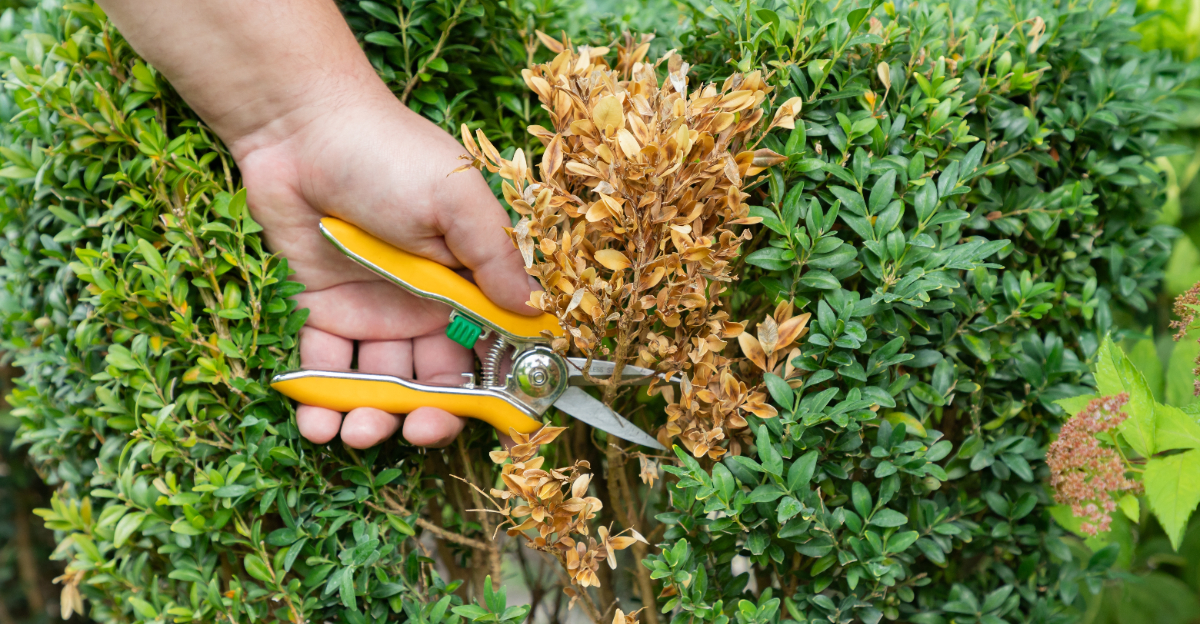
Boxwood blight has been spreading through Michigan landscapes for several years now, and the window between first symptoms and serious damage is frustratingly short. A lot of gardeners notice something looks off but wait a few weeks to see if it improves on its own.
By the time it’s clearly a problem, the blight has already moved through the plant and potentially spread to others nearby.
The signs aren’t always dramatic at first, and they can be easy to confuse with winter injury, drought stress, or a few other common boxwood issues.
Knowing exactly what to look for changes everything. Caught early, there are real options for managing it and protecting the rest of your plantings.
Caught late, the situation gets much harder to work with in any meaningful way.
1. Watch For Sudden Brown Leaf Spots
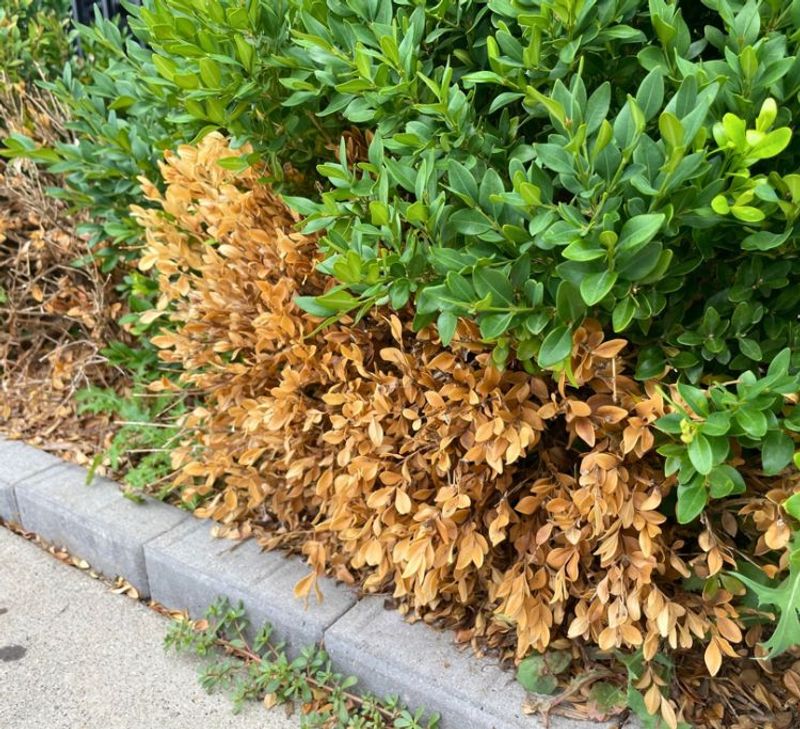
Brown spots on boxwood leaves might seem minor at first, but they are often the earliest warning sign of boxwood blight caused by the fungus Calonectria pseudonaviculata.
These spots usually appear suddenly, especially after periods of wet, humid Michigan weather in spring or early summer.
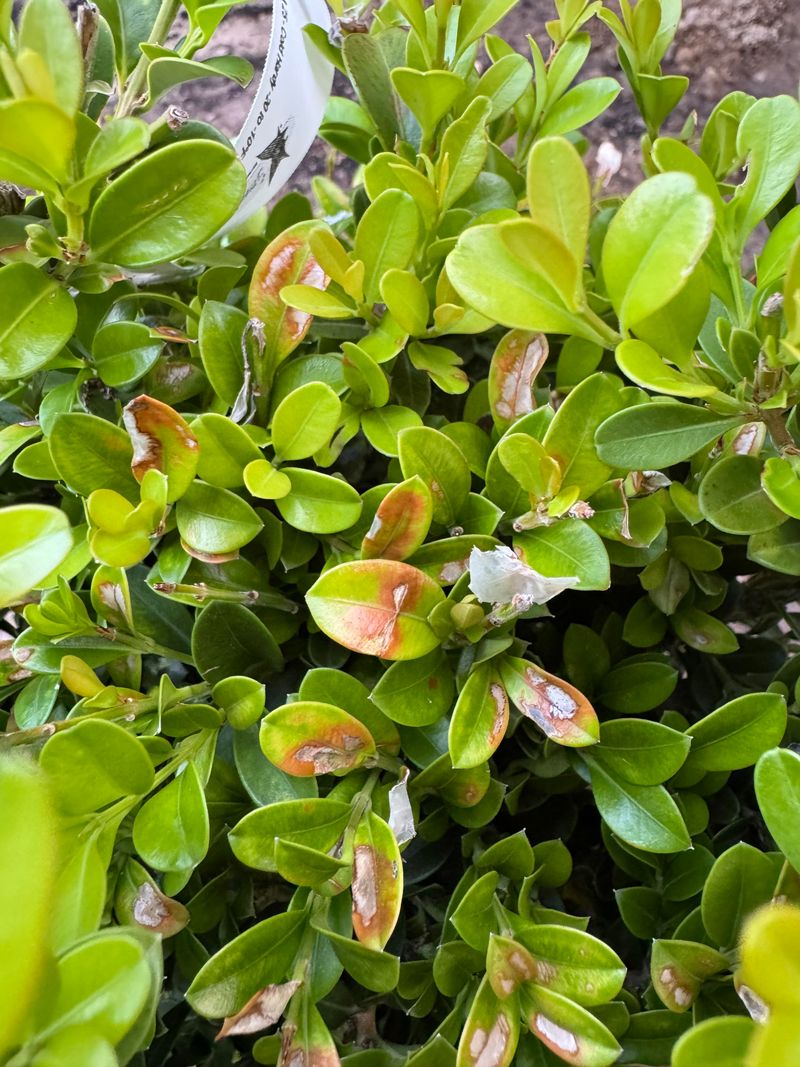
They start as small tan or light brown circles with a darker border and can spread quickly across the entire leaf surface.
What makes this symptom tricky is that it can look similar to other issues like winter burn or drought stress. The key difference with blight spots is that they often have a distinct circular shape and a darker ring around the edge.
You might notice multiple spots on a single leaf within just a few days of wet conditions.
Check your boxwoods after any rainy stretch, especially if temperatures are warm. Getting down close and looking at individual leaves will help you catch this early.
If you spot these markings, avoid touching other shrubs until you have washed your hands and changed gloves. Acting quickly at this stage gives you the best chance of protecting the rest of your planting.
2. Look For Rapid Leaf Drop
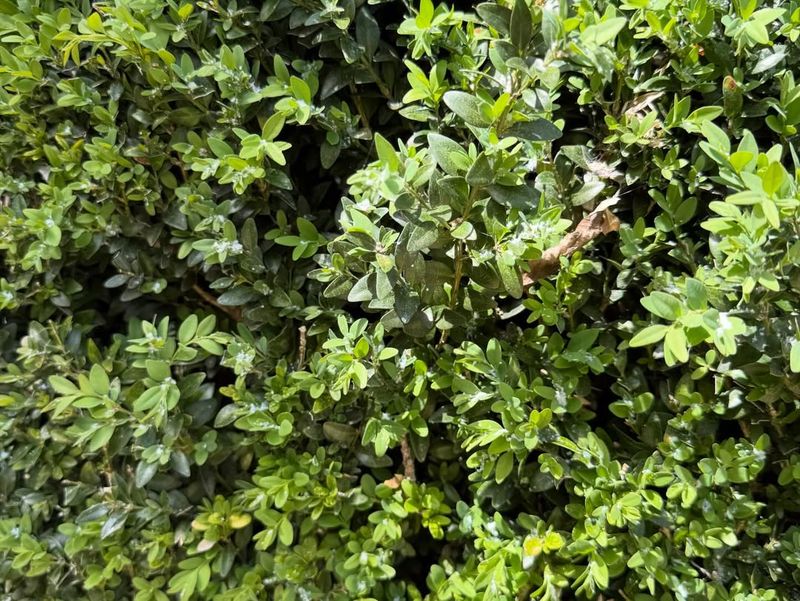
One of the most alarming signs of boxwood blight is watching leaves fall off your shrubs at a pace that seems almost overnight. Healthy boxwoods do shed some older leaves, but rapid and widespread leaf drop is a red flag that something serious is going on.
When blight takes hold, entire branches can strip themselves bare within just a few days.
You will often notice this happening from the inside of the shrub outward. The inner branches tend to show leaf loss first, which can be easy to miss until the outer canopy starts thinning.
Leaves may still be partially green when they fall, which sets blight apart from normal seasonal shedding where foliage browns more gradually on the plant.
Scoop up and bag those fallen leaves right away because the fungal spores can survive in debris on the ground and spread to healthy plants nearby. Do not rake them into a pile and leave them sitting.
Michigan gardeners dealing with blight need to treat fallen leaves as contaminated material and dispose of them properly. Catching leaf drop early and removing debris fast is one of the most effective ways to slow the spread of this aggressive disease.
Your Michigan Garden Changes Every Week. Your Plan Should Too.
Gardening in Michigan changes quickly throughout the season. Every Friday you’ll receive a simple weekly plan showing exactly what to plant, prune, fertilize, harvest, and protect so you never miss the right timing.
3. Check Stems For Black Streaking
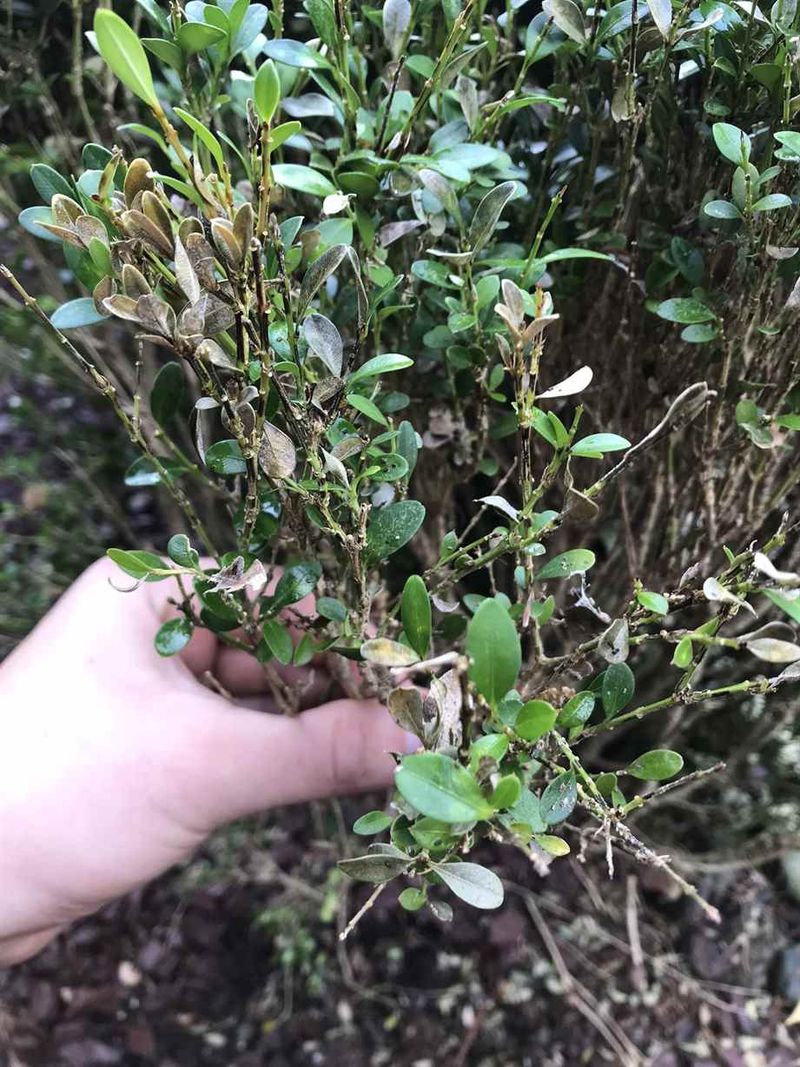
Most people focus on the leaves when checking for blight, but the stems tell a very important part of the story. Dark brown or black streaks running lengthwise along the stems are a classic and reliable sign of boxwood blight infection.
These streaks appear when the fungus moves from the leaves into the woody tissue of the plant.
Peel back a small section of the outer bark on a suspicious stem and look for discoloration underneath. Healthy boxwood tissue is light green or cream-colored beneath the bark.
If you see dark staining running along the interior of the stem, blight has already moved deeper into the plant. This is a serious development because infected stems cannot recover once the fungus has colonized the tissue.
Stem streaking often appears after the leaf spots have been present for a week or more, so finding it means the disease has had time to progress. Prune back any affected stems to a point where the interior tissue looks healthy and clean.
Make sure to sterilize your pruning tools between every single cut using a solution of diluted bleach or rubbing alcohol.
Skipping tool sanitation during this process is one of the fastest ways to accidentally spread blight to other parts of the shrub or to neighboring plants.
4. Avoid Working Around Wet Boxwoods
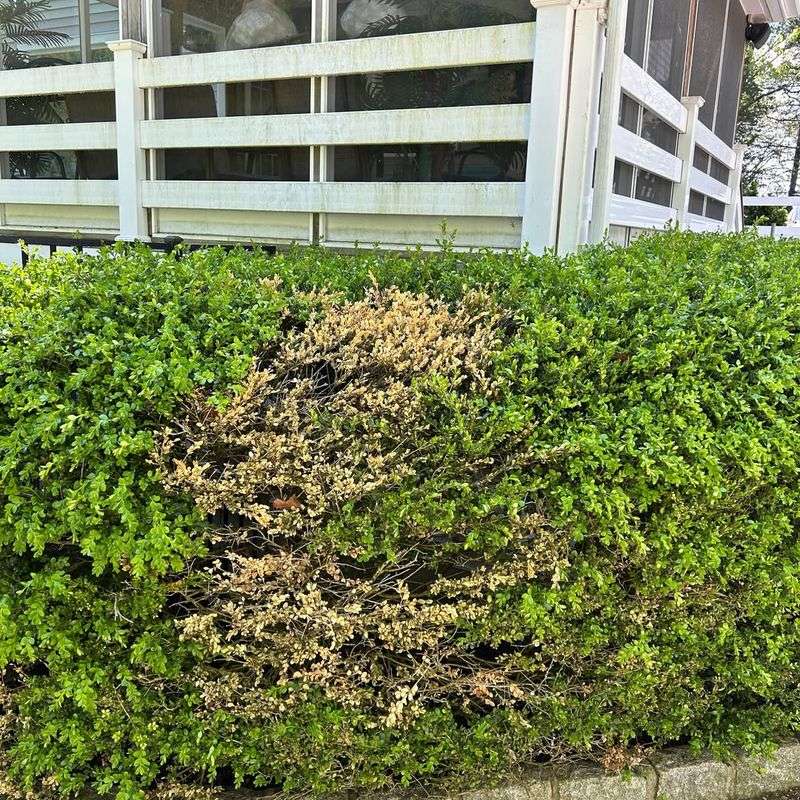
Timing matters enormously when managing boxwood blight, and one of the most overlooked rules is to stay away from your boxwoods when they are wet.
The fungus that causes blight spreads through water, and working around wet plants makes it incredibly easy to move spores from one shrub to another on your clothing, gloves, shoes, or tools.
Even brushing against a wet infected shrub while walking by can spread the disease.
Michigan summers bring plenty of rain, morning dew, and high humidity, which creates ideal conditions for fungal spread. Plan your garden maintenance for dry afternoons when plants have had time to fully dry out.
This single habit change can make a real difference in how far blight spreads through your landscape.
If you must work near boxwoods during or after wet weather, wear dedicated garden clothing that you change and wash immediately after. Rubber boots that can be rinsed and disinfected are a smart choice.
Keep tools out of the area entirely unless absolutely necessary, and never move clippings or debris from a wet infected area to other parts of the yard.
Being thoughtful about when and how you move through your garden during Michigan’s wet season is a simple but powerful line of defense against blight spreading further.
5. Stop Shearing Infected Shrubs Immediately
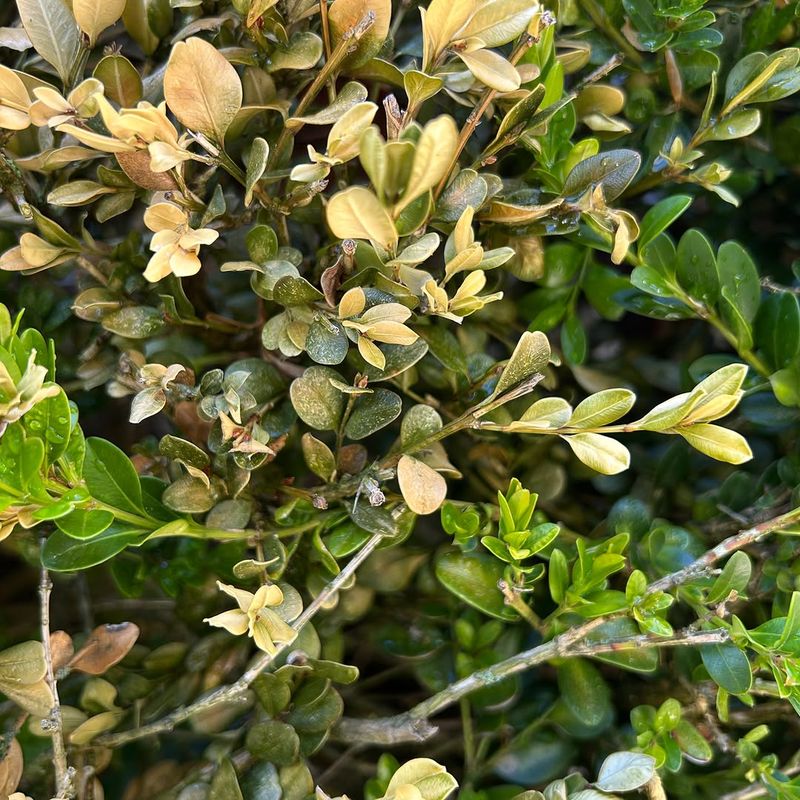
Routine shearing might feel like good garden maintenance, but running clippers through an infected boxwood is one of the worst things you can do when blight is present.
Every cut sends tiny fragments of infected leaf and stem tissue flying through the air, landing on nearby healthy shrubs and spreading fungal spores across a wide area.
What starts as one affected plant can quickly become a whole row of infected shrubs after a single shearing session.
Put the shears away the moment you suspect blight. Shearing also creates fresh wounds on the plant, and those open cuts become easy entry points for the fungus to spread deeper into the tissue.
Boxwoods do not need shearing to survive, and pausing this practice during a blight outbreak is a smart protective move.
If selective pruning is necessary to remove clearly infected material, do it carefully with hand pruners rather than electric shears.
Cut well below the visibly affected area, into clean healthy tissue, and sterilize your tools between every single cut. Bag and remove all clippings immediately rather than leaving them on the ground.
Michigan gardeners who stop shearing early in a blight outbreak consistently report less spread compared to those who continue regular trimming without knowing the disease is active. Patience with your pruning schedule pays off in a big way here.
6. Bag Fallen Leaves And Infected Debris
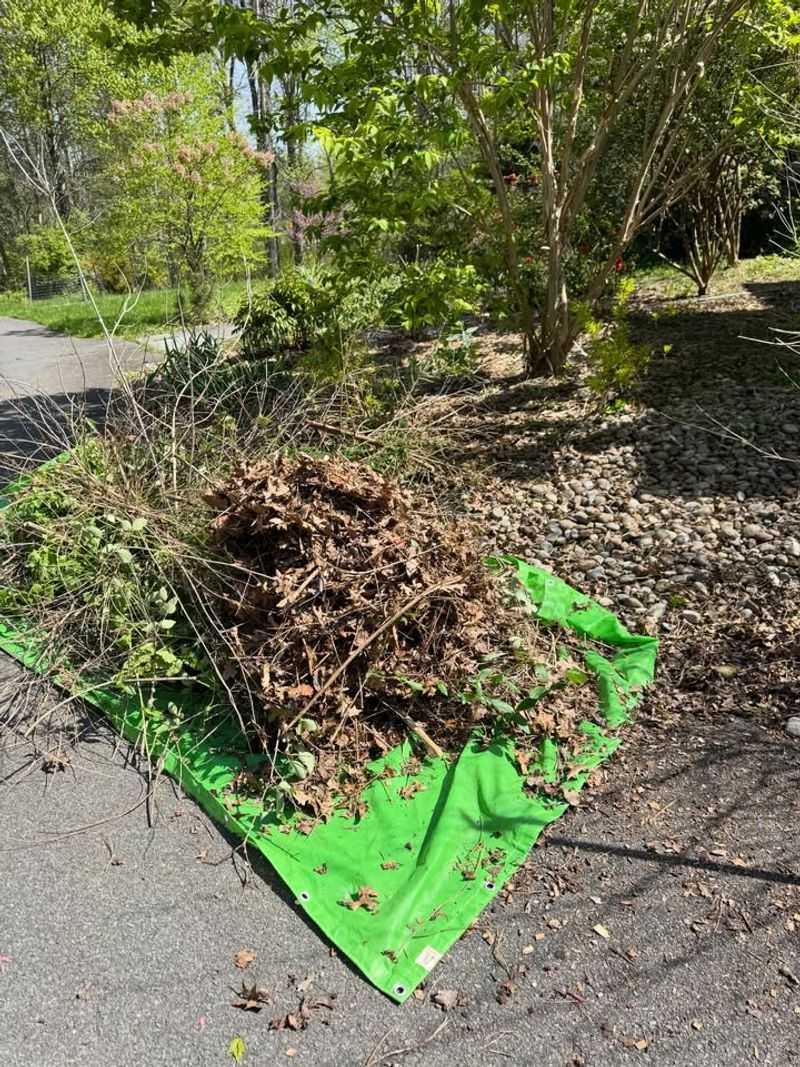
Fallen boxwood leaves sitting beneath an infected shrub are like a reservoir of fungal spores waiting to splash back up onto healthy plants during the next rain.
Cleaning up this debris is not just tidying up your garden, it is an essential step in stopping blight from cycling back through your landscape season after season.
Spores can remain viable in leaf litter for months, especially in Michigan’s cool, moist conditions.
Use gloves and a dedicated rake or brush that you disinfect afterward. Place all fallen leaves and clippings directly into sealed yard waste bags and do not shake them around.
Even small amounts of debris left behind can harbor enough spores to restart the infection cycle the following season.
Many Michigan gardeners make the mistake of simply raking debris to the edge of the bed or blowing it into the lawn, which does nothing to eliminate the fungal threat.
Proper disposal means bagging and sending it out with yard waste pickup or burning where local ordinances allow.
Do not leave bags sitting open near the garden. Replacing old mulch beneath infected shrubs is also a smart move since spores can settle into the top layer.
Fresh mulch after thorough cleanup gives your remaining healthy boxwoods a much cleaner environment to grow in going forward.
7. Disinfect Pruners And Tools After Contact
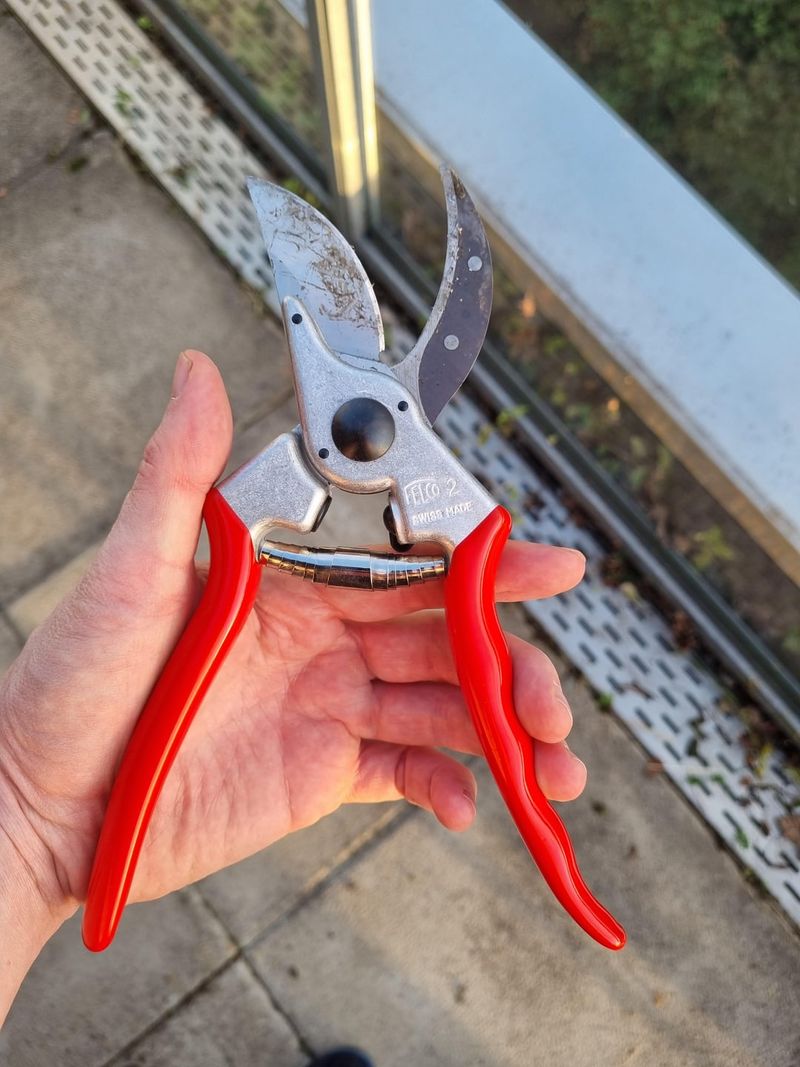
Garden tools are silent carriers of boxwood blight, and most people do not realize how easily spores hitch a ride from one plant to the next on a blade or pair of gloves.
A pruner that touches an infected stem and then moves to a healthy shrub can transfer the fungus in seconds.
This is one of the most common ways blight jumps from a single isolated plant to an entire hedge.
A simple disinfecting routine can stop this from happening. Keep a spray bottle filled with a ten percent bleach solution or undiluted rubbing alcohol right next to you while working.
Spray blades between every cut, let them sit for thirty seconds, and wipe clean before moving on. It feels tedious at first but quickly becomes second nature.
Do not forget about gloves, kneepads, and even the soles of your shoes if you have been walking through infected areas. The fungus does not need much help to travel.
After finishing work for the day, wash all tools thoroughly with soap and water before storing them. Keeping dedicated tools for your boxwood area and separate ones for other garden tasks is an extra layer of protection that serious Michigan gardeners swear by.
A small investment in sanitation habits now saves a lot of heartache later when your healthy shrubs stay clean.
8. Avoid Composting Diseased Material
Composting is a great habit for most garden waste, but infected boxwood material is a firm exception.
The fungus that causes boxwood blight, Calonectria pseudonaviculata, produces spores that can survive the composting process unless the pile reaches very high internal temperatures consistently.
Most backyard compost setups in Michigan do not get hot enough to fully break down these tough spores.
Tossing infected leaves, stems, or clippings into your compost bin essentially creates a storage container for the disease. When you later spread that compost in your garden beds, you could be reintroducing blight directly into the soil around your healthy plants.
It is a risk simply not worth taking. The safest options are to bag all infected material in sealed yard waste bags for municipal pickup, or to burn it where local rules allow open burning.
Some Michigan counties have specific guidelines around diseased plant material disposal, so it is worth checking with your local extension office if you are unsure.
Never pile infected material near the garden edge thinking it will break down harmlessly over winter. The spores are remarkably persistent and can overwinter in debris.
Treating all clippings from infected shrubs as hazardous garden waste until your plants are fully recovered is the mindset that keeps blight from coming back year after year.
9. Increase Airflow Around Remaining Shrubs

Boxwood blight absolutely thrives in humid, stagnant air, and Michigan’s summers provide plenty of both.
Shrubs planted too close together trap moisture between their branches, creating the kind of warm, wet microclimate where fungal spores germinate and spread with ease.
Improving airflow is one of the most effective long-term strategies for keeping remaining healthy boxwoods protected.
Start by selectively thinning crowded plantings to open up space between individual shrubs. Even a few extra inches of breathing room can reduce the humidity level around the foliage significantly.
Removing lower branches that brush the ground also helps, since ground-level moisture is often the first place spores make contact with the plant.
Consider spacing any future replacements farther apart than traditional hedge spacing recommends. Many Michigan landscape designers are now recommending wider spacing specifically to reduce blight risk in regions with high summer humidity.
You can also prune nearby trees or large shrubs to let more sunlight reach your boxwoods, since sun exposure helps dry foliage faster after rain or morning dew.
Drip irrigation is another helpful switch because it delivers water directly to the roots rather than wetting the leaves and stems.
Small adjustments to the growing environment add up quickly and make a noticeable difference in how resistant your remaining boxwoods are to future blight outbreaks.
10. Monitor Nearby Boxwoods Closely
Once blight appears in one part of your yard, every other boxwood nearby is at elevated risk. The fungal spores travel easily through air, water splash, and human contact, meaning a shrub just a few feet away from an infected one can pick up the disease within days.
Keeping a close eye on your remaining plants is not optional at this point, it is essential.
Walk through your garden every two to three days during wet or humid weather and inspect each boxwood individually. Look at the underside of leaves, check stem color, and note any unusual spotting or thinning.
Catching new infections at the earliest possible stage gives you a much better chance of managing the spread before it becomes overwhelming.
Keep a simple journal or use your phone to take dated photos of each shrub so you can track changes over time. What looks like minor spotting one week can escalate fast, and having a visual record helps you see the progression clearly.
Talk to your neighbors too, especially if they have boxwoods in adjoining yards. Blight does not respect property lines, and a community approach to monitoring and managing the disease is far more effective than tackling it alone.
Michigan State University Extension offers free resources and expert guidance for homeowners dealing with boxwood blight, so reach out if you need support.