New Jersey’s Natural Tick Control Solution Might Be This Backyard Bird
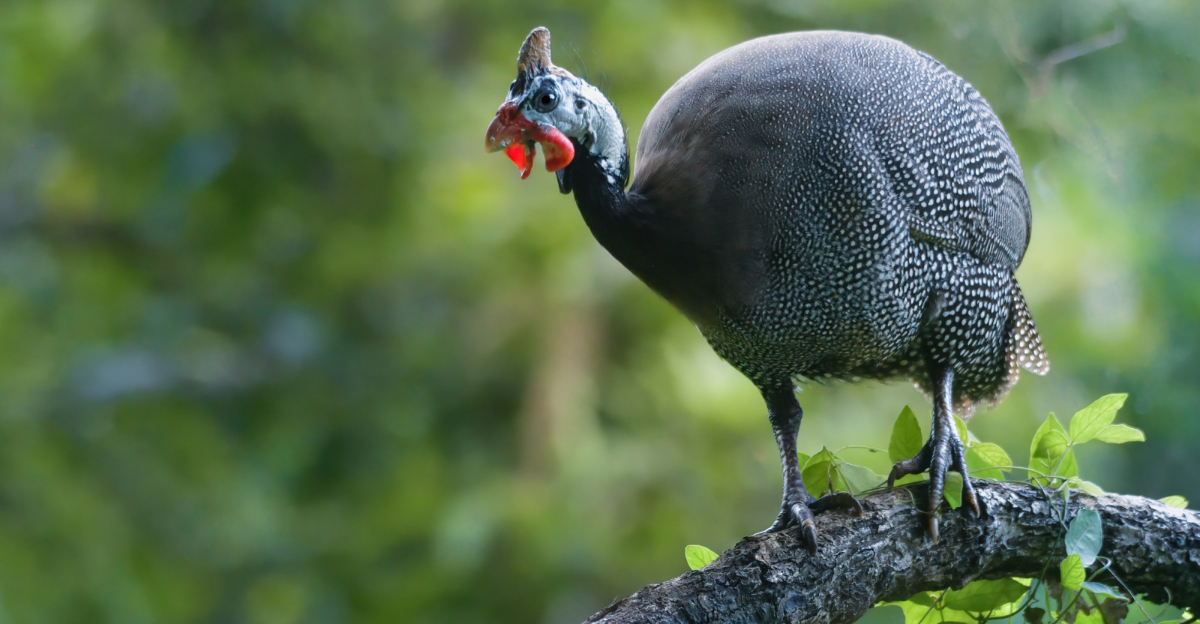
Your backyard hides a secret ticks fear more than any spray. Ticks lurk in every shadow of your New Jersey lawn. Chemical sprays promise safety but deliver only fleeting relief.
Meanwhile, a strange feathered guardian is quietly changing the game. This mysterious creature patrols your property like a silent sentinel, seeking ticks nonstop.
It moves constantly, scanning grass, hedges, and hidden corners without pause. Homeowners across New Jersey are trading sprays for something louder and far more curious.
Nothing about this creature is ordinary, yet its results speak volumes. Odd, watchful, and strangely loyal, it turns your yard into forbidden ground for pests.
Families relax while this creature works tirelessly. Pets roam safely across a yard now quietly guarded.
Worry fades every single day this creature roams patiently. Something is always moving, searching, working, protecting your space nonstop. You must discover exactly what this strange creature does now.
Guinea Fowl Keep New Jersey Ticks In Check
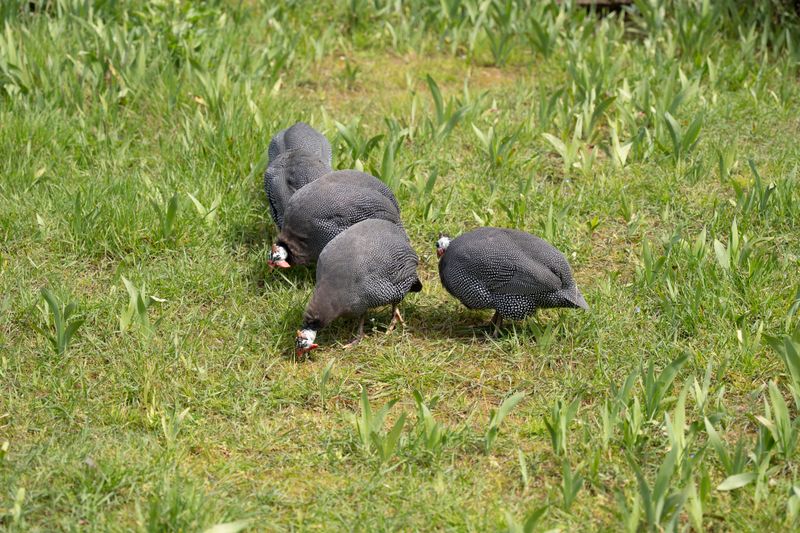
Forget the pesticide aisle. Guinea fowl are one of the most talked-about chemical-free options backyard owners are trying today.
It moves constantly, scanning grass, hedges, and hidden corners without pause. They forage constantly, covering wide areas with impressive focus and energy.
Guinea fowl do eat ticks readily when they come across them, foraging steadily from sunrise to sundown. How much that adds up to varies by property, season, and how much cover the ticks have to hide in.
Tick populations in the Northeast have been climbing for years, and Lyme disease cases continue to rise alongside them. Homeowners are searching for safer, more natural ways to protect their families without soaking their lawns in chemicals.
Guinea fowl offer a chemical-free approach that works around the clock, even if results vary from yard to yard.
They do not just eat ticks either; they also snack on mosquitoes, grasshoppers, and other unwanted insects.
Local farmers in rural parts of the state have used these birds for generations. Now suburban homeowners are catching on, especially those with larger lots or wooded edges near their yards.
The birds move in tight groups, systematically covering ground in a way that feels almost deliberate. Watching them work is oddly satisfying, like seeing a tiny, feathered cleanup crew clock in for the morning shift.
Natural tick control starts with understanding what tools nature already offers. Guinea fowl might just be the backyard solution you never knew you needed.
How Guinea Fowl Naturally Hunt And Eat Ticks
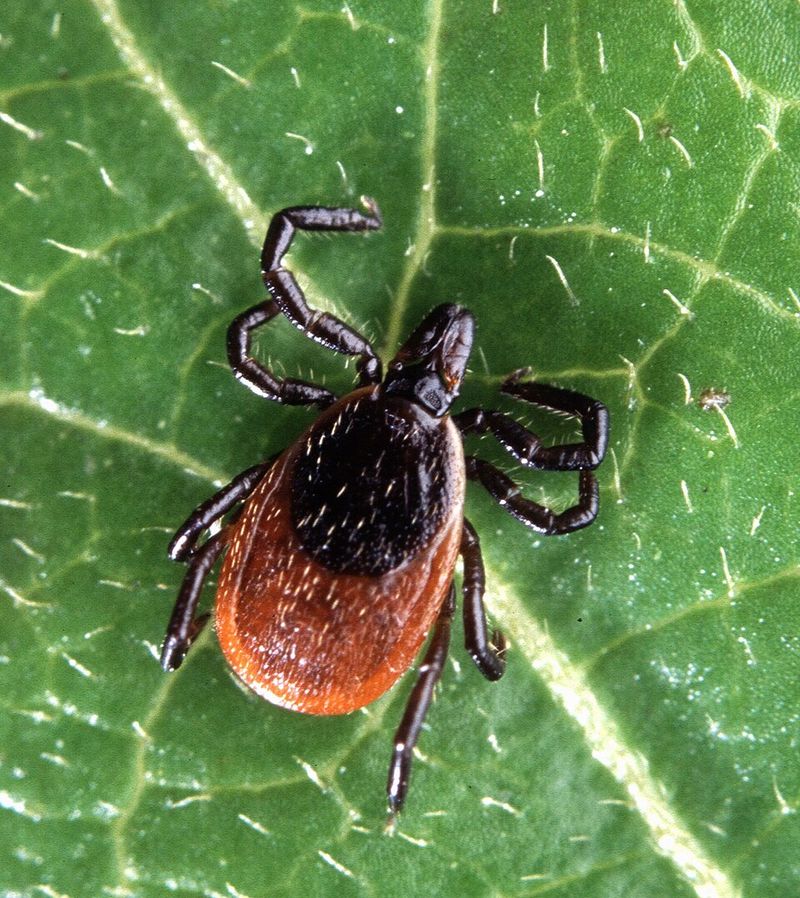
Guinea fowl are built for ground-level hunting. Their sharp eyes and constant movement make them remarkably efficient at spotting tiny insects most birds would miss entirely.
They do not scratch the ground like chickens do. Instead, they walk steadily and peck with precision, snatching ticks right off grass blades, leaves, and soil surfaces.
Ticks tend to wait on low vegetation for a warm-blooded host to pass by. Guinea fowl disrupt this ambush strategy completely, patrolling those exact zones hour after hour.
Their foraging style covers a surprising amount of ground each day. A small flock can cover a surprising amount of ground in a half-acre yard by late afternoon.
Your New Jersey Garden Changes Every Week. Your Plan Should Too.
Gardening in New Jersey changes quickly throughout the season. Every Friday you’ll receive a simple weekly plan showing exactly what to plant, prune, fertilize, harvest, and protect so you never miss the right timing.
A 1992 study published in the Wilson Bulletin found that guinea fowl helped reduce deer tick populations in small test plots.
More recent research has been mixed, with some studies finding little to no measurable reduction in tick populations on larger properties.
Beyond ticks, these birds also consume stink bugs, beetles, and even small snakes on occasion. Their appetite is broad, which makes them genuinely useful partners for any yard with pest pressure.
The hunting behavior is instinctive and does not require any training from the owner. You simply let them out in the morning, and they get to work without any prompting.
Understanding how they hunt helps owners position them where ticks are most concentrated. Wooded edges, tall grass borders, and leaf piles are prime spots where natural tick control really counts.
Backyard Setup Tips For Raising Guinea Fowl In New Jersey
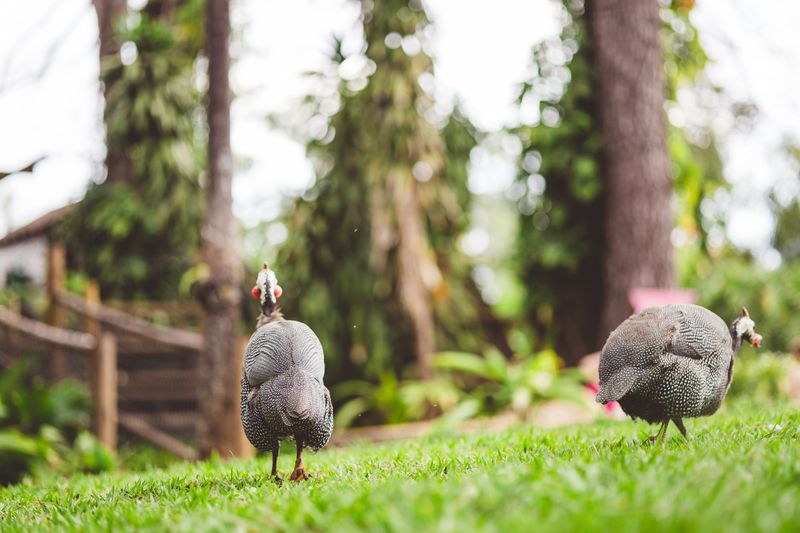
Starting with guinea fowl is easier than most people expect. A little planning upfront saves a lot of frustration once the birds arrive and settle in.
First, you need a secure shelter. Guinea fowl roost high off the ground in the wild, so a coop with elevated perches works best for keeping them comfortable and safe overnight.
Predators are a real concern in many parts of the state. Foxes, raccoons, and hawks all see guinea fowl as a meal, so your enclosure needs solid hardware cloth and a covered top if possible.
During the day, the birds do best with free-range access to your yard. A fenced perimeter helps keep them on your property, though determined guinea fowl can fly over low fences without much effort.
Start with keets, which are baby guinea fowl, raised inside your home for the first few weeks. Imprinting them to your space early makes them far more likely to stay close to home as adults.
Feed them a high-protein game bird starter when young, then transition to a maintenance feed as they mature. Fresh water access every day is non-negotiable for keeping a healthy flock.
Many townships in the state allow backyard poultry, but always check your local ordinances before purchasing birds. Some areas have noise restrictions that may apply to guinea fowl specifically.
A well-planned setup makes raising guinea fowl genuinely rewarding. Your yard, and everyone walking through it, benefits from having fewer ticks around.
Comparing Guinea Fowl To Chickens For Tick Control
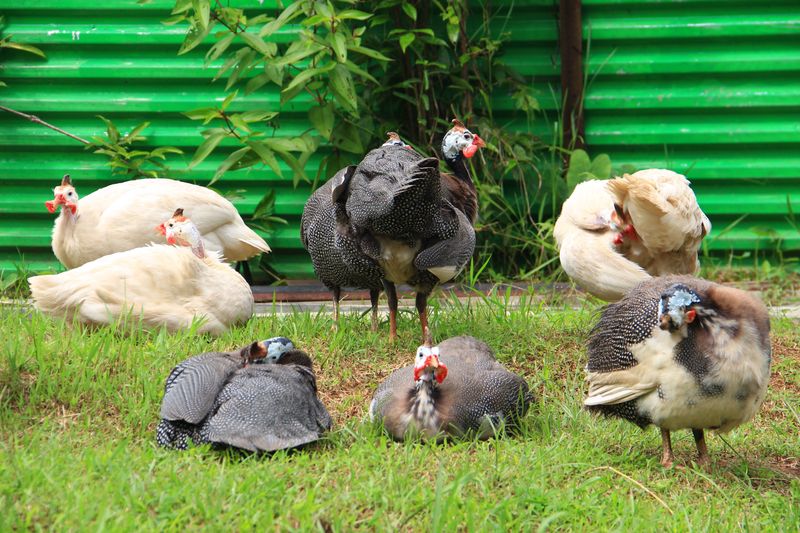
Chickens get all the backyard bird glory, but guinea fowl are the unsung heroes of pest management. When it comes to ticks specifically, guinea fowl generally have the edge.
Chickens scratch and dig, which can damage garden beds and lawn areas over time. Guinea fowl walk and peck without disrupting the soil, making them far gentler on landscaping you have worked hard to maintain.
Both birds eat insects, but guinea fowl are far more focused on ground-level pests. Chickens tend to prioritize seeds and table scraps when given the choice, while guinea fowl stay locked onto moving insects throughout the day.
Egg production is where chickens clearly win. Guinea fowl do lay eggs, and the eggs are rich and flavorful, but production levels are lower and more seasonal than what chickens reliably offer.
Guinea fowl are also louder, which is a meaningful difference depending on your neighborhood situation. Chickens cluck; guinea fowl scream, and they do it often and enthusiastically throughout the day.
On the other hand, guinea fowl are generally hardier birds with fewer health issues. They tend to resist common poultry diseases better and require less hands-on medical care over their lifespan.
If your primary goal is natural tick control rather than egg production, guinea fowl are generally the better fit.
Their constant roaming and foraging habits make them well-suited to the job, even if they can’t clear a yard on their own. Choosing between the two really comes down to your priorities as a backyard keeper.
Noise And Behavior Traits Homeowners Should Expect
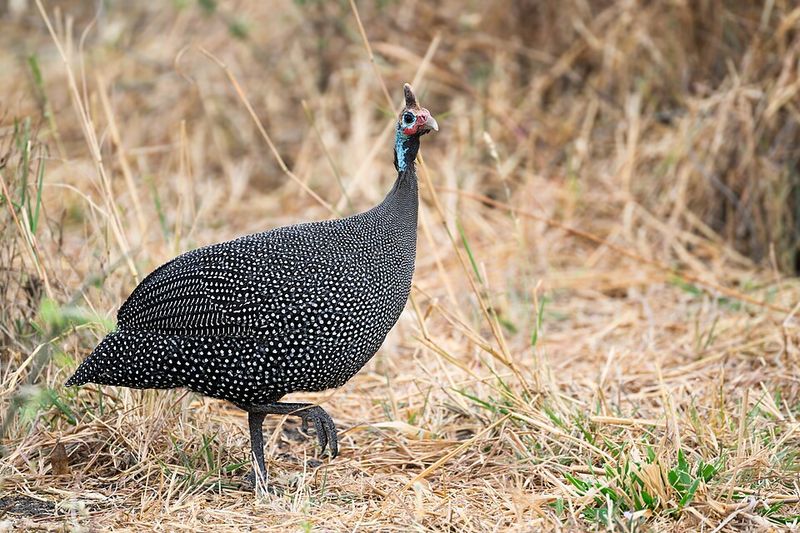
Nobody warns you about the noise, and that is a genuine oversight in most guinea fowl guides. These birds are loud in a way that catches first-time owners completely off guard.
Their signature call sounds like a two-syllable screech repeated over and over with enthusiastic conviction. Once they start, they can keep going for several minutes, especially when startled or excited.
They alarm-call at almost anything new: passing cars, unfamiliar animals, low-flying birds, or even a jacket left on a fence post. Some owners actually appreciate this trait as a natural security alert system.
Beyond the noise, guinea fowl are social and flock-oriented birds. Separating one from the group causes visible stress, so plan to keep at least three or four birds together at all times.
They can be skittish around humans, especially if not handled regularly from a young age. Spending time near them as keets helps build a level of comfort that carries into adulthood.
Free-ranging guinea fowl may wander farther than expected, particularly in the fall when instincts push them to explore wider territory. Consistent feeding near the coop helps anchor them to your property.
Their behavior is entertaining to watch once you adjust to the chaos. They move in tight clusters, react dramatically to small surprises, and seem to take their patrol duties with great personal seriousness.
Living with guinea fowl means embracing a bit of daily noise and unpredictability. For many owners, having fewer ticks around makes the adjustment worth it.
Other Natural Ways To Reduce Tick Populations At Home
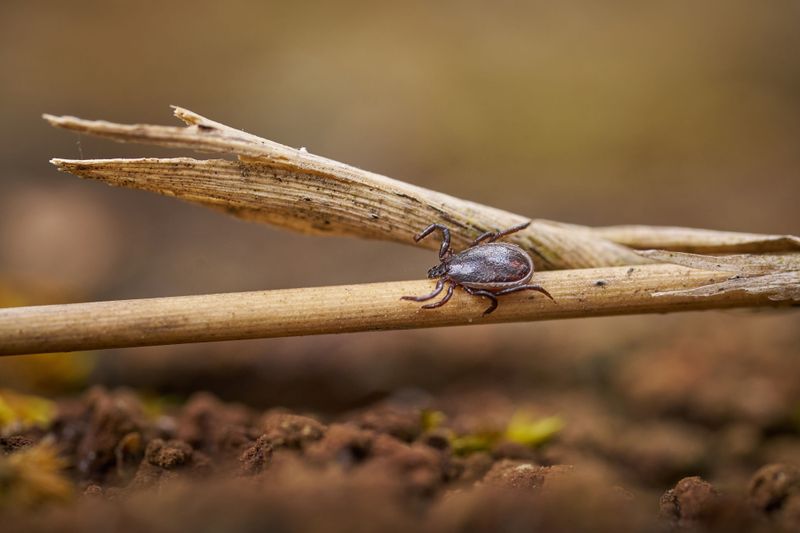
Guinea fowl are powerful allies, but they work even better when paired with other natural strategies. A layered approach gives ticks fewer places to survive and breed on your property.
Keep your lawn mowed short and regularly trimmed around the edges. Ticks prefer shaded, moist areas with tall vegetation, so a well-maintained yard removes a lot of their favorite hiding spots.
Create a dry mulch barrier between your lawn and any wooded areas nearby. Cedar mulch works particularly well because ticks dislike crossing dry, aromatic materials to reach your grass.
Remove leaf litter from the yard as frequently as possible, especially in autumn. Piles of damp leaves are prime tick habitat, and clearing them consistently is one of the simplest ways to reduce hiding spots.
Deer are one of the primary hosts that carry ticks onto residential properties. Planting deer-resistant species along your borders reduces the number of tick-carrying visitors entering your yard each season.
Opossums are another animal often mentioned in this conversation. However, the popular claim that they eat thousands of ticks a week has since been debunked by researchers who found no tick remains in opossum stomach contents.
They may still pick off a few ticks while grooming, but they shouldn’t be counted on as pest control.
Nematodes are microscopic organisms you can purchase and apply to your soil. Certain species specifically target tick larvae in the ground before those larvae ever get a chance to mature.
Combining guinea fowl with these complementary strategies creates a genuinely robust defense. Natural tick control works best when multiple layers work together, protecting your outdoor spaces season after season.
Why Guinea Fowl Might Be Your Best Backyard Investment
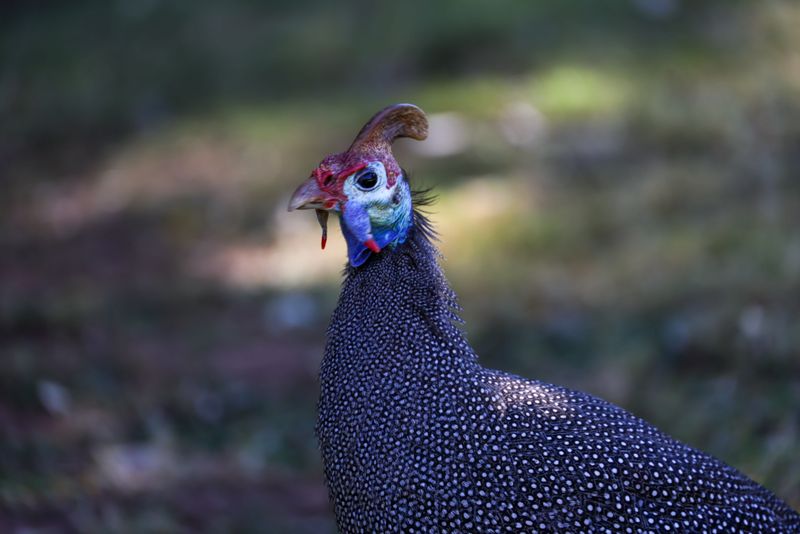
Putting money into a flock of guinea fowl pays off in ways that go well beyond pest control. These birds bring a level of practical value that most backyard additions simply cannot match.
The startup cost is modest compared to other pest management solutions. A small flock of six birds is generally cheaper to start and maintain than a season of professional tick spraying, though costs vary by location and setup.
Once established, guinea fowl are relatively low-maintenance animals. They forage for most of their own food during warmer months, which keeps ongoing feed costs surprisingly affordable for most households.
Their presence alone acts as a deterrent for certain pests and predators. Hawks and ground predators sometimes avoid areas where loud, alert birds are actively patrolling throughout the day.
Guinea fowl eggs, while smaller than chicken eggs, are considered a delicacy by many food enthusiasts. Selling or sharing extras with neighbors adds a fun bonus to an already practical setup.
Children find guinea fowl endlessly fascinating, and raising them teaches responsibility in a hands-on way. Caring for a small flock builds routines and connections with the natural world that screen time simply cannot replicate.
Neighbors often become curious once they see the birds working the yard. Sharing what you have learned can spark a wider interest in natural pest management across your whole block.
Natural tick control through guinea fowl is not just a trend; it is a long-standing practice that rewards patient, thoughtful backyard keepers, especially when paired with other tick-reducing habits.