Where Whiteflies Hide First On Michigan Patio Plants Before Leaves Turn Sticky
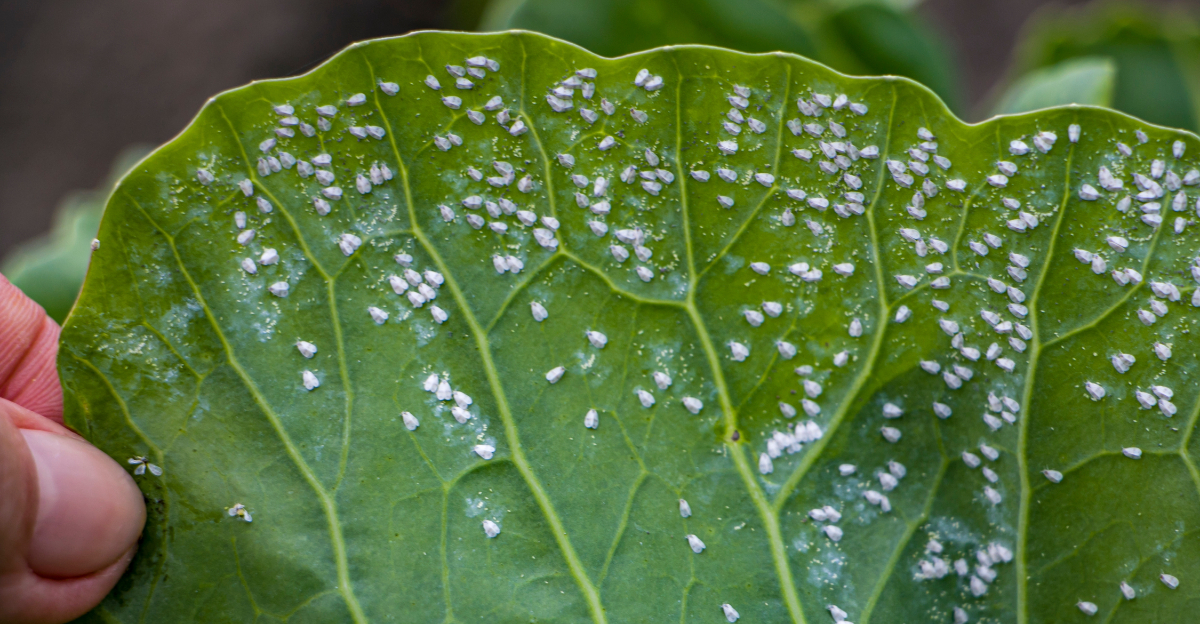
Whiteflies announce themselves dramatically once populations build, with clouds of tiny insects rising from disturbed foliage and the sticky honeydew residue that coats everything below an infested plant.
By that point the infestation has been developing for longer than most Michigan gardeners realize.
Whiteflies establish in specific locations on a plant before spreading, and those initial hiding spots are predictable enough to check deliberately during routine patio plant care.
Finding them early, before sticky leaves become an obvious symptom, prevents a reactive scramble. This simple intervention takes far less time and effort than fighting a full-blown infestation in the August heat.
1. The Undersides Of Leaves Are The First Place To Look
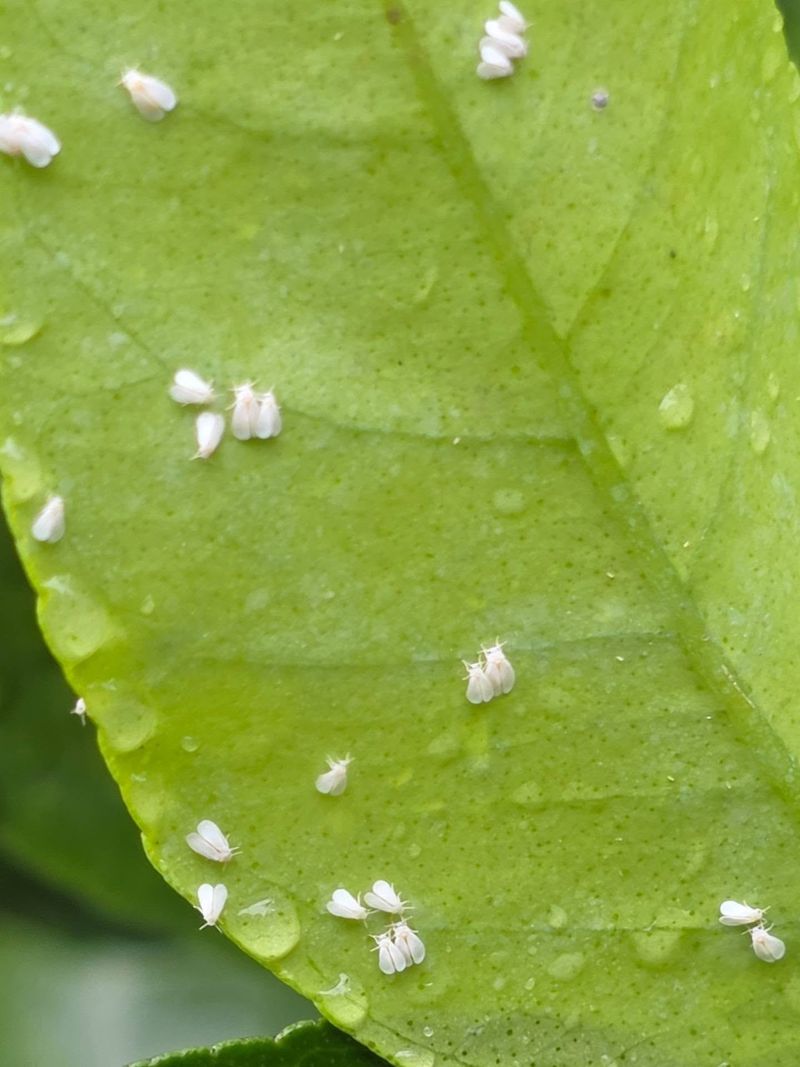
Flip a leaf over and you might be surprised by what you find hiding there. Whiteflies almost always start on the underside of leaves, where they feel protected from wind, direct sunlight, and anything that might disturb them.
From the top of the plant, everything can look perfectly fine, which is exactly why so many gardeners miss the early signs.
Eggs are tiny, pale, and shaped like little ovals. They get laid in neat circular patterns on the lower leaf surface, and unless you are specifically looking for them, they blend right in.
Young whiteflies, called nymphs, are flat and nearly see-through, making them even harder to spot at first glance.
Michigan patio gardeners should build a habit of checking leaf undersides at least once a week during warm months, especially from June through August when pest pressure tends to rise.
Pick a few leaves from different parts of the plant, gently turn them over, and look closely near the veins where feeding activity often starts.
Plants like tomatoes, petunias, hibiscus, and fuchsia are especially worth inspecting regularly. A small magnifying glass can make a huge difference when you are trying to see early-stage nymphs or freshly laid eggs.
Catching activity at this stage means you can act quickly before honeydew builds up and the leaves start feeling sticky to the touch. Regular checking takes less than five minutes and can save a whole container plant from serious stress.
2. Tender New Growth Can Attract Early Feeding
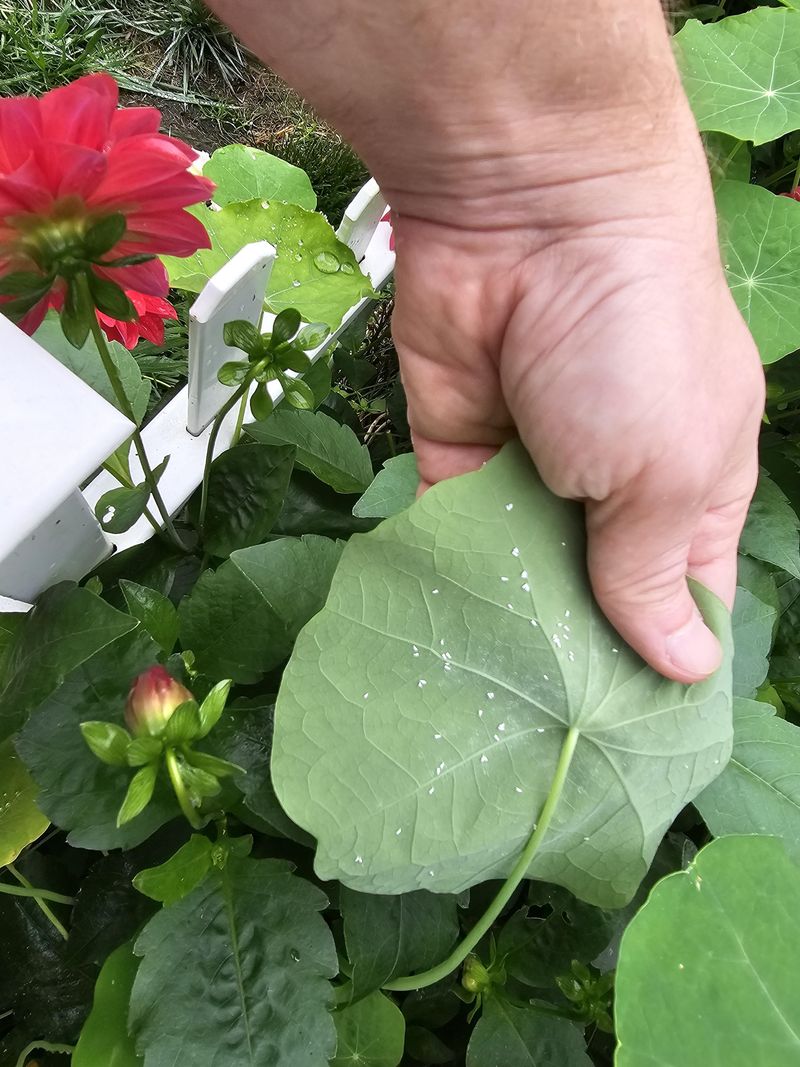
Young leaves are basically an open invitation for sap-feeding insects. Fresh, tender growth has thinner cell walls and higher moisture content, making it much easier for tiny pests like whiteflies to pierce through and feed.
When new shoots appear on your patio plants, that is often the first place whitefly activity quietly begins.
Think about how plants grow during Michigan summers. A potted hibiscus or a hanging basket of lantana can push out new growth almost daily when temperatures are warm and watering is consistent.
Each new leaf that unfurls is a soft, accessible food source for whiteflies looking for the easiest spot to settle.
Checking fresh shoot tips and newly opened leaves should become a regular part of your routine.
Run your fingers gently along the stem and look at the undersides of the youngest leaves, especially the ones that have not fully flattened out yet. Whiteflies often cluster near the growing tips because that tissue stays soft the longest.
Your Michigan Garden Changes Every Week. Your Plan Should Too.
Gardening in Michigan changes quickly throughout the season. Every Friday you’ll receive a simple weekly plan showing exactly what to plant, prune, fertilize, harvest, and protect so you never miss the right timing.
One useful habit is to inspect new growth every time you water your containers. You are already close to the plant, so it only takes a moment to look.
Early feeding on young growth can cause leaves to curl, look slightly yellowed, or feel a little rough even before any stickiness shows up elsewhere on the plant.
Spotting this early gives you a much better chance of managing the problem before it spreads to older leaves and larger portions of the plant. Fresh growth is always worth a second look.
3. Crowded Inner Leaves Can Hide The Problem Longer
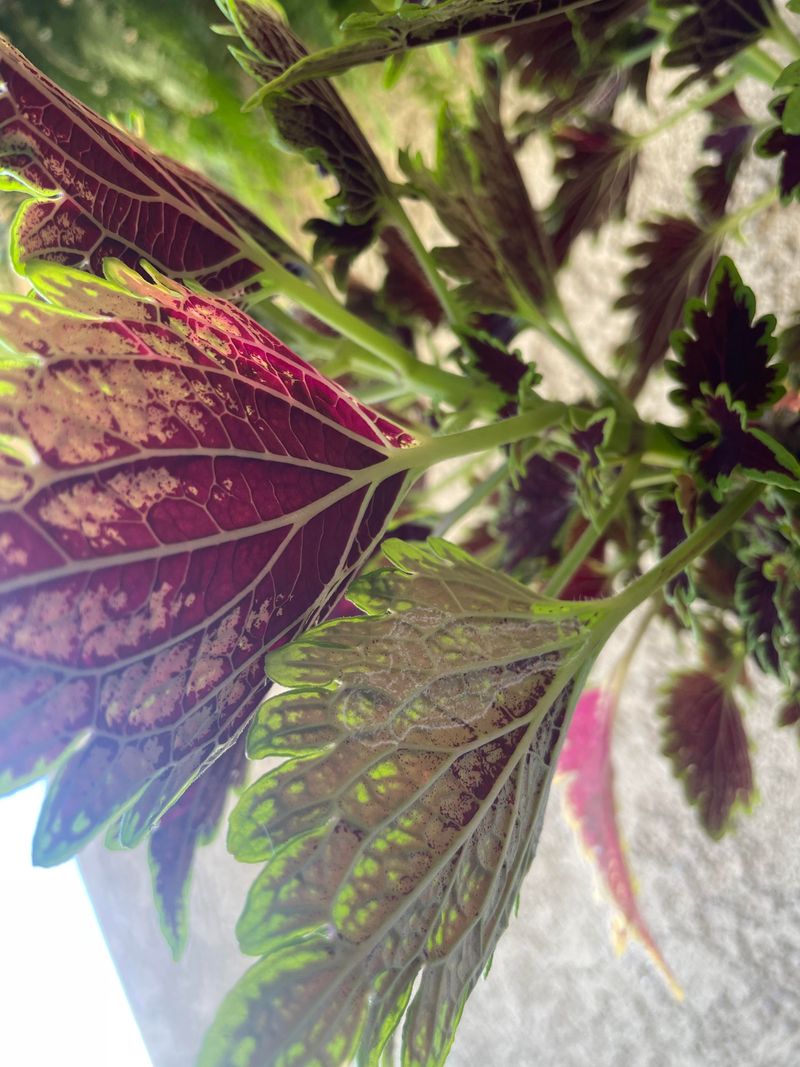
Some plants are naturally full and bushy, and that lush look is part of what makes them so appealing on a patio. But all that thick foliage also creates a perfect shelter for whiteflies to feed and multiply without being noticed.
The inner leaves of a dense plant get less airflow, less direct light, and far less attention during regular inspections.
Plants like coleus, impatiens, and large potted geraniums can develop a serious whitefly population deep inside their canopy before a single sticky leaf shows up on the outside.
The outer leaves might look completely healthy while the inner growth is already under stress. That gap between what you see and what is actually happening is what makes crowded plants tricky.
To check a bushy plant properly, gently part the outer branches and look inside toward the center stems. Focus on the undersides of those inner leaves, especially any that look slightly pale, spotted, or curled in an unusual way.
A small flashlight can help you see more clearly in the shaded center of a thick plant.
Pruning and thinning out dense patio plants is not just about looks. Better airflow and more light reaching the inner leaves actually makes it harder for whiteflies to build up undetected.
Removing a few crowded stems every few weeks keeps the plant open enough for you to inspect it easily.
A well-shaped plant is a plant you can actually monitor, and that makes a real difference when you are trying to catch pest activity before the sticky stage begins.
4. Leaf Axils Can Hold Hidden Whiteflies
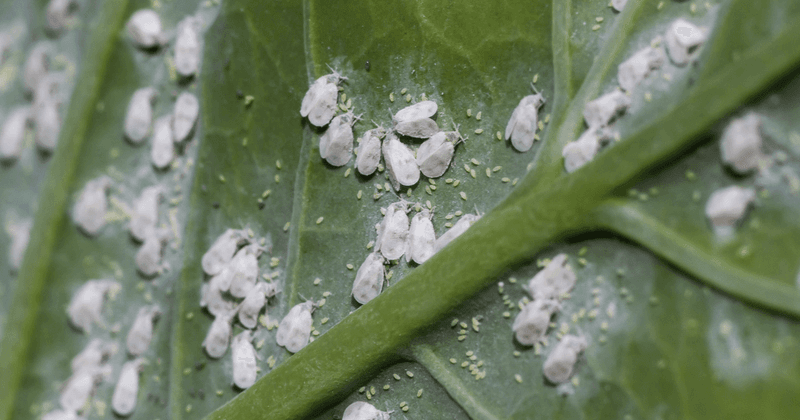
There is a little pocket where every leaf connects to a stem, and that spot has a name: the leaf axil. It might seem like a minor detail, but for small insects like whiteflies, that tucked-away crease is practically a hideout.
It offers shelter, warmth, and direct access to the plant’s vascular system, making it one of the first places whiteflies settle in before spreading further.
Bushy patio favorites like hibiscus, lantana, fuchsia, and potted herbs such as basil and mint are especially worth checking at the axils. These plants tend to have lots of branching points, which means lots of hidden spots for early activity.
A single plant can have dozens of leaf axils, each one a possible starting point for an infestation.
Checking axils takes a little extra patience because you need to look closely at each junction rather than just scanning the leaf surface.
Use your fingertip to gently press around the base of each leaf stalk and look for tiny pale specks, fine webbing, or a slight stickiness that hints at feeding activity nearby.
Even a few insects tucked into an axil can signal the beginning of a larger problem. Michigan gardeners often overlook these spots simply because they are not obvious at first glance.
Making axil checks a regular part of your inspection routine adds only a minute or two to the process but can catch activity much earlier than waiting for visible symptoms.
The earlier you find it, the easier it is to manage without the whole plant becoming affected by sticky honeydew residue.
5. A Small White Cloud Means Adults Are Already Present
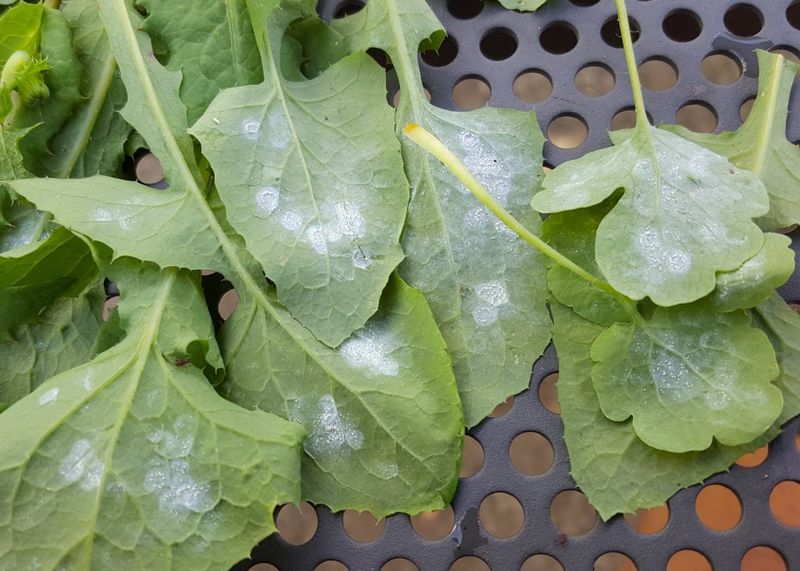
Picture walking past your patio containers and giving one a gentle brush, only to see a tiny cloud of white specks scatter into the air. That moment is not random.
Those are adult whiteflies, and their sudden flight is one of the most reliable early warning signs a Michigan patio gardener can spot with no tools at all.
Adult whiteflies are small, about one to two millimeters long, and covered in a powdery white coating. They tend to rest on leaves and feed quietly, but any slight disturbance sends them flying briefly before they settle back down.
If you see even a handful scatter when you touch a plant, it is time to flip the leaves and look more carefully at what is going on underneath.
At this stage, the plant may not yet have sticky leaves or visible damage. That is actually good news, because it means you caught things before the honeydew stage fully began.
Adults have been feeding, but if you act now, you can often manage the situation before eggs hatch and the population grows larger.
A simple walk-through of your patio every few days, gently touching each plant as you pass, can reveal adult whitefly presence long before other symptoms appear.
Pay extra attention to plants that are close together, since adults can move easily between containers.
Hibiscus, tomatoes, and any tropical plants you bring outside for Michigan summers are worth a gentle shake every week. Catching the white cloud early is genuinely one of the fastest ways to get ahead of a whitefly problem before it escalates.
6. Sticky Lower Leaves Mean Honeydew Is Falling From Above
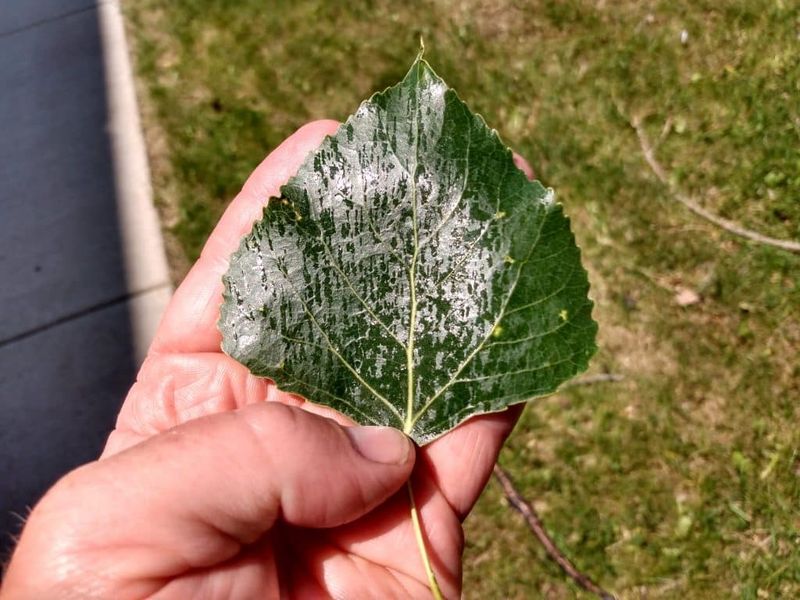
Finding sticky leaves near the bottom of a patio plant is confusing at first. You check those lower leaves closely and find no insects on them at all.
The real action, though, is happening several inches above. Honeydew, the sugary waste that whiteflies produce while feeding, drips downward and coats whatever leaves sit below the feeding zone.
This drip pattern is actually a helpful clue. If only the lower leaves feel tacky, look up.
Inspect the leaves directly above the sticky area, especially their undersides, and that is likely where you will find whiteflies actively feeding. The stickiness below is essentially a trail pointing you toward the source of the problem.
Michigan patio gardeners sometimes spend time wiping down the lower leaves without ever addressing the actual feeding happening higher up.
Cleaning the residue is fine, but it will keep coming back unless the insects above are dealt with. Following the honeydew trail upward is the smarter move.
Once you identify the feeding zone, check those leaves thoroughly for eggs, nymphs, and adults clustered along the veins and midrib on the underside.
A damp cloth can remove some of the insects and residue during your inspection, but make sure to follow up with a proper treatment plan suited to the plant type.
Keeping lower leaves clean while monitoring upper growth also helps you track whether the population is growing or declining after you take action.
Sticky leaves are not the problem themselves, they are a sign pointing you toward where the real inspection needs to happen.
7. Black Sooty Coating Means The Sticky Stage Has Gone Further
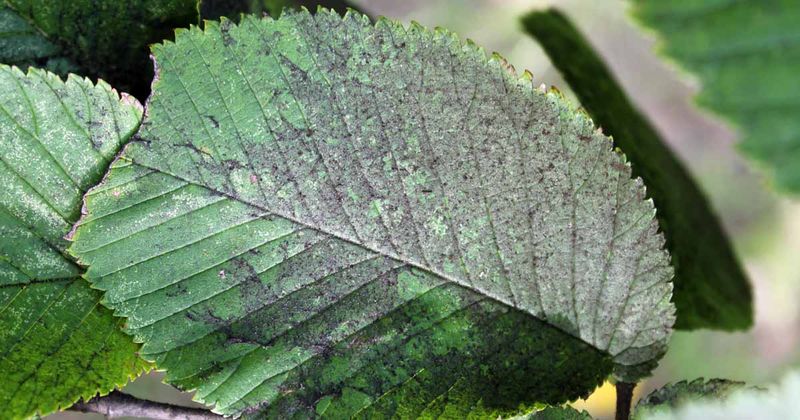
When you notice a dark, almost dusty-looking coating spreading across your plant’s leaves, that is sooty mold, and it is a sign that honeydew has been sitting on the foliage long enough for a fungus to grow on top of it.
The mold itself does not directly harm the leaf tissue, but it blocks light and signals that sap-feeding insects have been active for some time without being caught.
Sooty mold is common on Michigan patio plants that have experienced extended whitefly feeding, especially during humid stretches in July and August.
It tends to show up first on leaves that catch the most dripping honeydew, which are usually the ones sitting just below the main feeding zone.
The coating can range from a faint gray smudge to a thick black layer depending on how long the situation has been going on.
Seeing sooty mold means the inspection process needs to go deeper and wider. Check every part of the plant, not just the obvious areas, because the population may have spread to multiple feeding zones by this point.
Pay close attention to leaf undersides, axils, new growth, and any crowded inner sections that might have been missed in earlier checks.
The mold can be wiped away gently with a damp cloth, and doing so helps the plant absorb sunlight more effectively while you work on addressing the insects. Think of it as a reset for the leaf surface.
Moving forward, more frequent inspections of the whole plant will help you catch any new activity before honeydew has a chance to build up and the sooty stage begins again.
8. New Patio Plants Should Be Checked Before They Join The Group
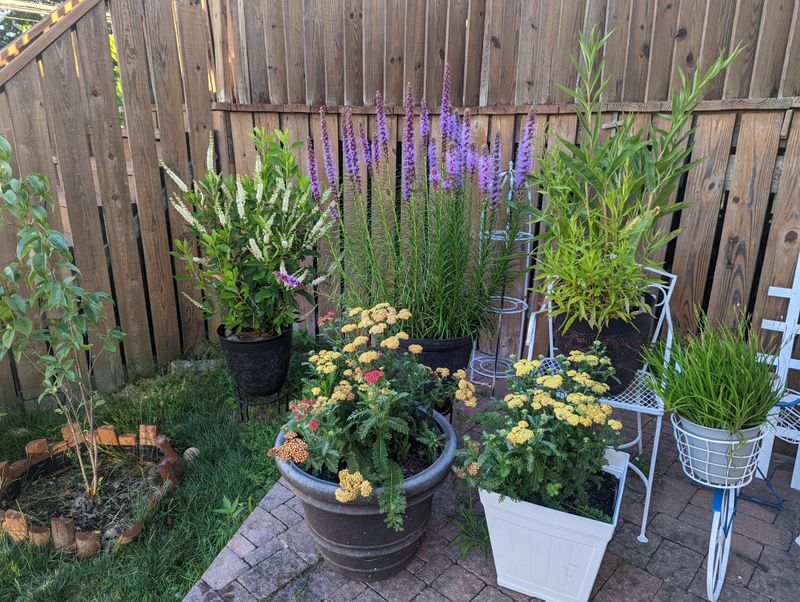
Bringing home a beautiful new hanging basket or a fresh tropical plant feels exciting, especially at the start of Michigan’s outdoor season.
But that new plant deserves a thorough inspection before it gets placed anywhere near your existing containers.
Whiteflies and their eggs can hitch a ride from a garden center without anyone noticing, and once a new plant joins the group, spreading becomes very easy.
Before placing any new plant on your patio, find a spot away from your other containers and spend a few minutes looking it over carefully.
Check the undersides of every leaf you can reach, look at the leaf axils, inspect any tender new growth, and feel the leaves for any hint of stickiness.
A plant that seems healthy from a distance can still carry early-stage eggs or nymphs that are not yet visible without close inspection.
Herbs, annuals like petunias and impatiens, tropical plants such as hibiscus and mandevilla, and hanging baskets of fuchsia are all common sources of whitefly introductions on Michigan patios.
Garden centers often have many plants in close proximity, which makes pest movement between them very easy before you ever get the plant home.
Keeping a new plant separate for about a week before introducing it to your patio is a smart precaution.
During that time, check it every couple of days using everything you have learned: undersides, axils, new shoots, and any white cloud that appears when you brush the leaves.
A short quarantine period costs very little effort and protects all the healthy plants you have already worked hard to maintain throughout the season.