This Flowering Bush Turns Michigan Gardens Into A Bird Friendly Hideaway

Something magical happens in a Michigan garden when a lilac bush reaches full size.
The branches thicken, the blooms burst open in shades of purple and white, and suddenly the yard feels alive with birds darting in and out of the leaves.
Lilacs have been a backyard favorite across the Midwest for generations, and Michigan gardeners are rediscovering just how much these shrubs can do beyond smelling incredible.
Growing a lilac with birds in mind means thinking about structure, sunlight, spacing, and a few smart companion plants that turn one flowering bush into a whole bird-friendly system.
Whether you already have a lilac or you are thinking about planting one, these tips will help you get more out of every branch and bloom.
Lilacs Grow Into Dense Cover
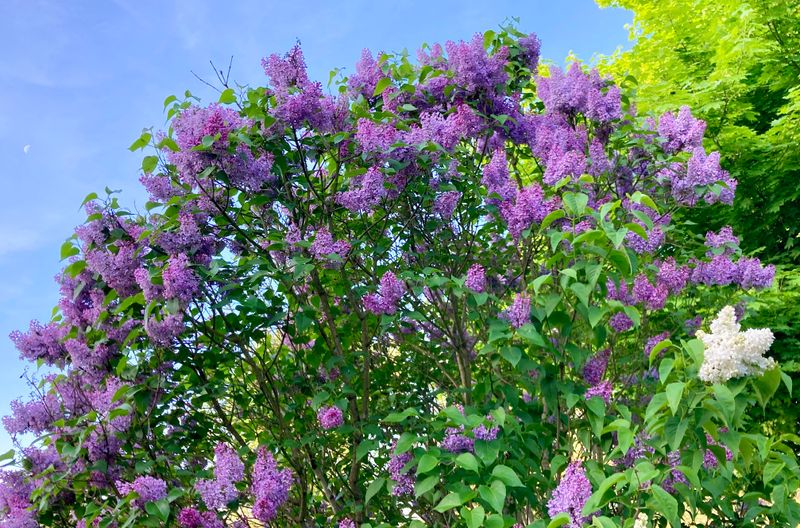
Mature lilacs are serious shelter machines.
A lilac that has been growing for ten or more years develops a dense network of woody canes and layered branches that create exactly the kind of cover birds look for when they want to feel safe.
Robins, song sparrows, and catbirds are known to nest inside the thick inner canopy of established lilacs, tucking their nests where predators have a hard time spotting them.
The key to unlocking this shelter value is patience.
A young lilac planted today might look thin and unimpressive for the first few years.
But common lilacs, especially Syringa vulgaris, can grow into large multi-stemmed shrubs that reach ten to fifteen feet tall and nearly as wide. That size matters a lot for birds.
Resist the urge to keep a lilac tightly trimmed like a hedge.
The more you allow natural branching to develop, the more layers of cover you create. Outer branches catch the eye with blooms, but the dense interior is where birds actually feel protected.
A mature lilac is essentially a living fortress with a pretty face.
Give it space to spread, let the canes multiply naturally over time, and you will end up with a shrub that offers real shelter from wind, rain, and the neighborhood cat.
Give Them Full Sun For Better Blooms
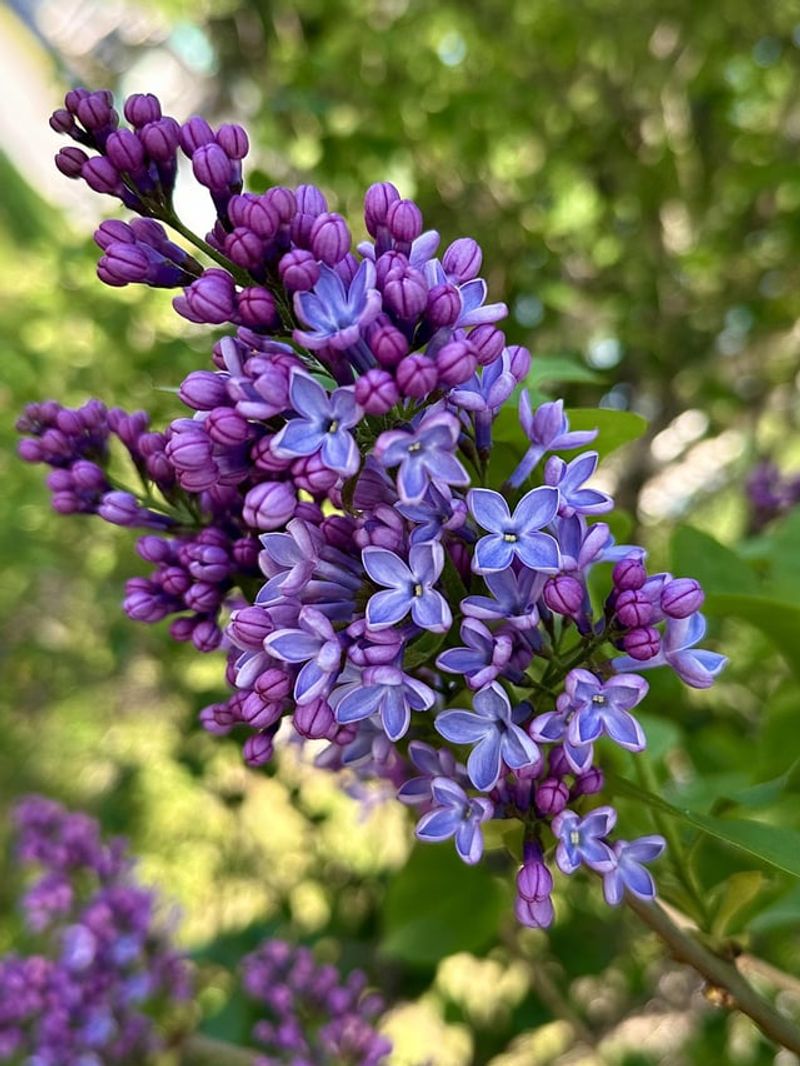
Sunlight is the secret behind those famous lilac blooms.
Plant a lilac in too much shade and you will get plenty of leaves but very few flowers. Lilacs perform best with at least six hours of direct sun each day, which encourages strong flower bud development and keeps the plant vigorous season after season.
For Michigan gardeners, that means choosing a planting spot thoughtfully.
Watch how sunlight moves across your yard throughout the day before you dig a hole. South-facing and west-facing spots typically get the most consistent light during the growing season.
Avoid planting too close to large trees that will eventually shade out the lilac as they grow taller.
More blooms also means more bird activity.
While lilacs do not produce nectar that most birds feed on directly, the flowers attract insects that insect-eating birds absolutely love.
Warblers and wrens will work through lilac bloom clusters hunting for tiny caterpillars and beetles right at peak flowering time.
Your Michigan Garden Changes Every Week. Your Plan Should Too.
Gardening in Michigan changes quickly throughout the season. Every Friday you’ll receive a simple weekly plan showing exactly what to plant, prune, fertilize, harvest, and protect so you never miss the right timing.
Better sun equals bigger blooms equals more insects equals more birds.
That chain reaction starts with one simple decision about where you put the plant.
A sunny spot is not just good for the lilac. It is good for the whole yard ecosystem you are trying to build.
Keep Air Moving Around Branches
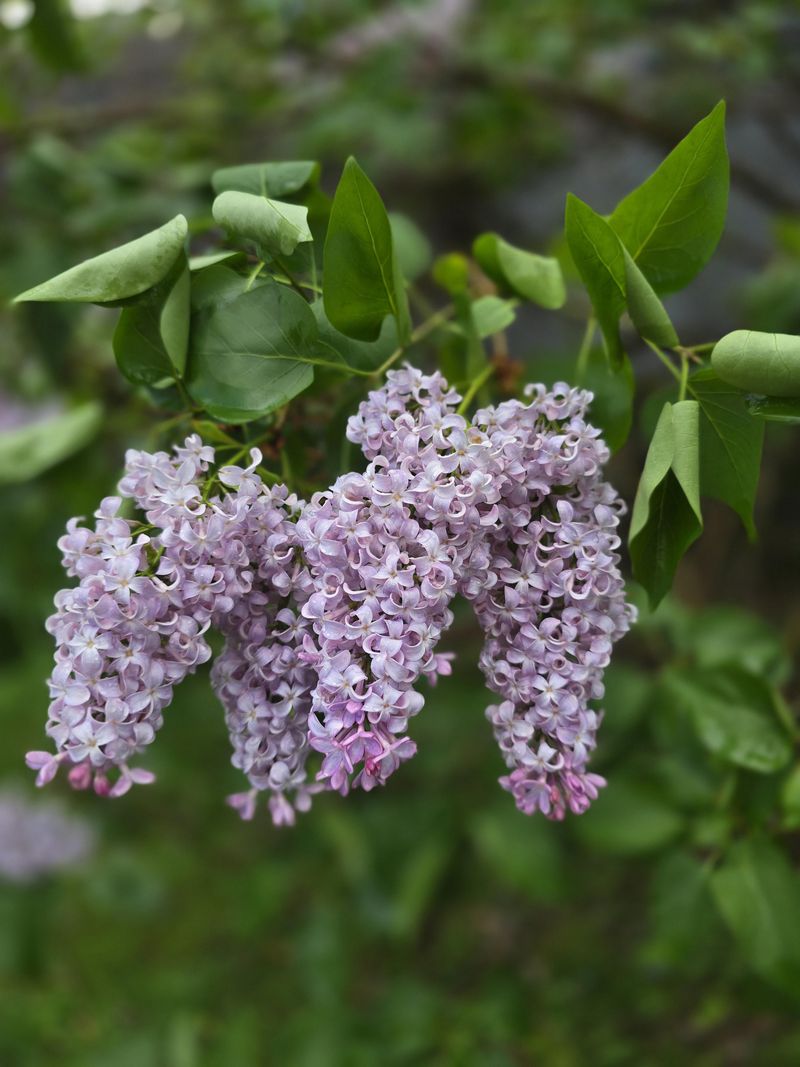
Powdery mildew is the most common problem lilac growers face in Michigan, and poor air circulation is usually the reason it shows up.
That white, dusty coating on the leaves looks bad and weakens the plant over time, but it is largely preventable with smart spacing.
Planting lilacs at least five to six feet apart from other shrubs and structures allows adequate airflow around the canopy.
Good spacing does more than fight mildew. It also makes the shrub more attractive to birds.
A lilac with open, accessible branches is easier for birds to navigate. Chickadees and nuthatches like to work the outer branches of shrubs with room to land and move freely.
A cramped, overcrowded planting gives birds fewer comfortable entry and exit points, which reduces how often they visit.
If you already have lilacs planted too close together, selective thinning can help.
Remove a few interior canes to open up the center of the shrub and let breezes flow through. This does not mean cutting the plant back severely. It means carefully removing crossing or crowded canes at the base to improve the overall structure.
Healthy foliage also looks much better in the landscape and holds up longer into summer.
A lilac that breathes well stays green and lush longer, giving birds shade and cover well past the spring bloom season when the flowers are long gone.
Prune Right After Spring Flowers
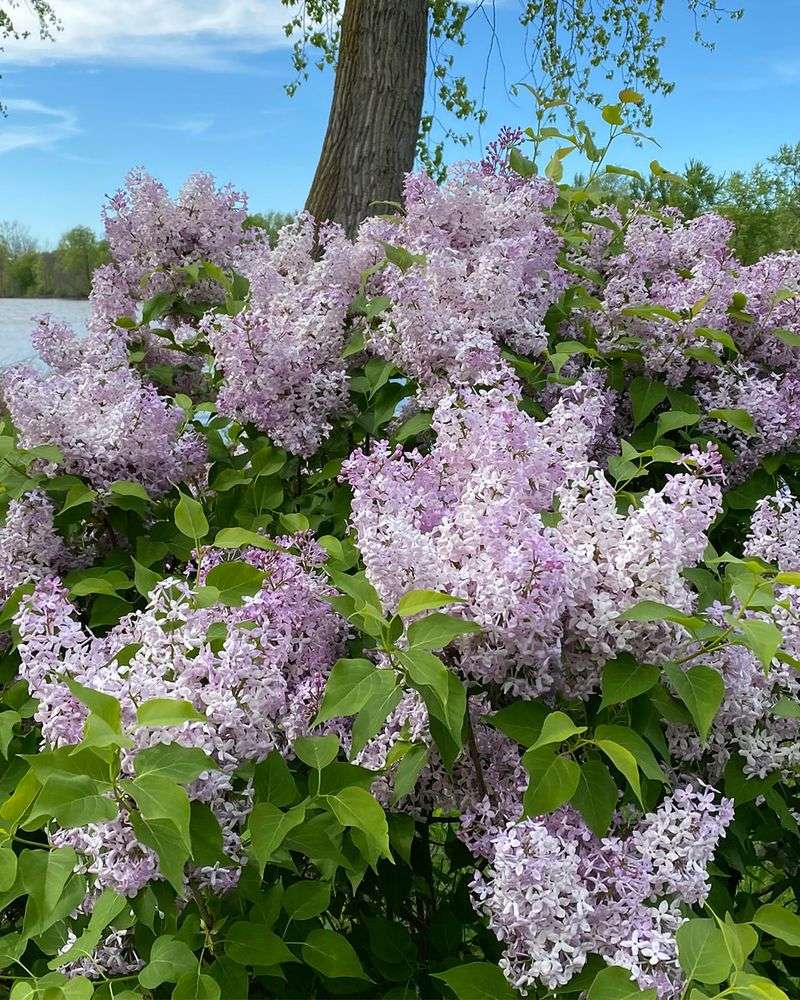
Timing is everything with lilac pruning.
Prune too late in the season and you will accidentally remove the flower buds that are already forming for next spring.
Lilacs set their bloom buds on old wood during summer and fall, which means any cuts made after late June are cutting into next year’s flower show before it even has a chance to happen.
The right window is right after the flowers fade, typically late May to early June in Michigan.
Once those blooms are spent, you have a few weeks to shape, thin, or remove unwanted canes without hurting future blooms.
Trimming the spent flower clusters during this window is also a good idea. It redirects the plant’s energy away from seed production and toward healthy new growth instead.
For birds, proper pruning timing actually helps maintain better structure.
Cuts made at the right time heal cleanly before winter, leaving sturdy branch junctions that small birds use as perch points.
Messy, late-season cuts that leave stubs or weakened branches are less structurally sound and less appealing as resting spots.
Pruning is not just about keeping the plant looking tidy. Done correctly, it shapes the lilac into a stronger, more layered shrub with better branch architecture that serves both the garden’s appearance and the birds that treat it like a neighborhood hangout all season long.
Leave Some Height For Perches
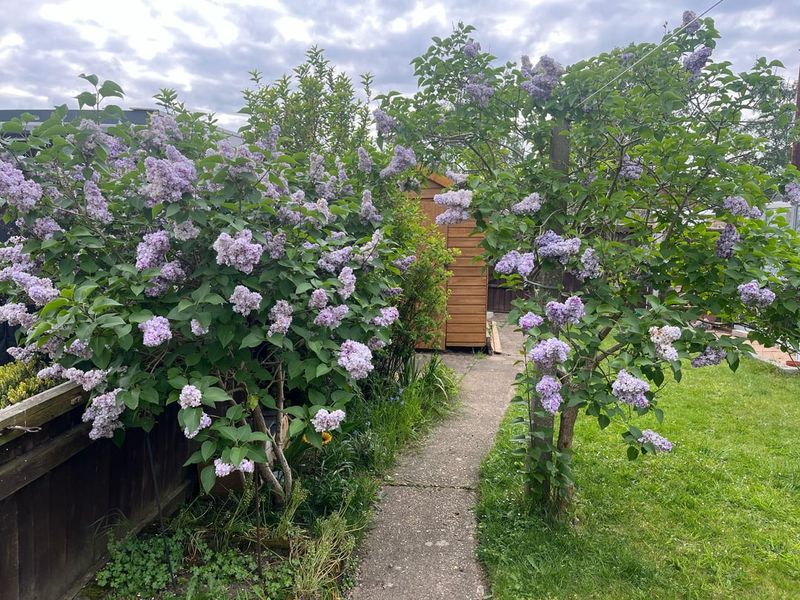
Not every branch needs to come down.
One of the most bird-friendly things you can do with a lilac is leave the upper structure tall and relatively open so birds have clear perching spots above the dense lower canopy.
Perches matter to birds more than most gardeners think. A bird sitting on a high branch is scouting for food, watching for danger, or singing to mark its territory.
Common lilacs can easily reach twelve to fifteen feet in Michigan with minimal intervention.
Those upper canes, especially the older, thicker ones, give medium-sized birds like thrushes and mockingbirds a place to land and survey the yard.
Smaller birds like goldfinches and house finches also love high perches where they can see clearly in multiple directions before dropping down to feed or drink.
When you prune, focus your cuts on the lower and interior portions of the shrub.
Leave the tallest, strongest canes standing. You are not trying to create a flat-topped hedge. You want something that looks a little wild and layered, with height variation that gives birds choices.
A shrub with high perches, mid-level cover, and a dense lower interior functions almost like a mini woodland edge right in your backyard.
That layered habitat is exactly what draws a wide variety of bird species rather than just one or two.
Height is a feature, not a problem. Embrace it.
Use Lilacs As A Soft Screen
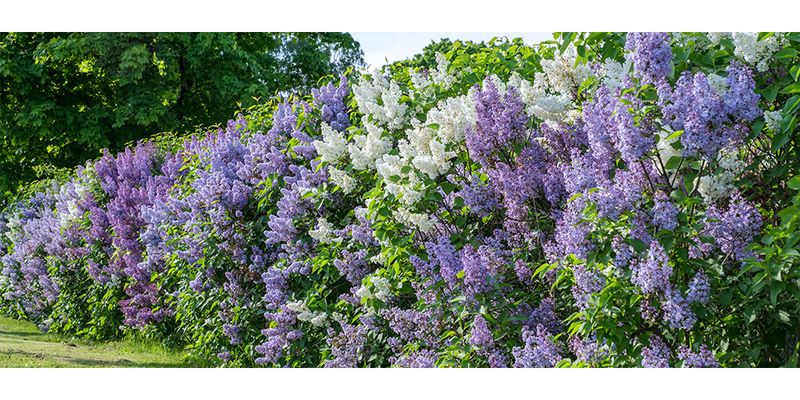
Fences are fine, but a living screen made of lilacs is something else entirely.
A row of lilacs planted along a property edge or garden border creates a soft, seasonal privacy screen that also happens to be gorgeous in spring and genuinely useful for wildlife.
Unlike a wooden fence, a lilac screen moves with the wind, changes through the seasons, and gives birds a reason to actually use it.
In Michigan, many gardeners plant lilacs along the north or west side of the yard to block winter wind and create a sheltered microclimate on the interior side.
That wind protection can make a noticeable difference in how comfortable the garden feels in early spring and late fall, which are exactly the times when migrating birds are passing through and looking for sheltered spots to rest and refuel.
Spacing plants about six to eight feet apart in a screening row gives each shrub room to develop its natural shape while still creating a connected line of cover as they mature.
The result is more organic and interesting than a clipped hedge, with gaps and layers that birds can navigate easily.
Come May, that screen turns into a wall of fragrant purple blooms that stops neighbors in their tracks.
Bloom season is brief, but the structure, privacy, and bird habitat that a lilac screen provides lasts every single month of the year. That is a pretty good return on one planting decision.
Pair Them With Berry Shrubs
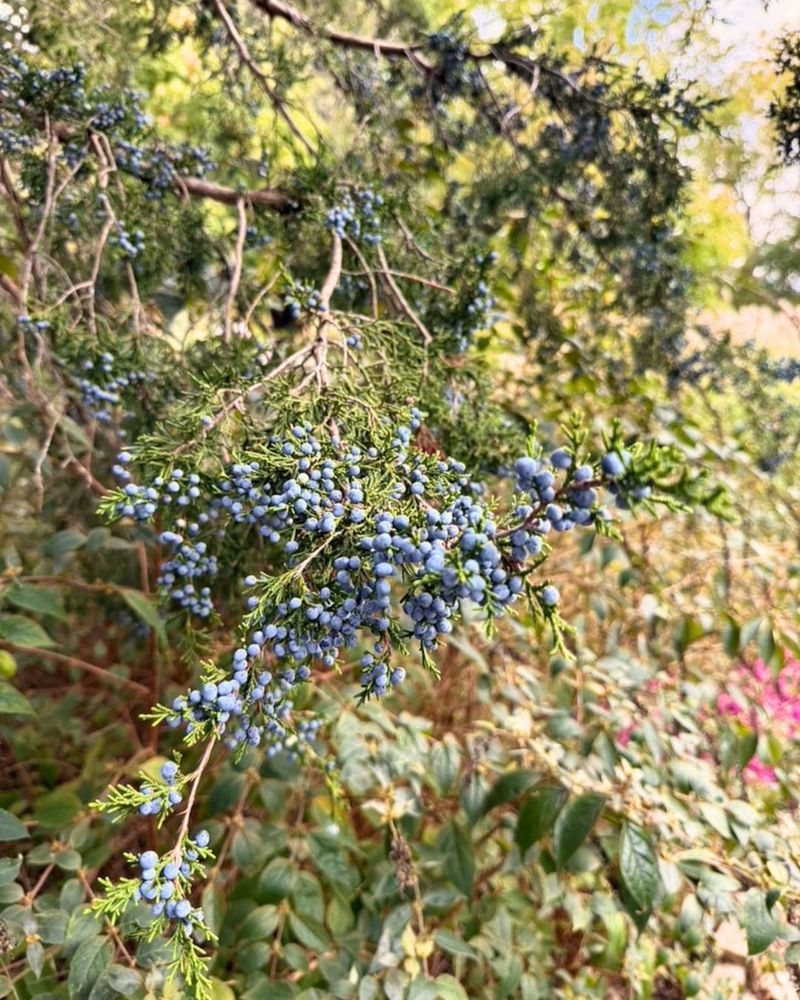
Lilacs are outstanding for cover and blooms, but they do not produce fruit that birds eat.
That is not a weakness. It is just a fact that smart gardeners plan around.
Pairing lilacs with berry-producing shrubs nearby creates a habitat combination that covers shelter, perching, and food all in the same general area of the yard.
Birds that use the lilac for cover are much more likely to visit nearby food sources regularly.
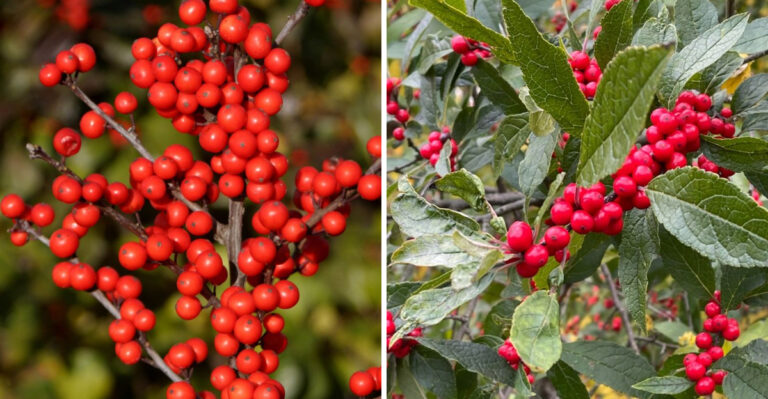
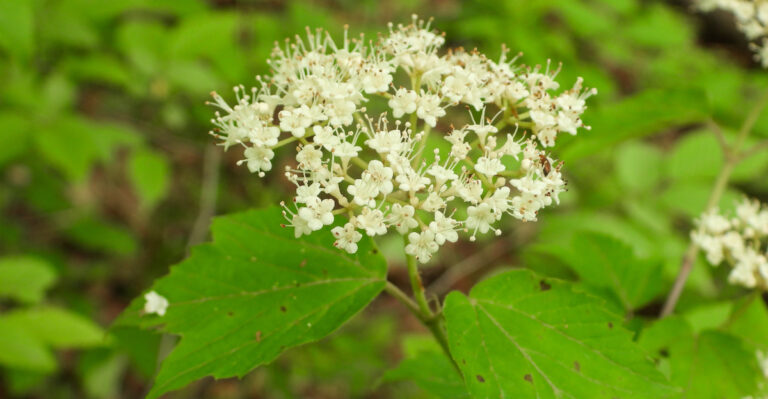
Some of the best Michigan-native companions for lilacs include serviceberry, elderberry, and native viburnums.
Serviceberry ripens in early summer right after lilac blooms fade, giving birds a smooth transition from insect hunting in the flowers to berry feeding on a neighboring shrub. Elderberry produces fruit in late summer that attracts a wide range of species.
Native viburnums hold berries well into fall and winter, supporting birds long after most other plants have finished.
Plant these companions within ten to twenty feet of your lilac to create a connected zone of activity.
Birds are more likely to explore and linger in a yard where resources are clustered together rather than spread far apart.
The lilac anchors the planting with structure and spring blooms while the berry shrubs keep birds coming back through summer, fall, and even winter.
You do not need a huge yard to pull this off. Even a modest corner planting of one lilac and one or two berry shrubs can transform how many birds visit your garden every week.
Refresh Old Canes Gradually
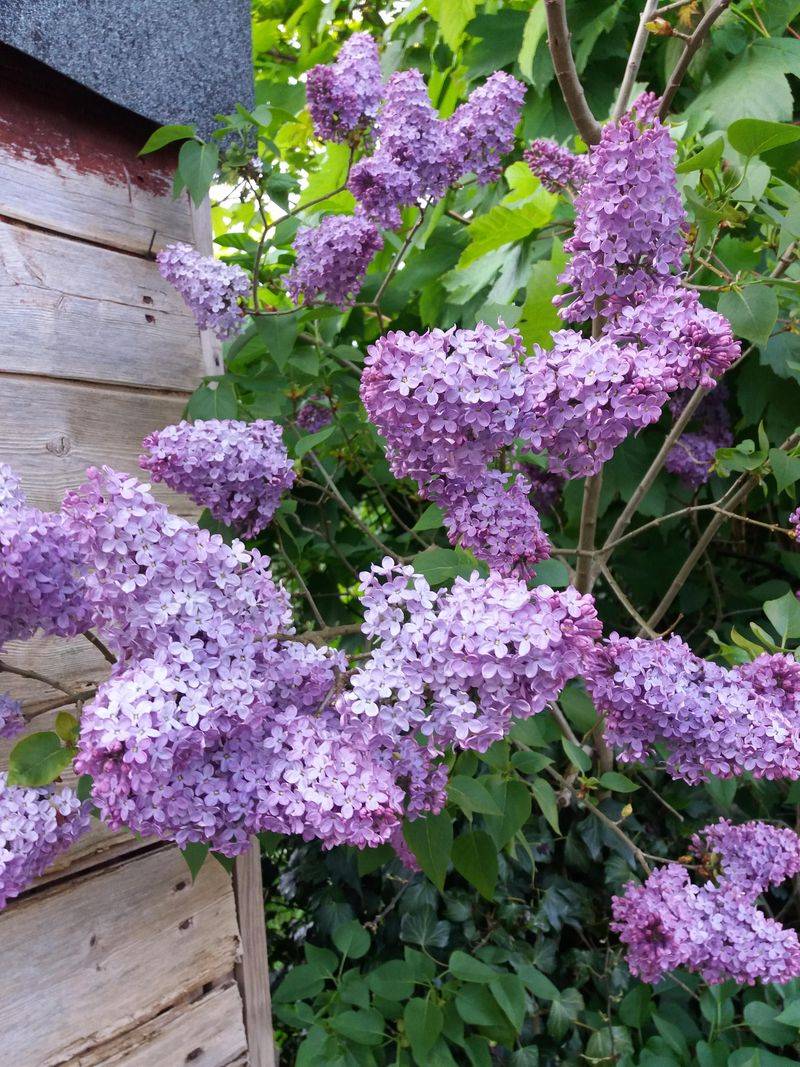
Old lilacs sometimes get a bad reputation for becoming woody and bloom-sparse, but that is usually a fixable situation.
Renewal pruning, done gradually over several years, brings an aging lilac back to productive, vigorous growth without shocking the plant or stripping away all its shelter value at once.
The approach is simple: remove no more than one-third of the oldest, thickest canes each year at ground level.
This method works with the plant’s natural growth habit rather than against it.
Removing an old cane at the base stimulates the root system to push up new shoots, which over time become the next generation of productive flowering canes.
Within three to five years, a tired old lilac can be fully refreshed with a younger, more vigorous framework that blooms more reliably and holds its shape better throughout the season.
For birds, gradual renewal is far better than a dramatic renovation cut.
When you remove canes slowly over multiple years, the shrub always maintains enough structure and density to remain useful as cover and shelter.
A lilac that gets cut back hard all at once loses its habitat value for several seasons while it recovers. Gradual renewal keeps the birds happy while quietly improving the plant underneath them.
By the time the transformation is complete, everyone wins, including the gardener who gets a better-blooming, longer-lasting shrub worth keeping for decades.