What MDARD Is Warning Michigan Gardeners About This Spring
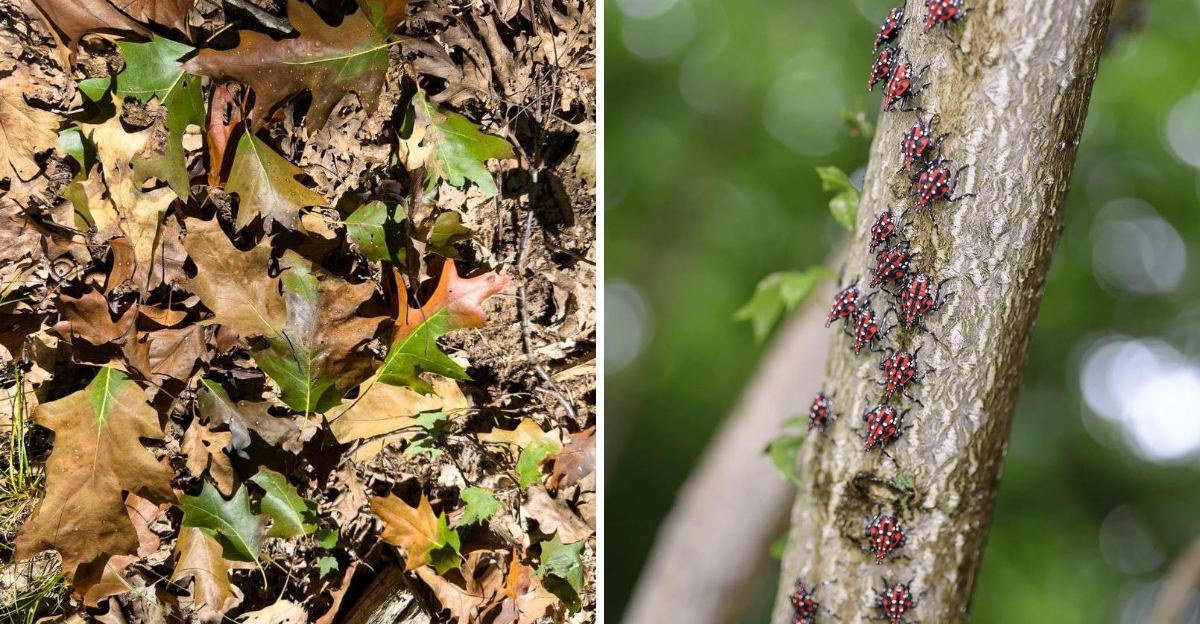
MDARD is sounding the alarm on several invasive pest and plant concerns this spring, and Michigan gardeners have good reason to pay attention.
The agency has flagged issues that affect a wide range of home gardens across the state, and the concern is not about one isolated problem.
It touches on plants that are common in Michigan yards, spreads in ways that are easy to miss until real damage is already done, and requires action during seasonal windows that can close before most people realize they have opened.
Understanding what MDARD is actually pointing to, why the timing matters this year in particular, and what gardeners can do about it right now is worth more than waiting to see how things develop through the season.
1. Do Not Move Untreated Firewood
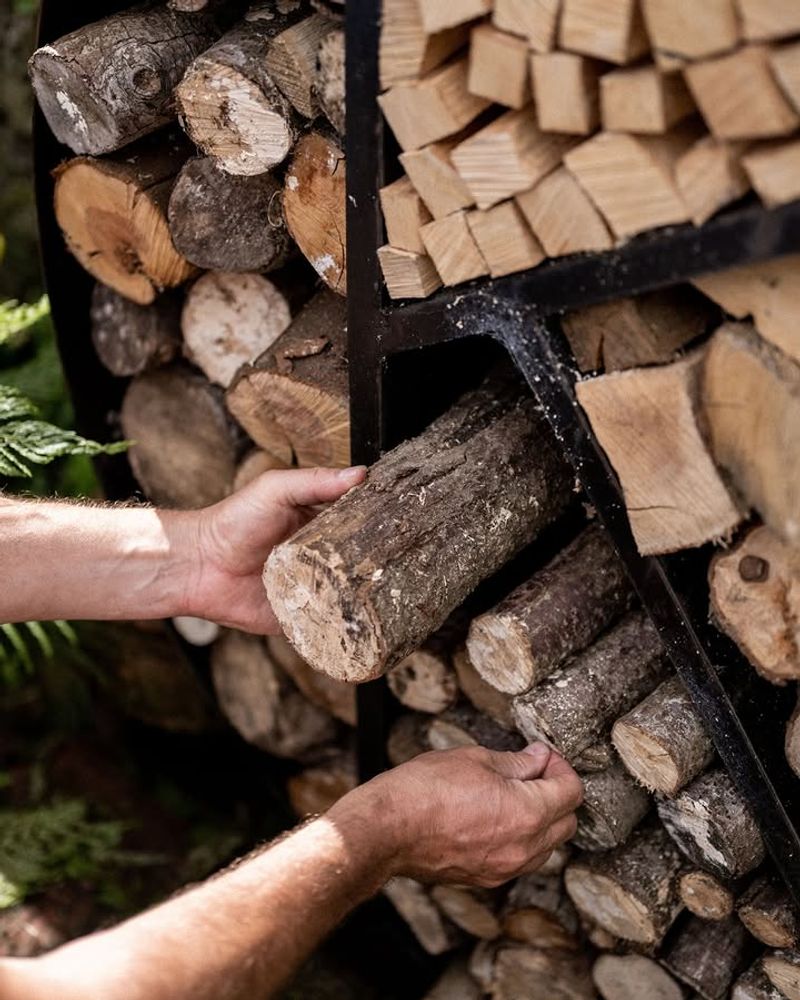
Firewood looks harmless sitting in your backyard, but it can quietly carry some of Michigan’s most destructive invasive pests from one place to another.
Insects like the emerald ash borer and the Asian longhorned beetle hide inside bark and wood, and transporting that wood gives them a free ride into forests and neighborhoods that have never seen them before.
MDARD and Michigan natural resource officials consistently remind residents to buy firewood close to where it will be burned.
Driving a bundle of wood across county lines or bringing it home from a campsite might seem like no big deal, but those small moves can introduce pests into areas that currently have none.
Once a pest establishes itself in a new region, stopping its spread becomes extremely difficult and expensive.
The safest option is to purchase certified heat-treated firewood, which is marked with a USDA seal and processed at temperatures that remove pests. You can also simply buy firewood at or near your camping destination rather than hauling it from home.
If you have leftover wood from a trip, use it up before leaving rather than bringing it back. Following this simple habit protects Michigan trees for future generations and keeps our forests healthier and stronger all season long.
2. Watch For Spotted Lanternfly Nymphs In Late Spring And Early Summer
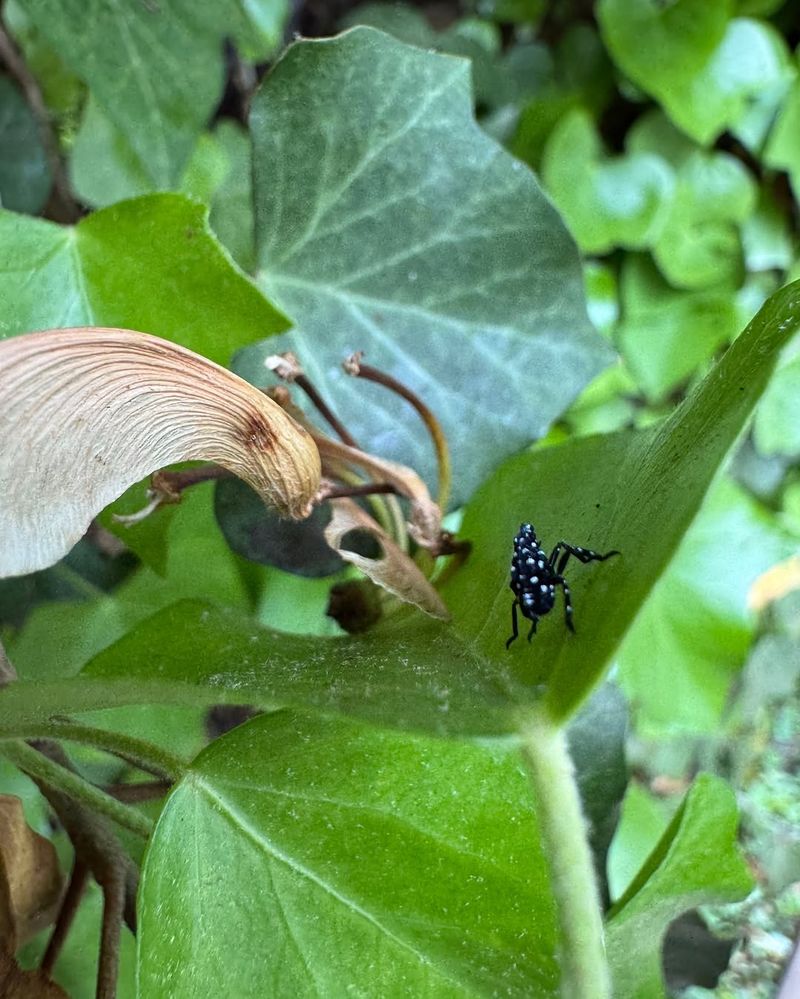
Spotted lanternfly nymphs start appearing in late spring, and catching them early is one of the best ways to slow this invasive pest before it takes hold.
Young spotted lanternfly nymphs, known scientifically as Lycorma delicatula, begin as small black insects covered in white spots.
As they mature through summer, those spots are joined by patches of red, making older nymphs easier to spot on tree bark and garden plants.
Michigan gardeners should get into the habit of inspecting outdoor surfaces where these nymphs tend to gather. Check tree trunks, wooden fences, patio furniture, garden pots, and the undersides of large leaves on host plants like grapes, hops, apples, and tree of heaven.
Nymphs are quick movers, so look carefully and take your time during inspections. Early detection genuinely matters here. The sooner a new population is found and reported, the better the chance of controlling it before it spreads.
Your Michigan Garden Changes Every Week. Your Plan Should Too.
Gardening in Michigan changes quickly throughout the season. Every Friday you’ll receive a simple weekly plan showing exactly what to plant, prune, fertilize, harvest, and protect so you never miss the right timing.
If you spot something suspicious, take a clear photo that shows the insect’s size, color pattern, and the plant or surface it is resting on. Note your exact location, including the county, and report the sighting through MDARD’s official invasive species reporting tools.
Avoid handling or moving the insect, and never transport plant material from the area where you found it.
3. Check Outdoor Items Before Traveling From Known Spotted Lanternfly Areas
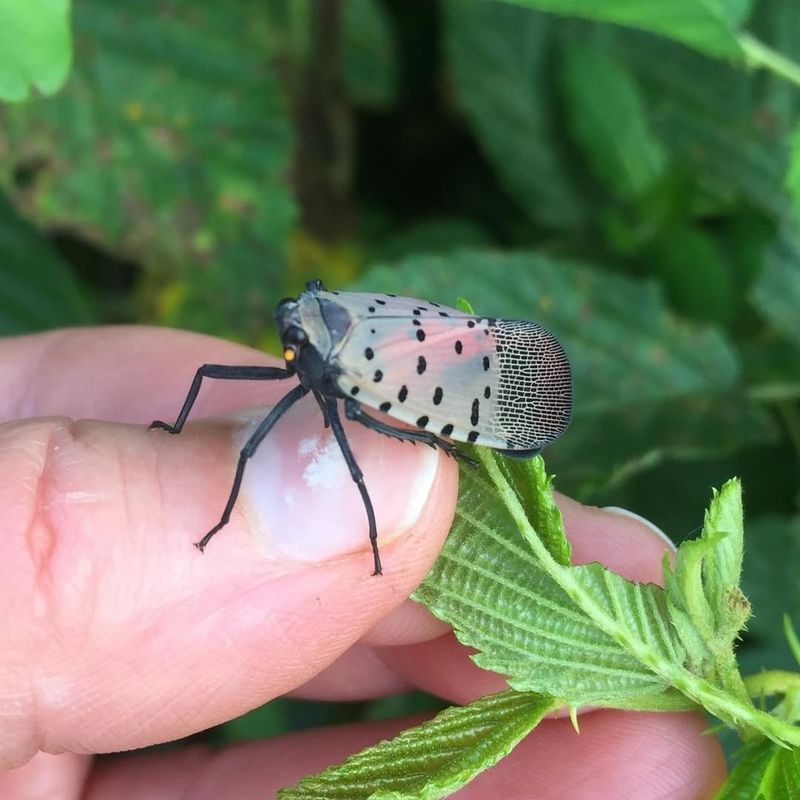
Spotted lanternfly has a sneaky talent for hitchhiking. Egg masses and adult insects can cling to almost any surface, making it surprisingly easy for travelers to carry this pest into new areas without realizing it.
MDARD urges anyone leaving a known spotted lanternfly area to do a thorough inspection before hitting the road.
Focus your inspection on vehicles, trailers, campers, and anything that was parked or stored outdoors. Egg masses look like smeared mud or putty and are usually laid in flat, gray-brown patches about an inch long.
Check the undersides of bumpers, wheel wells, and roof racks. Garden pots, grills, outdoor furniture, firewood stacks, and nursery plants are also common hiding spots for egg masses and hitchhiking insects.
If you find an egg mass, scrape it off into a bag with hand sanitizer or rubbing alcohol, seal it tightly, and put it in the trash. Do not try to bring infested items across county or state lines.
For nursery stock and plant purchases, make sure any plants you are buying come from inspected, certified sources rather than informal sellers at roadsides or swap meets.
Taking just a few minutes to inspect before you travel can prevent this pest from reaching new Michigan counties and causing widespread damage to vineyards, orchards, and home gardens alike.
4. Report Spotted Lanternfly Outside Known Infested Areas
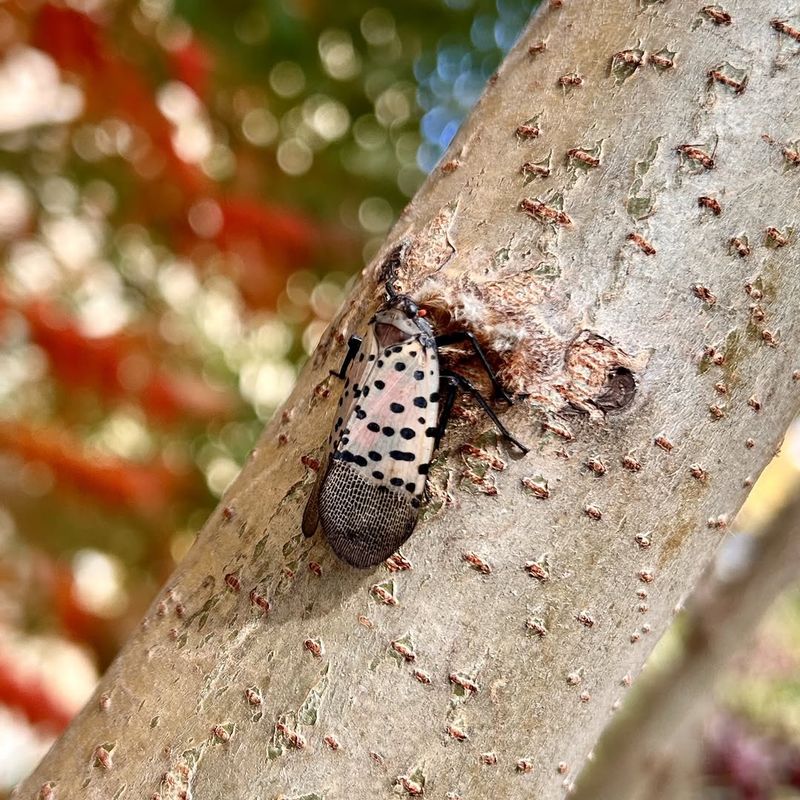
Spotting a brightly colored insect you have never seen before in your yard can be startling, and with spotted lanternfly expanding its range, that reaction might be completely justified.
Adult spotted lanternflies are striking insects with gray and black patterned forewings and vivid red hindwings, making them easier to identify than many other invasive pests.
But a sighting only becomes truly valuable when it is reported properly and promptly.
Reports matter most when the insect is found outside counties already known to have established spotted lanternfly populations. Before you report, check MDARD’s current infestation maps to see if your county is already listed.
If your sighting is in a new area, that information is genuinely urgent for state officials trying to track the pest’s spread.
When reporting, take clear, close-up photos that show the insect from multiple angles if possible. Note the exact address or GPS coordinates, the date, and what the insect was resting on.
Use MDARD’s online reporting portal or the Midwest Invasive Species Information Network to submit your information quickly.
Do not attempt to collect the insect by putting it in a container with plant material, and never transport suspicious insects or the plants they were found on.
Accurate, well-documented reports from everyday gardeners have played a real role in early detection programs across multiple states, and Michigan needs that same community effort.
5. Check Hemlocks For Woolly Adelgid Ovisacs
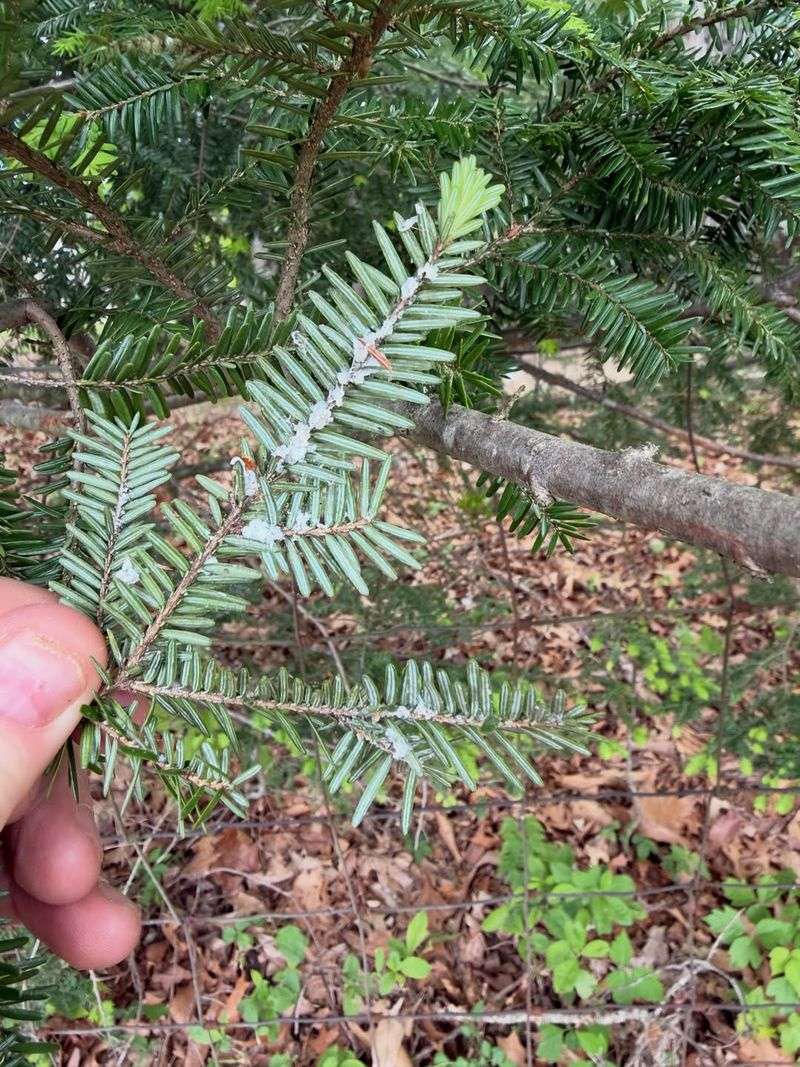
Eastern hemlock trees are a beloved part of Michigan’s forested landscapes, providing dense shade along stream banks and shelter for wildlife through long winters.
Hemlock woolly adelgid, known scientifically as Adelges tsugae, is a tiny invasive insect that threatens these trees, and Michigan officials are urging homeowners and woodland residents to inspect their hemlocks carefully this spring.
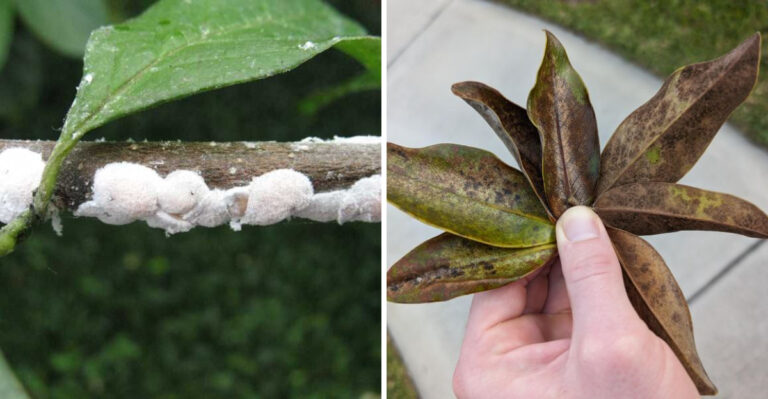
The most obvious sign of an infestation is the appearance of small white woolly ovisacs, which look like tiny cotton balls stuck to the undersides of hemlock branches at the base of each needle.
These white ovisacs are most visible from late fall through early summer, making them visible even when other signs of pest activity are harder to notice.
A single infested branch can host dozens of these structures, and heavy infestations can cause significant needle loss over time.
Inspect hemlocks in late winter and early spring by checking the undersides of lower branches first, since those are often the easiest to reach. Bring a hand lens or use your phone camera to zoom in on needle bases for a closer look.
If you spot the woolly white clusters, do not clip branches and carry them elsewhere, as moving infested material can spread the pest.
Instead, photograph what you see, note the tree’s location, and report through MDARD’s invasive species resources right away so experts can assess and respond quickly.
6. Photograph Suspected Hemlock Woolly Adelgid Instead Of Carrying Branch Samples
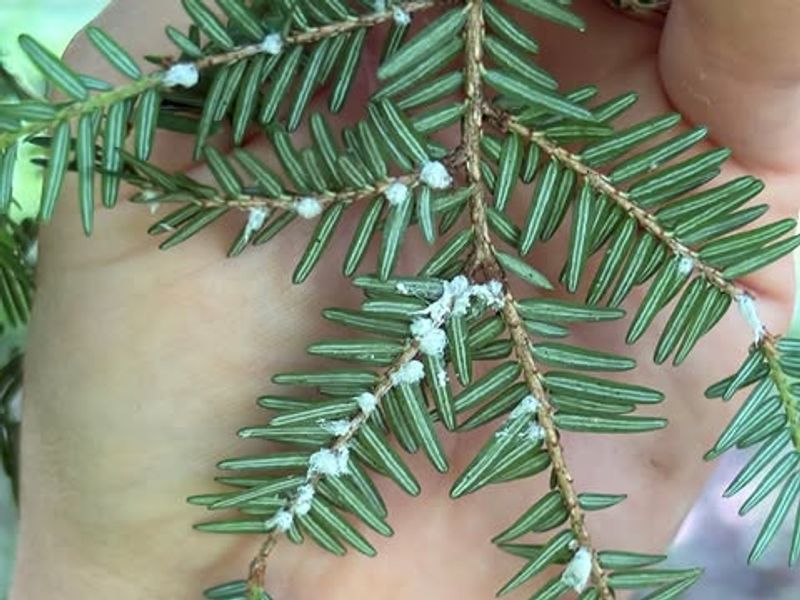
When gardeners or hikers notice something strange on a hemlock tree, the instinct is often to snap off a branch and bring it in for someone to look at. With hemlock woolly adelgid, that well-meaning habit can actually make the problem worse.
Moving infested branches from one location to another is one of the ways this invasive pest spreads to new areas, even in small quantities.
A smartphone photo is genuinely just as useful to experts as a physical sample, and often more so because it preserves the context of where the pest was found.
When photographing suspected hemlock woolly adelgid, get as close as possible to the needle bases on branch undersides where the white woolly ovisacs attach.
Take multiple shots from different angles, and include a wider view that shows the whole tree or its surroundings for location context.
After photographing, note the exact location using your phone’s map app or by writing down the nearest address, road intersection, or trail marker. Check nearby hemlocks on the same property or in the same area to see if the issue is isolated or widespread.
Then contact MDARD or use Michigan’s online invasive species reporting system to share your photos and location details.
Reporting quickly and accurately gives resource managers the best chance to assess the situation and respond before the pest spreads further through Michigan’s hemlock stands.
7. Buy Carefully Because Six Invasive Plants Were Added To Michigan’s Prohibited And Restricted Lists
Shopping for new plants at a nursery or garden center is one of the best parts of spring, but gardeners need to read those labels more carefully than ever this year.
MDARD recently added six invasive plants to the state’s prohibited and restricted species lists, which means some plants that were previously sold legally are now off-limits for purchase, sale, or planting in Michigan.
Prohibited plants cannot be sold, planted, or distributed in Michigan at all. Once the rules take effect, restricted plants cannot be introduced, imported, sold, possessed with intent to distribute, or intentionally propagated in Michigan.
These rules apply to homeowners, nurseries, landscapers, and water gardeners alike. The goal is to prevent plants that spread aggressively from escaping into natural areas where they can crowd out native species and disrupt local ecosystems.
Before buying any new landscape plant, pond plant, or ground cover this spring, take a moment to check whether it appears on Michigan’s updated invasive species lists, which are available through MDARD’s website.
Many nurseries are working to update their inventory, but not every store will have pulled restricted plants from shelves immediately.
Choosing noninvasive or native alternatives is always the safest and most environmentally responsible option.
Native plants support local pollinators, birds, and wildlife in ways that non-native ornamentals simply cannot match, and they tend to be lower maintenance once established in the right conditions.
8. Avoid Buying Or Planting Buckthorn, Callery Pear, And Japanese Barberry
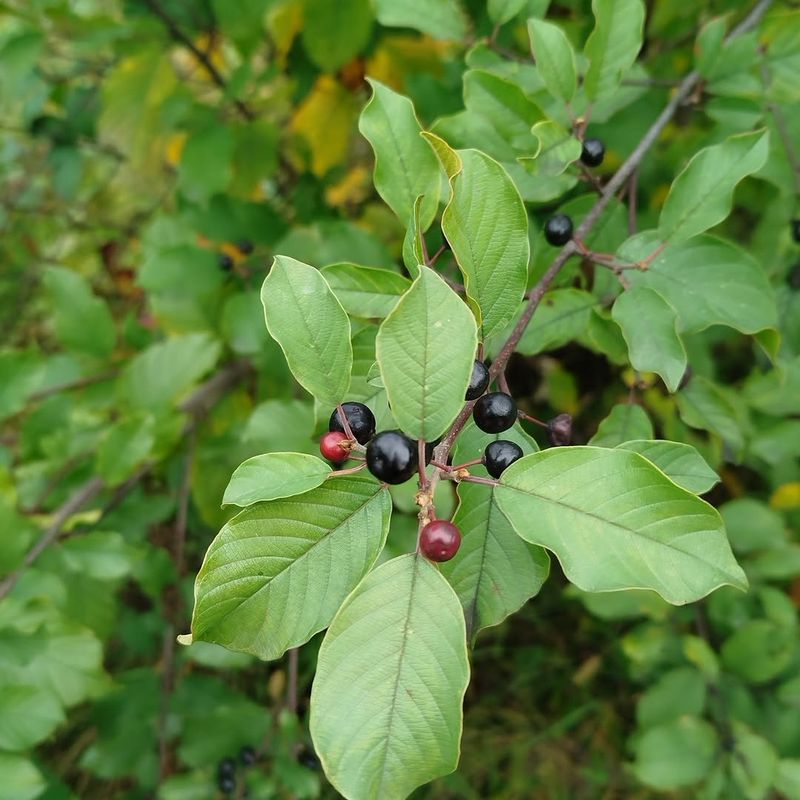
Some of the most problematic invasive shrubs and trees in Michigan have spent years masquerading as attractive, easy-care landscape plants.
Common buckthorn (Rhamnus cathartica), glossy buckthorn (Frangula alnus), Callery pear (Pyrus calleryana), and Japanese barberry (Berberis thunbergii) are all now facing increased regulation in Michigan because of the serious ecological damage they cause.
Buckthorns grow aggressively and produce berries that birds scatter widely, allowing them to spread into forests and natural areas where they crowd out native understory plants.
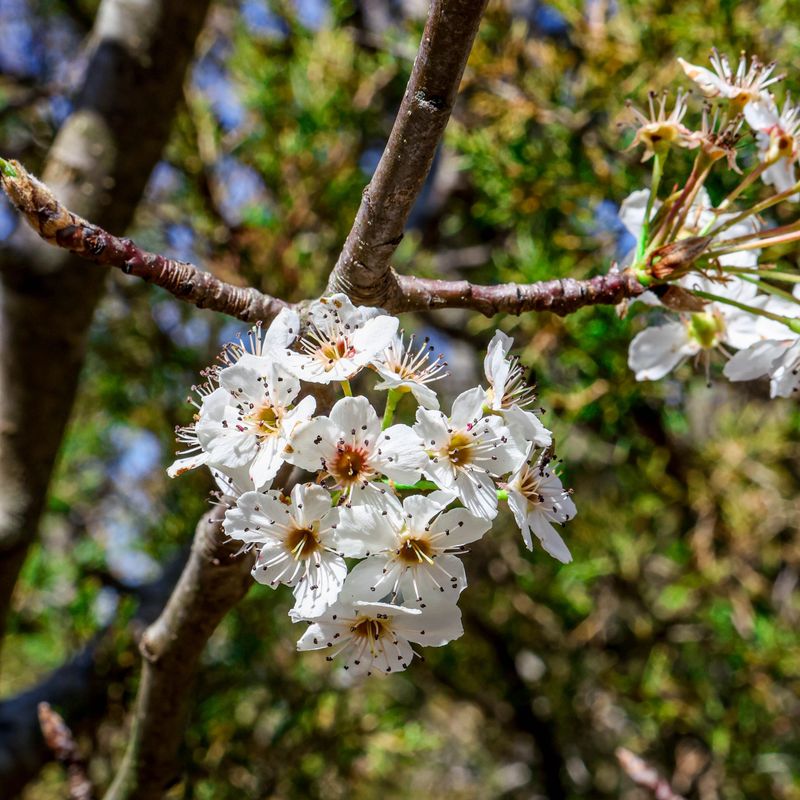
Callery pear, once popular for its spring blossoms, cross-pollinates with other pear varieties and produces thorny, invasive offspring that spread rapidly along roadsides and into wild areas.
Japanese barberry creates dense thickets that shade out native wildflowers and has even been linked to increased tick habitat in some research studies.
Fortunately, Michigan’s native plant palette offers excellent alternatives for every purpose these invasives once served. For hedging, try native viburnums or native hawthorns.
For a small flowering tree, serviceberry (Amelanchier) offers beautiful spring blooms and edible berries that birds love. For foundation plantings, native ninebark or native spicebush provide four-season interest without invasive spread.
Swapping these plants out is a meaningful step toward supporting our native biodiversity and reducing the long-term maintenance headaches that invasive shrubs always create over time.
9. Keep Water Hyacinth And Water Lettuce Out Of Ponds And Water Gardens
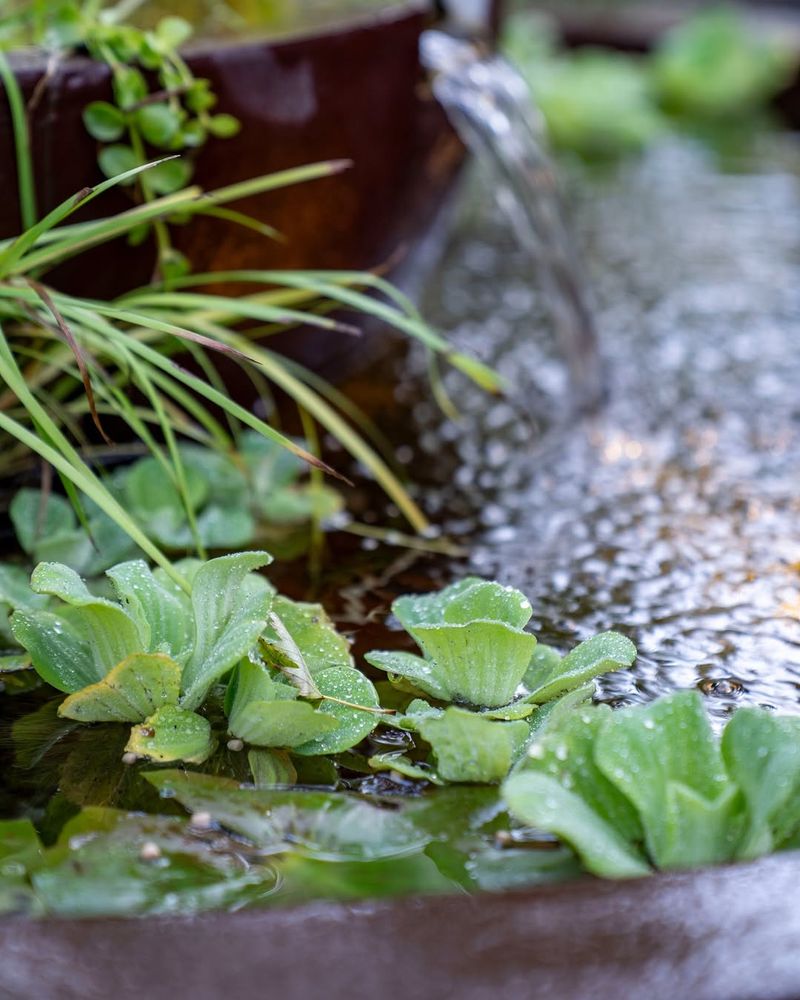
Water hyacinth and water lettuce are two of the most popular floating plants sold for backyard ponds and water gardens, and it is easy to see why. Both are lush, fast-growing, and visually striking.
But water hyacinth (Eichhornia crassipes) and water lettuce (Pistia stratiotes) are now on Michigan’s restricted plant list because of the serious harm they cause when they escape into natural waterways.
In warm conditions, both plants can double in size within days, forming dense mats that block sunlight from reaching underwater plants, reduce oxygen levels in the water, and crowd out native aquatic vegetation.
In warmer southern states, these plants have clogged entire lakes and river systems, making boating, fishing, and swimming nearly impossible.
Michigan’s climate limits their outdoor survival, but accidental release into drains, ditches, or natural ponds during storms or flooding is a real risk.
Water gardeners who currently grow these plants should handle them carefully and responsibly.
Never dump pond plants, water, or debris into natural waterways, storm drains, or roadside ditches. Instead, seal unwanted aquatic plants in a plastic bag and put them in the trash.
Safer alternatives for Michigan water gardens include native pickerelweed, blue flag iris, and native water lilies, all of which support pollinators and wildlife without posing a risk to Michigan’s lakes and streams when managed properly.
10. Never Dump Aquarium Or Pond Plants Outdoors
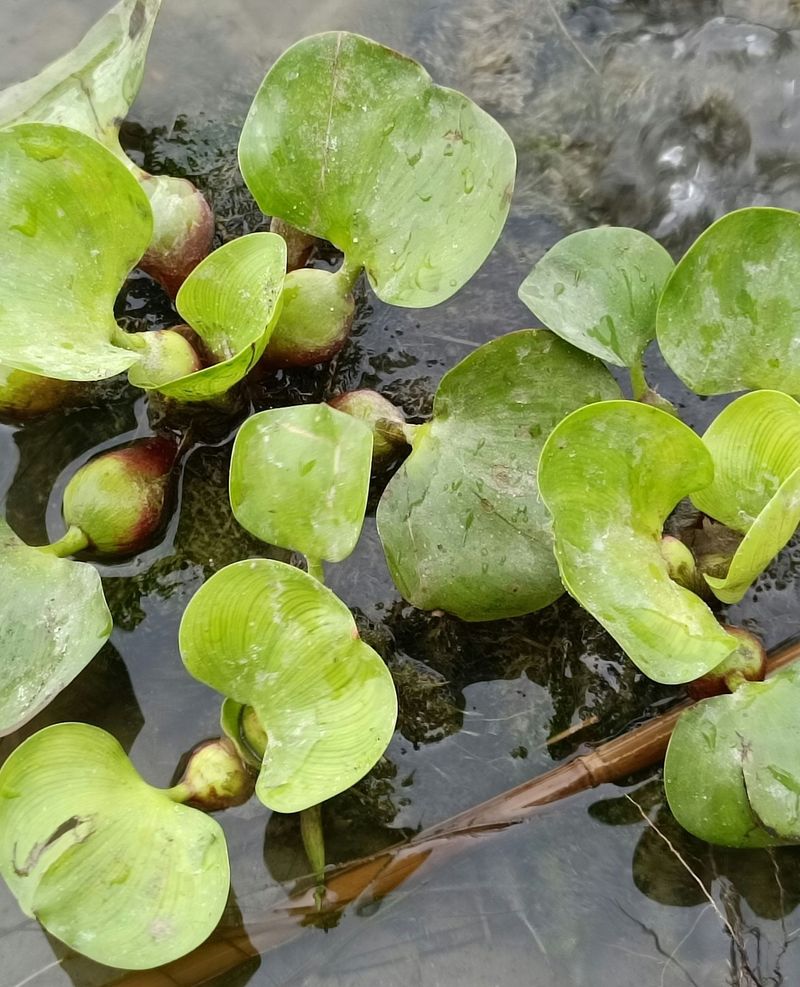
Cleaning out an aquarium or refreshing a water garden produces a surprising amount of plant material, and the most convenient-looking disposal spot, a nearby pond, stream, or ditch, is actually the worst possible choice.
Dumping aquatic plants outdoors is one of the most common ways invasive aquatic species get introduced into Michigan’s natural water systems, and even small fragments of plant material can establish and spread.
Many aquatic plants, including common aquarium species like hornwort, anacharis, and water sprite, can root and grow from tiny broken pieces.
A single discarded clump tossed into a drainage ditch can eventually make its way into a connected lake or stream, where it may spread far beyond the original dumping site.
Some invasive aquatic plants have already established in Michigan waters through exactly this kind of accidental release.
The right way to get rid of unwanted aquatic plants is straightforward. Seal them in a heavy-duty plastic bag, and if you want to be extra careful, let the bag sit in the sun for a few days so the material dries out completely before going into the trash.
Never pour aquarium or pond water into outdoor drains or natural areas either, since water can carry microscopic fragments, algae, and even tiny invertebrates that can establish in new environments.
Keeping aquatic plants contained is one of the simplest and most impactful things Michigan gardeners can do for water quality.
11. Avoid Pruning Or Wounding Oaks During Oak Wilt Risk Season
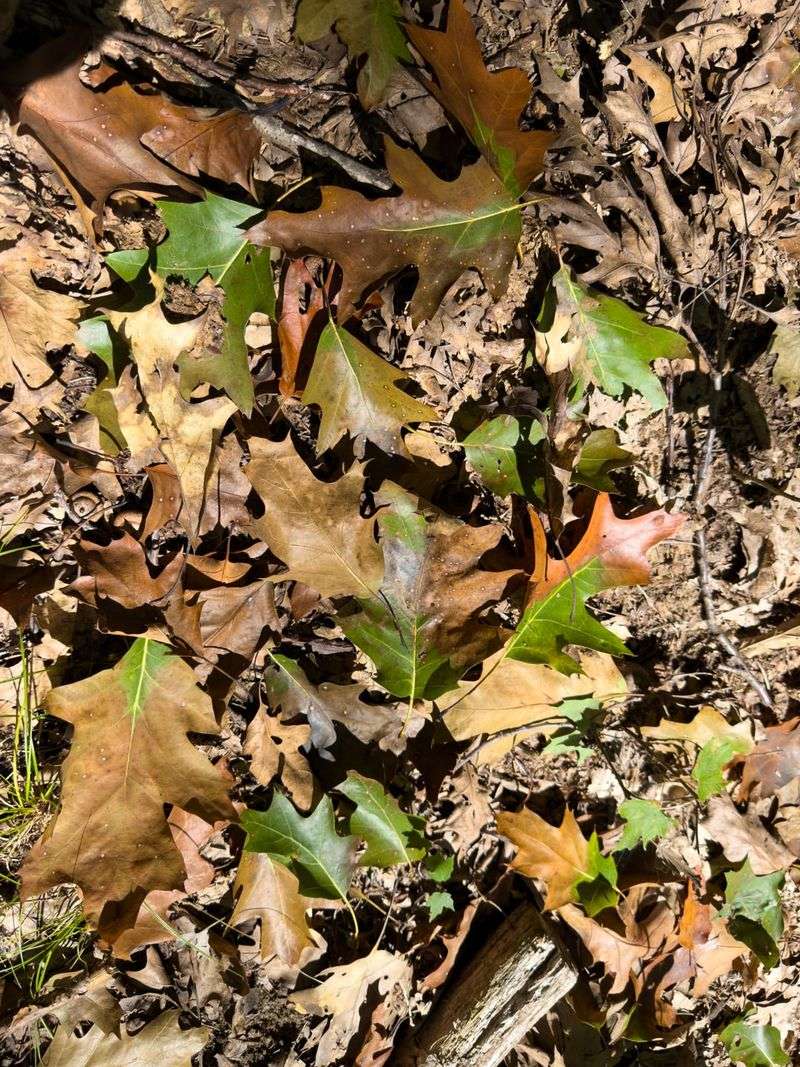
Oak trees are some of Michigan’s most iconic and valuable landscape trees, and oak wilt is one of the biggest threats they face.
Caused by the fungal pathogen Bretziella fagacearum, oak wilt spreads through root connections between nearby oaks and through sap-feeding beetles that are attracted to fresh wounds on oak trees.
Michigan’s high-risk window runs from April 15 through July 15, when those beetles are most active and the risk of infection is at its peak.
Even a small pruning cut or a scrape from a lawn mower can create an entry point for the beetles that carry oak wilt spores. During the high-risk months, it is best to hold off on any planned oak pruning, including routine shaping, branch removal, or dry wood cleanup.
If you have been thinking about trimming your oaks, the safest time to do that work is during late fall or winter when beetle activity is minimal and trees are dormant.
Storm damage is the tricky exception to this rule. If a storm breaks branches or wounds your oak tree during the high-risk period, act quickly by painting the wound with pruning sealant or latex paint to reduce beetle attraction.
It is not a perfect solution, but it lowers the risk significantly. Avoid chipping or moving wood from oaks that may have been infected, and contact a certified arborist if you suspect oak wilt symptoms like rapid browning of leaves starting at branch tips.
12. Report Unusual Tree Pests Before They Spread
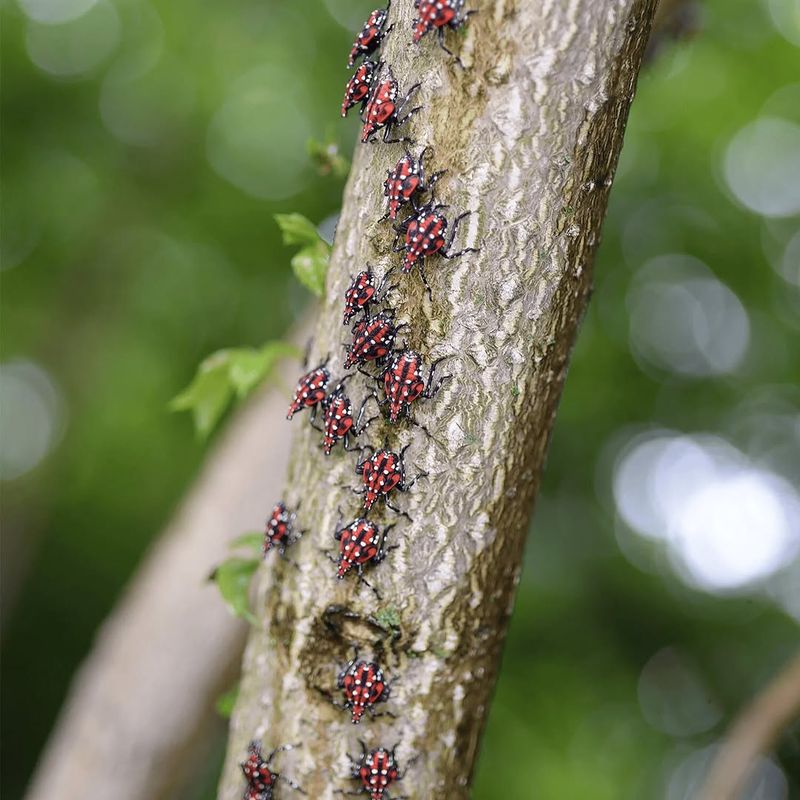
Something looks off on your backyard tree. Maybe the leaves are browning from the tips in a strange pattern, or there are odd egg masses on the bark you have never noticed before.
That nagging feeling that something is wrong is worth acting on, because early detection of invasive tree pests is one of the most powerful tools Michigan has for protecting its forests and home landscapes.
Invasive insects and diseases spread slowly at first, which means the window for early intervention is real but limited. Once a pest becomes widespread across multiple counties, management becomes far more costly and complicated.
Everyday gardeners who pay attention to their trees and report unusual findings have genuinely contributed to early detection efforts for pests like emerald ash borer and spotted lanternfly in states across the Midwest.
When something looks suspicious, take clear photos of the affected area, including the overall tree, the affected branch or section, and any insects, egg masses, or unusual growths you find.
Record the exact location and date, and avoid trimming or moving any suspicious material from the site.
Michigan residents can report unusual tree pests through MDARD’s online reporting portal, the Midwest Invasive Species Information Network (MISIN), or by calling the MDARD customer service line.
Your report, even if it turns out to be a native species, helps officials monitor what is happening across the state and respond faster when something new arrives.