A Texas Porch Plant That Makes Floodwater Mosquitoes Less Welcome
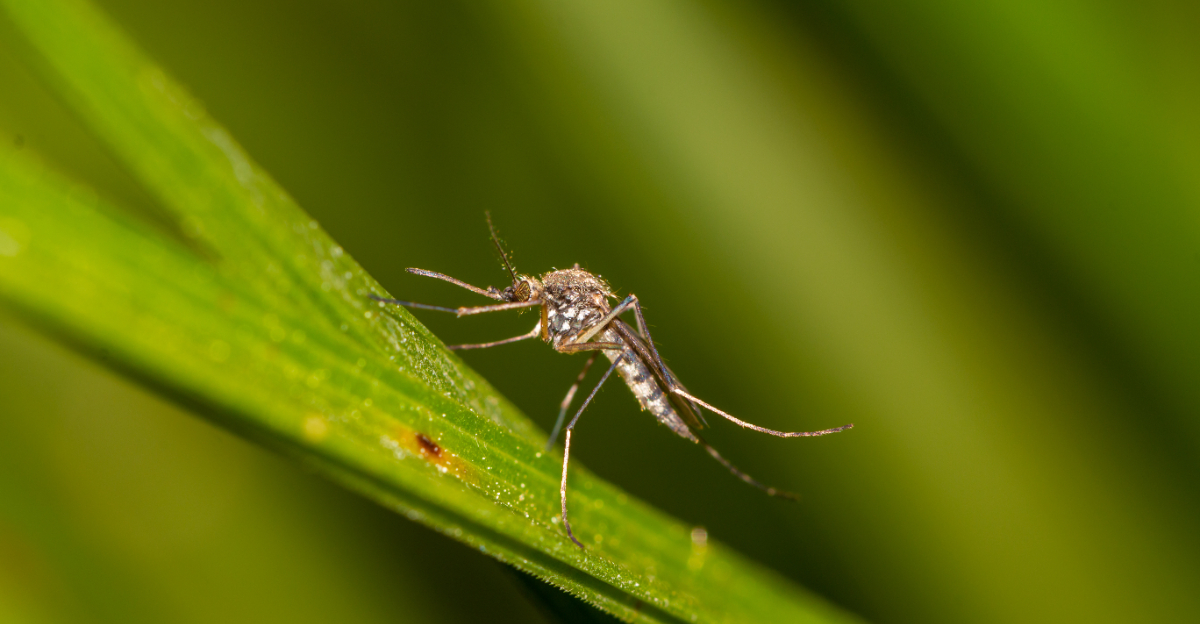
Texas summers come with a soundtrack: the whine of mosquitoes circling your ankles the moment the sun dips low. Heavy rains only make it worse, turning yards into breeding grounds for floodwater mosquitoes that seem to multiply overnight.
Bug spray fades fast. Citronella candles burn out before dinner’s served. That’s where one porch favorite steps in, a fragrant perennial quietly winning over Texas gardeners who want something that actually works.
Its lemony scent masks the carbon dioxide and body odors mosquitoes use to find their next target. Set a few pots near your porch or patio seating, and you’ve got a living, breathing barrier that doesn’t need batteries or refills.
For anyone tired of swatting instead of relaxing outside, this plant might be the easiest fix growing right there on your windowsill.
A Porch Favorite Across Texas Gardens
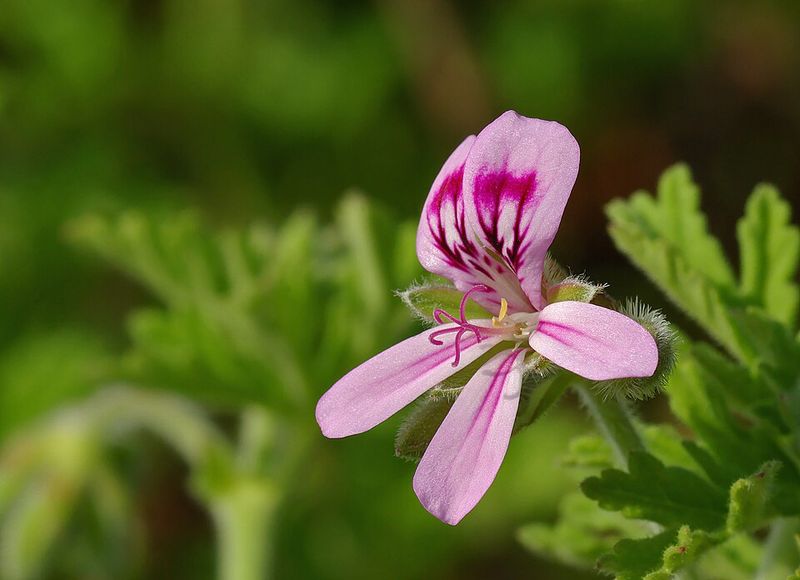
Walk through any Texas neighborhood after a summer rain, and you will spot it. That lush, lemon-scented plant sitting proudly on someone’s porch is almost certainly a citrosa.
Citrosa goes by several names, including mosquito plant and citronella geranium. Its botanical name is Pelargonium citrosum, and it has become a go-to porch plant for Texas homeowners battling floodwater mosquitoes.
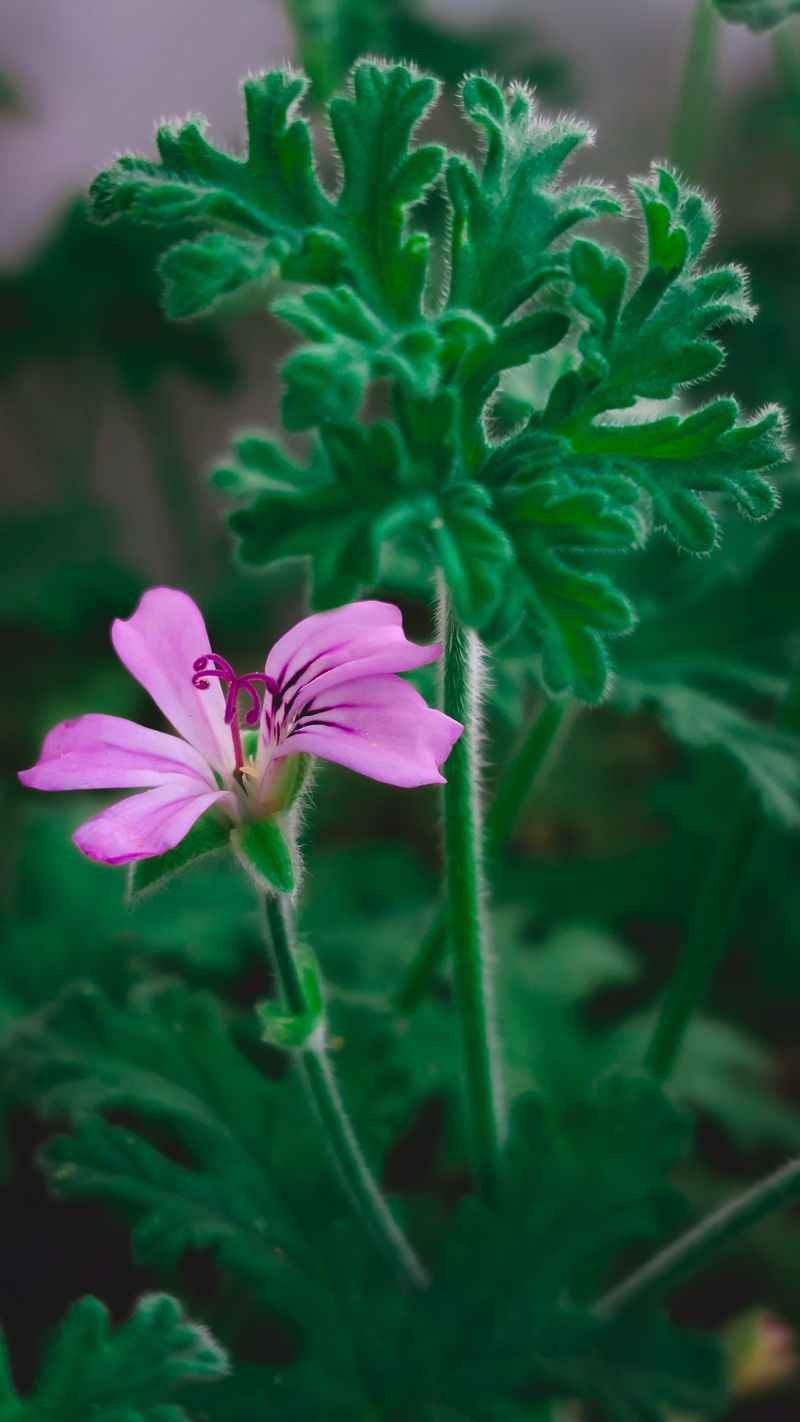
The plant looks like a fancy geranium with deeply lobed, soft green leaves. When you brush against the foliage, a sharp citrus scent fills the air instantly.
Nurseries across Texas stock citrosa every spring. Demand spikes after flood seasons, when mosquito populations explode across the Gulf Coast and Central Texas regions.
Gardeners love it because it pulls double duty. It adds genuine beauty to a porch setup while also creating a naturally fragrant barrier that mosquitoes find unappealing.
Unlike chemical sprays, citrosa fits right into a welcoming outdoor space. Guests notice the pleasant aroma long before they notice any bug-fighting purpose behind it.
The plant also attracts pollinators like bees and butterflies during blooming season. That bonus makes it a smart, multi-purpose addition to any Texas porch garden.
A Texas porch plant that makes floodwater mosquitoes less welcome does not have to look medicinal or industrial. Citrosa proves that effective and attractive can coexist in one leafy pot.
The Science Behind Its Mosquito-Repelling Scent
Smell is everything when it comes to mosquito behavior. These insects rely heavily on scent cues to locate hosts, and certain aromas genuinely throw them off course.
Citrosa leaves contain geraniol and citronellol, natural compounds also found in citronella grass. This chemical interferes with the mosquito’s ability to detect the carbon dioxide humans exhale.
Carbon dioxide is the primary signal mosquitoes follow when hunting. Disrupting that signal makes humans harder to find, which is exactly what geraniol and citronellol do when released into the air.
A University of Guelph study analyzed the plant’s essential oils and found no significant repellent effect in field trials. The plant does release its scent compounds even without being physically disturbed, though in modest amounts.
However, the concentration increases significantly when leaves are rubbed or brushed. Strategically placing the plant near a seating area where people naturally bump into it boosts its effectiveness considerably.
Your Texas Garden Changes Every Week. Your Plan Should Too.
Gardening in Texas changes quickly throughout the season. Every Friday you’ll receive a simple weekly plan showing exactly what to plant, prune, fertilize, harvest, and protect so you never miss the right timing.
Multiple studies have found the plant offers little to no measurable repellent effect on its own. But combined with other repellent strategies, it adds a meaningful layer of protection around outdoor living spaces.
The plant’s scent profile is largely made up of geraniol, along with smaller amounts of linalool. Both compounds appear in commercial insect repellents, which is likely why citrosa built its reputation as a mosquito-fighting plant.
Understanding the science helps you use the plant smarter. This kind of plant works best when you know exactly why and how the chemistry operates.
Growing Citrosa In Hot Texas Summers
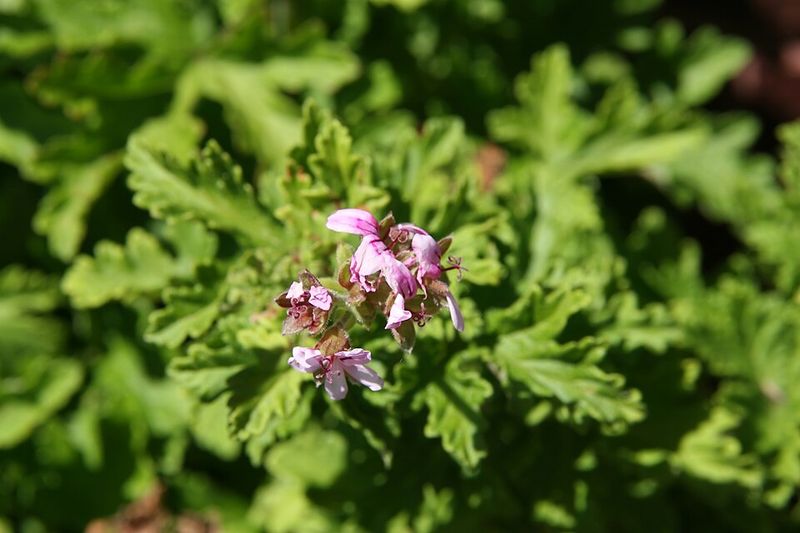
Texas summers are brutal, and not every plant survives them gracefully. Citrosa, though, handles heat surprisingly well when given the right conditions from the start.
Full sun to partial shade works best for this plant in hot climates. In Texas, afternoon shade is actually a gift, protecting the leaves from scorching during peak heat hours.
Morning sun exposure helps citrosa thrive without burning out by July. Position the pot where it catches light from roughly seven in the morning until early afternoon for ideal growth.
Watering consistency matters more than almost anything else during summer months. Citrosa prefers moist but well-drained soil, meaning soggy roots are just as dangerous as bone-dry ones.
During peak summer, plan on watering every one to two days depending on pot size. Smaller containers dry out faster, especially when sitting on a sun-baked concrete porch in August.
Fertilizing once a month with a balanced liquid fertilizer keeps the foliage lush and fragrant. Nutrient-rich leaves produce more of the essential oils that give citrosa its mosquito-discouraging power.
Pinching back leggy stems encourages bushier, denser growth throughout the season. A fuller plant means more leaf surface area, which translates to a stronger scent output overall.
Texas gardeners who treat citrosa like a prized seasonal herb tend to get the best results. Give it consistent attention, and it will reward you with a fragrant, pest-resistant porch all summer long.
Container Care And Placement Tips For Porches
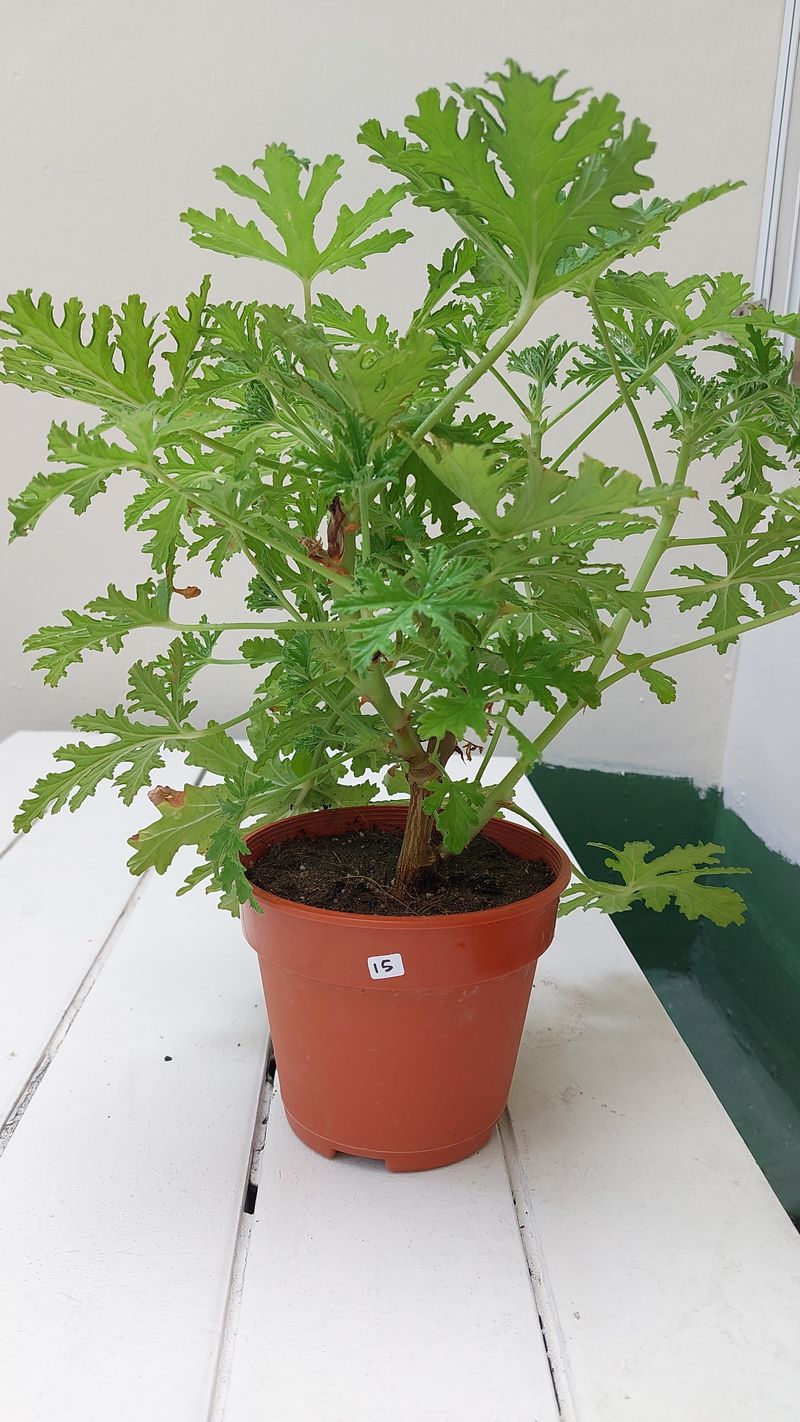
Container choice makes a bigger difference than most people expect. Citrosa grows best in pots that are at least twelve inches wide and have solid drainage holes at the bottom.
Terra cotta pots are a classic choice because they breathe well and prevent root rot. However, they dry out faster, so during Texas summers, you may need to water more frequently.
Glazed ceramic or thick plastic containers hold moisture longer, which can be helpful in extreme heat. Just make sure drainage stays clear, or the roots will suffer quickly.
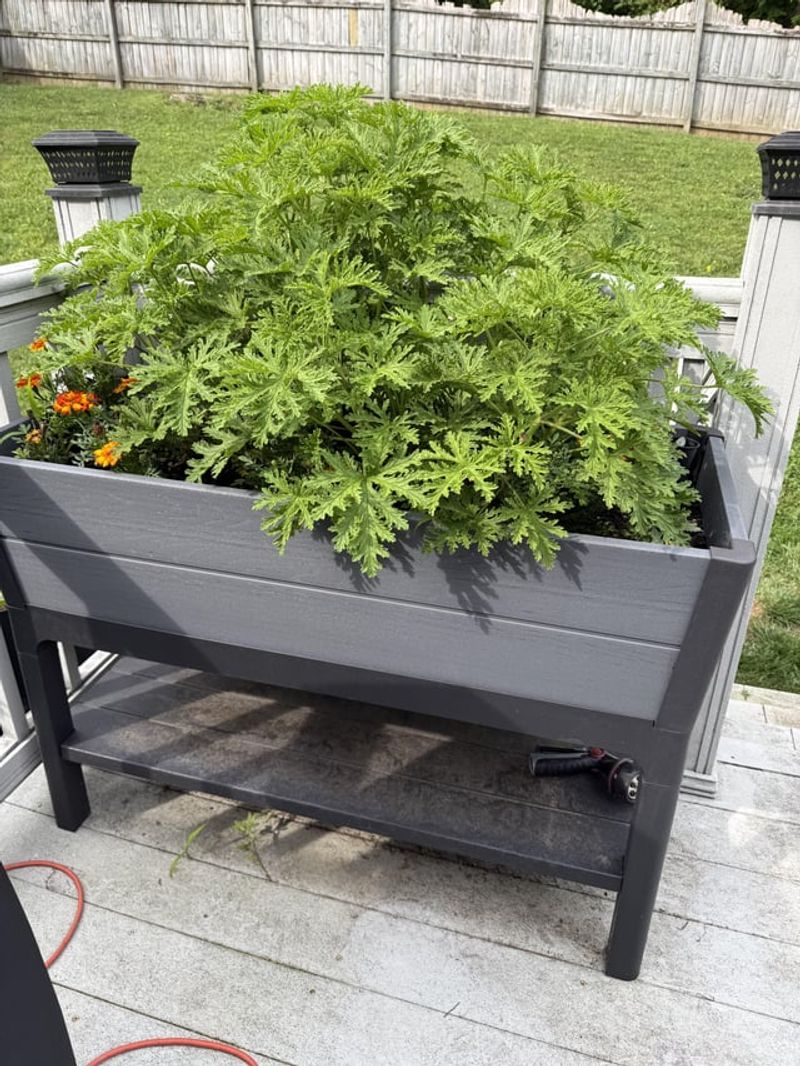
Placement on the porch should be strategic, not just decorative. Set citrosa nearest to where people actually sit, eat, or gather, since proximity increases its real-world impact on nearby mosquitoes.
Flanking a doorway with two pots creates a fragrant entryway that discourages mosquitoes from slipping inside when the door opens. That simple arrangement is one of the most practical placement moves available.
Avoid tucking the plant in a corner where it gets no airflow or human contact. Citrosa needs to be bumped, brushed, and interacted with to release enough scent to matter.
Grouping it with other porch plants like lavender or basil can amplify the overall repellent effect. Multiple aromatic plants working together create a stronger sensory barrier than any single pot alone.
The right container and placement turn a pretty plant into a genuinely functional part of your outdoor living setup, making every porch moment a little more comfortable.
Getting The Most Repellent Effect From The Leaves
Owning a citrosa plant is only half the equation. Getting the most out of those fragrant leaves requires a little intentional effort on your part every single day.
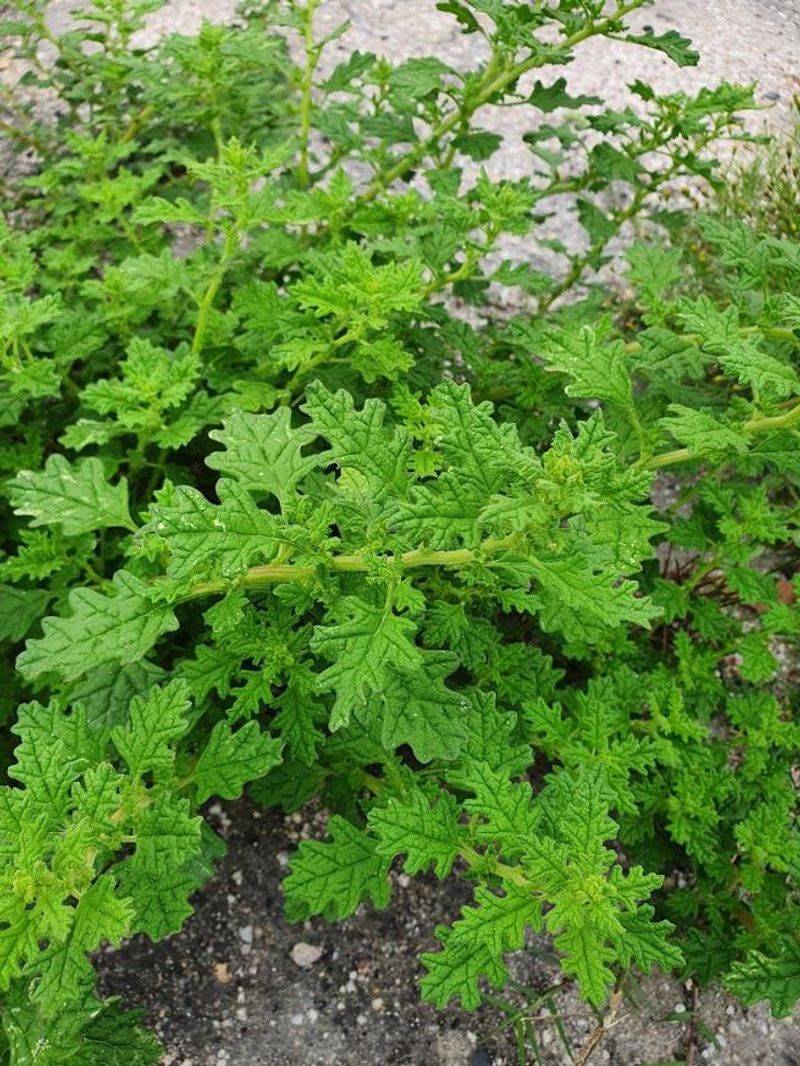
Rubbing the leaves between your fingers before sitting outside is one of the simplest tricks. That friction releases a burst of geraniol and citronellol oil directly into the surrounding air around you.
Some people crush a few leaves and rub the oil directly onto their skin. The scent acts as a light, natural deterrent, though it should not replace sunscreen or a proper bug spray.
Pruning the plant regularly also plays a role in maximizing its output. Fresh new growth tends to contain higher concentrations of essential oils than older, woodier stems and leaves.
Placing a small fan nearby can help circulate the plant’s scent across a wider area. Moving air carries the fragrance farther, expanding the invisible aromatic zone around your seating space.
Harvesting a few stems and placing them in an open bowl near the table adds another layer of scent. As the leaves dry slightly, they continue releasing oils for a short period.
Misting the plant with water on hot days can also trigger a light release of fragrance. The heat activates the oils, and a quick spray amplifies that effect within minutes.
Citrosa only reaches its full potential when you actively engage with it, not just admire it from across the porch.
Common Mistakes That Reduce Its Effectiveness
Plenty of well-meaning gardeners buy a citrosa plant, set it on the porch, and then wonder why mosquitoes still show up. The plant is not magic, and a few common errors can seriously undercut its performance.
Overwatering is the number one mistake with this plant. Soggy soil suffocates the roots, weakens the entire plant, and reduces the production of the essential oils that make it useful.
Neglecting to prune is another frequent error. When citrosa gets leggy and sparse, it loses the dense foliage needed to generate a meaningful amount of scent in the surrounding air.
Placing the pot too far from where people gather largely defeats the purpose. A citrosa sitting in a corner twenty feet away from your chairs is basically just decoration at that point.
Skipping fertilizer during the growing season leads to pale, weak leaves. Nutrient-deficient foliage produces far fewer scent compounds, which means an even weaker deterrent against floodwater mosquitoes.
Some people also make the mistake of relying on citrosa as their only defense. Pairing it with standing water elimination and other repellent methods creates a much more effective overall strategy.
Buying a root-bound plant from the nursery without repotting it right away is another trap. A cramped root system struggles to support healthy growth, regardless of sun or water.
Avoiding these missteps keeps your citrosa thriving all season, giving that hardworking Texas porch plant its best shot at keeping mosquitoes genuinely less welcome around your home.