The Watering Mistake That Can Make Georgia Hostas Wilt Even In Shade
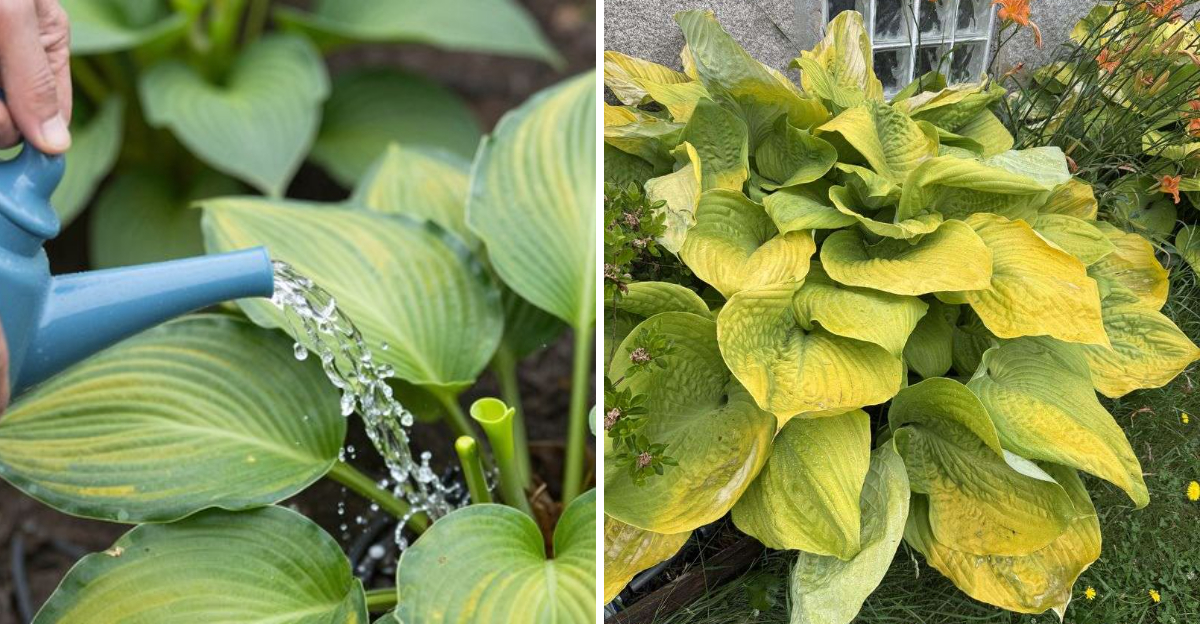
Hostas have a reputation for being the low-maintenance heroes of the shaded Georgia garden, and for the most part that reputation is well earned.
But there is one mistake that catches a surprising number of homeowners off guard every summer, and it has nothing to do with sun exposure or soil type.
It’s watering, or more specifically, the way watering gets done. A lot of gardeners assume that shade keeps the soil cool and moist enough that hostas don’t need much extra water, and while shade does help, it doesn’t tell the whole story.
In Georgia’s summer heat, with tree roots quietly competing for every bit of available moisture, a quick splash from the hose that dampens the top inch of soil without reaching the root zone does very little good.
Hostas need water where it actually counts, and that means deeper than most people think.
1. Shallow Watering Only Dampens The Surface
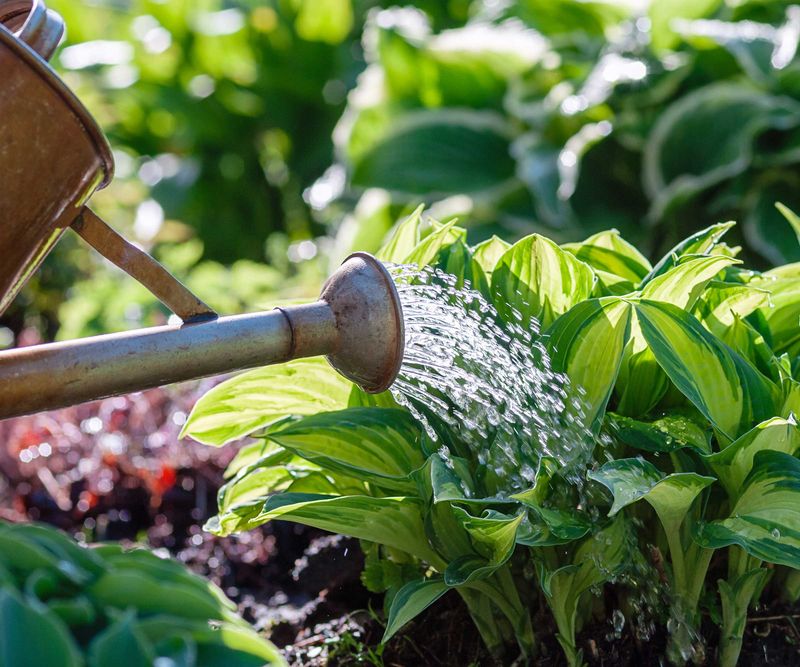
A quick pass with the hose can feel satisfying, like you have done everything right for your shaded garden bed. The surface looks dark and damp, the mulch smells earthy, and you move on with your day.
But just an inch or two below that damp layer, the soil may be completely dry, and that is exactly where hosta roots need moisture to reach.
Shallow watering is one of the most common mistakes Georgia homeowners make without realizing it. Because the top of the soil looks wet, it is easy to assume the whole root zone is getting what it needs.
In reality, a brief watering session may not push moisture deep enough to do the plant much good.
Hostas grown in Georgia landscapes need water that soaks down several inches into the soil, not just a surface rinse. When watering stays shallow, roots may begin growing upward toward the damp layer instead of spreading deeper where moisture is more stable.
This makes the plant more vulnerable during dry stretches.
Slowing down the watering process and letting water soak in gradually gives it time to move down through the soil profile. Running a soaker hose or letting a sprinkler run for a longer period, rather than a quick pass, makes a real difference.
Checking the soil a few inches down after watering can help you know whether the moisture is actually reaching where it counts.
2. Shade Does Not Mean Soil Stays Moist
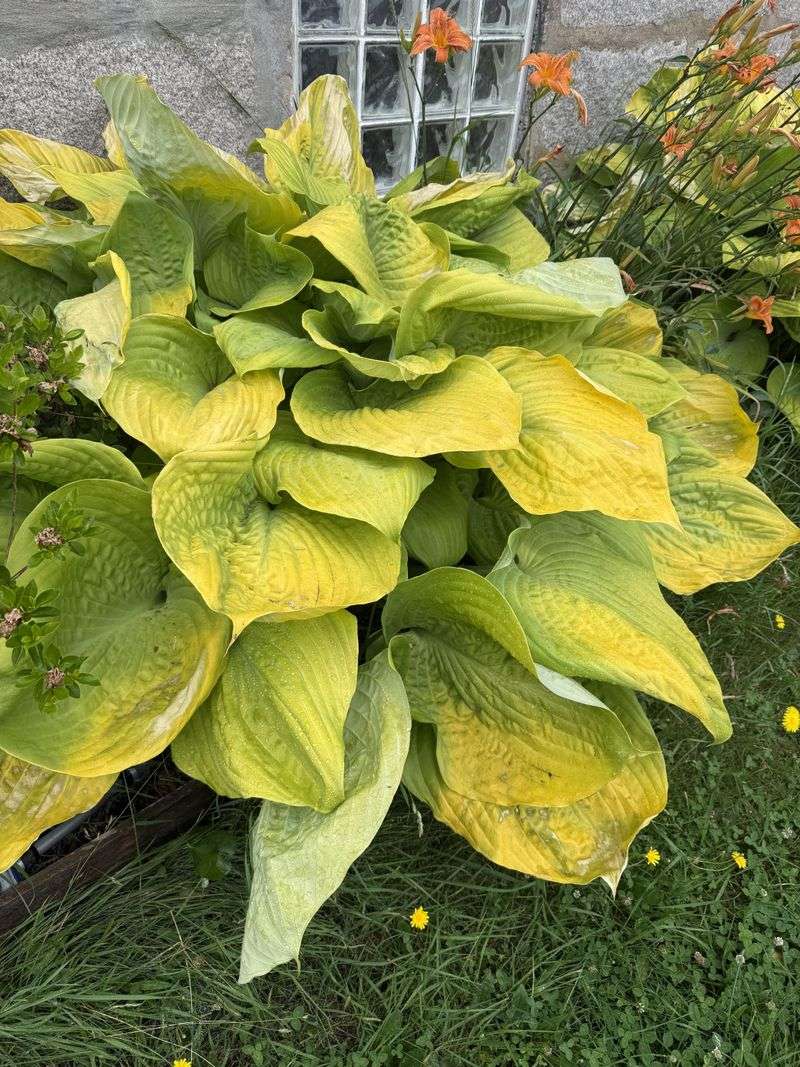
Plenty of gardeners are surprised to find their shaded hosta beds bone dry during a summer dry spell. Shade reduces sun exposure and lowers leaf temperature, but it does not automatically keep the soil moist between waterings.
On hot Georgia days, even shaded soil can lose moisture faster than many people expect.
Dry shade is a real challenge in Georgia landscapes, especially under large trees where the canopy blocks rainfall and roots draw up whatever moisture settles into the ground.
A bed that sits in full shade all day may still need consistent watering throughout the summer months to keep hostas looking their best.
Your Georgia Garden Changes Every Week. Your Plan Should Too.
Gardening in Georgia changes quickly throughout the season. Every Friday you’ll receive a simple weekly plan showing exactly what to plant, prune, fertilize, harvest, and protect so you never miss the right timing.
Soil type plays a role too. Sandy soils drain quickly and hold little moisture, while clay-heavy soils may hold water unevenly.
Either way, shade alone is not a reliable moisture source for hostas trying to stay hydrated through a long summer.
Checking soil moisture regularly, rather than going by how the bed looks from a distance, is a practical habit worth building. Push a finger or a small probe a few inches into the soil near the base of the plant.
If the soil feels dry at that depth, it is time to water. Waiting until leaves show visible stress can set the plant back, so staying ahead of dry conditions helps hostas hold their shape and color through the hottest months.
3. Tree Roots Can Steal Moisture Fast
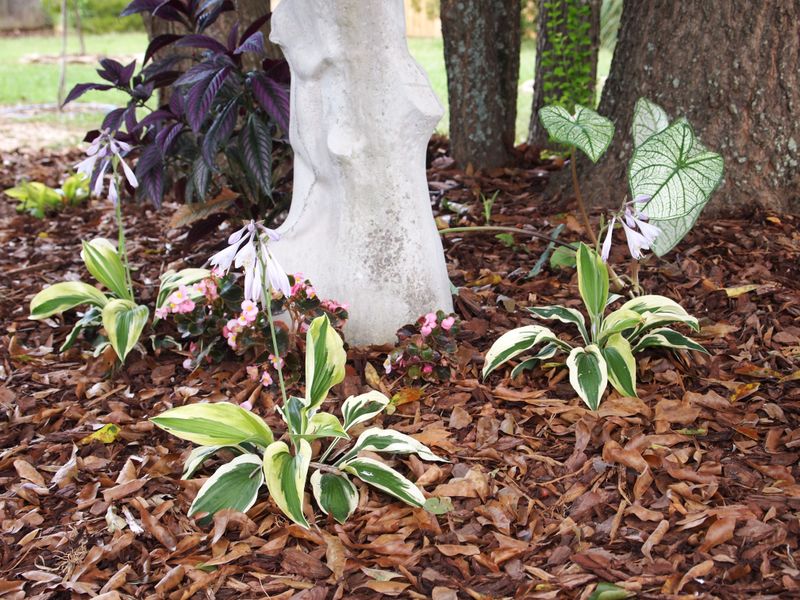
Under a big shade tree, the competition for water is fierce and mostly invisible. Tree roots spread wide and shallow, often filling the top layers of soil right where hostas are planted.
When you water the bed, those tree roots may absorb a large portion of the moisture before hosta roots ever get a chance to use it.
This is one reason why hostas planted under oaks, maples, or other large trees in Georgia sometimes look stressed even after a good rain. The tree canopy intercepts rainfall overhead, and the root system intercepts whatever does reach the ground.
Hostas end up caught between the canopy and the root mat with very little left for themselves.
Watering more deeply and for longer periods can help in these situations. When moisture soaks down past the shallow tree root zone, hosta roots that have grown deeper may have better access to it.
This does not solve the competition entirely, but it can reduce the impact during dry stretches.
Some Georgia gardeners choose to water hosta beds under trees more frequently during summer than they would a bed in open ground.
Paying attention to how quickly the soil dries out after watering gives you a better sense of how intense the root competition is in a particular spot.
Mulching the bed also helps slow moisture loss, giving hostas a bit more time to take up water before the tree roots claim it all.
4. Hosta Leaves Wilt When Roots Stay Dry
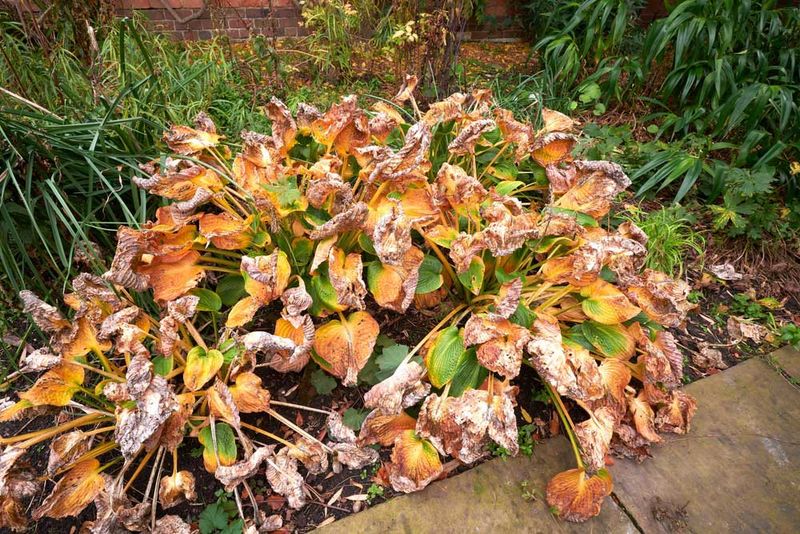
Drooping hosta leaves on a hot afternoon are hard to miss. The broad, lush foliage that looked so full in the morning starts to sag and curl at the edges, giving the whole bed a tired, deflated appearance.
That visible stress is the plant communicating that its root zone is not getting enough moisture.
When roots stay dry for too long, the plant cannot maintain the water pressure inside its leaves and stems that keeps them upright and firm. Wilting is essentially the plant conserving what little moisture it has left.
In Georgia’s summer heat, this can happen quickly, especially in beds with shallow soil or heavy root competition from nearby trees.
What makes this tricky is that hosta leaves sometimes wilt a bit during the hottest part of the afternoon even when soil moisture is adequate. That kind of temporary afternoon droop often recovers by evening.
The more serious sign is leaves that stay wilted into the evening or early morning, which usually points to a deeper moisture problem in the root zone.
Checking the soil rather than just watching the leaves helps separate temporary heat stress from actual drought stress. If the soil a few inches down feels dry and the leaves are still drooping after sunset, a slow, deep watering session is likely what the plant needs.
Giving the bed a thorough drink in the morning rather than a quick splash at any time of day tends to produce better results for Georgia hostas.
5. Slow Deep Watering Reaches The Root Zone
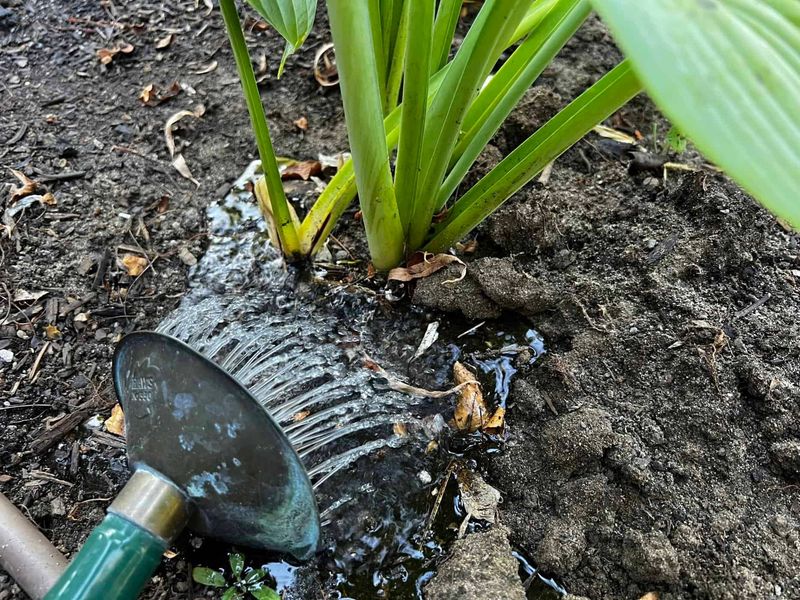
Watering slowly is one of the most practical adjustments a Georgia homeowner can make for shaded hosta beds. When water is applied gradually, it has time to soak straight down through the soil rather than running off across the surface or pooling in low spots.
That slow movement is what gets moisture down to where hosta roots actually live.
Soaker hoses are a popular choice for shaded beds because they release water directly at the soil level over a longer period. Drip irrigation works similarly, delivering moisture slowly and consistently without wetting the foliage.
Both methods encourage water to penetrate several inches into the soil, which is exactly what hostas need to stay hydrated through summer.
Even without special equipment, adjusting your hand-watering routine can help. Instead of moving the hose quickly across the bed, try holding it near the base of each plant and counting slowly before moving on.
Letting water pool slightly and soak in before adding more gives the soil time to absorb it rather than sending it running off.
After a deep watering session, press your fingers a few inches into the soil to see how far the moisture traveled. Soil that feels moist several inches down is a good sign that roots are getting what they need.
Making this a regular habit during Georgia’s dry summer months helps hostas stay fuller and more upright without requiring daily attention.
6. Mulch Helps Hold Moisture Between Waterings
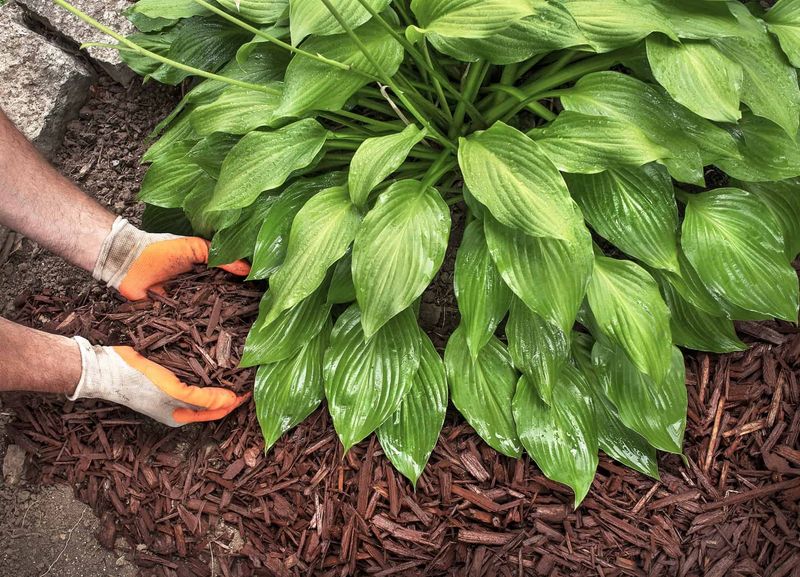
Pulling back mulch in a Georgia hosta bed after a hot week sometimes reveals just how much work that layer of organic material is doing. The soil beneath a good mulch layer tends to stay noticeably cooler and moister than exposed soil nearby.
Without mulch, moisture evaporates from the soil surface much faster, especially during long, warm summers.
A two-to-three-inch layer of shredded bark, wood chips, or leaf mulch spread around hostas can slow evaporation significantly between watering sessions. This gives the root zone more time to hold onto moisture and reduces how often the bed needs watering.
Mulch also moderates soil temperature, which helps roots stay more comfortable during heat spikes.
One thing to watch is mulch depth. A layer that is too thin dries out quickly and offers little protection.
A layer that is piled too deep against the base of hosta crowns can hold excess moisture right at the plant’s crown, which may cause problems over time. Keeping mulch a couple of inches away from the plant’s center and spread evenly across the bed tends to work well.
Refreshing mulch each spring before Georgia’s heat arrives helps maintain that protective layer throughout the season. As organic mulch breaks down, it adds nutrients to the soil and improves its ability to hold moisture over time.
This gradual improvement in soil quality can make a real difference in how well hostas handle dry stretches between waterings in shaded garden beds.
7. Soggy Soil Can Stress Hostas Too
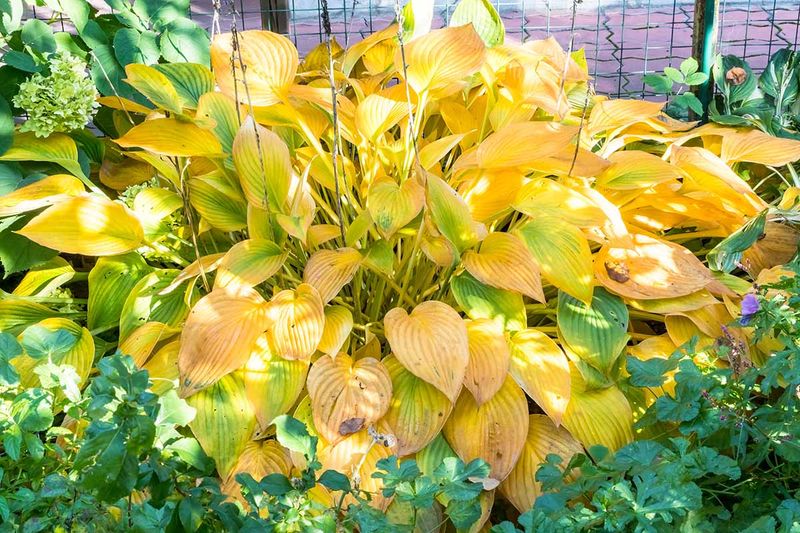
Not every watering problem in a Georgia hosta bed points to too little moisture. Overwatering or poor drainage can push soil into a soggy state that stresses hostas just as much as drought can.
Roots sitting in waterlogged soil have trouble taking up oxygen, which affects the plant’s ability to function properly even when surrounded by plenty of water.
Signs of soggy soil stress can look a lot like drought stress at first glance, with leaves turning yellow or looking limp. The difference shows up when you check the soil.
If the ground feels saturated and water does not drain away within a reasonable time after rain or irrigation, the problem may be too much moisture rather than too little.
Georgia’s clay-heavy soils are especially prone to holding water longer than hostas prefer. Beds that sit in low spots or near downspouts may collect water after heavy summer rains.
Improving drainage by amending the soil with organic matter or adjusting the bed’s grade can help create the moist-but-not-wet conditions that hostas tend to do well in.
The goal with watering is to keep soil consistently moist at root depth without letting it stay saturated.
Watering deeply but less frequently, rather than a little bit every day, encourages roots to grow downward and helps the soil cycle between moist and slightly drier in a healthy way.
Paying attention to how quickly soil drains after a heavy rainstorm gives useful clues about whether drainage needs attention in a particular bed.
8. Morning Watering Gives Beds A Better Start
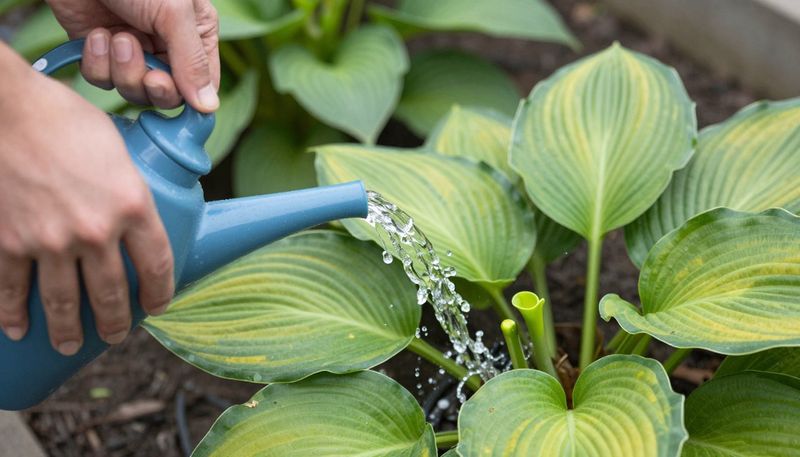
Early morning is a genuinely good time to water hostas in Georgia, and the reason goes beyond just gardening habit. When you water in the morning, the soil has the whole day to absorb moisture before temperatures rise and evaporation picks up.
Roots can draw up water steadily through the heat of the day, which helps leaves stay firm and upright even during Georgia’s hottest afternoons.
Watering late in the evening is not ideal for hosta beds because foliage that stays wet overnight in warm, humid conditions can become more susceptible to fungal issues.
Morning watering gives any moisture that lands on leaves time to dry off as temperatures warm up, reducing that risk without any extra effort on your part.
Midday watering in full sun is generally less efficient because heat causes water to evaporate quickly from the soil surface before it has a chance to soak in.
In shaded beds this is less of an issue, but morning watering still tends to be more effective overall for giving roots a sustained supply of moisture through the day.
Building a consistent morning watering routine during Georgia’s dry summer months takes some adjustment, but it tends to produce noticeably better results in shaded hosta beds.
Pairing that routine with deep, slow watering techniques and a healthy mulch layer gives hostas a solid foundation to work with.
Small, consistent habits like these can make a meaningful difference in how well hostas hold their color and shape through the season.