The Underrated Oregon Porch Plant That Makes Rats And Roaches Less Welcome
A porch should feel like a cozy welcome mat, not an open invitation for pests. Yet rats and roaches are surprisingly good at finding small comforts around entryways, especially when summer warmth makes outdoor spaces even more appealing.
Charming guests, they are not. One overlooked plant may help make the area feel less inviting without turning the porch into a chemical zone.
It also brings a little personality to the space, which is always better than staring at another plastic trap.
The appeal comes down to more than looks. Certain natural scents can change how pests respond to an area, even when people barely notice them.
That does not mean one pot will create an invisible force field. Still, the right plant can become a useful part of a smarter porch setup and make those unwanted visitors think twice about moving in.
1. The Porch Plant To Try
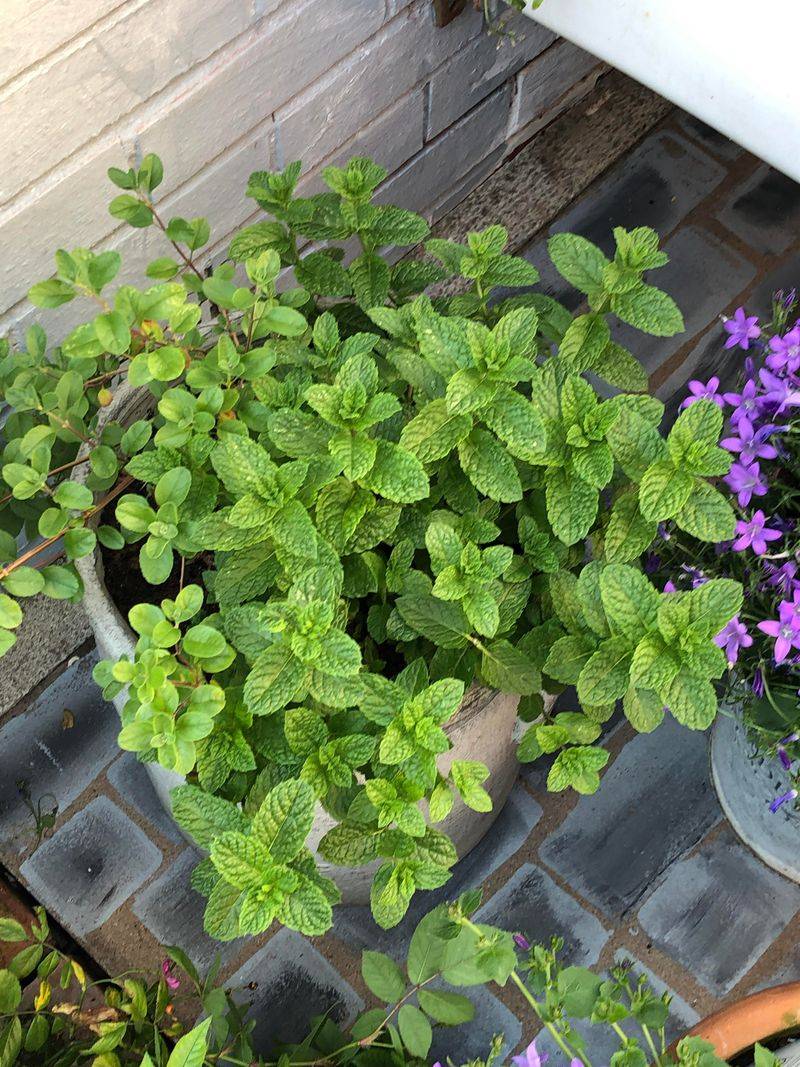
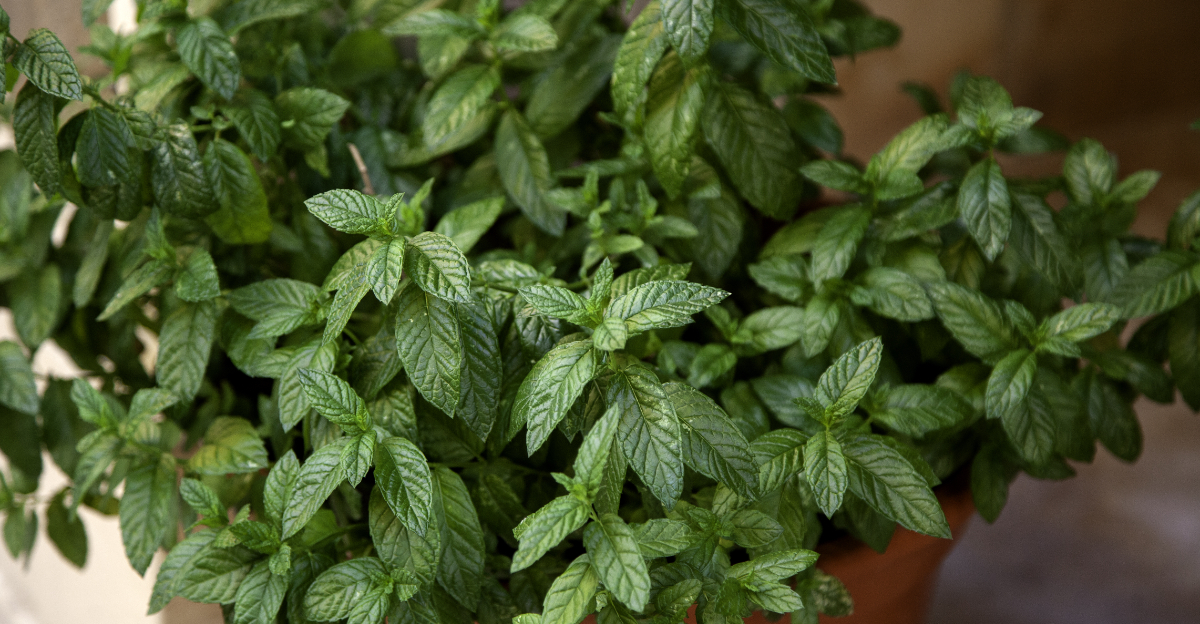
Not many people think of their herb garden as pest control, but peppermint changes that idea fast. It has a sharp, cooling scent that comes from a natural compound called menthol.
Rats and roaches have sensitive noses, and that smell is genuinely overwhelming to them.
Growing it on your porch puts that scent right where pests tend to first show up. Porches are entry points.
They are also spots where food smells linger, crumbs collect, and sheltered corners attract unwanted visitors. Having a strong-smelling plant nearby disrupts that comfort zone for pests.
For Oregon homeowners, peppermint is a practical choice for another reason too. It thrives in cool, moist conditions, which means our rainy climate actually works in its favor.
You do not need a green thumb to keep it alive here.
It grows quickly and fills out a pot nicely within a few weeks of planting. Most garden centers carry it in spring and summer, and it is usually one of the more affordable herbs on the shelf.
Starting with just one or two pots is enough to test whether it makes a difference around your space.
Peppermint will not replace traps or professional pest control when you have a serious infestation.
But as a first line of defense, it is hard to beat for simplicity, cost, and the bonus of smelling wonderful every time you walk outside.
2. A Strong Mint Scent Makes The Area Less Inviting
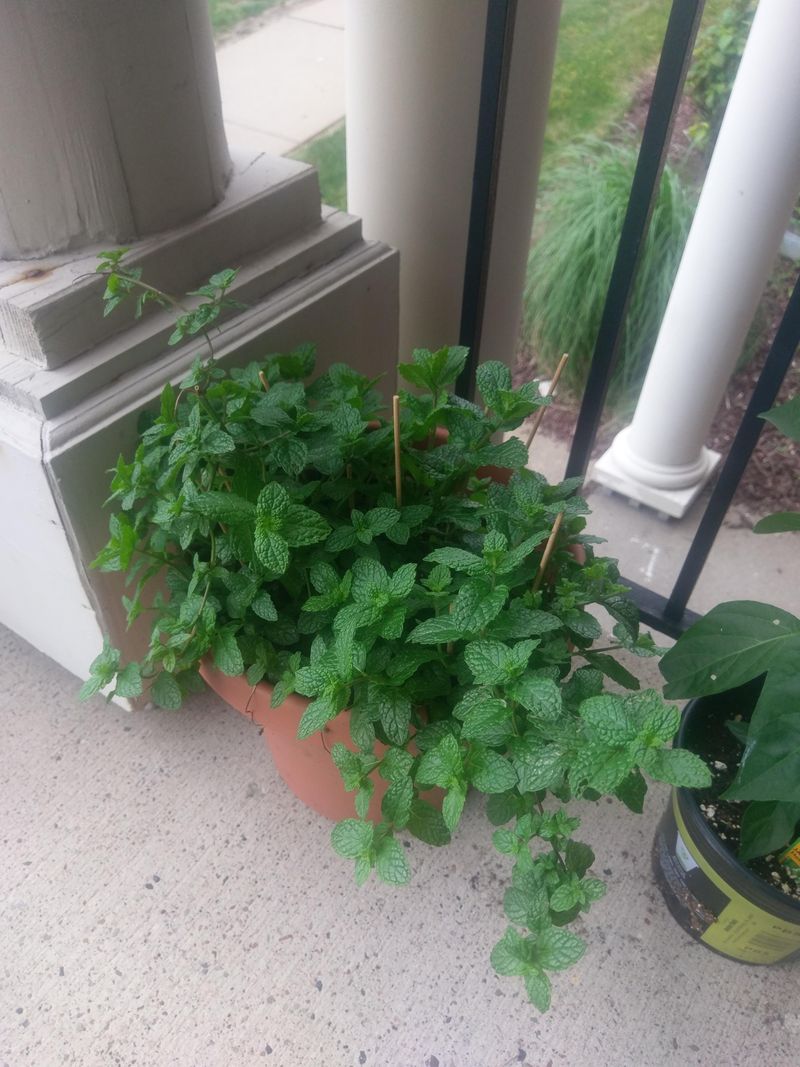
Menthol is the secret behind peppermint’s power. It is the natural oil found in the plant’s leaves, and it is incredibly potent to animals with sensitive smell receptors.
Rats rely heavily on scent to navigate and feel safe. Roaches do the same.
When the air around your porch carries a strong mint smell, it sends a signal that the space is unfamiliar and uncomfortable. Pests prefer areas that feel neutral or smell like food.
A minty environment breaks that comfort and can make them choose a different path.
Research on peppermint oil has shown measurable effects on rodent behavior. Studies suggest that high concentrations of menthol cause avoidance behavior in rats.
Your Oregon Garden Changes Every Week. Your Plan Should Too.
Gardening in Oregon changes quickly throughout the season. Every Friday you’ll receive a simple weekly plan showing exactly what to plant, prune, fertilize, harvest, and protect so you never miss the right timing.
While a live plant is less concentrated than pure essential oil, it still contributes meaningful scent to the surrounding area.
The effect is strongest on warm days when the plant releases more oils into the air. Even on cooler Oregon days, brushing against the leaves or being near a well-watered plant keeps the scent active.
Keeping multiple pots close together can increase the overall intensity of the smell in your porch zone.
Think of it less like a barrier and more like a deterrent. It raises the discomfort level for pests without requiring chemicals, traps, or sprays.
That is a meaningful advantage, especially for households with kids or pets nearby who might be sensitive to stronger pest control products.
3. Keep Peppermint In A Container
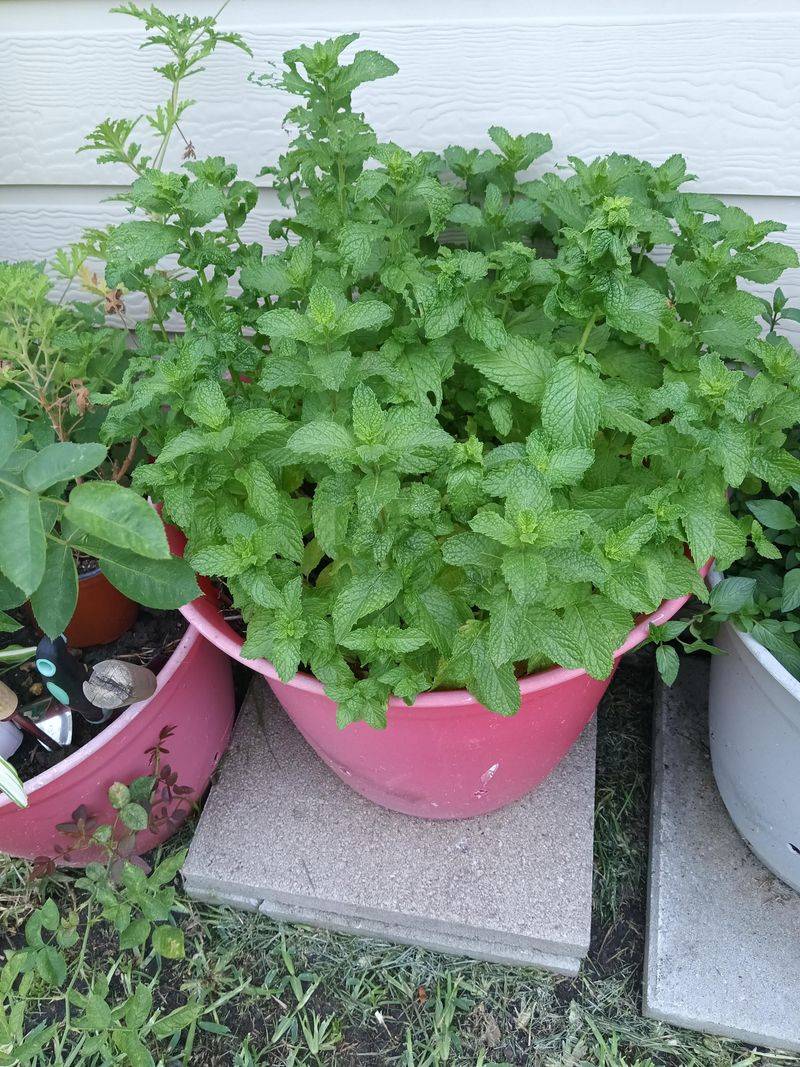
Planting peppermint directly in the ground sounds simple, but it comes with a big downside. Mint spreads aggressively underground through runners.
Within one growing season, it can take over a large section of your yard and crowd out other plants completely.
A container keeps all of that growth under control. You can move the pot wherever it is needed most, whether that is near the front door, beside a seating area, or close to a gap in the siding where pests might be sneaking in.
Flexibility is one of the biggest advantages of container gardening.
Choose a pot that is at least eight to ten inches deep. Mint roots grow downward quickly, and a shallow container will stress the plant and reduce its growth.
A deeper pot also holds more soil, which means better moisture retention between waterings.
Terracotta pots work well because they breathe and help prevent root rot in wet conditions. Plastic pots are lighter and easier to move around, which can be helpful if you rearrange your porch layout often.
Either option works fine as long as there is a drainage hole at the bottom.
Refreshing the soil every spring helps the plant stay vigorous. Old, compacted soil drains poorly and limits root expansion.
Adding a small amount of compost to fresh potting mix gives the plant a nutrient boost that keeps the leaves full, fragrant, and visually appealing all season long.
4. Place It Near Seating, Not Entry Gaps
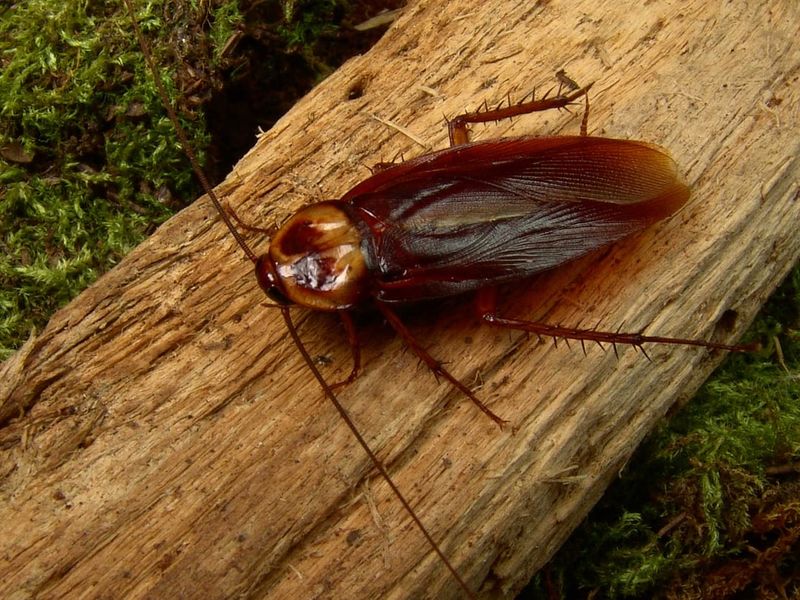
Where you put the pot matters just as much as having one at all. Many Oregon people instinctively place plants near the front door or along the railing, but a more strategic placement can improve results significantly.
Seating areas are where you spend the most time outdoors, and that is where pest encounters are most annoying.
Placing peppermint near your chairs and tables creates a scent bubble that keeps flies, roaches, and other insects at a distance while you relax. It also makes the space smell pleasant for people.
Avoid pushing the pot directly against wall gaps, cracks in the foundation, or areas where pipes enter the house.
Pests use those spots as entry points, and a plant sitting too close could actually provide cover or a climbing surface. Keep pots several inches away from structural openings.
If you have a covered porch, the enclosed space helps concentrate the scent. That is an advantage because the smell lingers longer and builds up in the air more effectively than it would in a fully open area.
Even a light breeze through a screened porch keeps the scent circulating.
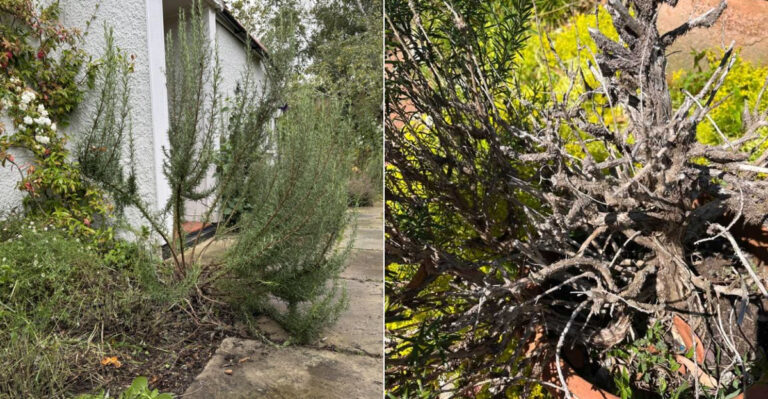
Pairing peppermint with other strong-smelling plants like lavender or rosemary can extend the scent coverage across a larger area.
Each plant adds its own repellent properties, and together they create a more layered defense.
You end up with a porch that smells like an herb garden and feels less welcoming to pests at the same time.
5. Don’t Let Mint Escape Into Garden Beds
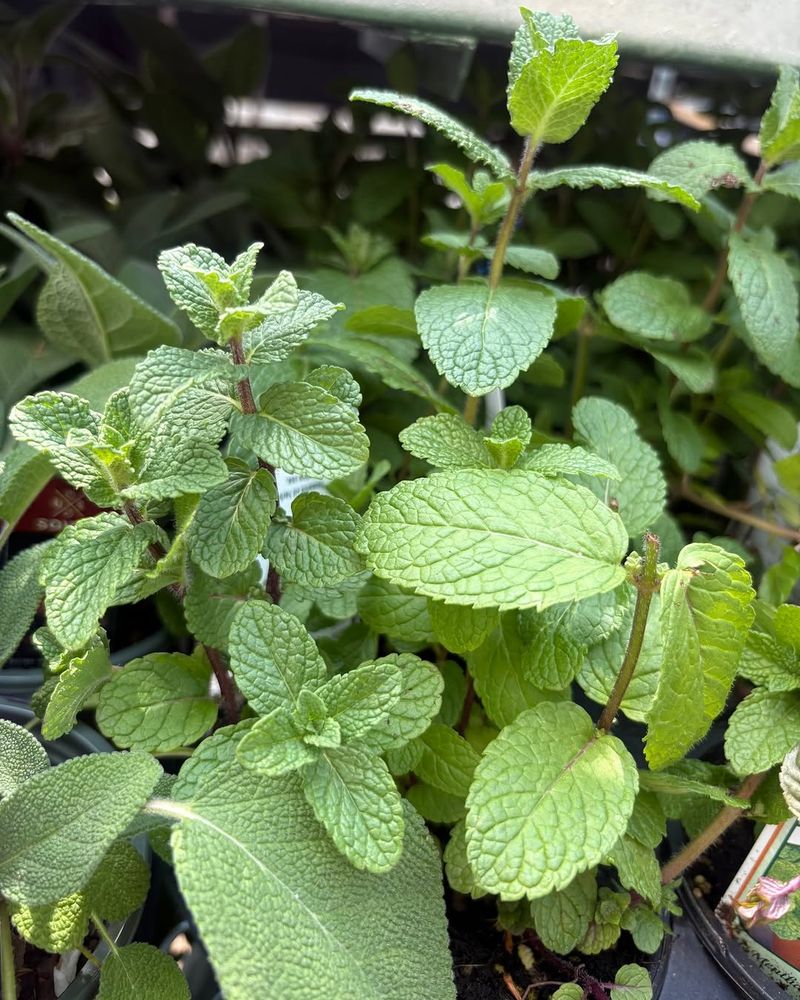
Mint is one of the most aggressive spreaders in the plant world. It sends out underground stems called stolons, and those runners travel quickly through loose soil.
If a pot gets tipped or the roots find a drainage hole to escape through, mint can establish itself in your garden beds within weeks.
Once it gets into open soil, it is genuinely difficult to remove completely. Pulling it out by hand usually leaves small root fragments behind, and each fragment can regrow into a new plant. That turns a helpful herb into a garden nuisance fast.
Check your containers regularly for roots growing out of the drainage holes. If you see this happening, repot the plant into a larger container immediately.
Placing a small piece of mesh screen inside the pot over the drainage hole can slow root escape without blocking water flow.
Setting pots on hard surfaces like concrete, wood decking, or paver stones also reduces the chance of roots reaching soil.
Avoid placing containers directly on bare ground, especially near established beds where the mint could quietly spread before you notice.
Keeping mint contained is not just about protecting your garden. A plant that stays within its pot also stays healthier and more manageable.
You can trim it regularly, control its size, and ensure it keeps producing the fresh, oily leaves that make it useful as a pest deterrent. Contained mint is productive mint, and that is exactly what you want on your porch.
6. Crushed Leaves Release The Strongest Smell
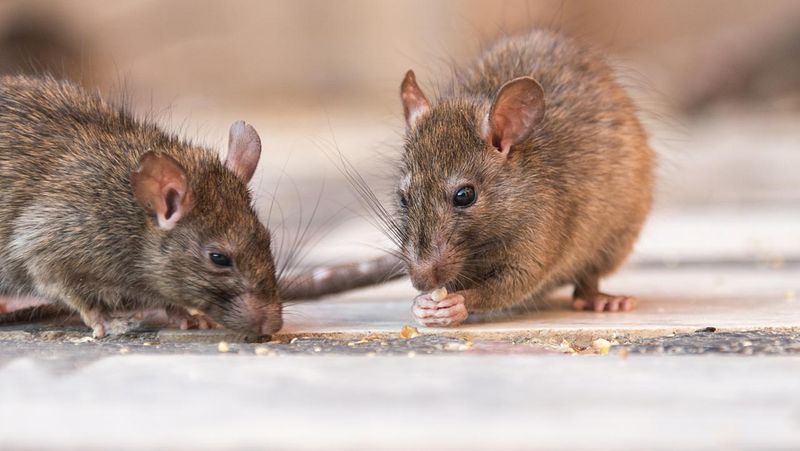
Fresh peppermint leaves release a mild scent on their own, but crushing them sends the smell intensity through the roof.
The oils are stored inside tiny glands in the leaves, and physical pressure breaks those glands open and releases concentrated menthol into the air.
You can take advantage of this by giving the leaves a quick crush with your fingers whenever you notice pest activity starting to pick up.
Rubbing a few leaves along the edges of your porch railing or near door frames leaves a trail of scent that can discourage pests from crossing that zone.
Dropping a few crushed leaves into a small bowl of water and placing it near a problem area is another easy trick.
As the water evaporates, it carries a light mint mist into the surrounding air. This works especially well in warm weather when evaporation happens faster.
Regularly harvesting leaves from your plant also encourages new growth. The more you trim, the bushier and more productive the plant becomes.
A full, leafy plant releases more passive scent than a sparse one, so frequent harvesting actually makes the plant more useful over time.
Try crushing a small handful of leaves and tucking them into a mesh bag near a corner of your porch where roaches have been spotted. Replace the leaves every few days to keep the scent fresh.
It is a low-effort habit that adds a noticeable boost to your overall pest deterrent strategy without any extra cost.
7. Water-Stressed Mint Loses Its Punch
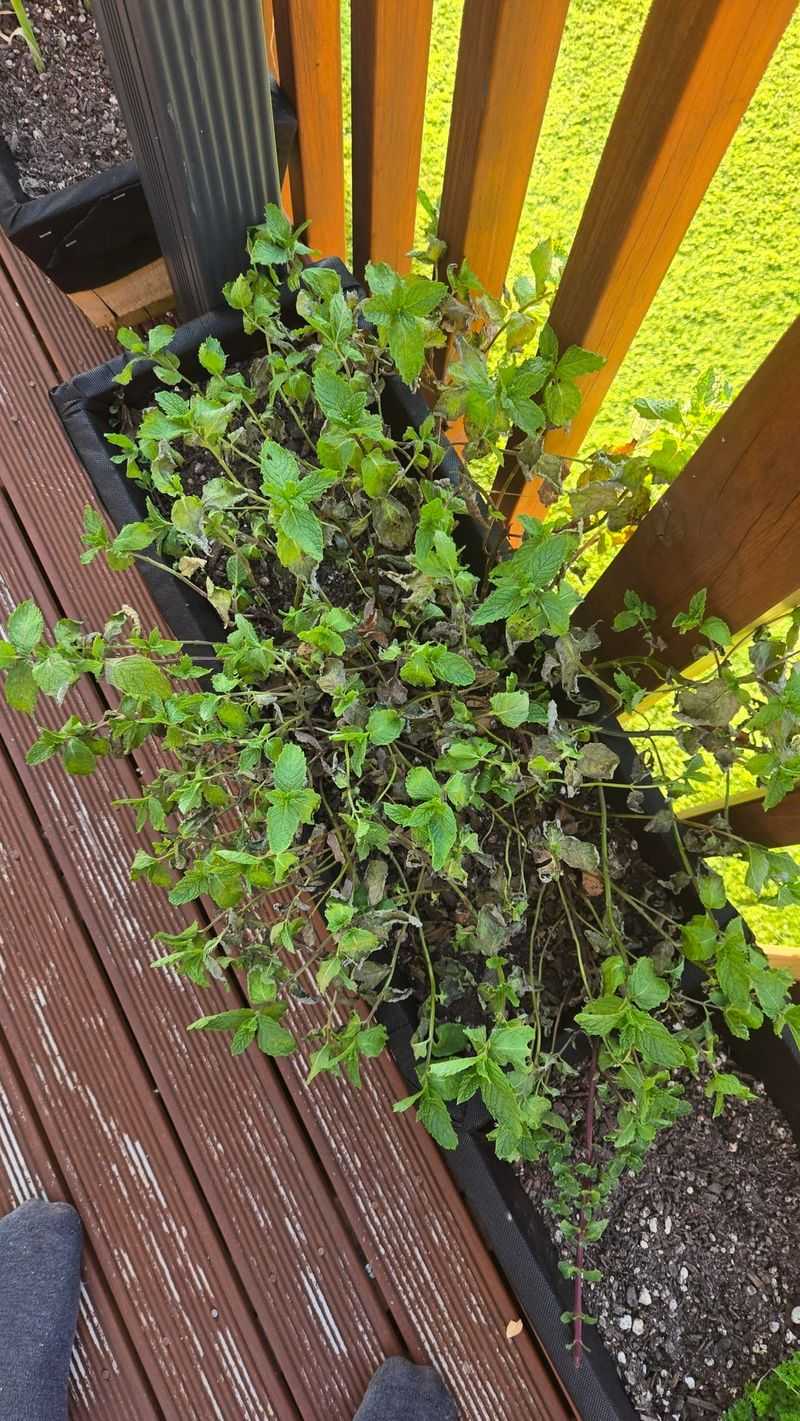
A thirsty mint plant is not doing you any favors. When peppermint does not get enough water, its leaves start to droop and the production of essential oils slows down significantly.
Less oil means less scent, and less scent means less deterrent effect on pests.
Mint prefers consistently moist soil. It does not like to dry out completely between waterings, but it also does not want to sit in soggy soil.
The goal is to keep the soil evenly damp, similar to a wrung-out sponge. Checking the top inch of soil with your finger is the easiest way to know when it is time to water.
Oregon rain often handles a lot of the watering work during fall and winter. But during summer dry spells, container plants can dry out faster than you expect because pots do not hold moisture as long as ground soil does.
Checking your pots daily during warm stretches keeps the plant in peak condition.
Yellowing leaves are a sign of overwatering, while dry, crispy edges usually point to underwatering. Both conditions reduce the plant’s ability to produce the oils that make it effective.
Catching these signs early and adjusting your watering routine makes a big difference in how well the plant performs.
Mulching the top of the soil in your container with a thin layer of wood chips or straw helps retain moisture longer.
It also keeps the soil temperature more stable on hot days, which reduces stress on the roots and helps the plant stay lush, fragrant, and fully functional as a pest deterrent.
8. One Pot Will Not Fix A Pest Problem
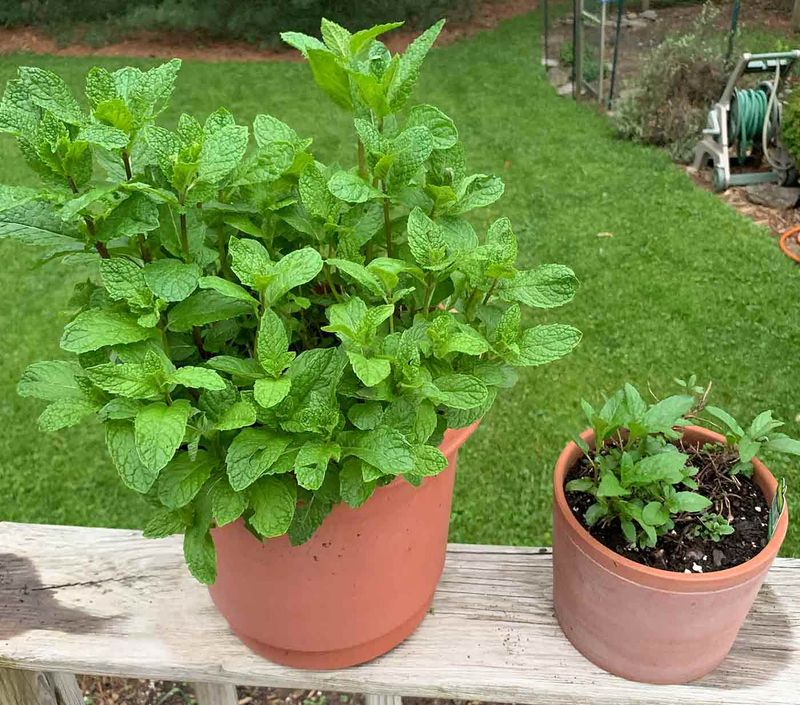
Peppermint is a helpful tool, but it works best as part of a bigger plan. Expecting a single pot to keep your entire home free from rats and roaches is setting yourself up for disappointment.
Pests are persistent, and they respond to a combination of deterrents better than any one solution alone.
Sealing cracks and gaps in your home’s exterior is still the most effective way to prevent pests from getting inside.
No scent, however strong, will stop a determined rat from squeezing through a gap in your foundation or siding.
Combine peppermint with physical pest-proofing for the best results.
Keeping your porch clean also matters. Food scraps, standing water, and clutter give pests reasons to stay even if the smell is uncomfortable.
Removing those attractants while adding mint to the mix creates a much less hospitable environment overall.
If you already have a significant pest problem, contact a licensed Oregon pest control professional.
Peppermint can support their work by making treated areas less appealing to returning pests, but it should not replace professional intervention when an infestation is already established.
Adding three to five pots of peppermint around your porch perimeter gives you much better coverage than a single pot in the corner. Spread them out so the scent reaches more of the space.
Combine that with regular leaf crushing, proper watering, and a clean porch, and you have a genuinely solid, natural approach to making pests feel far less welcome around your home.