What Montana Gardens Need Right Now As They Face Record Heat This Week
Montana’s thermometers cracked records this week, and gardens are paying the price. Tomato leaves curl under the midday sun, wildflower beds droop by noon, and herb patches turn brittle at the edges.
This heat doesn’t wait for a slow response. Soil bakes hard within hours, moisture vanishes before reaching deeper roots, and stressed plants attract pests looking for weak spots.
The plants aren’t done yet. Quick fixes to watering, shade, and soil care can pull a garden back from the edge, and growers who act now will still have something worth harvesting in September.
1. Deep, Early Morning Watering Matters More Than Ever
The ground is already cracking in some parts of the state. Montana gardens facing record heat need deep, consistent watering right now more than anything else.
Shallow watering is a trap most gardeners fall into during hot spells. It wets the top inch of soil but leaves roots thirsty just a few inches down.
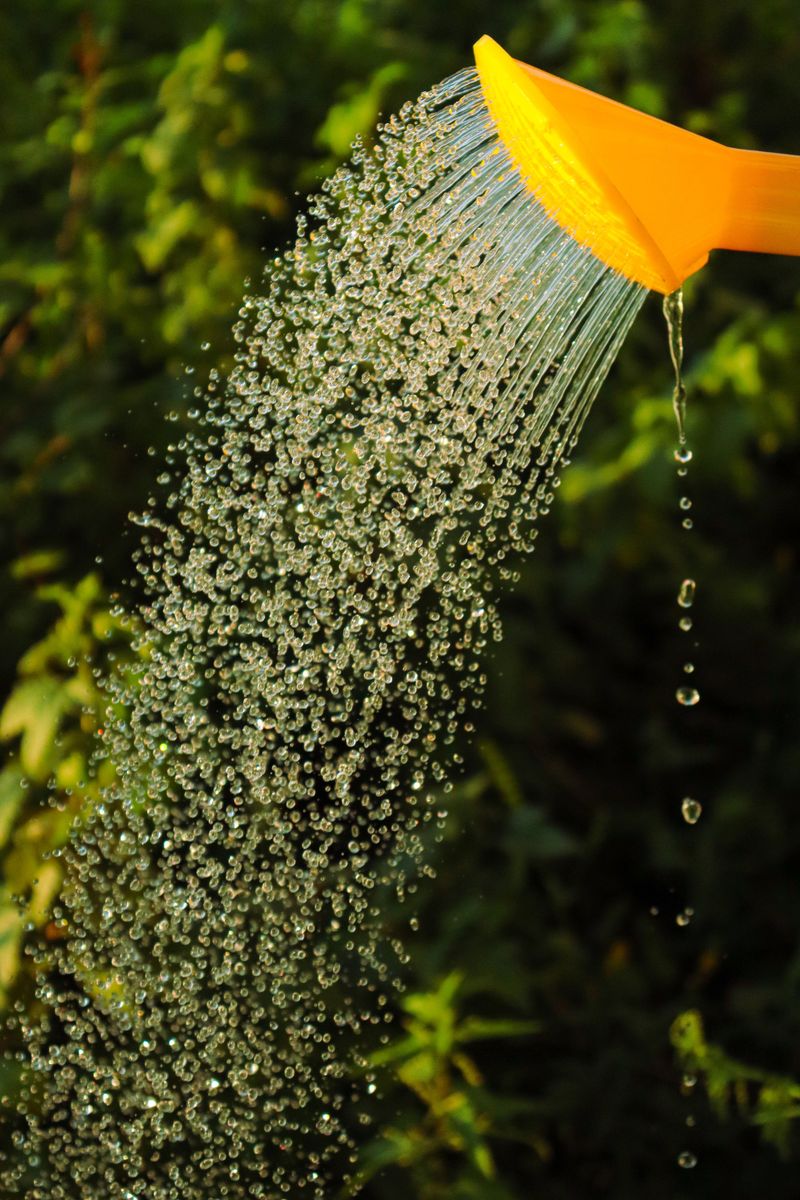
Deep watering means letting water soak in slowly for 20 to 30 minutes. You want moisture to reach at least six inches below the surface, where roots can actually use it.
Morning is the only smart window for this task. Watering after 9 a.m. lets the sun evaporate much of the water before roots can absorb it.
Aim for 5 a.m. to 7 a.m. if you can manage it. That early window lets water soak in while temperatures are still cool and manageable.
A soaker hose or drip system is worth every penny during a heat event like this. These tools deliver water directly to the root zone without wasting a drop on leaves or pathways.
If you only have a standard hose, slow the flow and hold it at the base of each plant. Moving too quickly means you are watering the air, not the garden.
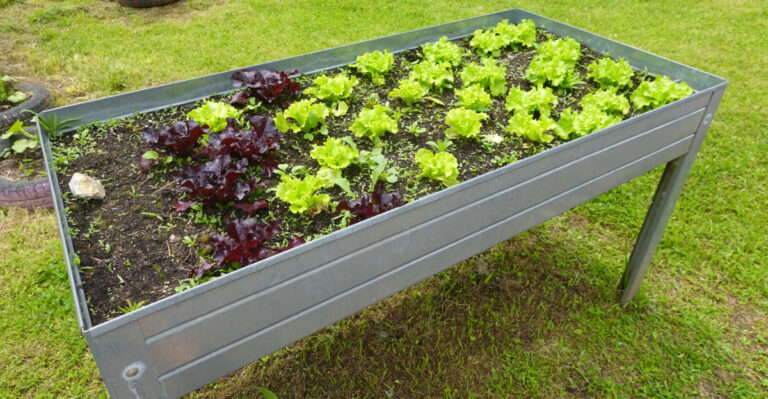
Raised beds dry out faster than in-ground plots, so they need extra attention. Check them daily by pressing a finger two inches into the soil to feel for moisture.
Your plants are working overtime to survive right now. Give them the deep drink they need before the sun climbs high.
2. Container Gardens Dry Out Faster Than In-Ground Beds
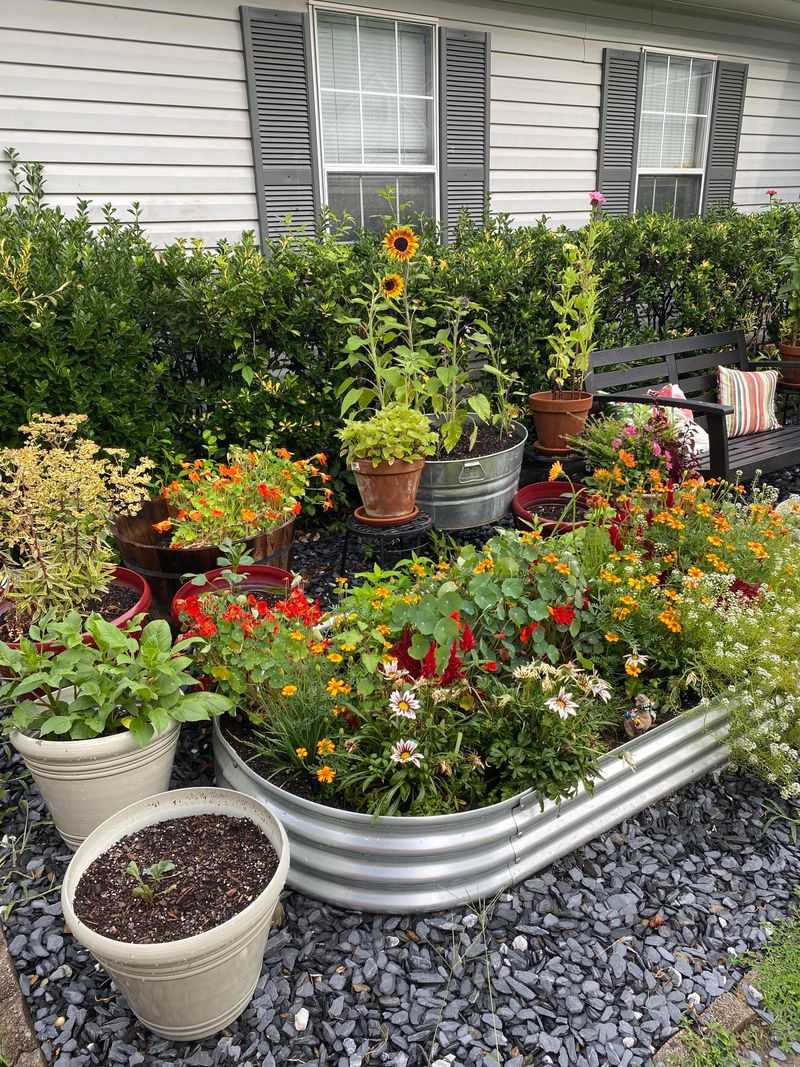
Pots and containers heat up from every side, not just the top. That extra exposure means container soil can lose moisture twice as fast as garden beds during a stretch like this.
Terracotta pots make the problem worse because the material pulls moisture straight out of the soil. Plastic or glazed ceramic containers hold water longer and give roots a better chance during peak heat.
Check container soil twice a day when temperatures climb this high. A quick finger test an inch below the surface tells you if a plant needs water before wilting sets in.
Move portable containers into afternoon shade whenever possible. Even two or three hours out of direct sun can lower soil temperature enough to protect fragile roots.
Grouping containers together also helps them retain moisture. Pots create a bit of shade for each other, and the cluster loses less water overall than scattered, isolated containers.
A layer of mulch on top of container soil works just as well as it does in garden beds. It slows evaporation and keeps roots from overheating during the hottest part of the day.
3. Mulch Becomes A Key Defense Against Soil Moisture Loss
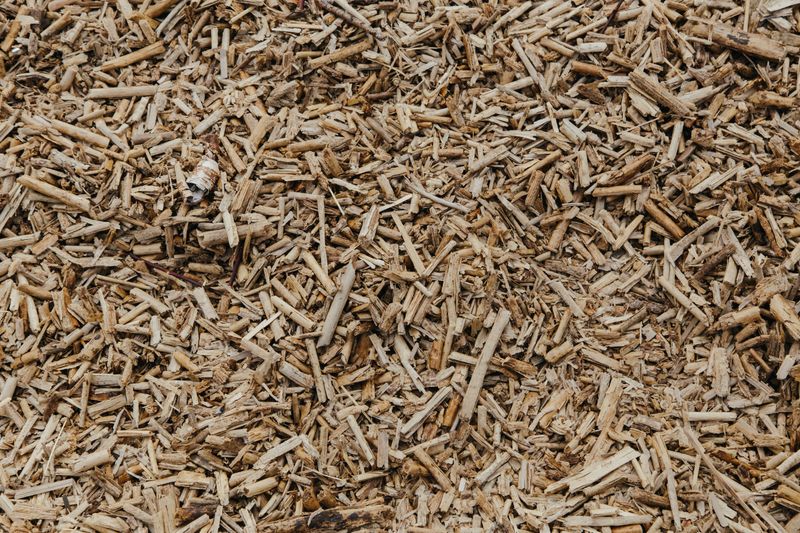
Picture bare soil baking under 100-degree sun. Without mulch, your garden loses moisture faster than watering alone can make up for.
A thick layer of mulch acts like a blanket for the soil. It blocks direct sunlight, slows evaporation, and keeps root zones cooler than the air above.
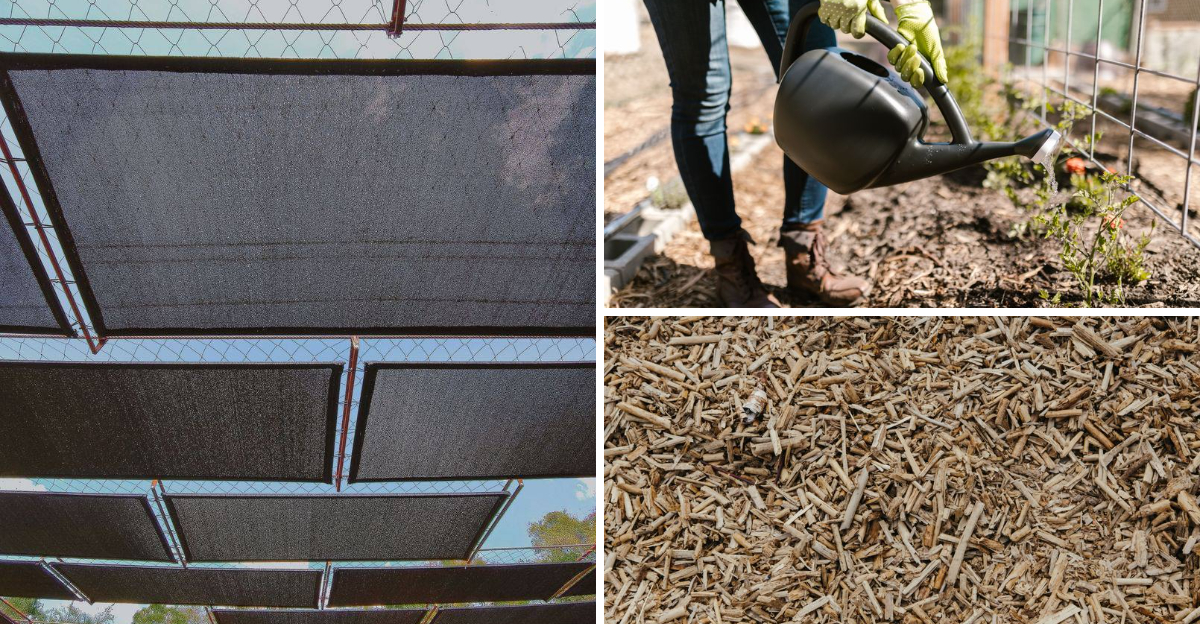
Straw is one of the best options for vegetable gardens because it is lightweight and breaks down slowly. Spread it three to four inches deep around every plant you want to protect.
Wood chips work great in flower beds and around shrubs. They hold moisture longer than straw and also suppress weeds that compete with stressed plants for water.
Grass clippings from an untreated lawn are a free and effective option. Spread them thin at first, since thick layers can mat together and block water from reaching the soil.
Shredded leaves are another budget-friendly choice that many gardeners overlook. They decompose into rich organic matter that improves soil structure over time.
Make sure mulch does not touch plant stems directly. Piling it against the base traps moisture against the stem and can lead to rot even during a dry heat event.
Pull mulch back slightly to create a small gap around each stem. That small detail protects plants from two different types of damage at once.
The right mulch layer now saves you hours of watering later. Your soil will thank you every single hot afternoon this week.
4. Shade Cloth Protects Tender Leaves From Scorch
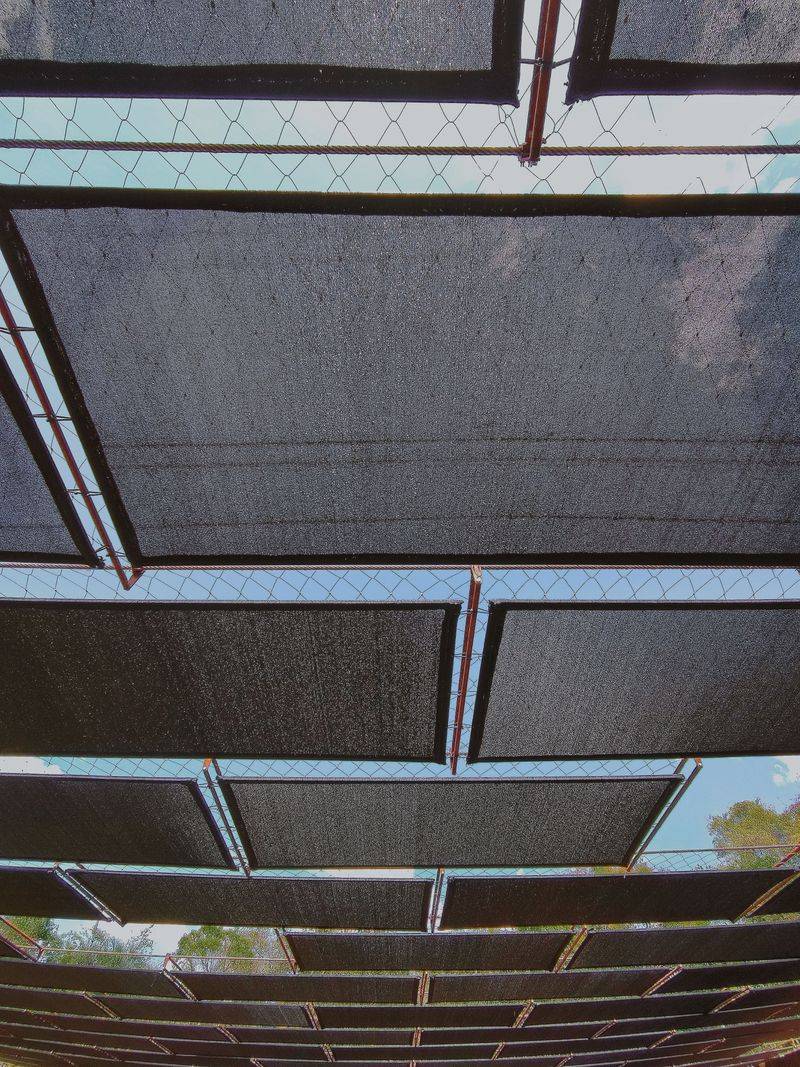
Some plants aren’t built for this kind of heat. Lettuce, spinach, cilantro, and young seedlings can scorch in just a few hours of direct afternoon sun.
Shade cloth is a simple mesh fabric that filters sunlight without blocking airflow. It comes in different densities, usually rated from 30 percent to 70 percent shade coverage.
A 30 to 40 percent shade cloth works well for most vegetables. It takes the edge off the brutal midday sun while still letting enough light through for healthy growth.
You do not need a fancy structure to hang shade cloth. A few wooden stakes, some zip ties, and a roll of cloth from the garden center is enough to build a quick cover.
PVC pipe bent into hoops over a raised bed makes an even sturdier frame. Drape the cloth over the hoops and secure the edges with clips or rocks.
Focus shade cloth coverage on the west and south sides of the garden. That is where afternoon sun hits hardest and causes the most leaf damage.
Even heat-loving plants like tomatoes and peppers benefit from afternoon shade during extreme events. Too much direct sun can cause blossom drop and sunscald on developing fruit.
Sunscalded tomatoes develop pale, papery patches on the skin. The fruit is still edible, but the texture and flavor suffer noticeably.
Shade cloth is a small investment that pays off all season long. Once you use it during a heat event, you’ll likely reach for it every summer after.
5. Afternoon Thunderstorms Bring Their Own Set Of Risks
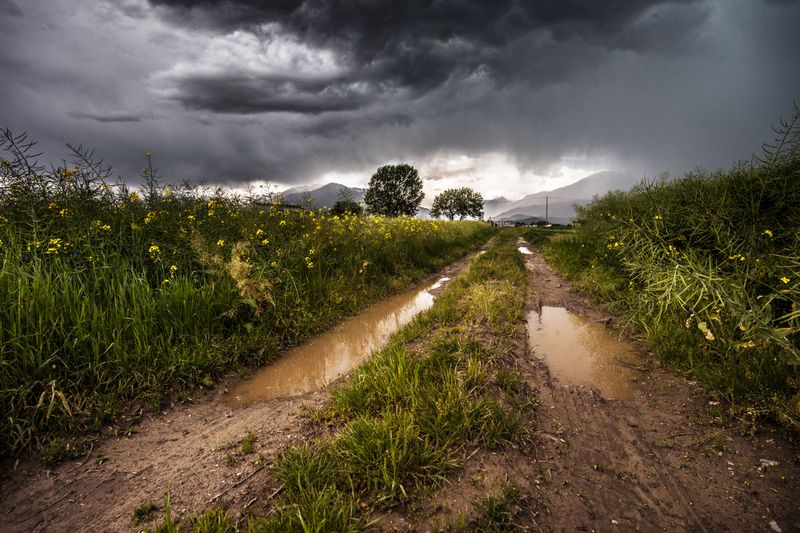
Montana summers and afternoon thunderstorms go together like peanut butter and jelly. But when the garden is already stressed from heat, a sudden storm can cause more harm than help.
Heavy rain after dry, compacted soil often leads to runoff instead of absorption. The water rushes across the surface and carries topsoil with it before roots get a chance to drink.
Hail is the bigger threat during these storm events. Even a brief hailstorm can shred leaves, crack stems, and damage fruit that took weeks to develop.
Keep old bed sheets, row covers, or buckets nearby when storms are in the forecast. Draping them over sensitive plants takes less than five minutes and can prevent serious damage.
Lightweight row cover fabric is the best option because it lets water through while blocking hail impact. Many garden centers carry it in rolls you can cut to size.
After a storm passes, check your garden right away. Broken stems can sometimes be splinted with a stick and garden tape if you catch them quickly enough.
Standing water after a storm is another issue to watch for. Roots sitting in pooled water for more than a few hours start losing access to oxygen, especially in clay-heavy soils.
Poke a few drainage holes in low spots or redirect water with a small trench. Quick action after a storm protects the work you put in all season.
Storms can feel like relief, but they come with strings attached. Stay alert and be ready to step in when the clouds roll in.
6. Certain Plants Show Heat Stress Before Others Do
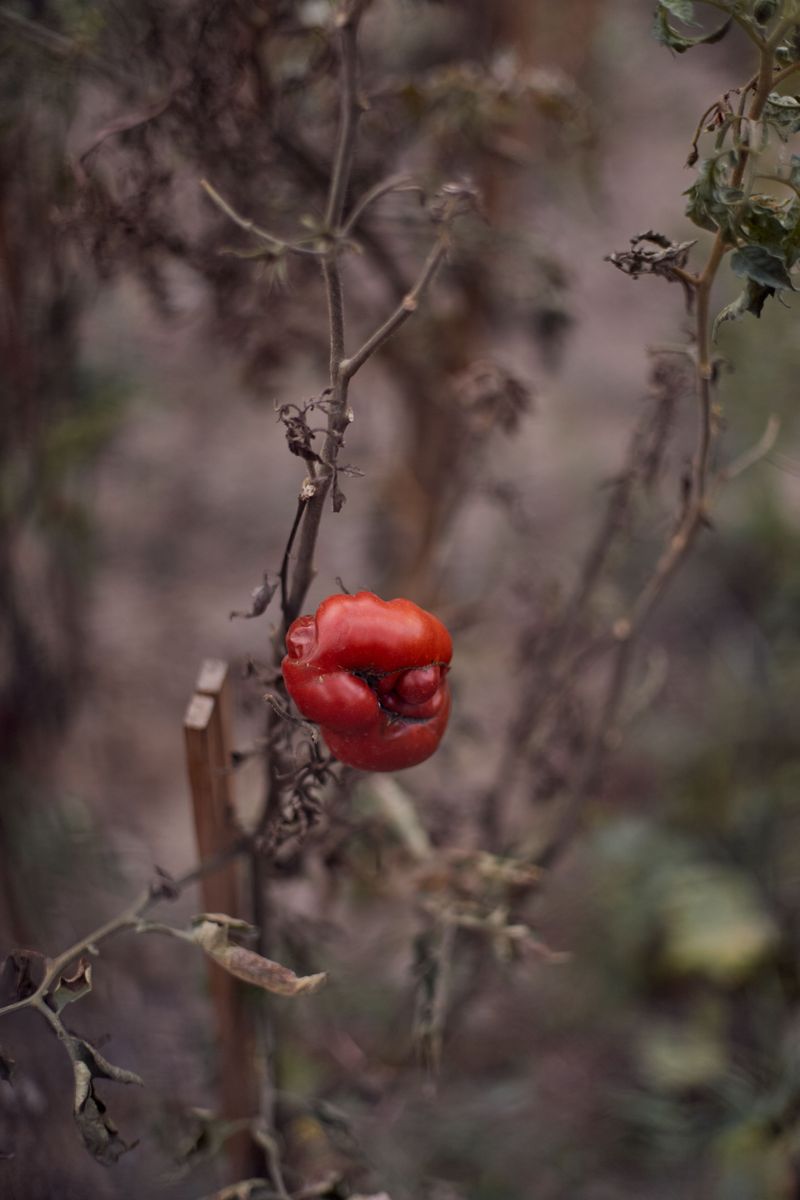
Not every plant shows stress signals at the same time. Knowing which ones crack first gives you a huge advantage when temperatures spike like they have this week.
Lettuce is the most obvious early warning system in any garden. When it starts to bolt or its leaves go limp by midmorning, the rest of your garden is also under pressure.
Spinach and arugula follow close behind, wilting dramatically even when soil moisture seems adequate. Their large, thin leaves lose water quickly through a process called transpiration.
Basil is another sensitive plant that shows stress fast. Its leaves curl inward and lose their glossy shine before most other herbs show any reaction to heat.
Tomatoes give a subtler signal. When the top few inches of a plant droop slightly in the early afternoon, that is a sign of heat stress, not necessarily drought.
Pepper plants drop their blossoms when temperatures stay above 90 degrees for several days straight. You will not see fewer peppers immediately, but you will notice it in about two weeks.
Cucumber leaves turn pale and papery at the edges when heat stress sets in. The vines may still look full, but growth slows dramatically behind the scenes.
Check these indicator plants every morning before the heat builds. They are your garden’s early alarm system, and they are trying to tell you something important.
Catching stress signals early means you still have time to act. A little attention now keeps the whole garden from unraveling during Montana’s record heat this week.
7. Evening Garden Checks Catch Problems Before Morning
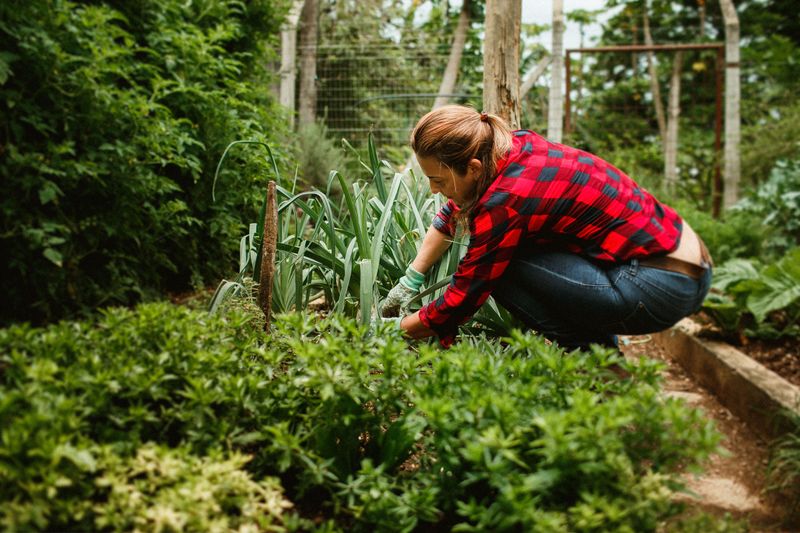
Most gardeners focus their attention in the morning, but evening checks matter just as much during a heat event. Plants often reveal damage after the sun goes down, once the day’s stress finally shows.
Walk through the garden about an hour before sunset. Look closely at leaf color, soil texture, and any new wilting that wasn’t there at midday.
Wilting in the evening isn’t always a sign of drought. Some plants droop temporarily to conserve water and bounce back once temperatures drop, so evening wilting deserves a second look before you act.
A quick evening watering session, done lightly, helps plants recover overnight. This isn’t the deep soak from earlier in the day, just enough to ease overnight stress before temperatures rise again.
Evening is also the best time to spot pest activity. Aphids and spider mites tend to be more visible as the light shifts, making early treatment easier before populations grow.
Use this time to plan for the next day. Noting which plants struggled most in the evening helps you prioritize morning watering and shade placement before the heat returns.
8. A Few Days Of Care Now Prevent Long-Term Damage
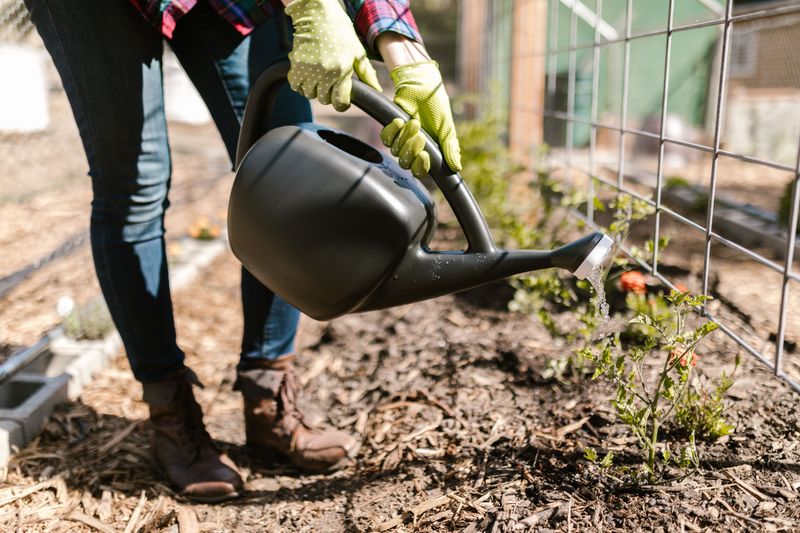
Gardens have a short memory when they are treated well. A few focused days of care during a heat event can reset the trajectory of your entire growing season.
Start by doing a full walkthrough of your garden each morning. Look for wilting, yellowing leaves, cracked soil, and any signs of pest damage that heat stress can make worse.
Heat-stressed plants attract aphids and spider mites faster than healthy ones. These pests move in when defenses are down, so early detection matters more than usual right now.
Fertilizing during a heat wave is a mistake many gardeners make. Nitrogen pushes new growth, and tender new growth is the first thing to burn under intense sun.
Hold off on any feeding until temperatures drop back to a reasonable range. Your plants need water and shade right now, not extra nutrients they cannot process in the heat.
Removing spent flowers during a heat wave also helps. It redirects the plant’s energy away from seed production and toward root and stem resilience instead.
Pruning any badly damaged leaves removes damaged tissue that can harbor disease. Use clean scissors and make cuts just above a leaf node for the cleanest result.
Write down what you observe each day this week. A quick note on your phone about which plants struggled most will help you plan smarter next summer.
What Montana gardens need right now is your attention and consistency. Show up for your garden this week, and it will show up for you all season long.