The Tiny Pest Damaging Boxwoods In Oregon Yards This Season
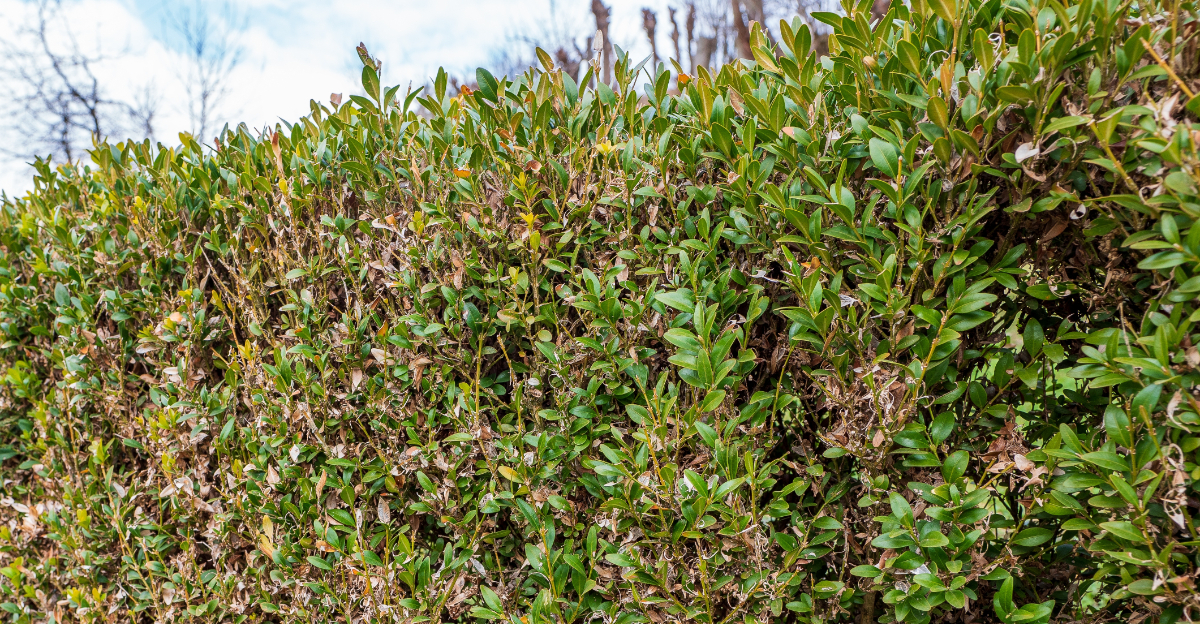
Something is wrong with boxwoods across Oregon right now, and a lot of gardeners are noticing it without knowing what they’re actually looking at.
Cupped leaves, stunted new growth, a waxy residue that shows up on stems and foliage like a strange white dusting.
The shrubs that are usually so dependable, so consistently tidy and green, suddenly looking off in ways that are hard to diagnose at a glance.
The culprit is tiny, surprisingly easy to overlook, and going largely undetected in yards all over the state.
Boxwood Psyllid is behind the damage, and it’s having a notable season in Oregon. This small sap-sucking insect targets new growth in spring, causing the characteristic cupping and distortion that gets mistaken for environmental stress or disease.
Most gardeners treat the wrong thing and wonder why nothing improves. Identifying Boxwood Psyllid correctly is what makes the difference between a treatment that works and another season of watching your boxwoods slowly deteriorate.
Meet The Boxwood Psyllid
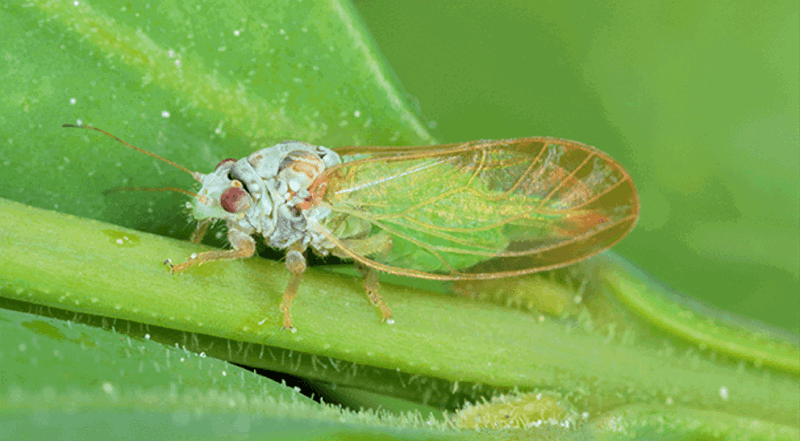
Tiny but troublesome, the boxwood psyllid is one of the most common insect pests attacking boxwood shrubs across Oregon right now. Its scientific name is Cacopsylla buxi, and despite its small size, it packs a punch when it comes to plant damage.
Most people never even see the insect itself because it is so small, roughly the size of a pinhead when young.
Psyllids are related to aphids and whiteflies. They are sap-sucking insects, meaning they feed by piercing the plant tissue and drinking the juices inside.
The young ones, called nymphs, are the most damaging stage. They hide between the cupped leaves they create and feed quietly while most gardeners have no idea they are there.
In Oregon, the boxwood psyllid has one generation per year. Eggs overwinter on the plant, then hatch in spring when new growth begins.
Knowing your enemy is the first step to managing it. Once you understand what this pest looks like and how it behaves, spotting it in your yard becomes much easier.
Why New Growth Looks Cupped
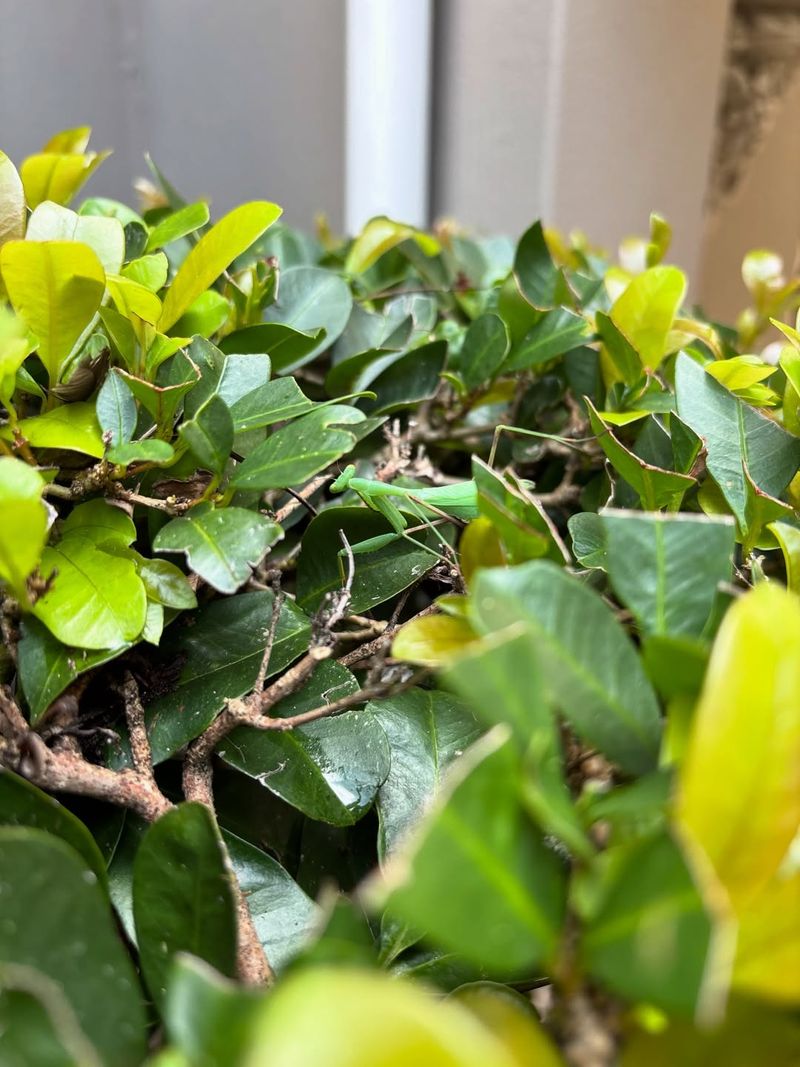
One of the first signs Oregon gardeners notice is that the new leaves on their boxwoods look strangely cupped or curled. It almost looks like the leaves are trying to fold around something.
That is actually exactly what is happening. The psyllid nymphs position themselves at the growing tips and feed on the tender new tissue before it fully expands.
As the nymphs feed, they release a chemical that causes the leaf tissue to grow unevenly. The edges of the leaf curl inward, creating a little cup shape.
The nymphs then hide inside this cup, which also protects them from rain, wind, and predators. It is a clever survival trick that unfortunately comes at the cost of your plant’s appearance.
The cupping is most visible in spring and early summer when new growth is actively pushing out. Older leaves that were already fully formed before the nymphs hatched usually look normal.
So the damage tends to be concentrated at the branch tips. If you spot cupped leaves on your Oregon boxwoods, that is a strong sign psyllids are present and actively feeding.
Your Oregon Garden Changes Every Week. Your Plan Should Too.
Gardening in Oregon changes quickly throughout the season. Every Friday you’ll receive a simple weekly plan showing exactly what to plant, prune, fertilize, harvest, and protect so you never miss the right timing.
The White Fuzz Is A Clue
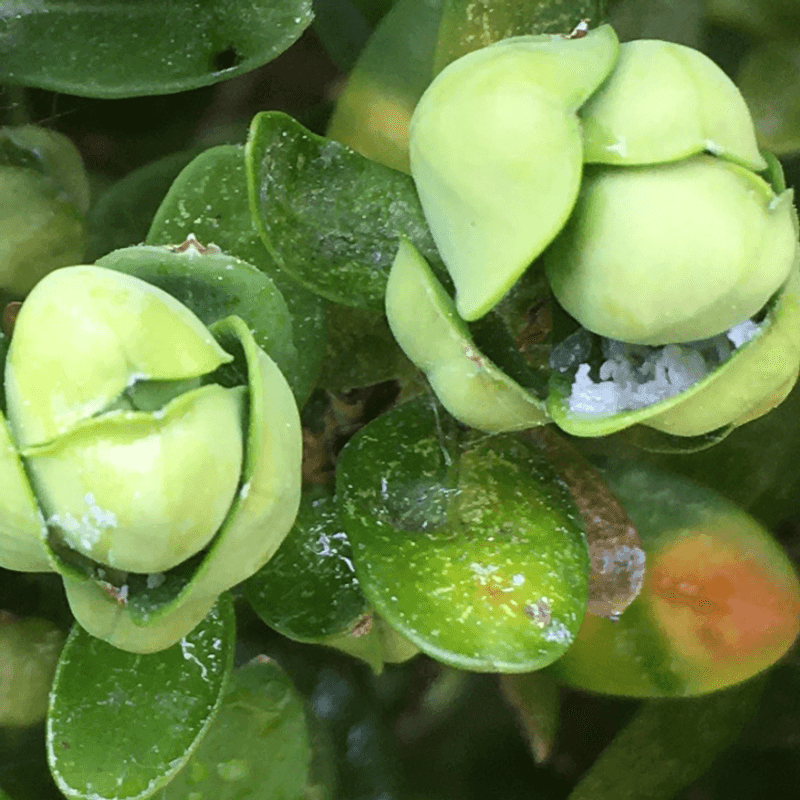
Flip open one of those cupped leaves and you might find something surprising: a small, fuzzy white coating clinging to the inside. That white fuzz is actually a waxy secretion produced by the psyllid nymphs.
They coat themselves in it as a form of protection. It can look a little like a tiny cotton ball or powdery residue, and it is a very reliable clue that psyllids are the problem.
Many Oregon gardeners mistake this white material for a fungal disease or powdery mildew at first glance. But look closer and you will likely spot the nymph itself hiding underneath.
The nymph is pale green or yellowish and flat, almost like a tiny scale insect. It does not move quickly, so once you know where to look, spotting it is not too hard.
Finding the white fuzz early in the season gives you a real advantage. The earlier you catch an infestation, the more options you have for managing it.
Check your Oregon boxwoods regularly in March and April when nymphs are most active. A simple visual inspection of the branch tips can reveal a lot about what is going on with your plants.
When Damage Shows Up
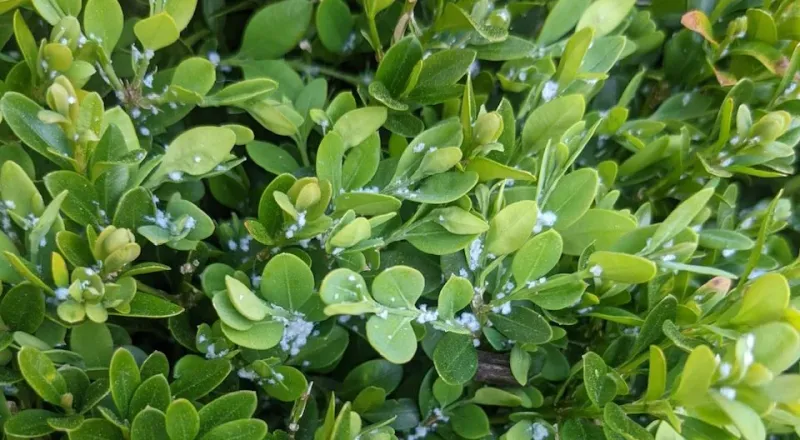
Timing matters a lot when it comes to boxwood psyllid damage. In Oregon, the eggs hatch right as boxwoods start pushing out their fresh spring growth, usually sometime in March or April depending on the weather.
That timing is no accident. The nymphs hatch specifically to take advantage of the soft, tender new leaves that are easiest to feed on.
By late spring, most of the feeding is already done. The nymphs mature into adult psyllids, which are winged and less damaging.
Adults lay eggs on the bark near the buds in late spring and early summer, and then those eggs just sit there dormant until the following spring. So the window of active damage is actually fairly short, but the effects can linger all season.
The cupped and distorted leaves do not straighten out on their own after the nymphs leave. They stay misshapen for the rest of the growing season, which is why boxwoods in Oregon yards can look rough even when the insects are long gone.
Catching the problem during that early spring window gives you the best chance to reduce how much distortion ends up on the plant.
Why Oregon Boxwoods Get Hit
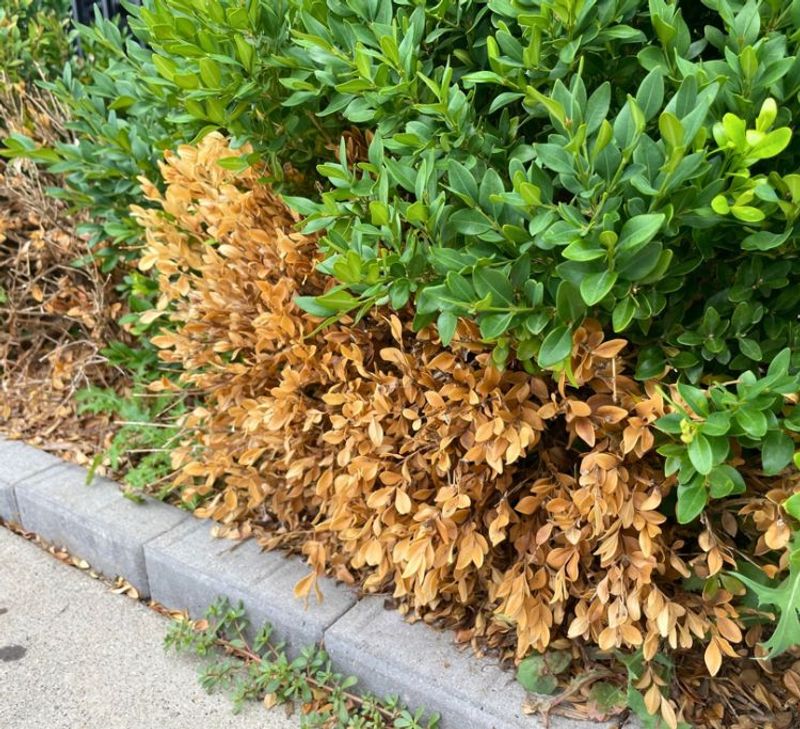
Oregon’s mild, wet winters and cool springs create near-perfect conditions for boxwood psyllids to thrive. The Pacific Northwest climate keeps boxwoods growing strong, but it also gives overwintering psyllid eggs a comfortable place to survive until spring.
Across western Oregon especially, where winters rarely get bitterly cold, egg survival rates tend to be high from one year to the next.
Boxwoods are also incredibly popular in Oregon landscaping. They are used as hedges, borders, foundation plantings, and topiaries throughout the region.
That widespread planting means psyllids have no shortage of hosts to move between. A heavily planted neighborhood in Portland or Eugene can allow psyllid populations to build up over several seasons without much natural pushback.
Another factor is that many Oregon gardeners do not realize psyllids are a problem until the damage is already done. Because the pest is so small and the feeding window is short, it often flies under the radar.
Awareness has been growing in recent years, but plenty of homeowners still chalk the cupped leaves up to disease or drought stress. Knowing that Oregon’s specific conditions favor this pest can help you stay one step ahead of it each spring.
How Much Harm It Really Does
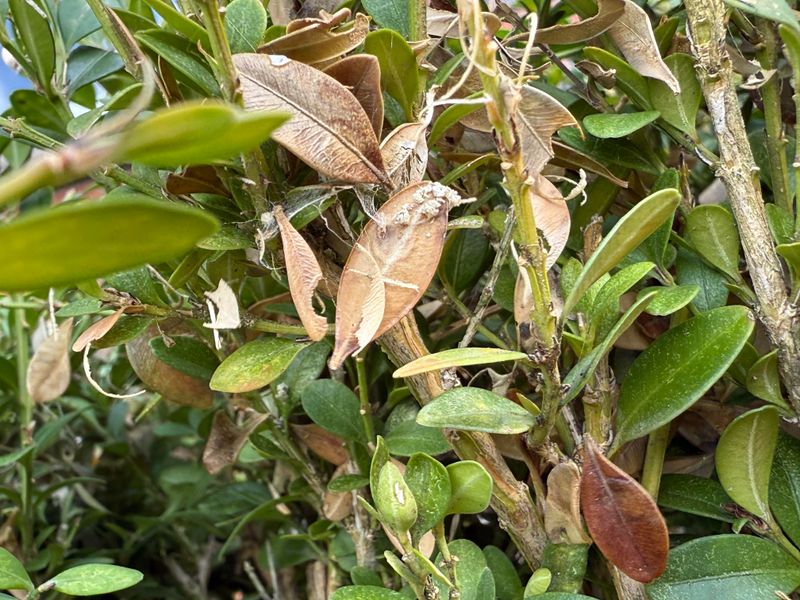
Here is some genuinely reassuring news: boxwood psyllids are considered an aesthetic pest more than a life-threatening one. A healthy, well-established boxwood in an Oregon yard can tolerate psyllid feeding without suffering serious long-term consequences.
The plant may look rough in spring and early summer, but it usually fills back in with normal growth as the season progresses.
That said, repeated infestations year after year can gradually weaken a plant. If a boxwood is already stressed from drought, poor soil, or disease, psyllid feeding on top of that can push it further in the wrong direction.
Young or newly planted boxwoods are more vulnerable than mature ones, so extra attention is worth it for plants that have not yet established strong root systems.
Heavy infestations can also reduce the overall density of the shrub over time, making it look thinner and less full. In formal hedges or carefully shaped topiaries, that kind of thinning is especially noticeable and frustrating.
For most Oregon homeowners, the damage lands somewhere between mildly annoying and moderately concerning. Understanding the real level of risk helps you make smarter decisions about whether and how aggressively to respond.
What To Do Before Spraying
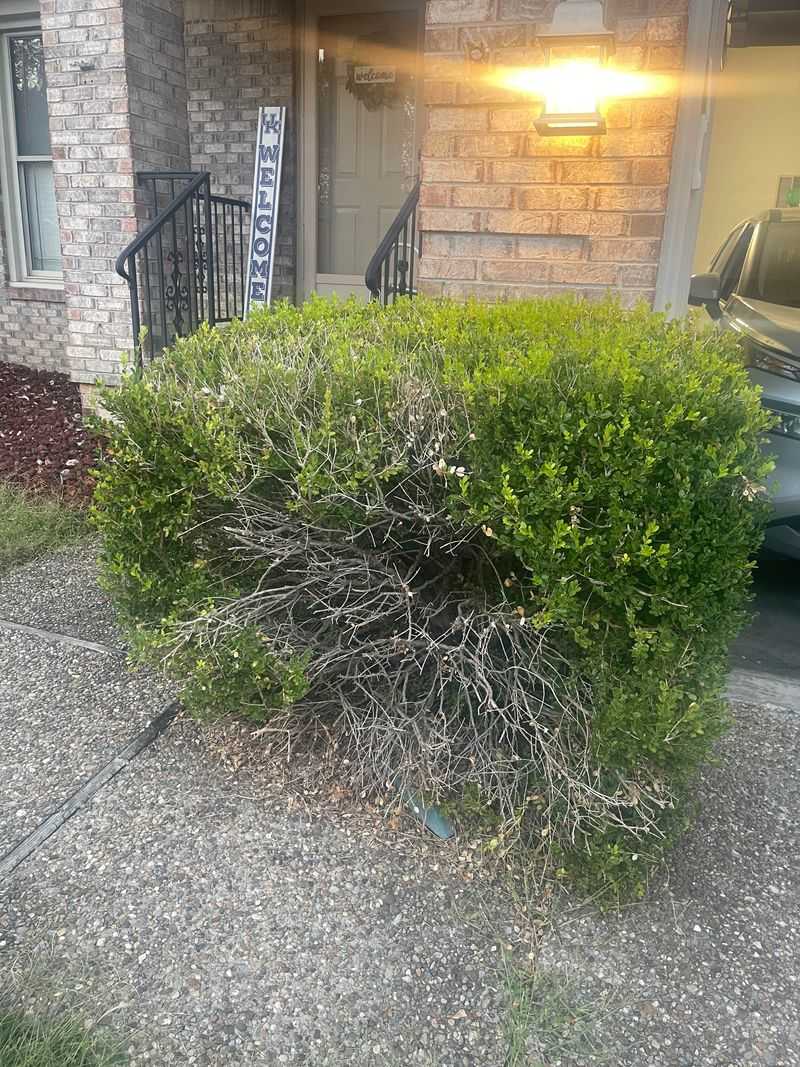
Before reaching for any spray bottle, there are several simple steps Oregon gardeners can take that make a real difference. Start with a good pruning.
Cutting off the damaged, cupped shoot tips in late spring removes the nymphs along with the distorted growth. Bag up those clippings and put them in the trash rather than the compost pile to avoid spreading the eggs around your yard.
Keeping your boxwoods healthy overall is one of the best defenses you have. Well-watered, properly fertilized plants are more resilient and better able to bounce back from feeding pressure.
Avoid over-fertilizing with nitrogen in early spring, though, since that encourages the soft, lush new growth that psyllids love most. A balanced fertilizer applied at the right time helps the plant grow steadily without becoming overly tender and attractive to pests.
Natural predators like lacewings and parasitic wasps do feed on psyllid nymphs, so avoiding broad-spectrum pesticides whenever possible helps keep those beneficial insects around. If you do decide that a treatment is necessary after trying these steps, horticultural oil applied in early spring before eggs hatch can be effective.
Always read the label carefully and follow local Oregon guidelines for pesticide use in residential areas.