The Meaning Behind Seeing This Winged Pest On Your Pennsylvania Maples
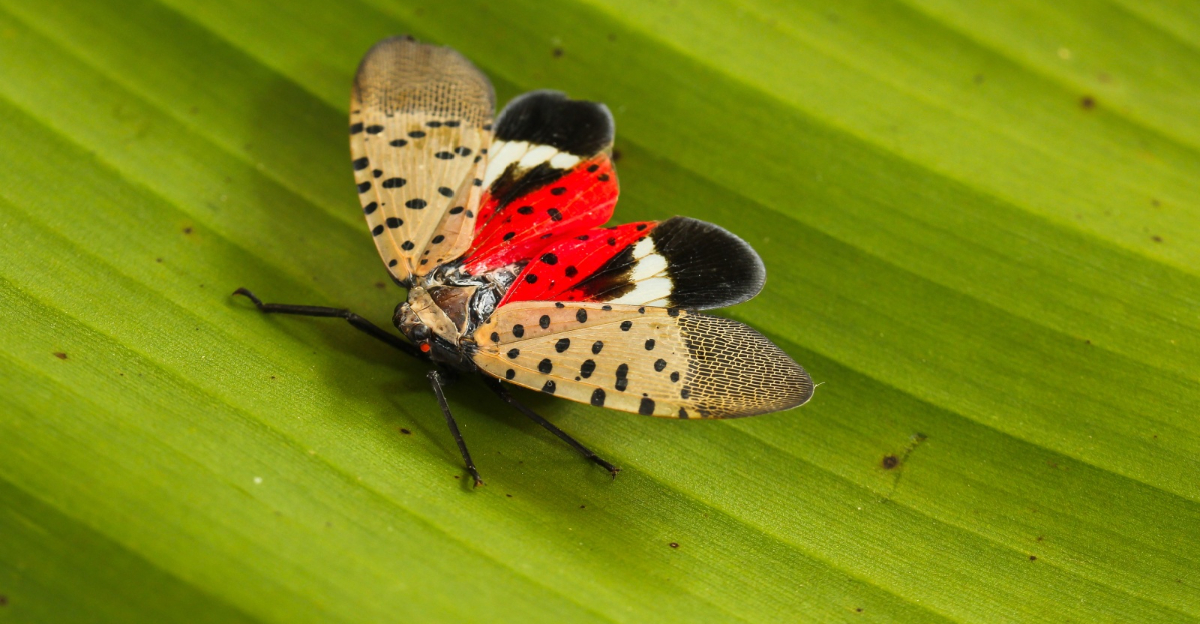
Red and black wings just landed on your porch railing. Your morning pause turns tense as you lean closer. Clusters of spotted insects cling to bark and fences nearby.
Pennsylvania homeowners are watching this invader spread unchecked fast. Scientists warn the spotted lanternfly damages everything in its path.
Trees weaken while sap leaks and sooty mold spreads wide. Vineyards lose harvests as property values quietly slip nearby.
Neighbors trade warnings while concern spreads faster than the bugs can. Officials across Pennsylvania urge residents to squash and report sightings.
Early detection helps prevent infestations from spreading unnoticed. Ignoring these insects only adds to a problem already affecting the state.
Understanding the danger now protects your trees from real damage. Every season without action lets populations multiply well out of control.
Curiosity brought you here, but urgency should keep you moving forward. What happens next depends entirely on what you do right now.
Spotted Lanternflies Are The Winged Pest Behind This Warning
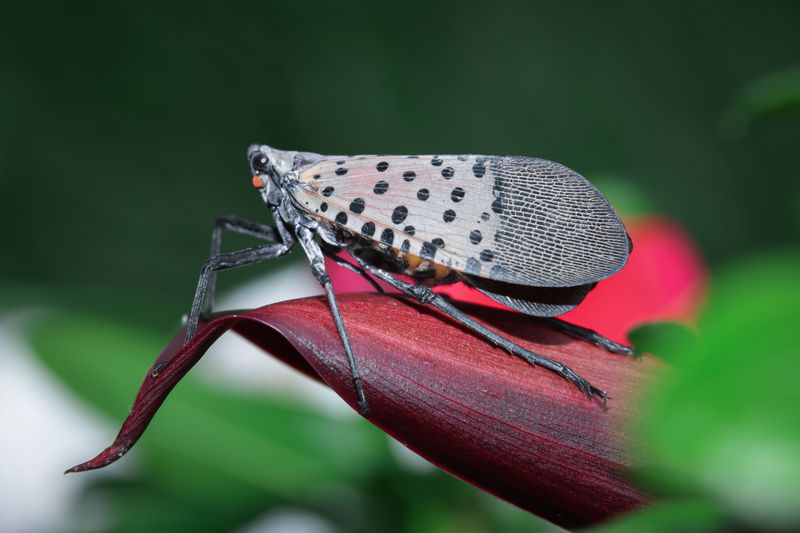
You spotted something strange on your maple, and now you need answers fast. That colorful, moth-like insect is almost certainly the spotted lanternfly, a pest from Asia that has spread widely across the eastern United States.
Spotted lanternflies belong to the planthopper family, not the true fly group. Their scientific name is Lycorma delicatula, and they were first detected in Berks County around 2014.
Since that discovery, they have spread to dozens of counties across the state. Homeowners, farmers, and orchardists have all felt their impact firsthand.
These insects do not bite humans or pets, so they pose no direct physical danger to people. Their real threat is the damage they inflict on trees, crops, and ornamental plants through feeding.
Spotting this winged pest on your Pennsylvania maples is not a coincidence. Maples are among their favorite host plants, and a single infestation can spiral quickly without action.
The good news is that early identification puts you ahead of the problem. Knowing exactly what you are dealing with is the first and most powerful step toward protecting your trees.
How To Identify Adult Spotted Lanternflies On Maple Trees
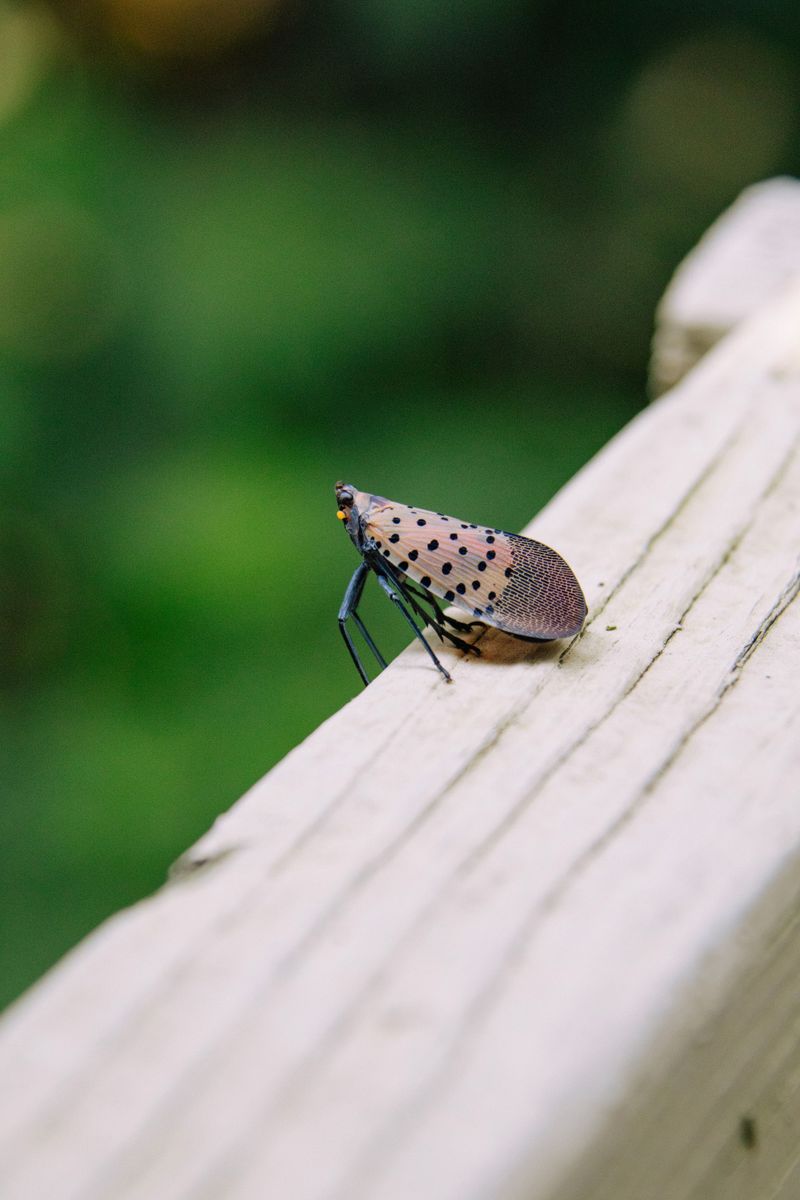
Bright wings and bold patterns make this insect surprisingly easy to spot once you know what to look for. Adult spotted lanternflies are about one inch long with a distinctive two-toned appearance.
Their outer wings are gray or tan with black spots arranged in neat rows. When startled, they flash vivid red hindwings with black patches and a white band near the edge.
That flash of red is often the first thing homeowners notice. It looks almost too colorful to be a pest, which is part of what makes identification so surprising.
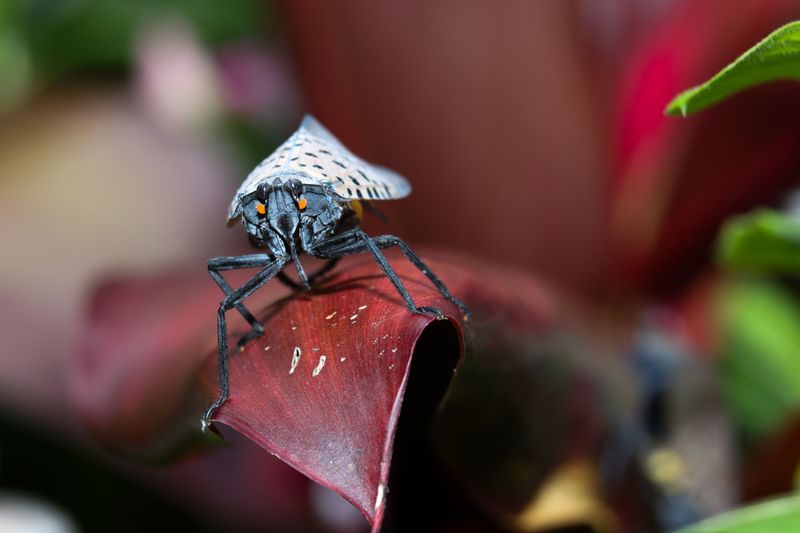
Nymphs look quite different from adults. Early-stage nymphs are small, black, and covered in white spots, while later-stage nymphs develop red patches as they mature toward adulthood.
Egg masses are another sign worth knowing. They look like smeared gray mud or dried putty on tree bark, fences, or even outdoor furniture.
Your Pennsylvania Garden Changes Every Week. Your Plan Should Too.
Gardening in Pennsylvania changes quickly throughout the season. Every Friday you’ll receive a simple weekly plan showing exactly what to plant, prune, fertilize, harvest, and protect so you never miss the right timing.
Each egg mass contains 30 to 50 eggs laid in neat rows beneath a waxy coating. Spotting egg masses in fall or winter gives you a head start before the next generation hatches.
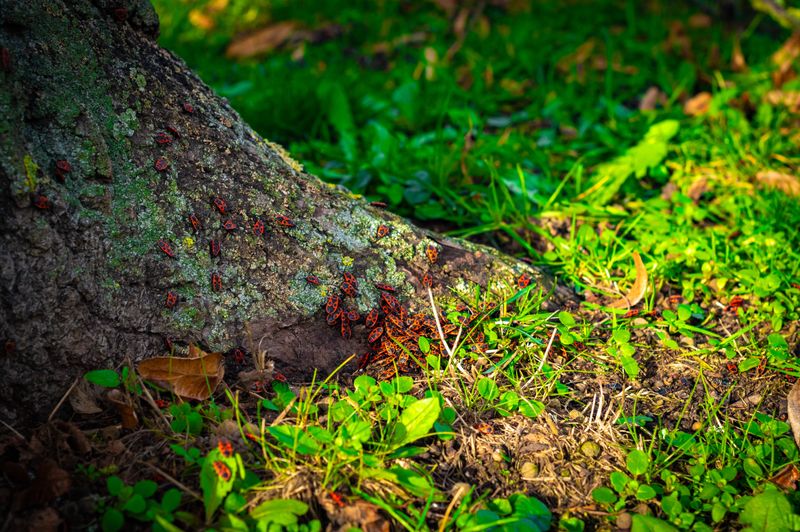
Adults are most visible from late July through November on your Pennsylvania maples. If you see large groups clustered on trunks or branches, that swarming behavior is a major red flag worth addressing immediately.
Why Maples Are A Preferred Target For This Invasive Insect
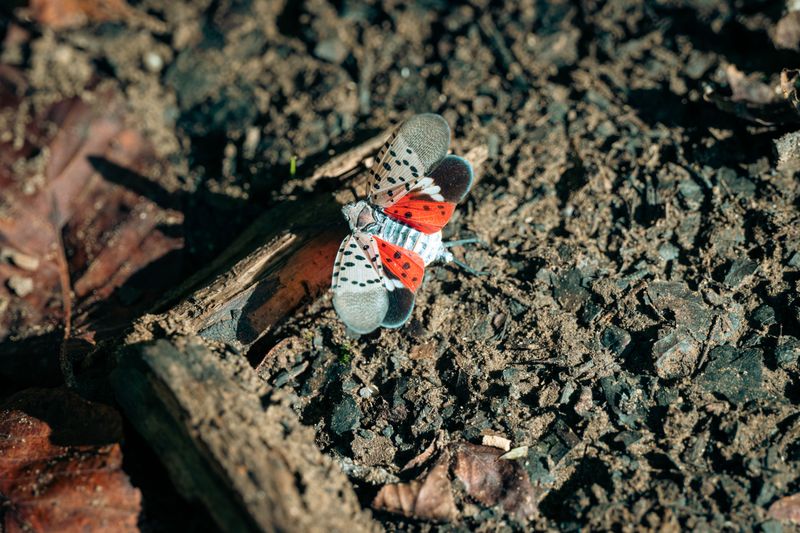
Maples did not ask to be on the spotted lanternfly menu, but here we are. These trees produce sap with a sugar content that makes them highly attractive feeding sites for this invasive pest.
Spotted lanternflies use piercing mouthparts to tap directly into the phloem layer of the tree. The phloem carries sugars produced by photosynthesis throughout the plant, and these insects drain it steadily.
Red maples, silver maples, and sugar maples are all vulnerable species. Ornamental maples planted in suburban yards are just as much at risk as their wild counterparts in forested areas.
Tree-of-heaven, an invasive tree itself, is the spotted lanternfly’s most preferred host overall. When tree-of-heaven is nearby, it can draw lanternflies toward your property and onto your maples as a secondary feeding source.
Grapes, hops, apples, and peaches are also targeted, which is why agricultural communities have raised serious alarms. For homeowners, the maple in the front yard often becomes the first casualty.
The sheer number of insects that can gather on a single maple is staggering. Dozens to hundreds of adults can cluster on one trunk during peak season, creating concentrated feeding pressure that stresses the tree quickly.
Understanding why your maple draws them in helps you think strategically about prevention and control. Your tree is not just unlucky; it is genuinely one of their top choices.
What Happens To A Tree Under Heavy Feeding Pressure
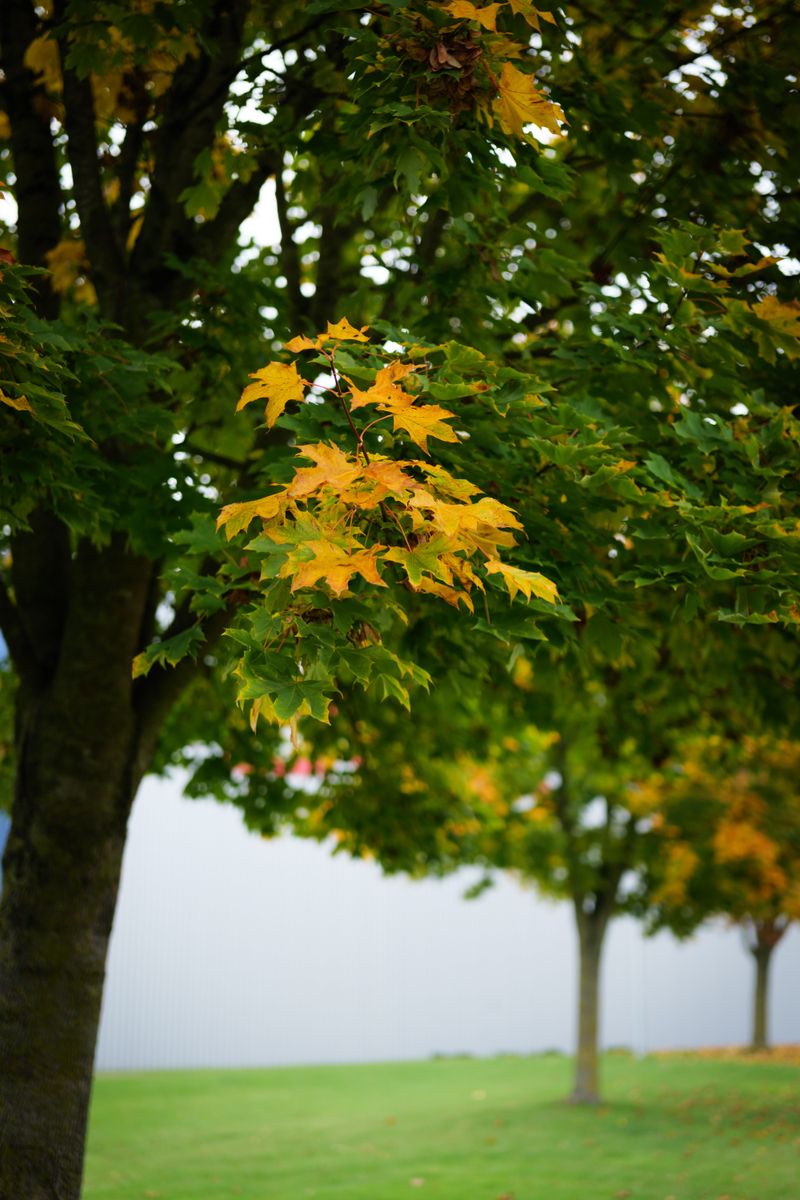
Picture your maple looking healthy in June and struggling by August. This kind of decline can result from heavy feeding pressure in a single growing season.
When these insects feed, they excrete a sticky liquid called honeydew. This sugary waste coats leaves, branches, and anything below the tree, including lawn furniture and pavement.
Honeydew creates a glossy, wet-looking film on surfaces. Over time, a black fungus called sooty mold grows on that film, turning bark and leaves dark and grimy.
Sooty mold does not directly harm the tree on its own. However, it blocks sunlight from reaching the leaf surface, reducing the tree’s ability to photosynthesize efficiently.
Meanwhile, the feeding itself weakens the tree by depleting its stored energy. A tree that loses too much phloem sap struggles to grow new shoots, produce seeds, or defend against other stressors.
Repeated infestations over multiple years compound the damage significantly. A maple that survives one bad season may not bounce back after three consecutive years of heavy feeding.
Branch decline is one of the most visible warning signs of serious damage. When you see browning tips on branches that were healthy earlier in the year, the feeding pressure has likely crossed a critical threshold.
Acting early gives the tree a real chance to recover. Waiting too long turns a manageable problem into a much harder one to reverse.
Why Late Summer Is The Riskiest Time For Infestations
August and September have a way of sneaking up on maple owners. By the time you notice the insects, the infestation may already be well established and growing fast.
Spotted lanternfly populations peak in late summer as nymphs complete their final molt into adulthood. Adults are larger, more mobile, and capable of traveling greater distances than earlier life stages.
Adult lanternflies also begin feeding heavily in preparation for the reproductive season. This intense feeding phase is when trees experience the most significant stress from their activity.
Warm, dry late-summer weather tends to accelerate their spread across neighborhoods. One heavily infested yard can become a source of spread to surrounding properties within weeks.
Egg-laying begins in September and continues through November. Females deposit egg masses on any flat surface, from tree bark to car bumpers to backyard fences.
This timing makes late summer a critical window for intervention. Stopping adults before they lay eggs dramatically reduces the population that emerges the following spring.
Many homeowners make the mistake of waiting until the damage is obvious. By then, egg masses are already in place, and the next generation is highly likely without active removal.
Mark your calendar for late July as the start of your monitoring season. Checking your maples weekly during this period gives you the best shot at catching an infestation before it takes hold and spreads further.
Steps Homeowners Can Take To Protect Their Maples

Good news: you are not powerless against this pest. There are practical, proven steps that homeowners can take right now to defend their maple trees from spotted lanternfly damage.
Start by scraping off any egg masses you find on bark, furniture, or structures. Use a stiff card or putty knife to scrape them into a bag of hand sanitizer or rubbing alcohol to neutralize them.
Sticky band traps wrapped around tree trunks can intercept nymphs and adults as they climb. Make sure to use a mesh barrier over the sticky surface to protect birds and small animals from getting stuck.
Insecticidal treatments are another option for severe cases. Products containing neem oil, dinotefuran, or bifenthrin have shown effectiveness when applied correctly according to label instructions.
Circle traps are another tool used by homeowners. These funnel-style traps attach to tree trunks and direct climbing insects into a collection container without sticky material.
Removing nearby tree-of-heaven plants from your property can reduce the attractiveness of your yard overall. Fewer host options nearby means fewer reasons for lanternflies to settle in your space.
Reporting sightings to the Pennsylvania Department of Agriculture helps researchers track the spread. Your observation, no matter how small, contributes to a bigger statewide picture of where this pest is moving.
Protecting your maples from this winged pest on your Pennsylvania property starts with consistent monitoring and quick action every single season.
When To Call A Professional For Spotted Lanternfly Control
Sometimes the problem is bigger than a scraper and a bottle of neem oil can handle. Knowing when to bring in a professional can save your maple and your sanity at the same time.
If you notice hundreds of insects on a single tree, that level of infestation often exceeds what DIY methods can realistically manage. A licensed arborist or pest management professional has access to stronger tools and systemic treatments.
Systemic insecticides are applied directly to the soil or injected into the trunk. The tree absorbs them and delivers the treatment through its own vascular system, targeting insects as they feed.
This approach is especially useful for large, mature maples where spraying the entire canopy is impractical. A professional can assess whether systemic treatment is appropriate for your specific tree and situation.
Timing matters enormously with professional treatments. Applications made in spring when the tree is actively moving water and nutrients tend to produce the best results against feeding insects.
A certified arborist can also evaluate whether your maple has already suffered lasting structural damage. Early diagnosis of branch loss or root stress allows for a recovery plan before conditions worsen further.
Ask any professional you hire whether they are familiar with spotted lanternfly management specifically. Not every pest control company has up-to-date training on this particular invasive species and its behavior.
Calling in expert help is a smart move, not a defeat. Your maple is worth protecting, and the right professional can make that happen.