How To Grow And Harvest Stevia In Louisiana In 8 Easy Steps
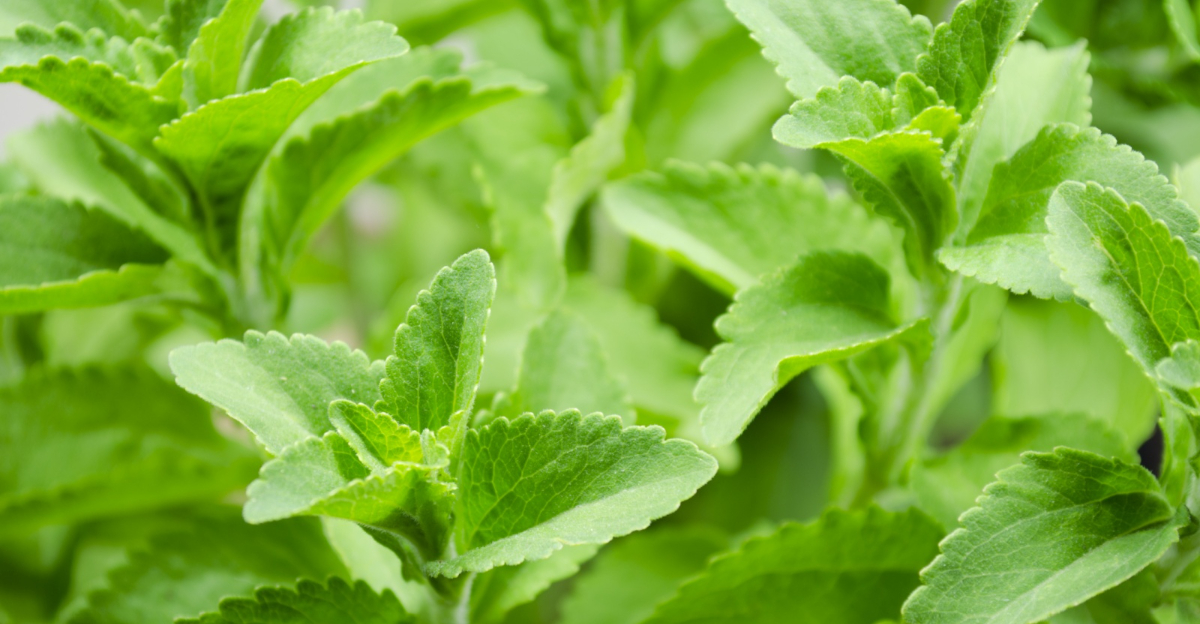
Your backyard hides a sweetener stronger than sugar. Sweetness this intense shouldn’t cost you any calorie, yet here it stands.
Louisiana gives you a surprising advantage most gardeners never expect. Humidity you avoid indoors becomes stevia’s favorite condition outside.
Native to distant South America, this herb thrives in your heat. Growing it needs no greenhouse, no imported soil, no license from you.
This Louisiana climate mirrors stevia’s origins better than most states offer. Skeptics assume tropical plants adjust to your humid air, but stevia thrives instead.
Sugar substitutes rarely taste as clean as what you harvest. Patience matters, though your results arrive faster than expected.
Tea, coffee, and baked goods can soon taste sweeter under your control. Confidence builds with every stage of growth you complete.
Nothing about this process asks you to give up flavor or effort.You’re about to discover exactly how far your backyard can take you.
1. Choose A Sunny Spot With Well-Drained Soil
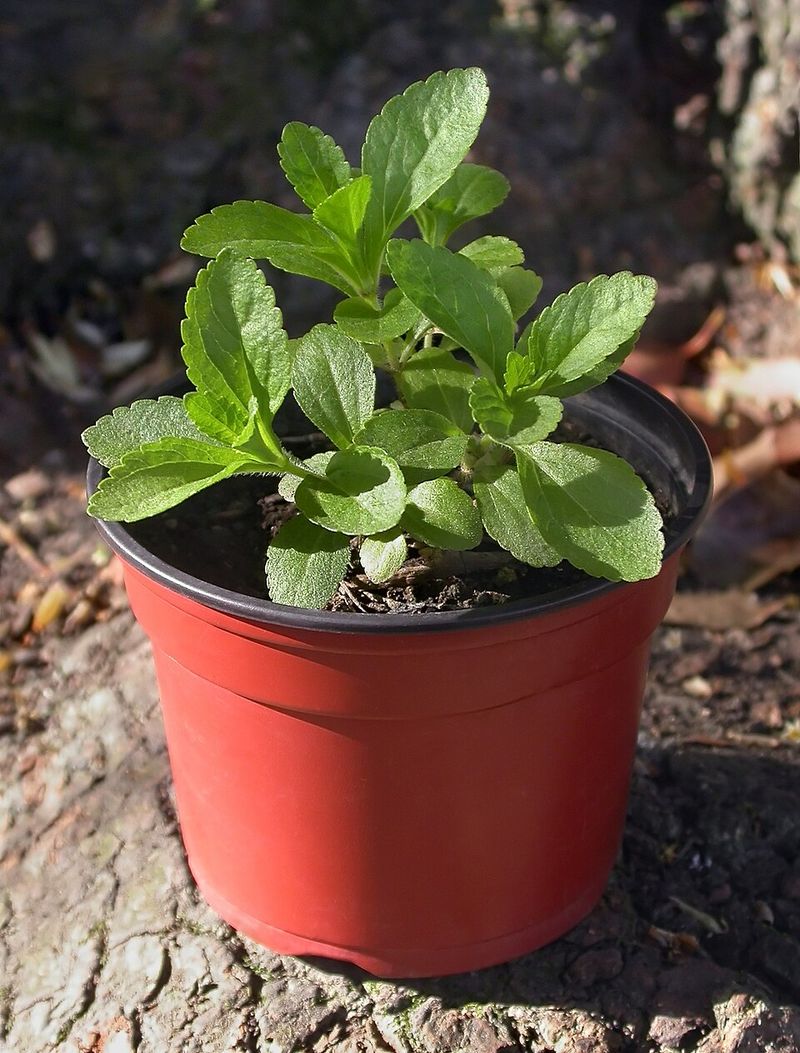
Sunlight is stevia’s best friend, and picking the right spot is your first big win. Stevia needs at least six to eight hours of direct sun every single day.
Louisiana’s intense summer heat can actually work in your favor here. A south-facing bed or raised garden area gives you that perfect sun exposure without much extra effort.
Well-drained soil matters just as much as sunlight. Stevia roots don’t tolerate sitting in water, and soggy ground leads to root rot faster than you’d expect.
Sandy loam or loamy soil with a slightly acidic pH between 6.5 and 7.0 is the sweet spot. If your native soil feels heavy and clay-like, mix in some compost or perlite to loosen it up.
Raised beds are a smart choice for Louisiana gardeners dealing with clay-heavy ground. They drain faster, warm up sooner in spring, and give your stevia the breathing room it craves.
A simple soil test from your local garden center tells you exactly what you’re working with. Knowing your pH ahead of time saves you from guessing games later.
Pick a spot away from low-lying areas where rainwater tends to pool after storms. Growing stevia in the right location from day one sets the entire season up for success.
2. Start Seeds Indoors In Early Spring
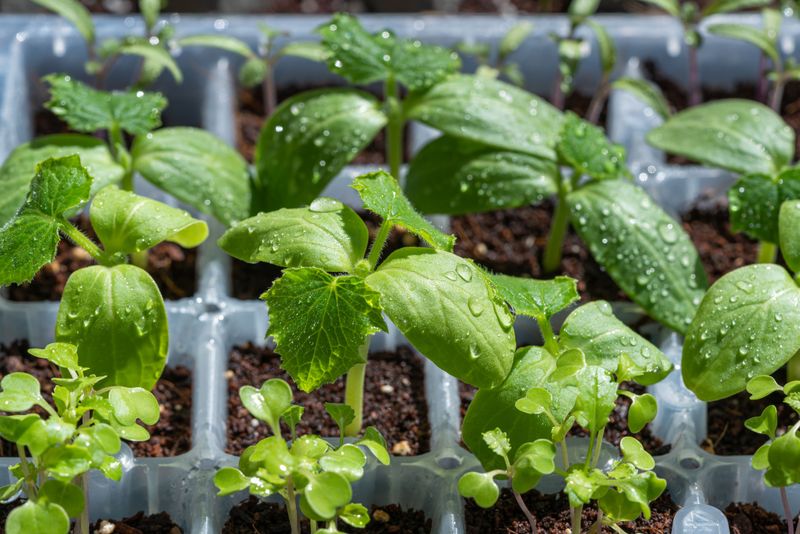
Stevia seeds are notoriously finicky, but starting them indoors gives you a serious head start. Begin sowing about eight to ten weeks before your last expected frost date.
In Louisiana, that window typically falls around early December through early January, depending on your region’s frost date. Starting indoors protects fragile seedlings from unpredictable late-winter weather outside.
Use a quality seed-starting mix rather than regular potting soil for best results. Seed-starting mix stays light and airy, letting tiny roots breathe and grow without resistance.
Press seeds gently onto the surface of moist soil without burying them deeply. Stevia seeds need light to germinate, so a light dusting of soil on top is all they need.
Your Louisiana Garden Changes Every Week. Your Plan Should Too.
Gardening in Louisiana changes quickly throughout the season. Every Friday you’ll receive a simple weekly plan showing exactly what to plant, prune, fertilize, harvest, and protect so you never miss the right timing.
Keep the trays in a warm spot where temperatures stay between 68 and 75 degrees Fahrenheit. A seedling heat mat placed under the trays dramatically improves germination rates.
Germination can take anywhere from one to three weeks, so patience is genuinely your friend here. Mist the soil lightly each day to keep moisture levels consistent without drowning the seeds.
Once sprouts appear, move the trays under grow lights or place them near a sunny south-facing window. Strong light from the start prevents leggy, weak seedlings that struggle after transplanting.
Healthy indoor starts mean stronger plants outdoors, and that early effort pays off big come harvest time.
3. Transplant Seedlings After The Last Frost
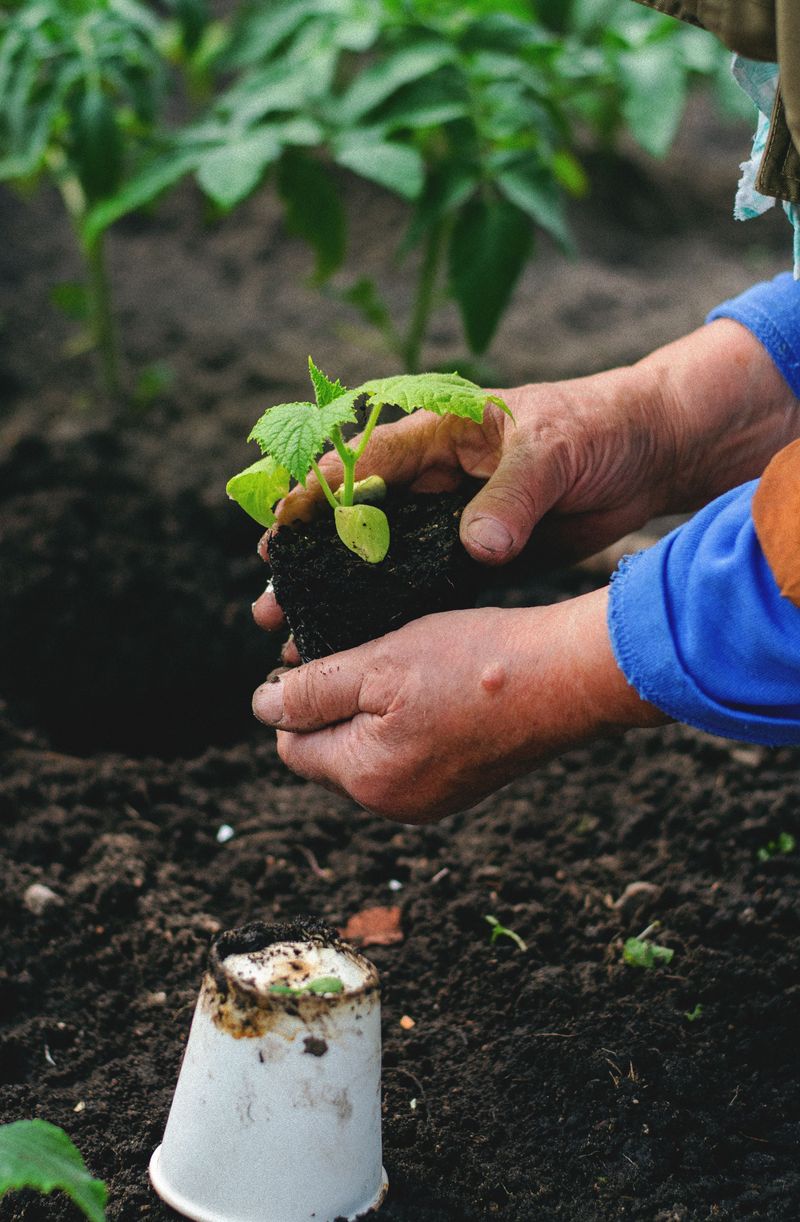
Transplant day is a milestone moment for your seedlings. After weeks of indoor care, they are finally ready to grow outdoors.
Louisiana’s last frost date typically lands between mid-February and mid-March depending on your region. Always check your local extension office’s frost calendar before moving plants outdoors permanently.
Harden off your seedlings first by setting them outside in a sheltered spot for a few hours each day. Do this for about a week, gradually increasing their outdoor time to prevent transplant shock.
Choose a calm, cloudy day or a late afternoon for transplanting whenever possible. Harsh midday sun stresses freshly moved plants before their roots have settled into new ground.
Dig holes slightly larger than each seedling’s root ball to give roots room to spread naturally. Gently loosen the root ball before placing it into the hole to encourage outward growth.
Press soil firmly around each plant and water thoroughly right after transplanting. That first deep watering helps remove air pockets around the roots and gets the plant anchored quickly.
Avoid fertilizing immediately after transplanting, as fresh roots are sensitive to concentrated nutrients. Give your stevia about two weeks to settle in before introducing any feeding routine.
A smooth transplant sets the stage for strong, steady growth through Louisiana’s long, warm growing season ahead.
4. Space Plants About 12 Inches Apart
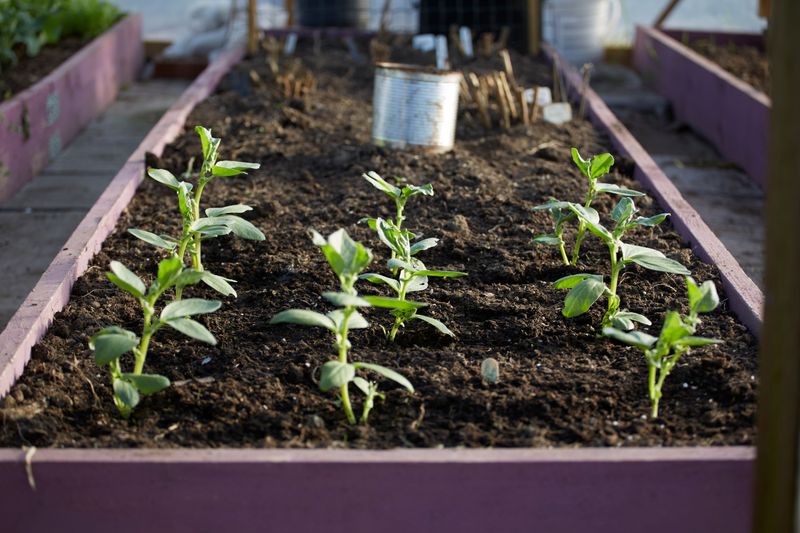
Crowded plants are unhappy plants, and stevia is no exception to that rule. Giving each plant at least 12 inches of breathing room makes a dramatic difference in overall health.
Stevia grows into a bushy, shrubby shape when it has enough space to spread its stems. Tight spacing forces plants to compete for light, water, and nutrients underground.
In Louisiana’s humid climate, proper spacing also improves airflow between plants significantly. Good air circulation reduces the risk of fungal issues that thrive in warm, moist conditions.
When planting multiple rows, leave about 18 to 24 inches between each row for easy access. You will thank yourself later when harvest time comes and you need to move freely between plants.
Mark your spacing with a simple measuring tape or use a stick cut to 12 inches as a guide. Eyeballing distances sounds easy until you realize your plants are growing into each other by midsummer.
Mulching between plants after spacing them out helps retain moisture and suppress weeds naturally. A two-inch layer of straw or wood chips keeps the soil cooler during Louisiana’s hot summer months.
Proper spacing also makes it easier to spot any pest activity or leaf discoloration early. Catching problems early means you can address them before they spread across your entire planting.
Respect the space each plant needs, and your stevia garden will reward you with lush, productive growth all season long.
5. Water Regularly But Avoid Soggy Soil
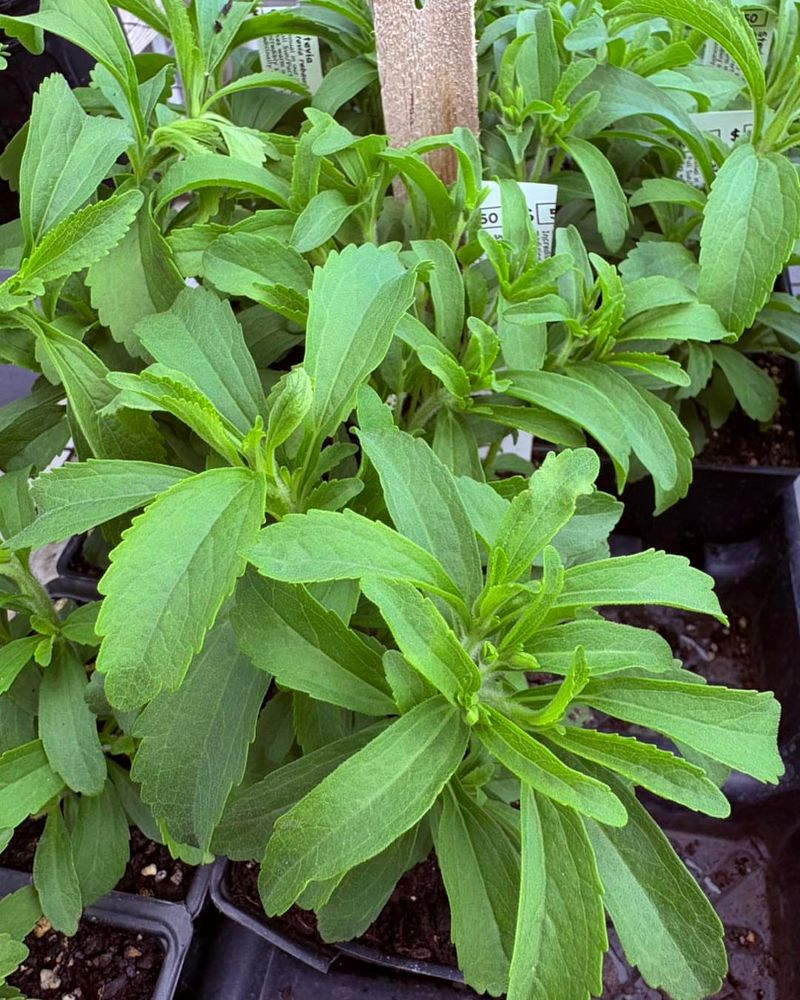
Stevia is thirsty but not greedy, and finding that balance is easier than it sounds. Consistent moisture keeps leaves plump, sweet, and ready for harvest at peak flavor.
Aim to water your stevia plants about once or twice a week depending on rainfall and temperature. Louisiana summers can be very hot, so check soil moisture regularly during heat waves.
Stick your finger about an inch into the soil before watering to test moisture levels. If the soil feels damp, hold off for another day or two before adding more water.
Overwatering is one of the most common mistakes new stevia growers make in humid climates. Roots sitting in saturated soil become prone to rot, and that damage happens quickly underground before you notice it above ground.
Drip irrigation is an excellent option for delivering steady, controlled moisture directly to the root zone. It reduces water waste and keeps foliage dry, which discourages fungal growth on leaves.
Morning watering is always the smarter choice over evening sessions in warm climates. Wet soil overnight in humid conditions creates a welcoming environment for mold and mildew.
During Louisiana’s rainy season, you may not need to water at all for stretches of time. Always let nature do the work when possible, and only supplement when the soil genuinely needs it.
Consistent but careful watering grows sweeter, more robust stevia plants from spring through fall.
6. Pinch Back Growth To Encourage Bushier Plants
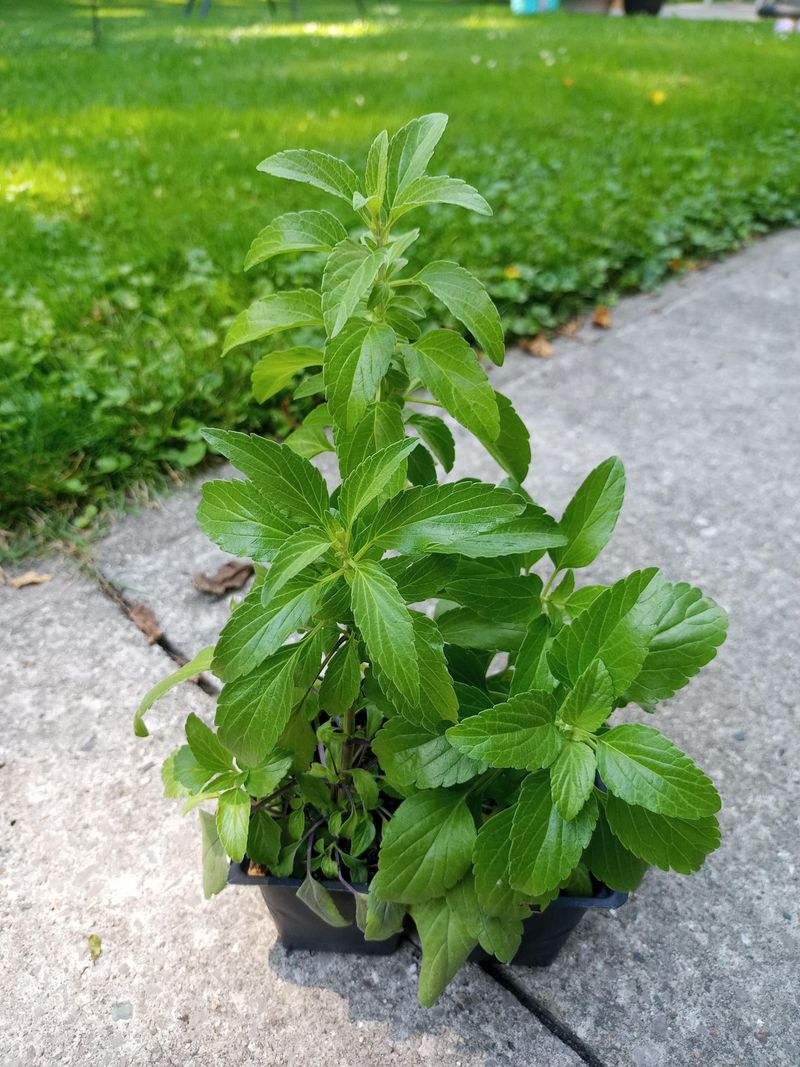
Pinching your stevia might feel counterintuitive, but it is one of the most effective techniques a grower can use. Removing the growing tips signals the plant to branch outward instead of shooting upward.
Start pinching when your stevia reaches about six to eight inches tall for the best results. At that height, the plant has enough energy stored to respond quickly with new side shoots.
Simply use your thumb and forefinger to snap off the top half-inch of each main stem. No special tools are needed, and the process takes only a few minutes per plant.
Each pinch point eventually produces two new stems where one existed before. Over time, this creates a dense, bushy plant packed with more leaves than an unpinched one ever produces.
More leaves mean more sweetness available at harvest, which is the whole point of growing stevia at home. A bushy plant also looks beautiful in the garden as a bonus.
Repeat this process every few weeks throughout the growing season to maintain that full, compact shape. Stevia grows vigorously in Louisiana’s warm conditions, so regular pinching keeps things manageable.
If flower buds begin to form, pinch those off immediately without hesitation. Flowering triggers a drop in the leaves’ sweetness level, which is the last thing you want before harvest.
Think of pinching as ongoing maintenance that shapes the plant toward its most productive and flavorful version.
7. Harvest Leaves Just Before Flowering For Peak Sweetness
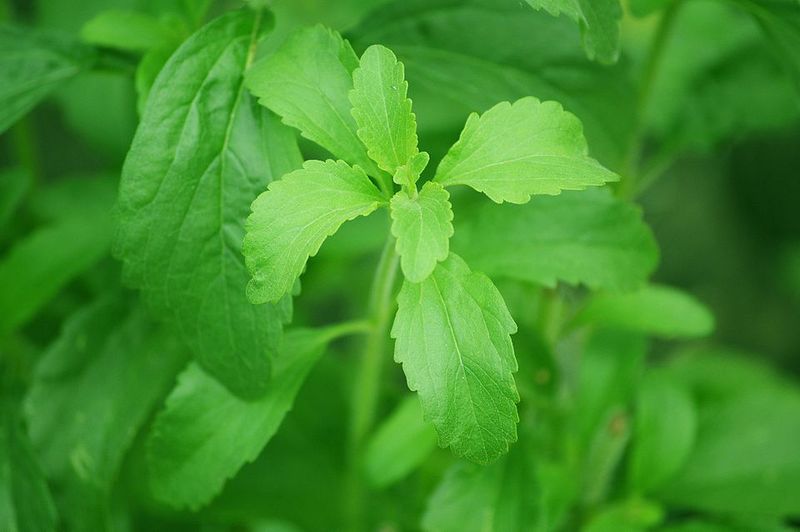
Timing your harvest is everything when it comes to growing stevia for sweetness. Leaves harvested just before flowering contain the highest concentration of natural sweetening compounds.
Watch closely for tiny white flower buds beginning to form at the tips of your plant’s stems. That is your green light to start harvesting right away before flavor begins to fade.
Snip entire stems rather than picking individual leaves for a faster and more efficient harvest. Use clean garden scissors or pruning shears to make smooth cuts without tearing the stems.
Harvest in the morning after any dew has dried but before the afternoon heat peaks. Morning-harvested herbs consistently deliver the most potent flavor compared to evening cuts.
You can harvest up to one-third of the plant at a time without stressing it significantly. Leaving the lower two-thirds intact allows the plant to continue growing and producing new leaves.
In Louisiana’s long growing season, you may get two or even three harvest rounds from a single plant. Each successive harvest can be just as productive as the first with proper care between cuts.
Fresh stevia leaves can go straight into drinks, smoothies, or recipes immediately after picking. The flavor is bright, clean, and surprisingly pleasant without any bitter aftertaste when used at the right stage.
Nail this timing once, and you will never look at a sugar bowl the same way again after growing stevia at home.
8. Dry The Leaves And Store In An Airtight Container
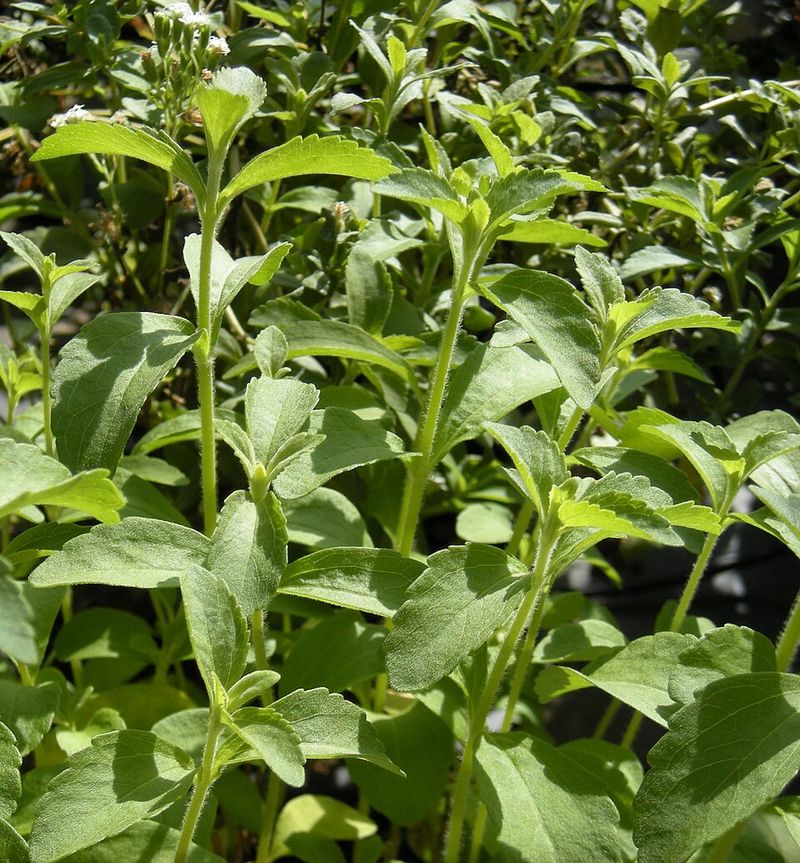
After a successful harvest, proper drying locks in all that natural sweetness you worked hard to grow. Rushing this step leads to moldy leaves and wasted effort, so take your time here.
Spread harvested stevia stems in a single layer on a clean drying rack or baking sheet. Good airflow around each stem speeds up drying and prevents moisture from getting trapped between leaves.
Place the rack in a warm, dry spot with indirect light for the best results. Direct sunlight can degrade some of the flavor compounds in the leaves during the drying process.
Drying typically takes two to four days depending on humidity levels in your space. Louisiana’s natural humidity can slow things down, so a small fan nearby helps move air more effectively.
You can also use a food dehydrator set to around 100 to 110 degrees Fahrenheit for faster results. Check the leaves every hour until they crumble easily between your fingers without any bend.
Once fully dried, strip leaves from the stems and crush them into a coarse powder or leave them whole. Both forms work well in teas, baked goods, and homemade syrups.
Store dried stevia in a clean glass jar with a tight-fitting lid away from heat and direct light. Properly stored leaves stay potent and flavorful for up to one full year.
Growing stevia in Louisiana and drying your own harvest puts pure, natural sweetness right at your fingertips all year long.