Simple Habits That Bring Painted Buntings Back To Your Texas Garden Every Year
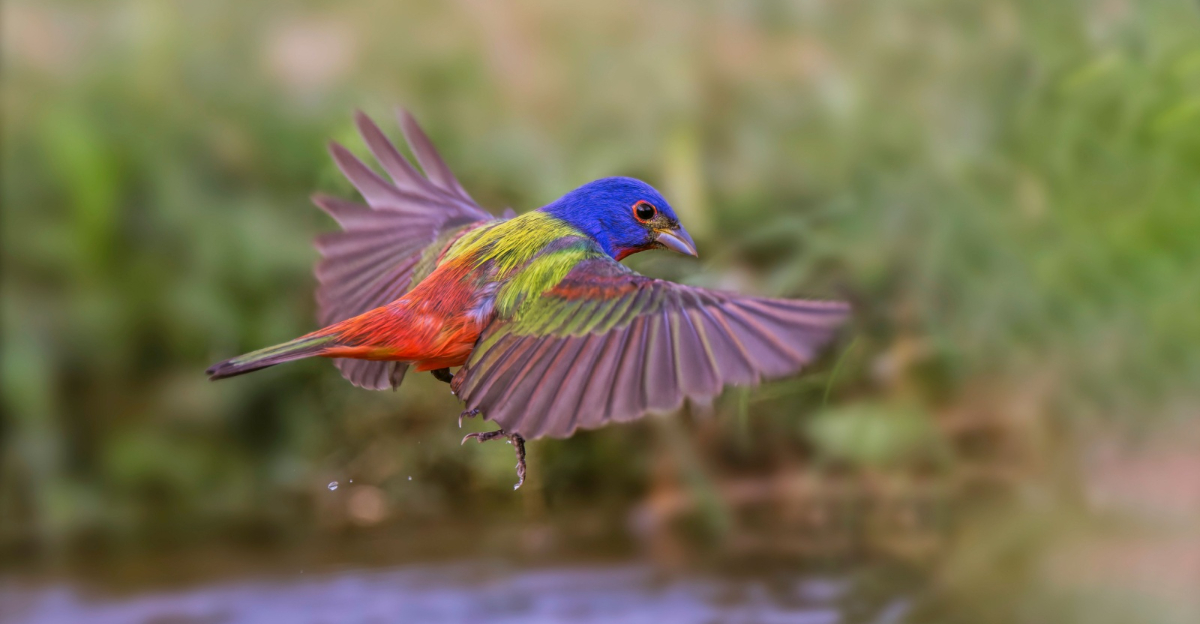
If a painted bunting has ever landed in your Texas garden, you already know that stopping whatever you were doing was completely involuntary.
The male is genuinely one of the most spectacular birds in all of North America, wearing a combination of brilliant red, blue, and green that looks almost too vivid to be real.
Honestly, the first time you see one it feels a little suspicious.
Texas gardens can be particularly rewarding places to encounter these birds during migration and breeding season.
The good news is that thoughtful choices about plants, feeders, water sources, and habitat structure can make a yard significantly more inviting to painted buntings passing through or settling in.
No single habit guarantees a yearly visit, because these birds have their own ideas about where they go, but creating the right conditions genuinely improves your chances.
1. Grow Dense Native Shrubs Near Feeding Areas
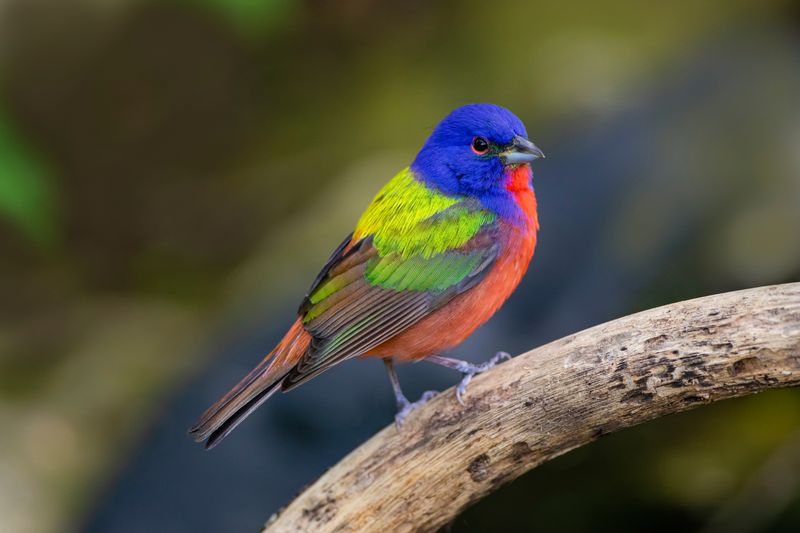
Brushy edges and dense shrub borders create the kind of sheltered environment that painted buntings tend to seek out when moving through Texas.
A yard that offers thick understory vegetation alongside feeding areas gives these cautious birds a place to retreat quickly if something startles them.
Without nearby cover, many small birds will skip a feeder entirely rather than risk being exposed in an open space.
Native shrubs suited to your region of Texas can serve multiple roles at once.
Plants like yaupon holly, American beautyberry, or native viburnums provide shelter, potential nesting structure, and sometimes food in the form of berries or insects that gather around the foliage.
Regional differences across Texas matter here, so choosing shrubs that actually grow well in your local soil and climate makes the planting more sustainable over time.
Dense shrub groupings near feeding stations also create a natural buffer between the feeder and surrounding open areas. A bird approaching a feeder from cover feels less exposed than one crossing a wide lawn.
Planting shrubs in loose clusters rather than isolated specimens tends to create more useful habitat.
Over several seasons, established native shrubs can fill in nicely, providing layered cover that benefits painted buntings and many other native bird species sharing the same Texas garden space.
2. Leave Some Grasses And Wildflowers To Produce Seeds
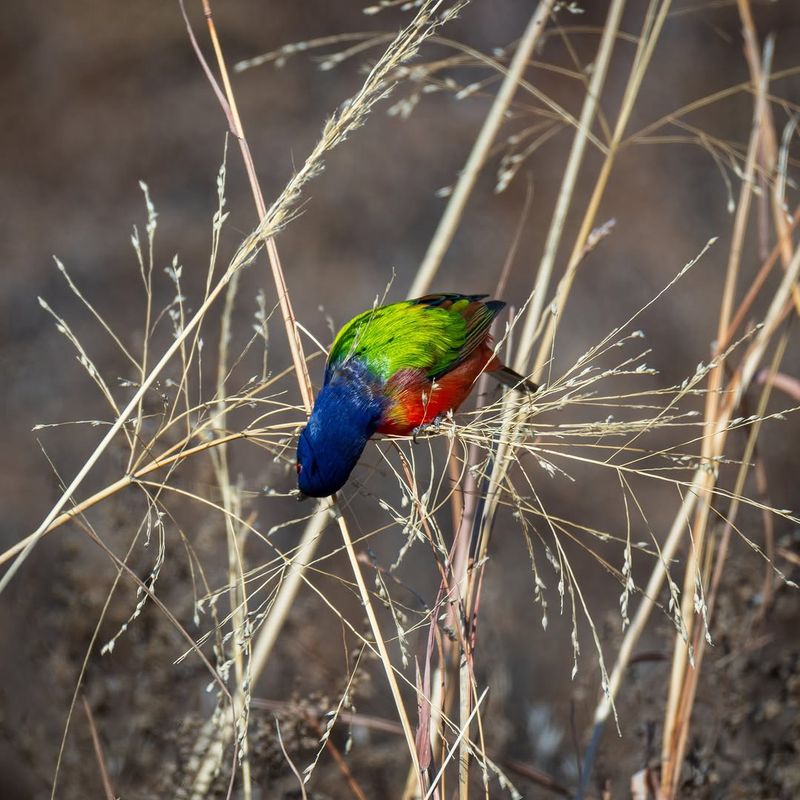
Seed heads swaying in a late summer Texas breeze carry something that painted buntings find genuinely useful: food.
Seeds make up a significant portion of the painted bunting diet, and gardens that allow some native grasses and wildflowers to mature fully rather than cutting everything back can offer a natural foraging opportunity that a feeder alone cannot replicate.
Native grasses such as little bluestem, sideoats grama, or native panic grasses produce seed heads that remain standing through much of the season when left untrimmed.
Wildflowers like black-eyed Susans, native sunflowers, and prairie coneflowers also set seed that small songbirds may forage from directly.
Painted buntings have been observed pulling seed-bearing stems downward while feeding, working at ground level or just above it in a way that suits their natural foraging style.
Your Texas Garden Changes Every Week. Your Plan Should Too.
Gardening in Texas changes quickly throughout the season. Every Friday you’ll receive a simple weekly plan showing exactly what to plant, prune, fertilize, harvest, and protect so you never miss the right timing.
Leaving patches of seed-producing plants does not mean abandoning garden care altogether. Selecting a portion of the yard where grasses and wildflowers can mature naturally, while keeping other areas tidy, balances habitat value with visual appeal.
Avoiding invasive or noxious plants is important, since allowing those to spread creates new problems for native ecosystems.
Choosing noninvasive native species that produce reliable seed crops gives painted buntings and other seed-eating birds a reason to linger in a Texas garden beyond a single quick visit.
3. Create A Mix Of Open Ground And Brushy Cover
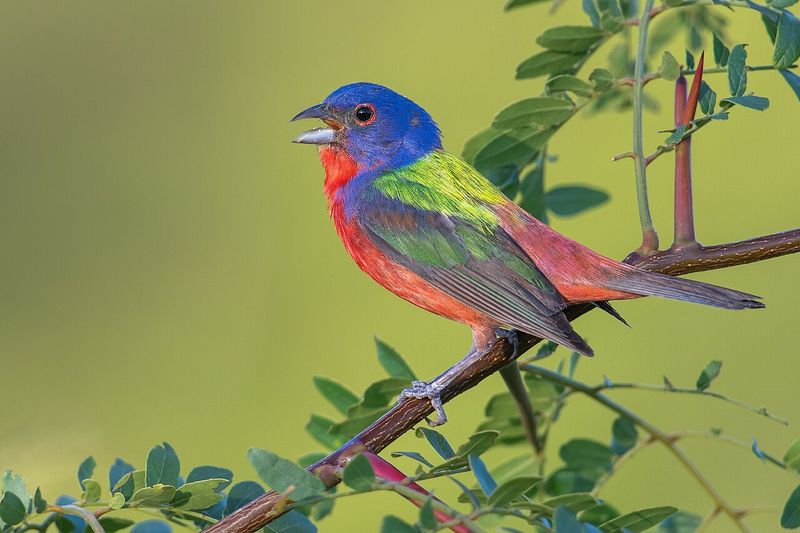
A garden that offers only a mowed lawn gives small birds very little reason to stay. On the other hand, a yard so densely planted that no open patches remain can also limit foraging opportunities for birds that prefer semi-open conditions.
Painted buntings tend to move through habitats that blend grassy or open areas with brushy edges and scattered shrubs, and a backyard that reflects that structure may feel more familiar and welcoming to them.
Small open patches near the base of shrubs or along garden edges give birds space to forage on the ground without wandering far from protective cover.
Ground-level foraging is common among painted buntings, particularly when seeds have dropped from nearby plants or feeders.
Keeping some areas of bare or lightly vegetated ground near dense plantings supports that natural behavior without requiring a large property.
Suburban yards, rural gardens, and even smaller urban lots can incorporate this kind of layered structure with thoughtful planting choices.
Mixing low groundcovers with mid-height shrubs and taller plants creates visual interest while also providing the varied habitat layers that benefit multiple bird species.
Avoiding the impulse to make every corner of a Texas garden look uniformly manicured may actually serve birds better than a perfectly groomed landscape.
A little deliberate messiness in the right spots can go a long way toward making a yard more bird-friendly throughout the seasons.
4. Place Seed Feeders Close To Safe Cover
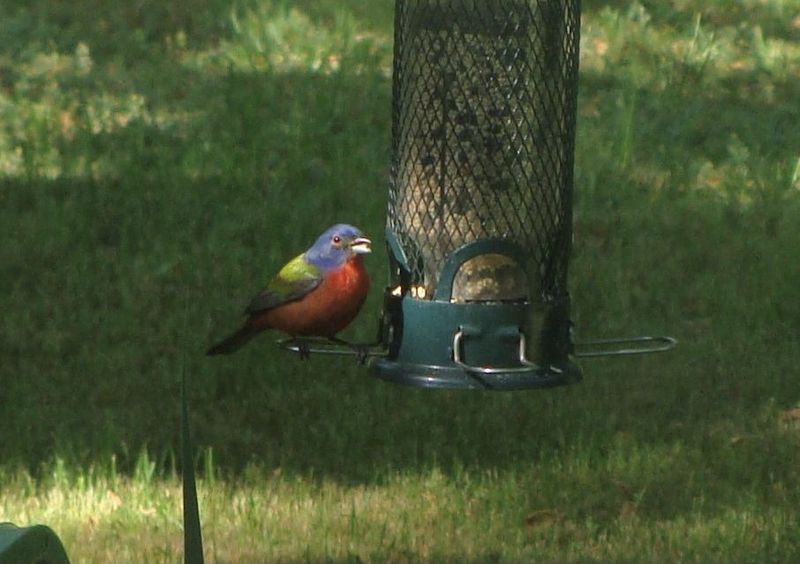
Watching a painted bunting approach a feeder is one of those quiet garden moments that feels genuinely rewarding. These birds tend to be cautious, and feeder placement can make a real difference in whether they feel comfortable enough to visit regularly.
A feeder positioned too far from protective shrubs or trees leaves birds feeling exposed during a vulnerable moment, which may cause them to avoid it altogether.
White millet is among the seeds most associated with painted bunting feeding preferences based on credible wildlife sources, and tube feeders or low platform feeders placed near shrubby cover tend to work well.
Positioning a feeder within a few feet of dense vegetation gives birds a quick escape route if a hawk or other disturbance appears.
At the same time, the feeder should not be placed so close to thick ground-level cover that roaming cats or other predators can approach unseen.
Feeder hygiene matters just as much as placement. Seed that sits in a damp feeder can develop mold or attract unwanted pests, so emptying and scrubbing feeders regularly keeps the feeding station clean and safe for birds.
A feeder alone will not create lasting habitat, but when positioned thoughtfully near native shrubs and other garden features, it can serve as one useful piece of a broader effort.
Supporting painted buntings visiting Texas gardens during migration or breeding season takes more than a single setup, and a well-placed feeder contributes meaningfully to that bigger picture.
5. Provide Shallow, Regularly Cleaned Water
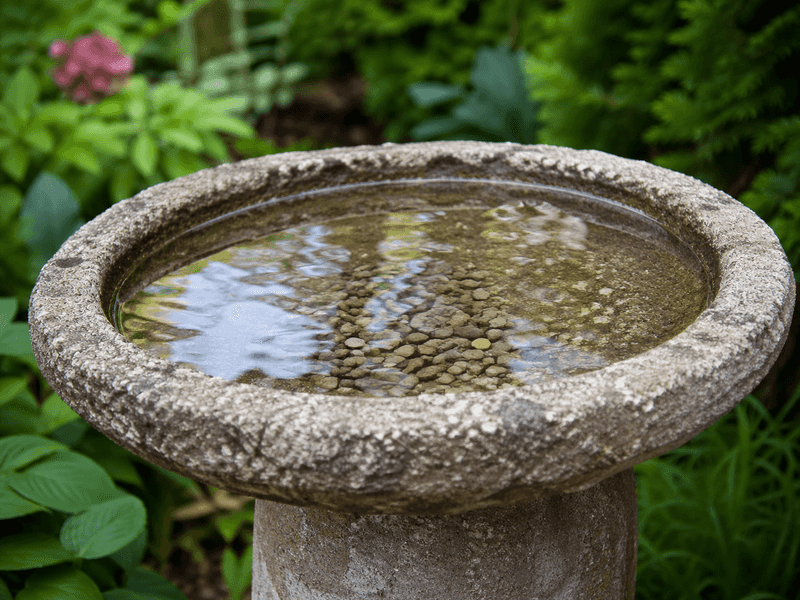
Hot Texas summers can make clean, accessible water one of the most attractive features a garden offers to passing birds.
A shallow birdbath or basin placed in a partially shaded spot may draw in painted buntings and many other species that need to drink and bathe during warm or dry stretches of weather.
Water tends to be especially appealing during migration periods when birds are traveling and may be unfamiliar with local food sources.
Depth matters more than many gardeners realize. A basin that is too deep can be uncomfortable or even risky for small songbirds like painted buntings.
Keeping the water shallow, roughly one to two inches at the deepest point, gives small birds a safe place to wade and bathe without difficulty. Adding a flat stone to the center of a deeper basin can create a shallower perch that small birds prefer.
Cleanliness is equally important, and simply topping off a dirty basin with fresh water is not enough.
Algae, debris, and microorganisms can build up quickly in warm Texas weather, so emptying the basin completely, scrubbing it with a brush, and refilling it with fresh water on a regular basis keeps the water source genuinely useful and healthy for visiting birds.
The frequency of cleaning may need to increase during especially hot or humid periods when water quality can decline faster than expected.
6. Reduce Unnecessary Insecticide Use
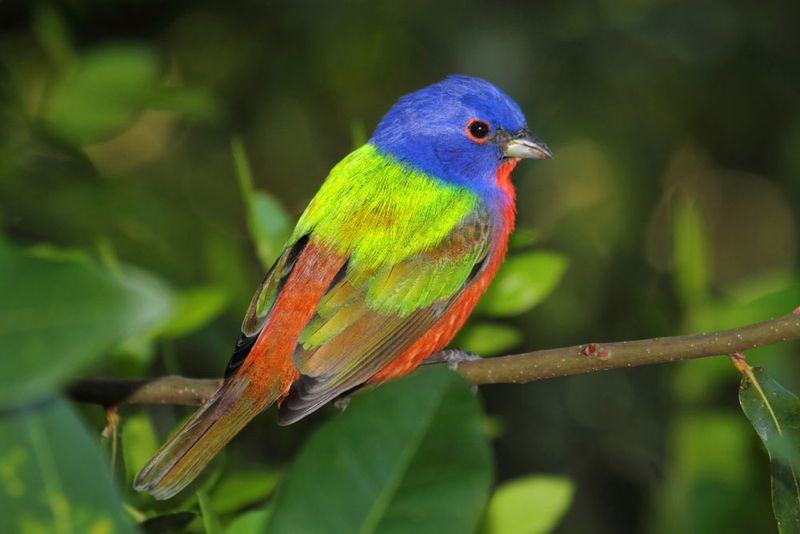
Seeds may be the first thing that comes to mind when thinking about painted bunting diets, but insects play a meaningful role too, particularly during the breeding season.
Adult birds feed insects to their young, and the availability of small invertebrates in and around a garden can influence how long birds linger in an area.
A yard that has been treated heavily with broad-spectrum insecticides may offer fewer of those natural food sources at precisely the time they matter most.
Broad insecticide applications can reduce populations of caterpillars, beetles, grasshoppers, and other invertebrates that birds rely on throughout the warmer months in Texas.
Even products considered relatively low-impact can affect non-target insects when applied widely or repeatedly.
Reducing unnecessary treatments does not mean ignoring genuine pest problems, but it does mean taking a more thoughtful approach before reaching for a spray.
Integrated pest management encourages correctly identifying a pest before treating it, using targeted methods when possible, and considering whether treatment is actually necessary given the level of damage.
Spot treatments directed at specific problem areas tend to have a smaller effect on the broader insect community than blanket applications across an entire yard.
Supporting a healthy insect population in a Texas garden helps painted buntings and many other native birds find the protein-rich food they need to raise young and maintain their energy during long migration journeys.
7. Preserve Low, Tangled Nesting Cover
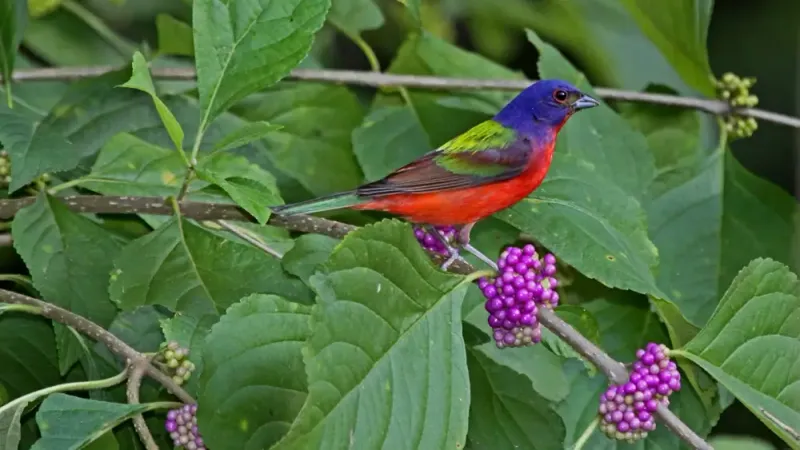
Female painted buntings tend to build nests tucked into low, concealed vegetation, often choosing spots where overlapping branches or dense growth provides good visual screening from above and the sides.
A garden that preserves some areas of low tangled cover throughout the breeding season may offer conditions that support nesting opportunities, even if there is no way to confirm that a pair will actually choose to nest there.
Repeated heavy pruning during late spring and early summer can remove exactly the kind of structure that nesting birds look for.
Clearing every thicket or cutting back all low growth during the peak nesting period reduces available shelter at a time when it may be most needed.
Choosing to leave selected dense areas undisturbed through the summer, while still maintaining pathways, structures, and necessary access points, strikes a reasonable balance between garden care and habitat preservation.
Tangled native vines, dense shrub groupings, and even modest brush areas along fence lines or garden edges can serve this purpose without making the entire yard look neglected.
The goal is not to stop managing the garden but to be deliberate about which areas are cleared and when.
Timing major pruning or clearing tasks for late fall or winter, after the breeding season has passed, is a practical way to support nesting habitat while still keeping a Texas garden in good shape for the seasons ahead.
8. Maintain The Habitat From Season To Season
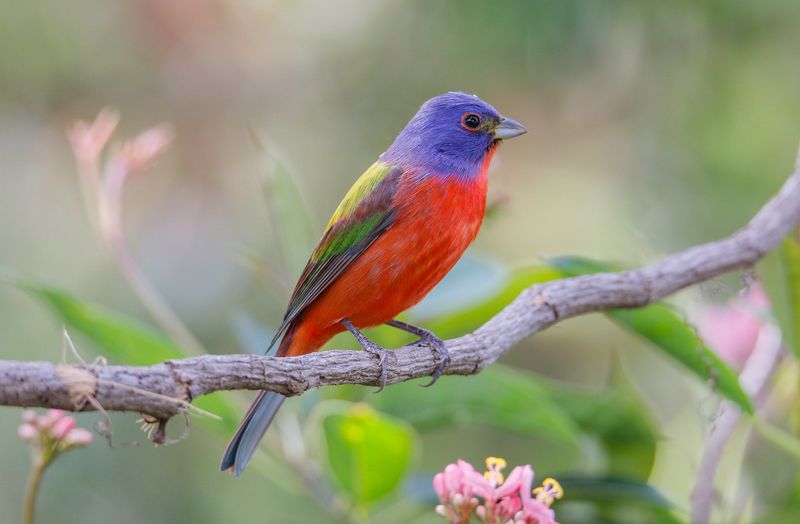
Consistency matters more than perfection when it comes to supporting wildlife habitat over time.
A garden that offers dense cover, seed-producing plants, clean water, and safe feeding areas in one season but falls into neglect the next provides an unreliable resource for birds moving through Texas.
Painted buntings may return to areas where conditions have remained stable and hospitable, though it is worth remembering that a bird seen in a later year may not be the same individual from a previous season.
Seasonal timing can also shape how garden tasks affect bird activity. Some tasks, like major pruning or significant clearing of dense vegetation, may be timed with bird activity in mind when that is practical and consistent with local guidelines.
Lighter maintenance throughout the growing season, such as refreshing feeders, cleaning water sources, and checking that native plantings are healthy, keeps the habitat functional without requiring large disruptive projects during sensitive periods.
Weather shifts, regional drought, migration conditions, and habitat changes elsewhere along a bird’s route all influence whether painted buntings appear in a particular Texas garden in any given year.
No amount of careful gardening can override those larger forces.
What consistent habitat care can do is keep a yard in good condition so that when painted buntings are moving through the region, the garden offers something genuinely useful.
That might mean a reliable seed source, clean water, safe cover, or simply a comfortable place to rest during a long journey.