How Maryland Gardeners Can Tell If A Plant Needs A Bigger Pot
Your favorite plant is hiding something important right now. Something feels wrong, yet nothing obvious confirms it. Roots grow silently until they hit a wall.
Every stalled root eventually rebels against confinement. Maryland summers push growth hard, then winter dryness stalls everything cold.
That seasonal whiplash confuses even careful owners. Water rushing straight through soil signals cramped, starving roots. Yellowing edges whisper long before leaves collapse completely.
Pale new growth signals hunger no fertilizer can fix. Winter air indoors turns uncomfortably dry across Maryland homes. Lopsided growth isn’t charm, it’s desperation for space.
Leaves that once stood tall now lean toward light. Growth stalls while roots circle helplessly inside plastic walls. Circling roots eventually restrict the plant from within.
Nobody plans for a plant emergency, yet here you are. Ignoring these signals guarantees decline, not stability. Once you see the pattern, you can’t unsee it, and you must act now.
1. Roots Circling Drainage Holes Signal It’s Time
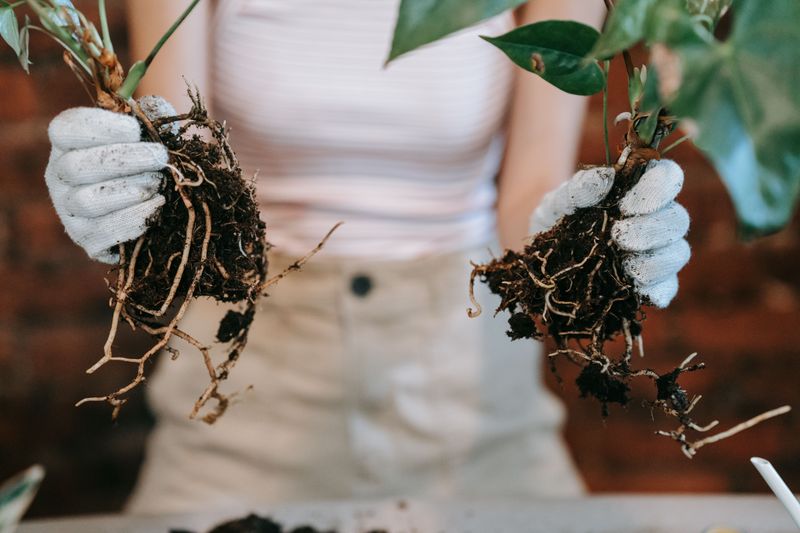
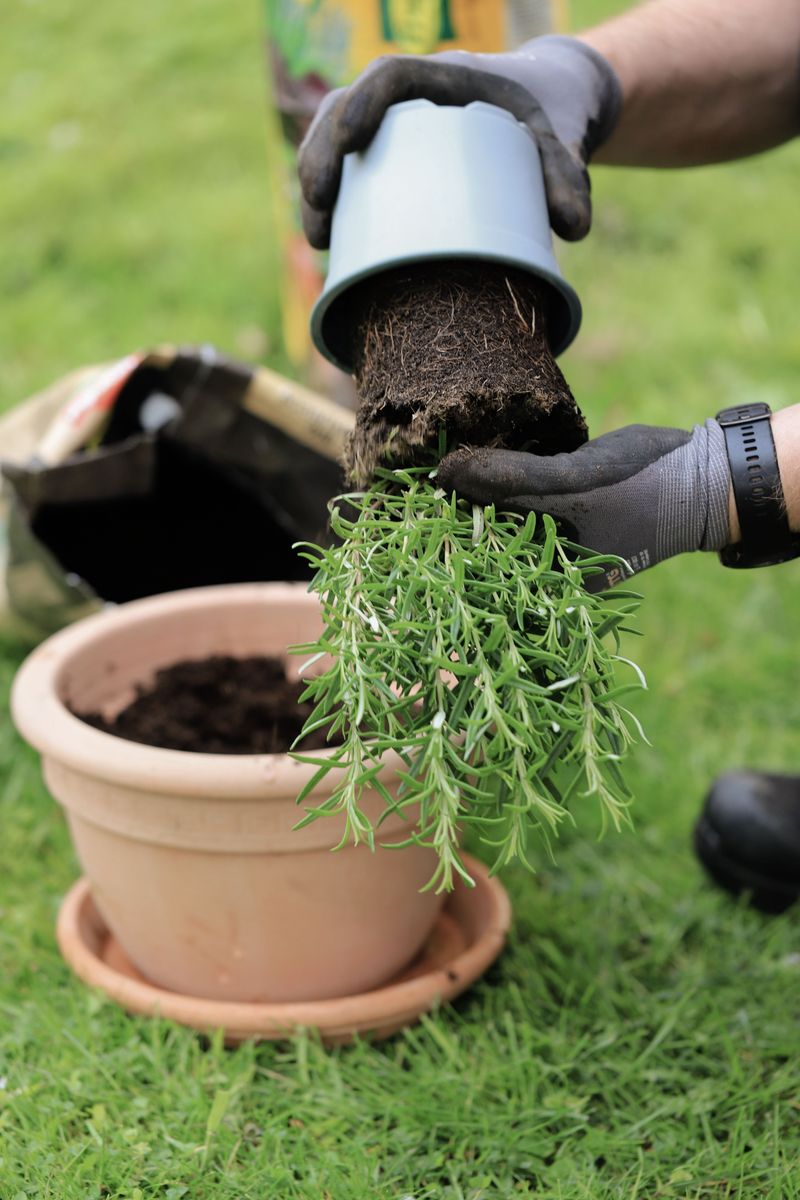
Flip your pot over and take a good look at the bottom. If you spot roots spiraling out of the drainage holes, your plant is showing it has outgrown its container.
Roots circle the base when they have nowhere left to grow inside. The pot has simply run out of room, and the roots are searching for an escape route.
Maryland gardeners often notice this during late spring when plants push new growth fast. Warm indoor temps and longer daylight hours accelerate root development significantly.
When roots loop around the outside, they can restrict themselves over time. That tight spiral cuts off water and nutrient flow to the rest of the plant.
Gently tug on those escaping roots to feel how firm and packed they are. A dense, tangled clump at the base confirms the plant is seriously pot-bound.
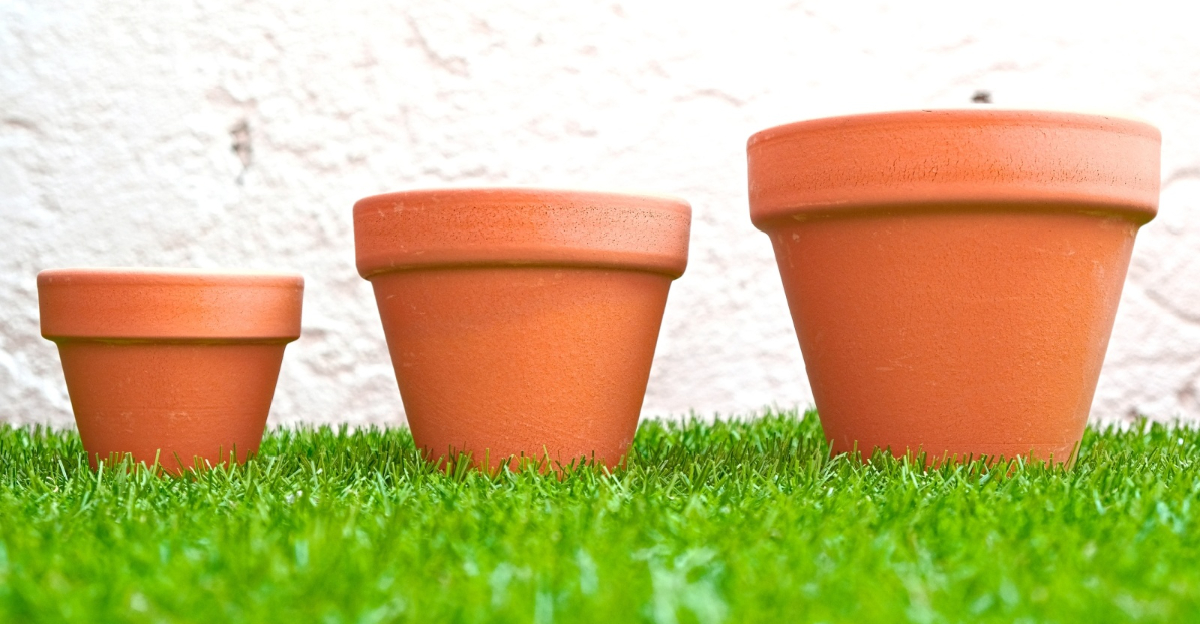
Choosing a new container just one to two inches wider works best. Going too big too fast can actually stress the roots more than help them.
A terracotta pot is a smart upgrade for most indoor plants in Maryland homes. It breathes well and helps prevent overwatering during the muggy summer months.
Once you spot circling roots, do not wait another season to act. Repotting now gives your plant the fresh start it is quietly begging for.
2. Water Running Straight Through Means Roots Filled The Pot
Pour water into your plant and watch what happens next. If it shoots straight out the bottom without soaking in, your pot has a serious problem.
When roots pack a container completely, there is almost no soil left to hold moisture. Water finds the fastest path through and escapes before the plant can absorb it.
This issue is easy to miss because it looks like you are watering correctly. But your plant is actually getting far less hydration than you think it is.
Maryland summers are intense, and indoor plants can dry out shockingly fast. If water rushes through even after a thorough pour, roots have taken over the entire pot.
Your Maryland Garden Changes Every Week. Your Plan Should Too.
Gardening in Maryland changes quickly throughout the season. Every Friday you’ll receive a simple weekly plan showing exactly what to plant, prune, fertilize, harvest, and protect so you never miss the right timing.
Try the slow-pour test to confirm your suspicion. Add water gradually and see if it pools on the surface before draining, which signals compacted roots below.
Another clue is checking the soil right after watering. Bone-dry soil just minutes after a good drink is a loud signal that something is wrong inside.
Some gardeners mistake this rapid drainage for good aeration, but that assumption can hurt the plant. The roots need contact with moist soil to function properly.
Sizing up to a pot one to two inches larger solves this fast. Fresh potting mix fills the gaps and gives moisture somewhere to actually stay and absorb.
3. Growth Slowing Despite Good Care Is A Clue
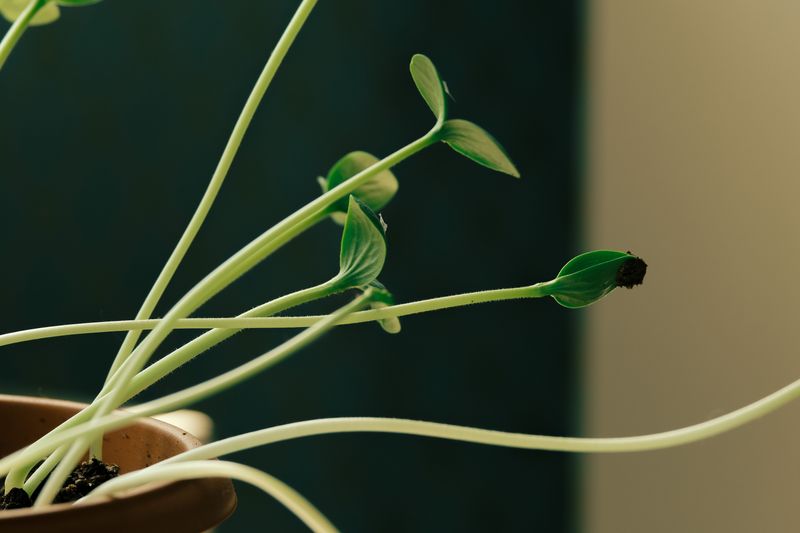
You have been doing everything right, and yet your plant just sits there, stubbornly refusing to grow. That frustrating plateau is often your plant’s way of asking for more space.
When roots fill every inch of a container, the plant shifts energy away from producing new leaves. It focuses entirely on staying alive instead of expansion.
Maryland gardeners who follow consistent care routines sometimes overlook this sign. If your watering, light, and feeding schedule has not changed but growth has stalled, the pot is the problem.
A root-bound plant often struggles to take up nutrients efficiently, especially as the condition worsens. The congested root system simply cannot process what it needs from the soil.
Check your plant’s growth history by looking at how many new leaves appeared last season. If the number has dropped significantly, that is a meaningful clue worth acting on.
Spring is the ideal season to repot in Maryland, just before the active growing season kicks in. Giving roots room to spread primes the plant for a productive summer.
Some slow-growing plants, like snake plants, naturally take their time. But even they will show a noticeable halt when their roots have maxed out the container space.
A bigger pot paired with fresh soil can restart growth almost immediately. Watching your plant push out new leaves after repotting feels like a genuine reward for paying attention.
4. Yellowing Or Dropping Leaves Point To Cramped Roots
Yellow leaves can be an unexpected and confusing sign for gardeners. Before you blame overwatering or pests, check if cramped roots are the real culprit.
When a plant becomes pot-bound, its roots struggle to absorb water and minerals evenly. Leaves start to yellow and drop because the plant cannot sustain all of them at once.
Maryland’s dry indoor winters make this sign even trickier to catch early. Low humidity already stresses plants, so yellowing from root crowding can look a lot like drought damage.
The key difference is pattern. If yellowing starts at the bottom of the plant and moves upward steadily, crowded roots may be one possible cause, alongside nutrient deficiency or overwatering.
Nutrient deficiency from a packed pot often causes the same visual symptoms as overfeeding. Adding more fertilizer to a root-bound plant actually makes the problem worse, not better.
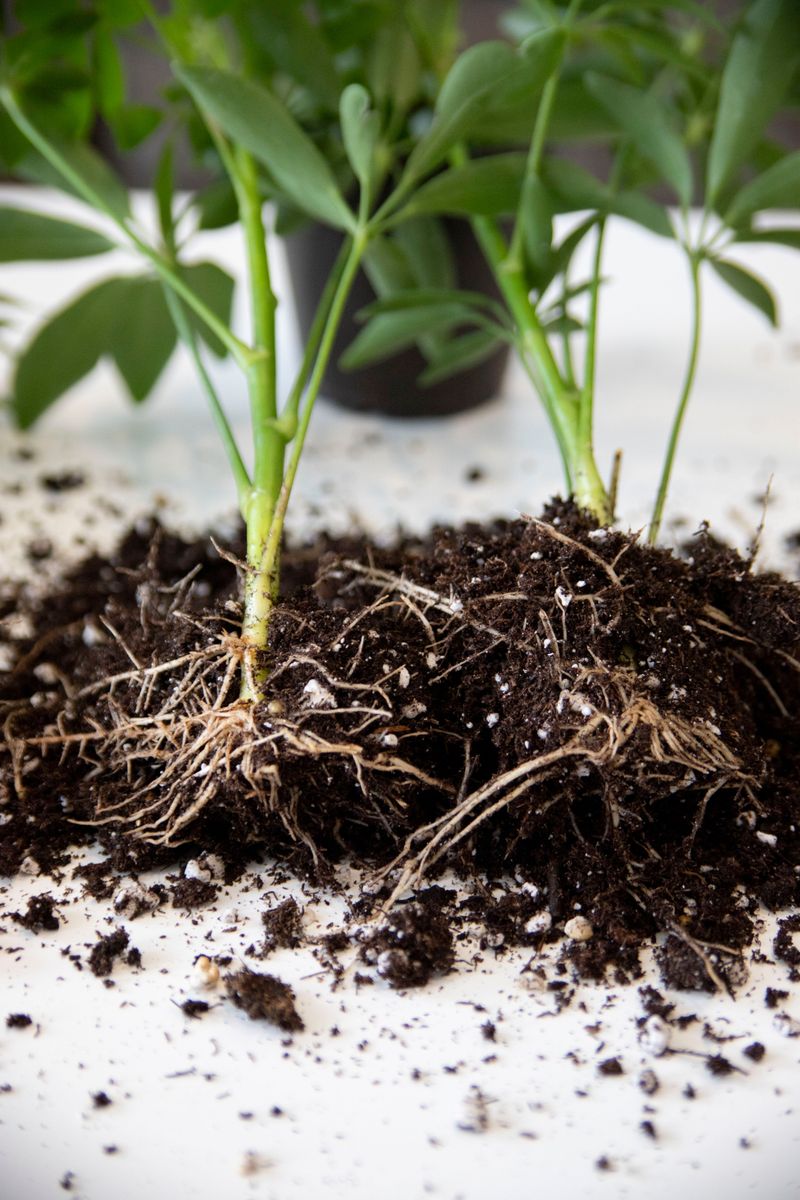
Gently remove the plant from its container and examine the root ball directly. A tightly wound, dense mass with little visible soil confirms that repotting is overdue.
Healthy roots should appear white or light tan and feel firm but flexible. Brown, mushy, or tightly coiled roots are a sign the plant has been cramped too long.
Moving your plant to a slightly larger home can stop the leaf drop quickly. A fresh start with new soil gives the roots room to breathe and the leaves room to shine again.
5. Soil Drying Out Faster Is Telling
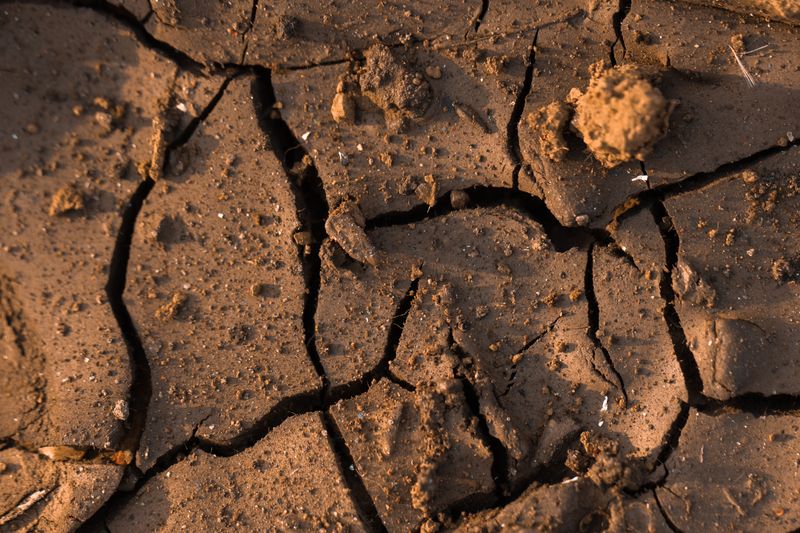
You watered two days ago, and somehow the soil is bone dry already. That speed is a warning sign, and your plant might be trying to tell you something important.
A pot packed with roots leaves very little room for actual soil. Less soil means less moisture retention, which causes the container to dry out faster than usual.
Maryland gardeners dealing with forced-air heating in winter often assume the dryness is from indoor climate. But if your other plants stay moist longer, the fast-drying one likely has a root problem.
Stick your finger two inches into the soil the day after watering. If it feels completely dry at that depth, the root-to-soil ratio inside is seriously off balance.
Roots absorb water quickly when they dominate the pot, leaving nothing behind for later. The plant essentially drinks its water supply in one gulp, then sits thirsty until the next watering.
This cycle of rapid drying and urgent watering stresses the plant over time. Constant hydration swings weaken stems, disrupt nutrient uptake, and cause erratic leaf behavior.
A larger container with fresh potting mix creates a buffer for moisture. More soil volume means water stays available longer between each watering session.
Noticing how a plant needs a bigger pot often starts with something as simple as dry soil. The soil’s behavior is a reliable indicator of what’s happening underground.
6. Plant Tipping Over Shows It Has Outgrown Its Base
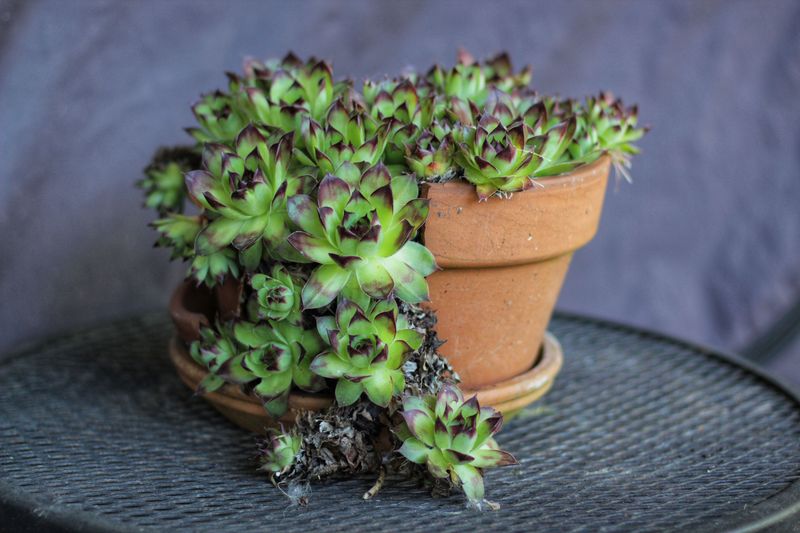
Your plant keeps falling over, and you keep propping it back up. That ongoing struggle is not just annoying; it is a clear message about what is happening below the soil.
As a plant grows taller and leafier, its weight increases dramatically. When the pot does not grow with it, the whole setup becomes dangerously top-heavy.
Maryland gardeners with large tropical plants like monstera or fiddle-leaf figs know this struggle well. These fast growers can outpace their containers within a single growing season.
A plant that tips repeatedly is not just unstable; it is also likely root-bound underneath. The mass of roots has pushed the center of gravity upward, making balance nearly impossible.
Inspect the base of the plant when it tips. If roots are bulging out from the sides or bottom of the pot, that confirms overcrowding is driving the imbalance.
Switching to a heavier ceramic or stone pot can help temporarily. But the real fix is moving the plant into a wider, deeper container that matches its current size.
A pot that is two inches wider and two inches deeper gives roots room to anchor properly. A stable root system creates a stable plant, plain and simple.
Stop fighting gravity and start listening to what the tipping is telling you. One smart repotting session can end months of frustrating wobble for good.
7. Roots Poking Above Soil Confirm Crowding
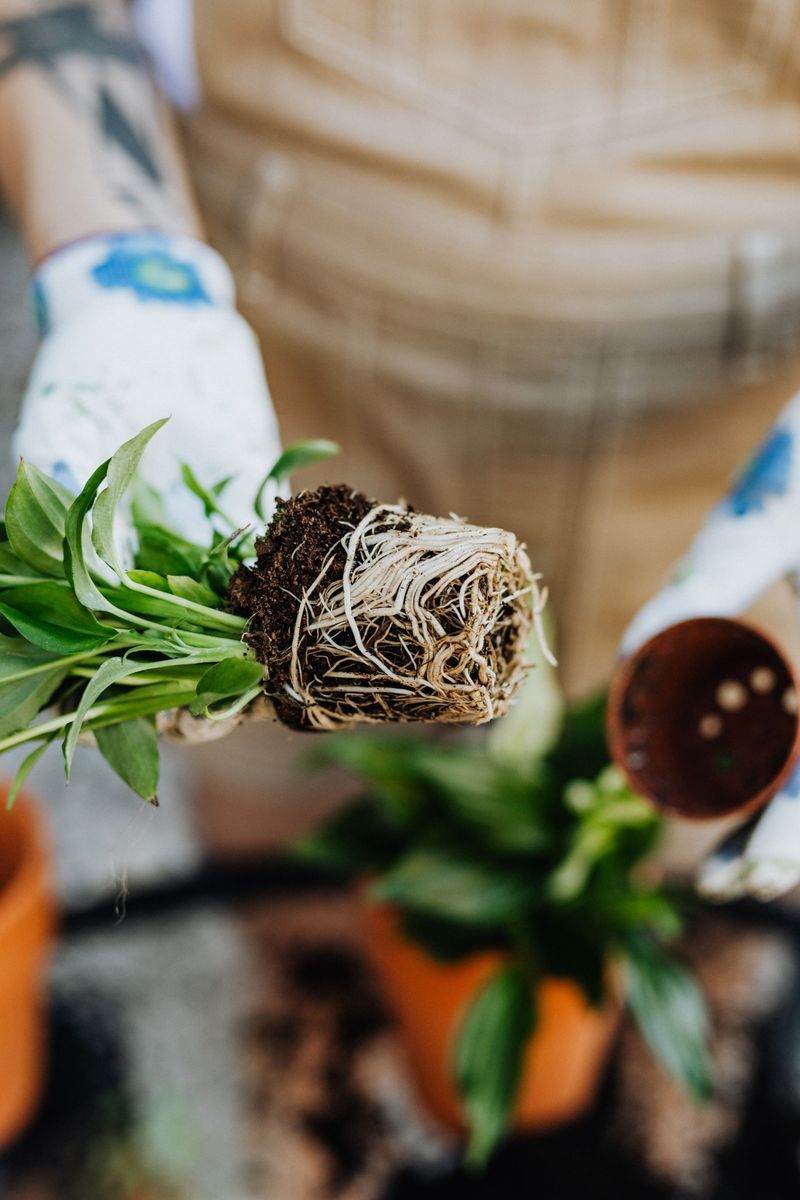
Roots should stay underground, quietly doing their job out of sight. When they start surfacing above the soil, something has gone seriously wrong with available space.
Surface roots appear when the underground space is completely used up. The roots have no choice but to grow upward, which is the opposite of how healthy root systems behave.
Maryland gardeners growing ficus, peace lilies, or pothos may spot this issue as the growing season progresses. These plants grow aggressively in warm months and can fill a pot surprisingly fast.
Visible roots above the soil are not just a cosmetic issue. Exposed roots dry out quickly and cannot absorb water or nutrients the way buried roots can.
Run your hand gently across the soil surface and feel for firm, rope-like root structures. If the soil feels more like a mat of roots than loose dirt, the plant is packed in tight.
Some surface roots can be carefully trimmed during repotting to encourage healthy regrowth. But trimming without repotting only buys a little time before the problem comes back.
The real solution is a fresh container with enough depth to accommodate the full root mass. Burying those surface roots in new soil immediately improves the plant’s ability to absorb moisture.
Once roots start surfacing, time matters for your plant’s health. Acting quickly with a proper repot keeps the plant thriving instead of just getting by.
8. Watering More But Seeing Less Growth Is A Sign
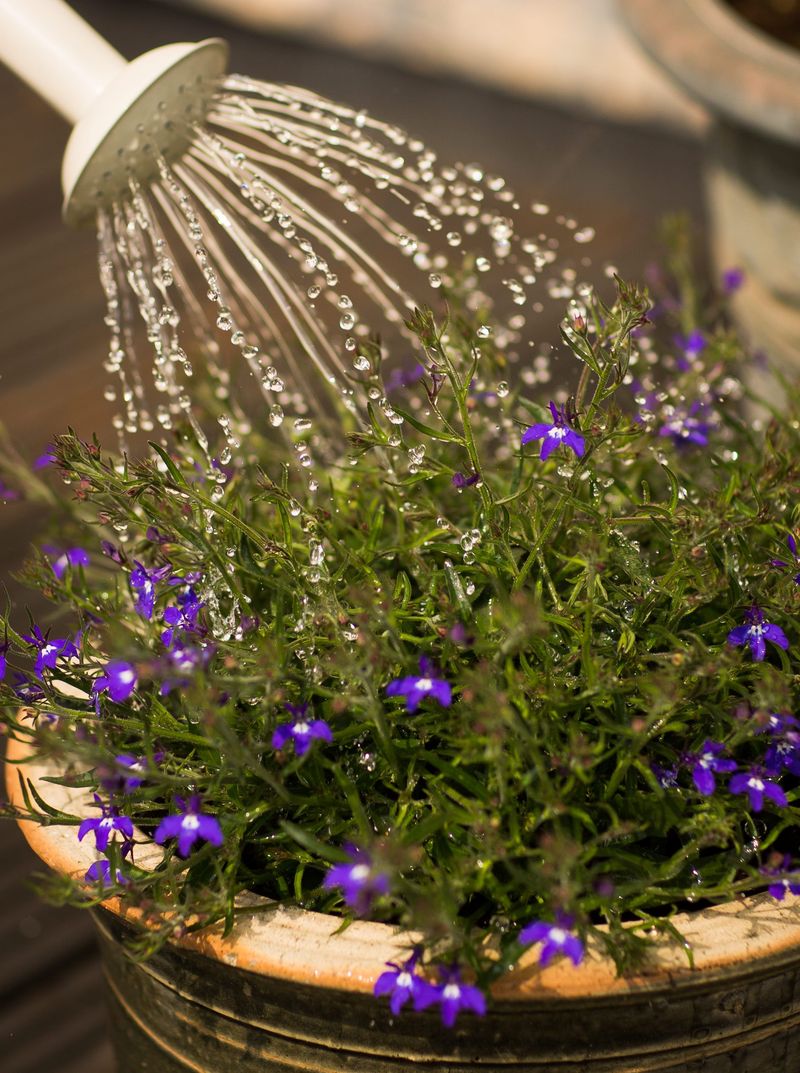
You have been watering your plant more than ever, and it still looks dull and flat. That disconnect between effort and result is one of the clearest signs a plant needs a bigger pot.
A root-bound plant cannot process extra water effectively, no matter how much you give it. The congested root system is too compressed to absorb nutrients from the water passing through.
Some Maryland gardeners increase watering in summer, hoping for lush new growth in return. But if the plant does not respond with new leaves or fuller stems, the container is the bottleneck.
Think of it like trying to fill a sponge that is already soaked with something else. No matter how much water you add, nothing new gets absorbed because there is no room left.
Track your watering frequency over two weeks and compare it to visible growth. If you are watering twice as often but seeing no new leaves, your plant is signaling a serious space shortage.
Overwatering a root-bound plant can also lead to root rot, which further stresses the plant.
A well-timed repot resolves both the growth stall and the watering inefficiency at once. Fresh soil and extra root room allow water to do what it is supposed to do.
Knowing how a plant needs a bigger pot starts with noticing what your effort is not producing. When more care brings less reward, the pot is the problem worth solving.