How New Jersey Gardeners Can Save Heat-Stressed Tomatoes This Month
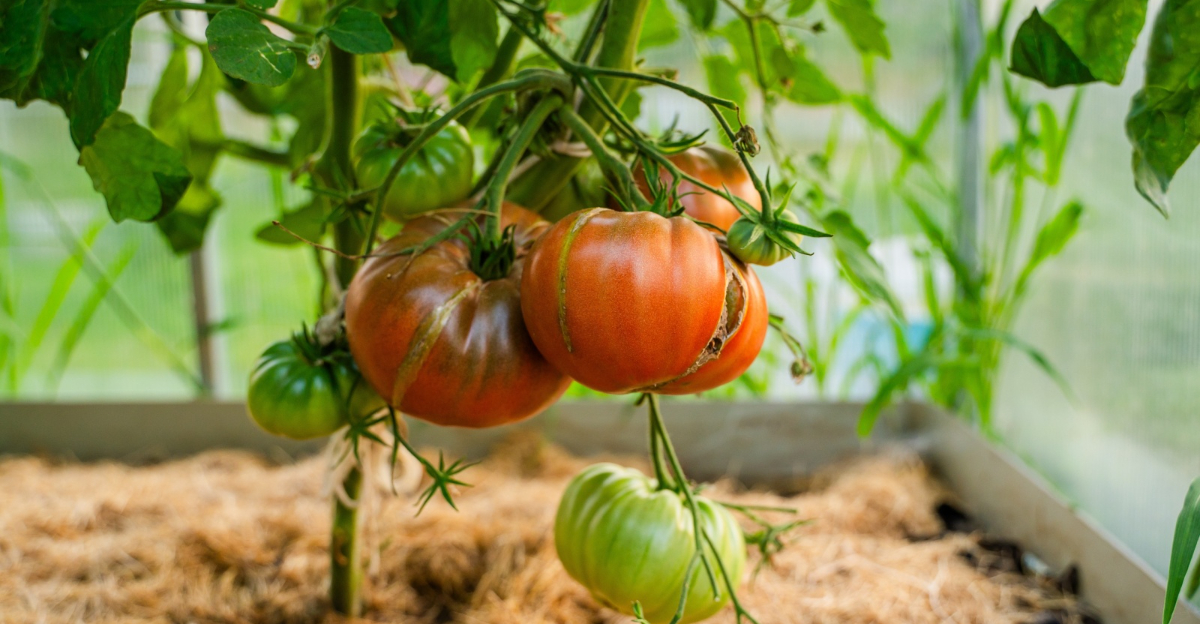
Temperatures spike suddenly, and your tomato plants notice immediately. Your vines feel pressure before you even sense it.
Blossoms drop early, then stems sag under building strain. Heat builds fast across New Jersey without any warning.
Every intense afternoon drains your plants a little further. Wilting by noon signals far more than simple physical discomfort.
Leaves curl inward while roots struggle to keep pace. Worry fixes nothing on a vine still setting fruit.
Precision fixes everything, and speed matters just as much. Timing separates thriving gardens from struggling ones across New Jersey.
Small adjustments made now prevent major losses across this summer. Nothing about heat stress has to stay permanent for you.
Quick decisions today protect what’s still forming on the vine. Waiting costs you far more than acting ever will.
Right now, your plants are quietly asking you to respond. You are a heartbeat away from saving this harvest.
1. Water Deeply In Early Morning Hours
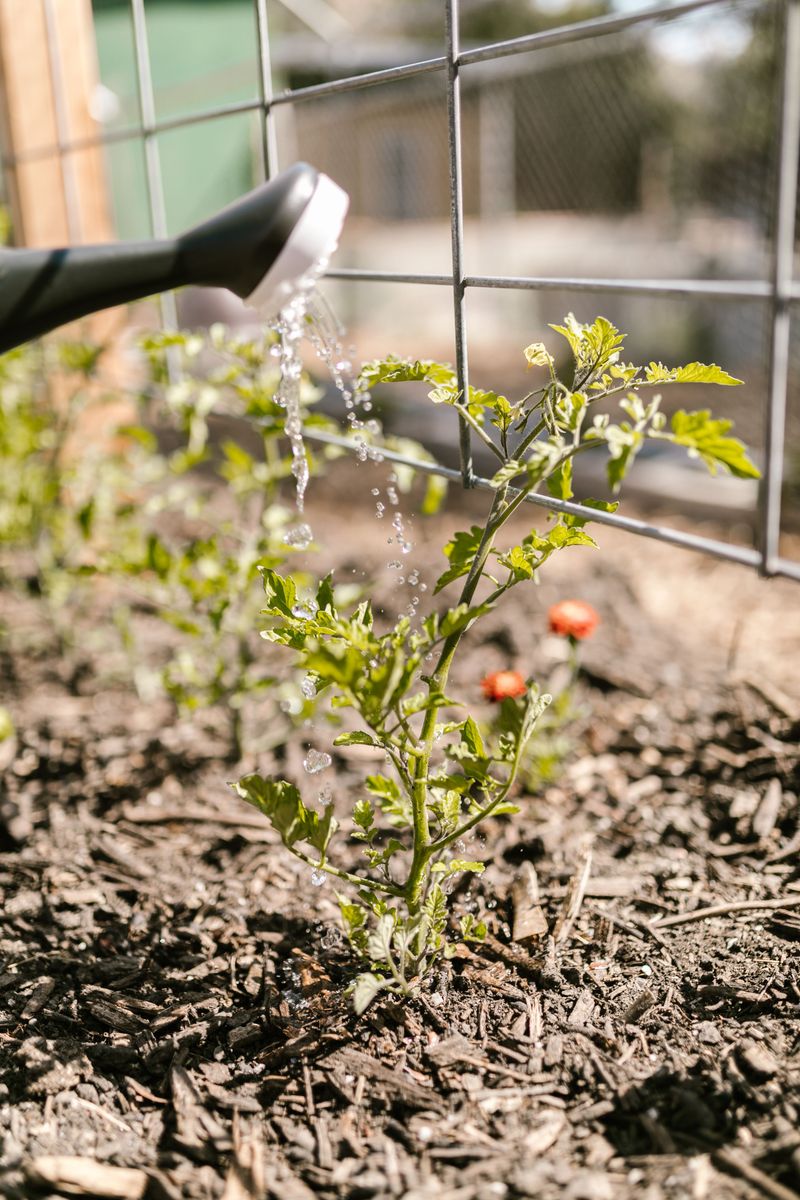
Your tomato plants need water before the heat of the day sets in. Morning watering gives roots time to absorb moisture before the heat evaporates it.
Shallow, frequent watering trains roots to stay near the surface. That makes plants weaker and more vulnerable when soil dries fast in afternoon heat.
Deep watering means soaking the soil at least six to eight inches down. Roots follow moisture deeper into cooler earth, which helps the whole plant stay stable.
Aim for two to three gallons per plant, delivered slowly at the base. A soaker hose or drip system makes this almost effortless.
Avoid wetting the leaves during morning watering sessions. Wet foliage in rising heat can invite fungal issues that compound heat stress quickly.
Many gardeners who switch to early morning deep watering notice improvements in plant resilience over time. The difference shows up within just a couple of days.
Set an alarm, grab your hose, and get outside before 8 a.m. Your heat-stressed tomatoes will reward that early effort with stronger growth all season long.
2. Add Mulch To Keep Roots Cool
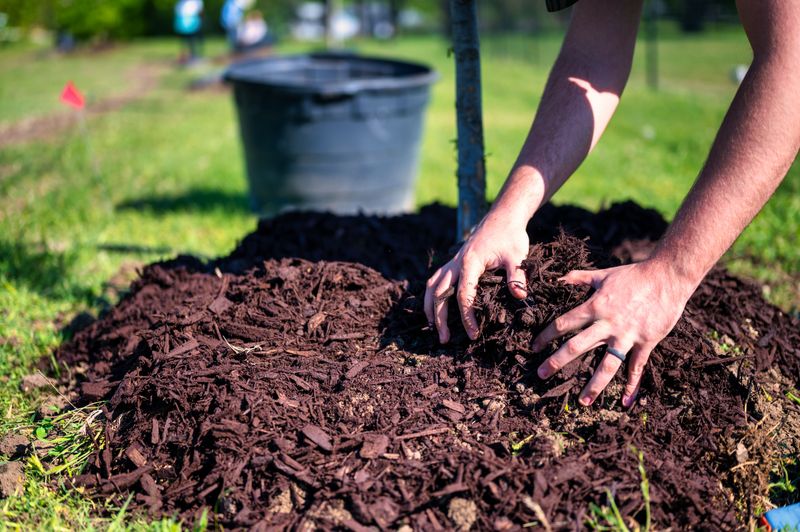
Bare soil heats up quickly under summer sun, raising temperatures around your plants. Mulch is the simplest fix you probably already have access to.
Straw, wood chips, or shredded leaves all work well around tomato bases. A three-inch layer keeps soil temperatures significantly cooler than exposed ground.
Mulched garden beds can stay noticeably cooler than unmulched ones, especially in direct sun. That difference is huge for root systems already struggling with heat stress.
Mulch also holds moisture longer after watering, which means roots stay hydrated between sessions. Less evaporation equals less stress on the whole plant.
Pull mulch back a couple of inches from the main stem to prevent rot. You want the benefits without trapping too much moisture right at the crown.
Reapply mulch if it compresses or thins out over the season. A fresh top-up every few weeks keeps the insulating effect strong through August.
Think of mulch as a cooling blanket your tomatoes wear underground. Once you see how much better your plants look after mulching, you will never skip this step again.
Your New Jersey Garden Changes Every Week. Your Plan Should Too.
Gardening in New Jersey changes quickly throughout the season. Every Friday you’ll receive a simple weekly plan showing exactly what to plant, prune, fertilize, harvest, and protect so you never miss the right timing.
3. Provide Shade Cloth During Peak Afternoon Heat
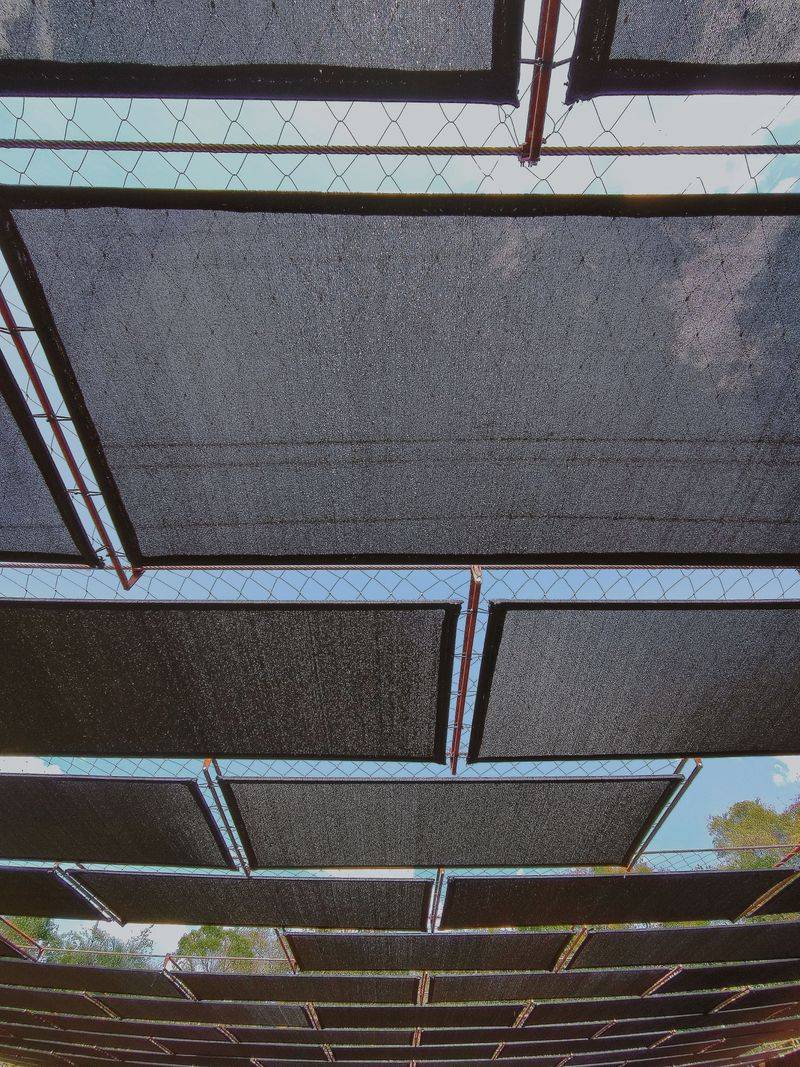
Between 1 p.m. and 4 p.m., the sun in New Jersey is at its most intense for tomato plants. A simple shade cloth can make a dramatic difference in plant survival.
Look for a 30 to 40 percent shade cloth, which blocks enough light to reduce heat without cutting off photosynthesis. Anything heavier can slow fruit production noticeably.
You can build a quick frame using bamboo stakes or PVC pipe to hold the cloth above the plants. Even a few feet of clearance creates a cooler microclimate underneath.
Shade cloth reduces leaf temperature by several degrees, which directly lowers the plant’s stress load. Cooler leaves transpire less water, helping the plant conserve energy.
Remove the shade cloth in the early morning and evening hours when light is gentler. Plants still need full sun exposure during those cooler parts of the day.
Old bedsheets or burlap can work in a pinch if you do not have shade cloth on hand. Just make sure airflow is not restricted around the plants.
Protecting tomatoes from peak heat is a simple, effective step. Try it for a week to see how your plants respond.
4. Avoid Fertilizing During Heat Stress
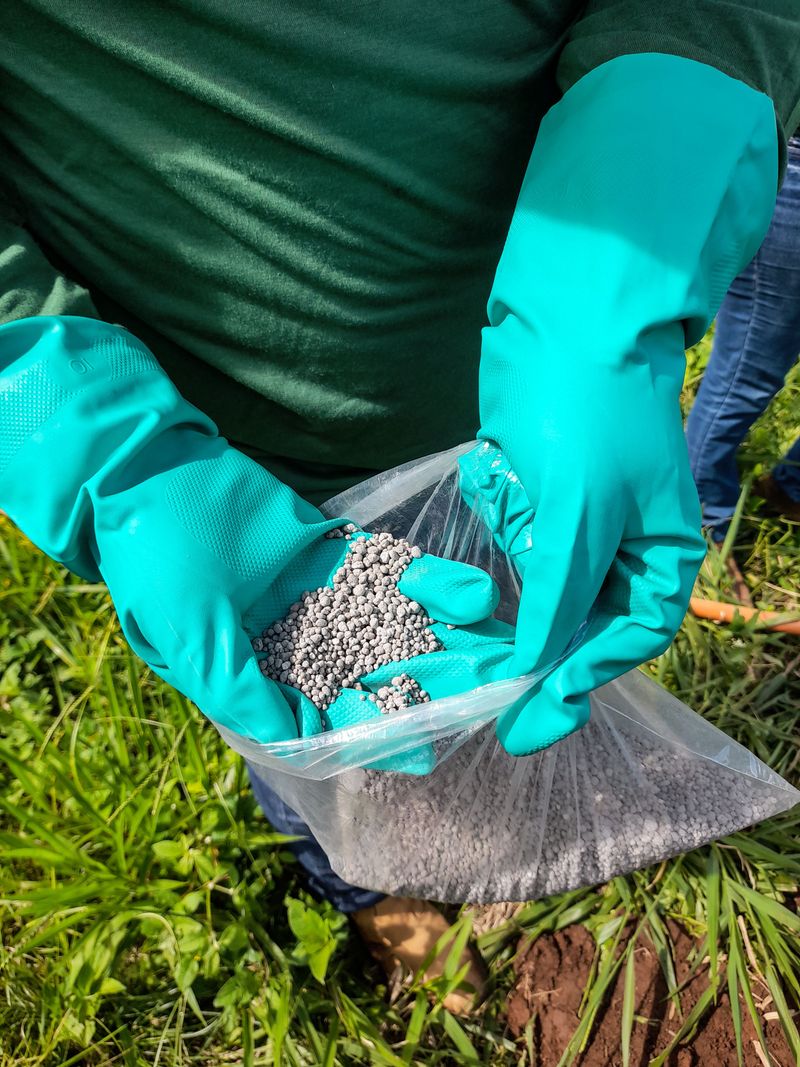
Reaching for fertilizer when your tomatoes look rough feels like the logical move. Resist that urge completely during a heat wave.
Fertilizer pushes plants to grow faster and produce more. During heat stress, that extra demand taxes an already struggling root system even harder.
Nitrogen-heavy fertilizers are especially problematic in high temperatures. They can burn roots when soil is hot and dry, making the situation worse instead of better.
Think of a heat-stressed tomato plant like a sick person trying to run a marathon. Adding fertilizer right now is like handing that person a heavy backpack.
Wait until temperatures drop below 85°F for at least a few consecutive days before feeding again. That window signals the plant is stable enough to handle nutrients.
Once conditions improve, a balanced, slow-release fertilizer works best for recovery. It feeds gradually without shocking the root system back into overdrive.
Mark your calendar for a feeding date two weeks out from the heat wave. Patience here pays off with stronger, more productive plants once cooler weather settles in.
Skipping fertilizer during a heat wave is not neglect. It is actually one of the smartest things a gardener can do for struggling tomatoes.
5. Remove Suckers To Reduce Plant Strain
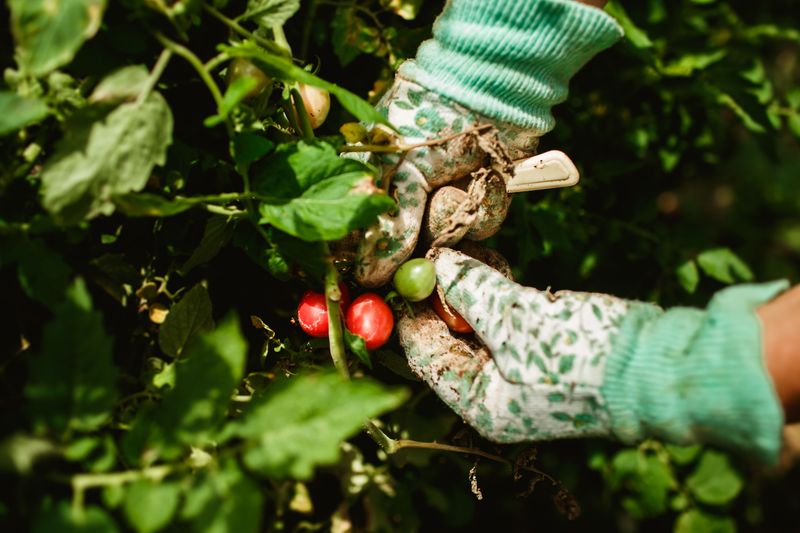
Tomato suckers grow between the main stem and branches and draw energy away from the plant. Removing them during a heat wave gives the plant a real fighting chance.
Each sucker that grows becomes a new branch, demanding water and nutrients. During intense heat, the plant simply cannot support that extra growth without added stress.
Pinch suckers off with your fingers when they are small, under two inches long. Smaller suckers come off cleanly without leaving large wounds that invite disease.
Focus on suckers in the lower half of the plant first. Those steal the most energy while contributing the least to fruit production at the top.
Some gardeners worry that removing suckers will reduce their harvest. In reality, a focused plant with fewer branches produces better fruit than a sprawling, stressed one.
Clean your hands or use sanitized pruning shears between plants to avoid spreading any pathogens. Heat-stressed plants have weakened defenses and are more susceptible to infection.
Make sucker removal a weekly habit through the hottest part of summer. A lean, well-pruned tomato plant handles heat far better than a bushy, overgrown one.
Fewer branches mean less work for tired roots. That simple math adds up to healthier tomatoes when temperatures refuse to cooperate.
6. Check For Wilting Versus True Drought Stress
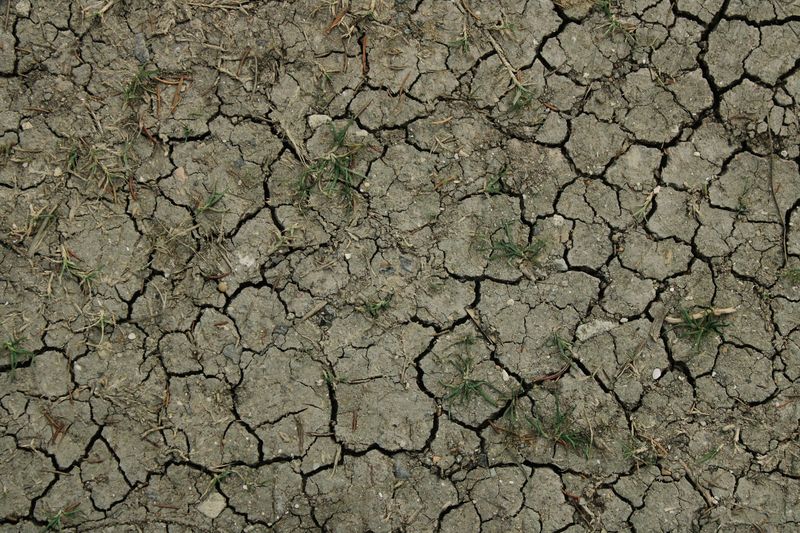
Seeing droopy tomato leaves at noon does not always mean your plants need more water. Learning to tell the difference can save you from overwatering, which causes its own problems.
Heat wilting happens when plants temporarily shut down to conserve moisture during peak sun hours. The leaves droop as a protective response, not necessarily a cry for hydration.
Check the soil a few inches down with your finger before reaching for the hose. If the soil feels moist, the plant is likely heat wilting and will perk up by evening.
True drought stress looks different. Leaves stay wilted even after sunset, and the soil feels dry several inches below the surface.
Overwatering heat-wilted plants can deprive roots of oxygen and create fungal problems in the root zone. Waterlogged soil in summer heat is a fast track to root rot.
Morning is the best time to assess your plants honestly. If they look healthy and upright before 9 a.m., they are probably managing the heat on their own.
Keep a simple log of when you water and how the plants look morning versus evening. That pattern quickly teaches you what your specific garden actually needs.
Understanding your plants is the foundation of good gardening. Read them carefully, and they will tell you exactly what they need.
7. Mist Foliage Lightly To Lower Leaf Temperature
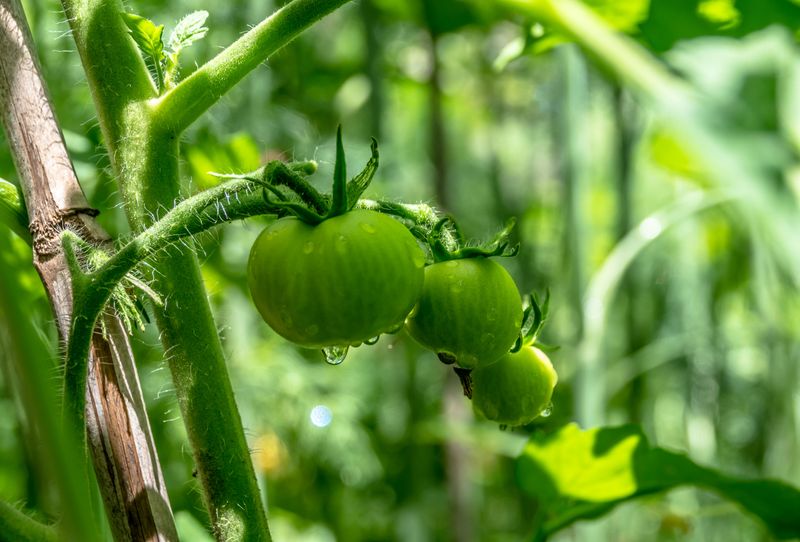
A light mist of cool water on tomato leaves works like a quick splash of cold water on your own face during a heat wave. It brings immediate, temporary relief.
Leaf surface temperatures can climb well above air temperature in direct sun. A light misting drops that surface temp quickly and gives the plant a brief recovery window.
Use a fine mist setting on your hose nozzle or a small handheld sprayer. You want a gentle fog, not a soaking spray that leaves leaves dripping wet.
Mist in the late afternoon, around 4 or 5 p.m., when the worst heat has passed. Misting too late in the evening leaves foliage wet overnight, which invites fungal issues.
Do not mist in the middle of the day when the sun is strongest. Watering during peak sun can cause water to evaporate too quickly to be useful, so it’s better to mist in cooler parts of the day.
This technique works best as a supplement to deep morning watering, not a replacement. Think of misting as a comfort measure rather than a hydration strategy.
Pair misting with shade cloth for an extra layer of protection during the hottest afternoons. Combined, these two steps can meaningfully reduce heat stress on your tomatoes.
A little mist goes a long way. Your plants will look noticeably fresher within minutes of a gentle spray.
8. Prune Excess Leaves To Reduce Water Demand
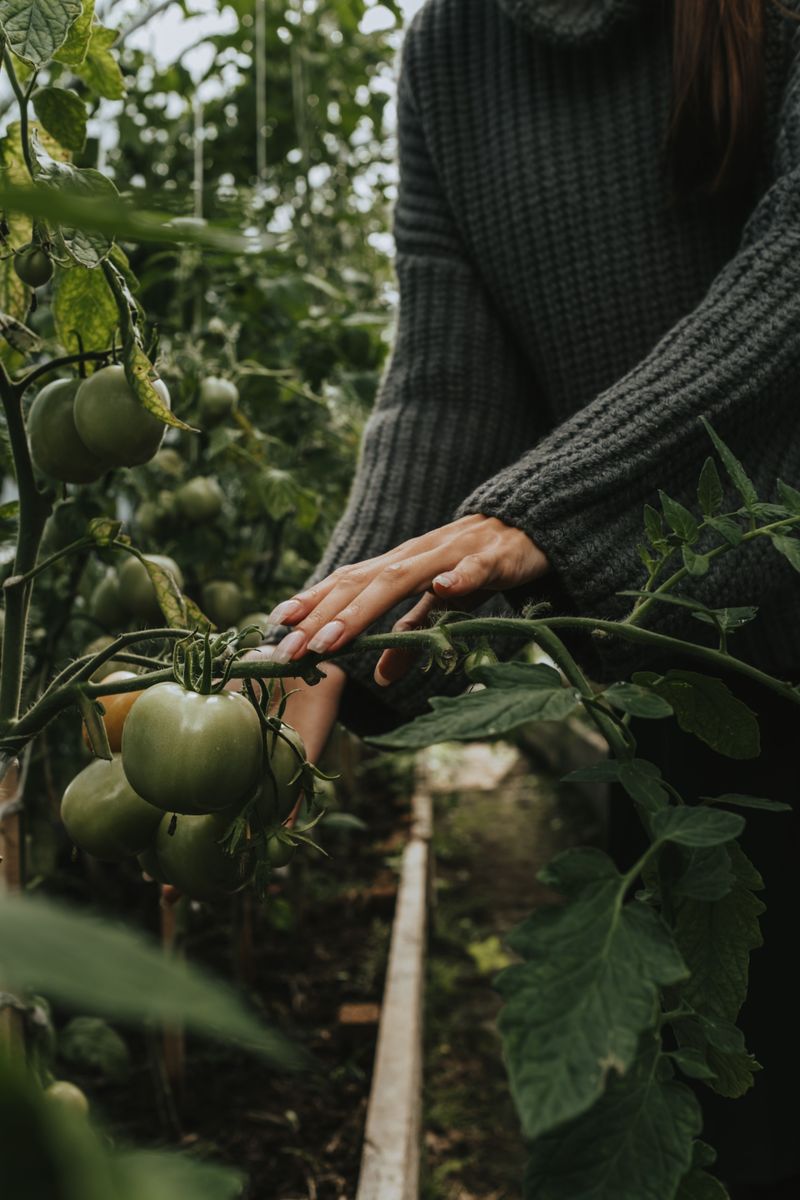
Too many leaves on a heat-stressed tomato plant is a hidden problem most gardeners overlook. Every leaf demands water to stay alive, and that adds up fast during a drought stretch.
Older, yellowing leaves at the bottom of the plant are the first to go. They contribute little to photosynthesis but still pull moisture and energy from the root system.
Removing those lower leaves also improves airflow around the base of the plant. Better airflow means less humidity buildup, which reduces the risk of soil-borne disease splashing up.
Use clean, sharp pruning shears to make smooth cuts close to the main stem. Jagged cuts or torn leaves create entry points for bacteria and fungal spores.
Limit yourself to removing no more than one-third of the plant’s foliage at once. Stripping too many leaves too fast shocks the plant and compounds the stress it already feels.
Focus on leaves that look pale, spotted, or curled rather than healthy green ones. Healthy leaves are still doing important photosynthesis work that fuels fruit development.
Pruning strategically is not about making the plant look tidy. It is about directing every drop of available water toward the fruit and future growth that actually matters. A well-pruned plant in a heat wave stands a much stronger chance of bouncing back fast.
9. Harvest Ripening Fruit Early To Relieve Plant Load
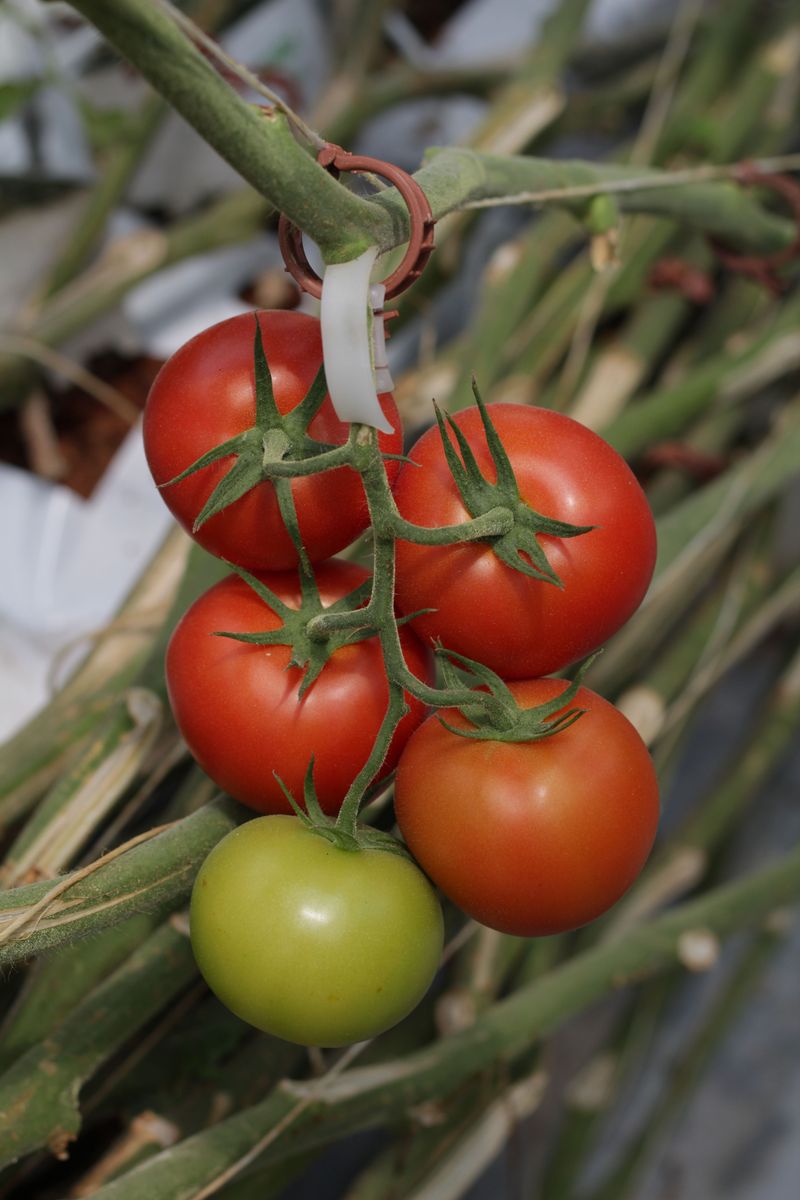
Leaving ripe tomatoes on the vine during a heat wave is one of the most common mistakes home gardeners make. That fruit places extra demand on an already stressed plant.
Each tomato on the vine demands water, sugar, and energy to continue ripening. During peak heat, those demands compete directly with the plant’s basic sustaining needs.
Pick tomatoes the moment they show full color or even just before peak ripeness. They will finish ripening perfectly on your kitchen counter within a day or two.
Ripening indoors away from heat stress produces fruit that is just as flavorful as vine-ripened tomatoes. Many experienced gardeners actually prefer the texture of counter-ripened fruit.
Removing ripe and near-ripe fruit signals the plant to redirect energy toward new blossoms and developing tomatoes. That shift helps keep production going even through the hottest weeks.
Check your plants every single day during a heat wave for fruit that is ready to pick. Daily harvesting keeps the plant’s load light and encourages continuous production.
Do not let overripe tomatoes split and rot on the vine. Rotting fruit attracts pests and spreads disease at a time when heat-stressed tomatoes are already most vulnerable.
Harvest boldly and harvest often. Saving your heat-stressed tomatoes this month starts with picking the fruit that is already ready to go.