Virginia Gardeners Need To Finish These Tasks In The Next Two Weeks
Heat finally breaks across Virginia, and everything underground starts stirring. Cooling nights trigger a shift most gardeners never notice in time.
Soil temperatures drop quickly, waking dormant roots after summer’s demanding grip. Fall growth depends entirely on what you decide to do next.
Plants push new development only while conditions still favor them. Waiting costs blooms, harvests, and soil strength you cannot regain.
Every gardener across Virginia faces this same narrow stretch. Timing now clearly separates thriving gardens from deeply disappointing ones.
Choices made this very week decide what lasts through frost. Nothing here stays still during this shift.
Ignore this window, and autumn repays you with bare beds. Act now, and you unlock growth most gardeners miss.
Momentum belongs entirely to you long before any calendar ever demands it. Progress must always move forward, seeds, roots, decisions, momentum. You have days, not weeks, and every hour works against you.
1. Start Fall Vegetable Seeds Indoors
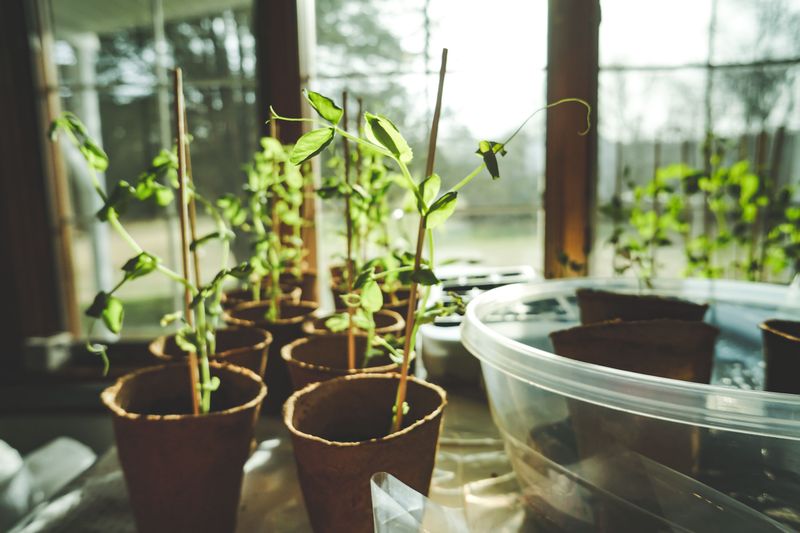
Your seed packets have been sitting in that drawer long enough. Starting fall vegetable seeds indoors right now gives tender seedlings a head start before outdoor conditions are just right.
Virginia gardeners who skip this step often end up with crops that never fully mature before frost arrives.
Crops like broccoli, cabbage, kale, and cauliflower thrive when started six to eight weeks before your first expected frost.
Frost dates vary by region: mountain and northern areas often see frost by late September, while Tidewater and coastal areas may not see frost until November. Doing the math means your seed-starting moment is happening right now.
Fill your seed trays with a quality seed-starting mix, not regular garden soil. Regular soil compacts too much in small containers and can starve young roots of oxygen before they get going.
Moisture and warmth are your two best friends during germination. Place your trays near a sunny south-facing window or under grow lights for at least fourteen hours of light each day.
Seedlings that do not get enough light will become tall, weak, and spindly, which makes transplanting a real struggle. A small fan running nearby also helps strengthen young stems.
Label every tray the moment you plant it because mystery seedlings are frustrating. Water from the bottom by setting trays in a shallow dish of water so roots reach downward.
Two weeks from now, you will have sturdy little plants ready to harden off and move outside.
2. Direct-Sow Quick Fall Crops
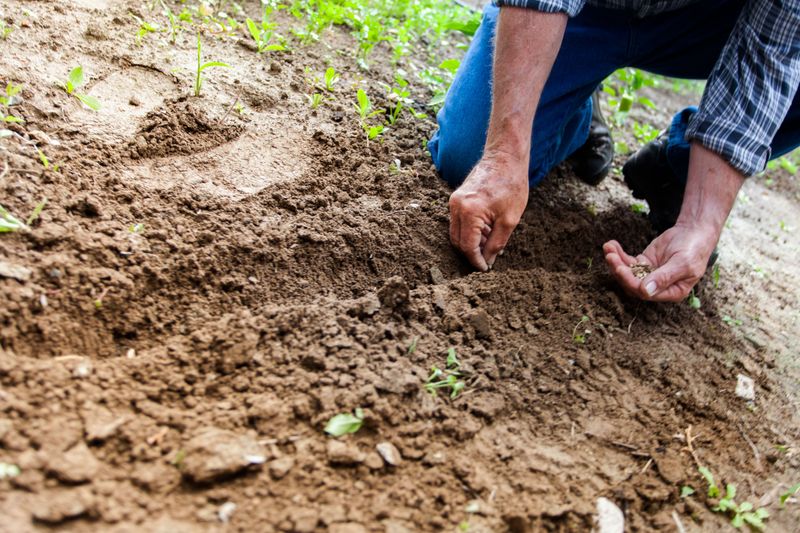
Some crops do not want to be babied indoors first. Direct sowing means tucking seeds straight into your prepared garden bed, skipping the whole transplant step entirely.
Certain fast-growing crops actually prefer this approach and reward you with better root systems.
Radishes are the speed champions of the fall garden, maturing in as few as twenty-five days. Spinach, arugula, lettuce, and turnips are also excellent candidates for direct sowing right now.
These crops love the cooler soil temperatures that come as summer edges toward autumn in Virginia.
Prepare your bed by loosening the soil about six inches deep and working in a light layer of compost. Loose, fluffy soil makes it easy for small seeds to push through and establish quickly.
Your New Jersey Garden Changes Every Week. Your Plan Should Too.
Gardening in New Jersey changes quickly throughout the season. Every Friday you’ll receive a simple weekly plan showing exactly what to plant, prune, fertilize, harvest, and protect so you never miss the right timing.
Rake the surface smooth so seeds make solid contact with the earth. Sow seeds a little more densely than the packet suggests, then thin seedlings once they reach a couple of inches tall.
Thinning feels wasteful, but crowded plants compete for nutrients and produce less. Eat the thinnings in a salad, since they are delicious.
Keep the seed bed consistently moist for the first week or two until germination is underway. A light layer of straw mulch over the top helps hold moisture without blocking sunlight.
Mark your planting date on a garden calendar so you can track harvest windows and plan your next round of sowing with confidence.
3. Clear Spent Summer Plants From Beds
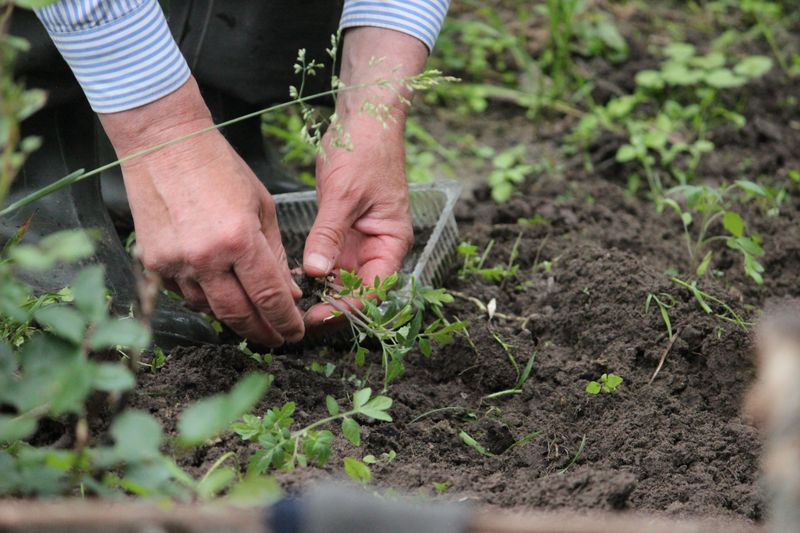
Pulling out a tomato plant that fed your family all summer feels a little sad, but it is absolutely the right move.
Spent summer plants left in the ground become hiding spots for pests and a breeding ground for fungal diseases. Clearing them now protects everything you plan to grow next season.
Start with your tomatoes, peppers, cucumbers, and squash plants since these are the biggest offenders when it comes to harboring problems.
Pull the entire plant including the root system if possible. Leaving roots behind can allow soil-borne diseases to linger through winter.
Do not toss diseased plant material into your compost pile no matter how tempting it is. Bagging and disposing of sick plants keeps problems from cycling back into your garden next spring.
Healthy plant debris, however, is compost gold worth saving. Once the beds are cleared, give the soil a good once-over with a garden fork to break up compaction. Loosening the soil now makes it much easier to amend and plant in just a few days.
You will also expose overwintering pest larvae to birds and cold air, which helps reduce next year’s bug pressure naturally.
Spread a two-inch layer of compost over the cleared bed and work it in lightly. This feeds soil microbes through the fall and sets up a rich growing environment for whatever comes next.
A clean, amended bed is one of the most satisfying sights in any Virginia gardener’s autumn yard.
4. Water Deeply In Early Morning
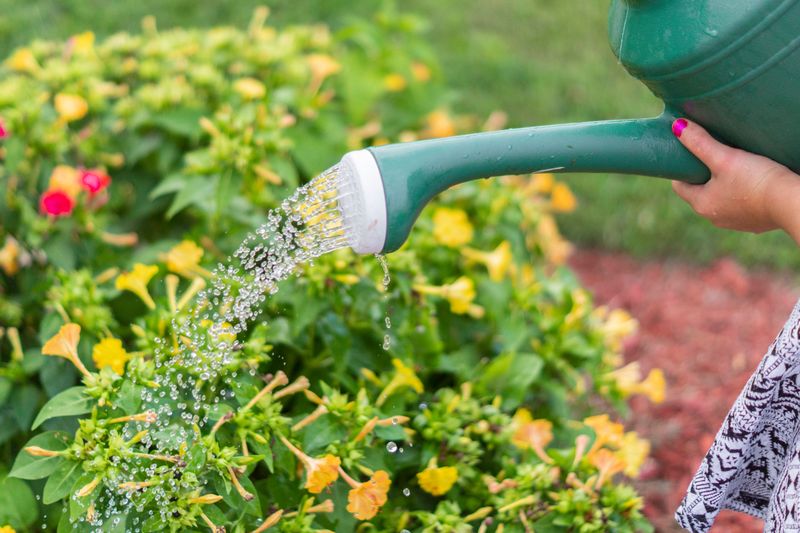
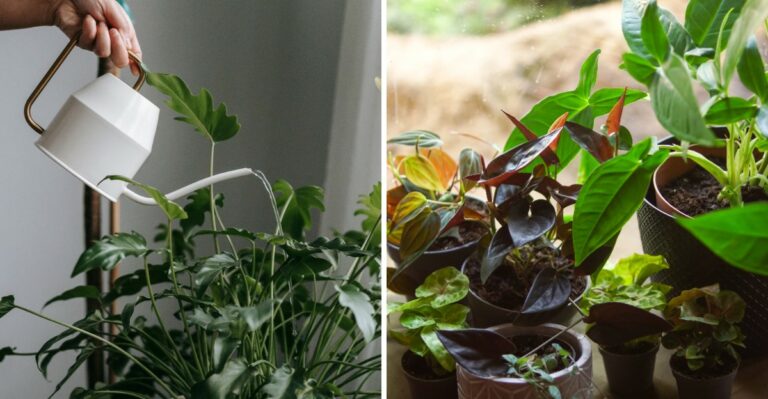
Watering in the morning sounds simple, but the timing makes a surprisingly big difference. Early morning watering gives foliage time to dry before evening, which cuts down on fungal disease dramatically.
Wet leaves sitting through a cool fall night are basically an open invitation for problems. Deep watering is the other half of this equation, and it matters just as much as timing.
Shallow watering trains roots to stay near the surface where they are vulnerable to temperature swings.
Pushing water down six to eight inches encourages roots to follow, making plants much tougher overall.
A soaker hose or drip irrigation system is the most efficient way to deliver deep moisture directly to root zones. These tools reduce evaporation and keep water off leaves entirely.
If you are using a sprinkler or hand watering, aim for the base of plants rather than the foliage.
Fall temperatures in Virginia can still climb into the high eighties, especially in the first half of September. Do not assume cooler weather means your garden no longer needs consistent hydration.
Newly planted seedlings and transplants are especially thirsty as they establish their root systems.
Check soil moisture by pushing a finger two inches into the ground near your plants. If it feels dry at that depth, it is time to water.
Consistent moisture now builds the kind of strong root systems that help your fall garden handle whatever the season throws at it next
5. Remove Diseased Or Past-Prime Plants
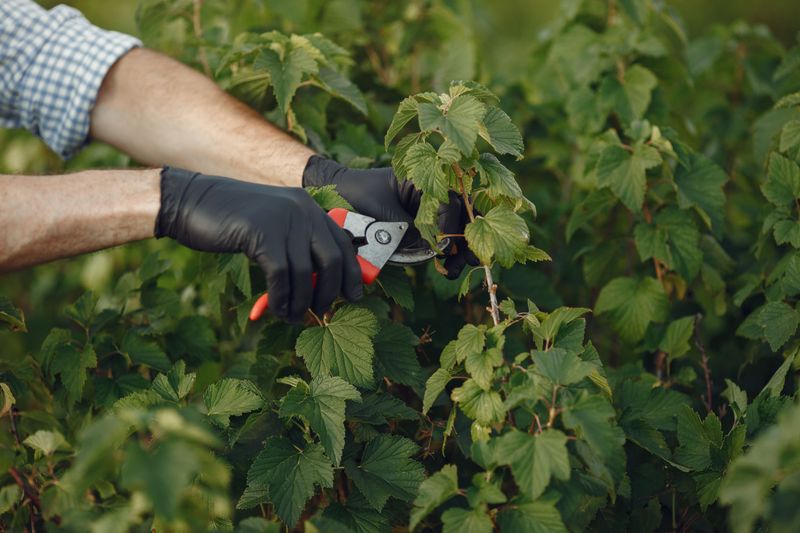
Powdery mildew on your squash leaves is a signal to assess the plant’s condition. If it is only mildly affected, pruning the impacted leaves and improving airflow may save it; if it is fully exhausted or heavily diseased, removal is the better choice.
Look for telltale signs like yellowing leaves, black spots, mushy stems, or white powdery coating on foliage.
These symptoms signal that the plant is either diseased or simply past its productive life. Either way, it needs to go before it contaminates neighboring plants.
Diseased material should always be bagged and placed in the trash rather than composted. Home compost piles rarely get hot enough to destroy fungal spores or bacterial pathogens.
Sending sick plants to the landfill is the responsible choice for your garden’s long-term health.
After removing problem plants, clean your tools with a diluted bleach solution or rubbing alcohol.
Pruning shears and garden knives can carry disease from one plant to another without any visible sign. A quick wipe-down between plants is a habit that pays off season after season.
Once the bed is cleared of trouble, resist the urge to replant the same crop family in that spot immediately. Rotating plant families breaks disease cycles and confuses overwintering pests looking for a familiar food source.
Virginia gardeners who practice rotation consistently tend to have far fewer headaches when the next growing season begins.
6. Plan Cover Crops For Empty Beds
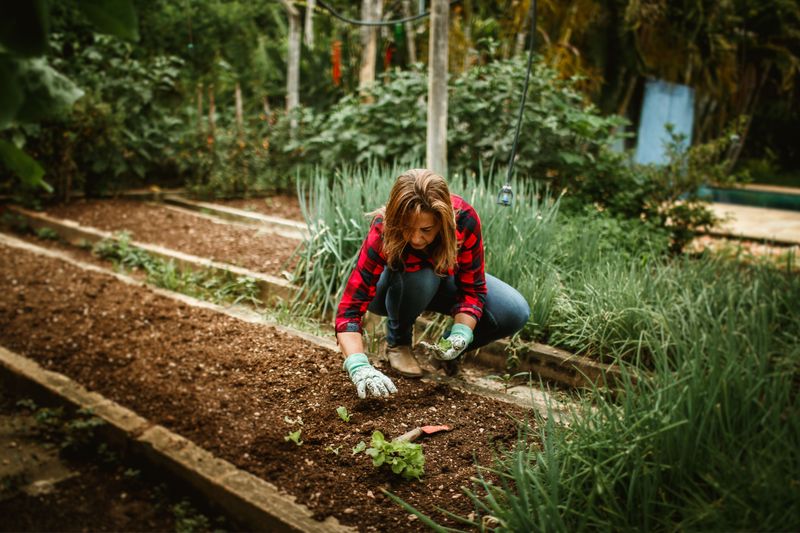
Bare soil exposed through fall and winter loses nutrients, erodes in rain, and becomes compacted over time.
Cover crops are the elegantly simple solution that experienced gardeners have relied on for generations.
Winter rye, crimson clover, and hairy vetch are among the best cover crop choices for Virginia conditions.
Winter rye establishes fast even in cooling temperatures and produces a thick mat of roots that hold soil beautifully. Crimson clover fixes nitrogen from the air and deposits it directly into your soil for free.
Sow cover crop seed as soon as a bed opens up after summer crops are removed. Scatter seeds evenly over the bed, rake them lightly into the soil surface, and water thoroughly. Most cover crop seeds germinate within a week under fall conditions.
Come spring, you will mow or cut down the cover crop a few weeks before planting. Allow the chopped material to decompose on the surface or till it shallowly into the top few inches of soil.
This green material adds organic matter and feeds the microbial life that makes healthy soil thrive.
Cover cropping takes small effort now but delivers real rewards later. Your beds will be looser, richer, and more biologically active than beds left bare all winter.
Planning this step today means your spring garden starts from a better place than it did this year.
7. Divide Overcrowded Perennials
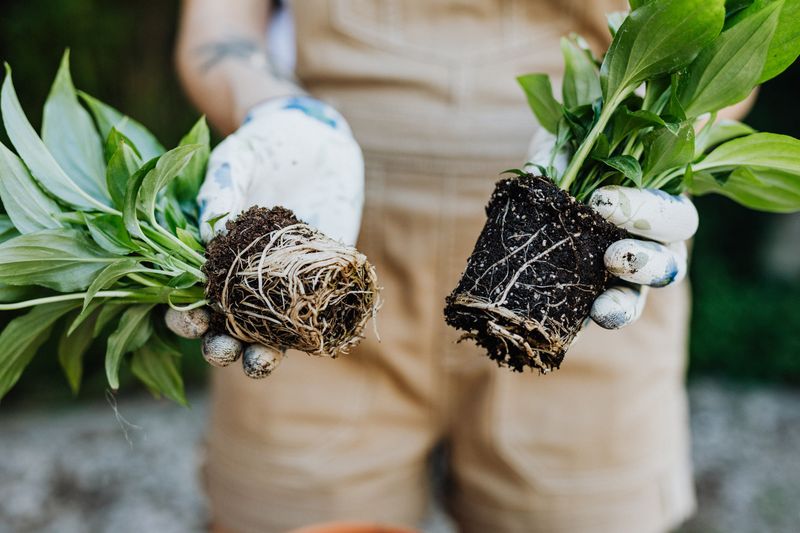
That clump of daylilies has become overcrowded over the past three years. Overcrowded perennials stop blooming as well, compete with themselves for nutrients, and often develop bare centers that reduce blooming all season long.
Dividing them now gives each section room to breathe and thrive. Early fall is one of the best times to divide perennials in Virginia because the soil is still warm enough for roots to establish before winter.
Plants divided now have weeks of good growing conditions ahead of them before cold sets in. Spring-divided plants, by contrast, face the stress of blooming at the same time they are trying to recover.
Hostas, daylilies, black-eyed Susans, and coneflowers all respond beautifully to fall division. Ornamental grasses, however, generally do better when divided in spring. Use a sharp garden fork to lift the entire clump out of the ground first.
Then use a spade or two forks back-to-back to split it into sections, each with a healthy root system attached.
Replant divisions at the same depth they were growing before and water them in well immediately. Mulch around newly divided plants to keep soil temperature steady through the coming weeks.
Consistent moisture now builds the kind of strong root systems that help your fall garden handle whatever the season throws at it next.
Share extras with neighbors, pot them up for a plant swap, or fill in bare spots around your yard. Dividing perennials is essentially getting free plants from ones you already own.
That kind of garden math feels satisfying when spring arrives and everything blooms stronger than before.
8. Check Local Extension Resources For Timing
Your neighbor’s advice is kind, but your county’s extension office knows your specific frost dates, soil types, and local pest pressures.
The Virginia Cooperative Extension publishes free, research-backed planting guides tailored to different regions of the state. Using these resources is one of the smartest moves any gardener can make right now.
Virginia spans multiple climate zones, and what works in the Shenandoah Valley does not always translate to Tidewater or the Northern Neck. Extension resources account for these differences in a way that general gardening websites simply cannot.
Knowing your specific first frost date changes every planting and timing decision you make this season.
Visit the Virginia Cooperative Extension website and search for your county’s master gardener program as well.
Many counties offer low-cost soil testing through the extension office, often just a small lab fee, which tells you exactly what your beds need heading into next season. Soil test results come with specific amendment recommendations, not just generic advice.
Extension offices also host fall gardening workshops, plant clinics, and phone hotlines where you can get expert answers fast. If something in your garden looks wrong and you cannot identify it, a master gardener can help you figure it out quickly.
Catching a problem now means you fix it before it becomes a much bigger headache next spring.
Virginia gardeners who tap into extension resources consistently outperform those who rely on guesswork alone. These tools are free, local, and built specifically for your growing conditions.
Finishing these tasks in the next two weeks becomes a whole lot easier when you have expert guidance backing every decision you make.