The Native Pennsylvania Fruit Trees Worth Growing In Urban And Suburban Gardens In 2026
Most Pennsylvania homeowners who want fruit trees default to the usual choices. Apples, peaches, maybe a pear if there’s room.
These are fine options, but they come with significant maintenance demands, pest pressure, and a level of intervention that puts a lot of people off fruit growing entirely.
What most people don’t realize is that Pennsylvania has native fruit trees that produce reliably, require a fraction of the attention, and offer flavors and ecological value that commercial varieties simply cannot match.
And in 2026, with more people looking to grow food locally and reduce their yard’s environmental footprint, these native fruit trees are getting the attention they’ve deserved for a long time.
They fit into urban and suburban gardens more easily than most people expect. Many stay at a manageable size, tolerate the conditions that come with city and suburban living, and support local wildlife far more generously than any imported variety.
Here are the native Pennsylvania fruit trees worth growing right now and why 2026 is a great time to plant them.
1. Pawpaw
Forget bananas and mangoes for a second, because Pennsylvania actually grows its own tropical-tasting fruit right here at home.
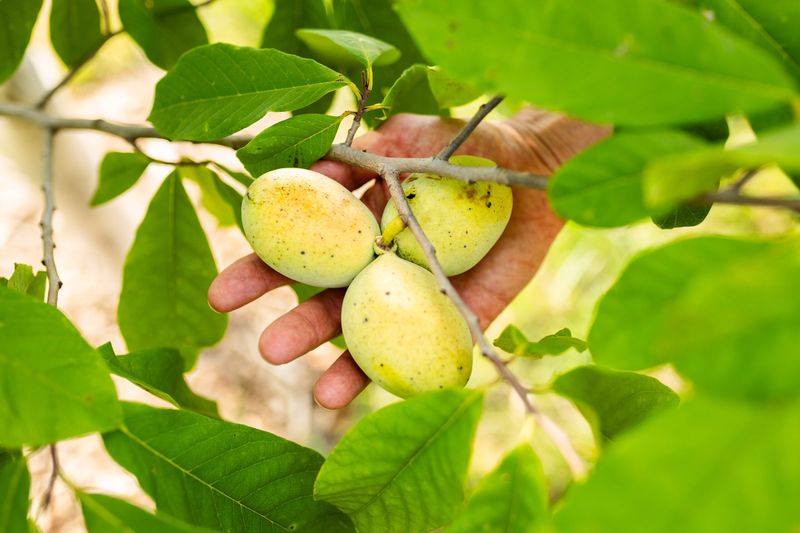
The pawpaw is the largest native fruit in North America, and its creamy, custard-like flesh tastes like a cross between a banana and a mango. It is truly one of the most surprising trees you can grow in a Mid-Atlantic garden.
Pawpaws naturally grow as understory trees, meaning they do well under taller trees or along the edges of wooded areas. They can reach about 15 to 20 feet tall and wide, making them a manageable size for many suburban yards.
Their large, tropical-looking leaves give the garden a lush feel even before the fruit arrives.
One very important thing to know: you need to plant at least two genetically different pawpaw trees for good fruit production. Buying two trees from different nursery sources, not two from the same parent plant, is the best approach.
Named varieties like Shenandoah and Susquehanna are reliable choices that have been selected for larger, sweeter fruit.
Pawpaws prefer moist, well-drained soil and some afternoon shade when they are young. Once established, they are surprisingly low-maintenance.
The fruit ripens in late summer to early fall, and you will want to pick it when it gives slightly to gentle pressure, much like a ripe avocado.
Birds and mammals love pawpaws too, so be ready to share or use lightweight netting to protect your harvest. Fresh pawpaw fruit does not store long, so eat it quickly or freeze the pulp for smoothies and baked goods.
2. American Persimmon
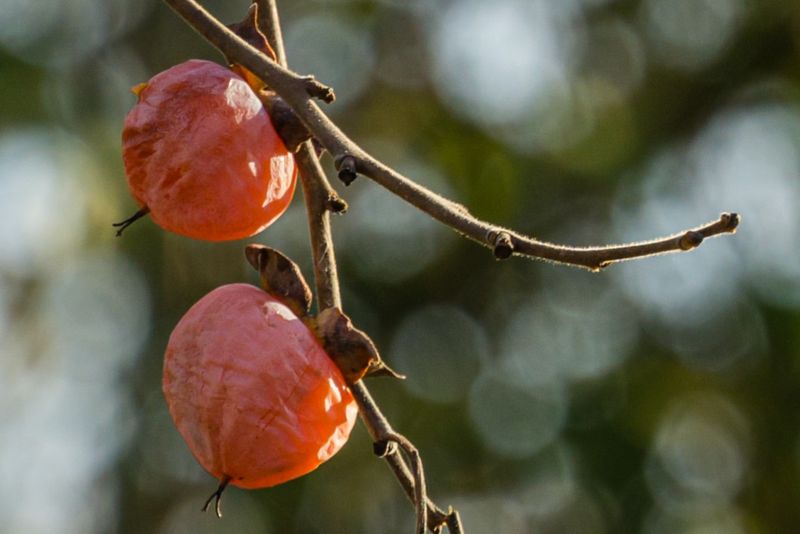
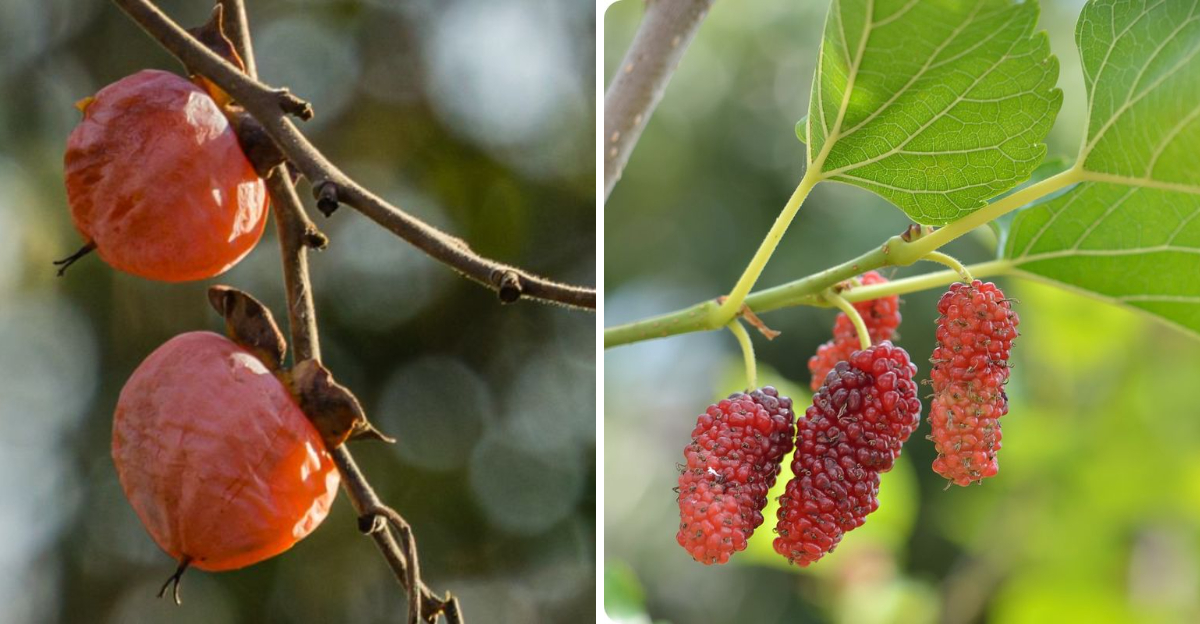
There is something almost magical about a persimmon tree in late autumn. After the leaves have dropped, the bright orange fruits hang on the bare branches like little lanterns, and that sight alone is worth planting one.
The American persimmon is a tough, adaptable native tree that thrives across Pennsylvania with almost no fussing from the gardener.
One thing that catches new growers off guard is the fruit’s timing. Eat an unripe persimmon and your mouth will pucker from the intense astringency.
Your Pennsylvania Garden Changes Every Week. Your Plan Should Too.
Gardening in Pennsylvania changes quickly throughout the season. Every Friday you’ll receive a simple weekly plan showing exactly what to plant, prune, fertilize, harvest, and protect so you never miss the right timing.
Wait until after the first frost or until the fruit is fully soft and wrinkled, and the flavor transforms into something rich, sweet, and almost caramel-like. Patience is the real secret ingredient here.
American persimmons can grow 30 to 60 feet tall over many decades, so they work best in larger suburban yards where there is room to spread.
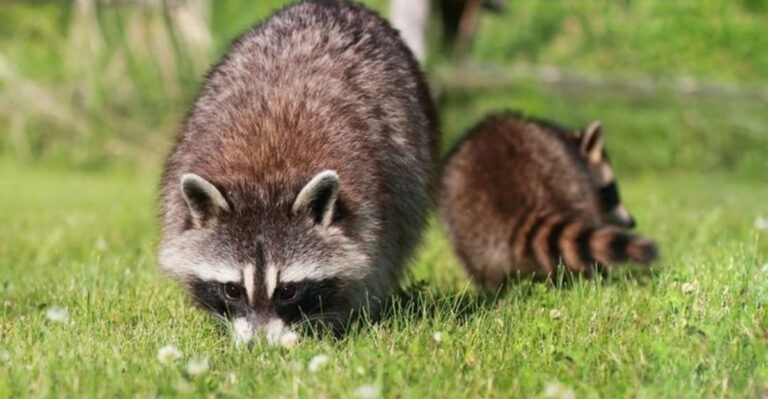
They make excellent shade trees as they mature and provide strong wildlife value, since deer, foxes, raccoons, and dozens of bird species all feed on the fallen fruit through winter.
This tree handles drought, clay soil, and urban conditions better than most native fruit trees. It does not demand rich soil or regular fertilizing.
A sunny to partly sunny location is ideal, and the tree will establish itself steadily over its first few years.
For better fruit set, plant a male and female tree since American persimmons are typically dioecious, meaning individual trees are either male or female.
Named female varieties like Meader are self-fruitful and a smart choice for smaller properties with room for just one tree.
3. Allegheny Serviceberry
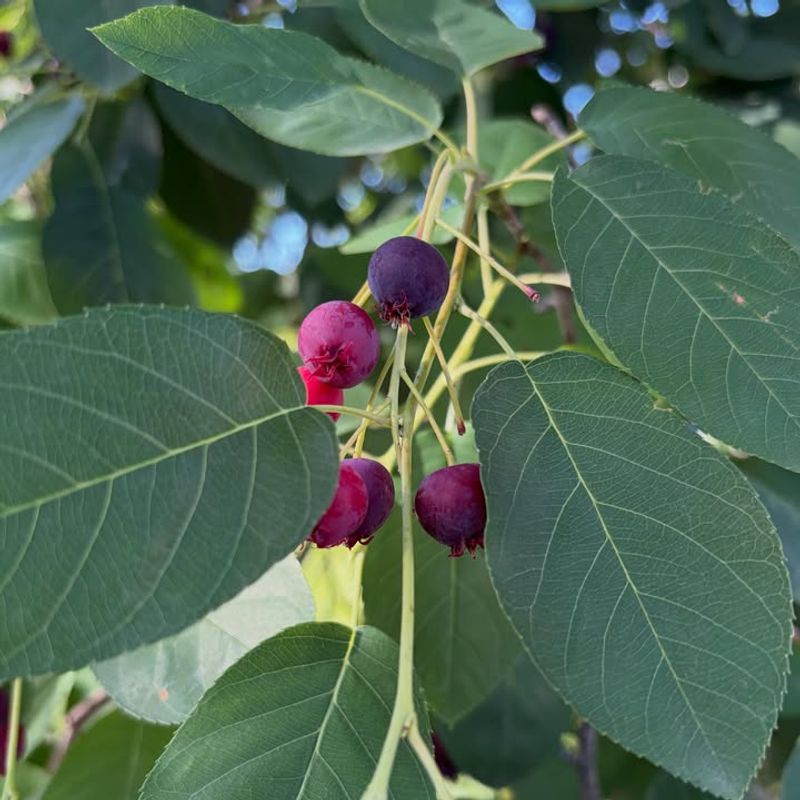
If a tree could have three seasons of showstopping beauty, the Allegheny serviceberry would win that award every single year. In early spring it bursts into clouds of delicate white flowers before almost any other tree has woken up.
Then in early summer it produces clusters of sweet, purple-red berries that taste somewhere between a blueberry and a mild cherry.
Serviceberries, sometimes called Juneberries, are one of the best choices for smaller urban and suburban lots because they stay compact. Most Allegheny serviceberry trees top out between 15 and 25 feet, and many stay even smaller in typical garden conditions.
Their size makes them easy to manage and harvest without needing a ladder every season.
The fruit ripens in June, which is earlier than most other native fruiting trees. This early timing is a huge bonus for wildlife, especially migrating birds that are still moving through Pennsylvania in late spring and early summer.
Robins, cedar waxwings, and catbirds absolutely flock to serviceberry trees during fruiting season.
Fall color is another bonus. The leaves turn brilliant shades of orange, red, and gold in autumn, giving this small tree four-season interest that few other native fruit trees can match.
It is genuinely one of the hardest-working small trees available to Pennsylvania gardeners.
Plant serviceberry in full sun to partial shade and moist, well-drained soil for the best fruit production. It tolerates urban conditions like compacted soil and air pollution reasonably well.
Varieties like Autumn Brilliance and Cole’s Select offer reliable fruiting and outstanding fall color for home landscapes.
4. Sweet Crabapple
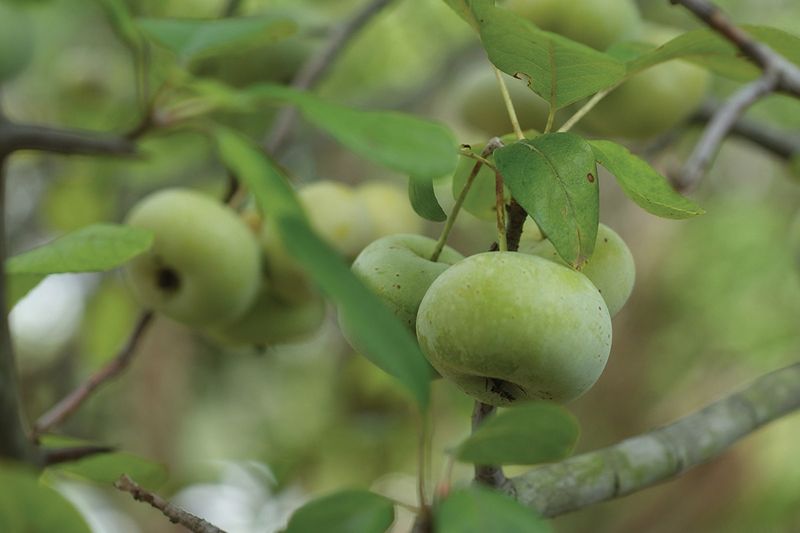
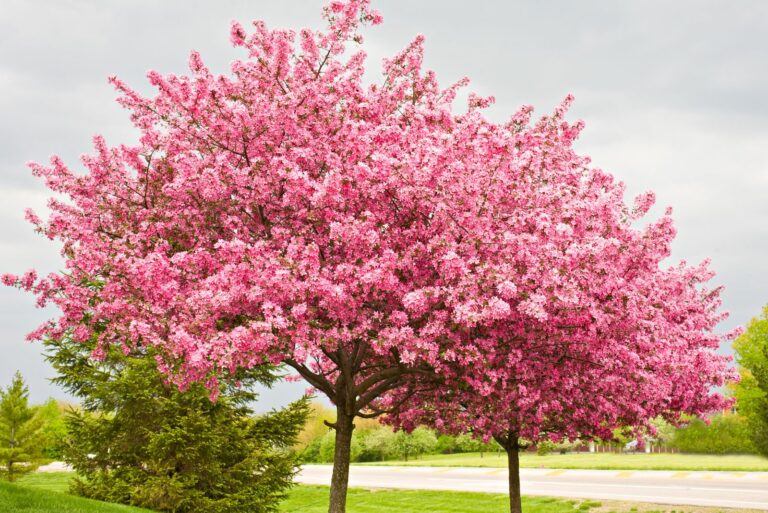
Walk past a sweet crabapple in full bloom and the fragrance alone will stop you in your tracks. Unlike ornamental crabapples bred just for flowers, the native sweet crabapple, Malus coronaria, produces fruit that is actually useful in the kitchen.
The small, tart apples ripen in late summer and early fall and are excellent for making preserves, jelly, cider, and even homemade vinegar.
Native sweet crabapples typically grow 15 to 25 feet tall with a broad, rounded crown. They fit nicely into suburban yards without overwhelming the space, and they work well as a focal point tree near a patio or along a property edge.
The spring flower display is genuinely spectacular, with pink buds opening to fragrant white blossoms that cover the entire tree.
From a wildlife standpoint, few trees pull as much weight as a native crabapple. The flowers feed early pollinators including native bees and butterflies.
The persistent fruit, which often hangs on the tree well into winter, feeds cedar waxwings, robins, bluebirds, and other birds during cold months when food is scarce.
Sweet crabapples grow best in full sun and well-drained soil. They are adaptable to a range of soil types and handle urban conditions well once established.
Pruning in late winter keeps the tree healthy and promotes better fruiting each season. Did you know the sweet crabapple was once an important food source for Indigenous peoples of the Northeast? They used the fruit fresh, dried, and fermented.
Planting one connects your yard to a long and meaningful food history right here in Pennsylvania.
5. Red Mulberry
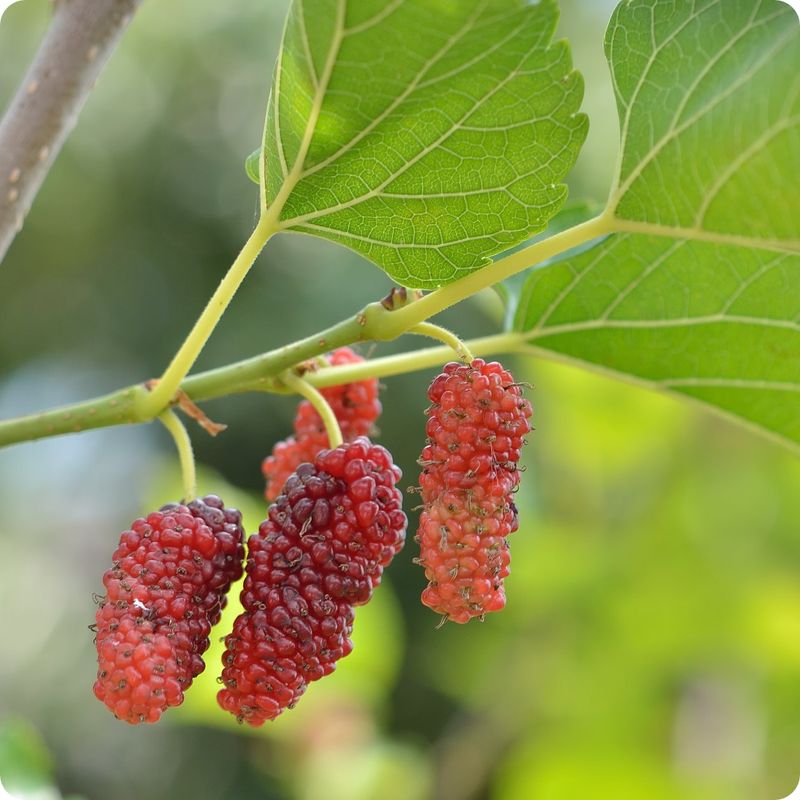
Red mulberry is the kind of tree that makes a neighborhood come alive in summer.
The dark, juicy berries ripen over several weeks in late June and July, and during that window the tree becomes a non-stop buffet for birds, squirrels, and anyone lucky enough to stand beneath it with a bowl.
The flavor is sweet and rich, similar to a blackberry but a bit milder and less seedy.
Morus rubra, the native red mulberry, is different from the invasive white mulberry that has spread across much of the eastern United States. The native species has larger, rougher leaves and fruit with a more complex flavor.
Sourcing your tree from a reputable native plant nursery helps ensure you are getting the real native species and not a hybrid.
Placement matters a lot with this tree. Ripe mulberries fall and stain everything they land on, so planting near a patio, driveway, or light-colored walkway is a choice you will quickly regret.
A lawn area, a mulched bed, or a naturalized yard edge is a much smarter location. The staining is very real and very stubborn.
Red mulberries grow 35 to 70 feet tall at full maturity, though they are often much smaller in typical suburban settings. They thrive in rich, moist soil with full sun to partial shade and are surprisingly tolerant of urban conditions.
Establishment is quick compared to many other native trees. The ecological value is outstanding. Over 50 species of birds are known to feed on mulberry fruit.
Planting one is essentially putting up a wildlife feeding station that runs itself all summer long with zero effort from you.
6. Chokecherry
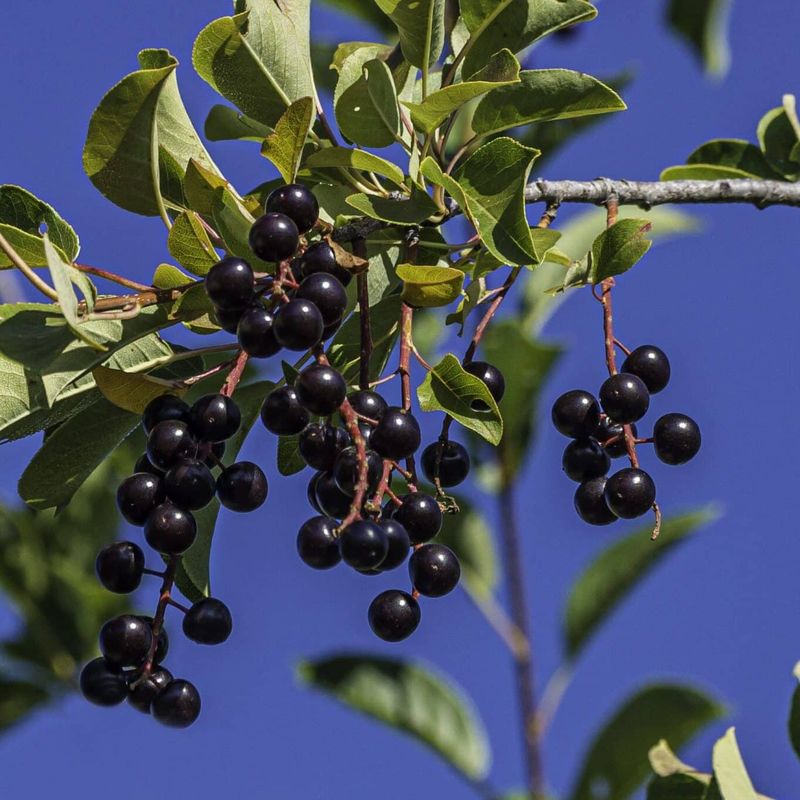
Chokecherry has one of the most honest names in the plant world. Pop a fresh, fully ripe berry in your mouth and you will immediately understand why.
The intense astringency and bitterness make raw chokecherries a serious pucker experience, but that same bold flavor transforms beautifully when cooked into jelly, syrup, or preserves.
Many old-time Pennsylvania homesteaders considered chokecherry jelly a pantry staple.
Prunus virginiana grows as a large shrub or small tree, typically reaching 15 to 30 feet tall. It spreads by root suckers, which means it can form a dense thicket over time if left unmanaged.
For suburban edges, naturalized areas, and wildlife corridors, this suckering habit is actually an asset rather than a problem.
The wildlife value of chokecherry is remarkable. The early white flower clusters, which bloom in late spring, feed native bees and other pollinators.
The dark red to nearly black fruit that ripens in late summer feeds over 40 species of birds, including thrushes, grosbeaks, and waxwings. Bears, foxes, and chipmunks also seek out the fruit eagerly.
Chokecherry is one of the most adaptable native trees in Pennsylvania. It tolerates a wide range of soil types, handles both dry and moist conditions, and grows in full sun to partial shade.
It is an excellent choice for difficult spots where other trees struggle to get established.
If you want to make chokecherry jelly, pick the clusters when the fruit is fully dark and ripe in late summer. Simmer the fruit, strain the juice, and add pectin and sugar for a gorgeous, deep-red jelly with a flavor that store shelves simply cannot match.
7. Pin Cherry
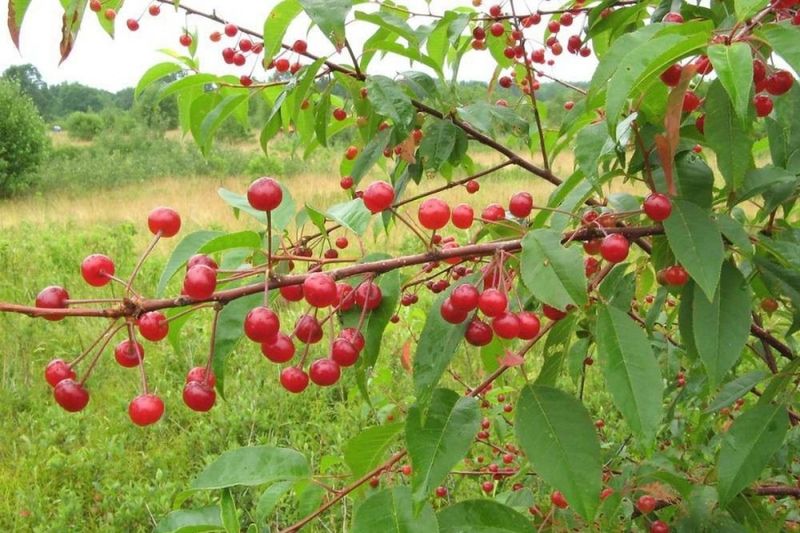
Fast, flashy, and wildly generous with its fruit, pin cherry is the native tree that earns its keep quickly. Prunus pensylvanica, whose species name literally honors Pennsylvania, grows faster than almost any other native fruit tree in the region.
Within just a few years of planting, a young pin cherry can be producing clouds of white spring flowers and clusters of small, bright red cherries that ripen in mid-to-late summer.
The cherries are small, about the size of a large pea, and they are intensely tart when eaten fresh. Most gardeners grow pin cherry primarily for the wildlife it supports rather than for personal snacking.
The fruit is a critical summer food source for over 30 bird species, including bluebirds, woodpeckers, thrushes, and orioles. If you want a yard full of birds in August, this tree delivers.
Pin cherry works best in sunny spots along woodland edges, property borders, or larger naturalized yards where its somewhat wild, open growth habit fits in naturally. It typically grows 20 to 35 feet tall with a loose, irregular crown.
It is not the tidiest tree for a formal landscape, but in a relaxed, wildlife-friendly garden it looks exactly right.
This tree thrives in well-drained, even sandy or rocky soils and full sun. It is one of the first native trees to colonize disturbed areas and open ground, which reflects its tough and opportunistic character. It is not fussy about soil fertility at all.
Pin cherry tends to be relatively short-lived compared to other native trees, often maturing and declining within 30 to 40 years. That said, it suckers and self-seeds readily, so a planting tends to renew itself over time with very little help from you.