What To Plant In Georgia Gardens That Deer Usually Avoid
Few things are more frustrating than finding your favorite plants chewed down overnight. One visit from hungry deer can ruin months of hard work before you even realize they were there.
If that keeps happening in your yard, planting more of the same flowers is unlikely to solve the problem. A better approach is choosing plants that deer are less likely to browse in the first place.
While no plant is completely deer-proof, some are consistently passed over when other food is available.
Many gardeners across Georgia rely on dependable deer-resistant plants to keep their landscapes looking their best. These plants provide color, texture, and seasonal interest without becoming a favorite food source.
Before planting another garden bed, consider adding varieties that deer usually avoid.
The right choices can help you spend less time replacing damaged plants and more time enjoying a garden that stays beautiful throughout the growing season.
1. Lavender Is Rarely Browsed By Deer
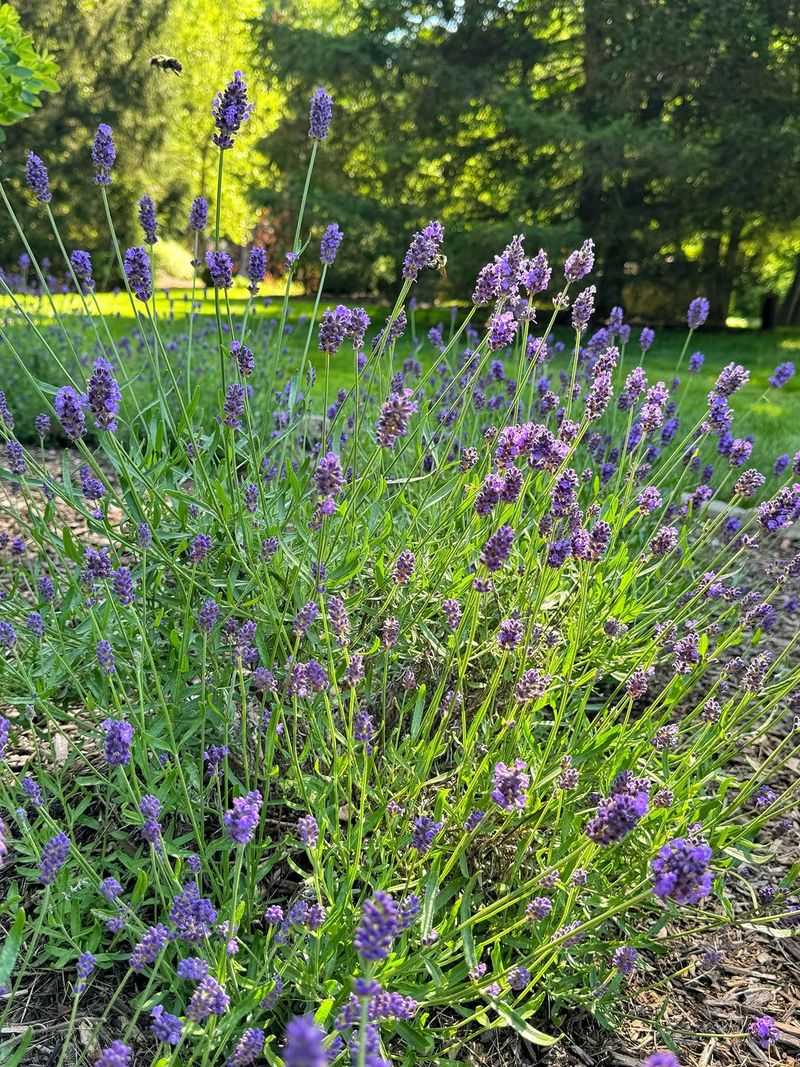
Deer tend to walk right past lavender. Its strong, resinous scent is one of the main reasons it stays untouched in most yards, even when neighboring plants get browsed heavily.
Lavender performs best in full sun with well-drained soil. In humid Southern climates, drainage matters more than almost anything else.
Without it, roots can rot and the plant may struggle through wet summers.
French and Spanish varieties tend to handle heat and humidity better than English types.
Hidcote and Phenomenal are two cultivars that have shown solid resilience in warmer growing zones.
Blooms usually appear in late spring and can repeat with light pruning after the first flush. Cutting back spent flowers encourages fresh growth and a second round of color before fall.
Beyond its deer-resistant quality, lavender pulls in pollinators steadily. Bees especially love it, making it a smart addition near vegetable beds or fruit trees where pollination matters.
Avoid heavy clay soil without amendment. Raised beds or sloped areas work well for improving drainage naturally.
Lavender planted in poor-draining spots rarely thrives long-term, regardless of how well everything else is managed.
Once established, lavender also tolerates short dry spells well, making it a low-maintenance choice for many Georgia gardens with plenty of sunshine.
2. Salvia Adds Months Of Color
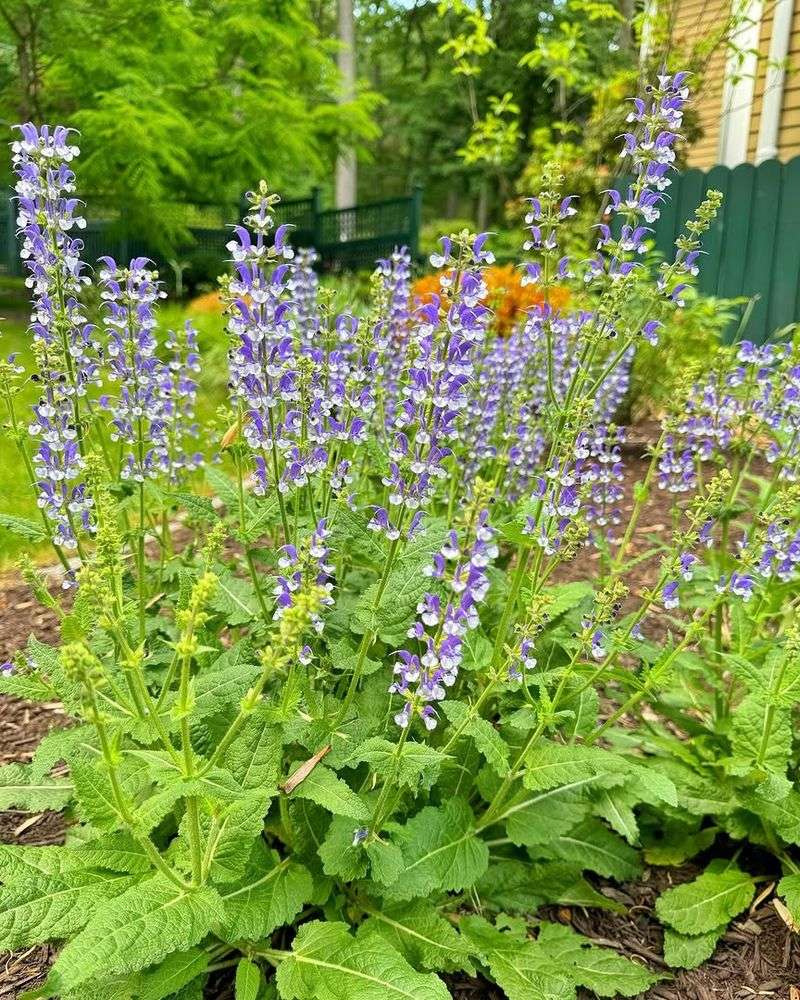
Few plants deliver color for as long as salvia does in a warm-climate garden. From late spring straight through fall, a well-placed salvia can keep blooming while other plants fade in the summer heat.
Deer tend to avoid salvia because of its aromatic foliage.
Rub a leaf and you will immediately understand why. Strong-smelling plants rarely top a deer’s preferred menu, especially when more tender options are nearby.
Salvia greggii and Salvia leucantha are two of the most reliable species for Southern gardens.
Both handle heat and drought better than many other flowering perennials once they are established in the ground.
Plant in full sun for the best bloom production. Partial shade can work, but expect fewer flowers and a leggier growth habit over time.
Cutting plants back by about a third in midsummer usually triggers a strong second flush of blooms heading into fall. It takes maybe ten minutes and makes a noticeable difference.
Your Georgia Garden Changes Every Week. Your Plan Should Too.
Gardening in Georgia changes quickly throughout the season. Every Friday you’ll receive a simple weekly plan showing exactly what to plant, prune, fertilize, harvest, and protect so you never miss the right timing.
Hummingbirds are drawn to red and orange varieties without hesitation. Adding salvia near a window or porch gives you a front-row view of one of the most entertaining garden visitors around.
3. Catmint Holds Up Well In Sunny Gardens
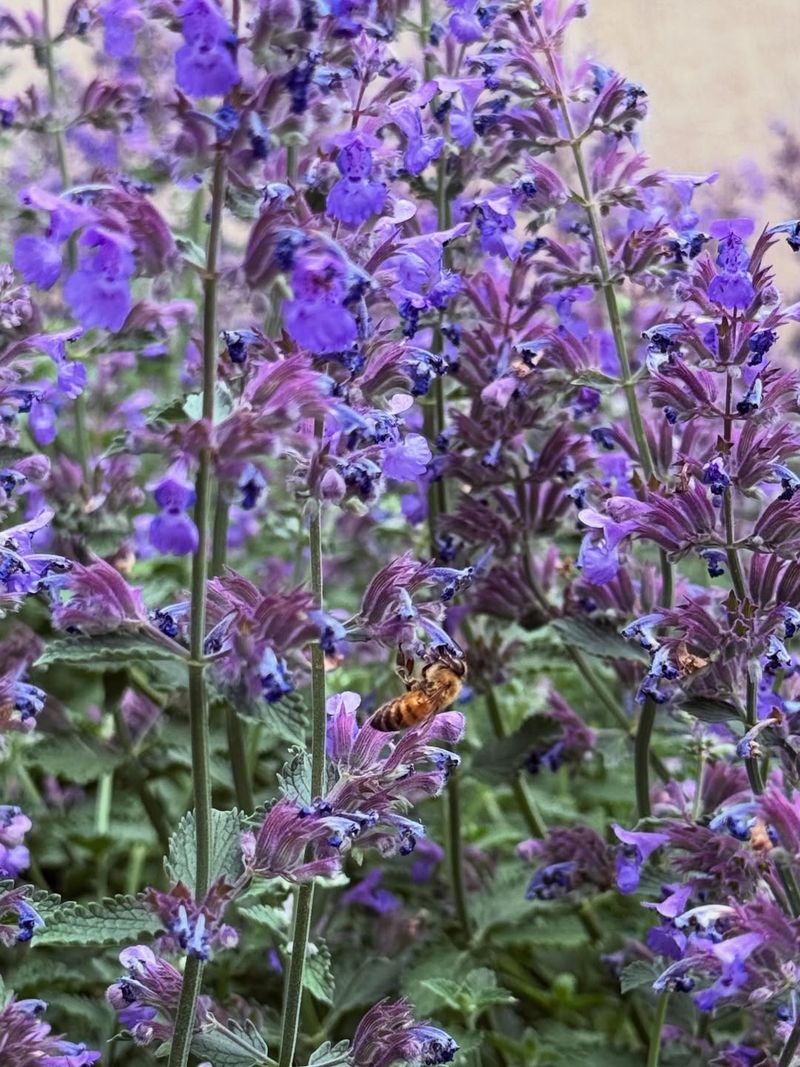
Catmint earns its spot in a deer-resistant garden through sheer toughness. Heat, drought, and poor soil rarely slow it down once it has settled in, making it one of the more low-maintenance choices for sunny borders.
Deer typically bypass catmint because of its pungent, minty scent. It is not irresistible to cats the way true catnip is, but it belongs to the same family and carries a similar sharp fragrance that deer find off-putting.
Nepeta x faassenii is the most commonly grown type and handles Southern summers reasonably well.
It spreads into soft, mounding clumps that spill nicely over the edges of raised beds or along walkways.
Bloom time peaks in late spring with a heavy flush of small lavender-blue flowers.
Shearing the plant back after that first wave almost always brings on a second round of blooms in late summer.
Full sun is ideal, though light afternoon shade in hotter microclimates can reduce stress on the plant during peak summer weeks.
Water needs are low once established. Overwatering is actually a more common mistake than underwatering with catmint, particularly in heavy clay soils that hold moisture longer than expected.
4. Russian Sage Tolerates Heat And Dry Soil
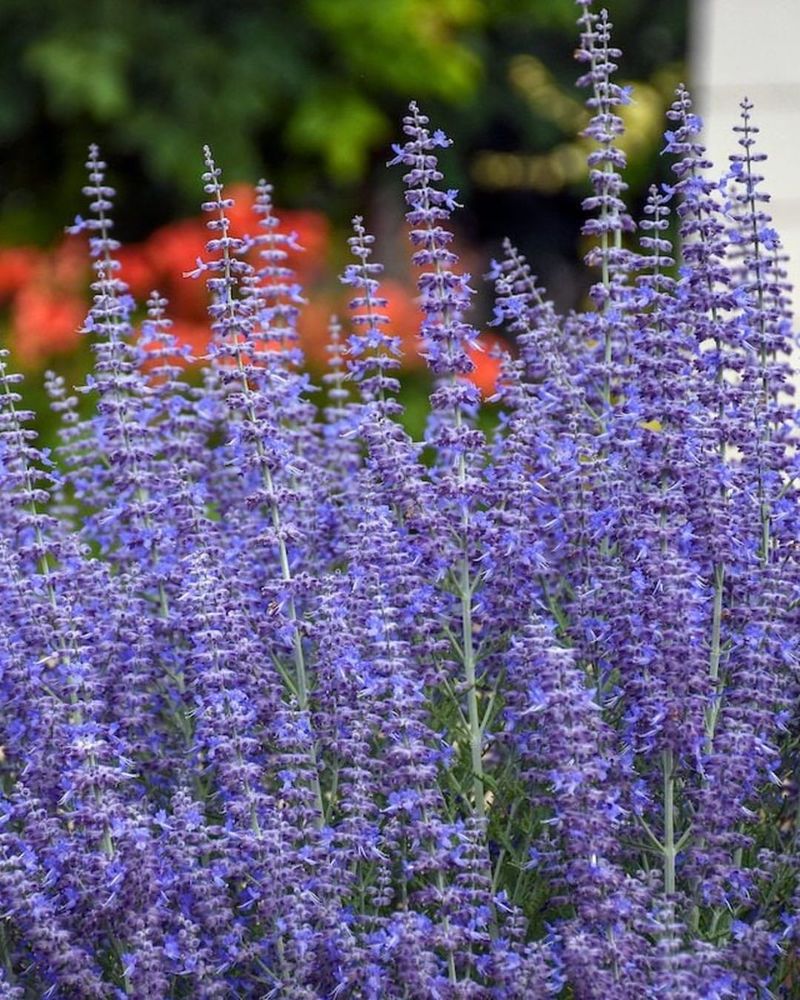
Russian sage looks almost ethereal in the garden, with its silvery stems and hazy cloud of purple-blue flowers. Deer rarely bother it, likely because the foliage carries a sharp, sage-like smell that is strong enough to deter casual browsers.
Heat and dry soil are where this plant genuinely excels. Once established, it can go extended periods without supplemental watering, making it a practical option for gardeners dealing with summer drought.
Full sun is non-negotiable for Russian sage.
In shaded spots, stems tend to flop and the plant loses its characteristic upright, airy form that makes it so visually striking in a border.
Sandy or loamy soil with good drainage suits it best. Heavy clay can cause root problems, especially during wet winters, so amending the planting area or choosing a raised location helps considerably.
Bloom time typically runs from midsummer into early fall.
That late-season color is genuinely useful when many spring perennials have already finished and the garden starts looking tired.
Cut stems back to about six inches in early spring before new growth appears. Avoid cutting into the woody base too aggressively, as this can set the plant back significantly during the regrowth period.
5. Yarrow Brings Long-Lasting Summer Blooms
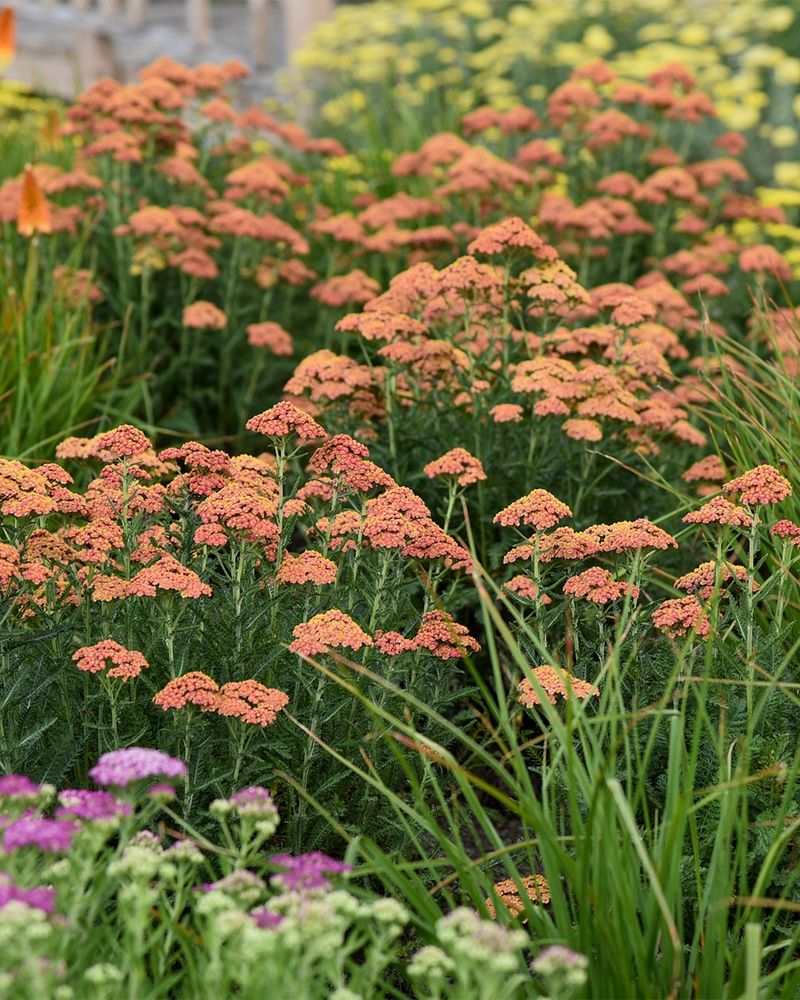
Yarrow is one of those plants that keeps giving through the whole summer without asking for much in return. Flat-topped flower clusters in yellow, red, pink, and white sit above feathery foliage that deer find strongly unappealing.
Deer avoid yarrow partly because of its bitter taste and partly because of its herbal scent.
Both qualities make it one of the more consistently skipped plants in gardens where browsing pressure is a regular problem.
Full sun and well-drained soil are the two things yarrow truly needs. It handles poor, dry conditions surprisingly well and often performs better in leaner soil than in heavily amended, nutrient-rich beds.
Achillea millefolium is the most widely grown species and comes in a wide range of colors.
Moonshine, with its soft yellow blooms and silvery foliage, is a particularly popular cultivar that holds up well in heat.
Deadheading spent flower heads encourages continuous blooming. Cutting stems back by half after the main flush usually pushes out a second round before summer ends.
Yarrow spreads over time through both seeds and underground runners. Dividing clumps every few years keeps plants vigorous and prevents them from crowding out neighboring perennials in the bed.
6. Rosemary Combines Beauty With Everyday Use
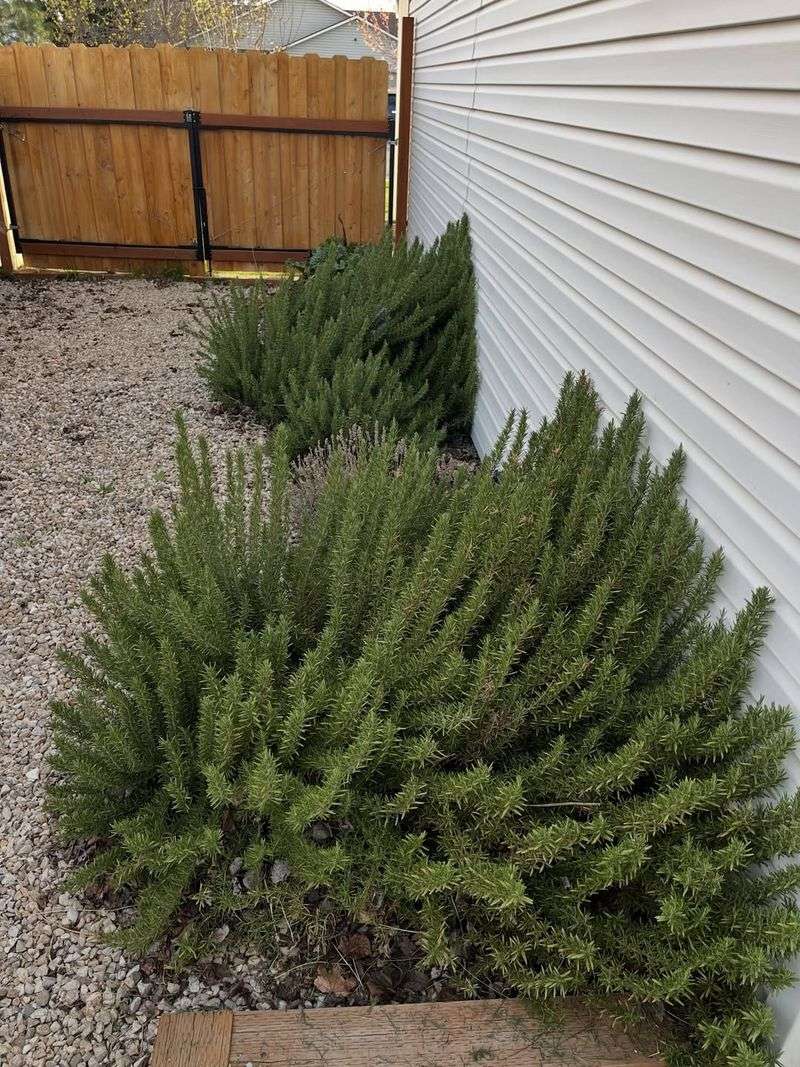
Rosemary might be the most practical plant on this list. It looks attractive in the landscape, smells incredible, and supplies fresh herbs for cooking year-round in warmer growing zones.
Deer avoid rosemary almost universally. Its sharp, resinous scent is simply too strong for their taste.
Even during seasons when food pressure is high, rosemary tends to stay untouched compared to nearby plants.
Arp and Athens Blue Spire are two cold-hardy varieties that hold up well through most Georgia winters without significant damage. In colder northern parts of the state, a light mulch around the base offers some extra protection.
Full sun and sharp drainage are the two things rosemary needs most. Wet roots in heavy clay soil are the most common reason rosemary struggles or fails to establish properly after planting.
Upright varieties work well as low hedges or border plants.
Trailing types spread attractively over walls, raised bed edges, or slopes where ground cover is needed but maintenance time is limited.
Light trimming after bloom keeps plants compact and productive.
Avoid cutting back into old, woody stems without leaving any green foliage, as that can seriously slow recovery and weaken the overall plant structure.
Once established, rosemary is also fairly drought tolerant, making it a dependable choice for many Georgia gardens with well-drained soil.
7. Lenten Rose Flowers Before Most Perennials
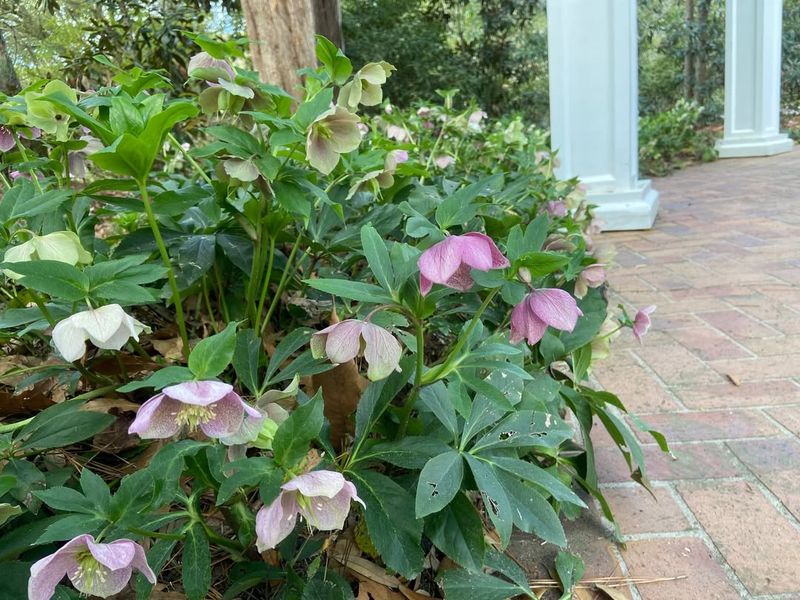
Lenten rose blooms when almost nothing else does. Late winter to early spring flowers appear while the garden is still largely bare, offering a welcome splash of color during one of the quietest stretches of the growing season.
Deer tend to leave hellebores alone. Every part of the plant contains compounds that are toxic if ingested in quantity, and deer seem to sense that instinctively.
Reports of serious browsing on established hellebores are relatively uncommon.
Shade is where lenten rose genuinely thrives. Under deciduous trees, along north-facing walls, or in dappled light beneath large shrubs are all solid planting spots that suit its natural habitat preferences well.
Moist, well-drained soil with organic matter works best.
Adding compost at planting time helps establish roots faster and supports the plant through summer heat when conditions in Georgia can become quite challenging for shade lovers.
Once established, hellebores are remarkably self-sufficient.
Watering needs drop significantly after the first year, and the plants tend to slowly spread into attractive clumps without becoming invasive or aggressive in the garden.
Removing old, tattered foliage in late winter before new growth appears keeps plants looking clean and makes it easier to appreciate the flowers as they open during those early weeks of the season.
8. Bee Balm Attracts Hummingbirds And Butterflies
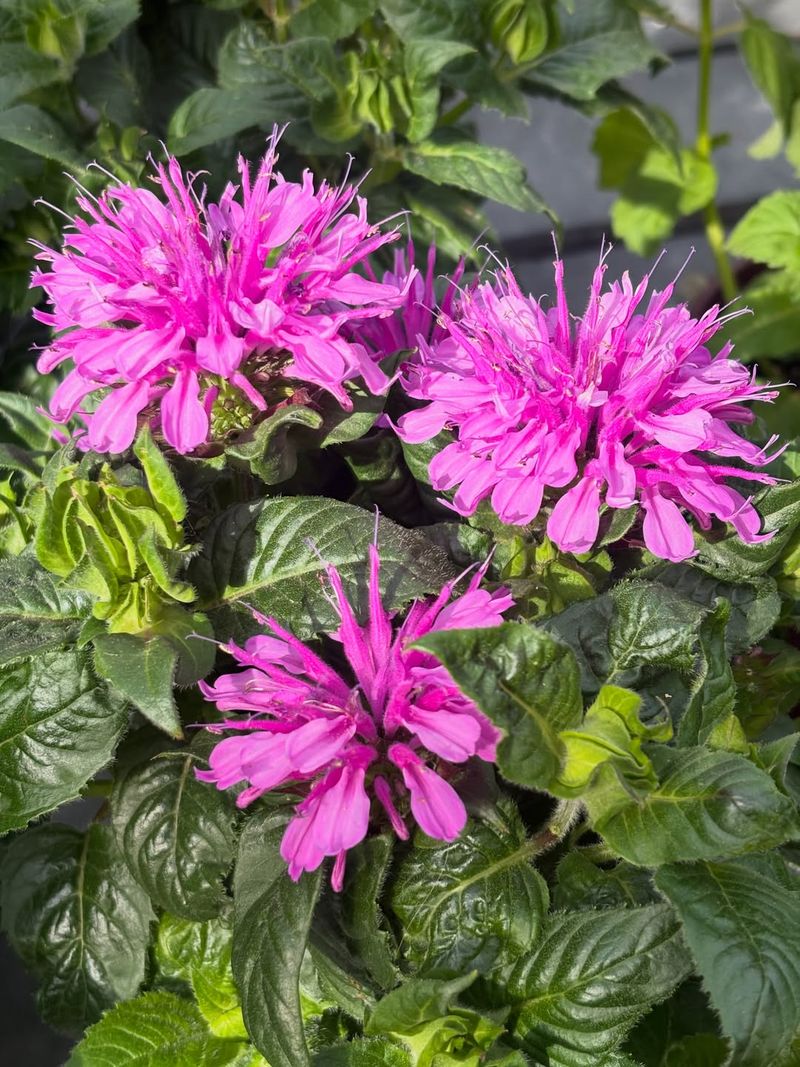
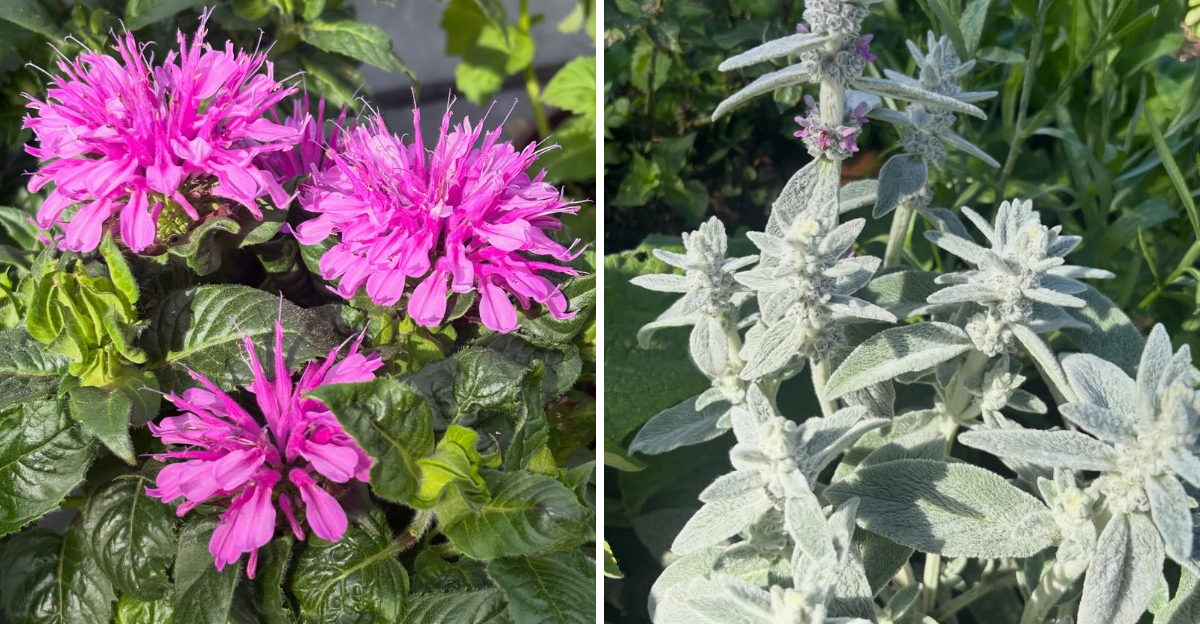
Bee balm is a showstopper in midsummer. Bold, shaggy flower heads in red, pink, purple, and white draw hummingbirds and butterflies in a way that few other plants can match during the hottest weeks of the season.
Deer tend to avoid bee balm because of its strong, oregano-like scent.
It belongs to the mint family, and that family connection is part of why so many aromatic plants in this group stay off the typical deer browsing list.
Full sun produces the most flowers, though partial shade is tolerable. In hot, humid climates, afternoon shade can actually reduce powdery mildew, which is one of the more common issues with bee balm in Southern gardens.
Choosing mildew-resistant cultivars makes a real difference. Varieties like Jacob Cline, Raspberry Wine, and Coral Reef have been developed specifically for better disease resistance in warm, humid growing conditions.
Bee balm spreads through underground runners and can expand quickly in favorable conditions.
Dividing clumps every two to three years keeps the planting tidy and encourages stronger, healthier growth going forward.
Cutting spent flowers promptly can extend the bloom period noticeably. Deadheading also prevents excessive self-seeding, which can lead to seedlings popping up in spots where they are not particularly wanted.
9. Lamb’s Ear Is Known For Its Soft Silvery Foliage
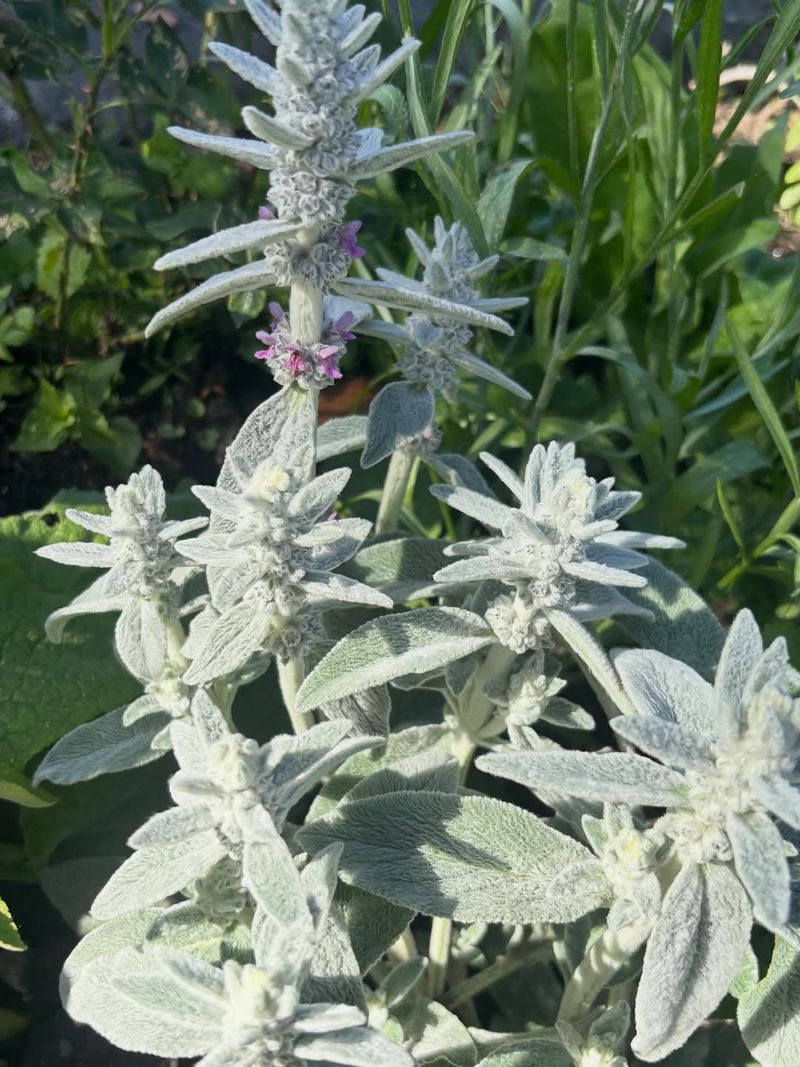
Running your hand across lamb’s ear leaves is oddly satisfying. Thick, velvety, silver-gray foliage is what this plant is truly known for, and it brings a soft, textural contrast to borders that most flowering plants simply cannot replicate.
Deer generally pass over lamb’s ear without interest. Woolly, fuzzy textures are not appealing to most browsing animals, and the slightly bitter taste of the foliage adds another layer of natural deterrence.
Full sun works best, though light shade is tolerable.
In shadier spots, foliage tends to lose some of its silvery intensity and the plant can spread more loosely than it would in a sunnier location.
Drainage is critical. Lamb’s ear is prone to crown rot in soggy soil, especially during humid summers.
Raised beds or slopes with good air circulation around the foliage help prevent that issue considerably.
It works well as a front-of-border plant or ground cover in dry, sunny areas where other plants struggle to establish. Pairing it with dark-leaved plants or bold flower colors creates a striking visual contrast that holds up through the season.
Remove any rotting or brown center growth in summer to keep clumps healthy.
Dividing plants every few years also refreshes their appearance and prevents overcrowding in established garden beds.