Why California Moths Matter More To Backyard Gardens Than Most People Think
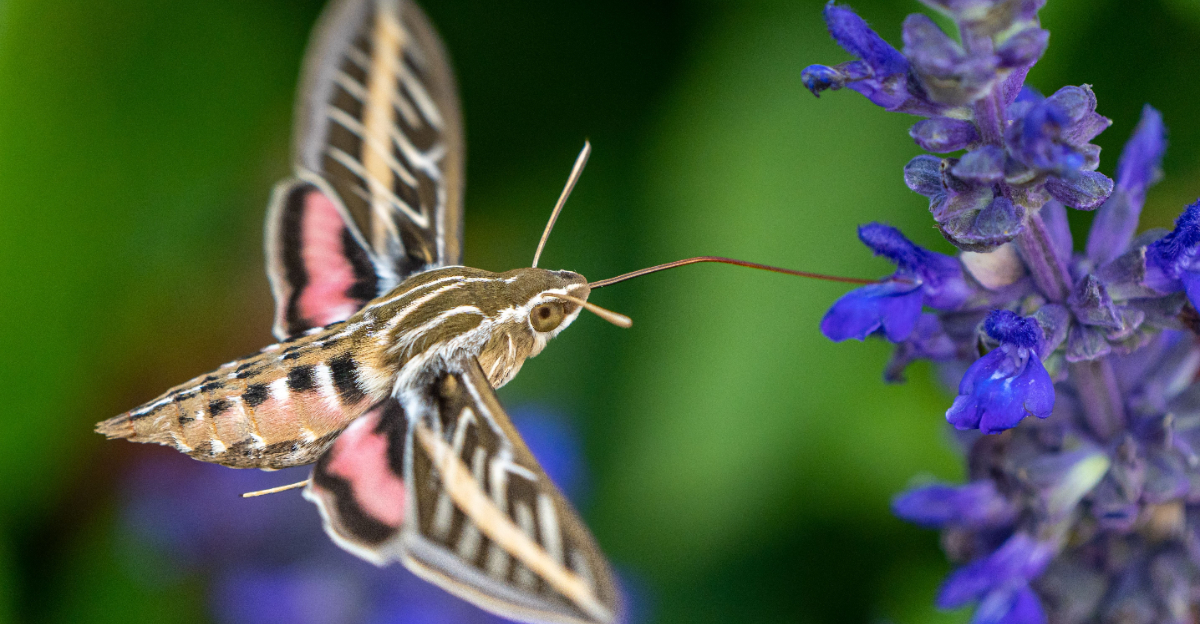
Moths rarely get the same backyard applause as butterflies, but they may be doing far more garden work than anyone notices.
While the yard settles down for the evening, these quiet visitors clock in for the night shift. No fanfare, no tiny uniforms, just surprisingly important activity.
Their muted colors and after-dark habits make them easy to overlook. Some people only notice moths when one flutters near a porch light, yet their connection to a healthy garden runs much deeper.
California yards can support an incredible range of nighttime life, and moths are part of that hidden world. Their presence can reveal clues about the plants, food sources, and shelter available nearby.
Once you start paying attention, the garden feels completely different after sunset. Those soft wings moving through the shadows are not random guests. They are part of a much bigger backyard story.
1. Moths Pollinate After Bees Clock Out
Long after the bees have gone home for the evening, moths take over the pollination shift. Most people do not realize that pollination is not just a daytime job.
Many flowering plants actually depend on nighttime visitors to carry pollen from one bloom to another. Without those visits, seeds never form and plants cannot reproduce.
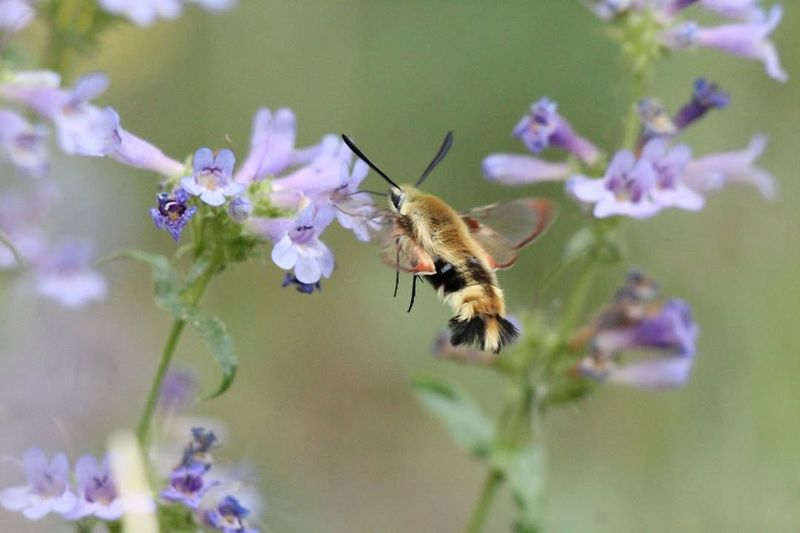
Moths are surprisingly effective pollinators. They hover near flowers and pick up pollen on their fuzzy bodies, then carry it to the next plant they visit.
Some moth species are even better at reaching deep, tube-shaped flowers than bees are. Their long tongues give them access to blooms that other pollinators simply cannot reach.
California moth diversity is impressive. There are hundreds of native species flying through backyards each night, many of them actively visiting garden flowers.
Sphinx moths, also called hawk moths, are some of the most well-known nighttime pollinators. They look almost like small hummingbirds as they hover and feed.
Encouraging moths to visit your garden is easier than you might think. Planting a mix of day and night-blooming flowers ensures that pollinators have food around the clock.
When your garden supports both daytime and nighttime pollinators, the whole ecosystem becomes stronger and more productive. That benefits every plant in your yard.
2. Night-Blooming Flowers Depend On Moth Visits
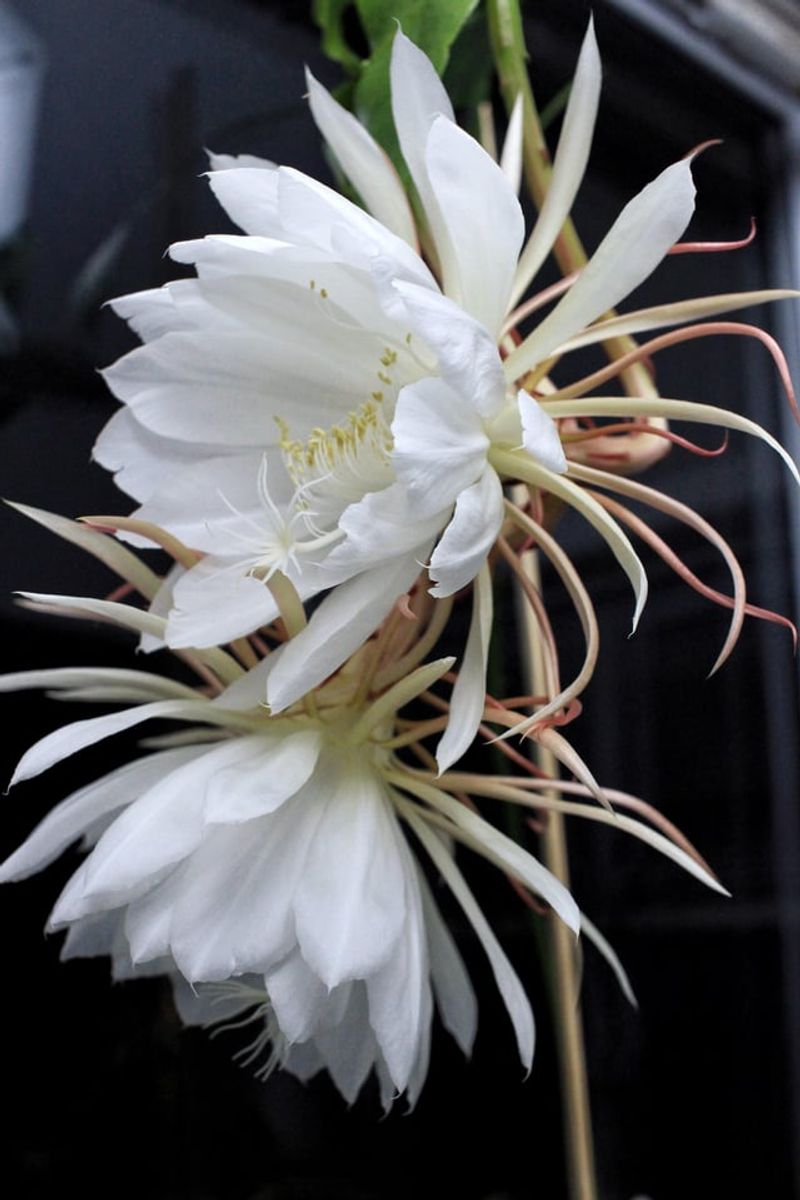
Not every flower opens when the sun is out. Some blooms actually wait until evening to open up, and that timing is no accident.
Night-blooming flowers have evolved alongside moths over thousands of years. Their schedules match perfectly, and that relationship keeps both the plant and the moth alive and thriving.
Evening primrose is a great example. It opens its pale yellow petals right around dusk and stays open through the night.
Moonflowers do the same thing, unfurling large white blooms that practically glow in the dark. Four o’clocks, night-blooming jasmine, and angel’s trumpet are other popular choices that attract moths reliably.
Planting these species in your yard creates a welcoming landing zone for local moth populations. Moths are drawn in by both the scent and the pale color of these flowers.
Your California Garden Changes Every Week. Your Plan Should Too.
Gardening in California changes quickly throughout the season. Every Friday you’ll receive a simple weekly plan showing exactly what to plant, prune, fertilize, harvest, and protect so you never miss the right timing.
Once they arrive, they feed on nectar and pick up pollen, which they then carry to the next flower they visit. That is how pollination happens after dark.
Gardeners in the northern regions have found that adding even a few night-blooming plants makes a noticeable difference in moth activity. You do not need a huge garden to make an impact.
A small cluster of evening primrose in a corner bed can bring in several moth species within just a few nights.
3. Native Plants Feed Moth Caterpillars
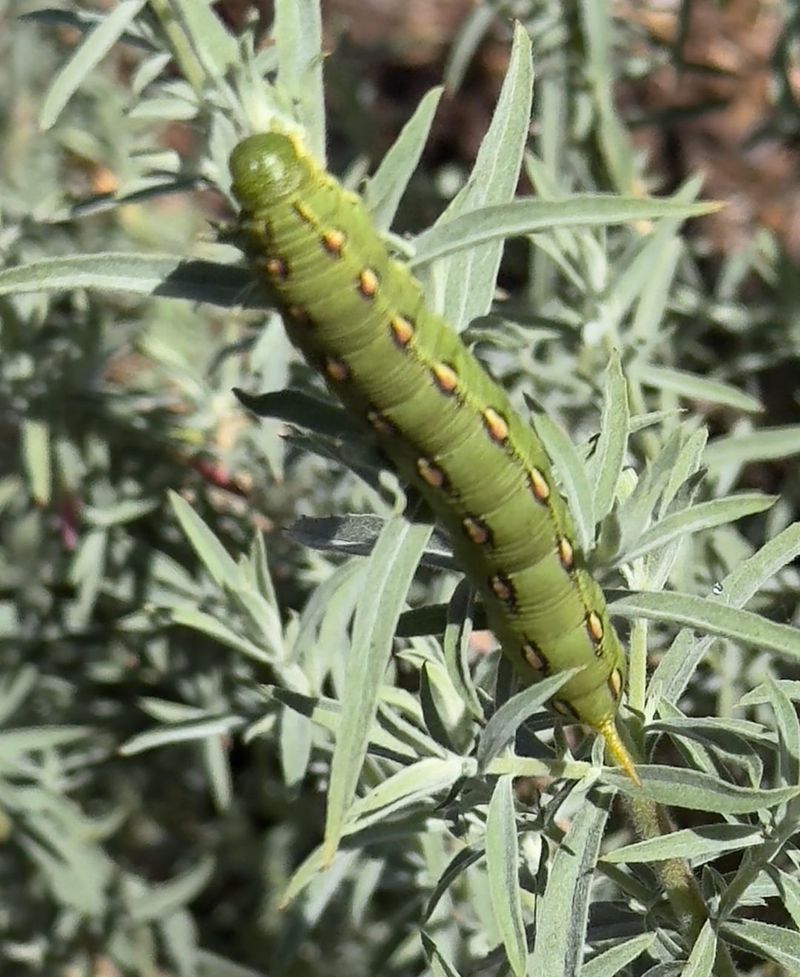
Before a moth can pollinate anything, it has to survive its caterpillar stage first. And caterpillars are picky eaters.
Most native moth species can only feed on specific native plants. If those plants are not present in a garden, the caterpillars simply cannot survive.
That means fewer moths in your yard down the road.
Oaks are among the most important native trees for supporting moth caterpillars in California. A single oak tree can host over 200 different moth and butterfly species at various life stages.
Willows, native grasses, and shrubs like toyon and coffeeberry are also valuable food sources for caterpillars found in western regions of the country.
Many gardeners have shifted toward planting more native species in recent years, and the results have been encouraging. Yards with native plants tend to see higher insect diversity overall.
That biodiversity creates a more balanced and self-sustaining garden ecosystem. You end up doing less work because nature handles more of the balancing on its own.
Swapping out a few non-native ornamental plants for native alternatives is one of the most effective things a homeowner can do.
Local nurseries across California carry a solid selection of native plants suited to different soil types and sun levels.
Even a small patch of native plantings can support multiple moth species through their full life cycle.
4. Caterpillars Become Food For Baby Birds
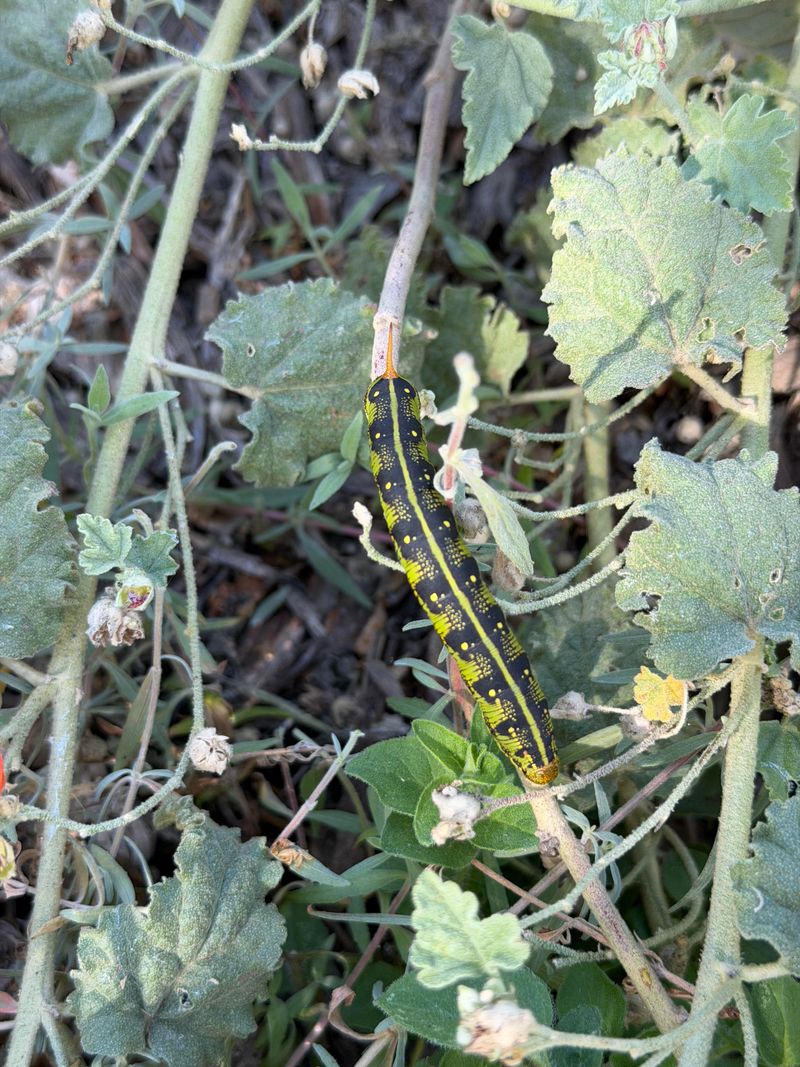
Here is something that connects moths to a part of the garden most people love: songbirds. Nearly every backyard bird that nests in California relies on caterpillars to feed its young.
Baby birds cannot digest seeds or berries right after hatching. They need soft, protein-rich food, and caterpillars are one of the best sources available.
Chickadees, wrens, and warblers are just a few of the birds that hunt for caterpillars in garden shrubs and trees.
A single clutch of chickadee chicks can require thousands of caterpillars before they are ready to leave the nest.
That is a staggering number, and it shows just how essential moth caterpillars are to bird populations.
When moth populations drop in a neighborhood, bird populations often follow. The two are connected in ways that are easy to overlook.
Supporting moths in your yard is one of the most direct ways to also support nesting birds. The food web in your garden is more tightly linked than most people realize.
To keep this cycle going, avoid removing caterpillars from garden plants unless they are causing serious harm. Most caterpillar feeding is minor and temporary.
The temporary leaf damage is a small trade-off for the broader benefit of feeding local wildlife. Tolerating a little chewing goes a long way toward keeping your garden’s food web intact and functioning well.
5. Porch Lights Can Pull Moths Off Course
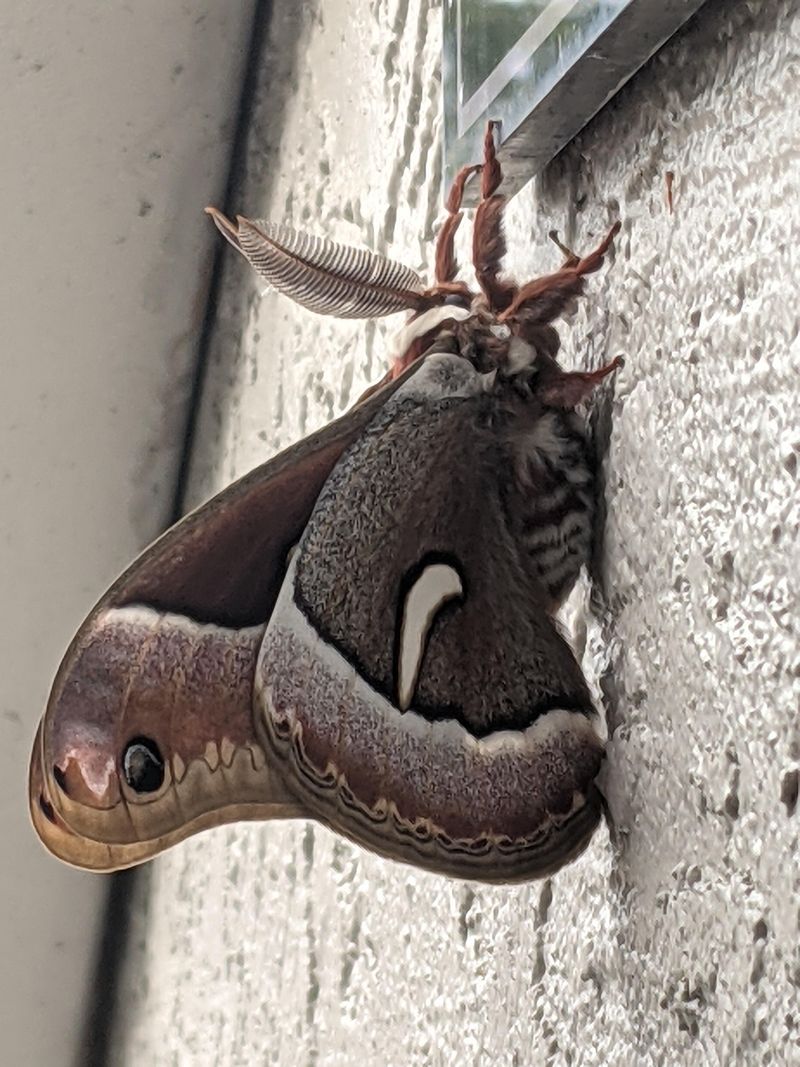
Artificial light at night is one of the biggest threats to moth populations that most homeowners never think about. Moths use moonlight and starlight to navigate.
When a bright porch light enters the picture, it throws off their internal compass completely. Moths get drawn toward the light and end up circling it for hours instead of doing their jobs.
That might seem harmless, but it has real consequences. A moth stuck orbiting a light bulb is not visiting flowers.
It is not laying eggs on native plants. It is burning energy without contributing to the garden ecosystem at all.
Over time, widespread light pollution disrupts moth behavior across entire neighborhoods and regions.
Switching to amber or yellow LED bulbs can reduce the impact significantly. These warmer tones are far less attractive to moths than cool white or blue-toned lights.
Motion-sensor lights are another smart option because they only turn on when needed, limiting the total amount of time artificial light is shining into the garden at night.
Turning off unnecessary outdoor lights between midnight and dawn makes a real difference too. Many moths are most active during those late-night hours.
Giving them a dark window to work in helps them stay on track. Small lighting changes at home, multiplied across a whole neighborhood, can meaningfully reduce light pollution and support local moth populations year-round.
6. Pesticides Can Wipe Out More Than Pests
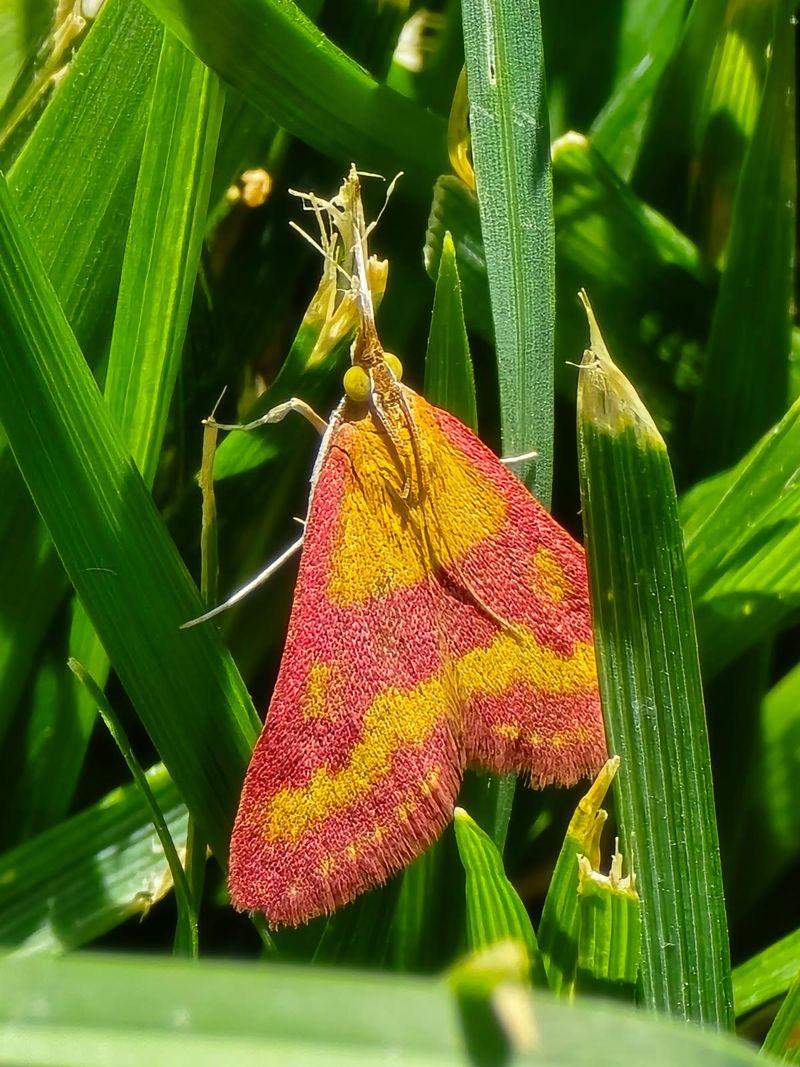
Reaching for a spray bottle the moment you spot a bug is a common reaction, but it often causes more harm than good.
Many pesticides are broad-spectrum, meaning they affect a wide range of insects, not just the ones causing trouble.
Moths, caterpillars, and other beneficial insects can all be harmed by products that were meant for something else entirely.
Bt, or Bacillus thuringiensis, is a popular organic pesticide that many gardeners consider safe. And while it does come from a natural source, it is toxic to caterpillars of all kinds, including native moth species.
Spraying it on plants during moth season can quietly reduce the local moth population without the gardener ever realizing what happened.
Systemic pesticides are another concern. These products get absorbed into the plant’s tissue, which means insects that feed on the plant, including caterpillars and nectar-feeding moths, can be exposed even weeks after the initial application.
The effects can ripple through the food chain in ways that are hard to track.
A smarter approach is integrated pest management, which focuses on targeted solutions rather than blanket spraying. Handpicking problem insects, using physical barriers, and encouraging natural predators are all effective alternatives.
Choosing plants that are naturally resistant to common pests also helps reduce the need for chemical intervention. Your garden can stay healthy without putting beneficial insects at risk.
7. Leaf Litter Gives Some Moths A Place To Pupate
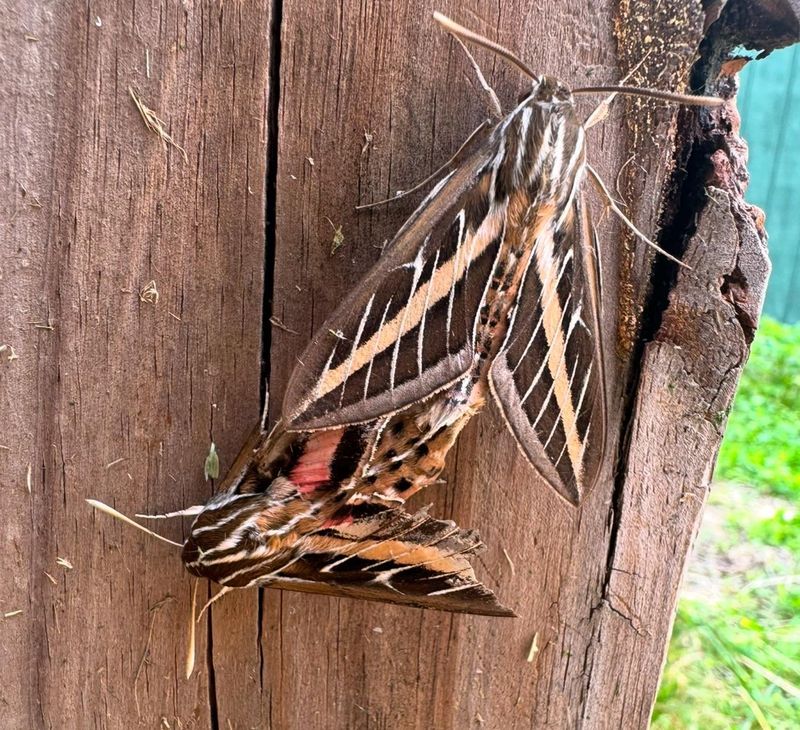
That pile of leaves sitting in the corner of your yard might look like yard waste, but for many moth species, it is actually a nursery.
Several native moths spend their pupal stage tucked inside or beneath leaf litter on the ground.
This is the stage between caterpillar and adult moth, when the insect is transforming inside a protective casing.
Raking up every leaf and bagging it for disposal removes this habitat completely. Moths that depend on leaf litter for pupation simply have nowhere to go.
Over time, this habit of ultra-clean yard maintenance contributes to population decline for species that most people never even knew existed in their garden.
Leaving a designated leaf litter zone in a corner of your yard is one of the easiest ways to support native moths. It does not need to be large.
Even a small area about the size of a dining room table can provide enough shelter for multiple species to complete their life cycle safely.
Some gardeners use leaf litter as a natural mulch layer around tree bases and garden beds. This approach protects the soil, holds in moisture, and creates habitat all at once.
It is a low-effort strategy with a high payoff for garden biodiversity. Skipping the full autumn cleanup one year might be the best thing you ever do for your local moth community.
8. White And Pale Flowers Stand Out At Night
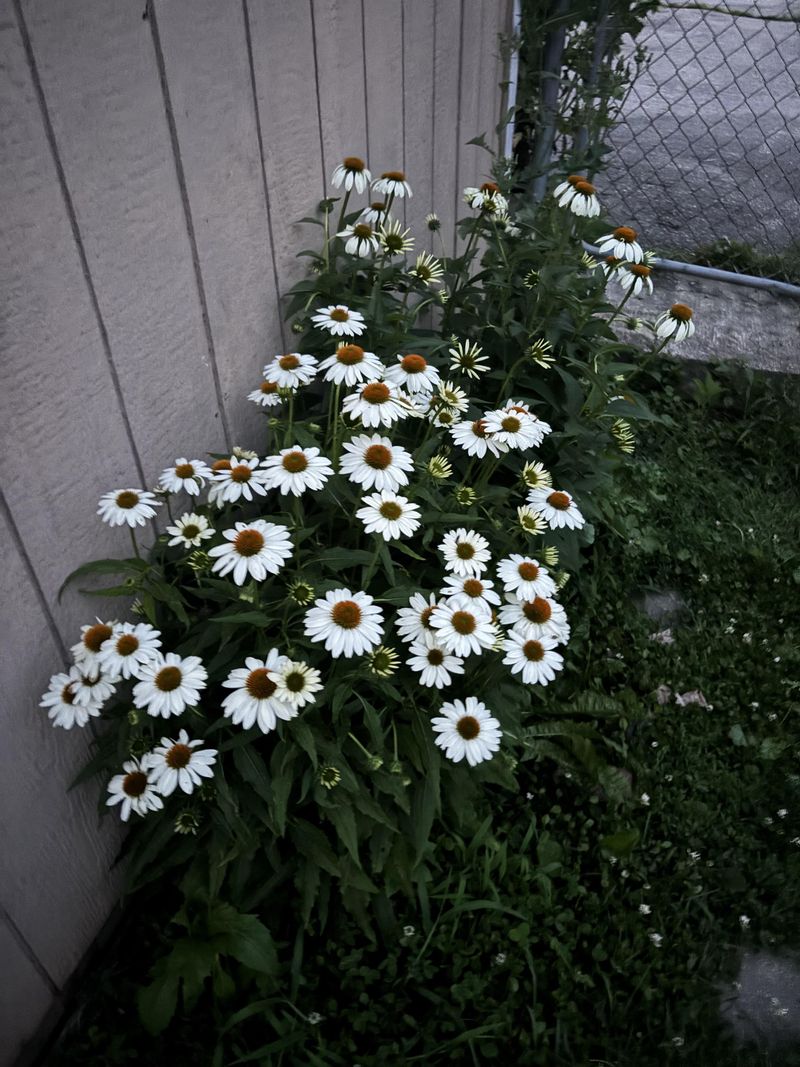
Color matters a lot in garden design, but most people only think about how things look during the day. At night, the visual rules change completely.
Dark red, purple, and orange flowers basically disappear in low light. White and pale-colored flowers, on the other hand, seem to glow under moonlight, making them far more visible to moths searching for food.
Moths rely heavily on vision when locating flowers in the dark. Pale blooms act like natural beacons, guiding moths toward nectar sources they might otherwise miss.
Gardens that include a healthy mix of light-colored flowers tend to attract significantly more nighttime pollinators than those planted with only bold, saturated colors.
White yarrow, pale lavender, cream-colored roses, and white salvia are all solid choices for gardeners wanting to attract moths without sacrificing daytime beauty.
Many of these plants look lovely during the day too, so you do not have to choose between daytime aesthetics and nighttime function. They work well in both directions.
Southern and central regions have a long growing season, which means these plants can stay in bloom well into autumn.
That extended season gives moths more time to feed and reproduce before cooler weather sets in.
Adding even a few white or pale-toned plants to your existing garden layout can noticeably increase moth activity after sunset without requiring a complete redesign.
9. Fragrant Evening Blooms Bring Moths In
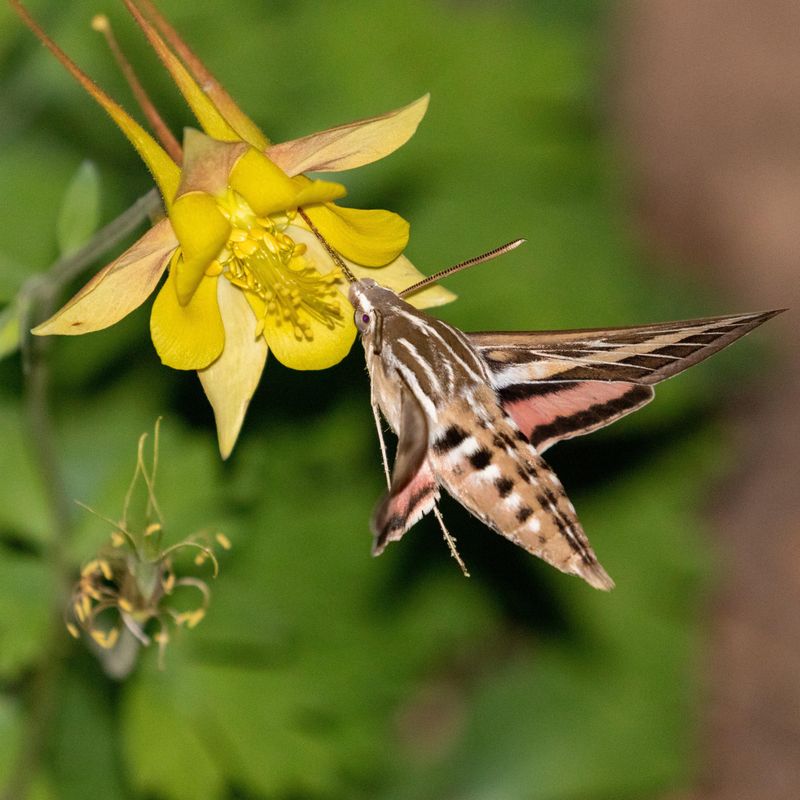
Scent is the secret weapon of the nighttime garden. While daytime flowers often rely on bright colors to attract pollinators, night-blooming plants lean heavily on fragrance.
Moths have an extremely sensitive sense of smell, and they can detect floral scents from impressive distances. A single strongly scented plant can pull moths in from well beyond your property line.
Night-blooming jasmine is one of the most powerful attractants available to home gardeners. Its small white flowers release an almost overwhelming sweetness after dark.
Gardeners in warmer parts of Californiacan grow it as a perennial shrub, and it blooms reliably through the summer and into fall. Four o’clocks and nicotiana are also excellent fragrant options that moths find irresistible.
Planting fragrant evening bloomers near a seating area lets you enjoy both the scent and the moth activity up close. Watching sphinx moths hover and feed just a few feet away is genuinely thrilling.
Many people who try it say it becomes one of their favorite parts of spending time outdoors in the evening.
Fragrance-focused planting also pairs well with other moth-friendly strategies. When you combine scent, pale color, and native plant support all in one garden space, you create a layered habitat that serves moths at every life stage.
That kind of thoughtful planting turns a regular backyard into a functioning piece of the local ecosystem, and that benefits far more than just the moths.