What It Means When Dragonflies Start Gathering Over Your Georgia Yard
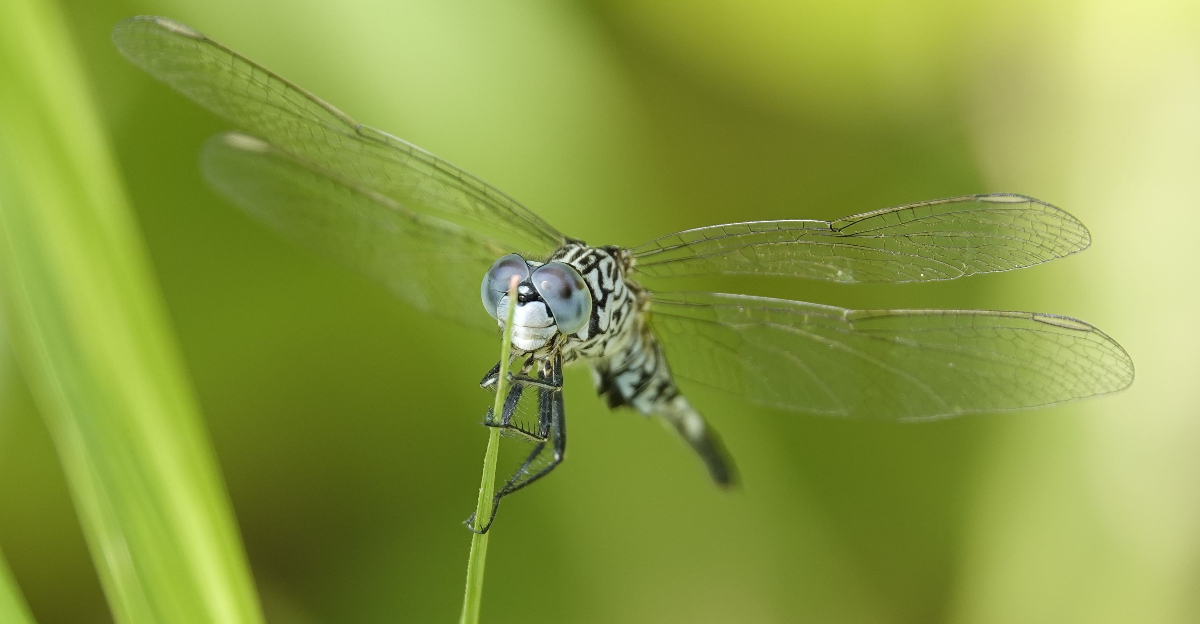
Dragonflies do not waste energy gathering where nothing interests them. If several suddenly begin circling your yard, there is usually a reason they decided to stay instead of moving on.
Their arrival is rarely random, and it often has more to do with the conditions around your home than the insects themselves. Looking a little closer can reveal what caught their attention.
In Georgia, dragonflies often gather where flying insects are plentiful and nearby moisture creates ideal hunting conditions.
They are among nature’s most efficient aerial predators, constantly searching for their next meal.
Before wondering where they came from, pay attention to what may be attracting them. Once you understand what brings dragonflies together, those busy flights over your yard become much easier to explain.
1. Dragonflies Follow Places With Plenty Of Insects
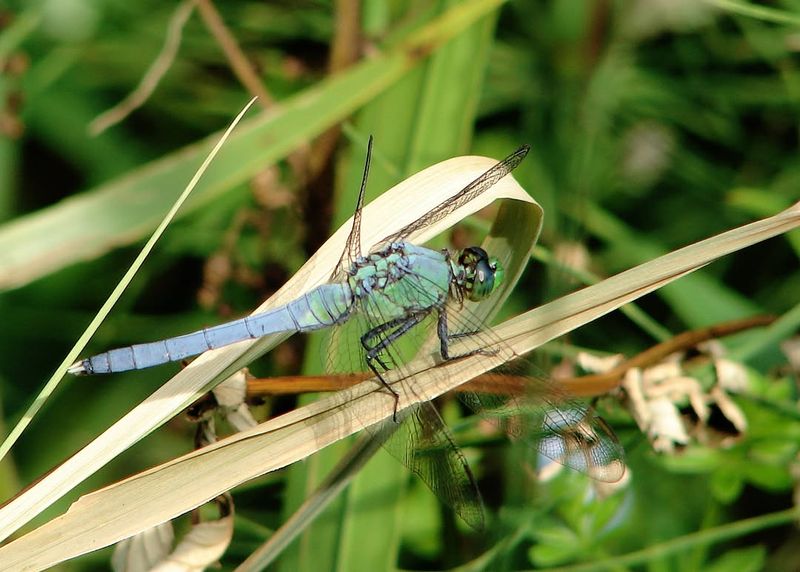
Dragonflies are among the most effective hunters in the insect world. When several suddenly begin circling your yard, it usually means they have found plenty of flying insects to eat.
Their presence has little to do with the flowers or the scenery. Instead, dragonflies stay where hunting is easiest.
Gnats, midges, mosquitoes, small flies, and other tiny insects all become targets. Dragonflies use their large compound eyes to detect movement from almost every direction, allowing them to spot prey while flying.
Once an insect is identified, the dragonfly quickly changes direction and catches it in midair with remarkable speed and accuracy.
Yards with dense vegetation, vegetable gardens, compost piles, flowering borders, or damp areas often support larger populations of small flying insects. Those insects naturally attract dragonflies looking for an easy meal.
Even after summer rain, when insect numbers increase, dragonflies may become noticeably more active as they take advantage of the sudden abundance of prey.
If you repeatedly see dragonflies hovering over the same part of your yard, take a closer look at what is below them.
Moist organic matter, overripe fruit, compost, standing water nearby, or thick plant growth may be attracting the insects they hunt.
As opportunistic predators, dragonflies spend their time wherever food is easiest to find.
2. Standing Water Supports More Flying Insects
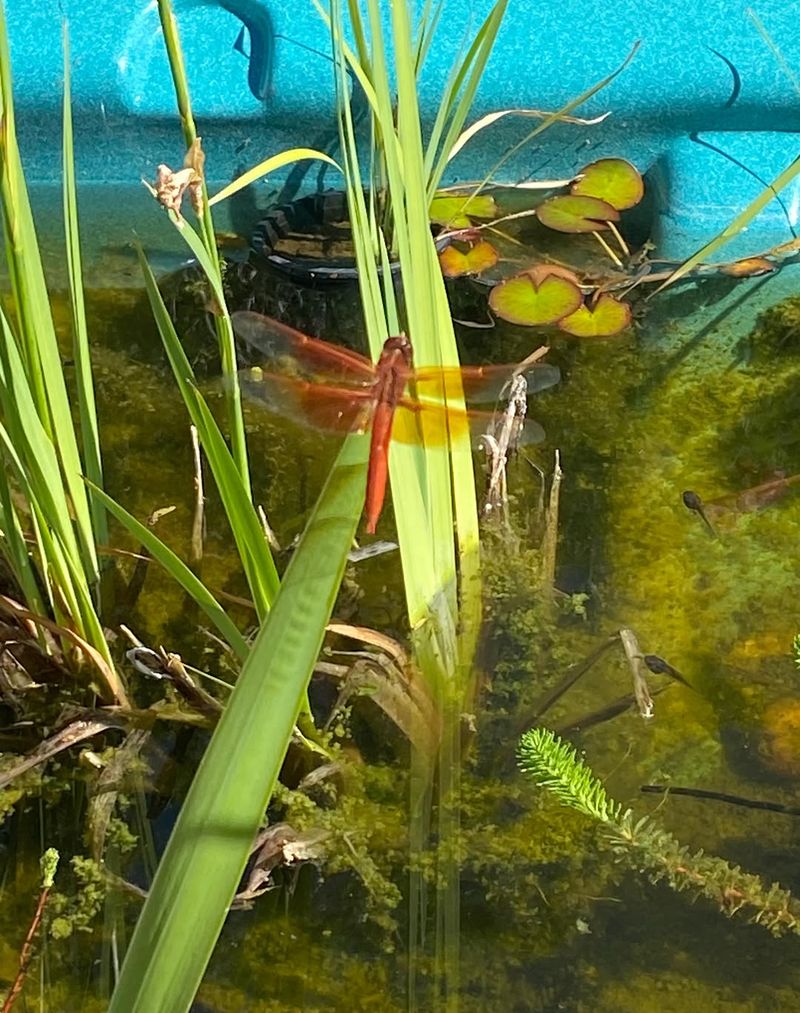
Water is the starting point for dragonfly life. Females lay eggs directly in or near standing water, and the larvae spend months or even years developing underwater before emerging as adults.
Any yard with a pond, birdbath, clogged gutter, or low-lying puddle becomes a potential breeding ground.
Standing water also supports mosquitoes, midges, and other small flying insects. More of those insects means more food available for dragonflies.
So the water does double duty: it provides a place to reproduce and a reliable food source nearby.
Even a small container holding a few inches of water can attract egg-laying dragonflies if it sits undisturbed long enough.
Larger water features like garden ponds tend to draw more consistent activity because they support bigger insect populations throughout the season.
Across Georgia, summer heat speeds up the development of aquatic insects, which means dragonfly populations can build up quickly near water sources during warmer months.
Your Georgia Garden Changes Every Week. Your Plan Should Too.
Gardening in Georgia changes quickly throughout the season. Every Friday you’ll receive a simple weekly plan showing exactly what to plant, prune, fertilize, harvest, and protect so you never miss the right timing.
If you want to encourage dragonflies, adding a small water feature with aquatic plants is one practical option.
A healthy water feature often becomes the center of dragonfly activity, especially when it also provides nearby plants for adults to rest and hunt from.
3. Warm Sunny Weather Increases Dragonfly Activity
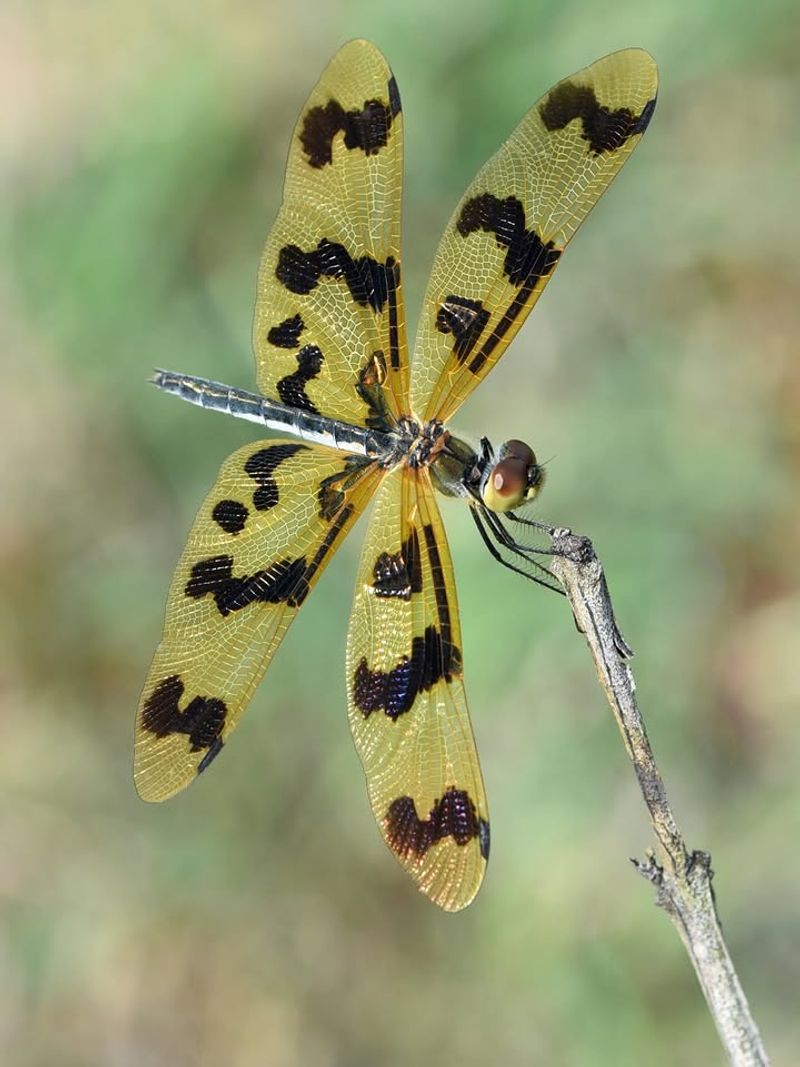
Cold-blooded insects depend on outside temperatures to stay active. Dragonflies are no different.
On warm, sunny days they are out in full force, flying, hunting, and patrolling their territory with high energy. On cool or overcast days, you might barely see one.
Sunlight helps dragonflies warm up their flight muscles quickly. Warm pavement, open lawn areas, and south-facing garden beds all absorb heat and create pockets of warm air that dragonflies seek out.
Open spaces with direct sun exposure tend to draw the most activity.
Peak dragonfly season in Georgia typically runs from late spring through early fall, when temperatures stay consistently warm and insect populations are at their highest.
Midsummer afternoons, especially between noon and 4 p.m., are when you are most likely to see large numbers flying together.
A sudden spike in dragonfly numbers during a hot stretch is not unusual. Warmer temperatures speed up insect reproduction in general, which creates more prey for dragonflies almost overnight.
Rainy periods followed by sunny weather can also trigger noticeable increases in dragonfly activity, since standing water from rain supports new insect hatches.
4. Tall Plants Provide Resting Places
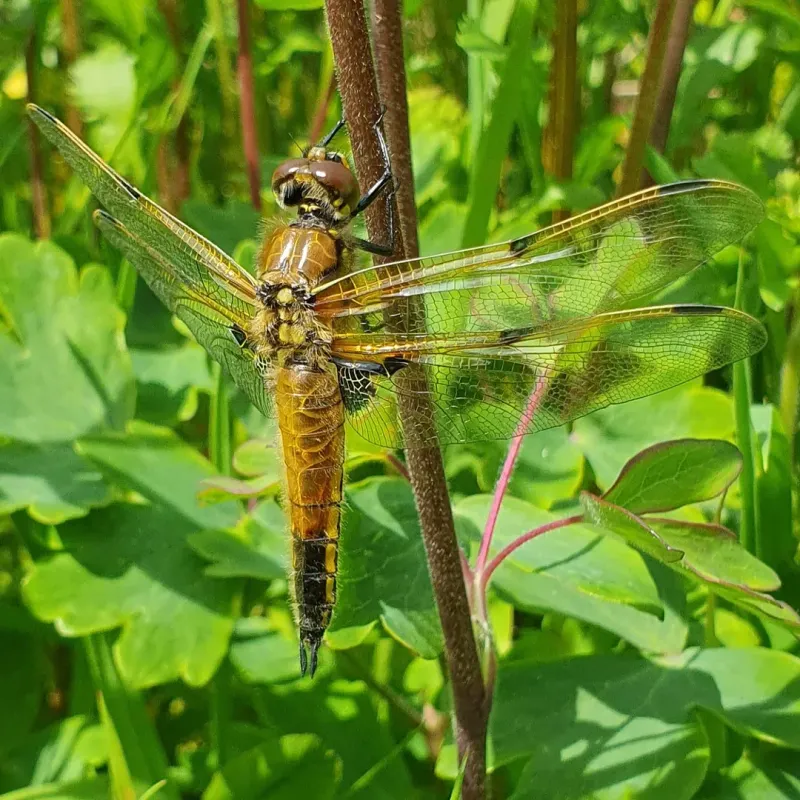
Dragonflies are active fliers, but they rest frequently between hunting runs. Tall, upright plant stems make ideal perches because they offer height and clear sightlines in multiple directions.
From a high perch, a dragonfly can spot both prey and potential threats before reacting.
Plants like ornamental grasses, sunflowers, coneflowers, and tall native wildflowers are popular resting spots. Wooden stakes, fence posts, and even clothesline poles attract perching dragonflies too.
Basically, anything that sticks up above the surrounding vegetation works well for them.
Yards with varied plant heights tend to support more dragonfly activity overall. A mix of low ground cover, mid-height shrubs, and taller upright plants creates multiple perch options at different elevations.
Dragonflies use these layers strategically depending on the time of day and the angle of the sun.
Planting native species is worth considering if you want to attract more dragonflies over time.
Native plants in Georgia tend to support higher numbers of the small insects that dragonflies feed on, which makes the yard more appealing at multiple levels of the food chain.
The more hunting perches your yard provides, the more likely dragonflies are to return as they patrol the area for food.
5. Mosquitoes Often Bring Dragonflies Closer
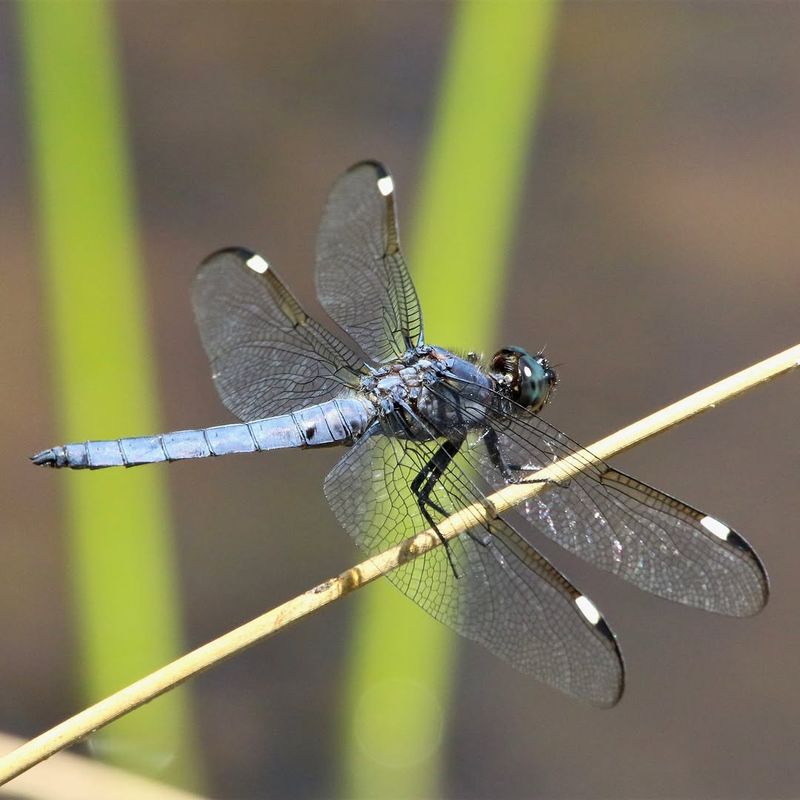
Mosquitoes are one of the dragonfly’s favorite prey items. Where mosquitoes breed and gather, dragonflies tend to follow.
So a yard with a noticeable mosquito problem is essentially putting out a dinner invitation for every dragonfly in the area.
Mosquitoes breed in standing water and tend to be most active during dawn and dusk hours. Dragonflies, which prefer daylight, often patrol areas where mosquitoes rest during the day.
Thick vegetation, shaded corners, and moist garden areas are common resting spots for both insects.
Seeing dragonflies hover consistently near one corner of your yard could signal that mosquitoes are breeding or sheltering there.
Rather than viewing the dragonflies as a nuisance, it might be more useful to treat them as an indicator of where the actual problem is coming from.
A single dragonfly can consume dozens of mosquitoes in a day under the right conditions, though exact numbers vary depending on availability and the dragonfly’s size and energy needs.
Having dragonflies present does not mean your mosquito problem will disappear entirely, but it can contribute to lower numbers over time.
Combining natural dragonfly activity with basic yard maintenance, like removing stagnant water and trimming dense vegetation, tends to produce better results than relying on either approach alone.
6. Most Dragonflies Are Harmless To People
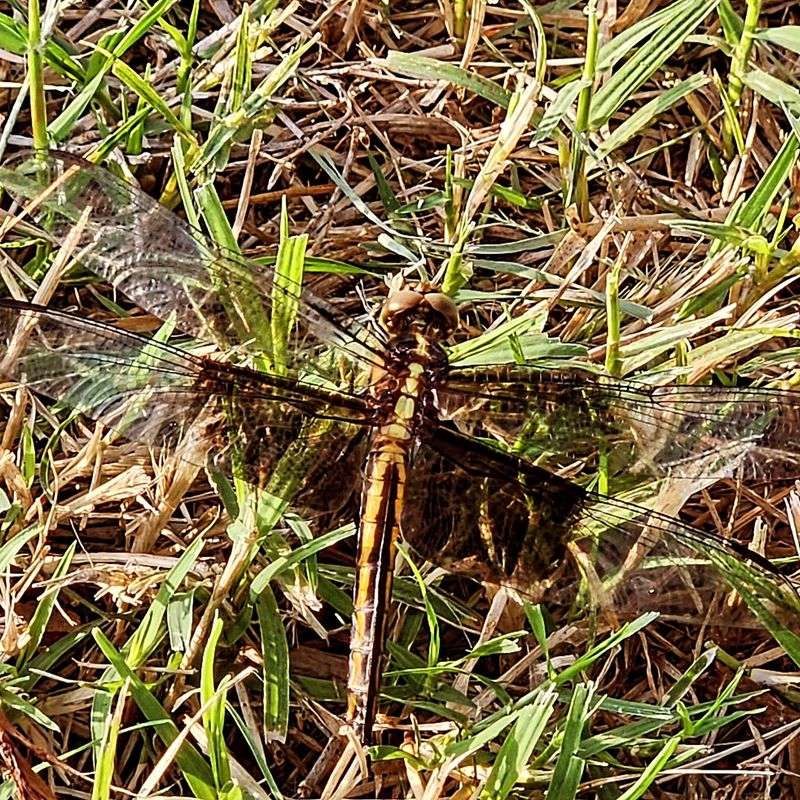
Seeing a swarm of large flying insects can feel alarming at first. Most people’s instinct is to back away or wonder if they should be worried.
With dragonflies, though, there is very little cause for concern when it comes to human safety.
Dragonflies do have chewing mouthparts, but they use them exclusively for catching and consuming smaller insects. Biting a person is extremely rare and typically only happens if a dragonfly is physically handled roughly or cornered with no escape route.
Even then, the sensation is usually minor.
Unlike bees or wasps, dragonflies have no stinger and no venom. They do not defend territory aggressively toward people, and they show no interest in human food or drinks.
Walking through a group of hunting dragonflies is generally safe and usually goes unnoticed by the insects themselves.
Children are often fascinated by dragonflies, and that curiosity is worth encouraging. Watching them hunt teaches a lot about insect behavior and natural food chains in a way that feels exciting rather than like a lesson.
Across Georgia, dragonflies are a familiar sight during the warmer months and are considered a welcome part of the garden ecosystem.
7. Large Swarms Usually Last Only A Short Time
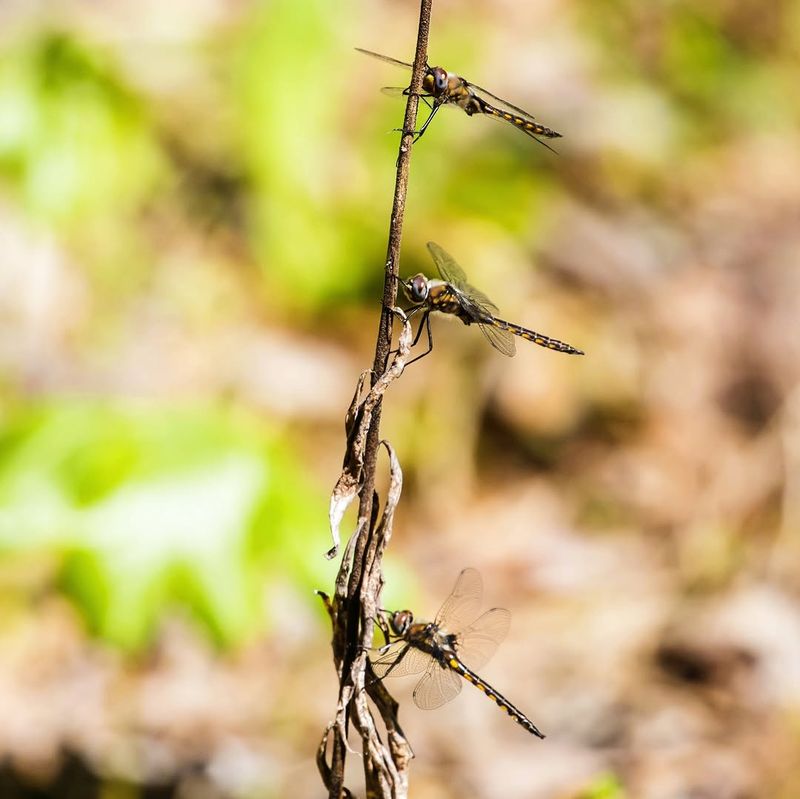
A sudden cloud of dragonflies overhead can feel dramatic, but swarms tend to be short-lived events. Most last anywhere from a few minutes to a few hours, depending on what triggered them.
Occasionally a swarm may return for several consecutive days before moving on.
Dragonfly swarms fall into two general categories. Static swarms form over a single area where insects are hatching or gathering in large numbers, and the dragonflies stay to feed.
Migratory swarms involve dragonflies traveling together over longer distances, often following weather fronts or food sources.
Late summer and early fall are the most common times for swarms in warmer states like Georgia. Cooling temperatures signal the end of the season, and dragonflies bulk up on food before activity slows down.
A large hatch of flying insects after a rainy period can also trigger a feeding swarm almost overnight.
Swarms are worth watching rather than worrying about. Trying to scatter or remove them is rarely practical and not particularly necessary given their brief presence.
Enjoying the spectacle from a comfortable distance is usually the most satisfying option.