Pennsylvania Gardeners Are Quietly Adding This To Heavy Clay Soil Before Heavy Rain
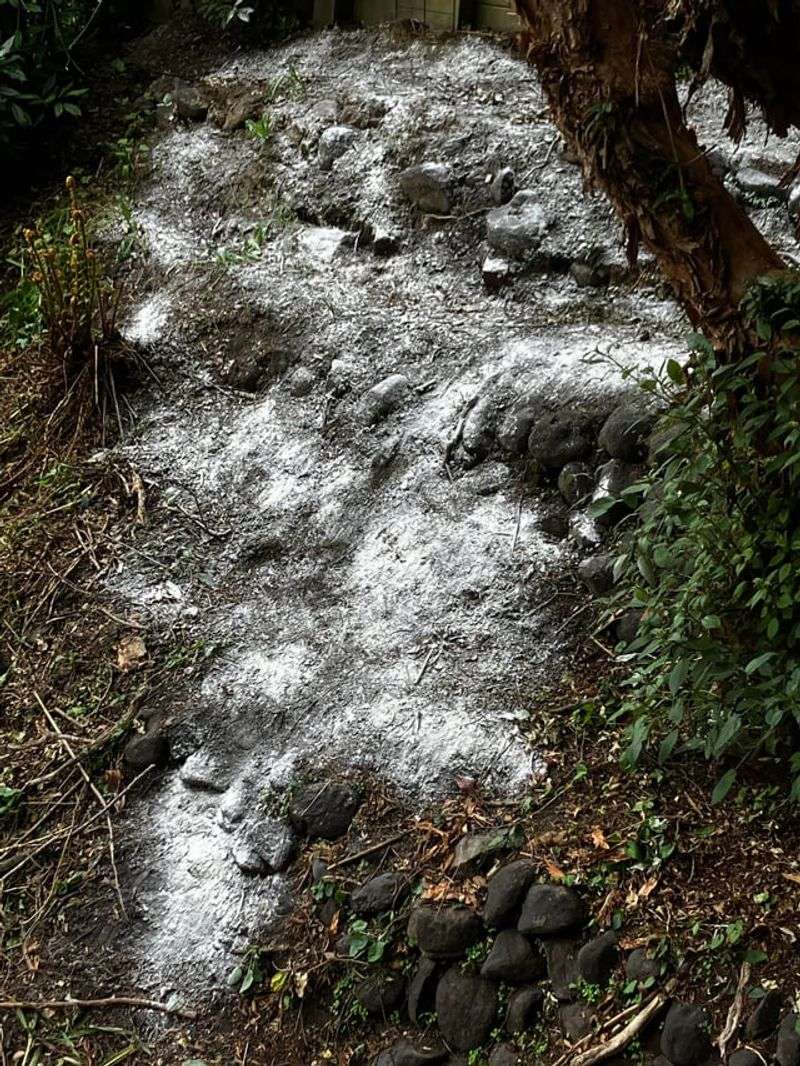
Pennsylvania gardeners are catching on to something their grandparents may have already known. Before a heavy storm hits, they scatter a chalky white mineral across the clay-heavy patches of their yard where water usually pools for days.
The mineral sinks in fast, working through soil where sodium has packed clay particles into something that feels like solid brick. Within a couple of weeks, the same beds that once turned into standing puddles start draining noticeably better.
More gardeners in the region are turning to this method as word spreads through local gardening circles. It is an inexpensive amendment and takes little effort to apply.
For anyone tired of soggy lawns swallowing their shoes every spring, this simple fix might change how their yard handles the next big rain.
A Simple Fix Is Helping Clay Soil Handle Storms Better
Clay soil has a stubborn reputation for good reason. It holds water like a sponge and turns into a slippery mess after heavy rain.
Gardeners across Pennsylvania are tired of watching their plants struggle in standing water. They started looking for a smarter way to prep their ground before storms hit.
The fix most of them landed on is garden gypsum, a natural mineral that changes how sodium-affected clay particles behave. It does not replace the soil, but it works inside it to loosen things up.
Heavy clay soil in Pennsylvania is particularly tricky because of the region’s wet spring seasons. Rain comes fast and hard, and unprepared soil simply cannot absorb it quickly enough.
Gypsum works by introducing calcium and sulfur into the soil profile. In soils with excess sodium, this helps clay particles clump together differently, creating tiny air pockets that let water flow through.
The process is called flocculation, and it works when the clay has excess sodium bound up in it. In that case, clay stops acting like a wall and starts acting like a sponge with actual drainage.
Gardeners whose clay soil carries excess sodium report noticeably less pooling after using gypsum before heavy rain. For soil with a sodium imbalance, this small habit is making a measurable difference in how it handles storms.
Garden Gypsum Works Fast To Loosen Compacted Ground
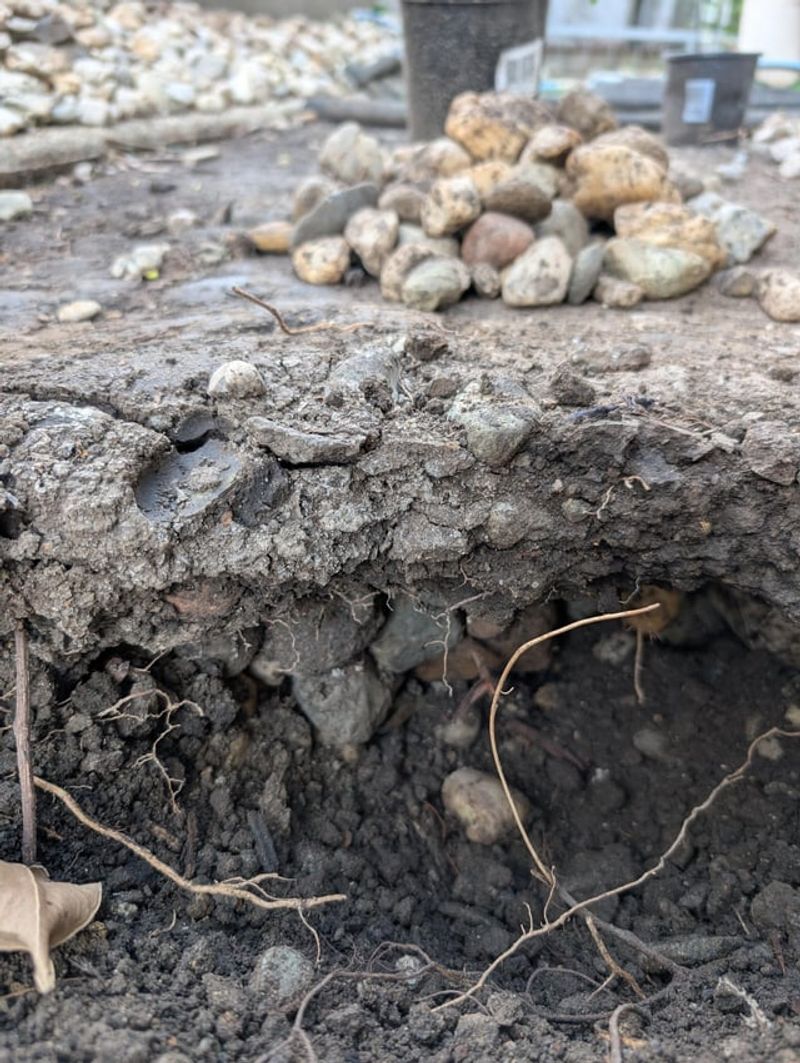
Compacted ground is one of the most frustrating problems a gardener can face. Roots struggle, water sits on top, and nothing seems to grow right.
Garden gypsum tackles this problem from the inside out, not by tilling or digging, but through chemistry. It gets to work once it contacts moisture in soil where sodium is the underlying issue.
In sodium-affected clay, calcium from gypsum acts as a binding agent between particles. Instead of sticking together in tight, impenetrable sheets, they start forming loose crumbles.
Those crumbles create channels that air and water can actually move through. That shift changes how a garden bed performs after a heavy downpour.
Gardeners dealing with sodium-heavy clay often notice a difference within a few weeks of the first application. The surface stops crusting over, and the ground feels softer underfoot even after a dry spell.
Your Pennsylvania Garden Changes Every Week. Your Plan Should Too.
Gardening in Pennsylvania changes quickly throughout the season. Every Friday you’ll receive a simple weekly plan showing exactly what to plant, prune, fertilize, harvest, and protect so you never miss the right timing.
Gypsum also does not mess with your soil pH, which is a big deal for plant health. Lime, the more common white powder people use, raises pH and can cause problems if overused.
Gypsum stays neutral, so it is safe to apply even near acid-loving plants like blueberries. You get the structural benefit without the chemical risk of shifting your soil balance.
Low risk and a clear soil test make gypsum a solid choice for correcting sodium-heavy compacted ground. Gardeners who confirm the sodium issue first tend to keep a bag on hand every season.
Applying It Before Rainfall Makes The Biggest Difference
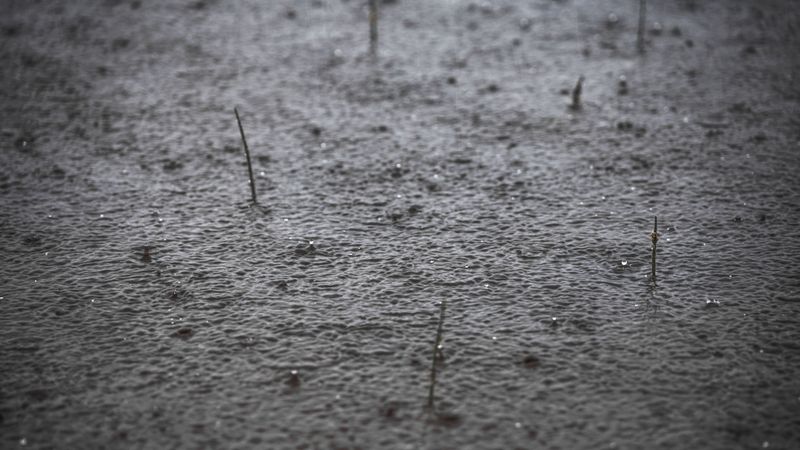
Timing matters more than most people realize when it comes to soil amendments. Spreading gypsum after a storm has already passed means you missed the best window.
Rain is actually the delivery system that carries gypsum deep into sodium-affected soil. Without that moisture, the mineral just sits on top and does very little work.
Gardeners dealing with sodium-heavy clay who apply gypsum a day or two before a forecasted storm see the best outcomes. The rain pushes the calcium and sulfur down where the affected clay structure actually exists.
That depth matters because surface-level treatment only fixes the top inch or two of ground. The real sodium buildup often sits several inches down, where roots compete for space.
Checking a five-day weather forecast before applying has become a habit for smart gardeners. Spreading gypsum across a garden bed takes far less time than most weekend chores, and the payoff can be significant.
Broadcast spreaders make the job even faster for larger lawn areas. You can cover a lot of ground before a storm without exhausting yourself or wasting product.
Even a light rain after application helps activate the gypsum faster than waiting for a big storm. Any moisture that soaks in carries the mineral with it into the clay layers below.
Applying gypsum before heavy rain in sodium-affected soil is one of those gardening habits that feels almost too easy. The storm does the hard work for you, and your soil comes out better on the other side.
Water Penetrates Deeper Instead Of Pooling On The Surface
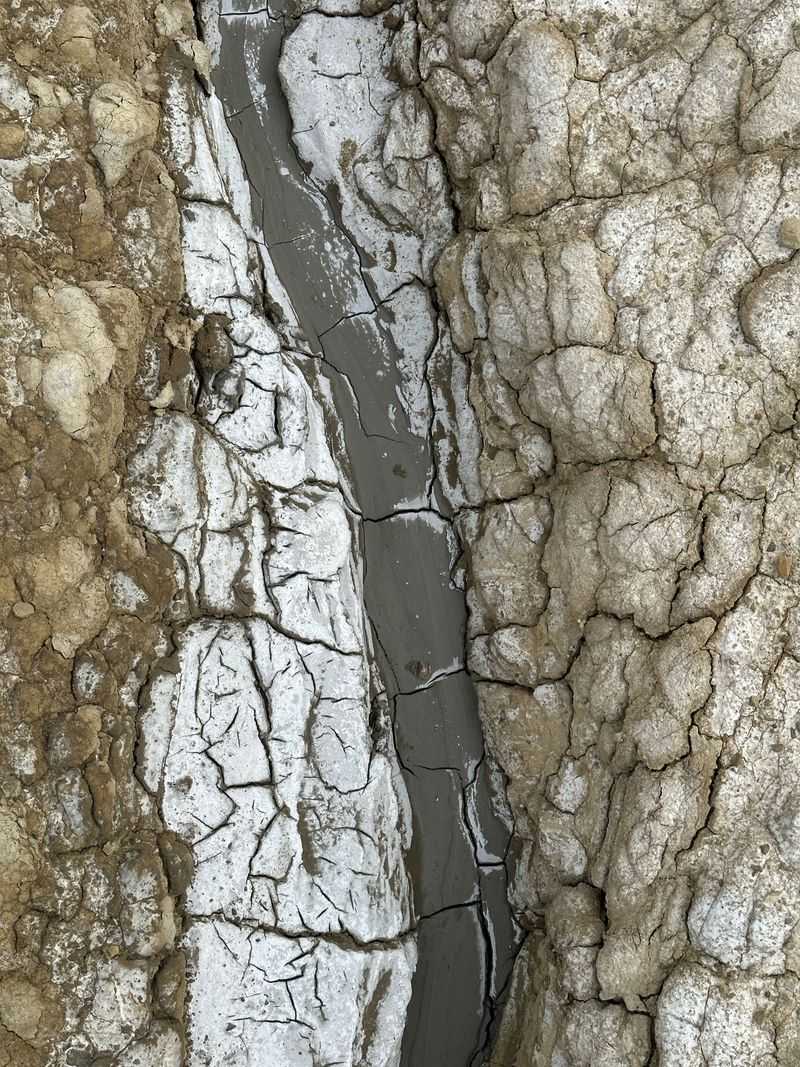
Pooling water is more than an eyesore in a garden. It deprives plant roots of oxygen, invites fungal disease, and turns your yard into a muddy obstacle course.
After gypsum treatment, water starts behaving differently on soil with a sodium problem. Instead of spreading out across the surface, it finds pathways and moves downward.
Those pathways are the tiny channels created when sodium-affected clay particles shift their structure. It is the same soil, but now it has room to breathe and drain.
Where sodium is the underlying issue, deeper water penetration means plant roots can follow moisture further into the ground. That makes plants more drought-resistant during dry spells between storms.
Shallow-rooted plants are vulnerable because they depend entirely on surface moisture. When water drains deeper, roots chase it and grow stronger and more anchored over time.
Pennsylvania homeowners with sodium-affected, sloped yards also notice less runoff after treating with gypsum. Water that used to sheet off the surface now soaks in before it has a chance to flow away.
That means less erosion along garden borders and fewer bare patches where topsoil has washed out. The landscape holds together better when the ground can actually absorb what falls on it.
Standing water after rain used to feel like an unavoidable problem for clay soil owners. For sodium-affected soil, gypsum treatment turns a liability into a functioning, healthy drainage system.
Compost Still Plays A Role In Long-Term Soil Structure
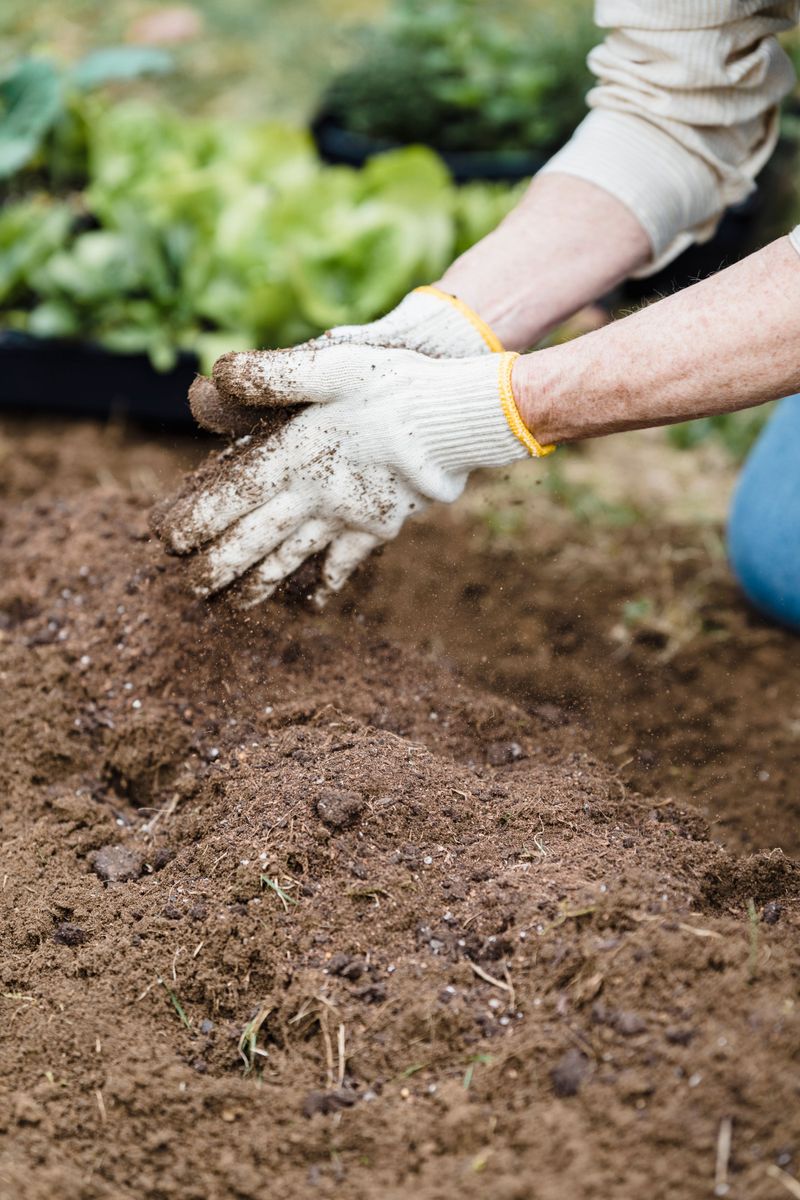
Gypsum is not a one-and-done miracle cure, even for soil where sodium is the real issue. Long-term improvement also requires adding organic matter that feeds the ground over time.
Compost is the best partner for gypsum because it fills a different role in the soil. While gypsum rearranges sodium-affected clay particles, compost adds biological life and texture that clay naturally lacks.
Think of gypsum as the engineer and compost as the construction crew. One designs the structure and the other builds the living foundation that keeps it working season after season.
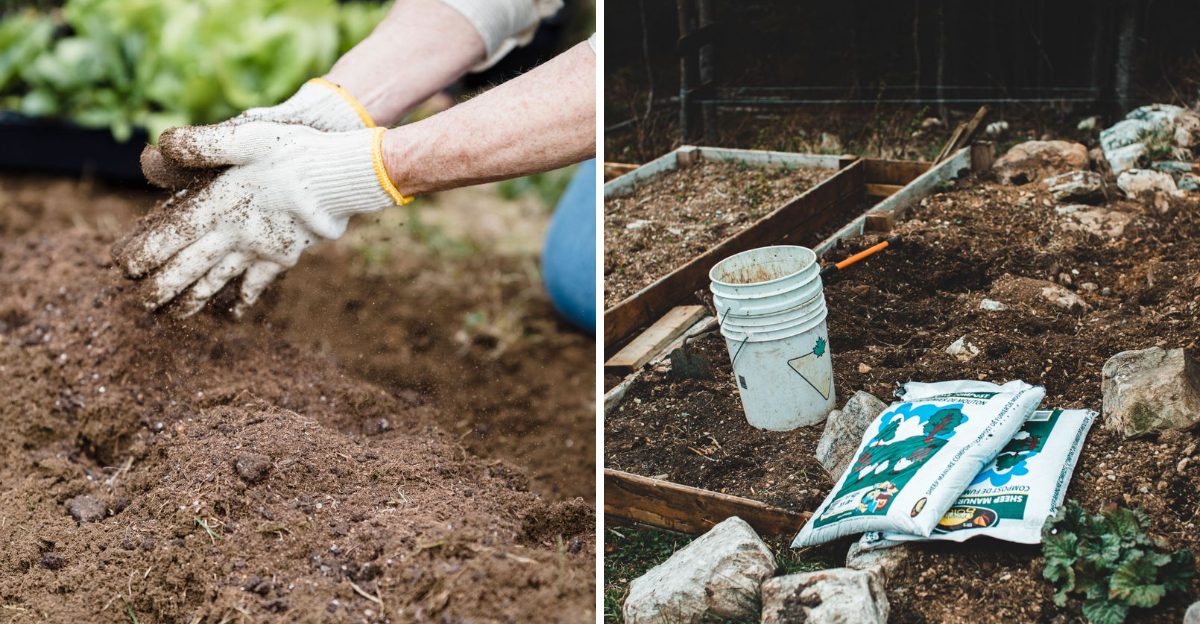
Mixing compost into the top six inches of a bed while applying gypsum gives double benefits. The clay gets structurally loosened and biologically enriched at the same time.
Worms and beneficial microbes thrive in compost-amended soil. Once those organisms move in, they keep breaking down organic material and naturally improving drainage on their own.
Pennsylvania gardeners who combine both amendments report faster results than using either one alone. The combination creates a soil environment that is genuinely hospitable to plant roots.
Finished compost from a backyard pile or a purchased bag both work well for this purpose. The key is consistency, adding it every season rather than treating it as a one-time project.
Compost builds on itself year after year, creating richer ground with each passing season. Pair it with gypsum and your clay soil becomes something plants actually want to grow in.
Getting The Timing And Amount Right Prevents Overuse
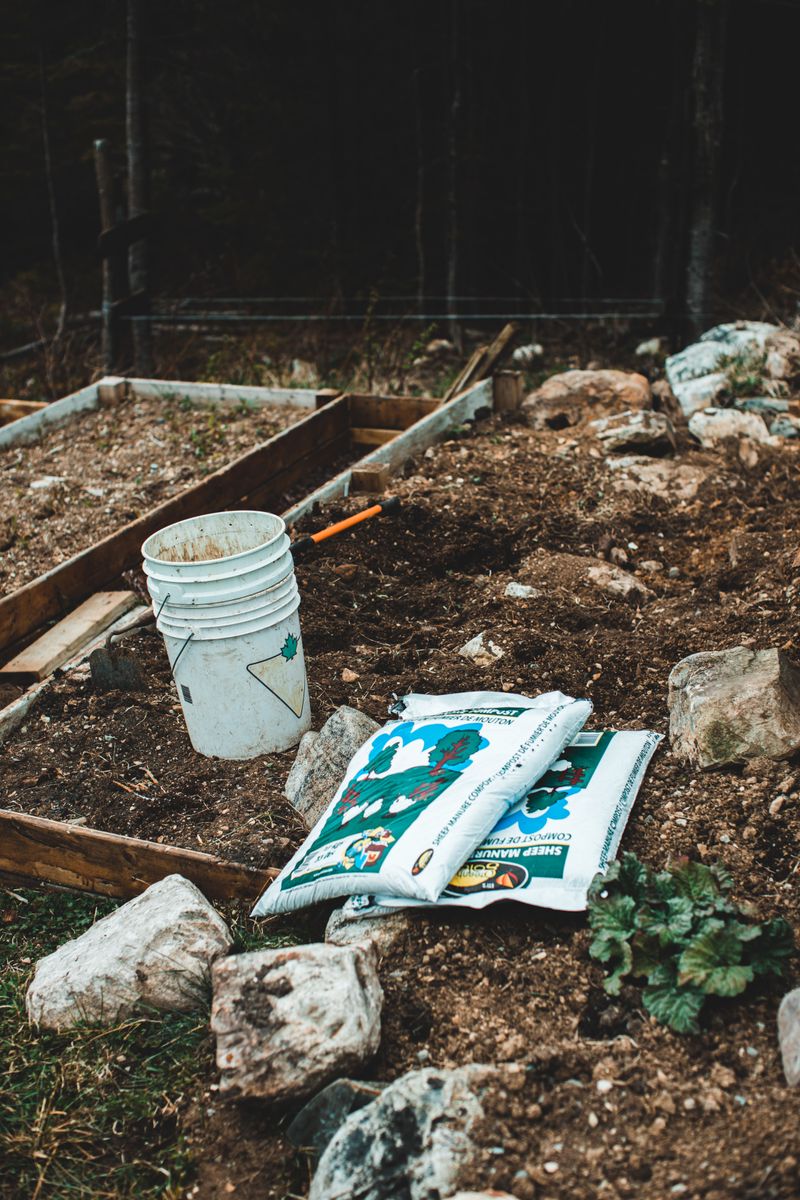
More is not always better when it comes to soil amendments. Spreading too much gypsum too often can actually affect how nutrients move through your ground.
The standard recommendation for garden beds is about forty pounds per one thousand square feet, once sodium is confirmed as the issue. That amount gives the clay enough calcium to start restructuring without oversaturating the soil.
For lawns with sodium-heavy clay, applying gypsum twice a year tends to produce the best long-term results. Once in early spring and once in fall covers the two most active growing windows.
Reading the product label is not optional when you are working with a mineral amendment. Different brands have different concentrations, and following the instructions protects your garden from accidental overuse.
Watering in gypsum after a dry application also helps activate it faster when rain is not expected. A light pass with a hose mimics what a rainstorm would naturally do for the soil.
Soil testing every couple of years helps confirm whether sodium is still the issue and whether your clay is improving. A basic test from a garden center shows calcium levels, pH, and organic matter percentages.
If your calcium levels are already high, you may need less gypsum than the standard recommendation. Adjusting based on test results keeps your soil in balance rather than creating new problems.
Pennsylvania gardeners with sodium-affected clay who add gypsum before storms are onto something real. Smart timing and the right amount make the difference between a soggy mess and a thriving garden.