7 Native Pennsylvania Alternatives To Crape Myrtles That Birds And Pollinators Actually Love
Crape myrtles have become increasingly popular in Pennsylvania as warming temperatures have expanded where they can survive. They’re beautiful, they bloom in late summer, and the appeal is easy to understand.
But crape myrtles are not native to Pennsylvania, and the ecological contribution they make to local birds and pollinators is limited compared to what the same garden space could be supporting with a native alternative.
Native plants that evolved alongside Pennsylvania’s wildlife support them in ways that no imported ornamental can replicate.
The good news is that Pennsylvania has native trees and shrubs that bloom with just as much visual impact, offer genuine food and habitat value to birds and pollinators through multiple seasons, and handle the state’s climate with a resilience that crape myrtles, even in favorable years, often can’t match.
These aren’t obscure plants that require specialist nurseries and careful management. They’re beautiful, available, and genuinely well suited to Pennsylvania yards that want to look great and do more at the same time.
1. Serviceberry
Few native trees put on a show quite like the serviceberry. In early spring, before most plants wake up, it bursts into clouds of soft white flowers.
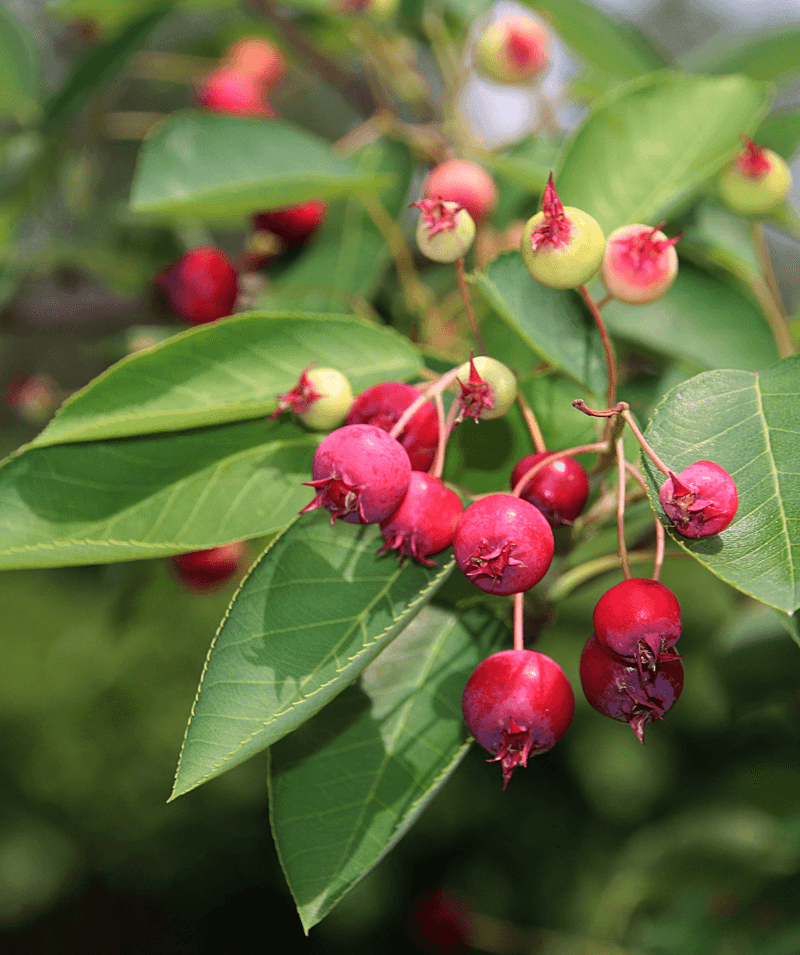
Those blooms are a lifesaver for early bees looking for their first meal of the year. As the flowers fade, small berries begin to form along the branches.
By June, these berries turn deep purple and sweet, tasting a bit like blueberries. Robins, cedar waxwings, and cardinals flock to them, sometimes picking a tree clean in just a day or two.
You can also snack on the berries yourself, or bake them into pies and jams. That is why some folks call this plant the Juneberry or shadbush.
Serviceberry stays a manageable size, usually growing fifteen to twenty-five feet tall. That makes it a great fit for smaller yards where a big tree would feel crowded.
In autumn, the leaves shift to warm shades of orange and red, giving you a second season of beauty. The smooth gray bark adds interest during the quiet winter months too.
This tree handles many soil types and does well in full sun or part shade. Water it during dry spells while it is young, and it will reward you for decades.
Fun fact: early settlers noticed the tree bloomed around the same time the shad fish swam upstream, which is where the name shadbush comes from. Plant one near a window, and you will have front-row seats to a busy parade of birds and pollinators all season long.
2. Eastern Redbud
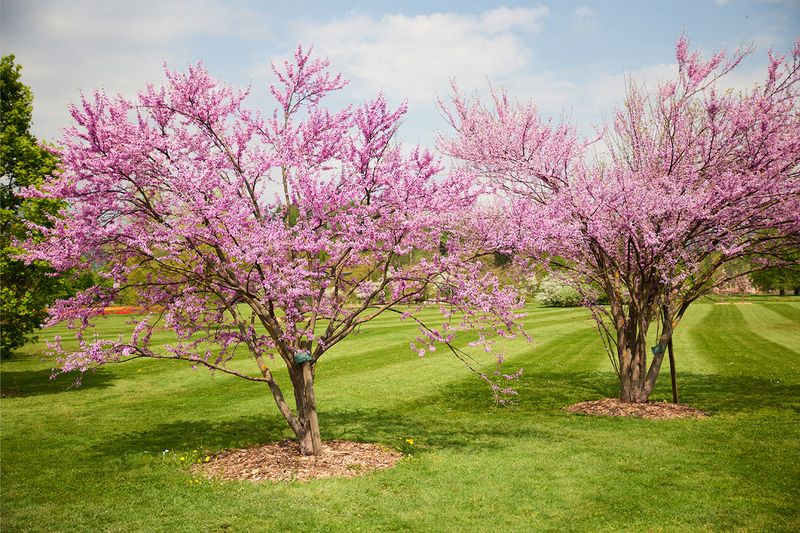
Imagine a tree so covered in pink blossoms that the flowers grow right out of the branches and trunk. That is the magic of the eastern redbud in April.
The bright rosy-purple flowers appear before any leaves show up, making the whole tree glow. Bumblebees and native carpenter bees adore these blooms and visit them constantly.
Redbuds are members of the legume family, though they are valued mainly for their flowers, structure, and wildlife benefits rather than soil enrichment.
Your Pennsylvania Garden Changes Every Week. Your Plan Should Too.
Gardening in Pennsylvania changes quickly throughout the season. Every Friday you’ll receive a simple weekly plan showing exactly what to plant, prune, fertilize, harvest, and protect so you never miss the right timing.
This tree stays small, usually reaching twenty to thirty feet tall with a graceful, spreading shape. It fits neatly into most yards without taking over.
Several butterfly and moth caterpillars feed on redbud leaves, which in turn become food for baby birds. A single nest of chicks needs thousands of caterpillars, so this tree quietly supports whole bird families.
In fall, the foliage turns a pretty golden yellow. Flat seed pods dangle from the branches and stick around into winter, adding texture to the bare tree.
Redbuds prefer moist, well-drained soil and grow happily in full sun to partial shade. They can handle a bit of clay too, which is common in many Pennsylvania yards.
Plant one where you can see it from the house, and its spring flush will lift your spirits after a long winter. Give it room to spread its branches, and keep it watered during its first couple of years.
You will end up with a cheerful, wildlife-friendly tree that outshines any crape myrtle.
3. Winterberry Holly
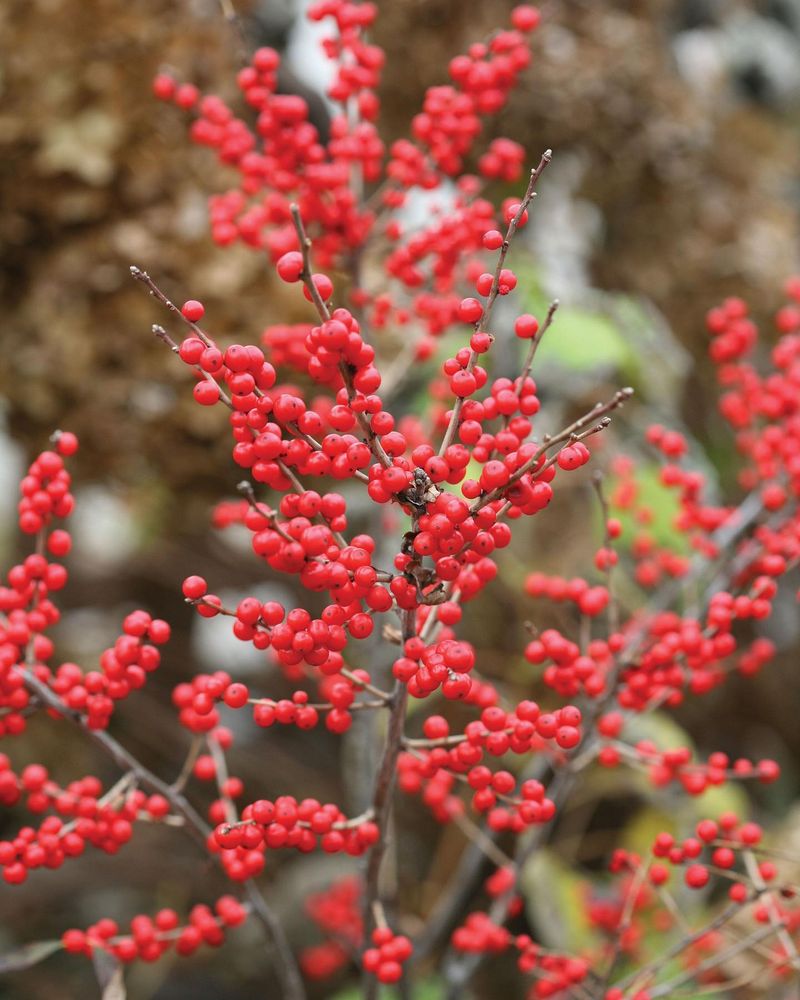
When snow blankets the yard and most plants look bare, winterberry holly steals the spotlight. Its branches light up with hundreds of glossy red berries.
Birds treat this shrub like a winter buffet. Robins, bluebirds, and mockingbirds gobble up the fruit when other food is scarce and hard to find.
Unlike most hollies, this one drops its leaves in fall, so the berries stand out even more against the snow. The bright red pops make a stunning contrast on a gray winter day.
In early summer, small white flowers appear and buzz with visiting bees. Those blooms are the starting point for the famous berries that follow.
Here is something important to know. You need both a male and a female plant for berries to form, since only females produce fruit.
One male shrub can pollinate several females nearby, so plan your planting with that in mind. Nurseries often label the plants clearly to help you choose.
Winterberry loves wet or damp soil, making it perfect for low spots where other shrubs struggle. It also tolerates regular garden soil as long as it does not dry out completely.
The shrub grows three to twelve feet tall depending on the variety, so check the tag before buying. Prune it lightly in late winter to keep the shape you like.
Cut a few berry-covered branches for holiday decorations, and you get color indoors and out. Plant winterberry near a window, and you will enjoy watching birds visit all through the coldest months of the year.
4. Buttonbush
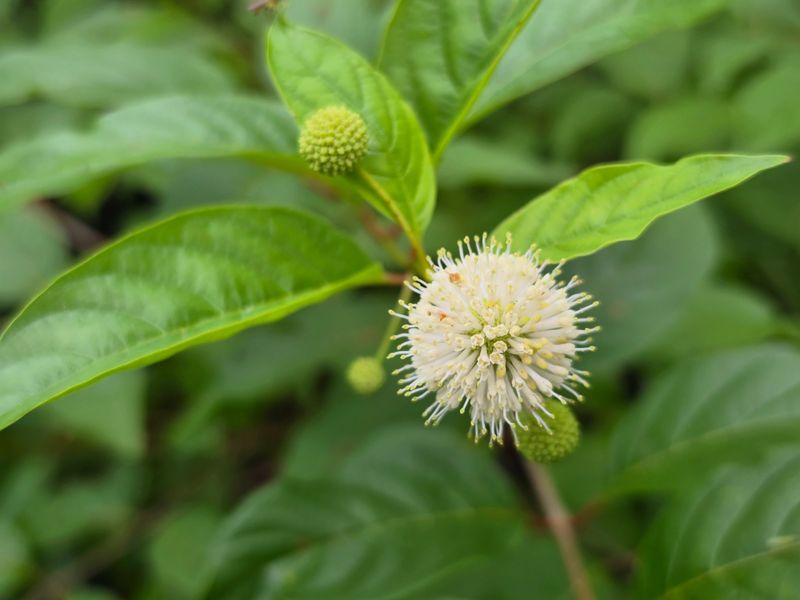
Buttonbush has some of the quirkiest flowers you will ever see. Its blooms look like little white pincushions or fuzzy golf balls floating above the leaves.
Those round flower clusters are packed with nectar, and pollinators cannot resist them. Butterflies, bees, and even hummingbirds swarm the shrub all summer long.
This plant thrives in wet ground where many others fail. If you have a soggy corner, a rain garden, or a spot near a pond, buttonbush will be right at home.
After the flowers fade, they turn into ball-shaped seed heads that ducks and other waterbirds enjoy. That means the plant feeds wildlife well past its blooming season.
Buttonbush grows five to twelve feet tall and has a loose, natural shape. It looks great in a wild-style garden where you want a relaxed, woodsy feel.
The glossy green leaves stay attractive through summer and give the shrub a lush appearance. Its bark and branching pattern add interest even in winter.
Give this shrub full sun to part shade for the best flowering. It does not mind flooding and can handle standing water for short periods.
If it gets too leggy, cut it back hard in early spring, and it will bounce right back. This plant is tough and forgiving, so beginners can grow it with ease.
Plant buttonbush if you want to turn a wet problem area into a pollinator hotspot. You will attract a steady stream of butterflies and bees, and your yard will feel alive with movement and color all season.
5. American Elderberry
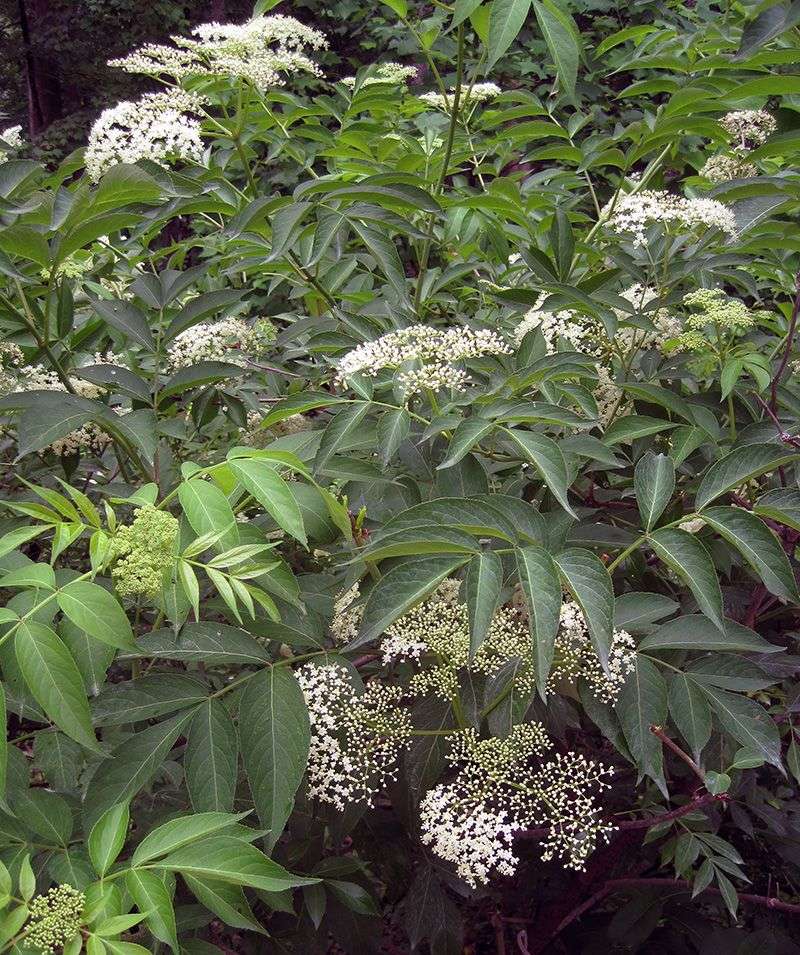
Elderberry is a plant with a long history and a big appetite for feeding wildlife. In early summer, it produces large, flat clusters of tiny white flowers.
Bees and butterflies swarm these blossoms, drawn by the sweet nectar they offer. The flowers are so plentiful that the whole shrub seems to hum with activity.
By late summer, those flowers turn into heavy bunches of dark purple berries. Songbirds go wild for them, and you might spot dozens of birds feasting at once.
People love elderberries too, though you must cook them first to make them safe to eat. Folks use the fruit for syrups, jams, and even homemade cold remedies.
This shrub grows fast and reaches five to twelve feet tall with a bushy, arching form. It fills space quickly, making it great for a natural hedge or screen.
Elderberry likes moist soil and full sun, but it tolerates a range of conditions. It handles damp spots that would trouble many other plants.
To keep it neat and productive, prune out older stems every few years in late winter. Fresh new growth produces the biggest flower clusters and berry crops.
Fun fact: elderflowers have been used in drinks and desserts for centuries across many cultures. You can pick a few clusters to make a fragrant elderflower cordial at home.
Plant elderberry along a fence or property edge where it has room to spread. You will gain a lively, useful shrub that feeds pollinators, birds, and maybe your family too, season after season.
6. Sweet Pepperbush
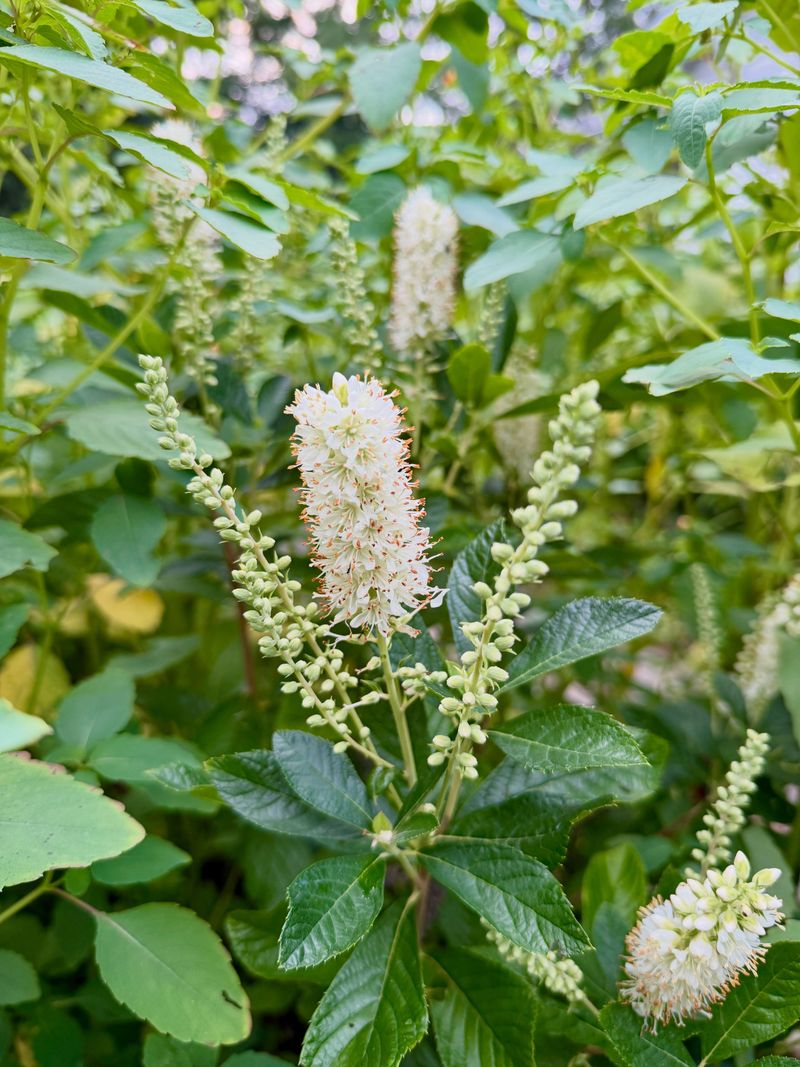
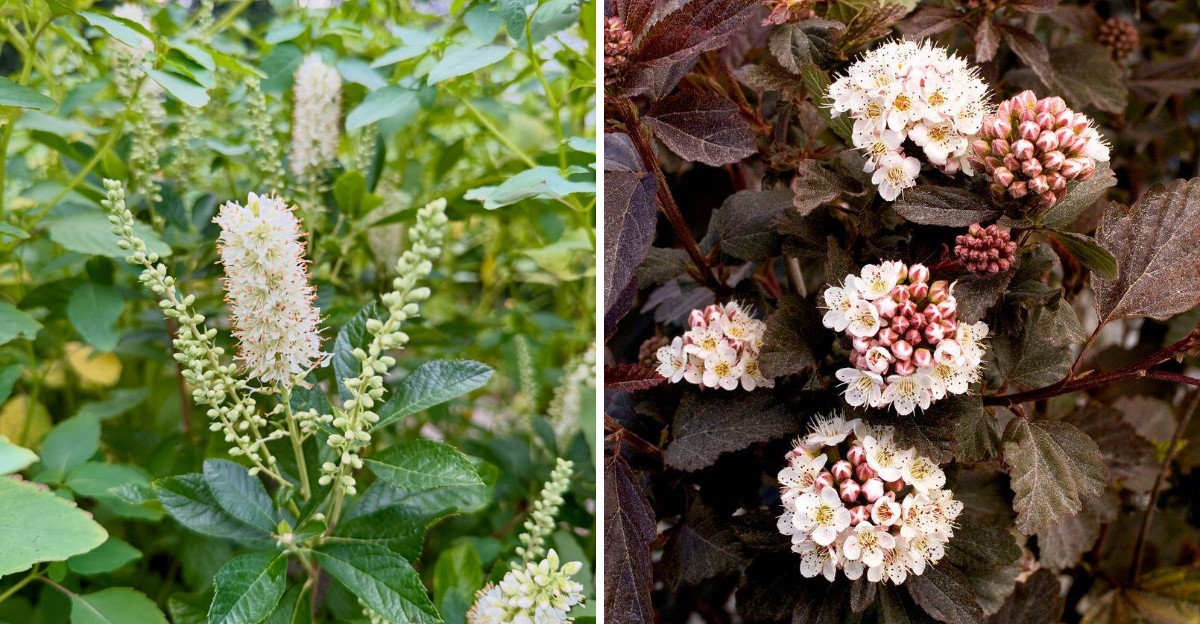
If you want a shrub that smells as good as it looks, sweet pepperbush is your plant. In mid to late summer, it sends up spikes of white flowers with a rich, spicy-sweet scent.
The fragrance drifts across the yard and draws pollinators from far and wide. Bees, butterflies, and moths crowd the blooms, making the shrub buzz with life.
This plant blooms when many other flowers have already finished. That makes it a valuable late-season nectar source when pollinators need extra food.
Sweet pepperbush grows three to eight feet tall and forms a tidy, rounded shape. It spreads slowly by roots, so over time you get a lovely little thicket.
The dark green leaves turn a warm golden yellow in fall, adding a second season of color. Small seed capsules follow the flowers and provide food for birds.
This shrub loves moist soil and can handle shade better than most flowering plants. It works well under trees or in damp spots where sun is limited.
It also tolerates salt, so it does fine near roads or coastal areas. That toughness makes it a smart pick for tricky planting spots.
Water it during dry stretches, especially in its first year, and it will settle in nicely. Trim lightly in early spring if you want to control its size.
Plant sweet pepperbush near a patio or walkway where you can enjoy the perfume up close. You will be rewarded with sweet scents, busy pollinators, and cheerful summer blooms every single year without much effort.
7. Ninebark
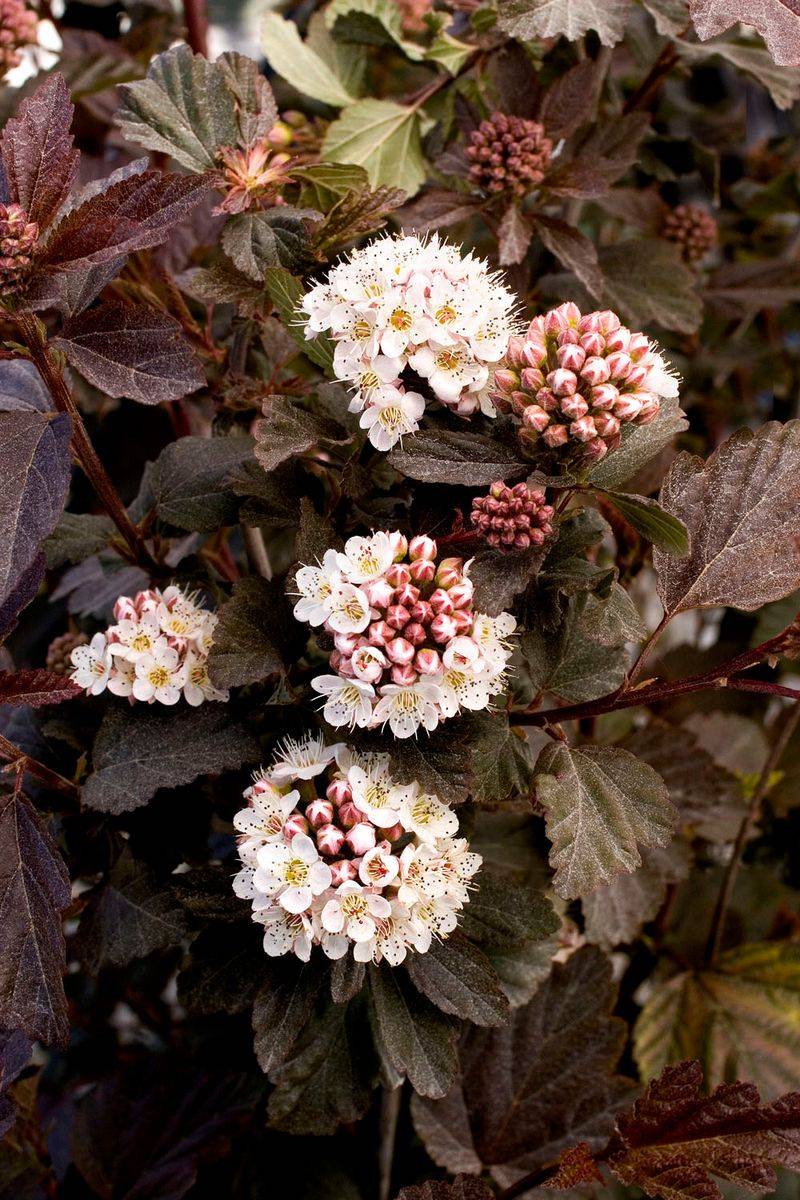
Ninebark is a hardworking shrub with a funny name and a lot of style. The name comes from its papery bark, which peels away in thin layers like many sheets of paper.
In late spring, rounded clusters of small white or pink flowers cover the branches. Bees and other pollinators visit these blooms eagerly for their nectar and pollen.
Many modern varieties have colorful leaves in shades of deep burgundy, gold, or lime green. That means you get eye-catching foliage from spring until frost, not just a quick flower show.
After the flowers fade, small reddish seed clusters form and attract hungry birds. The seeds hang on into fall, giving wildlife a steady food source.
This shrub is incredibly tough and adapts to almost any soil. It handles clay, drought, and cold winters without complaint, which makes it beginner-friendly.
Ninebark grows three to ten feet tall depending on the type you choose. Check the label so you pick a size that fits your space.
The peeling bark adds winter interest once the leaves drop, giving your garden texture in the quiet months. Little branches twist and curve in an appealing way.
Prune it right after flowering if you want to keep it compact and full. Cutting a few old stems at the base each year keeps the shrub fresh and healthy.
Use ninebark as a hedge, a background plant, or a bold focal point. With its colorful leaves, pollinator-friendly flowers, and bird-feeding seeds, it easily outperforms a plain crape myrtle in a Pennsylvania garden.