Why Texans Should Never Run Automatic Sprinklers Right After Summer Storms
Picture this: your garden hose finally gets a day off after a summer downpour drenches every corner of your lawn. You watch the water pool near the fence line, convinced the job is done for the week.
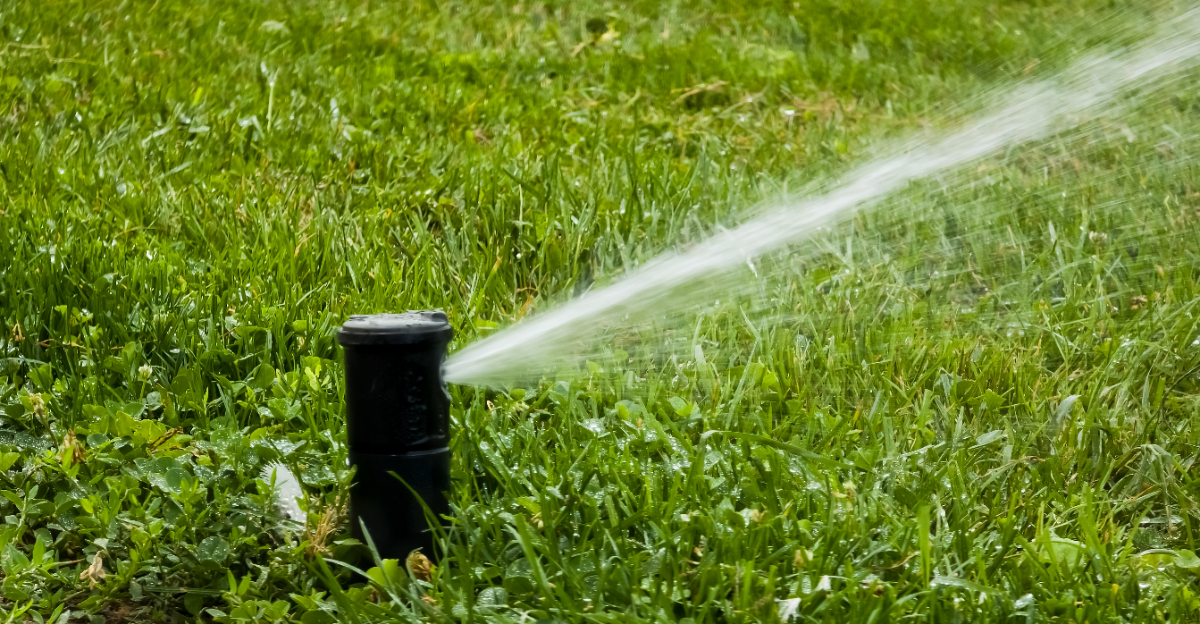
Then, right on cue, your sprinkler system fires up anyway. It keeps soaking grass that’s already saturated to the roots.
This scenario plays out in yards across the country more often than most homeowners realize, and it’s quietly draining wallets while stressing lawns in ways that aren’t always obvious right away.
Overwatering after a storm isn’t just wasteful. It creates the exact conditions that invite fungal disease, root rot, and shallow root growth, turning a resilient lawn into one that struggles the moment dry weather returns.
Storm Runoff Already Saturates Texas Clay For Days
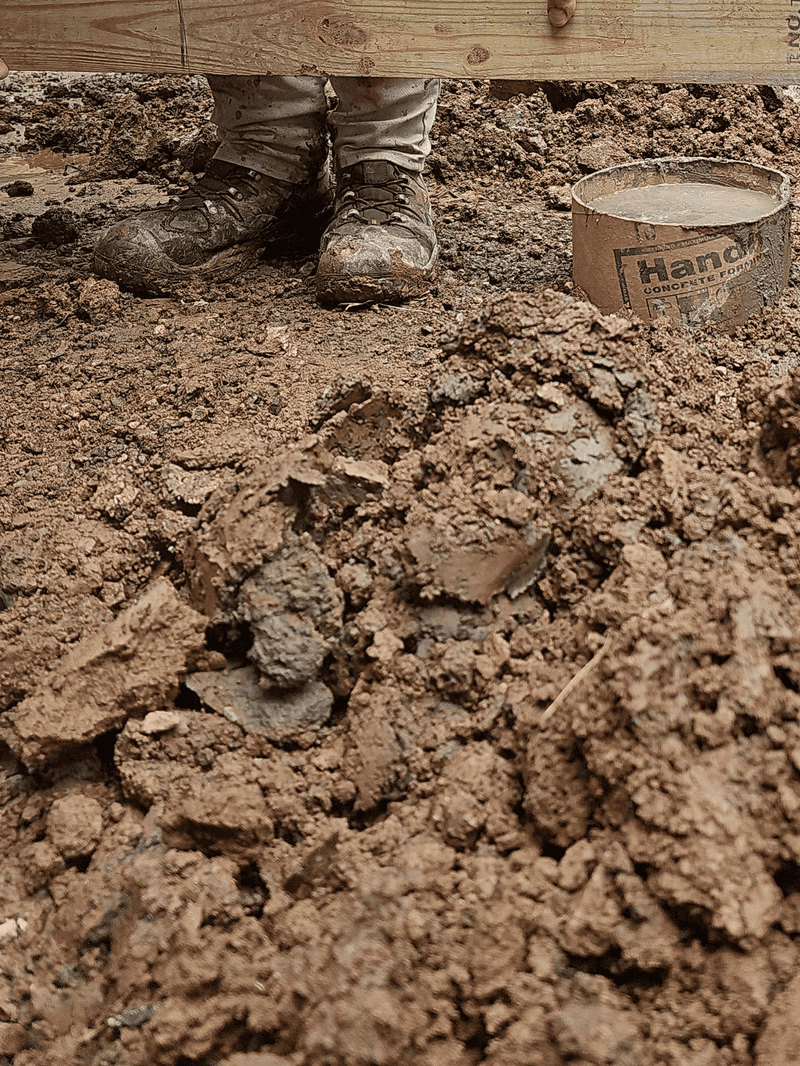
Clay soil does not forgive quickly. After a big summer storm, Texas clay holds onto moisture like a sponge that refuses to dry out.
Most homeowners assume the ground dries fast in Texas heat. The truth is, clay particles pack together tightly and trap water deep below the surface.
That trapped moisture can linger for two to three days after a storm. Running automatic sprinklers on top of already saturated soil just pushes water sideways, not downward.
Sideways water movement leads to runoff, which carries topsoil and nutrients straight into storm drains. You are literally washing away the good stuff your lawn needs to thrive.
Runoff also creates erosion channels in flower beds and along fence lines. Those ugly ruts take time, effort, and money to fix.
Texas clay behaves differently than sandier soils found elsewhere. Understanding how it behaves after storms is the first step toward smarter irrigation habits.
When runoff pools near your foundation, you also risk moisture damage to your home. A simple sprinkler delay protects both your yard and your house.
A quick check of the soil before your system runs can prevent most of this damage. Waiting even one extra day gives Texas clay the chance to release its trapped water naturally.
Skipping one watering cycle costs little and protects your soil structure.
Extra Water Pushes Roots Toward The Surface
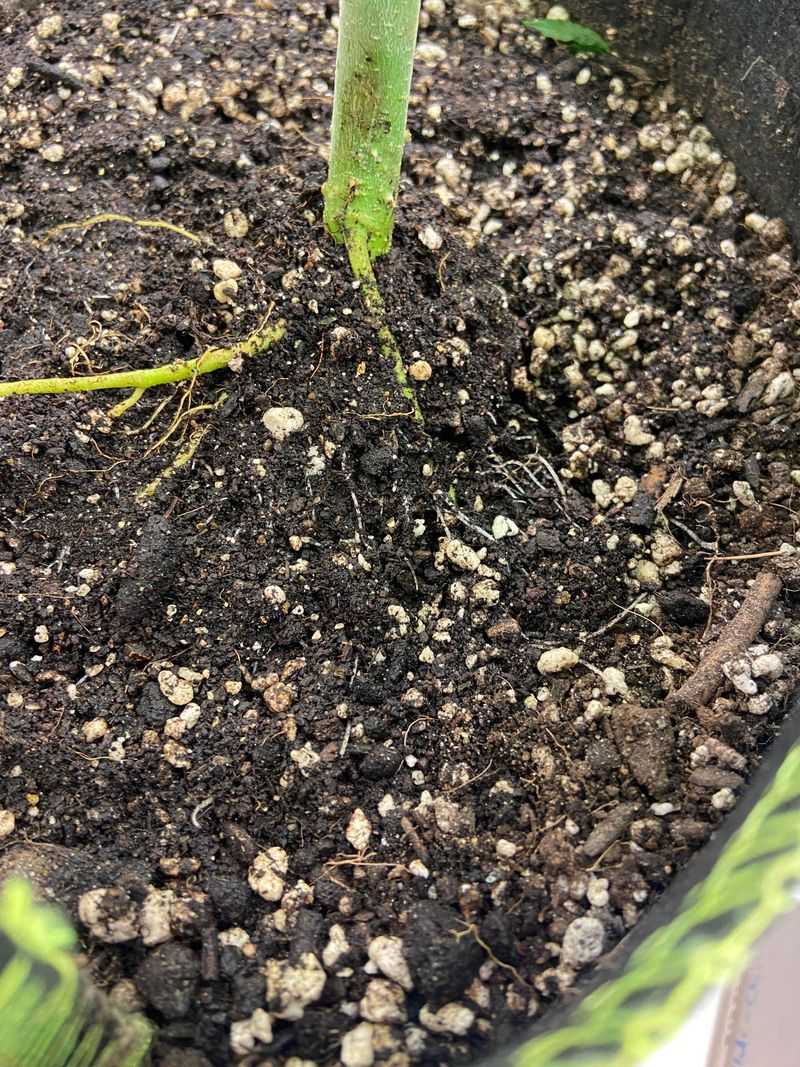
Roots are lazy by nature. When water sits near the top of the soil, roots stop reaching downward and cluster close to the surface instead.
Shallow roots make your lawn fragile. A single week of dry Texas heat can stress or damage grass that rarely had to work for its water.
Deep roots are the goal for any healthy lawn. They anchor your grass through drought, high winds, and the brutal heat that Texas summers deliver without apology.
Adding sprinkler water right after a storm trains roots to stay shallow. Over weeks and months, that habit creates a lawn that needs constant watering just to survive.
Think of it like this: a child who gets everything handed to them rarely builds resilience. Grass works the same way when water sits constantly near the surface.
Healthy deep roots can reach moisture stored several inches below ground. That stored moisture acts like a savings account during dry spells.
Your Texas Garden Changes Every Week. Your Plan Should Too.
Gardening in Texas changes quickly throughout the season. Every Friday you’ll receive a simple weekly plan showing exactly what to plant, prune, fertilize, harvest, and protect so you never miss the right timing.
Watering too frequently after storms keeps that savings account from ever forming. Your grass ends up dependent on you instead of the earth beneath it.
Giving roots a reason to grow downward is one of the best things you can do for long-term lawn health. Skipping post-storm sprinkler cycles is an easy way to start building that strength.
Soggy Soil Becomes A Breeding Ground For Fungus

Fungus loves two things: warmth and moisture. Texas summers provide plenty of both, and soggy soil after a storm is basically an open invitation.
Brown patch, gray leaf spot, and take-all root rot are common fungal diseases in Texas lawns. All of them thrive when soil stays wet for extended periods.
When automatic sprinklers add water to an already damp lawn, moisture levels spike past the threshold where fungal spores activate. Those spores are commonly present in the soil, waiting for the right conditions.
Once a fungal outbreak starts, it spreads fast. A small brown patch can double in size within a single week during hot, humid conditions.
Treating lawn fungus is expensive and time-consuming. Most fungicide products require multiple applications and still cannot guarantee full recovery.
Prevention is far cheaper than treatment. Letting the soil dry out between storm events and scheduled watering is one of the simplest preventive steps available.
Good air circulation and proper drainage also help, but timing your irrigation correctly is the most controllable factor. You have the power to reduce fungal risk with just one skipped watering cycle.
A healthy lawn should not smell musty or look slimy after rain. If yours does, the sprinkler schedule may be the biggest part of the problem.
Rain Sensors Prevent This Common Timing Mistake
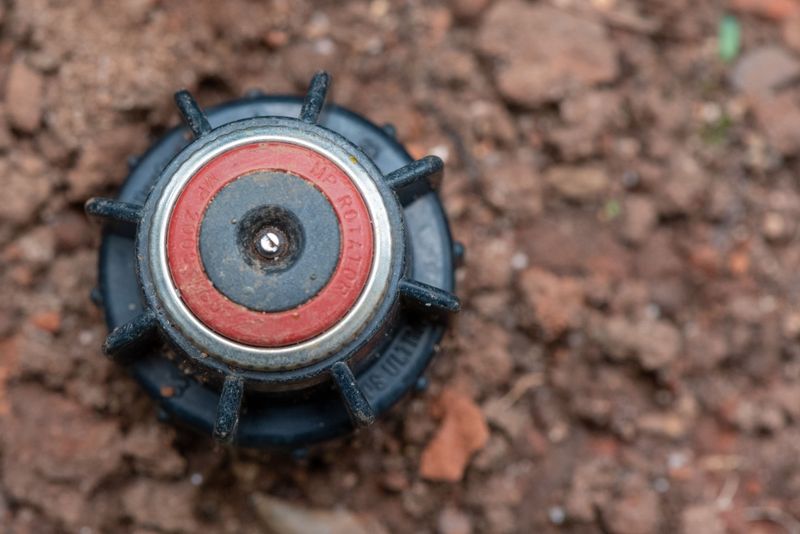
A rain sensor is one of the smartest and cheapest upgrades a homeowner can add to an irrigation system. For under fifty dollars, it can save hundreds in wasted water every season.
These small devices mount near your sprinkler controller and detect rainfall. When enough rain falls, the sensor automatically pauses your scheduled watering cycles.
Without a rain sensor, your automatic sprinklers have no idea a storm just passed through. They fire up on schedule regardless of what the sky just delivered to your lawn.
Most rain sensors allow you to set a threshold, such as a quarter inch of rainfall, before they trigger a pause. That customization makes them practical for different yard sizes and soil types.
Installation is usually straightforward enough for a confident DIYer. Many hardware stores carry compatible models for the most popular irrigation brands.
Some newer smart irrigation controllers take the concept even further. They connect to local weather data and skip watering days based on forecasts, not just current rainfall.
A smart controller paired with a rain sensor creates a nearly foolproof system. Your lawn gets water only when it actually needs it, not just because the clock says so.
Running sprinklers right after summer storms is a mistake that technology can largely prevent. Investing in a rain sensor is one of the easiest wins in home lawn care.
Soil Moisture Tests Reveal The Right Time To Restart
Guessing when to water is a common source of lawn problems. A soil moisture meter takes most of the guesswork out of the equation.
These simple tools cost between fifteen and forty dollars at most garden centers. You push the probe a few inches into the ground and read the moisture level on a small dial or digital display.
A reading in the dry zone means your lawn is ready for irrigation. A reading in the wet or moist zone means you should wait another day and check again.
Most grass types in Texas, including St. Augustine and Bermuda, prefer soil that cycles between moist and slightly dry. Constant wetness stresses the root system and reduces overall turf health.
After a summer storm, soil moisture levels often read at the highest end of the scale. That single reading can tell you more than any watering schedule ever could.
Testing in multiple spots across your yard gives you a fuller picture. Soil moisture can vary significantly between shaded areas and spots that get full afternoon sun.
Making moisture testing a weekly habit during storm season changes how you interact with your lawn. You stop reacting to a schedule and start responding to what the soil actually needs.
The right time to restart sprinklers is when the soil asks for water, not when the timer does. A moisture meter gives your lawn a voice worth listening to.
Skipping A Cycle Saves Money On Summer Water Bills
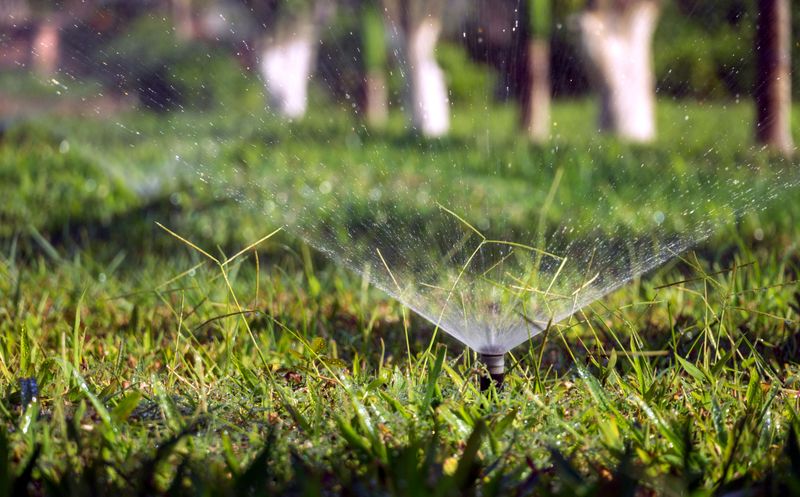
Water bills in Texas during summer can climb shockingly fast. Irrigation systems account for a large share of a household’s total water use during peak summer months.
Skipping even one or two sprinkler cycles after a storm adds up to real savings over a season. A single missed cycle can save a meaningful amount of water, depending on system size.
Multiply that across every storm event from June through September and the savings become significant. Homeowners who adopt smarter irrigation habits often see noticeable savings on summer water bills.
Water rates in many Texas municipalities have also increased in recent years. Every gallon you do not waste is a gallon you do not pay for.
Beyond the bill, water conservation matters at a community level. Aquifers and reservoirs across the state face real pressure during drought years.
When thousands of households skip post-storm watering cycles, the collective impact on water supply is meaningful. Individual choices scale up in ways that benefit everyone.
Some utility providers even offer rebates for installing rain sensors or smart irrigation controllers. Checking with your local water authority could put money back in your pocket on top of the monthly savings.
Running automatic sprinklers right after summer storms is not just bad for your lawn; it is a quiet drain on your budget every single season. One skipped cycle is a small act with a surprisingly strong payoff.