How Wyoming Homeowners Can Protect Their Yards During Record-Breaking Heat
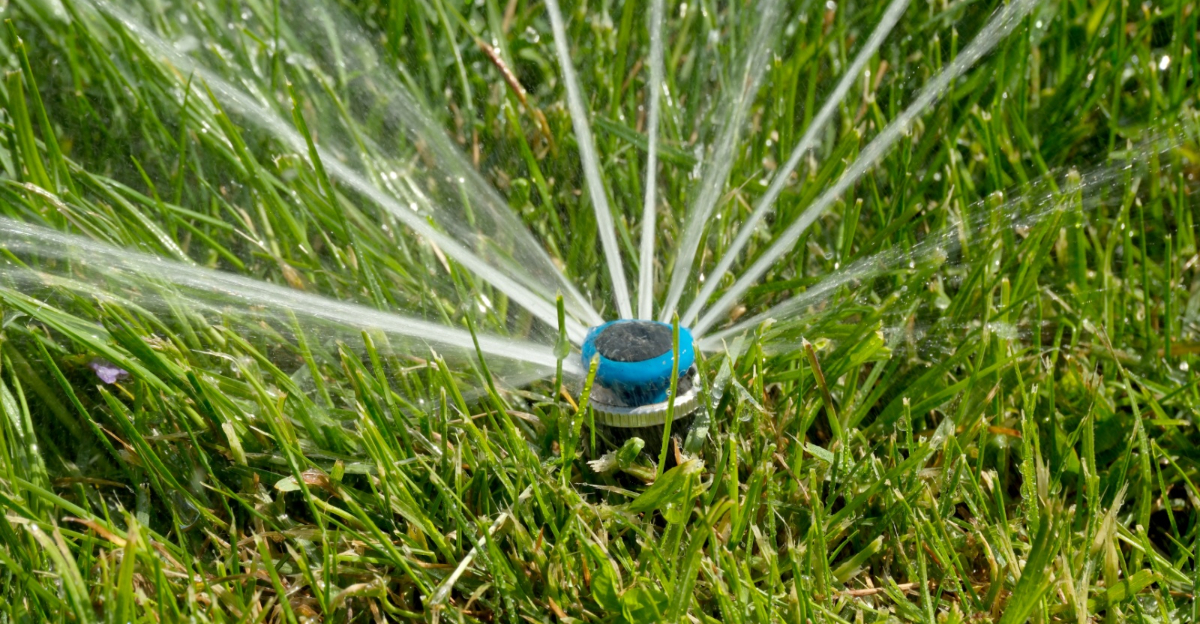
Heat like this never warns you before it strikes. Your soil loses moisture faster than you can react. Grass fades within hours, not weeks.
Roots weaken quietly while the surface still looks healthy. Wyoming summers push every plant past its natural limit. Wind pulls water from your yard relentlessly.
Shade fades fast once the sun climbs overhead. Soil heat rises long before air temperature catches up. Cheyenne lawns crack under pressure most people never notice.
Jackson gardens struggle despite cooler mountain air nearby. Every plant responds differently to sustained, intense heat. Timing your response matters more than raw effort.
Small mistakes multiply fast during extreme weather stretches. Strategy beats guesswork when Wyoming heat spikes without warning. Waiting even a single day can cost you dearly.
Neglect wears down your yard faster than most homeowners ever expect during summer here. You have no time left to watch your yard fade away today.
1. Water Lawns Before Sunrise Heat Hits
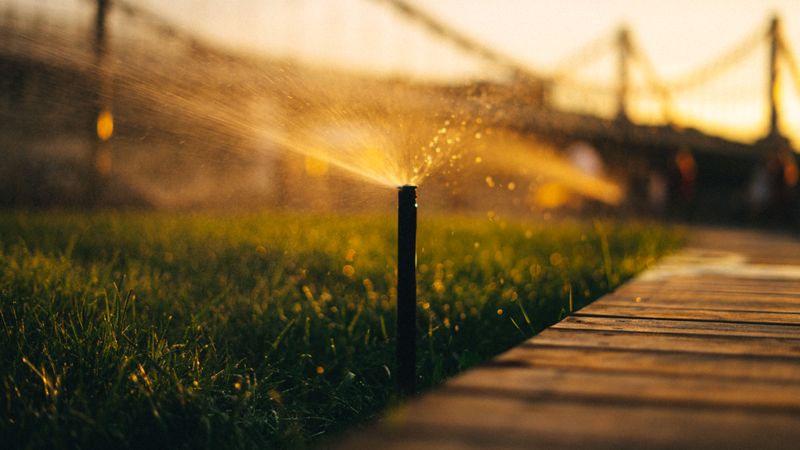
Picture this: your sprinklers kick on at 5 a.m. while your neighbors are still asleep. That quiet morning ritual might be the single smartest move you make all summer.
Watering before sunrise gives moisture time to soak deep into the soil. It reaches the roots before the sun turns your yard into a frying pan.
Midday watering is significantly less effective. Heat evaporates surface water so fast that your grass barely gets a sip before it is gone.
Morning watering also reduces the risk of fungal diseases. Wet grass sitting overnight in cool air invites mold and mildew, but morning moisture dries naturally by afternoon.
A simple timer on your hose bib can automate this whole process. Set it once, and your lawn gets consistent care without you losing sleep.
Aim for at least one inch of water per week, and consider adding more during extreme heat, since needs vary by soil type. Use a small container near your sprinkler to measure how much is actually landing on the grass.
If your soil feels hard and dry an inch below the surface, your current schedule is not enough. Adjust by adding five to ten minutes to each watering cycle.
Protecting your yard during record-breaking heat starts with getting water to the right place at the right time. Early morning watering is the foundation everything else is built on.
2. Raise Mower Blades For Cooler Roots
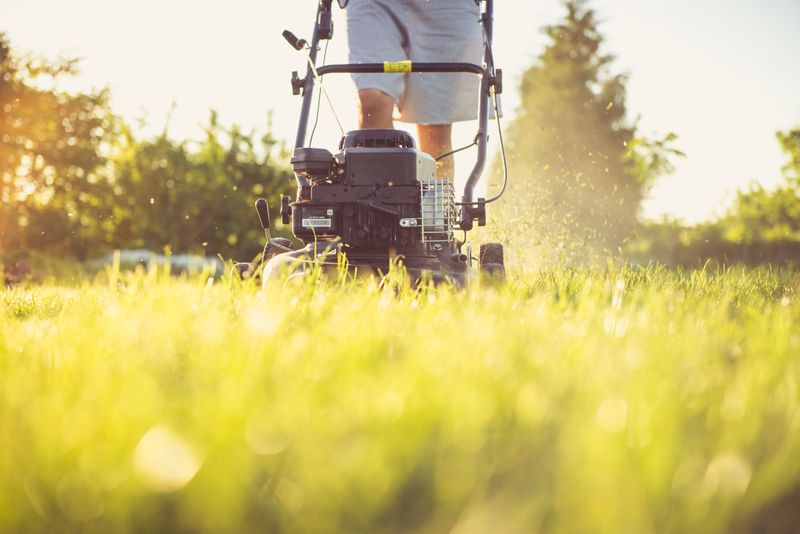
Most people mow on autopilot, using the same blade setting year-round without a second thought. That habit can seriously weaken your lawn when temperatures spike.
Cutting grass too short during a heat wave exposes the soil directly to sunlight. Bare soil heats up fast, and hot soil cooks the roots hiding just below the surface.
Raising your mower blade to three or even four inches makes a real difference. Taller grass blades shade the ground beneath them, keeping soil temperatures noticeably lower.
Think of it like wearing a hat on a hot day. The grass is shading its own roots the same way a brim shields your face from harsh rays.
Taller grass also holds moisture better. The extra leaf surface slows evaporation and keeps your lawn feeling softer underfoot, even in dry conditions.
Avoid mowing during the hottest part of the day if you can help it. Freshly cut grass loses moisture quickly, and the stress compounds when the air is already scorching.
Sharpen your mower blades at least once during the summer season. Dull blades tear grass instead of cutting cleanly, leaving ragged edges that brown faster in the heat.
A few simple blade adjustments put your lawn in a much stronger position for the season ahead. Cool roots mean healthy grass, and healthy grass bounces back faster when the weather finally breaks.
3. Skip Fertilizing Until Heat Breaks
Fertilizer bags always look tempting at the hardware store, promising lush green results. During a heat wave, though, that bag is better off staying on the shelf.
Applying fertilizer during extreme heat puts extra strain on an already stressed lawn. Your grass is already stressed, and fertilizer pushes it to grow faster than it can handle.
High-nitrogen fertilizers are especially risky in summer heat. They cause rapid top growth that demands more water than the roots can supply during a drought.
This is commonly known as fertilizer burn. The grass blades turn yellow, then brown, and the damage can look a lot like a disease or pest problem.
Timing matters more than most homeowners realize. Fertilizing in spring before heat arrives or in early fall after it passes gives your lawn the best shot at absorbing nutrients safely.
Since frost dates vary widely across Wyoming, adjust this window based on your specific location.
If your lawn looks pale or thin right now, resist the urge to feed it. Instead, focus on watering deeply and consistently until cooler temperatures return.
Slow-release fertilizers are a safer option if you absolutely must apply something during warm months. They deliver nutrients gradually and reduce the risk of shocking heat-stressed grass.
Patience is genuinely one of the best tools in your summer lawn kit. Waiting for the right moment to fertilize will reward you with greener, stronger growth when the season finally cools down.
4. Mulch Beds To Trap Moisture
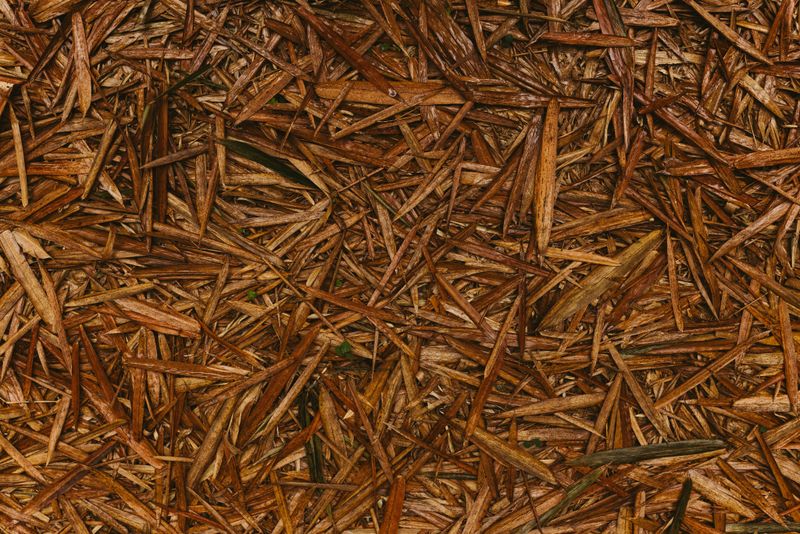
Good mulch is like tucking your garden beds into a cozy blanket, except this blanket fights heat instead of keeping things warm. A solid layer of mulch can change everything for struggling plants.
Mulch slows evaporation by covering the soil surface and blocking direct sunlight. That means the water you apply actually sticks around long enough to do some good.
Aim for a two to three inch layer of organic mulch around your plants. Wood chips, shredded bark, and straw are all solid options that break down slowly over the season.
Pull the mulch back slightly from plant stems to prevent rot. You want coverage on the soil, not a pile pressing against the base of each plant.
Beyond moisture retention, mulch also regulates soil temperature. Mulched soil generally stays noticeably cooler than bare ground on a hot afternoon.
Cooler soil means roots stay active and healthy even when the air above feels harsh. Active roots absorb water and nutrients more efficiently, keeping plants upright and strong.
Refreshing mulch mid-season is a smart move if you notice it thinning out. Wind and decomposition eat away at it over time, reducing its effectiveness as a heat shield.
A bag of mulch costs just a few dollars and can save an entire garden bed from wilting. That is one of the best returns on investment available for summer yard care.
5. Shift Sprinklers To Twice Daily
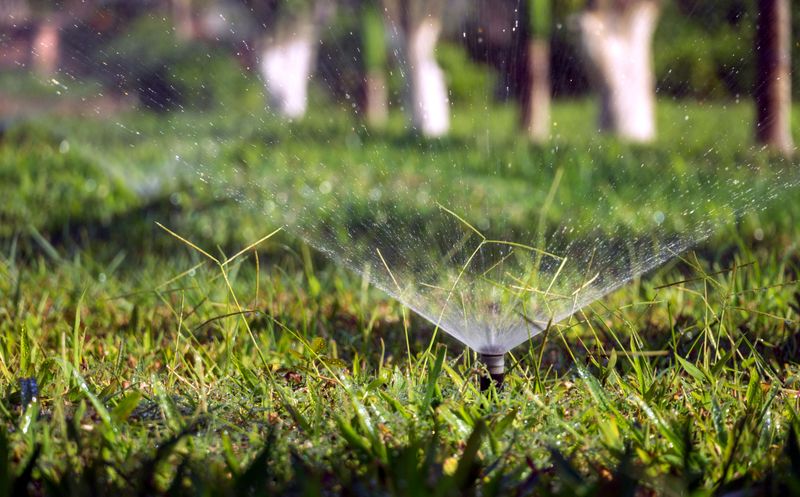
One deep watering session used to be enough on normal summer days. Record-breaking heat changes the math entirely, and your sprinkler schedule needs to catch up.
Splitting your watering into two shorter sessions can help your lawn handle harsh Wyoming conditions. A morning session and a brief early evening session keep soil moisture from dropping to dangerous levels.
The key word here is brief. You are not doubling your water use. You are splitting the same amount into two targeted windows throughout the day.
Early evening watering should happen no later than 6 p.m. This gives grass blades enough time to dry before nightfall, which lowers the chance of fungal growth, especially important during Wyoming’s dry summer stretches.
Watch for signs your current schedule is not enough. Footprints that stay pressed into the lawn, or grass that looks bluish-gray, signal serious dehydration.
Sprinkler placement matters just as much as timing. Make sure heads overlap slightly so no patch of lawn is left dry and unprotected during the hottest stretches.
Drip irrigation systems are worth considering for garden beds during Wyoming heat emergencies. They deliver water directly to the root zone with almost no evaporation loss along the way.
Adjusting your sprinkler routine is one of the fastest ways to protect your yard during record-breaking heat without making expensive changes. Small timing shifts can keep your lawn green when everything around it turns brown.
6. Check Trees For Heat Stress
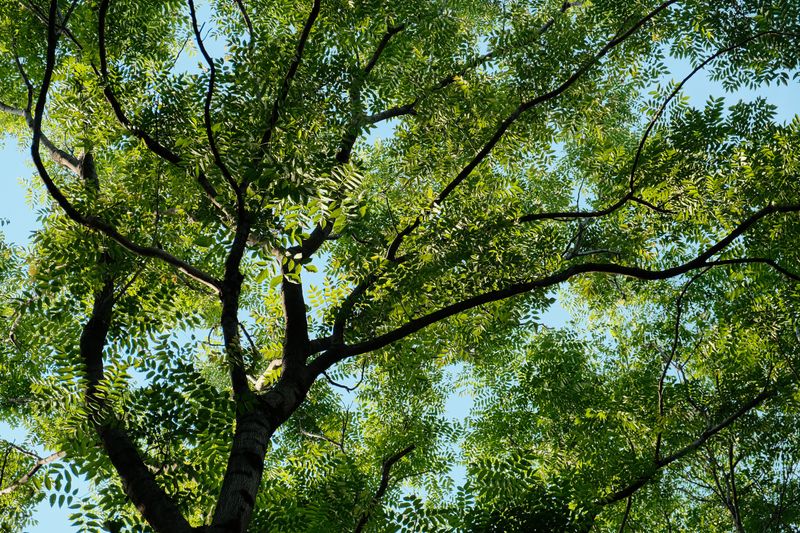
Trees seem tough enough to handle anything, and usually they are. But a prolonged heat wave with no rain can push even a mature cottonwood to its breaking point.
Heat stress in trees shows up in specific, recognizable ways. Look for leaves that curl inward, turn yellow prematurely, or drop off the tree before fall arrives.
Wilting branches on just one side of the tree are another red flag. Uneven stress often points to a root problem or a spot where the soil has dried out completely.
Young trees planted within the last two or three years are most vulnerable. Their root systems have not spread wide enough yet to find water deeper in the soil.
Water young trees slowly and deeply at the base, not from above. A slow trickle once or twice a week encourages roots to grow downward, adjusting time based on your hose’s flow rate and soil type.
Established trees benefit from deep watering too, especially if rainfall has been scarce. Place a soaker hose in a wide circle around the outer edge of the canopy.
Avoid pruning stressed trees during a heat wave. Pruning wounds create entry points for pests and disease at a time when the tree is less able to resist them.
Your trees add serious value to your property and provide natural cooling shade for your home. Catching heat stress early keeps them standing strong for decades to come.
7. Avoid Walking On Grass Midday

Your lawn may look sturdy enough to handle foot traffic on a hot afternoon. The truth is, midday is the worst possible time to walk across heat-stressed grass.
Grass blades lose most of their flexibility when they are dehydrated and overheated. Each step crushes the weakened cellular structure, causing damage that shows up as brown footprint-shaped patches within hours.
These crushed blades cannot spring back the way healthy grass does after a cool morning. The damage compounds day after day if the same paths are used repeatedly.
Kids and pets are usually the biggest culprits when it comes to midday lawn traffic. Redirecting playtime to shaded areas or hard surfaces during peak heat hours protects the grass significantly.
If you need to cross the lawn, try to do it before 10 a.m. or after 5 p.m. when temperatures have dropped and the grass has a bit more resilience.
Laying stepping stones or pavers along frequently used paths is a longer-term fix. Stone paths take the foot traffic while the surrounding grass stays untouched and protected.
Roped-off sections or simple garden edging can signal to guests and family members that certain areas need a break. A small visual cue goes a long way in preserving your lawn.
Protecting your yard during record-breaking heat sometimes means just staying off the grass. That simple habit can mean the difference between a recovery and a full re-seeding project.
8. Group Potted Plants In Shade
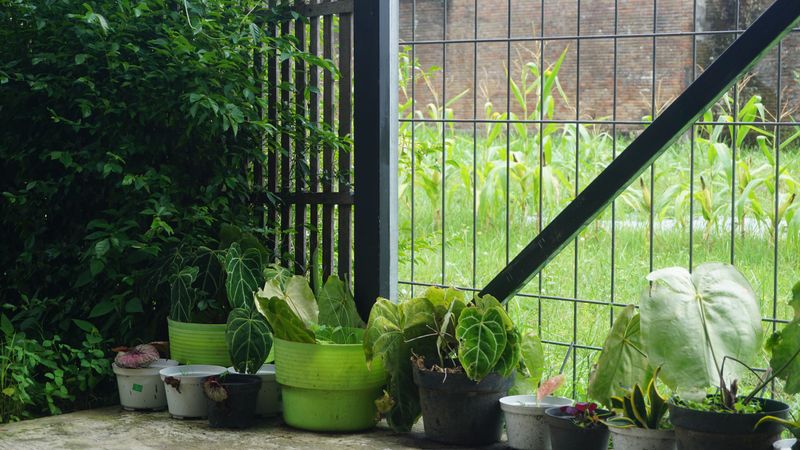
Container plants are the most vulnerable members of any yard during a heat wave. Unlike in-ground plants, their roots have nowhere to escape the heat baking through the pot walls.
Terra cotta and dark-colored pots absorb heat like crazy on a sunny afternoon. Soil inside those containers can reach temperatures that damage roots within just a few hours.
Moving pots into a shaded corner or under a patio umbrella during peak heat is a quick fix. Shade reduces container temperature dramatically and slows down moisture evaporation at the same time.
Grouping plants together creates a natural microclimate between the pots. Leaves overlap, humidity builds slightly, and each plant benefits from the shade cast by its neighbors.
Taller plants can be placed on the south or west side of the group to block the harshest afternoon sun. Strategic placement turns a simple cluster into a self-protecting community.
Check soil moisture in containers at least once a day during extreme heat. Pots dry out much faster than garden beds, and a single missed watering can be seriously harmful for small plants.
Self-watering containers are a smart investment for summer. They hold a reservoir of water at the base that plant roots can draw from as needed throughout the day.
Grouping your potted plants is one of those effortless moves that pays off immediately. Your containers will thank you, and your patio will look lush instead of wilted all summer long.