This Is The Invasive Insect Targeting Texas Lawns At An Alarming Rate
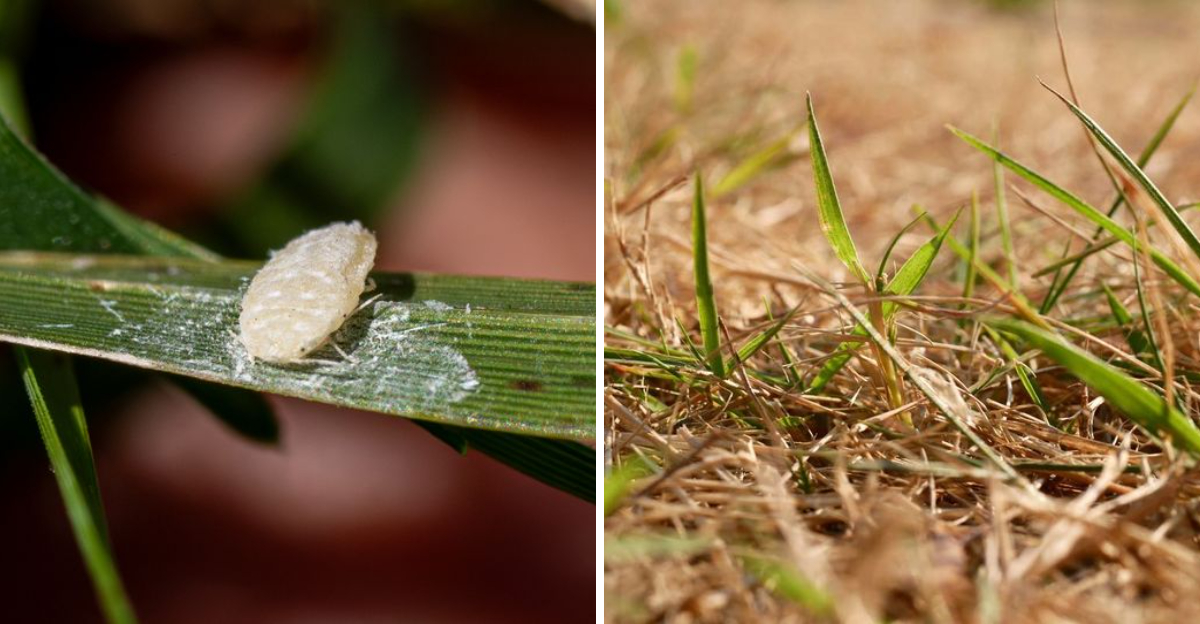
Something is damaging Texas lawns at a rate that has pest management experts paying close attention.
Patches of brown appear seemingly overnight, healthy looking grass turns thin and weak without obvious explanation, and the usual suspects like drought stress or overwatering don’t quite account for what homeowners are seeing.
The real culprit is smaller than most people would expect, and it’s spreading through Texas lawns at an alarming pace. An invasive insect is behind it.
And most homeowners have no idea it’s even there. This pest works below the surface and out of sight, which is exactly what makes it so effective and so difficult to catch early.
By the time the visible damage appears on your lawn, the infestation is often well established and has already been active for longer than you’d want to know.
Texas turf specialists are seeing more cases this season than in previous years, and the geographic spread is widening.
Here’s what this invasive insect is, how to identify an infestation, and what to do before it takes over your lawn.
The Invasive Insect Targeting Texas Grasslands At An Alarming Rate
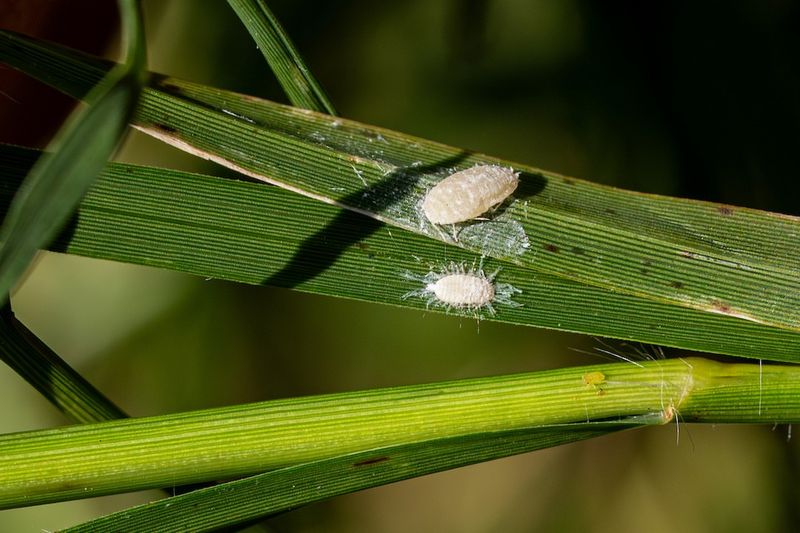
Not every lawn pest makes the news, but the pasture mealybug has earned serious attention from Texas agricultural experts.
This small, soft-bodied insect belongs to the mealybug family and has been found spreading across Texas at a pace that is raising red flags for ranchers and landowners. It is not your typical backyard bug.
The pasture mealybug primarily targets pasture grasses, hayfields, and forage crops. Grasses like bermudagrass, buffalograss, and other species common to Texas rangeland are especially vulnerable.
Homeowners with small suburban lawns are far less likely to encounter this pest compared to those managing large tracts of rural land.
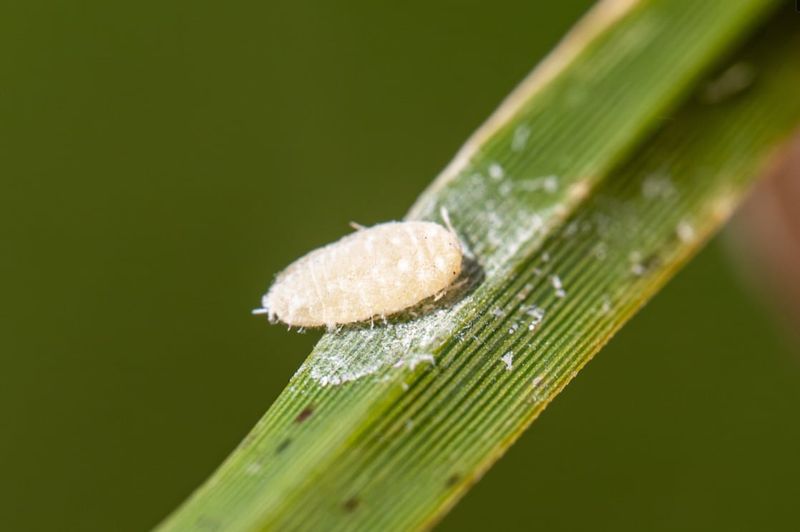
What makes this insect particularly tricky is its size. Adult females are tiny, often just a few millimeters long, and covered in a whitish, waxy coating that helps them blend into plant material.
They cluster near the base of grass stems and crowns, making them easy to overlook during a casual inspection.
Originally not native to Texas, this pest has found the state’s warm climate and abundant grasslands to be a very welcoming environment. Researchers and extension agents have been tracking its spread and urging landowners to stay alert.
The earlier this insect is spotted, the better the chances of slowing its movement across a property.
Awareness is the first and most powerful tool landowners have right now. Knowing that this pest exists, knowing what it looks like, and knowing where it tends to show up can make a real difference in how quickly action is taken when something seems off in the pasture.
Why This Pest Has Texas Landowners Worried
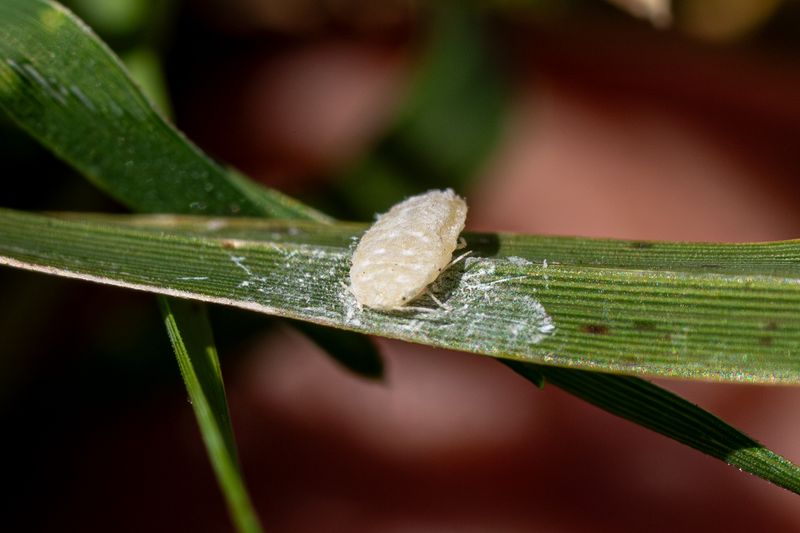
Picture spending months managing a pasture, keeping water lines working and fences solid, only to watch your grass weaken from something you cannot even see with a quick glance.
That is the frustrating reality many Texas landowners are facing as pasture mealybug populations grow.
Your Texas Garden Changes Every Week. Your Plan Should Too.
Gardening in Texas changes quickly throughout the season. Every Friday you’ll receive a simple weekly plan showing exactly what to plant, prune, fertilize, harvest, and protect so you never miss the right timing.
The reason this pest is so concerning comes down to how it feeds. Pasture mealybugs use piercing mouthparts to suck the sap directly out of grass plants.
Over time, that constant feeding drains the plant of nutrients and moisture it needs to stay strong. Grass that is being fed on this way cannot grow the way it should.
When infestations are moderate to severe, the effects on forage production can be significant. Grass thins out, regrowth slows down, and the overall quality of the pasture drops.
For livestock producers, that means less feed available for cattle, horses, goats, and other animals that depend on healthy forage to thrive.
Rural landowners who lease their land for grazing also feel the financial pressure. When forage quality drops, stocking rates may need to be reduced.
That can translate directly into lost income, especially during already tough drought years when Texas grasses are already under stress.
Beyond the economics, there is also concern about how quickly this pest can spread from one property to another. Mealybugs can be transported on equipment, hay bales, and plant material without anyone realizing it.
That ease of movement is a big part of why agricultural professionals are urging landowners to take this seriously and act fast when symptoms appear.
What Damage Looks Like In The Field
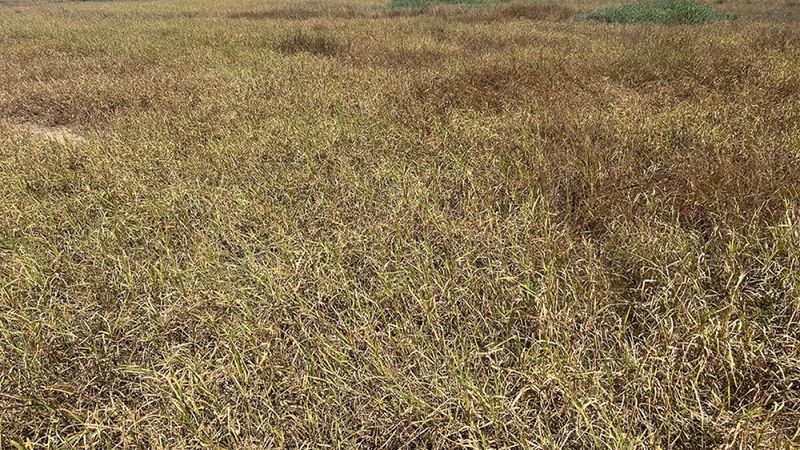
Spotting pasture mealybug damage early is not always easy, especially because the signs can look a lot like other common grass problems. Still, knowing what to look for gives landowners a head start before the damage gets out of hand.
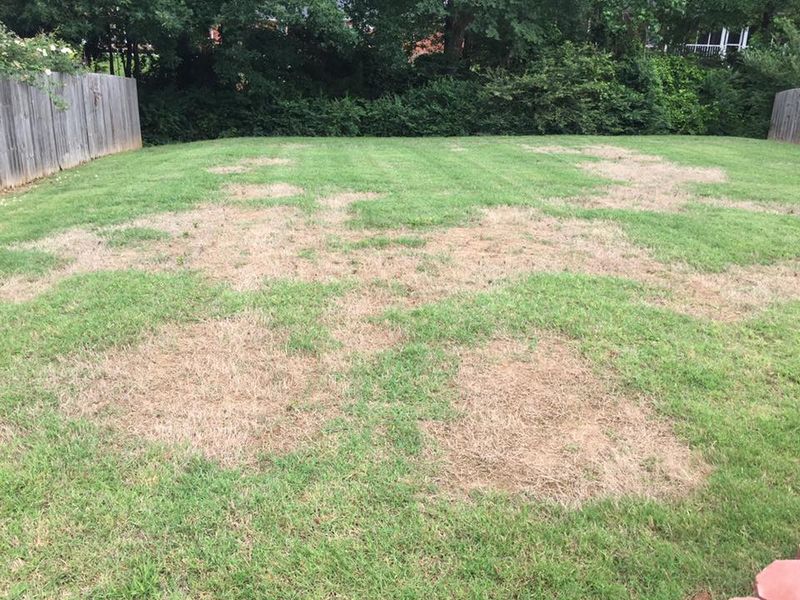
One of the first things you might notice is scattered yellow or pale patches in an otherwise green pasture. These patches often appear in irregular shapes rather than neat circles or rows.
The grass in those areas may look tired, stressed, or simply off-color compared to surrounding growth.
As the infestation continues, those yellow areas may turn brown and begin to thin out. Grass density drops noticeably, and bare soil may start to show through where thick forage once grew.
In some cases, the affected grass stops growing back the way it normally would after grazing or mowing.
One detail that stands out with mealybug damage is that the affected areas can look exactly like drought stress, even when the land has received normal rainfall.
Grass that should be recovering after a rain event simply does not bounce back. That failure to regrow is an important clue that something beyond weather is at play.
If you walk through a suspicious area and part the grass near the soil surface, you may spot the tiny white waxy clusters that signal mealybug presence. They tend to gather at the base of stems and around the crown of the plant.
Looking closely at the lower portions of individual grass plants is the most reliable way to catch an infestation before it spreads much further across your land.
Why It Can Be Confused With Drought Or Heat Stress
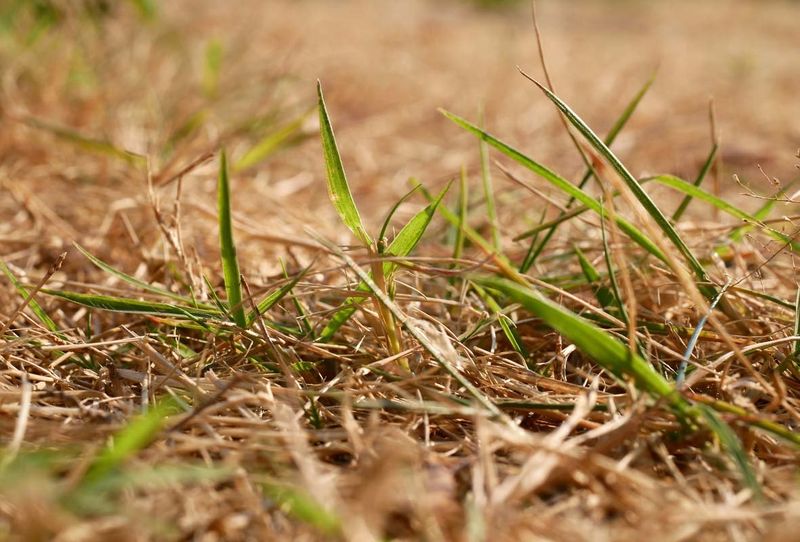
Texas summers are no joke. Heat indexes regularly push past 100 degrees Fahrenheit, and dry spells can stretch for weeks at a time.
So when brown patches start showing up in a pasture, most landowners understandably reach for the easiest explanation: the weather did it.
That assumption is exactly what makes pasture mealybug so dangerous to overlook. The visual symptoms of a mealybug infestation are almost identical to classic heat and drought stress.
Brown grass, thinning coverage, slow regrowth, and a generally tired-looking pasture are signs that fit both problems perfectly.
There is one key difference, though. Drought-stressed grass typically shows improvement after rainfall or irrigation.
Mealybug-damaged grass often does not. If your pasture received decent rain recently and the brown patches are not greening up the way you would expect, that is a strong reason to investigate further rather than waiting for the next rain cycle.
Another clue is the pattern of damage. Drought stress often affects a pasture more evenly or follows soil type and low spots.
Mealybug damage tends to show up in scattered, irregular patches that may slowly expand outward from a central point over time. Watching how the damage pattern changes over several weeks can help you tell the difference.
Getting curious and inspecting more closely is always the right move when something seems off.
Pulling back grass near the crown, checking the base of stems, and even using a hand lens to look for tiny white waxy insects can reveal the truth quickly. Do not let a wrong assumption cost you an entire season of forage production.
What Texas Property Owners Should Do If They Suspect It
Suspecting a pasture mealybug problem is stressful, but taking the right steps quickly can make a real difference. The most important thing you can do right away is slow down and observe carefully before jumping to any treatment decisions.
Start by documenting what you see. Take clear photos of the affected grass patches, noting the location on your property and the approximate size of the affected areas.
Track whether the patches are growing, staying the same, or improving over time. That record will be incredibly helpful when you talk to an expert.
Next, physically inspect the grass in the suspicious areas. Get down close to the soil surface and gently spread the grass blades apart near the crown and base of the stems.
Look for small, whitish, waxy clusters of insects. A simple hand magnifying lens can help you see them more clearly if your eyesight needs a little boost at that scale.
Avoid moving any plant material, hay, or equipment from a potentially infested area to other parts of your property or to neighboring land.
Mealybugs spread easily through contaminated material, and unintentional movement is one of the main ways infestations jump from one location to another.
Reach out to your local Texas A&M AgriLife Extension office as soon as possible. Extension agents are trained to help identify pest problems and can connect you with entomologists or other specialists if needed.
They can also guide you toward management options that make sense for your specific situation. Early identification is genuinely one of the most effective tools available when dealing with any emerging invasive pest.
How To Frame The Risk Accurately
Before anyone starts worrying that every brown patch in their yard is a sign of an incoming insect invasion, it helps to put the pasture mealybug risk in the right perspective.
Understanding what this pest actually is and is not makes it much easier to respond calmly and wisely.
Pasture mealybug is primarily a threat to working grasslands, hayfields, and forage crops. If you manage acres of bermudagrass pasture for cattle, or if you produce hay commercially, this pest deserves your full attention.
If you have a typical suburban lawn in a Texas city, your risk level is much lower, and a brown patch in July is still more likely tied to summer heat than to mealybugs.
The bigger concern right now is how quickly this pest can spread across rural areas through everyday agricultural activities.
Moving hay from an infested field to a clean one, sharing equipment between properties, or replanting grass from affected areas can all help the pest travel farther and faster than it would on its own.
Responsible management starts with confirmation. Do not treat a pasture for mealybugs based on a hunch alone.
Get the pest properly identified through an extension office or certified agricultural professional before spending money on any control measures. Treating the wrong problem wastes resources and time.
Staying alert, sharing information with neighboring landowners, and reporting confirmed sightings to local extension services all contribute to a broader effort to track and slow this pest across Texas.
Collective awareness among the agricultural community is one of the strongest responses available right now against an invasive species that is still in the early stages of its spread.