Texas Rose Tasks To Do In October To Protect Next Year’s Blooms
Many Texas rose growers follow a simple rule of thumb. The big pruning happens around Valentine’s Day.
That’s when roses get cut back and shaped for the year ahead. So what should you be doing now?
October is less about cutting and more about setting the stage. The choices you make this month help decide how healthy your roses will be heading into winter, and how strong they’ll come back in spring.
Fallen, spotted leaves can carry disease into next season. Feeding at the wrong time can push out tender growth right before a freeze.
Thirsty roots and bare soil can leave plants stressed during dry fall spells. A few simple tasks now can protect next year’s flowers before they’ve even formed.
Put in a little effort this month, and your roses will reward you with a bigger, healthier show when spring arrives.
1. Clean Up Black Spot Leaves
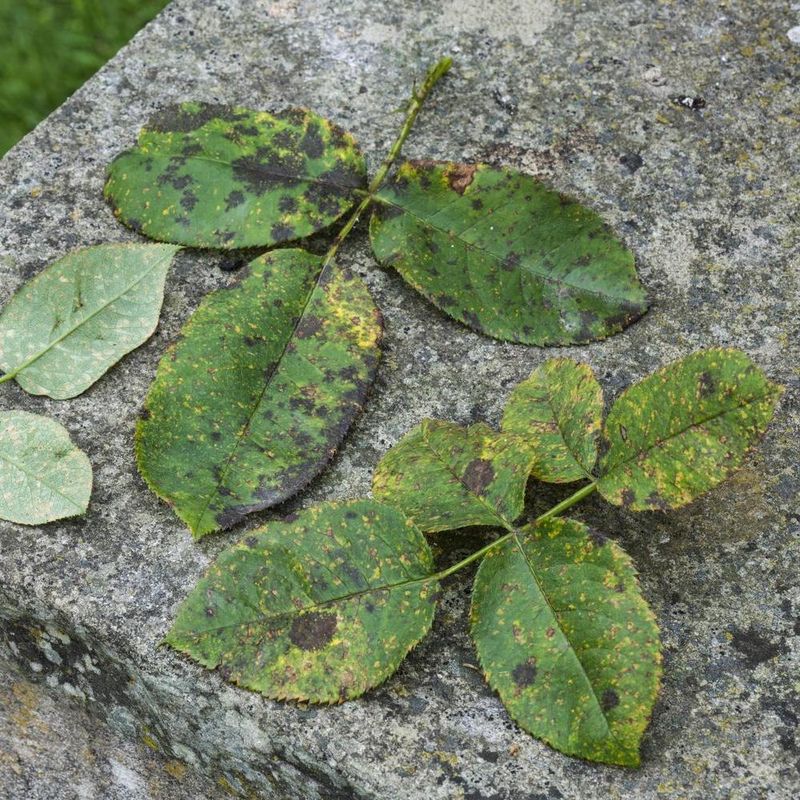
Black spot is the sneaky troublemaker of the rose world. It shows up as round, dark spots with fuzzy edges, and the leaves around them turn yellow. Before long, those leaves drop to the ground.
Fall in Texas gives this fungus everything it loves. Rain showers soak the leaves, and cool nights keep them damp for hours. That moisture lets the fungus spread fast from leaf to leaf.
Here is the tricky part. The fungus does not go away when the leaves fall. It hides in the debris on the ground all winter long.
When spring rains arrive, water splashes the spores right back onto fresh new leaves, and the cycle starts again.
Breaking that cycle is simple. Walk around each bush and pull off any leaves with spots. Then grab a rake and clear away every fallen leaf around the base of the plant. Check under nearby shrubs too, since leaves like to blow and gather in corners.
Put all of that debris in a trash bag. Do not toss it in your compost pile. Most home compost bins do not get hot enough to destroy the fungus, so you could end up spreading it around your yard next year.
Wear gloves and wipe your pruners with rubbing alcohol when you finish. That small step keeps you from carrying spores to healthy plants.
Fun fact: black spot was described by gardeners as far back as the early 1800s. It has been bugging rose lovers for a long time. A clean garden bed in October is one of the best ways to keep it from ruining your spring show.
2. Inspect For Rose Rosette Disease
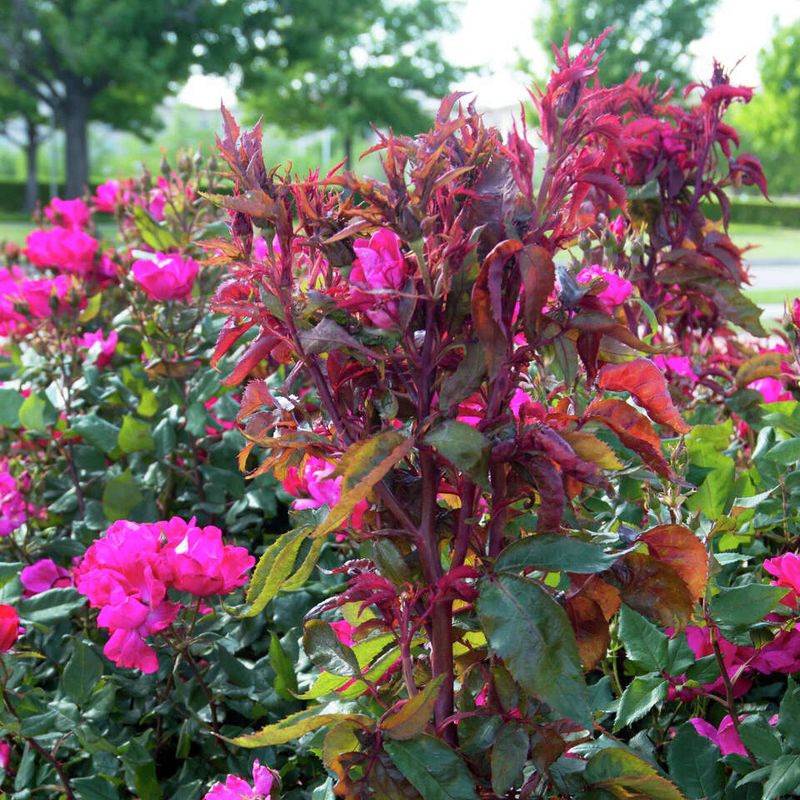
Few things worry Texas rose growers more than rose rosette. It is a virus spread by tiny mites that ride the wind from plant to plant. Once a bush has it, there is no cure.
So why check in October? Your roses are putting out new growth this time of year, and that is when the signs are easiest to spot. Catching it early can save the rest of your garden.
Your Texas Garden Changes Every Week. Your Plan Should Too.
Gardening in Texas changes quickly throughout the season. Every Friday you’ll receive a simple weekly plan showing exactly what to plant, prune, fertilize, harvest, and protect so you never miss the right timing.
Look for shoots that grow very fast and have a deep red color that does not fade to green. Watch for clusters of twisted, crowded stems that look like a messy broom.
Gardeners call these witches’ brooms. Another clue is a huge number of thorns, often soft and packed close together on the stem.
Be careful, though. Healthy new rose growth can be red too. The difference is that normal growth turns green as it matures and looks smooth and even. Infected growth stays strange and bunched up.
If you find a sick plant, act quickly. Put a bag over the bush before you cut it, so the mites do not fly off. Then dig out the whole plant, roots and all. Any root left behind can sprout again and carry the virus.
Throw the plant in the trash, not the compost. Wait a few weeks before planting a new rose in that same spot.
It hurts to lose a favorite rose. Still, pulling one sick bush is much better than watching the virus move through your whole yard. Think of it as protecting the rest of your rose family.
3. Finish Fertilizing
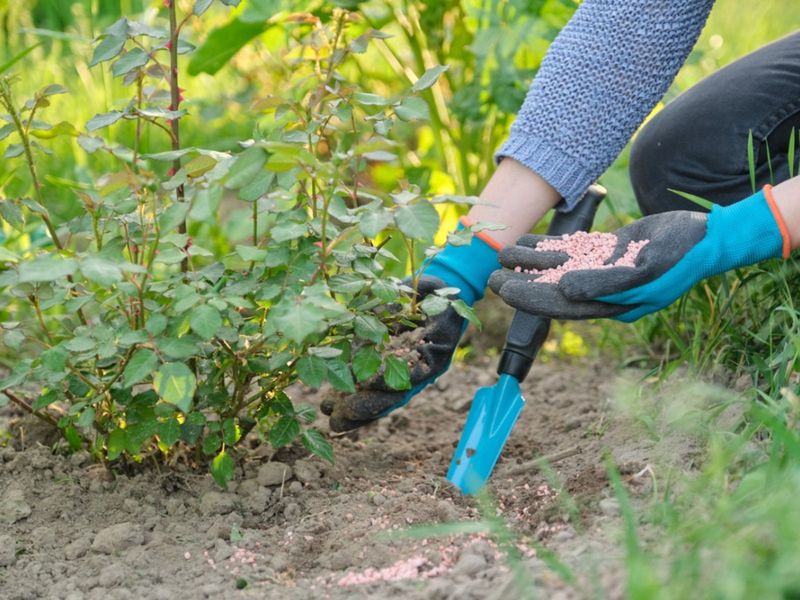
Timing is everything when it comes to feeding roses in fall. A snack at the right moment helps. A snack at the wrong moment can cause real trouble.
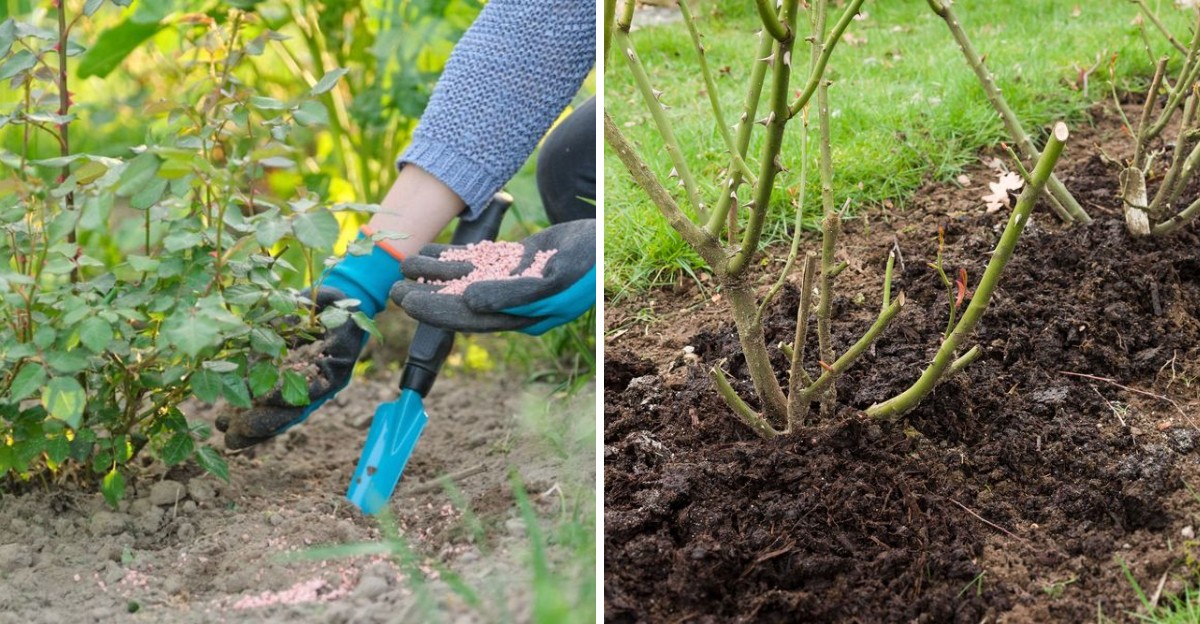
During the first week or so of October, a light dose of fertilizer can give your roses a boost. It supports that lovely late-season wave of flowers many Texas gardens enjoy. Use about half the amount you would use in spring, and water it in well.
After that, put the fertilizer bag away for the year. This matters most in North and Central Texas, where freezes can show up sooner than you expect.
Why stop? Fertilizer tells a rose to grow. New shoots that pop up in late October and November are soft and full of water.
When the first hard freeze arrives, those tender stems get damaged fast. The plant then wastes energy trying to fix the harm instead of resting.
A rose that heads into winter calm and settled usually wakes up stronger in spring. You want your bushes to slow down, not speed up, as the days get shorter.
Gardeners along the Gulf Coast and in the Rio Grande Valley have a little more wiggle room since winters there are milder. Even so, skipping heavy feeding late in the season is a smart habit everywhere in the state.
A handy trick is to mark your calendar. Write your last feeding date in early October so you do not forget. Come spring, around the time you prune, you can start feeding again and give your roses a fresh, hungry start.
4. Water Deeply At The Base
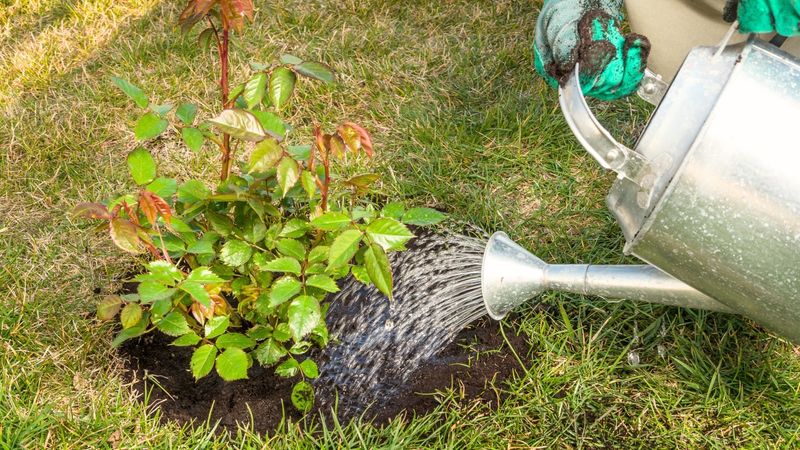
Think of water as a winter coat for your roses. A plant with moist roots handles cold weather much better than a thirsty one. Dry roots can suffer more harm when temperatures drop.
Texas falls can be tricky. Some years bring heavy storms. Other years stay dry for weeks at a time. Check your soil instead of guessing.
Push a finger about two inches into the dirt near the bush. If it feels dry, it is time to water. Go for deep, slow soaks rather than quick sprinkles. A long drink pushes water down where the roots live.
Shallow watering only wets the top layer and encourages weak roots near the surface. Most roses do well with about an inch of water per week when rain is scarce.
Aim right at the base of the plant. A soaker hose, drip line, or simple watering can works great. Keep the leaves as dry as you can. Wet leaves invite black spot and powdery mildew, two problems that love cool fall air.
Morning is the best time to water. Any splashes on the leaves have all day to dry in the sun. Evening watering leaves plants damp overnight, which fungus finds very cozy.
Here is a helpful tip for cold snaps. Watering a day or two before a predicted freeze can actually protect roots. Moist soil holds heat better than dry soil, so it stays a bit warmer at night.
Keep up this routine through fall, and your roses will enter winter well rested and ready to bloom.
5. Refresh The Mulch
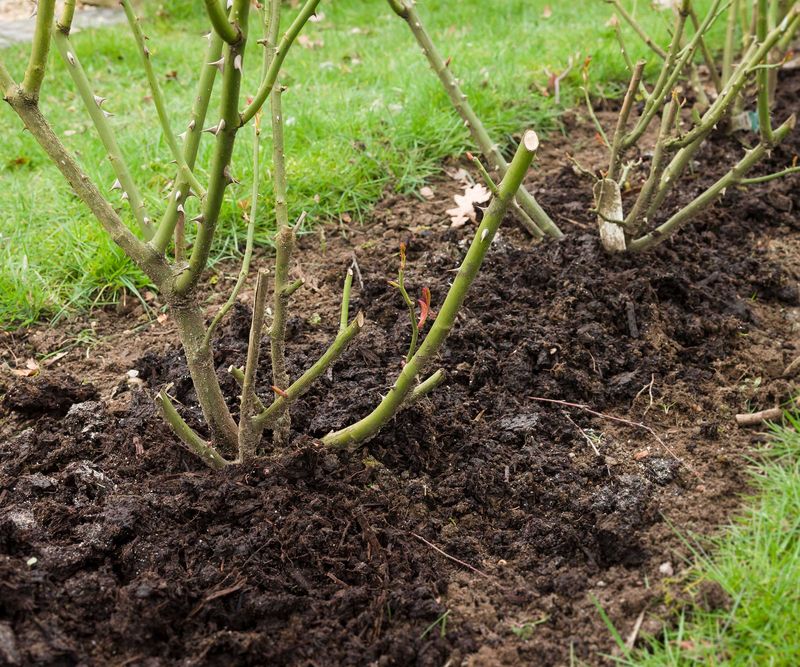
Mulch might be the most underrated helper in your garden. It is cheap, easy to spread, and does a surprising amount of work for your roses.
By October, the mulch you put down in spring has probably broken down or washed away. Adding a fresh layer now gives your plants a cozy blanket before winter.
Spread about 2 to 3 inches of mulch around each bush. Shredded hardwood, pine bark, and pine needles all work well. Many Texas gardeners also like native cedar mulch because it lasts a long time.
So what does mulch actually do? First, it shields roots from wild temperature swings. Texas weather can jump from warm afternoons to icy nights in a single day. Mulch keeps the soil temperature more steady, which means less stress for the plant.
Second, mulch stops rain from splashing dirt onto the canes and leaves. That splashing can carry disease spores, like black spot, right onto your plant. A thick layer acts like a shield.
Third, mulch holds in moisture and blocks weeds. You will water less and pull fewer weeds all winter.
There is one important rule. Keep the mulch a few inches away from the base of the canes. Piling it right against the stems traps moisture and can lead to rot. Picture a donut shape, with a small open ring around the center.
As the mulch breaks down over time, it feeds the soil too. Worms and helpful microbes love it. In other words, one afternoon of spreading mulch pays you back for months.
6. Save Heavy Pruning For Late Winter
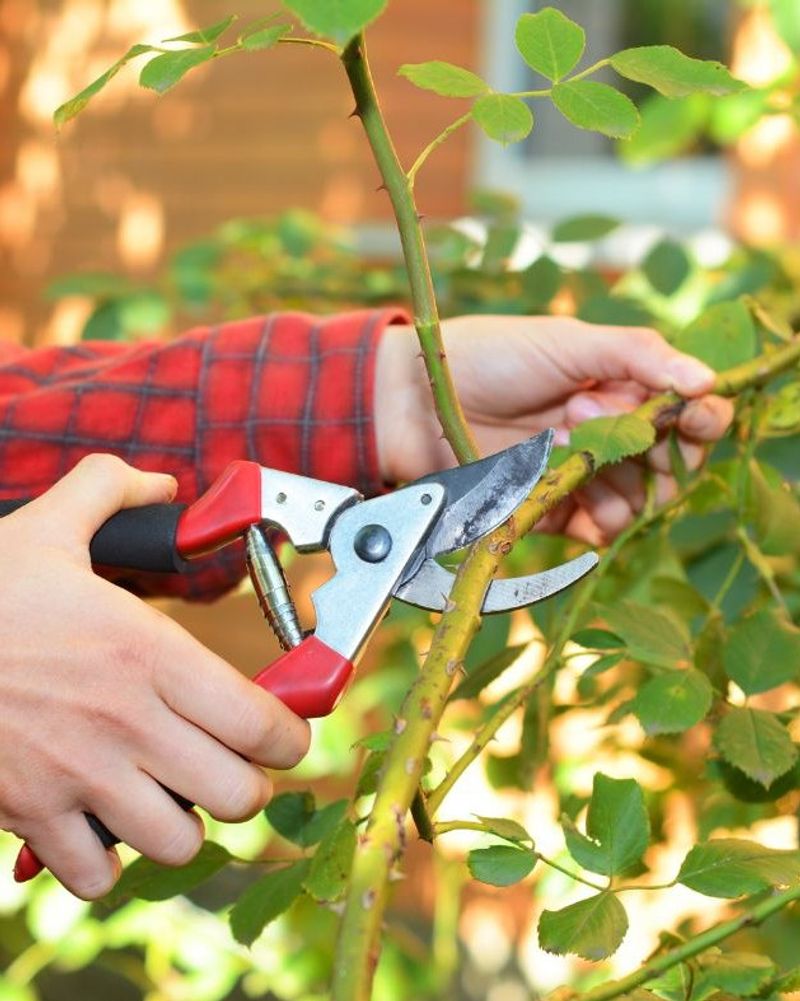
Put down those loppers for a minute. October is not the month for big pruning jobs, even if your roses look a little wild.
Cutting a rose back hard sends it a strong message to grow. In fall, that new growth would be soft and easy to damage when cold weather hits. You would be working against your plant instead of helping it.
That does not mean your pruners stay in the shed. Light cleanup is perfectly fine and actually helpful.
Remove any canes that are brown and dried out, broken by wind, or clearly sick. Cut them back to healthy, green wood with a clean, slanted cut. You can also snip a stray branch that pokes into a walkway. Just keep it small and simple.
Save the real pruning for late winter. In much of Texas, gardeners have long used Valentine’s Day as a handy reminder.
Around mid-February, the worst cold is usually over, and roses are about to wake up. Pruning then gives them a fresh start and leads to strong stems loaded with spring blooms.
Timing can shift a bit depending on where you live. Folks in the Panhandle may wait until early March. Gardeners in South Texas sometimes prune a little earlier.
Here is a fun bit of history. Many old roses found growing in Texas cemeteries and abandoned homesteads survived for decades with almost no pruning at all.
They prove that roses are tougher than we think. So relax and enjoy the fall flowers. Your big pruning day will come soon enough.
7. Let Late Flowers Form Hips In Colder Areas
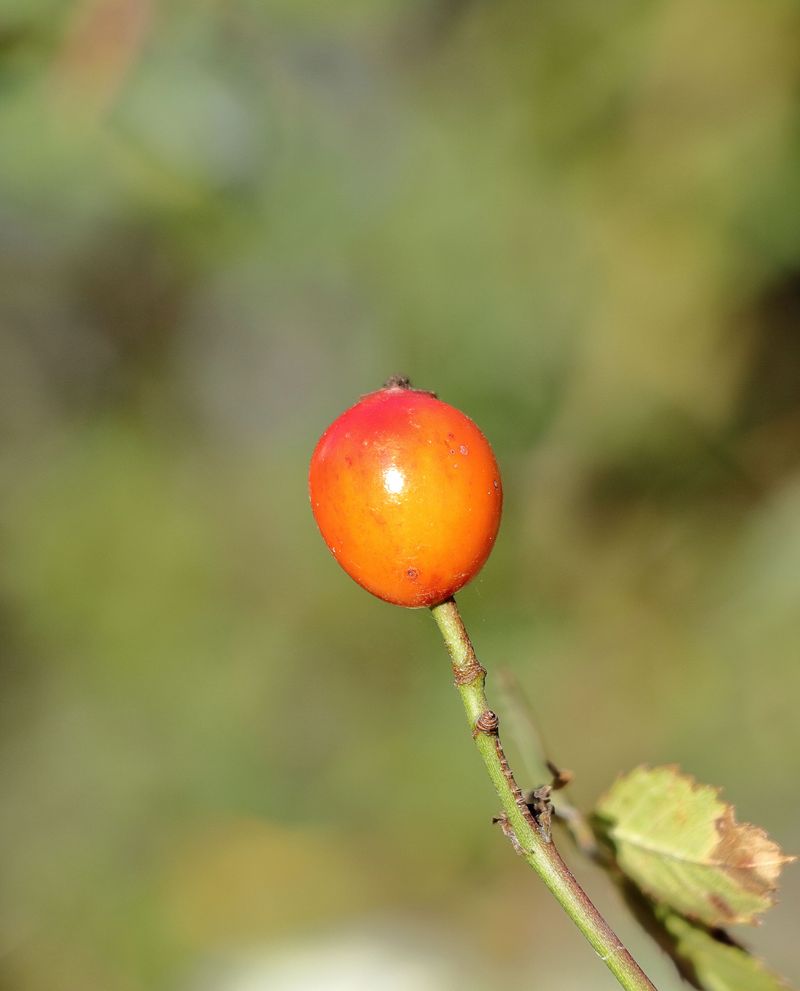
Sometimes the best gardening move is doing nothing at all. That is exactly the case with deadheading in late fall.
All summer, you have probably snipped off faded flowers to keep new ones coming. It works because the rose keeps trying to make seeds. When you remove spent blooms, it simply grows more.
In North Texas, the Panhandle, and other spots with regular freezes, it is time to stop. Leave the last flowers of the season alone and let them fade on the bush.
Over a few weeks, those old blooms turn into rose hips. These are small, round fruits that hold the seeds. They often ripen into bright shades of orange, red, or even deep purple.
Here is why that matters. Making hips tells the rose that the growing season is ending. The plant slows down, stops pushing tender shoots, and starts to harden off. Hardening off means the canes become tougher and better able to handle cold.
A rose that rests properly in winter usually comes back healthier and more vigorous in spring.
Bonus perk: rose hips look pretty in a winter garden. Birds like cardinals and mockingbirds may stop by for a snack, too.
Did you know rose hips are packed with vitamin C? During World War II, people in Britain gathered them to make syrup for children when fresh fruit was hard to find.
Gardeners in warmer parts of Texas, like Houston or Corpus Christi, can keep deadheading longer since freezes are rare. Everyone else can enjoy a well-earned break.