More Praying Mantises In Your Pennsylvania Garden Means Fewer Spotted Lanternfly Adults
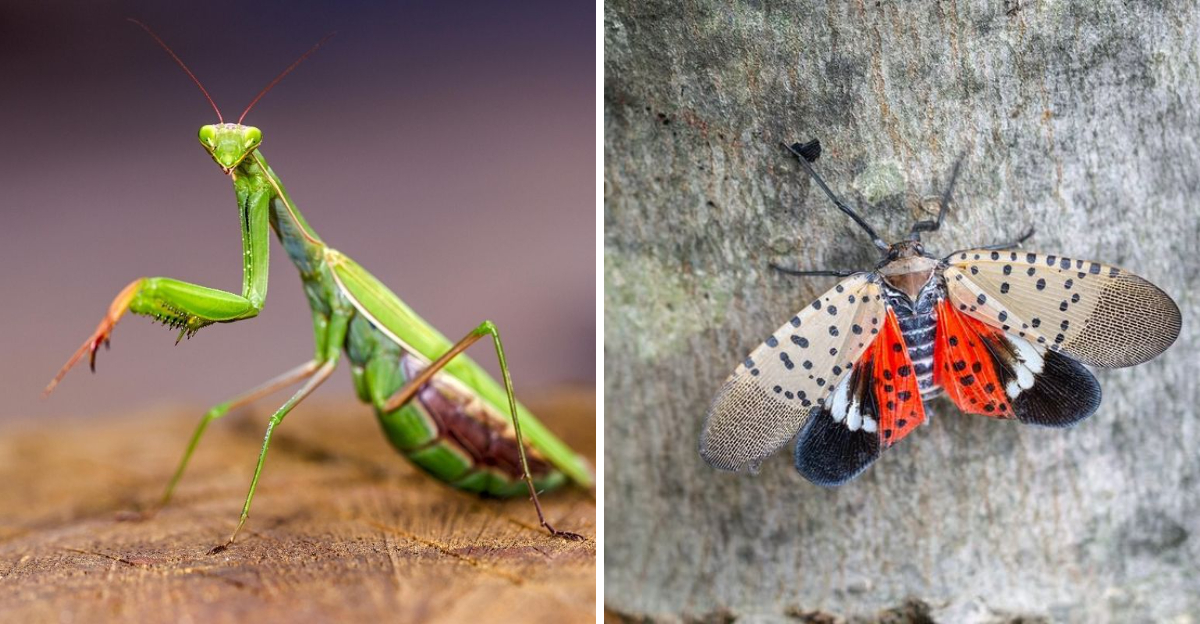
Spotted lanternfly control in Pennsylvania has become a constant effort for most homeowners. Scraping egg masses, swatting adults, checking every surface before moving anything off the property.
It’s exhausting, and it feels like the pressure never really lets up. But nature has its own response to spotted lanternfly, and one of the most effective ones looks like a tiny alien standing perfectly still in your garden.
The praying mantis is a legitimate spotted lanternfly predator. Observations from Pennsylvania gardeners and researchers alike have documented mantises actively hunting and consuming spotted lanternfly adults, adding them to an already impressive pest control resume.
More mantises in your garden means more natural pressure on the spotted lanternfly population without any effort from you beyond creating the right conditions. And creating those conditions is more straightforward than most people think.
Mantises have specific habitat and plant preferences, and a few targeted garden choices can make your space significantly more attractive to them. Here’s how to bring more praying mantises into your Pennsylvania garden and let them get to work.
1. More Praying Mantises In Your Pennsylvania Garden Means More Natural Lanternfly Predators
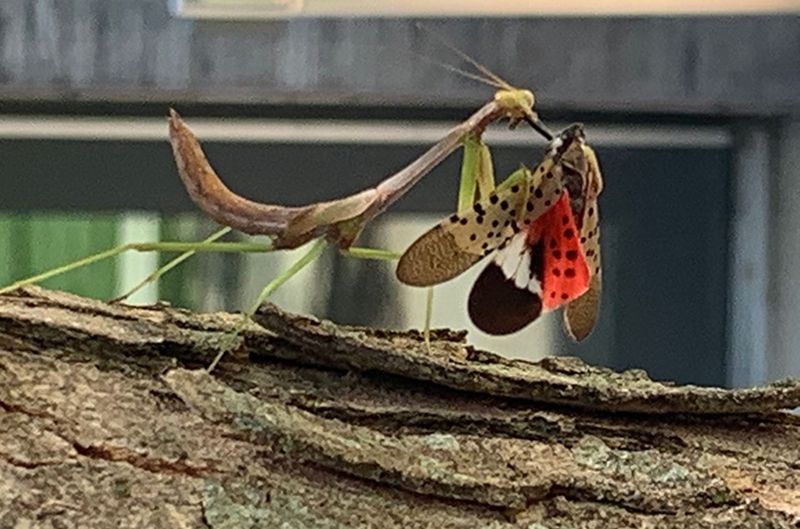
Penn State researchers set out to find which native predators would actually eat spotted lanternflies, and the praying mantis made the list. That finding matters a lot for Pennsylvania gardeners who want natural help in their fight against this invasive pest.
Mantises were observed catching and consuming spotted lanternfly adults in controlled settings, which means your garden mantis population could be doing real work without any effort from you.
Spotted lanternflies are not easy prey for every insect. They are fast, they gather in groups, and they can be tricky to catch.
Praying mantises, though, are patient hunters with lightning-fast reflexes. Their spiked forelegs can snatch an adult lanternfly right off a stem before the insect even reacts.
Having more mantises around does not mean your lanternfly problem will vanish overnight. Researchers are clear that no single predator can wipe out an infestation on its own.
Spotted lanternflies reproduce quickly and arrive in large numbers each summer, so even a healthy mantis population will only reduce a portion of the adults it encounters.
Still, every adult lanternfly that a mantis catches is one less insect feeding on your trees and vines. Building a garden that welcomes predators like the praying mantis is a smart, low-effort way to add one more layer of defense.
Think of it as putting nature on your side, even if nature alone cannot finish the job. More mantises in your Pennsylvania garden is always a good sign, and encouraging their presence is a step worth taking.
2. Why Spotted Lanternfly Adults Are A Summer Problem
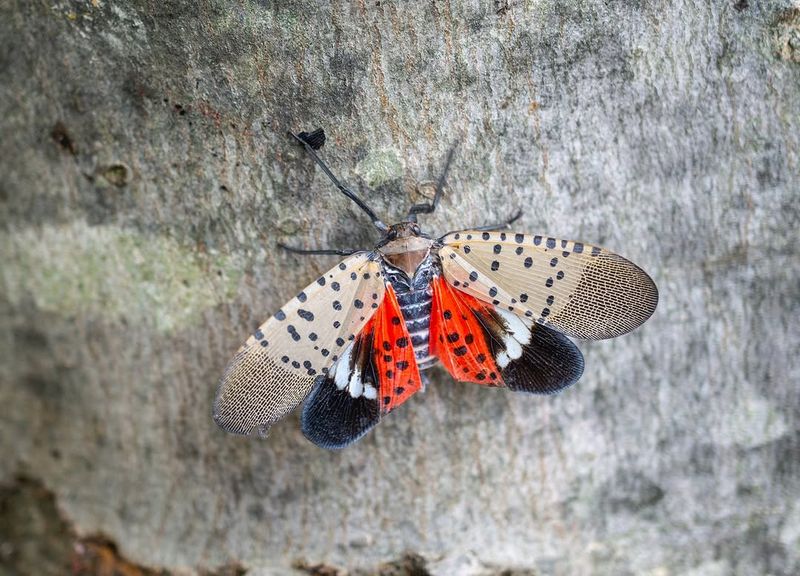
By the time summer arrives in Pennsylvania, spotted lanternfly nymphs have grown into adults, and that is when gardeners really start to notice the damage.
Adult spotted lanternflies are strong fliers that gather in large groups on trees, grapevines, hops, apples, and many other host plants.
They push their needle-like mouthparts into plant stems and bark to suck out the sap, which weakens the plant over time.
Your Pennsylvania Garden Changes Every Week. Your Plan Should Too.
Gardening in Pennsylvania changes quickly throughout the season. Every Friday you’ll receive a simple weekly plan showing exactly what to plant, prune, fertilize, harvest, and protect so you never miss the right timing.
One of the messiest side effects of a lanternfly feeding frenzy is the sticky liquid they leave behind, called honeydew. Honeydew drips onto patios, garden furniture, cars, and sidewalks, making everything feel grimy and slippery.
Worse, that sticky coating quickly grows a black fungus called sooty mold, which turns surfaces dark and can block sunlight from reaching plant leaves below.
Sooty mold does not just look bad. It can stress plants further by reducing their ability to absorb the sunlight they need to grow.
When you combine that with sap loss, a heavy lanternfly infestation can seriously weaken trees and vines over a single season. Young or already-stressed plants can suffer the most.
Grapevines are especially vulnerable, which is a major concern for Pennsylvania wineries and home gardeners who grow fruit. The adult feeding season typically runs from late July through the first hard frost, giving lanternflies several months to cause trouble.
Knowing when and where they are most active helps gardeners plan ahead, bring in natural predators, and use other control methods before the population gets out of hand. Timing your response is just as important as choosing the right tools.
3. How Praying Mantises Help In The Garden
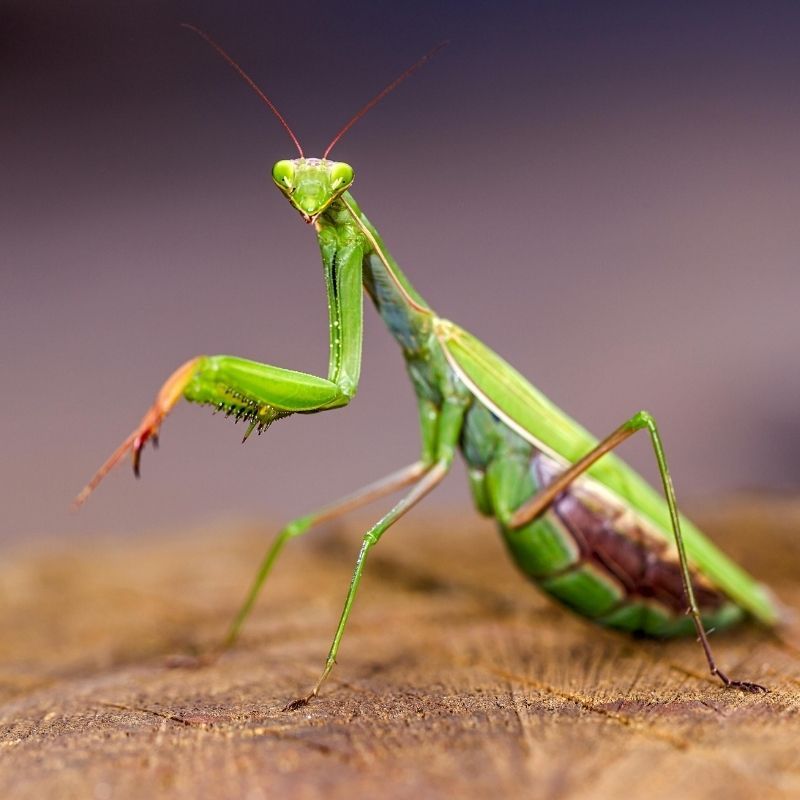
Picture a mantis sitting perfectly still on a tomato stem, watching everything around it with those large, unblinking eyes. That stillness is not laziness.
It is a hunting strategy called ambush predation, and it makes the praying mantis one of the most effective insect hunters in any garden. Mantises wait for prey to come close, then strike with a speed that is almost invisible to the human eye.
When spotted lanternfly adults land near a waiting mantis, the result can be quick. Mantises are not picky about what they grab, and an adult lanternfly is a substantial meal.
Their forelegs are lined with sharp spines that grip prey tightly, making escape very difficult once contact is made. A single mantis can catch multiple lanternflies over the course of a day if conditions are right.
Mantises hunt along garden edges, on shrubs, among tall grasses, and on the stems of flowering plants.
They prefer spots where insect traffic is high, which often overlaps with the same areas where spotted lanternflies like to gather and feed. That overlap makes mantises a naturally well-placed predator for this particular pest.
Gardeners who pay attention sometimes spot a mantis actively chasing a lanternfly rather than waiting for it to come close. While ambush is their preferred style, mantises are flexible hunters that adapt to what is available.
Encouraging mantises to stick around by keeping diverse plantings and avoiding broad pesticide sprays gives these natural allies more chances to do what they do best. A garden full of mantises is a garden working for you.
4. Why Mantises Are Helpful But Not A Complete Solution
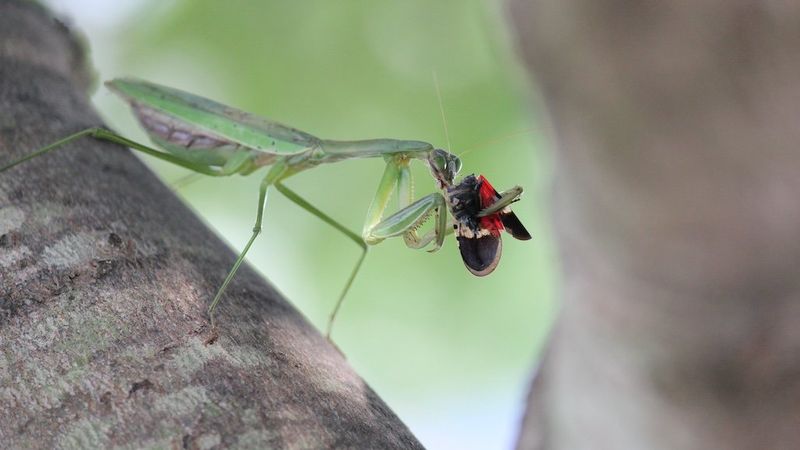
Praying mantises are generalist predators, which means they eat whatever insect they can catch, not just spotted lanternflies. On any given day, a mantis might grab a moth, a grasshopper, a bee, or even a beneficial predatory wasp before it ever sees a lanternfly.
That is just how they operate, and it is important to understand this before counting on mantises as your main line of defense.
Because mantises do not target lanternflies specifically, their impact on a large infestation is limited. A single mantis can only eat so many insects per day, and spotted lanternflies can arrive in enormous numbers during summer.
No matter how many mantises you have, they simply cannot keep up with a full-scale lanternfly outbreak on their own.
Smart lanternfly management requires a combination of methods working together. Scraping egg masses off trees and hard surfaces in fall and winter removes future generations before they hatch.
Wrapping sticky bands or circle traps around host trees catches nymphs as they climb. Removing tree of heaven, which is the lanternfly’s favorite host plant, reduces the food source that draws them in.
Monitoring your property regularly helps you catch problems early, when they are easier to manage. Reporting sightings to your local Penn State Extension office also helps researchers track the spread.
Mantises are a genuinely helpful part of a balanced garden, and protecting them matters. But pairing natural predators with active management steps is the approach that gives Pennsylvania gardeners the best results.
Relying on any single strategy, no matter how promising, leaves too many gaps in your defense plan.
5. How To Make Your Garden More Mantis-Friendly
Want more mantises patrolling your garden? Start by rethinking how you use pesticides. Broad-spectrum insecticides do not just target lanternflies. They can also remove the mantises, bees, spiders, and other beneficial insects that keep your garden balanced.
Switching to targeted treatments or spot applications protects the predator community you are trying to build up.
Layered vegetation is one of the best things you can do for mantis habitat. Mantises like gardens that have ground-level plants, mid-height shrubs, and taller stems all growing together.
Each layer gives them a different hunting zone and places to hide from birds and other predators. A flat lawn with nothing but short grass offers almost nothing for a mantis to work with.
Keeping some sturdy plant stems standing through fall and winter also helps. Mantises lay their egg cases, called oothecae, on firm stems and woody branches.
If you cut everything back to the ground in autumn, you may be removing next year’s mantis population before it even hatches. Leave some stems standing in a corner of your garden or along a fence line.
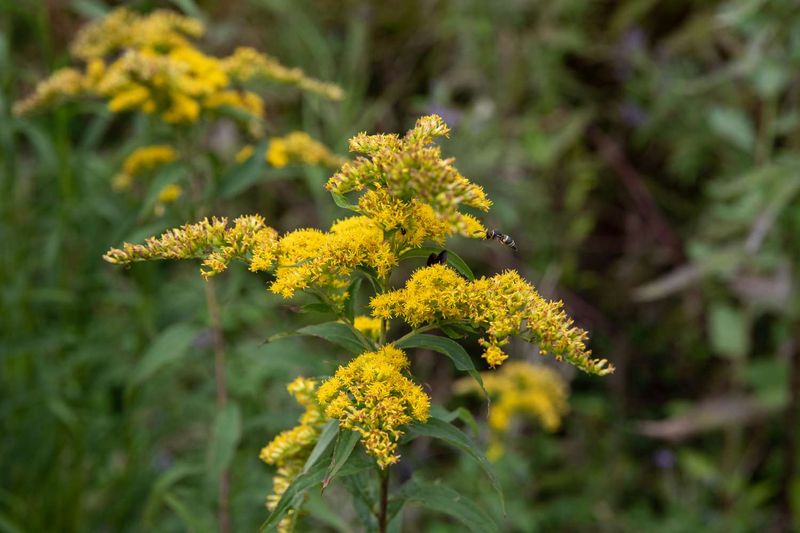
Growing diverse native plants that bloom at different times supports the whole insect food web. When your garden has a steady supply of smaller insects for mantises to feed on, they are more likely to stay and hunt.
Plants like goldenrod, wild bergamot, black-eyed Susan, and milkweed attract a wide range of insects that support mantis populations.
A garden that feels a little wilder and more layered is a garden where mantises can truly thrive and contribute to your lanternfly control efforts.
6. The Best Way To Use Mantises Against Lanternflies

Mantises work best when they are treated as one tool in a larger toolbox, not the whole solution. Protecting the mantises already in your garden is a great starting point.
Avoid unnecessary pesticide sprays, keep diverse plantings, and leave overwintering habitat in place so egg cases survive the winter and hatch in spring. Every mantis that hatches in your garden is a potential lanternfly hunter for the season ahead.
Alongside supporting mantises, focus on actions that directly reduce lanternfly numbers. Check trees, fences, and outdoor furniture for egg masses from late September through April.
Egg masses look like smeared, grayish putty patches and can hold up to 50 eggs each. Scraping them off and placing them in a sealed bag stops a new generation before it starts.
Tree of heaven removal is one of the most impactful steps a Pennsylvania homeowner can take. Spotted lanternflies are strongly attracted to this invasive tree, and large populations tend to build up wherever it grows.
Removing tree of heaven from your property reduces the magnet that draws lanternflies in from surrounding areas. Your local Penn State Extension office can provide guidance on safe removal methods.
Circle traps and sticky bands placed on host trees during nymph season add another layer of control. Reporting lanternfly sightings through the Penn State Extension reporting system helps researchers and state officials track population changes.
Mantises are a genuinely valuable part of this effort, and a garden that supports them is a smarter, healthier garden.
Prevention, monitoring, and natural allies working together give Pennsylvania gardeners their strongest chance of keeping spotted lanternflies under control.