These Pruning Mistakes Are Keeping Your Pennsylvania Hydrangeas From Blooming
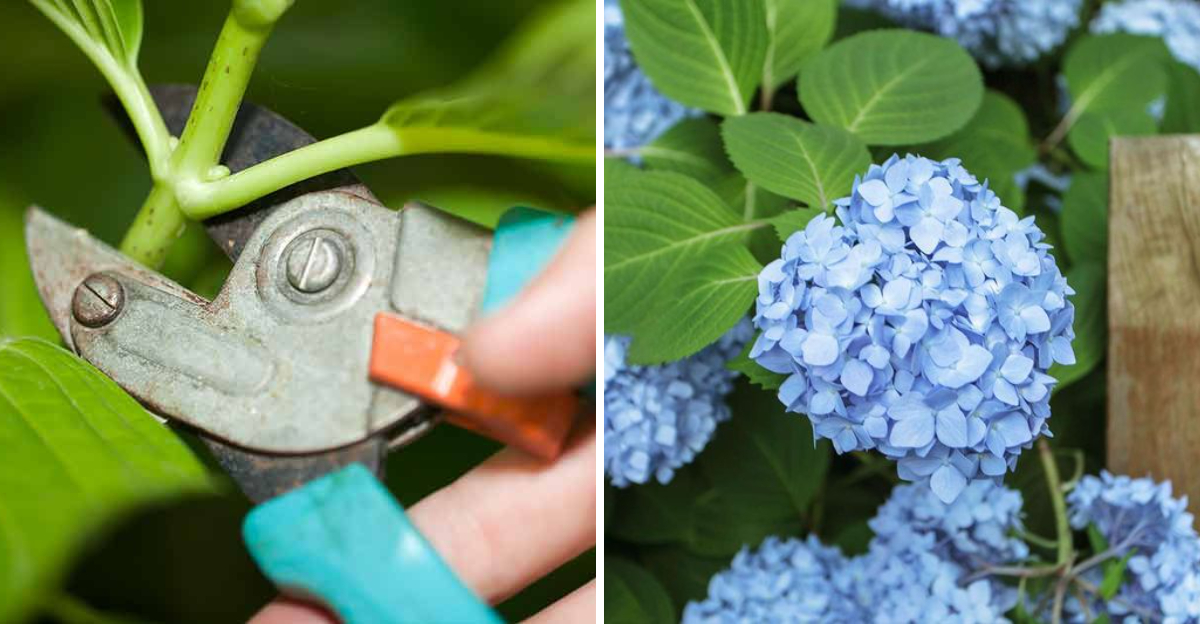
Few garden frustrations match a hydrangea that leafs out beautifully, looks completely healthy all season, and then produces nothing in the way of blooms.
If this has happened to your Pennsylvania hydrangeas more than once, there’s a very good chance the problem traces back to the pruning shears rather than the plant itself.
Pruning hydrangeas incorrectly is one of the most common and most fixable reasons Pennsylvania gardeners end up with beautiful green plants and no flowers.
The frustrating part is that the pruning mistakes that destroy hydrangea blooms don’t look like mistakes in the moment. They look like responsible, attentive garden care.
Cutting back stems in fall because the plant looks tired. Shaping in early spring because new growth is appearing and it seems like the right time.
These habits feel correct, and they cost gardeners an entire season of blooms without making the connection obvious.
Understanding why hydrangeas bloom the way they do changes everything about how you approach pruning them.
1. Pruning Bigleaf Hydrangeas At The Wrong Time
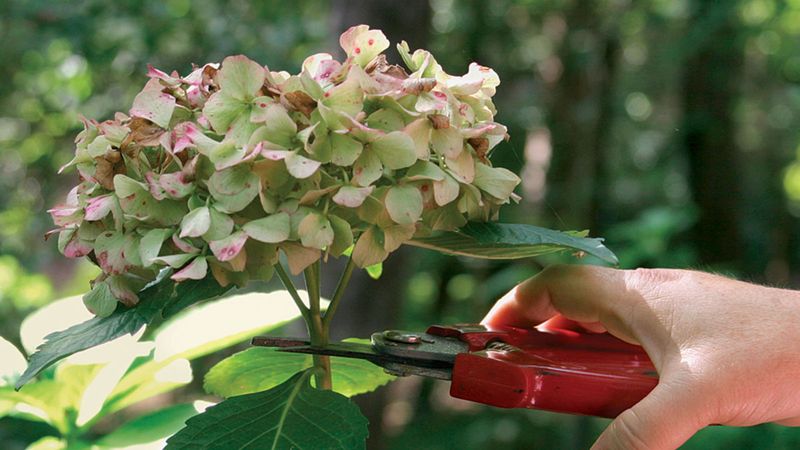
Bigleaf hydrangeas have a secret that a lot of gardeners do not realize until it is too late. These popular shrubs, known for their large mophead or lacecap blooms, set their flower buds in late summer and fall on the previous year’s stems.
That means the buds sitting on the plant right now are the ones that will open next season.
When you prune bigleaf hydrangeas at the wrong time, you are cutting off those precious buds before they ever get a chance to bloom. Many gardeners reach for their shears in late summer or early fall, thinking they are tidying up the plant.
But that well-meaning trim can remove an entire season’s worth of flowers in just a few minutes.
In Pennsylvania, timing matters even more because of the state’s variable weather. A warm fall can trick gardeners into thinking there is still plenty of time to prune, but the buds are already forming by August on most bigleaf varieties.
Once those buds are gone, no amount of fertilizer or care will bring them back that season. The best time to prune bigleaf hydrangeas is right after they finish blooming, usually in mid to late summer.
At that point, the plant has already shown you its flowers, and you can safely remove the spent blooms and any weak or crossing stems without disturbing next year’s buds.
If you missed that window, the safest move is to skip pruning altogether until after the plant blooms again the following year.
Patience is a real gardening skill, and with bigleaf hydrangeas, it pays off in big, colorful blooms.
2. Cutting Hydrangeas Back Hard In Late Summer
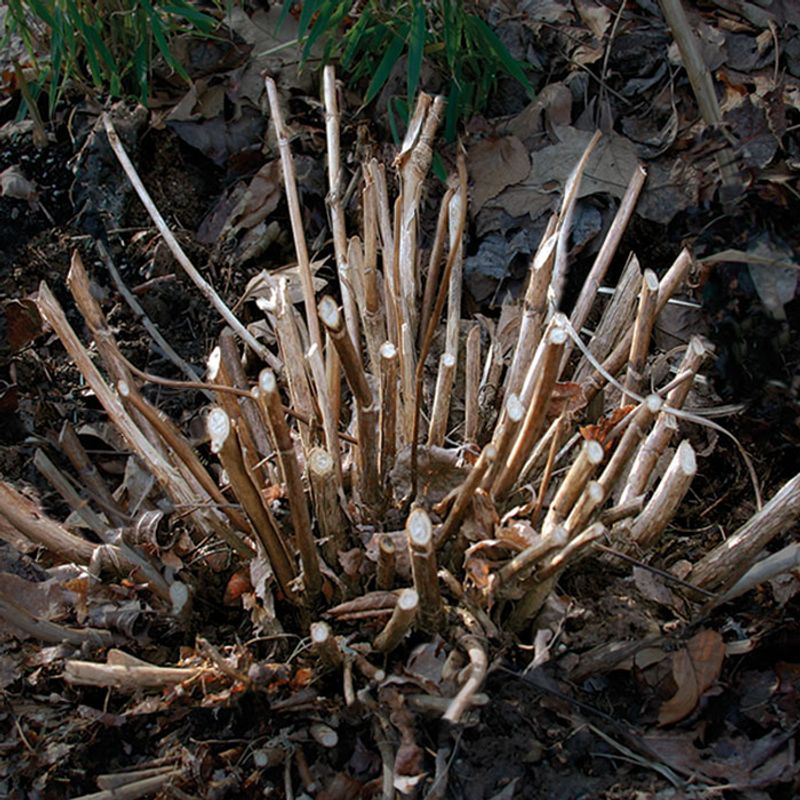
Some gardeners treat hydrangeas like they treat their lawn hedges, cutting them back hard and short every season to keep things looking neat.
While that approach works fine for some shrubs, doing it to hydrangeas in late summer can seriously set back their blooming for the following year.
Your Pennsylvania Garden Changes Every Week. Your Plan Should Too.
Gardening in Pennsylvania changes quickly throughout the season. Every Friday you’ll receive a simple weekly plan showing exactly what to plant, prune, fertilize, harvest, and protect so you never miss the right timing.
Heavy pruning late in the season removes the growth the plant worked hard to produce all spring and summer.
There is another problem that comes with aggressive late-season cutting. When you prune heavily in August or September, the plant often responds by pushing out tender new shoots.
Those soft, young stems have almost no time to harden off before Pennsylvania’s cold weather rolls in. The result is fresh growth that gets damaged by frost, leaving the plant weaker going into winter.
Hard pruning also stresses the shrub in a way that redirects its energy away from flower production. Instead of storing energy in its roots and existing stems, the plant scrambles to regrow what was cut.
That energy could have gone toward producing the big, lush blooms you were hoping for next summer.
A lighter touch is almost always the better approach with hydrangeas. Focus on removing only the spent flower heads and any stems that look weak, damaged, or crowded.
Doing this right after the blooming season ends gives the plant time to settle before cold weather arrives. If your hydrangea is very overgrown and needs a more significant pruning, consider doing it gradually over two or three seasons rather than all at once.
Slow, thoughtful pruning keeps the plant healthy and keeps those blooms coming back reliably each year.
3. Treating Every Hydrangea The Same
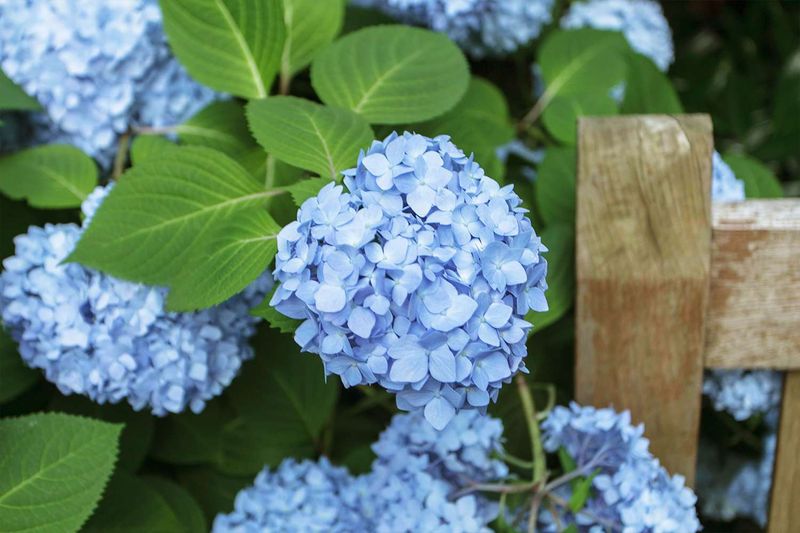
Walk into any garden center in Pennsylvania and you will find several different types of hydrangeas for sale. Bigleaf, panicle, smooth, oakleaf, and climbing hydrangeas all look similar when they are young, but they behave very differently when it comes to pruning.
Treating them all the same way is one of the most common and costly mistakes home gardeners make.
The key difference comes down to whether a hydrangea blooms on old wood or new wood. Bigleaf and oakleaf hydrangeas bloom on old wood, meaning the buds form on stems that grew the previous year.
Panicle and smooth hydrangeas, on the other hand, bloom on new wood, meaning they form buds on fresh growth each spring.
If you prune an old-wood bloomer the same way you prune a new-wood bloomer, you will likely cut off all its flower buds and end up with a leafy shrub and no flowers.
Knowing exactly which hydrangea you have is the first step to pruning it correctly. Check the plant tag if you still have it, or look up the variety name online.
Some hydrangeas, like the popular Endless Summer series, are bred to bloom on both old and new wood, which gives you a little more flexibility.
Once you know your variety, follow the pruning rules that match it. New-wood bloomers can handle a hard cutback in late winter or early spring without any problem.
Old-wood bloomers need a much gentler approach, with pruning done right after blooming ends.
Getting this one detail right can completely transform how your hydrangeas perform each season, turning a frustrating, flowerless shrub into a stunning garden showpiece.
4. Removing Healthy Stems Instead Of Only Dry Wood
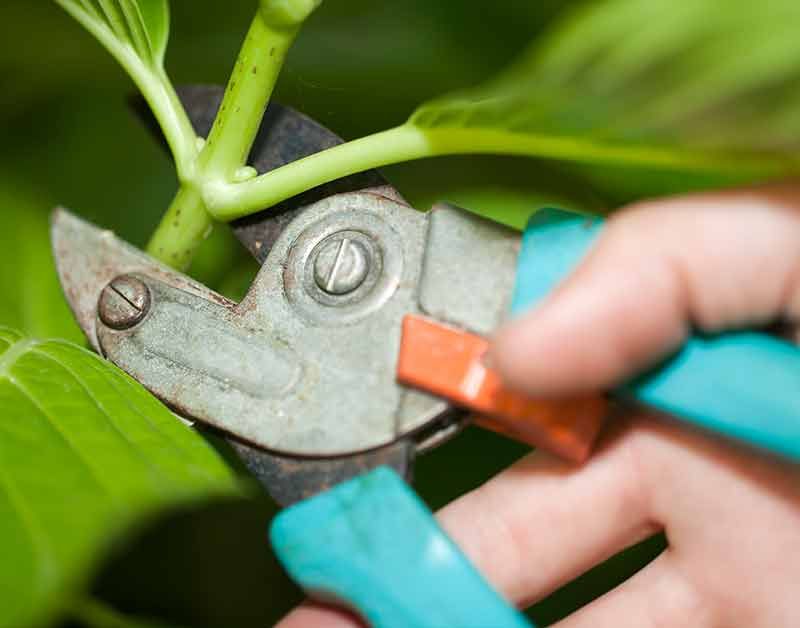
Healthy hydrangea stems are doing important work, even when they do not look all that impressive. They store energy, support future bud development, and help the plant stay strong through winter.
When gardeners remove healthy stems unnecessarily, they are taking away resources the plant needs to produce flowers.
A lot of this happens because it can be hard to tell dry stems from living ones, especially in early spring when nothing has leafed out yet. A stem that looks gray and dry on the outside might actually be perfectly alive on the inside.
Before cutting anything, try scratching the bark gently with your fingernail. If you see green underneath, that stem is alive and worth keeping.
Another mistake is cutting stems that look a little scraggly or uneven just for the sake of appearance. Hydrangeas are naturally loose and informal shrubs, and trying to make them look perfectly manicured often means removing stems that were carrying flower buds.
Resist the urge to tidy up too aggressively, especially with old-wood bloomers like bigleaf hydrangeas.
The right approach is to focus only on what truly needs to go. Remove stems that are clearly hollow, brittle, and show no signs of life after the plant has leafed out in spring.
Cut out any stems that are rubbing against each other or growing in a direction that crowds the center of the plant. Removing weak, spindly growth at the base can also help the plant direct its energy toward stronger, more productive stems.
Less really is more when it comes to hydrangea pruning. A careful, minimal approach almost always leads to better blooming results than heavy-handed cutting.
5. Pruning Too Late In Fall
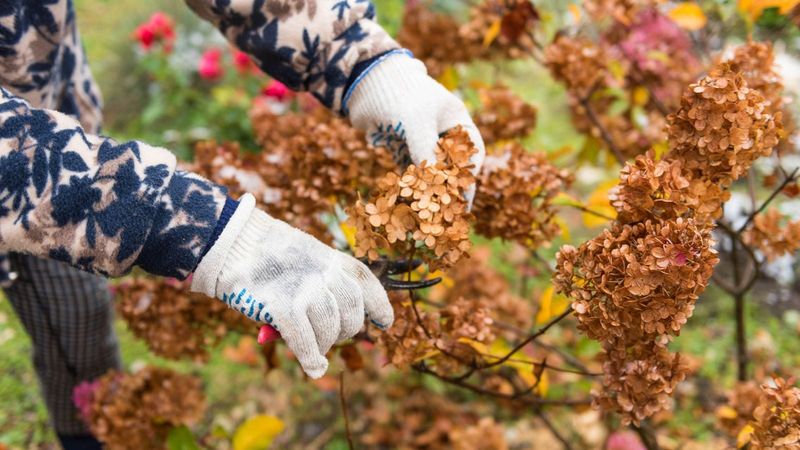
Fall cleanup is a satisfying ritual for many Pennsylvania gardeners. Raking leaves, cutting back perennials, and tidying up the beds feels productive and sets the garden up for a fresh start in spring.
But when it comes to hydrangeas, late fall pruning can do more harm than good, especially for varieties that bloom on old wood.
By the time October and November arrive, bigleaf and oakleaf hydrangeas have already formed their flower buds for next year. Those buds are sitting on the stems, small and tight, waiting out the winter.
When you prune in late fall, you remove those buds along with the stems, and next year’s bloom show goes with them.
There is also a protective role that old stems play during winter. The dried flower heads and sturdy canes act as a natural buffer, helping to insulate the crown of the plant from harsh temperature swings.
Pennsylvania winters can bring sudden cold snaps, ice storms, and hard freezes that are tough on tender plant tissue. Leaving the stems standing through winter gives the plant a better chance of coming through undamaged.
If you feel the need to do something in fall, limit yourself to removing only the largest, most obviously damaged stems that could break under snow or ice and harm the rest of the plant.
Otherwise, hold off and wait until late winter or early spring to assess what made it through the cold season.
By late March or early April, you will have a much clearer picture of which stems survived and which ones need to go.
Waiting a little longer almost always leads to smarter, more effective pruning decisions.
6. Ignoring The Plant’s Natural Shape
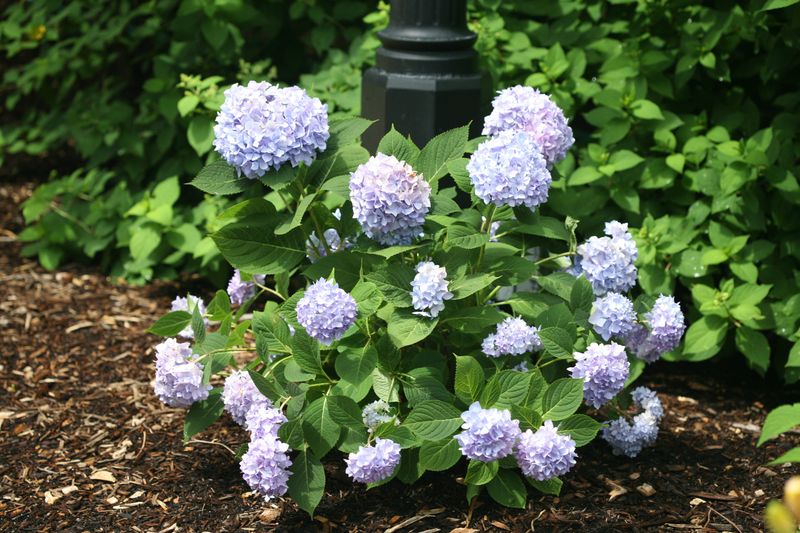
There is a temptation in gardening to control everything, to shape shrubs into perfect spheres, neat boxes, or tidy mounds. With some plants, that kind of shaping works well.
With hydrangeas, forcing an unnatural form often backfires in a frustrating way. Cutting back to an artificial shape means removing stems that were loaded with flower buds, and it can also weaken the plant’s overall structure over time.
When you prune against a hydrangea’s natural growth habit, the plant responds by sending out lots of thin, weak shoots to replace what was removed. Those crowded, spindly stems compete with each other for light and airflow.
The result is a dense tangle of growth that actually produces fewer flowers than a more open, naturally shaped shrub would.
Hydrangeas have their own beautiful, relaxed architecture. The arching stems, layered branching, and rounded form are part of what makes them so appealing in a garden setting.
Working with that natural shape instead of against it leads to healthier plants and more reliable blooming. You do not need to sculpt a hydrangea. You just need to guide it gently.
Good pruning with natural shape in mind means removing only what is crossing, crowded, or clearly not contributing to the plant’s health. Thinning out a few stems from the interior to improve airflow is helpful.
Cutting the entire shrub to a uniform height just because it looks neater is not. Step back and look at the whole plant before making any cuts.
Ask yourself if the cut will help the plant breathe, grow stronger, or bloom better. If the honest answer is no, put the shears down and enjoy the shrub as it is.