Why Horned Lizards Can Help Control Ants In Arizona Yards
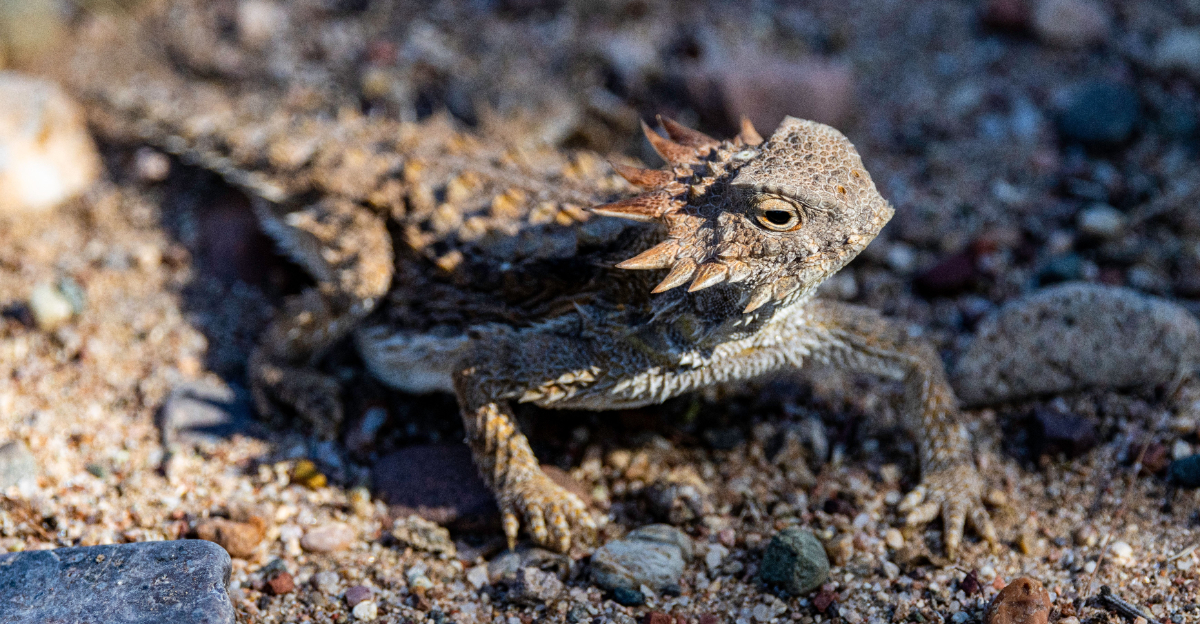
Not every visitor in the yard deserves to be chased away. Horned lizards earn their place by doing something many gardeners appreciate.
They spend much of their day searching for one of the most common backyard pests. That natural habit makes them far more helpful than they first appear.
Harvester ants are a favorite food, making these remarkable reptiles a valuable part of many Arizona yards. A healthy habitat gives them the best chance to stay nearby and keep hunting.
Skip unnecessary pesticides whenever possible, and let nature do part of the work. Protecting horned lizards supports a healthier garden while reducing ant activity in a natural way.
Sometimes the best garden helper is already living quietly outside, asking for nothing more than a safe place to thrive.
1. Harvester Ants Are Their Main Food Source
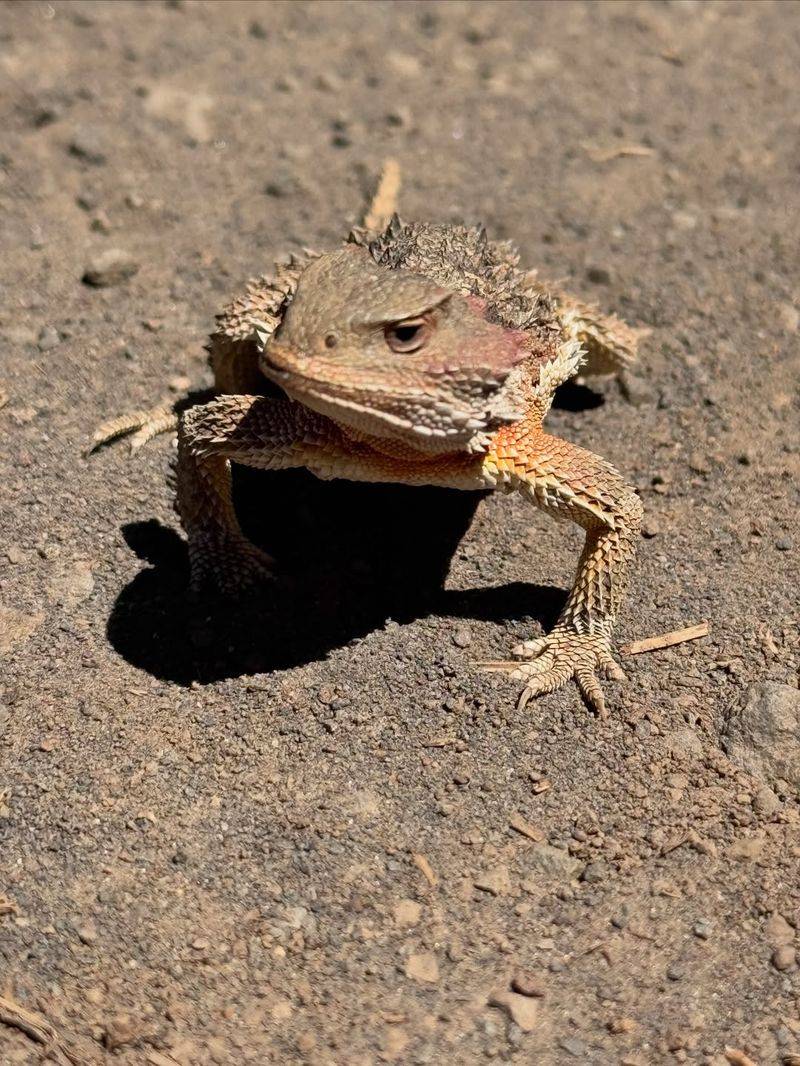
Horned lizards eat a lot. Harvester ants make up a huge portion of their daily diet, sometimes close to 70 percent of what they consume in a single day.
That is a serious appetite for a lizard that fits in the palm of your hand.
Harvester ants are large, aggressive insects that build visible mounds in open ground. They bite, they chew through plant roots, and they can spread fast across a yard.
Having a predator that specifically targets them is genuinely useful for any homeowner dealing with active mounds.
A single horned lizard can eat dozens of harvester ants in one sitting. Over a season, that adds up to thousands of ants removed from your yard without any spray or bait.
It is a slow process, but it is steady and consistent.
Harvester ants are not easy to manage with typical methods. Baits can take weeks to work.
Sprays often miss the queen deep underground. A horned lizard, on the other hand, shows up right at the mound entrance and picks off workers one by one, disrupting foraging activity and slowing colony growth over time.
2. They Do Not Eliminate Every Ant Species
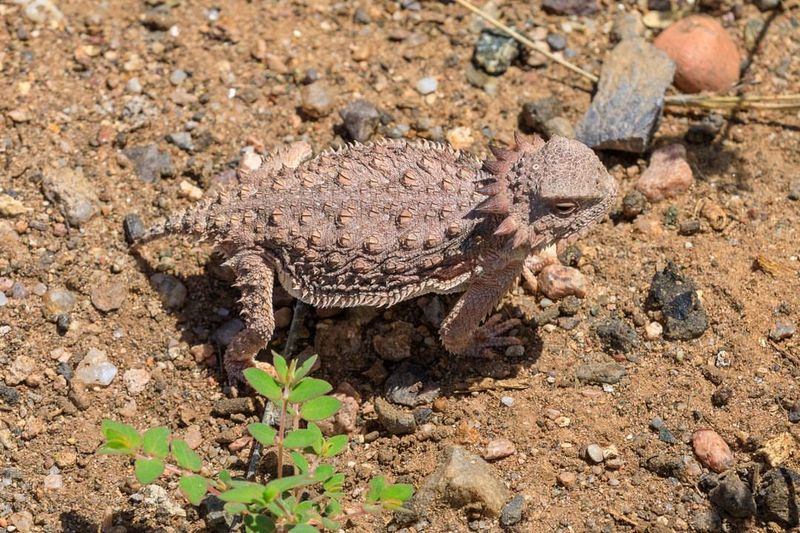
Not every ant in your yard is on a horned lizard’s menu. Horned lizards are selective feeders, and they strongly prefer harvester ants over most other species.
Fire ants, odorous house ants, and pavement ants are generally not their go-to food source.
Fire ants, in particular, are a problem. Their sting is sharp, their numbers are massive, and they swarm fast.
Horned lizards tend to avoid fire ant colonies for good reason. Expecting these lizards to clear a fire ant infestation would lead to major disappointment.
Understanding this limit is important before you count on horned lizards as a pest solution. They work well in yards where harvester ants are the main issue.
In areas with mixed ant species or dominant fire ant populations, their impact on overall ant numbers will likely be minimal.
Horned lizards are part of a larger ecosystem, not a complete pest control system on their own. Pairing their presence with smart yard management gives you better results than relying on them alone.
Knowing which ant species you have before making any plan is always a reasonable first step. A local extension office or pest specialist can help identify what is actually living in your soil.
Your Arizona Garden Changes Every Week. Your Plan Should Too.
Gardening in Arizona changes quickly throughout the season. Every Friday you’ll receive a simple weekly plan showing exactly what to plant, prune, fertilize, harvest, and protect so you never miss the right timing.
3. Pesticides Can Remove Their Food Supply
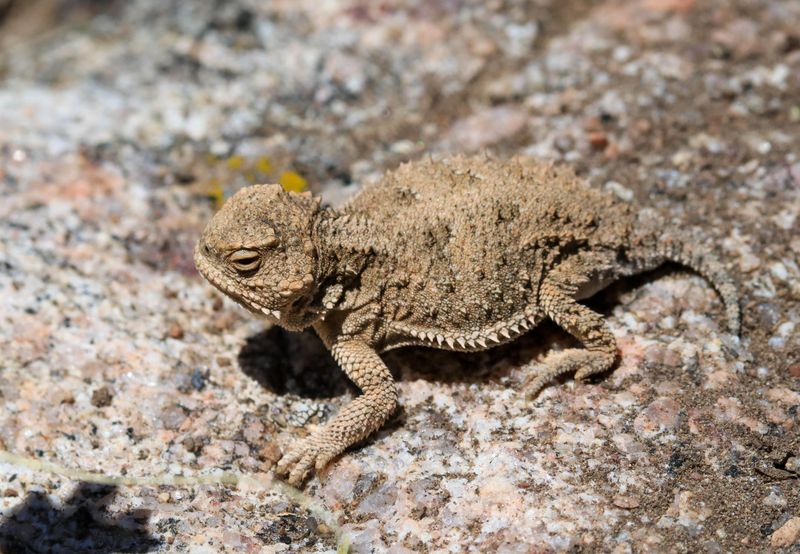
Reaching for a pesticide spray is a common reaction when ants appear in a yard. It feels fast and effective.
But broad-spectrum insecticides wipe out far more than just the target pest, and that creates a serious problem for horned lizards.
Harvester ants are the primary food source for these lizards. When insecticides reduce or wipe out local ant colonies, horned lizards lose access to the food they depend on.
Without enough to eat, they will either relocate or gradually weaken from lack of nutrition.
Pesticide use in Arizona yards is one of the factors associated with fewer horned lizards in suburban areas. Yards where insecticides are used frequently often support fewer harvester ants, making them less suitable habitat for these lizards over time.
As food becomes harder to find, horned lizards are less likely to remain in those areas.
If you are dealing with ant problems and want to support horned lizards, targeted treatments are a smarter approach. Spot-treating specific mounds rather than broadcasting chemicals across the whole yard reduces overall insect loss.
Some pest control professionals offer low-impact options that address problem colonies without eliminating the broader insect population that local wildlife depends on to survive.
4. Bare Ground Makes Hunting Easier
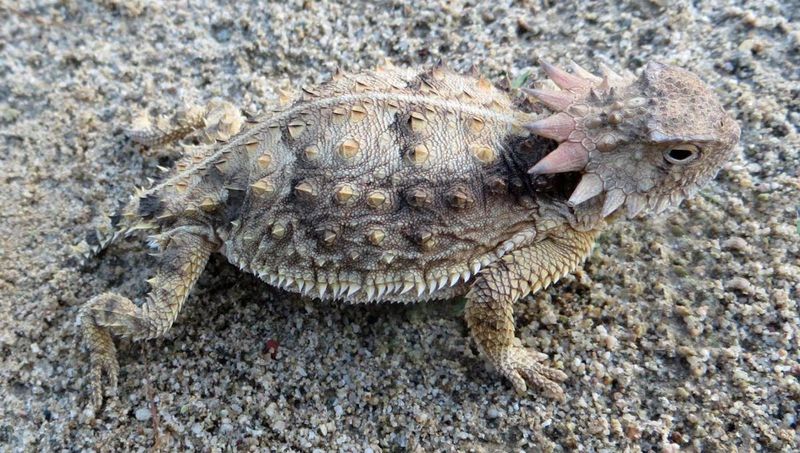
Watch a horned lizard move and you will notice something right away. It hugs the ground, moves in short bursts, and freezes constantly.
Open, bare ground is where it does its best work.
Harvester ants travel in visible trails across open soil. Horned lizards use that predictable movement to their advantage.
Bare patches near ant mounds give lizards a clear line of sight and easy access to foraging workers. Dense grass or thick mulch covers those trails and makes hunting much harder.
Yards with some open ground mixed into the landscape tend to support horned lizards better than those with full turf coverage. A small patch of sandy or gravelly soil near a known ant mound can serve as an effective hunting zone for a lizard working your yard.
Bare ground also helps with thermoregulation. Horned lizards are cold-blooded and rely on warm surfaces to stay active.
Exposed soil heats up faster than shaded areas, giving lizards a quick way to raise their body temperature in the morning before hunting begins.
Mixing open ground with scattered rocks and low native plants creates the kind of habitat where horned lizards can actually thrive and stay active through the warmer months of the year.
5. Rock Shelters Provide Protection From Predators
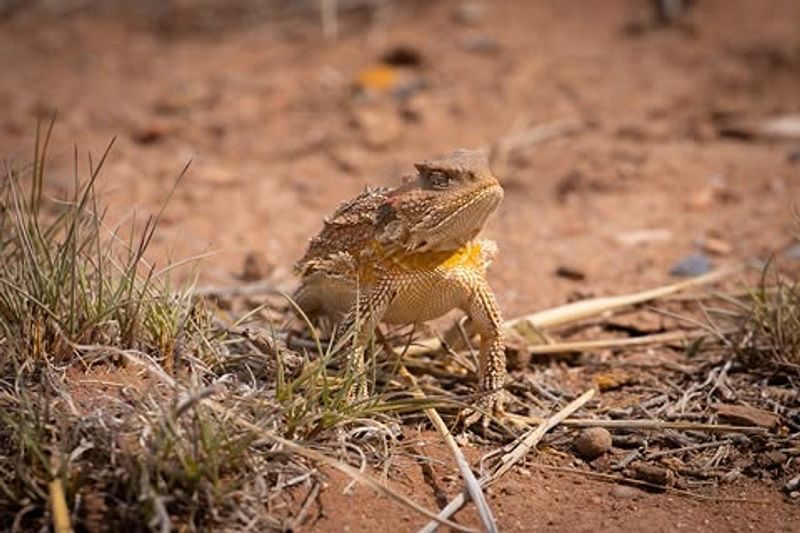
Horned lizards look tough with all those spines, but they face real threats in a typical yard. Hawks, roadrunners, snakes, and even outdoor cats will target them without hesitation.
Rocks are one of the best defenses they have.
Flat rocks and rock clusters give horned lizards a place to hide quickly when a predator appears. They can flatten their bodies and slide under a rock in seconds.
Without that escape option, lizards become much more vulnerable in open spaces.
Adding flat rocks to your yard is one of the simplest ways to make it more lizard-friendly. Flagstone pieces, natural boulders, or even stacked fieldstone work well.
Position them in sunny spots so the rocks warm up during the day, which also makes them attractive resting spots between hunting sessions.
Rock shelters serve another purpose too. Horned lizards use them for overnight cover and during the hottest part of summer afternoons.
A lizard that feels safe in your yard is more likely to stay and keep hunting. Without reliable shelter, even a yard full of harvester ants may not be enough to hold a horned lizard’s attention for more than a few days.
Giving them a reason to stay means building in the features they actually need, not just hoping they show up on their own.
6. Native Vegetation Creates Better Habitat
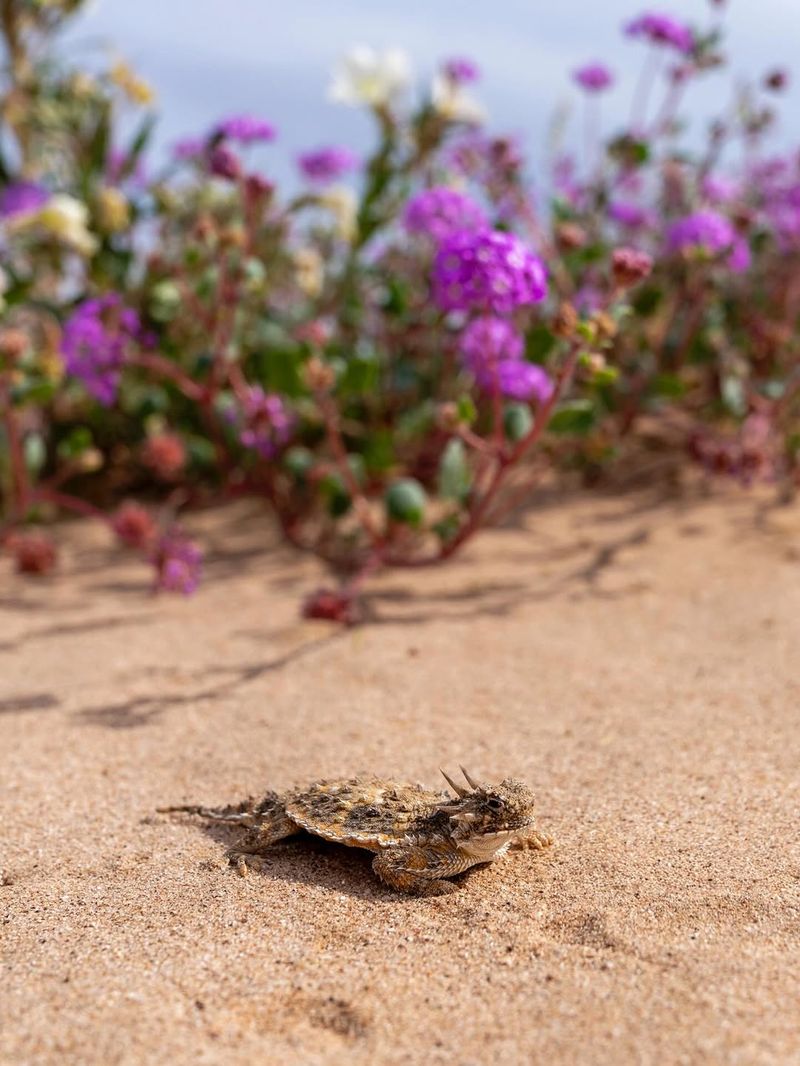
A yard full of non-native grass and ornamental plants might look polished, but it offers very little to a horned lizard. Native plants are a completely different story.
Native desert vegetation supports the insects and ground cover that horned lizards depend on.
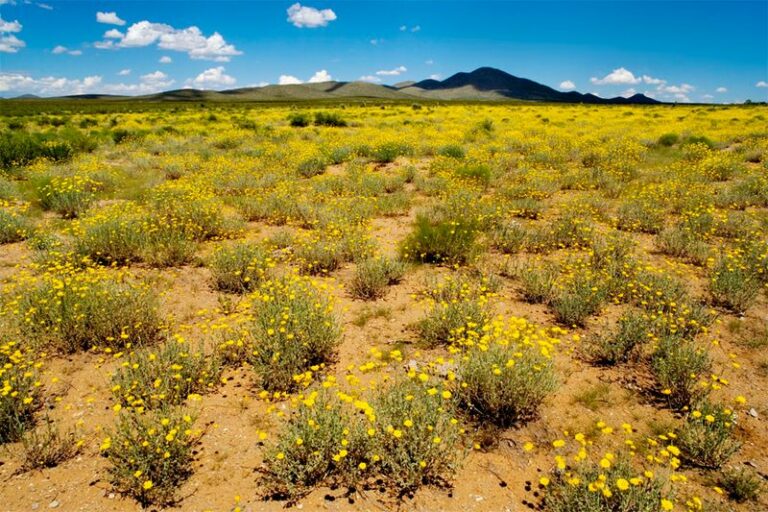
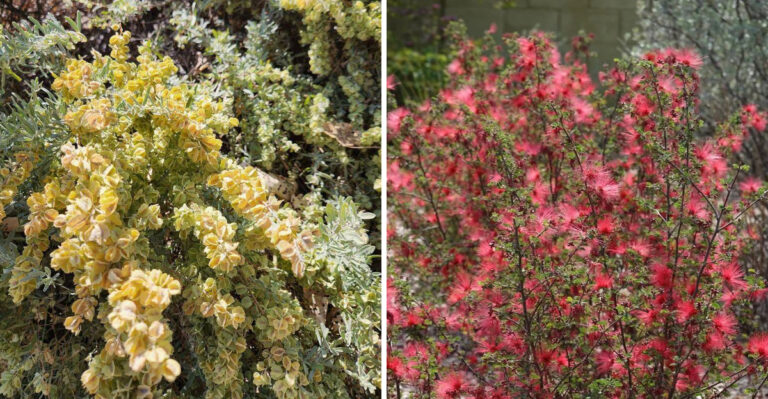
Plants like palo verde, brittlebush, and desert marigold attract native insects and create natural shade pockets without smothering the bare ground that lizards need for hunting.
It is a balance that non-native plantings rarely achieve.
Native plants also require less water, which means less soil disturbance from irrigation. Overwatered yards tend to attract non-native ant species that horned lizards avoid.
Keeping the soil drier and more natural keeps the right ant species active and accessible.
Transitioning part of your yard to native vegetation does not have to be a massive project. Starting with a few drought-tolerant native plants along a fence line or near a rock cluster can make a noticeable difference over time.
Local nurseries in Arizona often carry regionally appropriate species that establish quickly with minimal care. Native plants also tend to attract pollinators and other beneficial insects, making the entire yard more ecologically balanced.
A yard that supports native vegetation is doing more than just helping one lizard species; it is building a small but functional piece of desert habitat right outside your door.
7. Avoid Handling Wild Horned Lizards
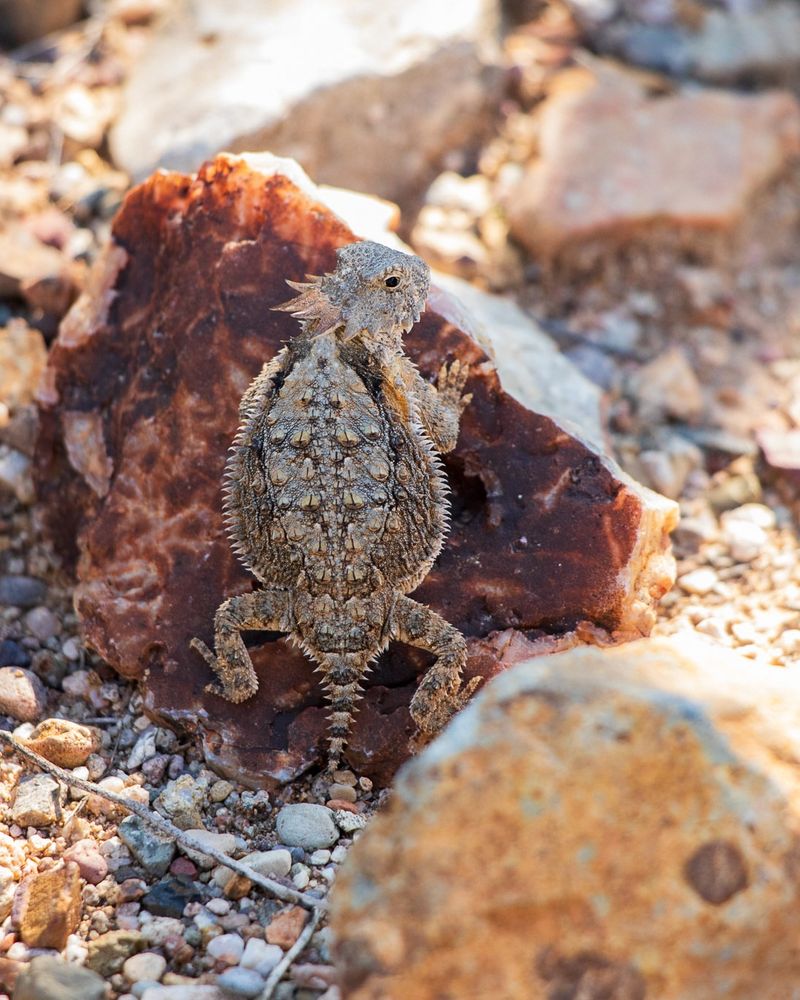
Spotting a horned lizard in your yard is exciting. Picking it up feels like a natural next step.
Resist that urge.
Wild horned lizards experience significant stress when handled by humans. Their heart rate spikes, their behavior changes, and repeated handling can weaken them over time.
A stressed lizard is less likely to feed well, which defeats the purpose of having one around in the first place.
Horned lizards also have a well-known but rarely seen defense: they can squirt blood from their eyes when threatened. It is not harmful to humans, but it is a sign of extreme stress.
Seeing that happen means the animal is in a state of panic, not curiosity.
Beyond stress, handling can expose lizards to oils, lotions, and chemicals on human skin. Even clean hands carry traces of substances that can irritate a lizard’s skin or eyes.
In Arizona, horned lizards are also protected under state wildlife laws, and disturbing them without a permit can result in legal consequences.
Watching from a distance is genuinely rewarding. Sitting quietly a few feet away while a horned lizard hunts gives you a clear view of natural behavior without causing harm.
Respecting their space keeps them active, healthy, and working in your yard exactly the way nature intended them to.