Every South Carolina Gardener Should Try This Rot-Proof Bamboo Stake Alternative
Bamboo always lets you down when your tomatoes need help most. Humidity across South Carolina turns your stakes soft within weeks.
Heat like this demands you find something much sturdier immediately. Something waiting at your local hardware store could solve everything.
Construction crews trust this material to keep your structures standing strong. Cost stays low enough that you will notice instant savings.
Gardeners across South Carolina are already changing what supports your plants. Tomatoes, peppers, sunflowers, and vines all truly depend on what you choose.
Storms test your entire garden every single summer without much warning at all. Your plants deserve support that will not let you down.
Nothing bends the way your bamboo stakes always have. Preparation now saves you frustration later in the season.
Price and strength both matter greatly when you decide what to buy. You are about to discover the smarter way to support your garden.
Why Bamboo Stakes Wear Out So Quickly
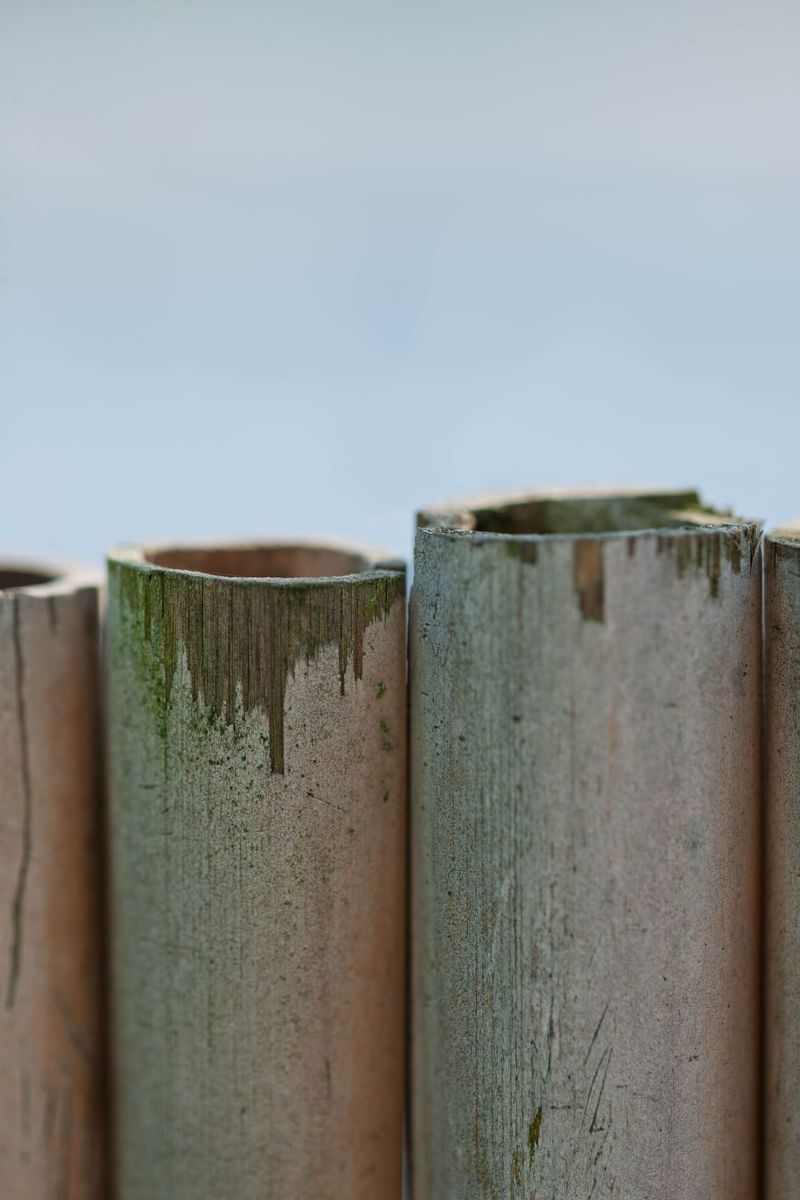
Bamboo looks tough, but it has a serious weakness. Moisture is its biggest enemy, and South Carolina has plenty of that.
When bamboo stakes get wet repeatedly, the fibers inside start to break down fast. By midsummer, a stake that felt solid in May can snap like a dry twig.
The heat does not help either. Intense sun dries bamboo out between rainstorms, which causes cracking along the grain. Those cracks let water in deeper, speeding up the rot cycle even more.
Bamboo is also a natural material, which means insects and fungi see it as food. Termites and wood-boring beetles are active across the Southeast, and they will absolutely find your garden stakes. A stake riddled with tiny tunnels is not holding up anything.
Most bamboo stakes sold at garden centers are treated lightly, if at all. That treatment wears off after one or two seasons. After that, you are basically just poking sticks into the ground and hoping for the best.
The average bamboo stake lasts one to two growing seasons in a humid climate. That means you are replacing them at least every year or two. Over time, that cost adds up more than most gardeners realize.
Rebar does not rot, crack, splinter, or attract insects. It holds its shape through rain, heat, and heavy plant weight.
Once you make the switch to this bamboo stake alternative, few gardeners choose to switch back.
Rebar As A Sturdier Stake Alternative
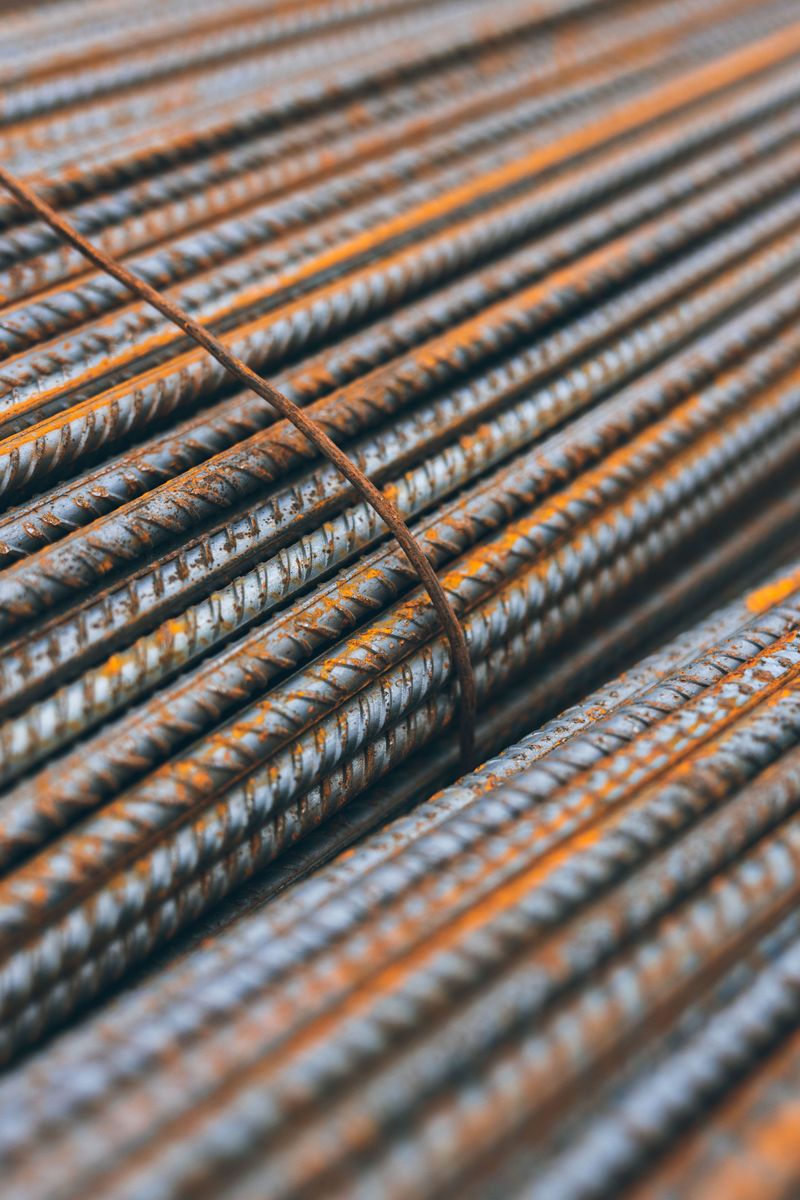
Steel rebar is built for one job: holding things up under serious pressure. It handles concrete structures, so supporting a tomato plant is a minor task by comparison.
Rebar is typically sold in twenty-foot lengths, which you can cut down to whatever size you need. For most home gardens, a three-foot or four-foot section is the sweet spot.
The ridged texture along the outside of rebar is actually a bonus for gardeners. Plant ties grip those ridges instead of sliding down the way they do on smooth bamboo.
Your vines and stems stay exactly where you put them. Steel does not flex or bow under weight the way natural materials can. Even a heavily loaded pepper plant or a sprawling cucumber vine will not push rebar off course.
Your South Carolina Garden Changes Every Week. Your Plan Should Too.
Gardening in South Carolina changes quickly throughout the season. Every Friday you’ll receive a simple weekly plan showing exactly what to plant, prune, fertilize, harvest, and protect so you never miss the right timing.
It stays perfectly vertical all season long. Rebar also handles strong winds far better than bamboo. Coastal and inland areas of the Palmetto State both see powerful summer storms.
A steel stake driven deep into firm soil handles strong wind gusts far better than bamboo. One concern some gardeners raise is rust. Surface rust on rebar is normal and actually harmless to plants.
It does not weaken the steel significantly, and it will not leach toxins into your garden soil. This bamboo stake alternative performs better than bamboo in several key areas.
Strength, longevity, and grip make rebar a practical choice for home gardeners who want results that last.
Where To Find Cheap Or Scrap Rebar Locally
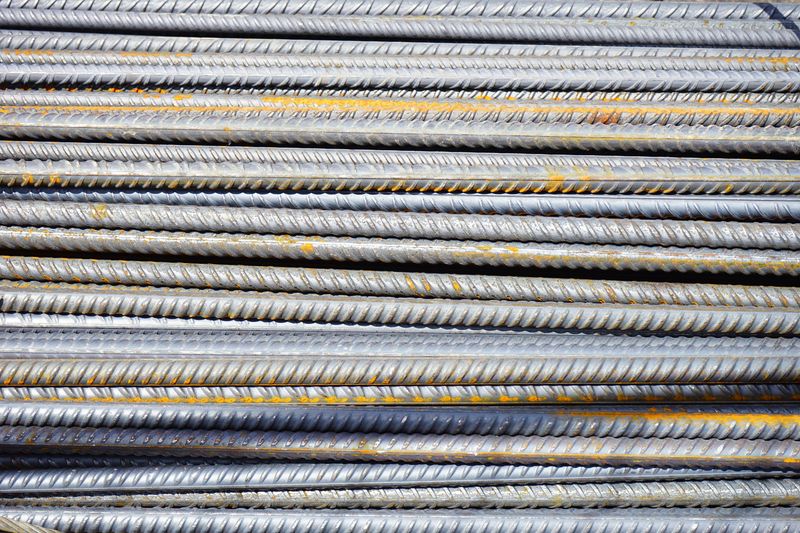
You do not need to pay full retail price to get good rebar. Scrap yards are one of the best-kept secrets for budget-conscious gardeners.
Metal recycling centers often sell short or bent pieces of rebar by the pound. Prices at scrap yards typically run between 10 and 25 cents per pound, which is almost nothing.
A three-foot section of half-inch rebar weighs about two pounds. Construction sites are another excellent source.
Contractors frequently cut rebar to length, leaving behind short pieces that would otherwise go to waste. Ask politely and many crews will let you take scraps for free.
Home improvement stores like Lowe’s and Home Depot carry rebar in the garden and building supply sections.
A ten-foot stick of three-eighth-inch rebar typically costs around four to six dollars. You can cut it yourself with a hacksaw or angle grinder.
Facebook Marketplace and Craigslist regularly have listings for free or cheap construction leftovers. Search for rebar, steel rod, or construction scrap and you will find options nearby.
Many sellers just want it gone and will let you haul it away at no charge. Farm supply stores sometimes carry rebar as well, especially in rural areas.
They stock it alongside fence posts and field supplies. Prices there can be competitive with big-box retailers.
Buying locally also means shorter transport time and less waste. Finding affordable rebar is easier than most people expect, especially when you know where to look beyond the obvious retail options.
How To Prepare Rebar For Garden Use
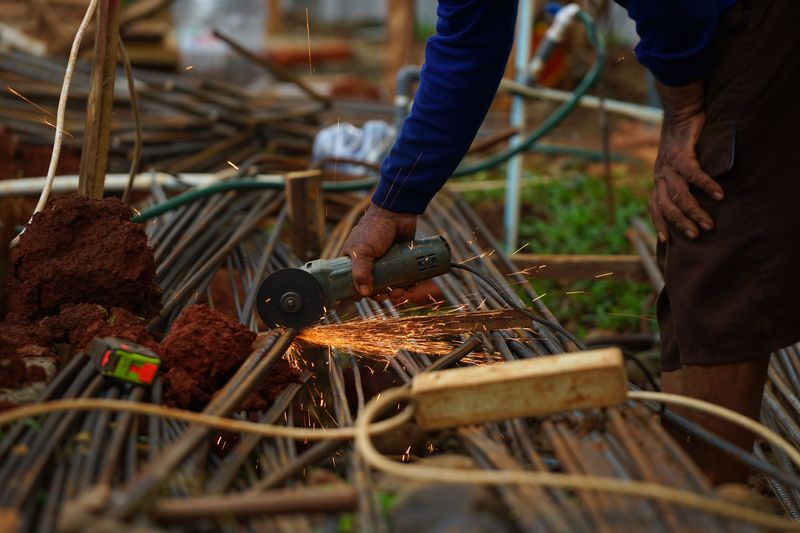
Raw rebar from a construction site or scrap yard needs a little prep before it goes into your garden. The process is simple and takes under an hour for a full batch of stakes.
Start by cutting rebar to your desired length. A hacksaw works fine for occasional cuts, but an angle grinder makes the job much faster.
Always wear safety glasses and gloves when cutting steel. After cutting, the cut ends will be sharp. File or grind the tips smooth so they are easy to drive into soil without snagging.
Smooth tips also reduce the risk of injury when you reach into the garden bed. Some gardeners choose to paint the tops of their rebar stakes with bright spray paint.
Orange, yellow, or red colors make stakes easy to spot, which prevents accidental injury. Stepping on a hidden steel rod is not a fun experience.
If you want to prevent rust from transferring to plant stems or ties, a quick coat of exterior spray paint works well. One thin coat is enough to seal the surface.
This step is optional but adds a polished look to your garden setup. Driving rebar into clay-heavy soil can be tough without the right tool. A rubber mallet works for soft ground.
For harder soil, use a fence post driver or a piece of pipe slipped over the top to extend your striking surface.
Proper prep makes the whole system work better and last longer. A little effort upfront saves real frustration once planting season hits full stride.
Using Rebar To Support Tall Or Climbing Plants
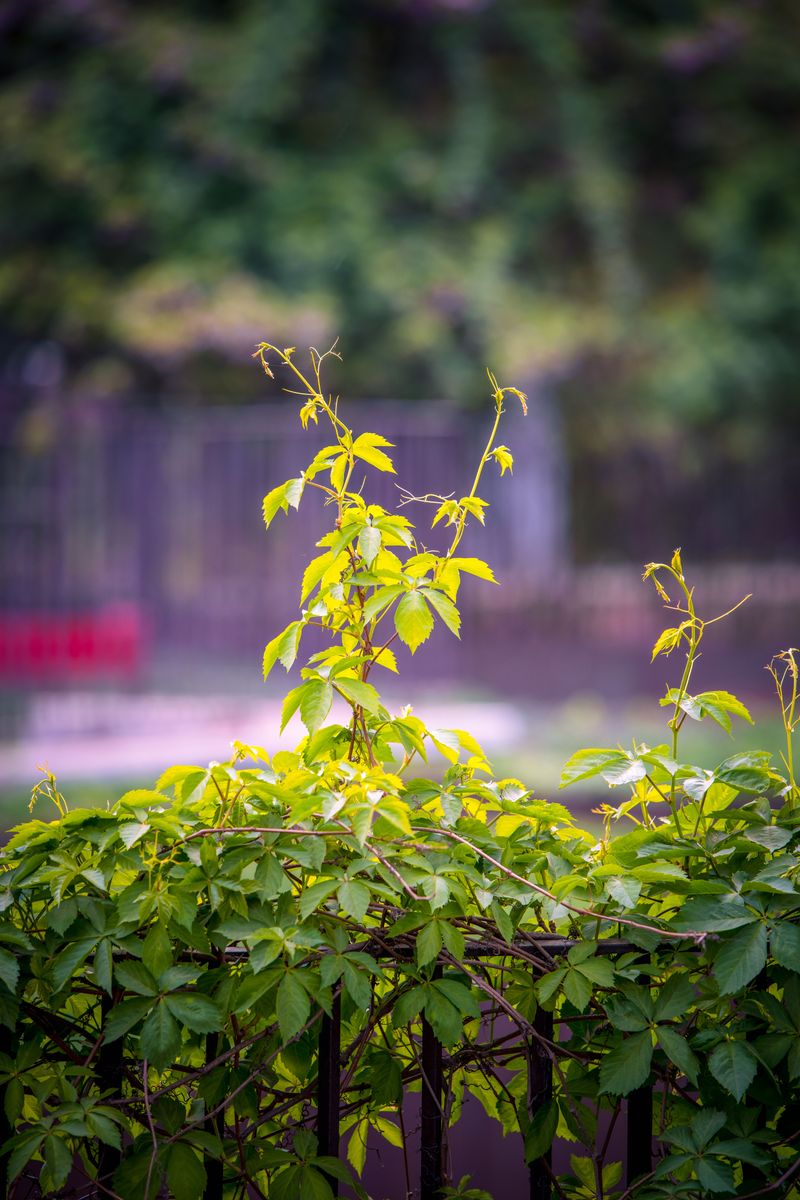
Tall plants need serious support, and rebar delivers that without compromise. Indeterminate tomatoes, pole beans, and climbing roses all thrive when given a truly stable anchor.
For tomatoes, drive a four-foot or five-foot stake about eight to ten inches deep beside each plant.
Space additional stakes around larger plants to create a triangle or square configuration. That layout spreads the load and keeps heavy fruit from pulling everything sideways.
Climbing plants like cucumbers and beans benefit from a horizontal wire or twine strung between two rebar uprights. The ridges on steel grip the wire tightly without slipping.
Your trellis stays taut all season without constant adjustment. Sunflowers get top-heavy fast, especially the giant varieties popular in home gardens. A single rebar stake driven deep beside each stalk gives them the backbone they need.
Wind events that could snap a bamboo stake generally have little effect on steel in the ground.
Pepper plants are smaller but still benefit from support during fruiting. A shorter two-foot rebar stake is plenty for most pepper varieties.
Soft garden ties looped loosely around the main stem keep everything upright without damaging the plant.
For decorative climbing vines on fences or trellises, rebar stakes work as anchor points at the base.
They hold tension from wire or netting without bending or pulling loose. The whole structure stays rigid even when loaded with dense foliage.
This bamboo stake alternative saves money, reduces waste, and performs better in most seasons. For gardeners who want reliable results without overspending, rebar is a cost-effective choice year after year.
Cost Comparison Between Bamboo And Rebar Stakes
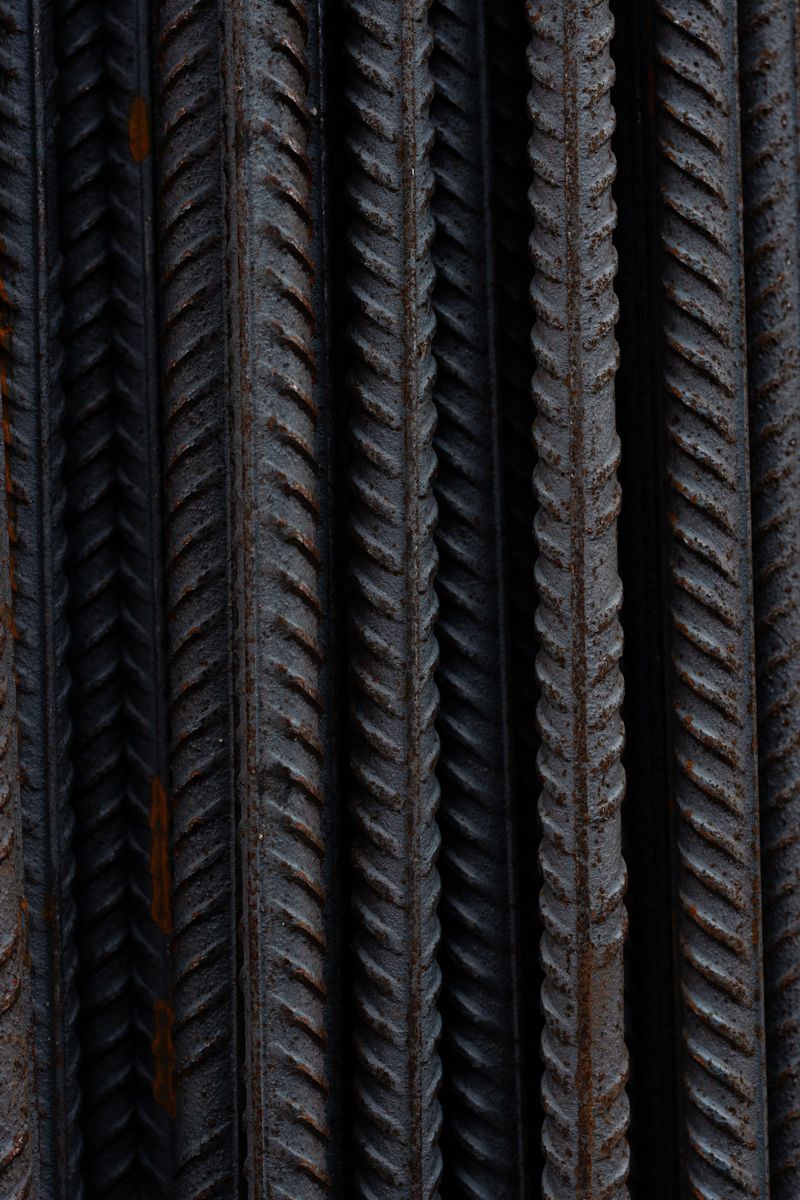
Numbers tell the real story here, and the math strongly favors rebar. A pack of 25 bamboo stakes costs roughly eight to twelve dollars at most garden centers.
Those bamboo stakes last one to two seasons before breaking down. That means you spend eight to twelve dollars every year or two just to replace what rotted.
Over five years, that adds up to twenty to sixty dollars for the same 25 stakes. A ten-foot rebar rod costs about five dollars at a home improvement store. Cut that rod into four sections of thirty inches each and you have four stakes for five dollars.
That is about $1.25 per stake. Rebar stakes last indefinitely with basic care. Surface rust does not compromise their function at all. The same stakes you buy today could still be working in your garden a decade from now.
Over five years, 25 rebar stakes cost you roughly thirty dollars upfront and nothing after that. Bamboo over the same period costs twenty to sixty dollars, and you still have to haul away the broken pieces every spring.
The savings compound over time. Scrap or free rebar from construction sites drops that cost even lower. Some gardeners build their entire staking system for nearly nothing. That kind of value is difficult to match.
This bamboo stake alternative saves money, reduces waste, and performs better in most seasons. For gardeners who want reliable results without overspending, rebar is a cost-effective choice year after year.