Oregon Septic Drain Fields Have These 8 Planting Rules Homeowners Should Know
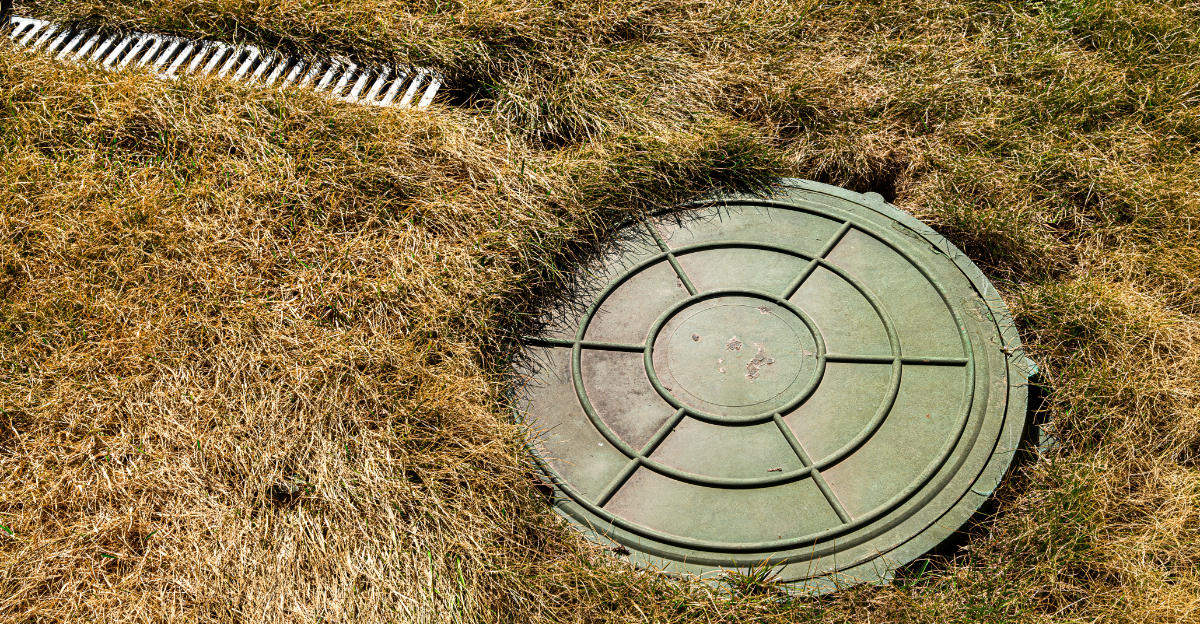
A septic drain field may look like an open patch of yard with plenty of room for flowers or shrubs.
That blank space can feel almost too tempting, especially when the rest of the landscape needs a little personality.
Still, this is one spot where garden creativity needs firm boundaries. The wrong plant choice can cause far more trouble than an awkward color combination.
Roots may reach places they should not, heavy soil work can disturb the area, and even routine yard care can interfere with the system below. Not exactly the backyard surprise anyone wants.
The famous Oregon wet seasons adds another layer of concern, since excess moisture already puts pressure on how well the area works.
A few smart rules can help homeowners protect the system without leaving the yard bare and forgotten.
With the right approach, the space can still look attractive while the septic system stays out of sight and, ideally, out of mind.
1. Keep Trees Off The Drain Field
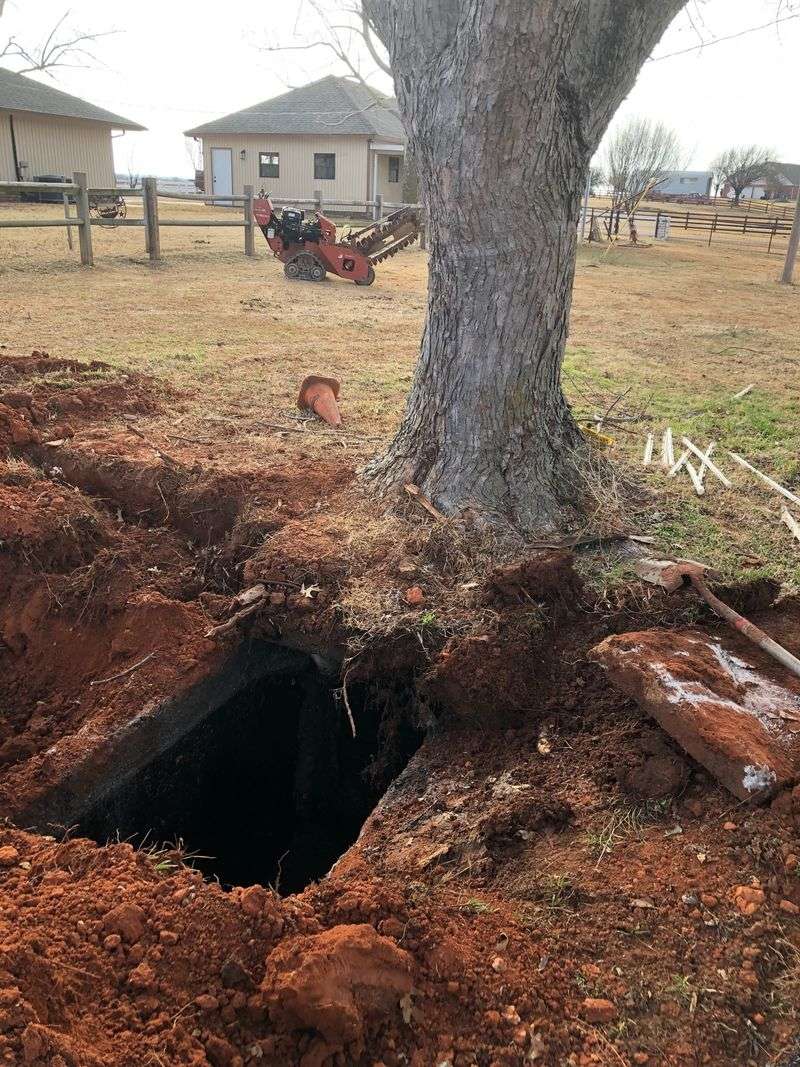
Most people do not realize how far tree roots actually travel underground. A single mature tree can send roots stretching 20 to 30 feet or more in every direction, quietly searching for moisture and nutrients.
That might sound harmless, but those roots will find your septic pipes and wrap right around them.
Once roots get inside a pipe, they grow fast. They can crack plastic pipes, collapse older clay lines, and clog the entire drain field in a surprisingly short time.
Repairs are expensive and sometimes require digging up large sections of your yard. The damage often goes unnoticed until the system backs up completely.
Common offenders include willows, poplars, maples, and cottonwoods. These trees love water and will aggressively seek it out.
Even fruit trees and ornamental trees can cause problems if planted too close to the field.
A safe rule of thumb is to keep all trees at least 30 feet away from the drain field boundary. For larger or faster-growing species, push that distance even further.
Check with your local county health department or a licensed septic professional for guidance specific to your property layout and soil type.
Protecting your drain field from tree roots is not just about avoiding repairs. It is about keeping your whole septic system working the way it should for decades to come.
2. Choose Shallow-Rooted Plants Only
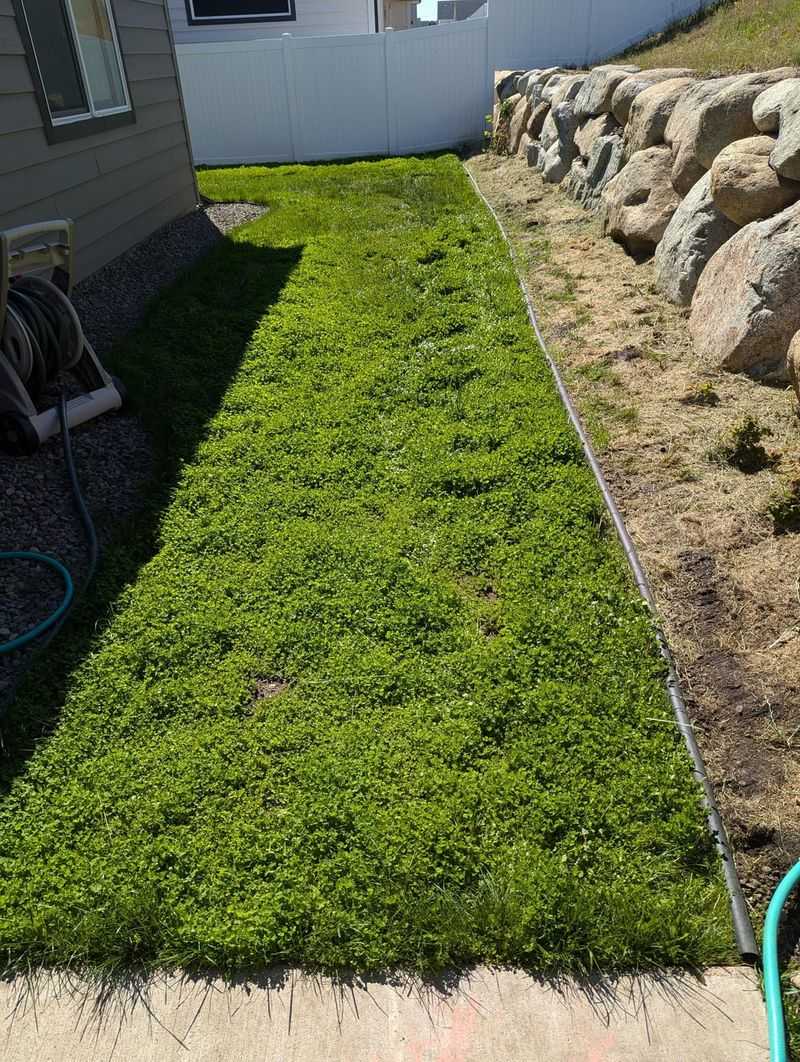
Not every plant spells trouble for a drain field. The key is choosing species with shallow, non-invasive root systems that stay close to the surface and do not go digging for water below ground.
These plants can actually help the drain field by absorbing surface moisture and preventing soil erosion.
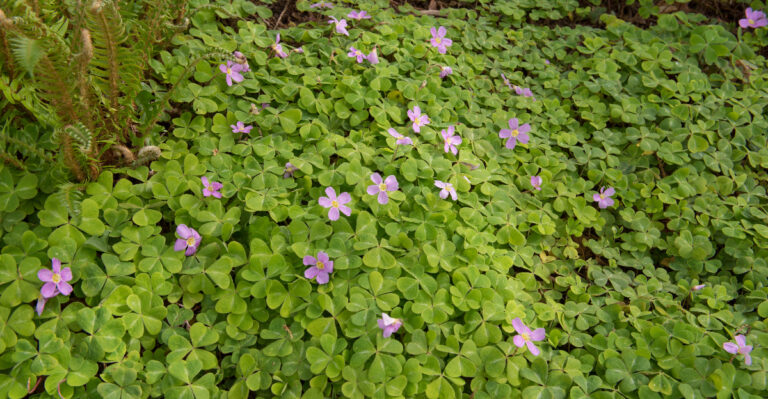
Good options include native grasses, clover, creeping thyme, and low-growing wildflowers. These plants have fine, delicate roots that spread near the top of the soil without putting pressure on pipes or distribution boxes below.
They also tend to be low-maintenance, which is a bonus for busy homeowners.
Bulb plants like daffodils and crocuses can work well too, as long as you are not digging deeply to plant them.
Your Oregon Garden Changes Every Week. Your Plan Should Too.
Gardening in Oregon changes quickly throughout the season. Every Friday you’ll receive a simple weekly plan showing exactly what to plant, prune, fertilize, harvest, and protect so you never miss the right timing.
Shallow planting keeps root disruption to a minimum and still gives you a colorful yard above the drain field.
Avoid anything labeled as drought-tolerant or deep-rooted, since those plants are built to search far underground for water.
That searching behavior is exactly what causes damage to septic infrastructure over time.
When in doubt, ask a local nursery about native plants suited to your area. Staff at garden centers in Oregon are often familiar with septic-safe planting options and can point you toward varieties that look great without putting your system at risk.
3. Skip Big Shrubs With Aggressive Roots
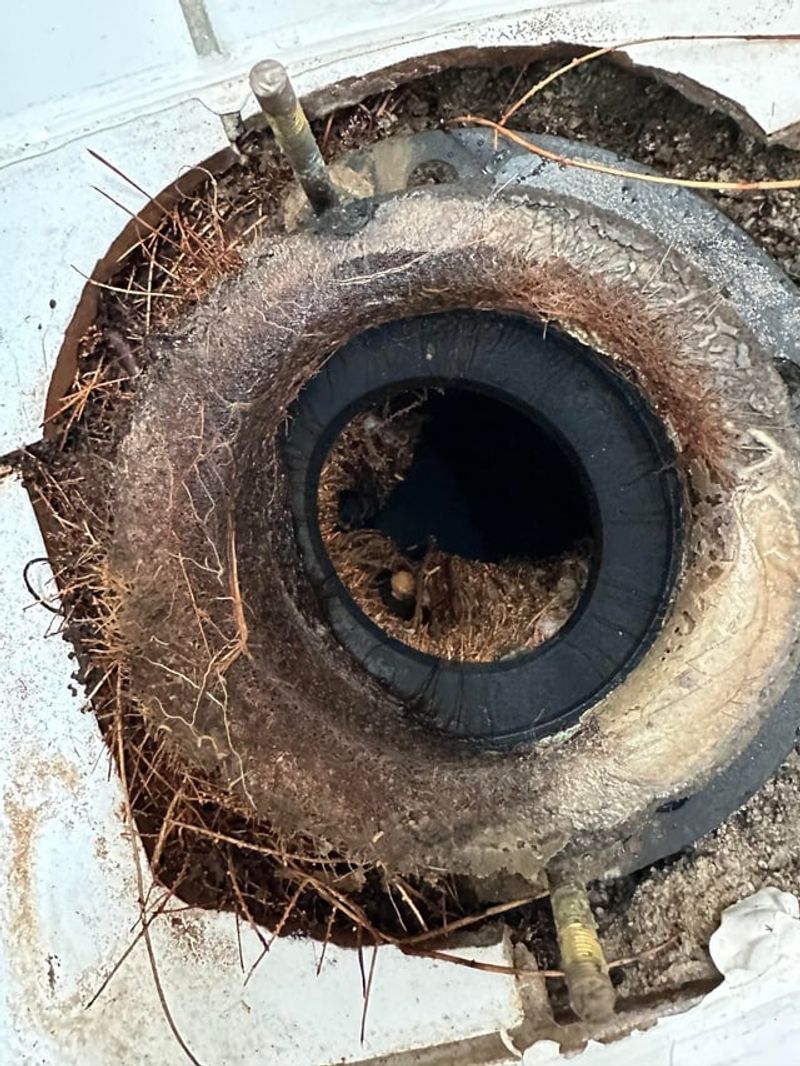
Shrubs might seem like a safer choice than trees, but some of them are just as damaging. Certain popular landscaping shrubs have root systems that spread wide and go surprisingly deep.
When planted near a drain field, they can quietly cause major problems over a period of just a few years.
Rhododendrons, for example, are one of the most beloved plants in Oregon. They are beautiful and widely planted, but their roots are dense and wide-spreading.
Forsythia, butterfly bush, and boxwood are other common shrubs that can push roots into septic infrastructure if planted too close.
The tricky part is that shrubs grow slowly at first, so the damage happens gradually. By the time you notice a problem with your system, the roots may have already worked their way into the pipes or gravel bed of the drain field.
Removing a large established shrub is not a small job either. A safer approach is to keep all large shrubs at least 10 feet from the outer edge of your drain field. For particularly aggressive varieties, 15 to 20 feet is a smarter buffer.
Small, ornamental shrubs with known shallow roots are a better fit if you want some structure and texture near the area.
Always check the mature root depth of any shrub before planting it anywhere near your septic system boundaries.
4. Plant Grass Or Meadow Cover Instead
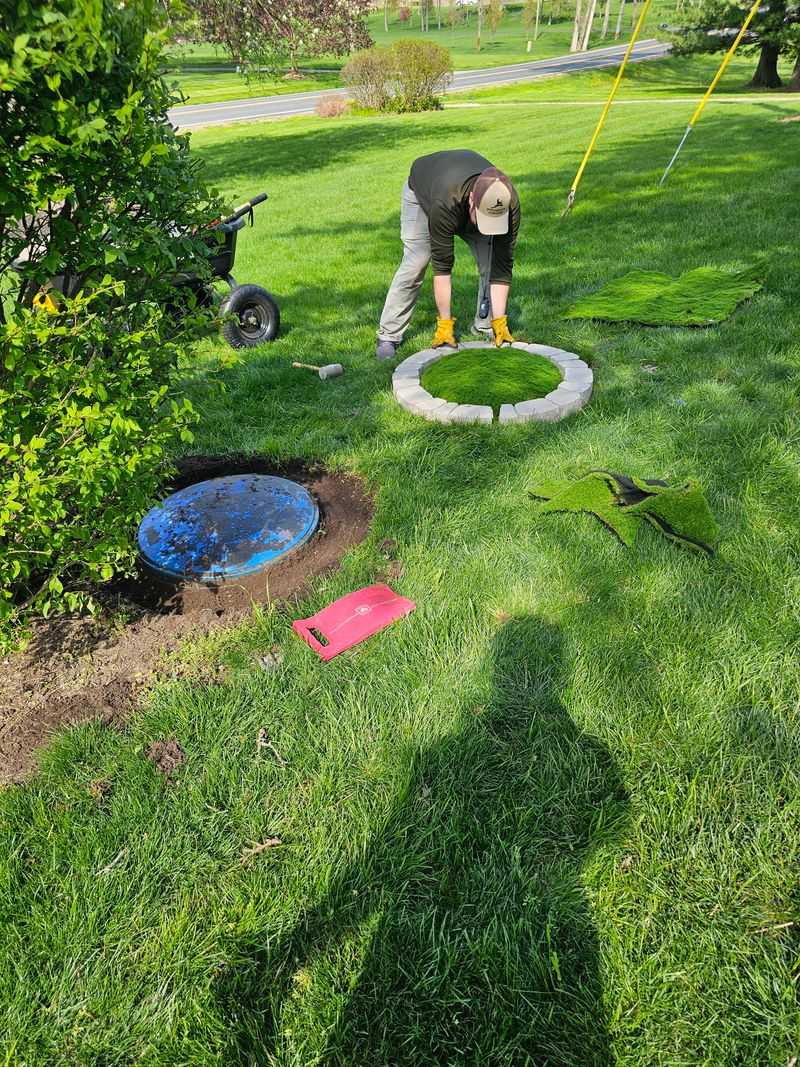
Grass is hands-down the best cover for a drain field, and most septic professionals will tell you the same thing.
A healthy lawn of fine-bladed grass keeps the soil in place, allows moisture to evaporate naturally, and adds zero stress to the pipes below. It is simple, affordable, and effective.
Turf grasses like tall fescue, perennial ryegrass, and fine fescue work especially well in Oregon’s climate.
They handle both the wet winters and the drier summers without needing a lot of extra help.
These grasses stay shallow-rooted and do not compete aggressively with the soil structure around the drain field.
Meadow-style plantings are another great option if you prefer a more natural look. A mix of native grasses and low wildflowers can create a beautiful, low-maintenance cover that supports local pollinators while protecting your system below.
Just make sure the wildflower varieties you choose are known for shallow roots.
Mowing regularly keeps grass from getting too thick and heavy. Overly dense turf can sometimes hold too much moisture at the surface, which is not ideal for drain field function. A light, regular mow keeps things balanced.
Think of the drain field area as a functional part of your yard, not wasted space. With the right grass or meadow mix, it can look just as attractive as the rest of your property while doing its job quietly underground.
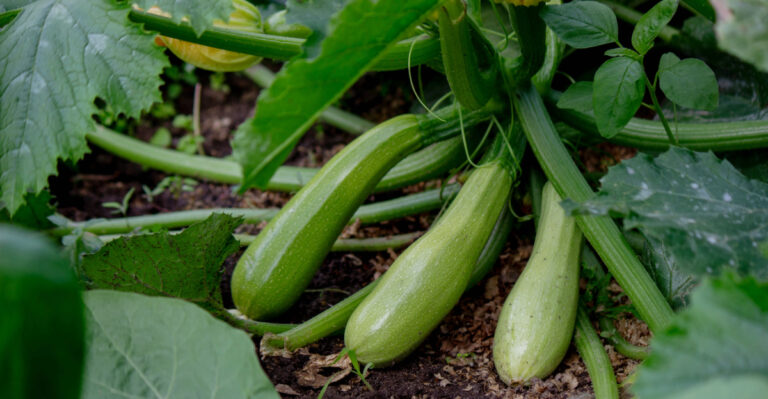
5. Avoid Vegetable Gardens Over Septic Lines
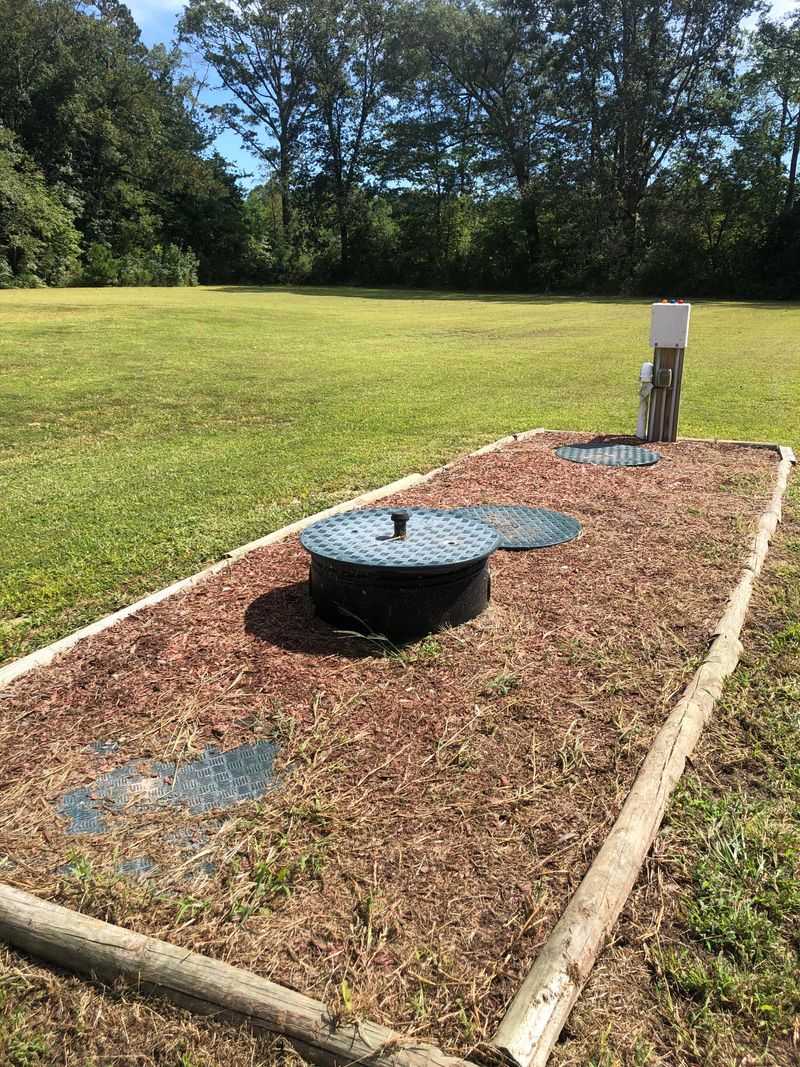
Growing your own food is a wonderful idea, but placing a vegetable garden directly over a septic drain field is a combination that creates real problems.
The soil above a drain field can contain trace amounts of pathogens and bacteria as part of the natural treatment process. Edible plants grown in that soil can absorb those contaminants.
Root vegetables are the biggest concern. Carrots, beets, radishes, and potatoes grow directly in the soil and have the highest chance of contact with partially treated wastewater.
Even above-ground crops like tomatoes or beans can absorb contaminants through their roots if the drain field soil is compromised.
Beyond health concerns, vegetable gardening over a drain field is hard on the system itself. Regular watering adds extra moisture that the field is not designed to handle from above.
Digging and tilling for seasonal planting can disturb the gravel bed and pipes just a few feet down.
Many counties in Oregon have specific regulations about growing food near septic systems.
Check with your local environmental health office before planting anything edible close to the system boundary.
The rules exist for good reason and are worth following closely.
Moving your vegetable garden at least 10 to 20 feet away from the drain field gives you peace of mind and keeps your produce safe. There are plenty of sunny spots in most yards that work better for food growing anyway.
6. Do Not Add Extra Irrigation
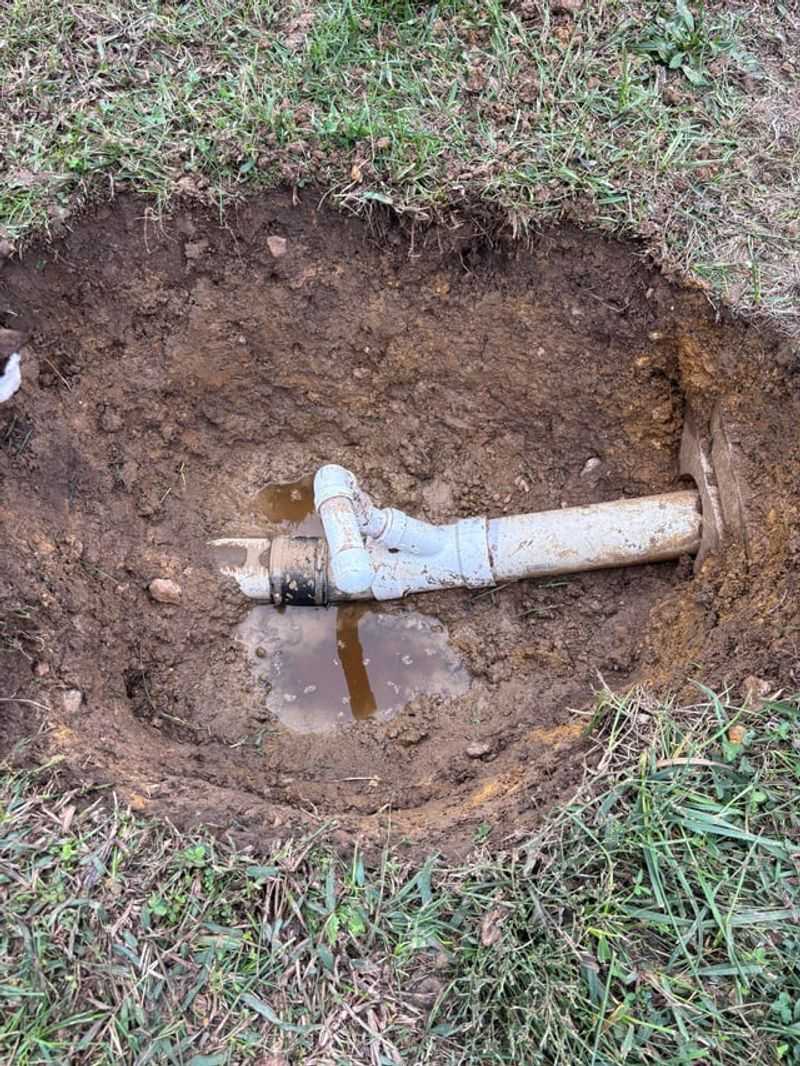
Here is something many homeowners overlook entirely: your drain field already receives a steady supply of water from the septic system itself.
Adding irrigation on top of that creates a moisture overload that the soil simply cannot handle.
When the ground above a drain field gets too wet, the entire treatment process slows down or stops working.
Drain fields are designed to release treated wastewater slowly into the surrounding soil. That process depends on the soil having enough capacity to absorb the liquid.
When you add sprinklers or drip lines above the field, you are filling that capacity with surface water, leaving no room for the system to do its job.
Soggy drain fields are one of the leading causes of septic system failure in this state. The wet climate already pushes moisture levels high during fall and winter months.
Adding irrigation during the drier summer months might seem helpful for the grass, but it can push a stressed system over the edge.
If the grass above your drain field looks a little dry in summer, that is actually okay. A slight browning of the turf is far better than a flooded, failing system.
Choose drought-tolerant grass varieties for the drain field area specifically, so they can handle drier conditions without needing extra water.
Redirect any existing sprinkler heads away from the drain field boundary. A small adjustment now can prevent a very large repair bill later.
7. Keep Raised Beds Away From The System
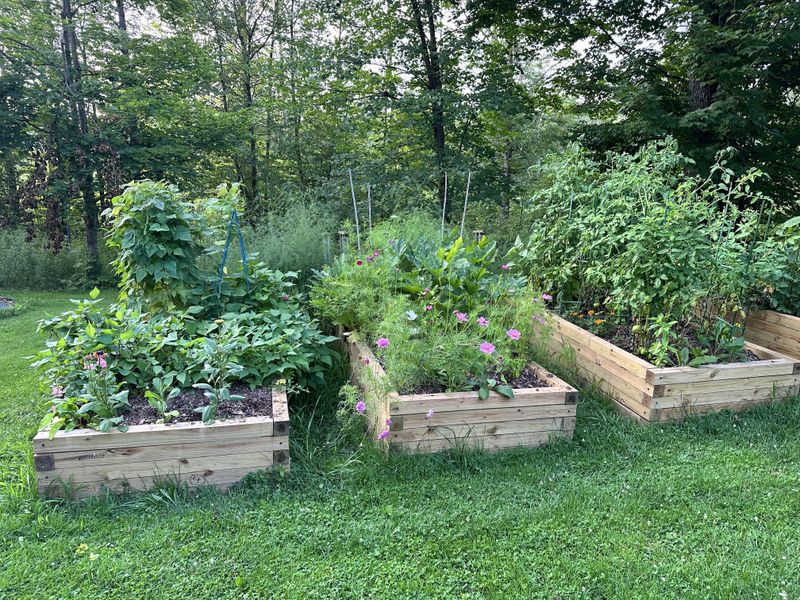
Raised beds have become incredibly popular for home gardening, and it is easy to see why. They are tidy, productive, and easy to manage.
But placing them over or directly adjacent to a septic drain field creates a set of problems that most gardeners do not anticipate until it is too late.
The weight of a raised bed filled with soil, compost, and plants can compress the ground below it. Drain fields rely on loose, aerated soil to function correctly.
Compaction above the field reduces the soil’s ability to filter and absorb wastewater, which can lead to system backup and failure over time.
Raised beds also concentrate water in one spot. Every time you water your Oregon garden, that moisture seeps down through the bottom of the bed and into the native soil below.
Over a drain field, that adds up to a lot of extra water in exactly the wrong place.
Additionally, building a raised bed often involves setting posts, driving stakes, or laying landscape fabric.
Any of these activities can accidentally puncture a pipe or disturb the gravel layer of the drain field below the surface.
A clearance of at least 10 feet from the edge of the drain field is a smart minimum for raised bed placement. Giving yourself more space is always better.
Your garden will thrive just as well a few feet further away, and your septic system will thank you for it every single day.
8. Leave Room For Septic Access
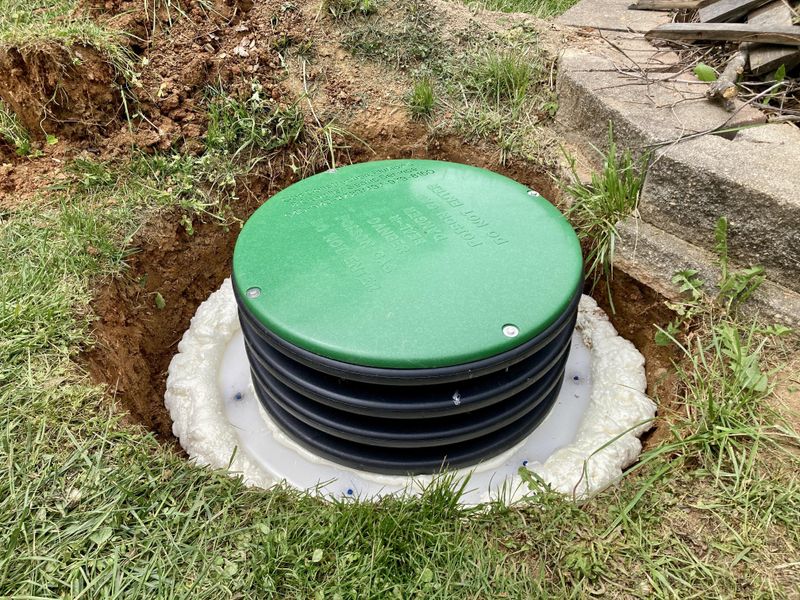
One rule that often gets forgotten in the excitement of landscaping is this one: always keep the area above your septic system clear enough for a service truck and crew to get in and do their job.
Septic systems need to be pumped and inspected on a regular schedule, and if access is blocked, that work cannot happen safely or efficiently.
Planting dense ground cover, installing decorative boulders, or building garden structures directly over the tank lid or inspection ports makes routine maintenance a real headache.
Technicians need to locate lids, insert hoses, and sometimes dig around the tank edges. Obstacles slow down the process and can increase your service costs.
In some cases, blocked access means the technician cannot complete the job at all. That forces a return visit, extra charges, and delays that can leave your system unserviced longer than it should be.
Regular pumping, typically every three to five years, is one of the best ways to extend the life of a septic system.
Mark the location of your tank lid and any inspection ports clearly. Use a simple marker stake or a flat, removable stepping stone that can be moved easily when service is needed.
Keep at least a few feet of clear, open ground around every access point at all times.
Good access planning is a small effort that pays off every time a service crew shows up. It keeps your system running and your yard functioning without any surprises.