How To Stop Southern Blight Before It Takes Over Your Georgia Garden
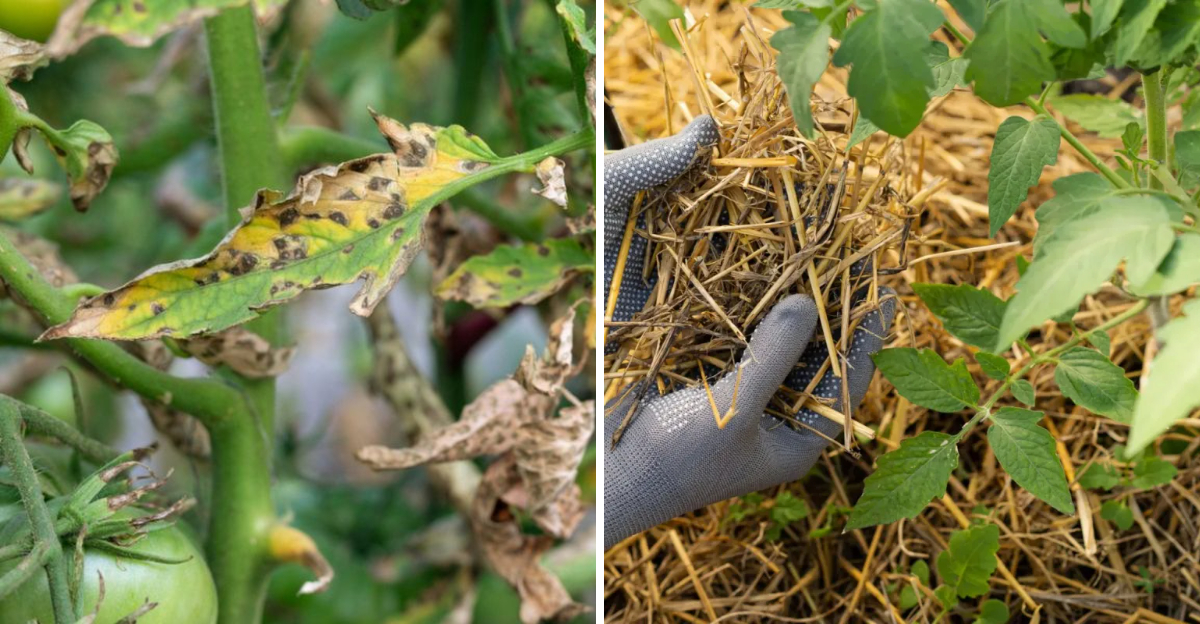
Southern blight can spread much faster than most gardeners expect. A healthy vegetable bed can start showing wilted plants in only a few days when conditions are warm and humid.
Once the fungus becomes established, it is much harder to control. That is why acting early makes such a big difference.
In Georgia, hot summer weather creates the perfect conditions for this disease to develop and spread. Good gardening habits can lower the risk before serious damage begins.
Simple changes like improving drainage, removing infected plants quickly, and keeping stems dry help protect healthy crops. Paying attention to the first warning signs is just as important as choosing the right treatment.
A few preventive steps today can save much larger problems later in the season.
1. Remove Infected Plants Immediately
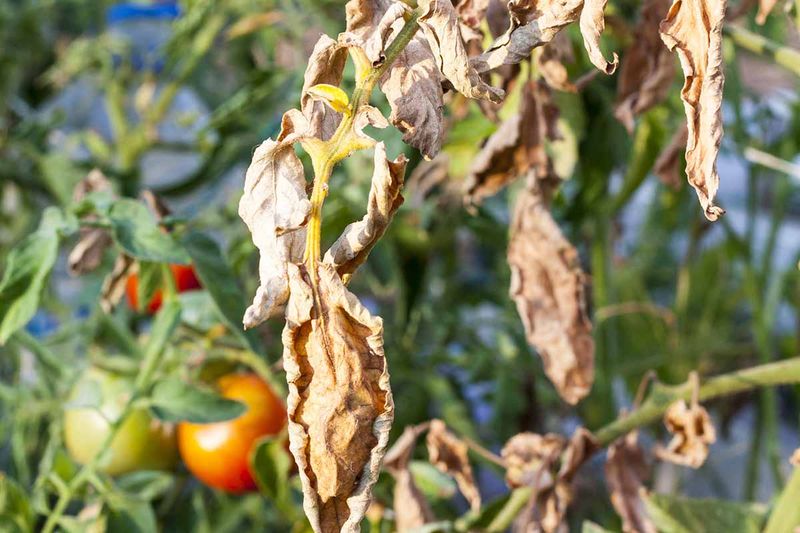
Spotted white, cottony growth at the base of a plant? Act fast.
Southern blight does not slow down on its own, and leaving infected plants in the ground gives the fungus more time to spread its sclerotia through your soil.
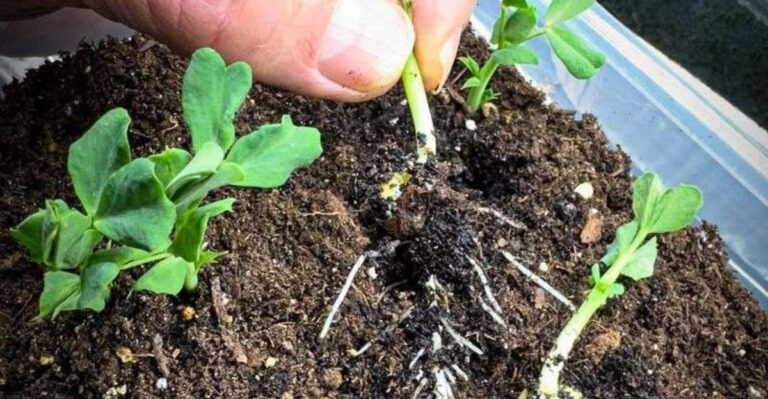
Pull the entire plant out, roots and all. Do not shake it over the garden bed.
Loose soil particles clinging to roots can carry the fungus to clean areas nearby.
Bag the plant in a sealed plastic bag before moving it across the yard. Composting infected material is risky because home compost piles rarely get hot enough to destroy the fungus.
Dispose of bagged plants in the trash, not in a garden pile. Some gardeners burn infected debris when local rules allow it.
After pulling a plant, avoid working that same soil patch without washing your tools first. Shovels, trowels, and gloves can transfer sclerotia to healthy beds without you realizing it.
Wash tools with a diluted bleach solution. Let them dry before using them again elsewhere in the garden.
Mark the spot where the infected plant was growing. Southern blight sclerotia can survive in soil for several years, so that area will need extra attention during future planting seasons.
Rotating what you grow there is one of the smarter long-term moves you can make.
2. Space Plants Far Enough Apart
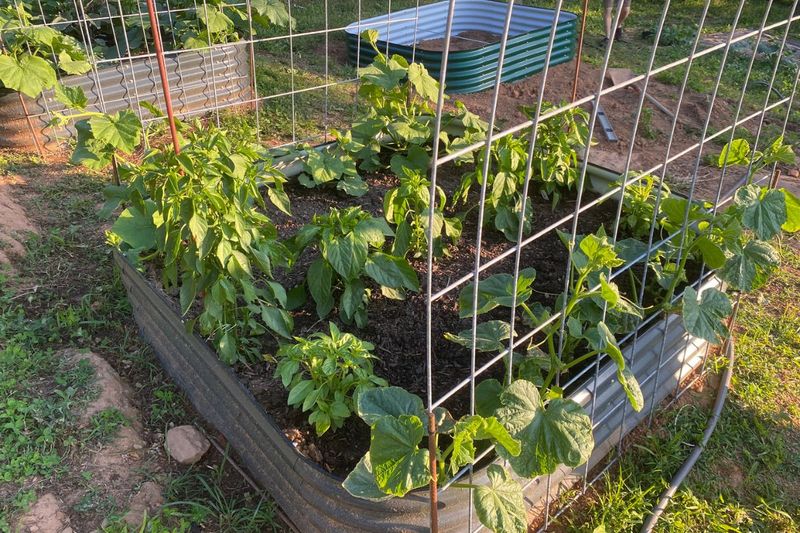
Crowded plants share more than just space. When foliage overlaps and stems bunch together, airflow drops, moisture lingers, and conditions for fungal spread improve fast.
Southern blight spreads along the soil surface. Plants spaced too close together make it easier for the fungus to jump from one root zone to the next without much effort.
Follow the spacing recommendations on your seed packets or transplant tags. Tomatoes generally need at least 18 to 24 inches apart.
Peppers and eggplants need similar room. Do not squeeze extra plants in just to fill space.
Better airflow between plants means stems and soil surfaces dry out faster after rain or irrigation. Drier conditions slow fungal activity significantly, though they do not eliminate risk entirely.
Wider spacing also makes it easier to spot problems early. When plants are packed tightly, it is harder to see the base of each stem.
Your Georgia Garden Changes Every Week. Your Plan Should Too.
Gardening in Georgia changes quickly throughout the season. Every Friday you’ll receive a simple weekly plan showing exactly what to plant, prune, fertilize, harvest, and protect so you never miss the right timing.
A white fungal mat at the soil line can go unnoticed until the damage is already done.
Staking or caging plants helps too. Upright plants stay off the soil and allow more light and air to reach the lower stem area.
Sprawling plants that touch the ground are more vulnerable.
Plan your layout before planting, not after. Moving transplants once they are established is stressful for the plant and disrupts the soil around them.
Getting spacing right from the start pays off through the whole growing season.
3. Improve Soil Drainage Before Planting
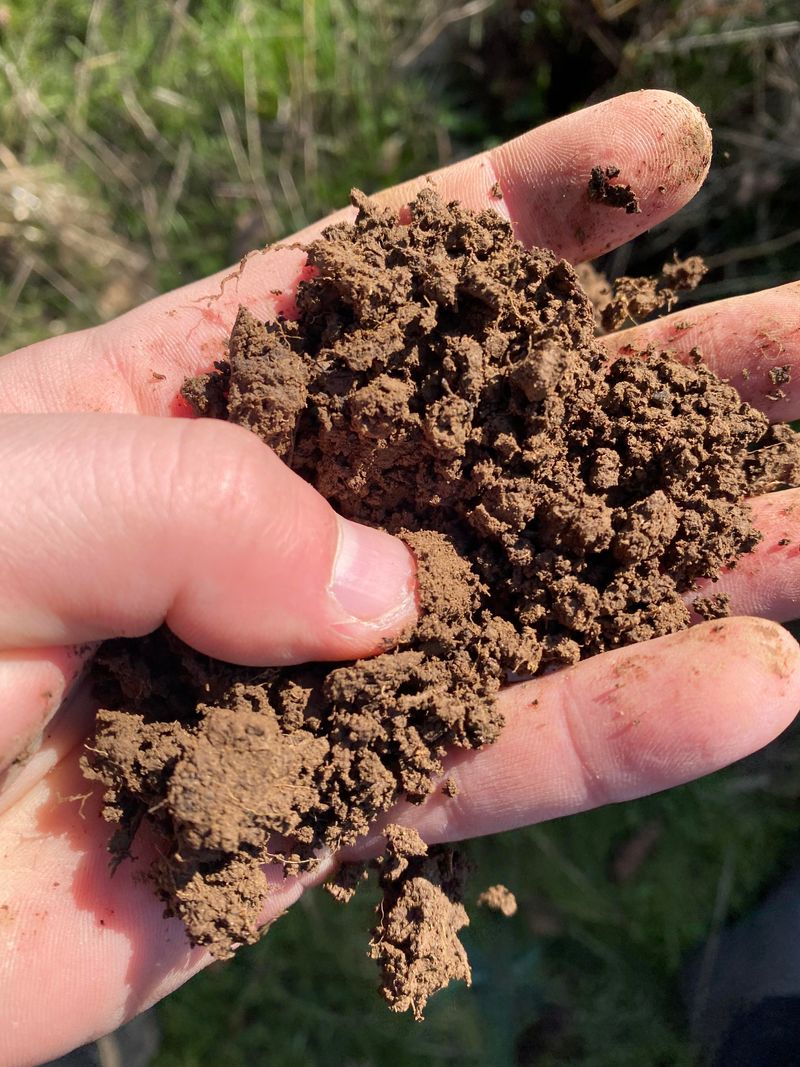
Wet, waterlogged soil is one of Southern blight’s favorite environments. Fungal sclerotia survive longer and spread more easily when soil stays saturated for extended periods after rain.
Clay-heavy soils common across parts of Georgia hold water longer than sandy or loamy soils. If water pools in your beds after a moderate rain and takes more than an hour to drain, drainage improvement is worth the effort.
Work compost into the top 8 to 10 inches of soil before planting. Compost loosens compacted soil and improves drainage without stripping nutrients.
A two to three inch layer turned into the bed makes a noticeable difference in soil texture over time.
Avoid walking on your garden beds. Foot traffic compacts soil and reduces pore space, which slows drainage.
Use designated pathways or stepping stones to keep bed soil loose.
Adding coarse sand to clay soil can help, but it needs to be done in large amounts to work properly. A thin layer of sand mixed into clay can actually make drainage worse by creating a concrete-like texture.
Compost is usually the safer and more practical amendment.
Test your soil if you are unsure about its composition. County extension offices in Georgia often offer affordable soil testing that tells you exactly what your soil needs before you start amending it.
4. Rotate Crops Every Growing Season
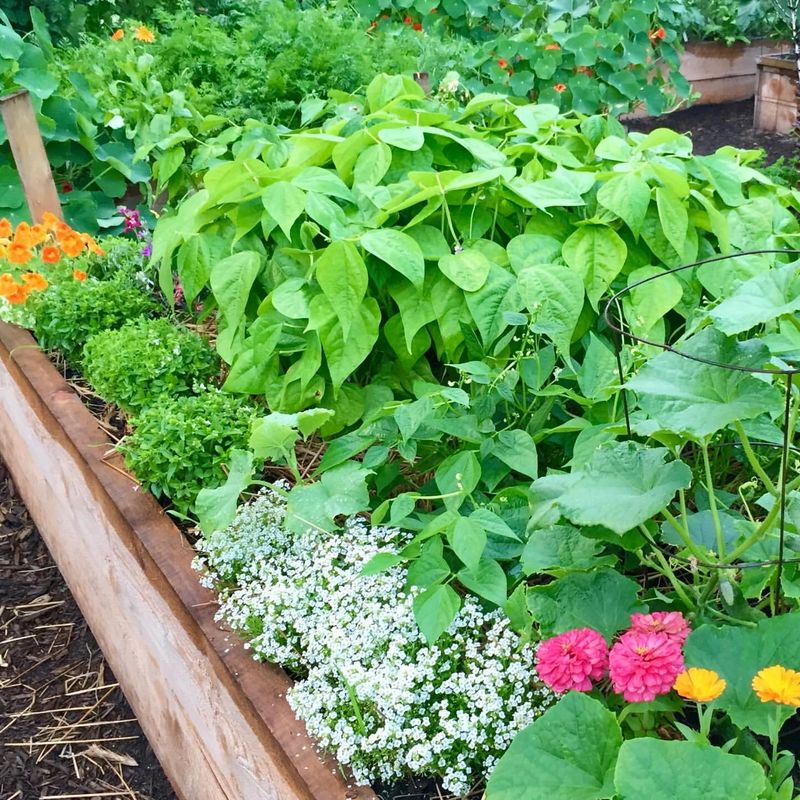
Planting the same crops in the same spot year after year is one of the fastest ways to build up soil-borne fungal problems.
Southern blight sclerotia can persist in soil for years, and returning susceptible plants to the same bed gives the fungus a fresh host right where it is waiting.
Rotate plant families, not just individual crops. Tomatoes, peppers, and eggplants all belong to the nightshade family.
Moving them to a different bed each season reduces the chance of re-exposing them to lingering fungal material in the original spot.
A simple three or four-year rotation plan works well for most home gardens. Label your beds and keep basic notes about what grew where.
It sounds like extra work, but a quick sketch at the end of each season takes only a few minutes.
Follow susceptible crops with plants that are less commonly affected by Southern blight. Corn, small grains, and some cover crops are generally less vulnerable.
Rotating in a cover crop like sorghum-sudangrass can even help suppress fungal populations in some cases, though results vary depending on soil conditions.
Rotation also helps with other soil-borne problems beyond Southern blight. Nematodes, root rots, and other fungal issues can be partially managed through consistent rotation practices.
No single strategy stops Southern blight on its own.
5. Remove Plant Debris After Harvest
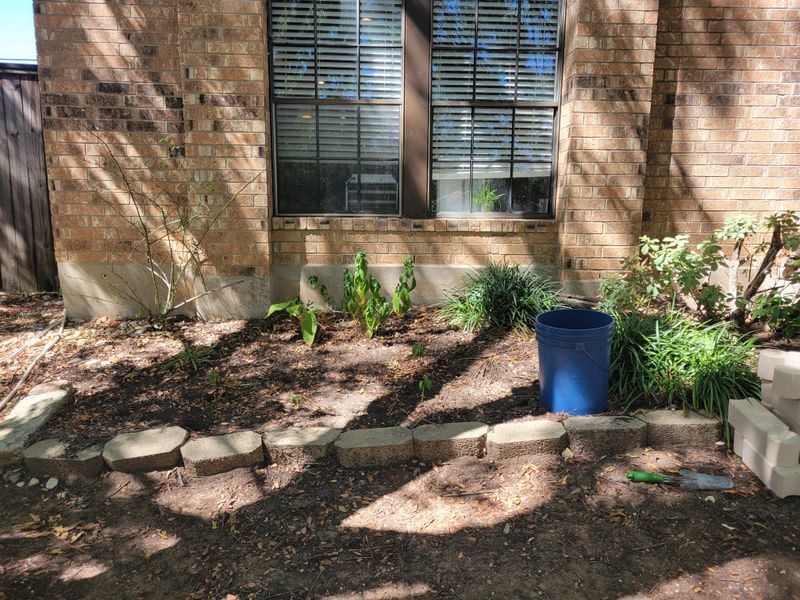
Leaving old plant material in the garden after harvest is one of the most common mistakes gardeners make. Decomposing stems, roots, and leaves left in place give Southern blight a place to overwinter and build up in the soil.
After the growing season ends, pull out every plant completely. Do not just cut stems at the soil line and leave roots in the ground.
Roots from infected plants can harbor fungal material that persists into the next season.
Rake up fallen leaves and debris from around your beds. Fungal sclerotia can attach to organic matter on the soil surface and survive through winter in warm Southern climates where temperatures rarely drop low enough to destroy them.
Bag and dispose of any material from beds that had confirmed or suspected Southern blight. Do not add it to a compost pile.
Healthy plant debris from unaffected beds can be composted if your pile reaches consistently high temperatures.
Clearing debris also removes habitat for other garden pests. Slugs, fungus gnats, and certain beetles overwinter in decomposing plant matter.
A clean bed going into the off-season gives you a cleaner start the following spring.
Once the bed is cleared, consider lightly tilling or turning the soil.
Turning the top few inches exposes sclerotia to sunlight and surface drying, which can reduce their viability over time, though it does not eliminate them entirely.
6. Keep Mulch Away From Plant Stems
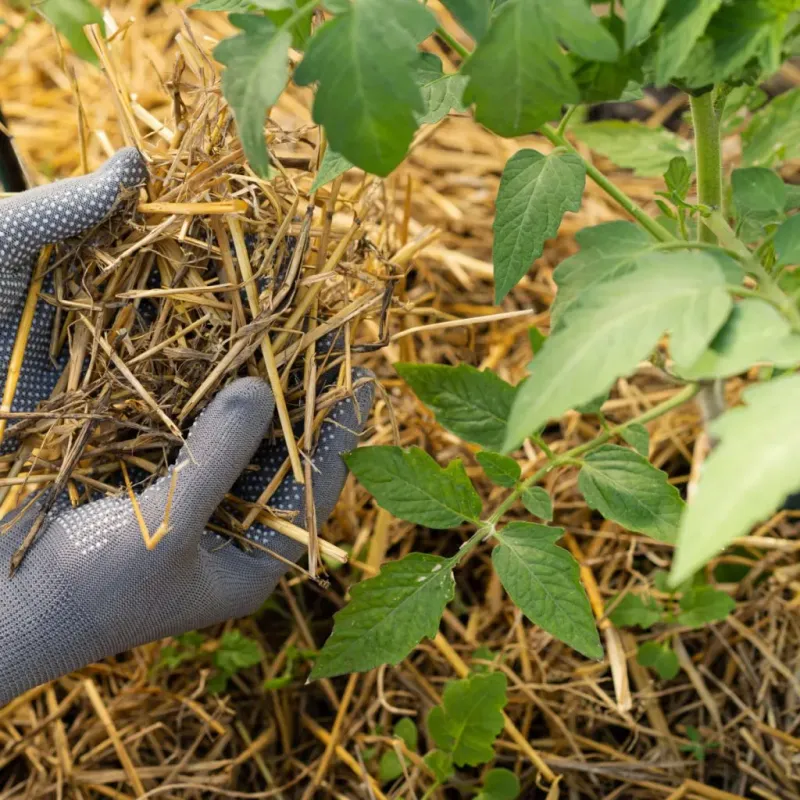
Mulch piled against plant stems is a setup for trouble. Moisture trapped between mulch and stems creates a warm, damp environment where Southern blight fungi can move in and establish quickly.
Pull mulch back at least two to three inches from the base of each plant. That small gap allows air to circulate around the stem and keeps the surface drier where it matters most.
Organic mulches like straw and wood chips are great for moisture retention across the bed. Just keep them off the stem itself.
Even a thin layer pressed directly against the base can cause problems over time.
Check your mulch layer depth too. More than three inches of mulch can trap excess moisture in the top layer of soil, which is exactly where Southern blight thrives.
A two-inch layer is usually enough for most garden beds.
In Georgia summers, gardens dry out fast between rains. Mulch helps, but placement matters just as much as the mulch itself.
Inspect the base of your plants every week or so during peak growing season. Catching early signs of white fungal growth at the soil line gives you time to respond before the infection spreads wider.
Adjust mulch placement after heavy rains too. Rain can shift mulch back toward stems.
7. Use Raised Beds Where Drainage Is Poor
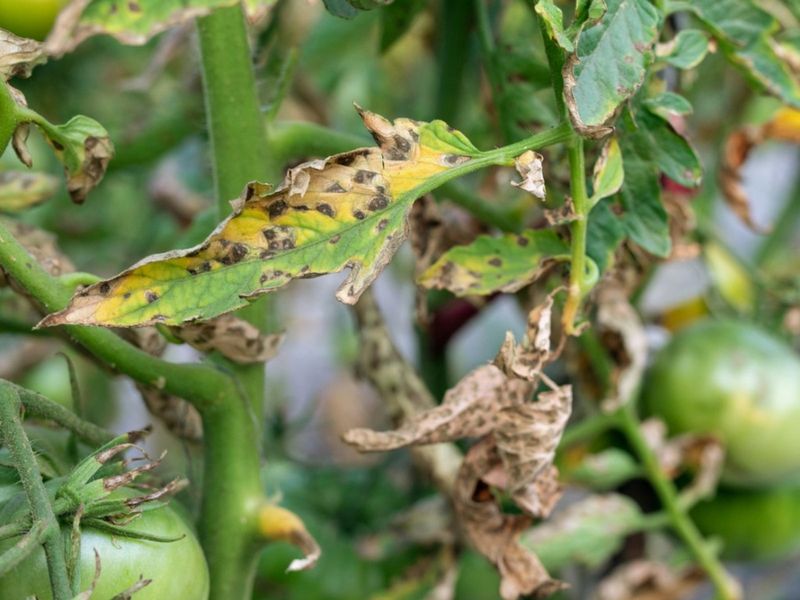
Standing water after a rainstorm is a red flag for any gardener. Raised beds are one of the most practical solutions when your native soil drains too slowly or stays wet for extended periods.
Lifting your growing area even six to eight inches above ground level makes a significant difference in how quickly water moves away from plant roots. Faster drainage means less time for fungal activity to take hold at the soil surface.
Fill raised beds with a quality mix of topsoil, compost, and coarse material like perlite or aged bark. Avoid using native clay-heavy soil as the primary fill.
A well-blended mix drains better and warms up faster in spring, which also gives plants a stronger start.
Raised beds also give you more control over soil composition. Starting with clean, uncontaminated fill reduces the chance of introducing Southern blight sclerotia that may already be present in your native ground soil.
Cedar and pine are both commonly used for raised bed frames. Both hold up reasonably well in humid Southern climates.
Untreated wood will eventually break down, but most frames last several growing seasons before needing replacement.
Keep beds at a manageable width, typically no more than four feet across. Reaching into the center without stepping in the bed keeps the soil loose and well-aerated, which supports drainage over time.