One Fall Task Keeps Georgia Fig Trees Productive Next Summer
Next summer’s fig harvest starts taking shape long before warm weather returns, which makes fall care more important than it might seem. One simple task deserves attention once this year’s growing season slows.
Your tree has spent months supporting leaves, new growth, and developing fruit.
As that activity winds down, Georgia gardeners get a useful opportunity to prepare the tree for the months ahead. What happens now can influence how comfortably it moves through winter and returns to growth.
That does not mean your fig needs a long list of seasonal chores.
Instead, focus on the task that supports the tree without encouraging unnecessary late growth. Getting the timing right makes the process much easier.
Handle this fall job carefully, and your fig can head toward next summer in better shape.
1. The Most Important Fall Job Starts Under The Tree
Grab a rake before you reach for the pruners.
Fig leaves are big, and they pile up fast. That layer under the tree matters more than most gardeners think.
Spores and insect eggs can ride out the winter in old leaves.
Come spring, rain splashes them back onto fresh growth. Clean ground gives fewer places for trouble to wait.
Across Georgia, figs often hold their leaves late, sometimes into November.
So the timing shifts a bit by region. Coastal gardens finish dropping later than mountain yards.
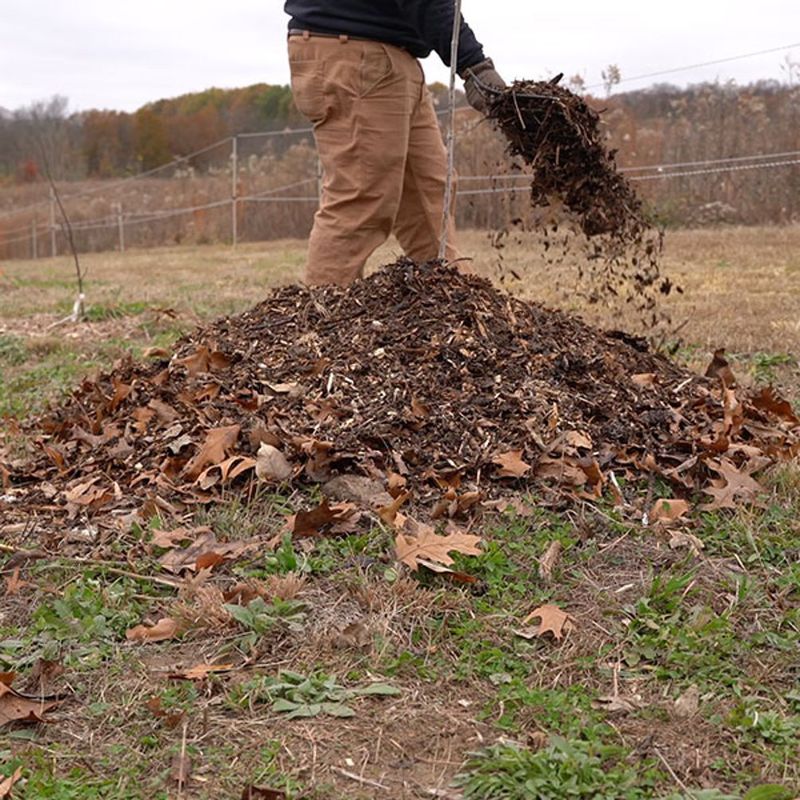
Rake the leaves out past the drip line, then bag them or move them far from the tree.
Compost piles that heat well can handle them, though most backyard piles stay cool. When in doubt, keep the leaves out of the compost.
A light layer of fresh mulch after cleanup helps hold moisture and keeps mud from splashing up.
Leave a few inches of bare space around the trunk. Mulch piled against bark invites rot and rodents.
None of this takes long.
One afternoon with a rake and a tarp usually covers a mature tree. Results depend on weather, soil, and how much disease pressure your yard already had.
Still, cleanup is cheap, simple, and hard to get wrong.
Do it once, then walk back a week later and check for the last stragglers.
2. Fallen Leaves Can Carry Problems Into Another Season
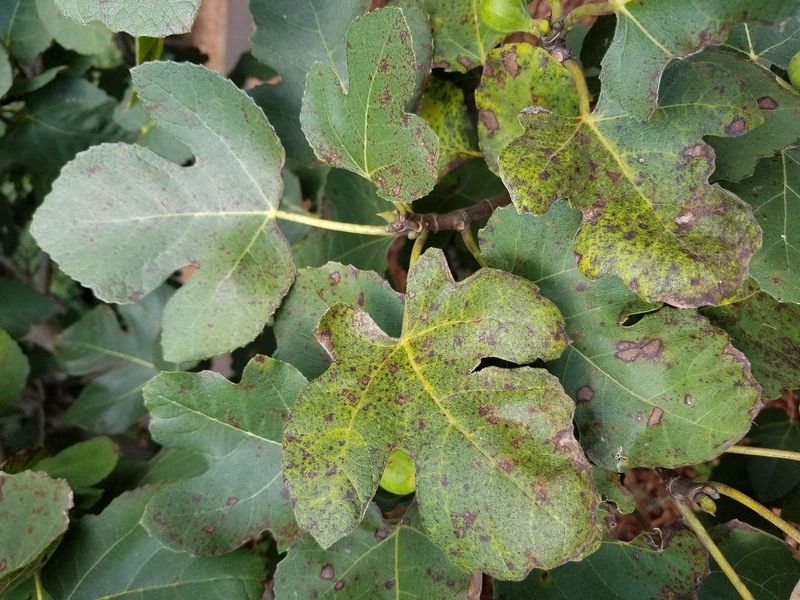
Old leaves are not just yard mess.
Fungal spores survive on plant debris. Wet leaves at the base of a fig make a fine hiding spot.
Warm, humid springs in the South wake those spores up early.
Rain hits the ground and bounces spores onto low branches. Infection often starts on the leaves closest to the soil.
Bugs use the litter too.
Beetles and other pests tuck into damp piles for winter. Removing the pile removes some of that shelter.
Fig trees planted tight against fences or walls in Georgia dry out slowly after rain.
Air movement there is poor, so debris stays soggy for days. Those spots deserve extra attention.
Packed leaves also hold moisture right against shallow surface roots.
Figs like steady moisture, but they do not like sitting in muck. Drainage problems get worse when litter mats down.
Your Georgia Garden Changes Every Week. Your Plan Should Too.
Gardening in Georgia changes quickly throughout the season. Every Friday you’ll receive a simple weekly plan showing exactly what to plant, prune, fertilize, harvest, and protect so you never miss the right timing.
Sweep nearby pavers and gravel as well.
Leaves blow back under the canopy on the first windy night. A quick second pass saves you guessing later.
Burning is restricted in many counties, so check local rules first.
Bagging with household trash works fine for most home gardens. Hauling to a municipal yard waste site is another option.
Not every problem traces back to leaf litter, and clean ground alone will not stop disease.
Weather still drives most outbreaks. Cleanup just tilts the odds in your favor.
3. Fig Rust Is One Problem Worth Watching For
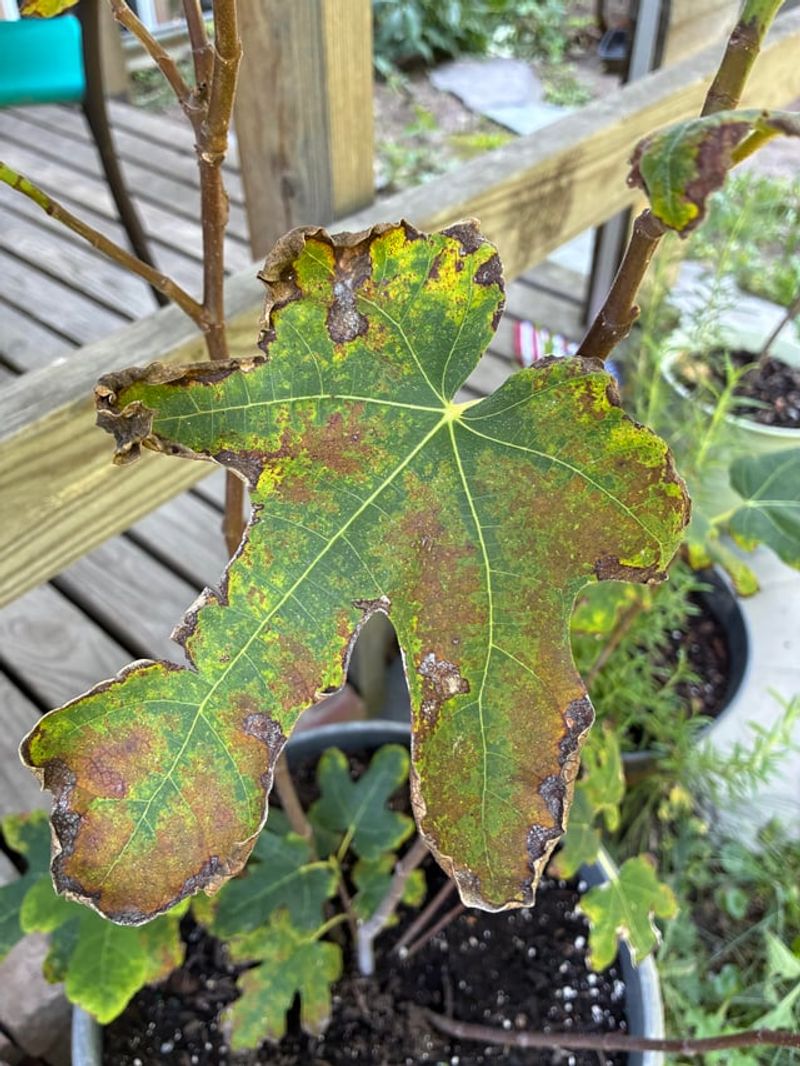
Yellow-brown spots on fig leaves in late summer? That is often rust.
Fig rust is a common fungal disease in the humid Southeast. It shows up on foliage, not on the fruit itself.
Look at the underside of a spotted leaf.
Rust makes small reddish-brown bumps that release powdery spores. Upper surfaces turn yellow, then brown.
Heavy infections cause early leaf drop.
A tree stripped bare in August has less energy for fruit and for winter. Next season’s crop can suffer for it.
Georgia summers deliver exactly what rust wants: heat, rain, and long humid nights.
Late-season storms often trigger the worst spread. That is a big reason fall cleanup matters so much here.
Fungicide options for backyard figs are limited.
Some gardeners use copper products, but read the label for fig use and timing. Sanitation and airflow do more work than sprays on most home trees.
Spacing matters too.
Crowded trunks trap humidity inside the canopy. Thinning during dormancy improves drying time next summer.
Water at the ground, not overhead.
Wet leaves stay wet for hours in sticky weather. Drip lines and soaker hoses keep foliage drier.
Rust rarely ruins a tree outright.
Repeated hard defoliation year after year does wear a fig down, though. Consistent leaf removal each fall helps reduce the spore load nearby.
Results vary with rainfall, variety, and nearby infected figs.
4. Clearing The Ground Helps Break The Disease Cycle
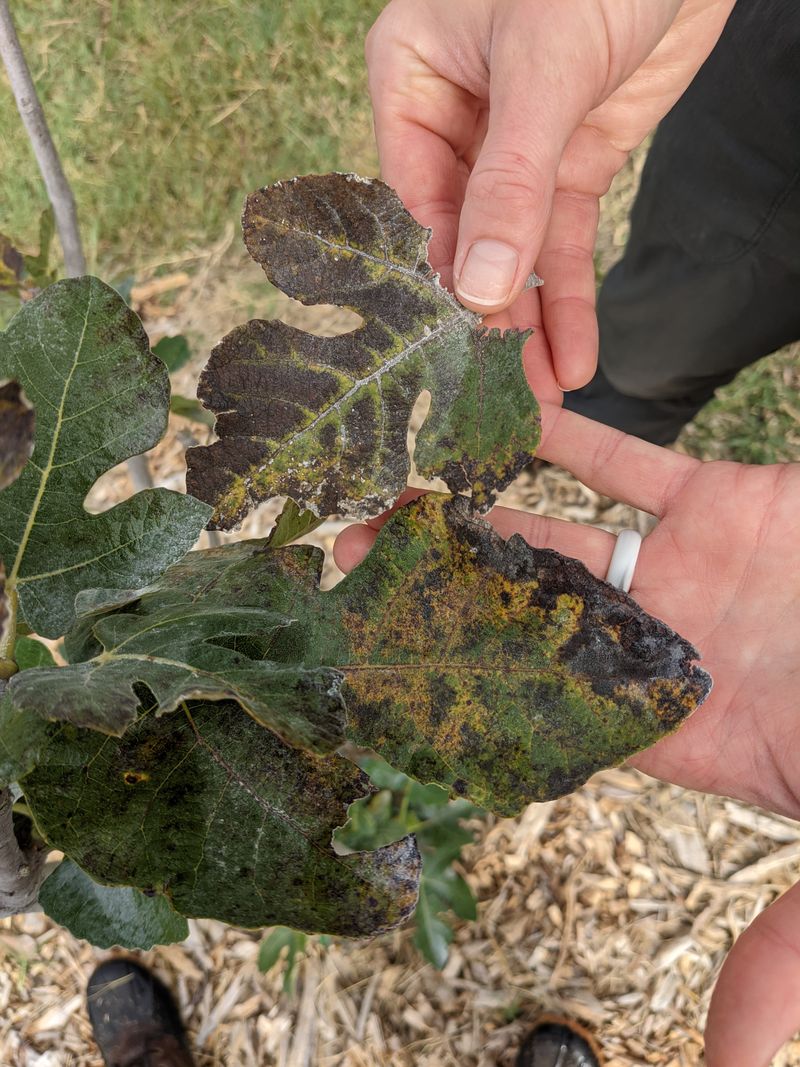
Every fungal disease needs a place to spend the winter.
Take that place away and the cycle gets interrupted. Fewer spores nearby in spring means slower infection later.
Start with a stiff rake and a tarp.
Pull leaves out from under the whole canopy, then a few feet beyond. Roots and fallen litter both spread wider than people expect.
Pick up dropped and shriveled fruit too.
Old figs on the ground ferment and draw in flies and wasps. Some also host fruit rot organisms.
Rinse your tools when you finish.
Pruners and rakes can move spores between trees. A soap and water wash is enough for most backyard jobs.
Old mulch can hold shredded leaf bits as well.
Scrape off the top crust if it looks matted and moldy. Replace it with a couple of inches of fresh material.
Gardeners in Georgia often deal with heavy clay under that mulch.
Compacted soil holds water after storms and keeps litter wet. Loosening the surface lightly with a rake helps it dry.
Do the cleanup after most leaves have dropped.
One early pass followed by one final pass usually does it. Late December is not too late if fall got away from you.
Sanitation will not erase disease from your yard.
Spores blow in from neighboring trees and volunteer figs. Lowering the load close to your tree is still worthwhile.
5. Skip The Fertilizer As Growth Begins To Slow
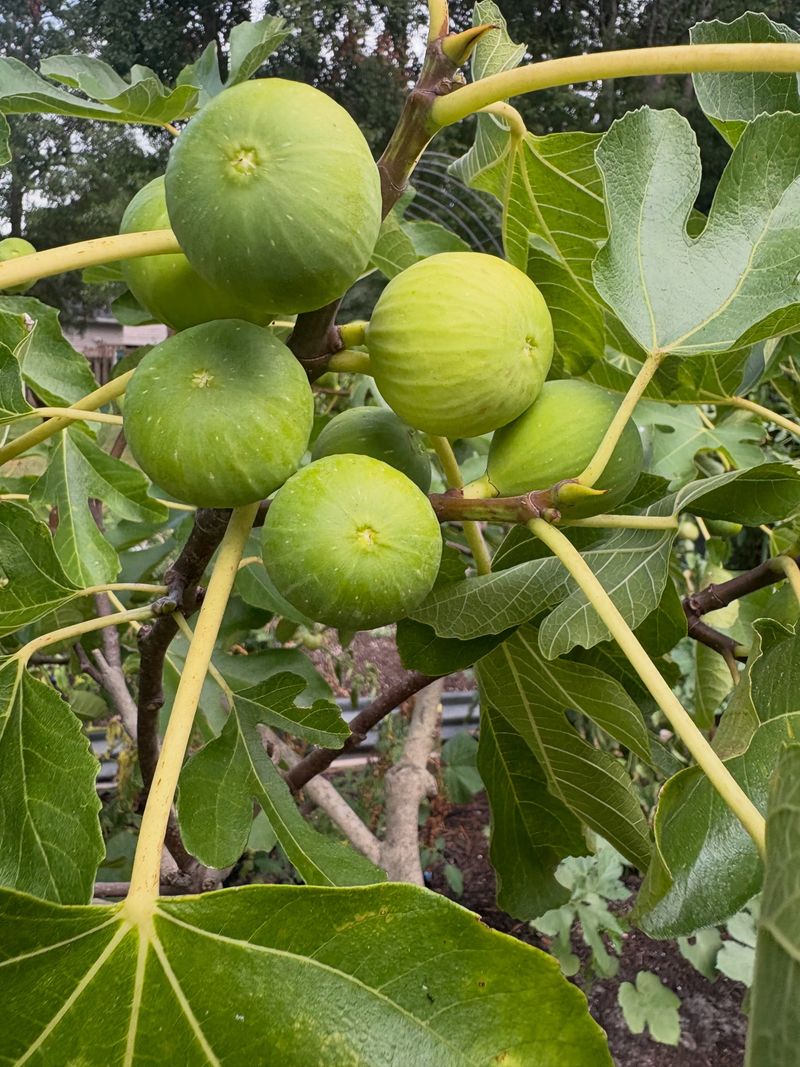
Fall is the wrong time to feed a fig.
Nitrogen pushes soft new shoots. Tender growth heading into winter gets damaged by the first hard freeze.
Figs need to wind down, not speed up.
Wood has to harden before cold weather arrives. Late feeding works against that process.
Most established figs need very little fertilizer anyway.
Decent soil and mild winters keep them growing well on their own. Too much nitrogen often means big leaves and fewer figs.
Save feeding for early spring.
In Georgia, a light application around late February or March fits most areas. Adjust based on your zone and how the tree looked last season.
Watch the plant instead of the calendar.
Pale leaves and weak shoots can point to a real need. Vigorous growth and heavy leaf cover usually mean none.
Skip high-nitrogen lawn products near the root zone.
Fig roots run shallow and wide, well past the branch tips. Lawn feed applied in fall reaches them easily.
Compost is a gentler option, but timing still matters.
A thin topdressing after leaf drop releases slowly and rarely triggers a growth flush. Heavy loads of fresh manure are a different story.
Container figs follow the same idea.
Stop feeding pots by late summer and let them coast into dormancy. Water less as leaves yellow and drop.
A soil test takes out the guesswork if you want real numbers.
6. Save Major Pruning For The Dormant Season
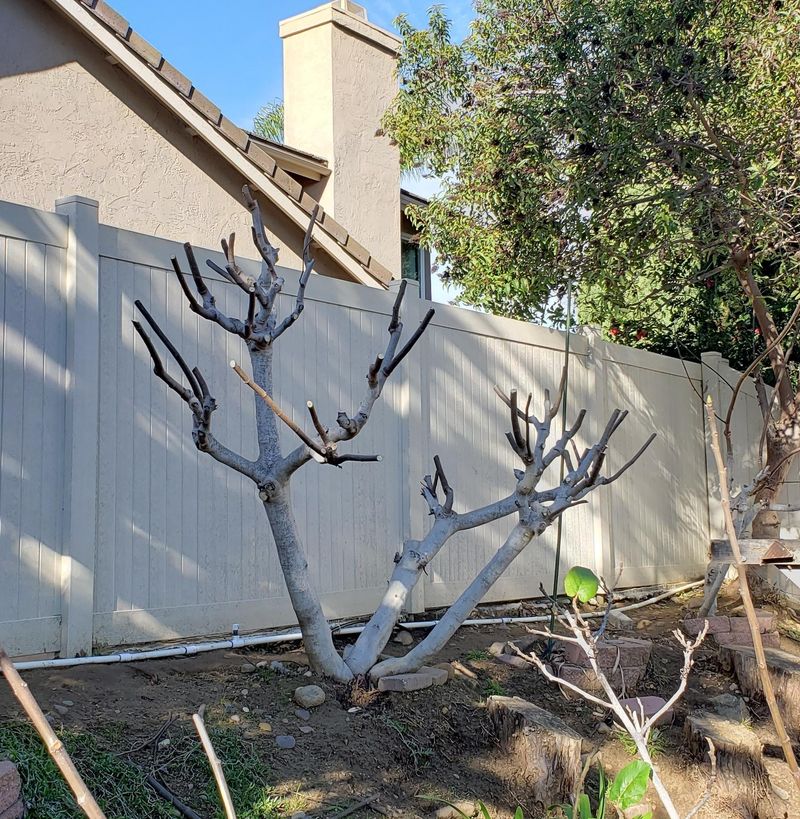
Put the loppers down until the leaves are gone.
Cutting in fall opens fresh wounds right before cold weather. Healing slows once temperatures drop.
Pruning also signals the tree to push new shoots.
Those shoots have no time to toughen up. A sudden freeze can damage them and the stems below.
Wait for full dormancy instead.
Late winter, often February in much of Georgia, works well. The worst cold has passed and buds have not moved yet.
One exception is worth knowing.
Broken or clearly damaged branches can come off any time. Removing a hazard beats waiting for a date on the calendar.
Keep fall cuts small and purposeful.
Snip out a crossing twig or a dangling sucker if you must. Leave structural work for the dormant window.
Figs fruit on new wood, and some varieties also crop on older wood.
Hard cutting at the wrong time can trim off an early breba crop. Know your variety before you shorten every branch.
Air flow is the goal when you do prune.
Open the center so leaves dry faster after summer storms. Better drying means less rust and less fruit rot.
Height control helps with harvest too.
Unpruned figs can climb past reach, and birds claim the top fruit. Keeping trees near eight to ten feet makes picking realistic.
Sharp, clean tools make the whole job easier and safer for the tree.
7. Good Fall Care Sets The Stage For Next Year
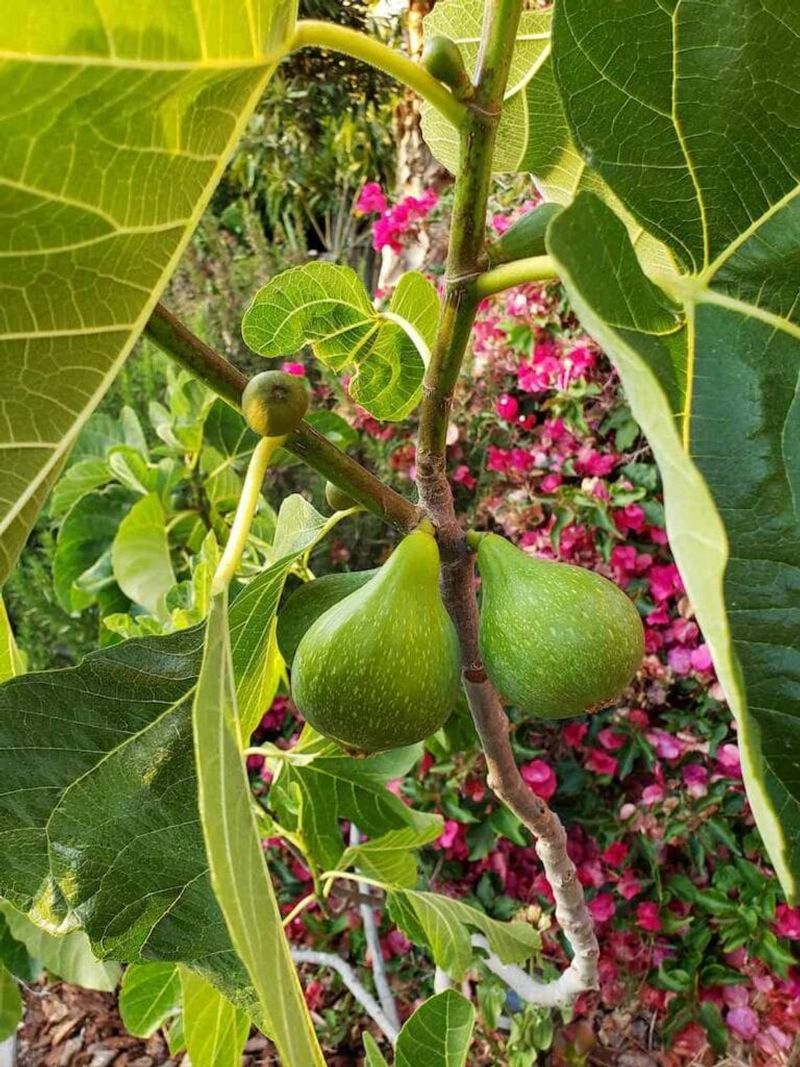
Small fall habits show up in next summer’s harvest.
Clean ground, no late feeding, and patience with the pruners. Three simple choices, all made before winter.
Water still matters in dry autumns.
Figs entering winter with bone-dry roots handle cold less well. A deep soak before a hard freeze helps.
Young trees appreciate a little insurance.
Mulch spread wide, not piled at the trunk, steadies soil temperature. Trunk wraps help in north Georgia where winters run colder.
Keep notes while the details are fresh.
Write down when rust appeared, which branches cropped best, and how the fruit tasted. Next year’s decisions get easier with a record.
Check the trunk before you walk away.
Look for sawdust, holes, or oozing sap from borers. Catching that early gives you options.
Do not expect miracles from one cleanup.
Weather drives a lot of what happens to figs. A wet spring can undo careful sanitation.
Odds still shift in your favor over time.
Trees that hold their leaves into fall build better reserves. Better reserves usually mean stronger shoots and more fruit.
Set a reminder for late November.
Rake, bag, mulch lightly, and stop there. Then leave the tree alone until late winter.
That short list has kept plenty of Southern fig trees producing year after year.
Simple work, done on time, beats complicated fixes later.