The Georgia Native Flower That Brings More Goldfinches To Your Yard
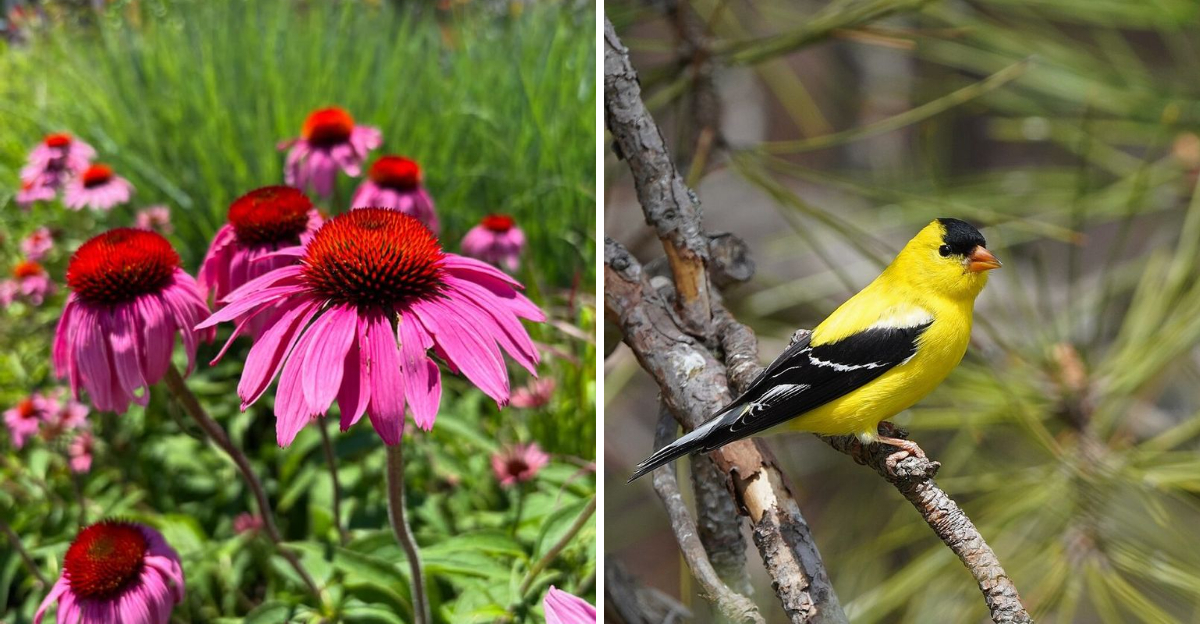
A few small changes can make your yard much more appealing to colorful backyard birds. The flowers you choose matter just as much as feeders or fresh water.
Some blooms produce the seeds that goldfinches naturally search for as the season moves along. Others look beautiful but offer very little once flowering ends.
One native flower stands out because it grows well in Georgia and provides a dependable food source without demanding constant attention.
It also supports bees and butterflies, making your garden useful for more than one type of wildlife.
Choosing plants that belong in your local climate often means healthier growth and less maintenance through the year. Adding this flower will not guarantee daily visitors, but it can give goldfinches another good reason to stop by your yard more often.
1. Purple Coneflower Is A Goldfinch Favorite
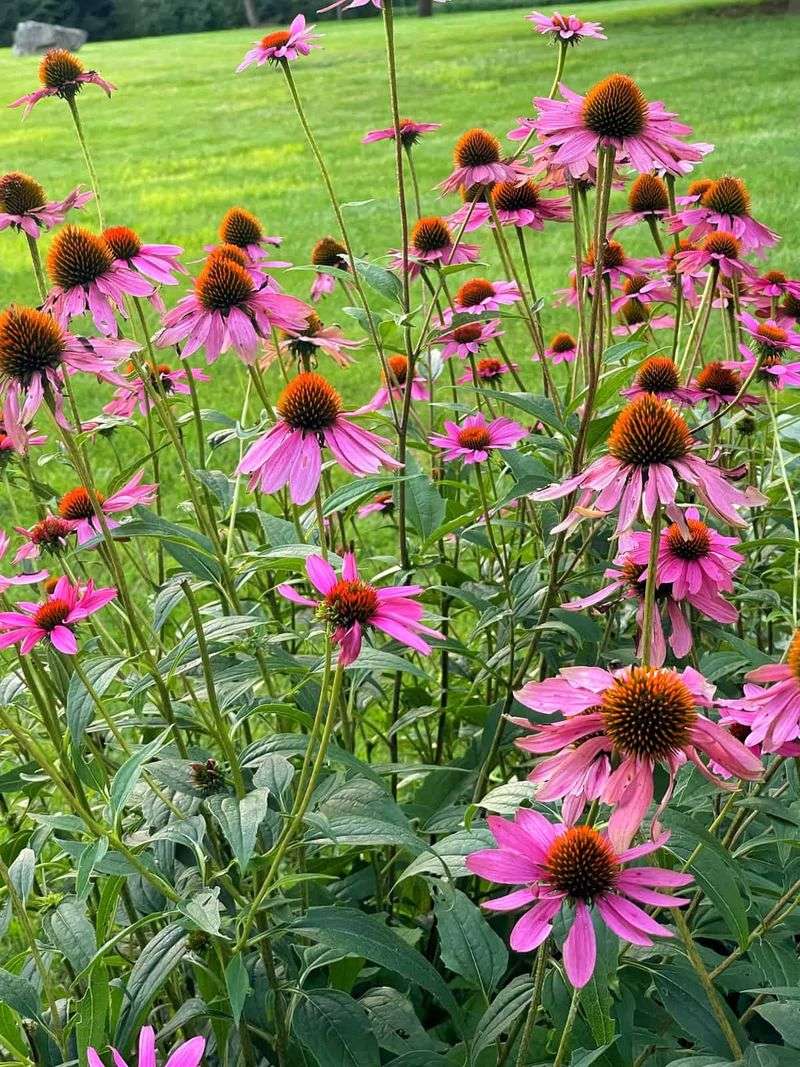
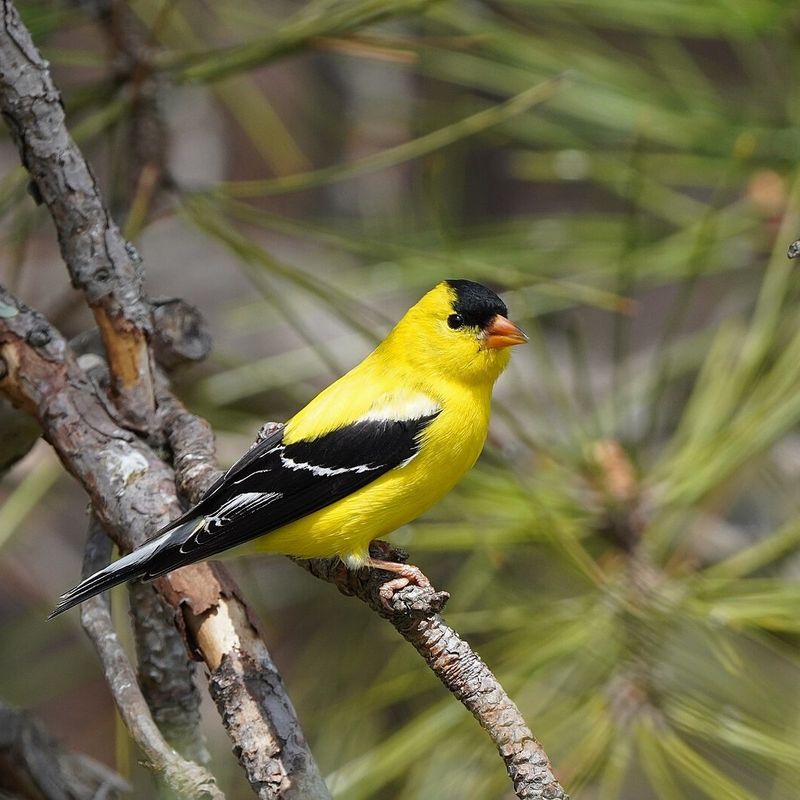
Goldfinches do not show up randomly. They follow food, and Purple Coneflower is one of their favorite sources.
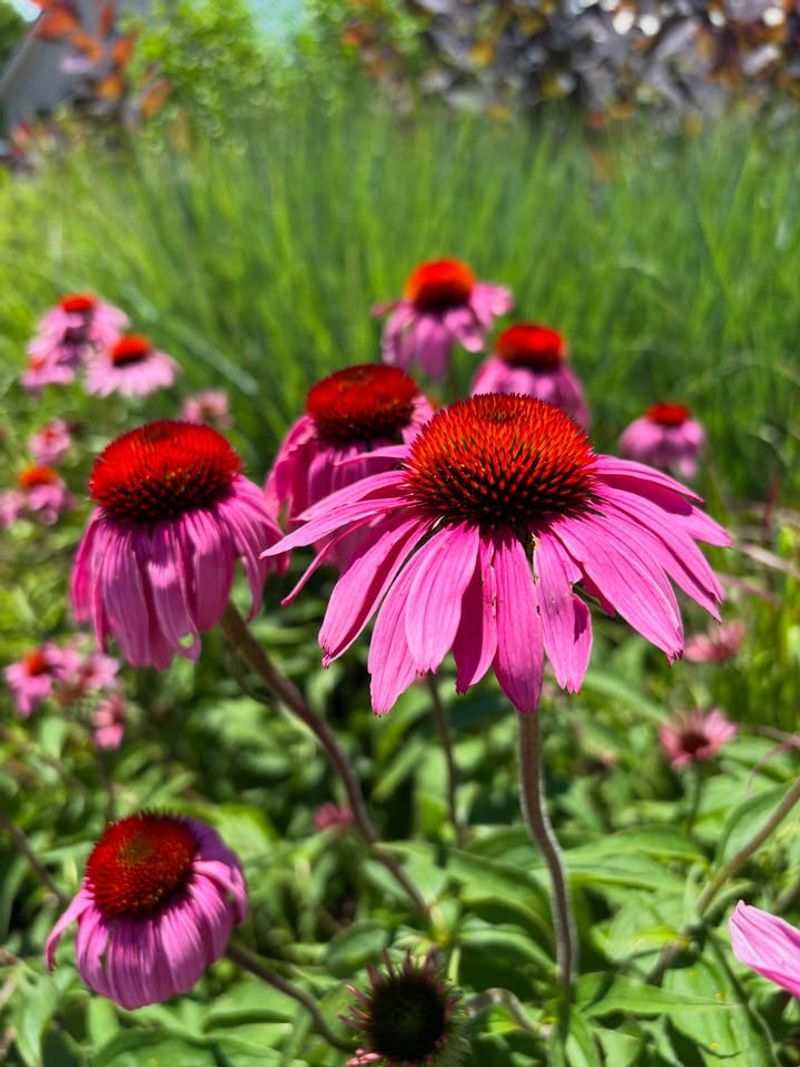
Echinacea purpurea produces seed-packed cone heads that ripen in late summer and fall. Goldfinches pick those seeds out with remarkable precision, clinging to the spiky centers while feeding.
What makes this plant stand out is how long it stays productive. Blooms appear in early summer and the seed heads persist well into autumn, giving birds an extended feeding window.
Native plants like this one tend to attract more wildlife than hybrid ornamentals. Hybrids are often bred for showier petals, which can reduce seed production.
Straight species Purple Coneflower keeps its seed output high, which is exactly what birds need.
Purple Coneflower also supports pollinators like bees and butterflies during bloom time. So before the goldfinches arrive for the seeds, the plant is already doing ecological work in your yard.
Planting even a small cluster of three to five plants can start bringing goldfinches in. A larger patch increases your chances significantly.
2. Plant It In Full Sun
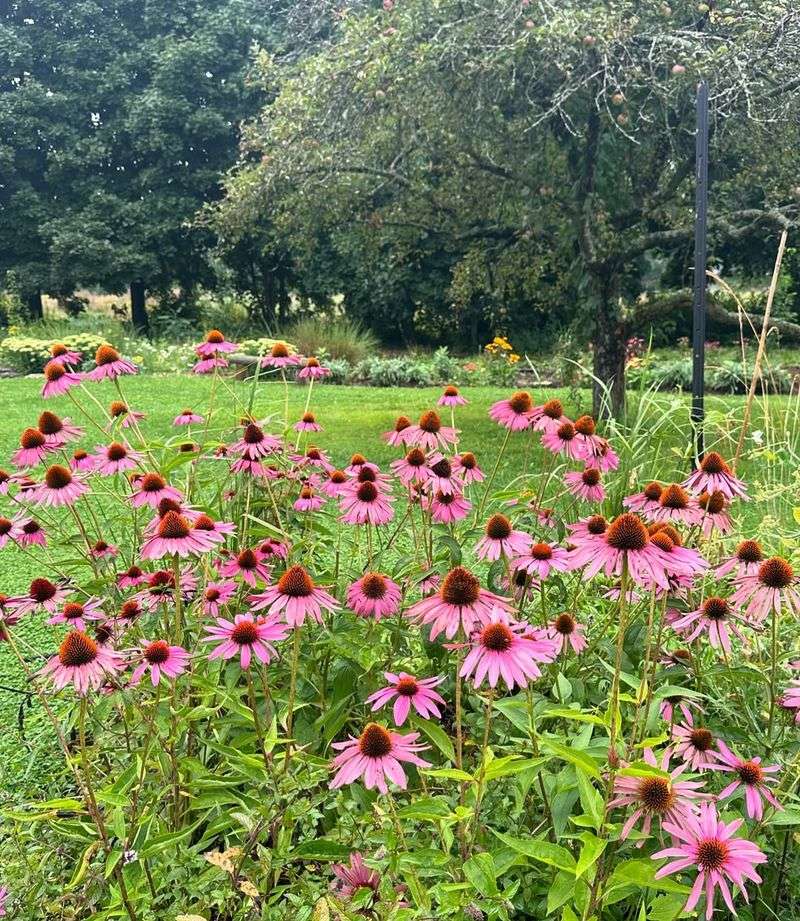
Sunlight is non-negotiable for Purple Coneflower. Without enough of it, the plant gets leggy, produces fewer blooms, and becomes more vulnerable to fungal issues.
Aim for a spot that gets at least six hours of direct sun daily. Eight hours or more tends to produce the strongest, most floriferous plants.
Partial shade is sometimes tolerated, especially in areas with intense afternoon heat. However, plants in shadier spots generally bloom less heavily and may need more support to stay upright.
South-facing garden beds or open borders work well. Avoid planting under trees where light gets filtered or blocked for most of the day.
One practical tip: observe your yard at different times during the day before choosing a planting spot. A location that looks sunny in the morning might sit in shade by early afternoon, which can limit how well the plant performs.
In Georgia, summer sun is intense, and Purple Coneflower handles that heat better than many other flowering perennials. Its deep taproot helps it access moisture lower in the soil when surface layers dry out.
Getting the sun placement right from the start reduces the need to move plants later.
Your Georgia Garden Changes Every Week. Your Plan Should Too.
Gardening in Georgia changes quickly throughout the season. Every Friday you’ll receive a simple weekly plan showing exactly what to plant, prune, fertilize, harvest, and protect so you never miss the right timing.
3. Grow It In Well-Drained Soil
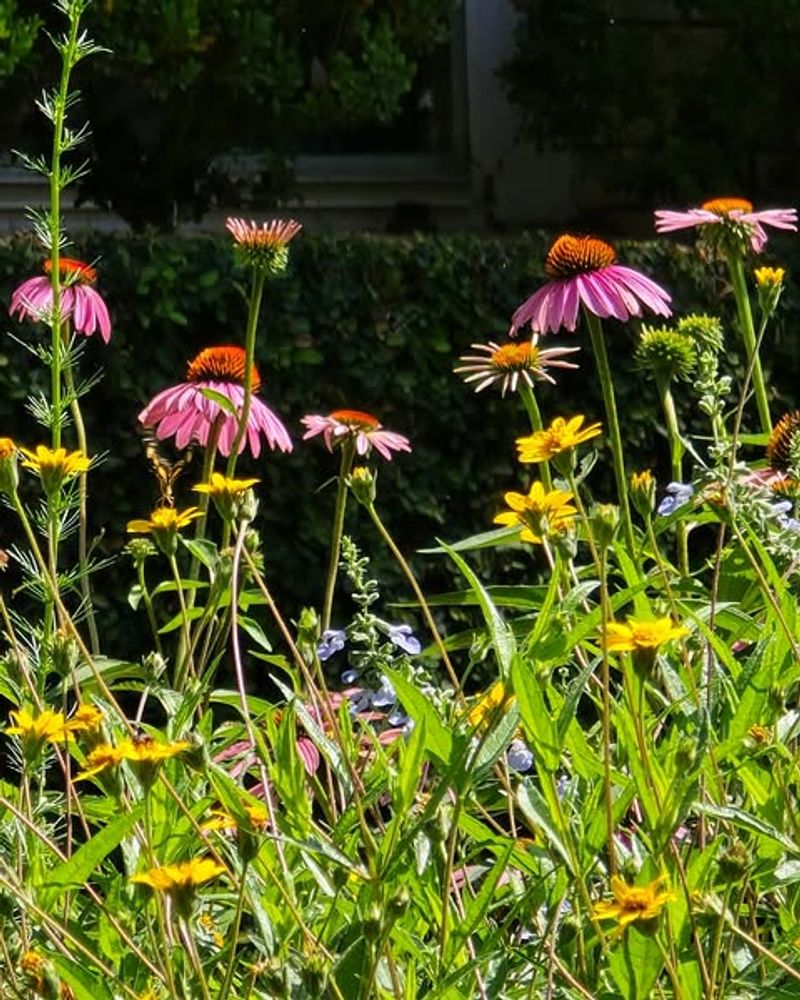
Soggy roots are a real problem for Purple Coneflower. Standing water around the root zone can cause crown rot and significantly weaken the plant over time.
Well-drained soil is one of the most important factors for long-term success. Sandy loam or loamy soil with good structure works well.
Heavy clay holds moisture too long and can suffocate roots.
If your yard has clay-heavy soil, mixing in compost before planting helps improve drainage and air flow. Even a few inches of organic matter worked into the top twelve inches makes a noticeable difference.
Raised beds are another solid option for gardeners dealing with poor drainage. Elevating the planting area even six inches keeps roots out of waterlogged zones after heavy rain.
Purple Coneflower does not demand rich soil. Actually, overly fertile soil can cause lush leafy growth at the expense of flowers.
Lean to moderately fertile soil tends to produce better blooms and sturdier stems.
Soil pH around 6.0 to 7.0 suits this plant well. A basic home soil test kit can tell you where your garden stands.
Adjustments are usually minor and inexpensive if needed.
4. Water New Plants Until Established
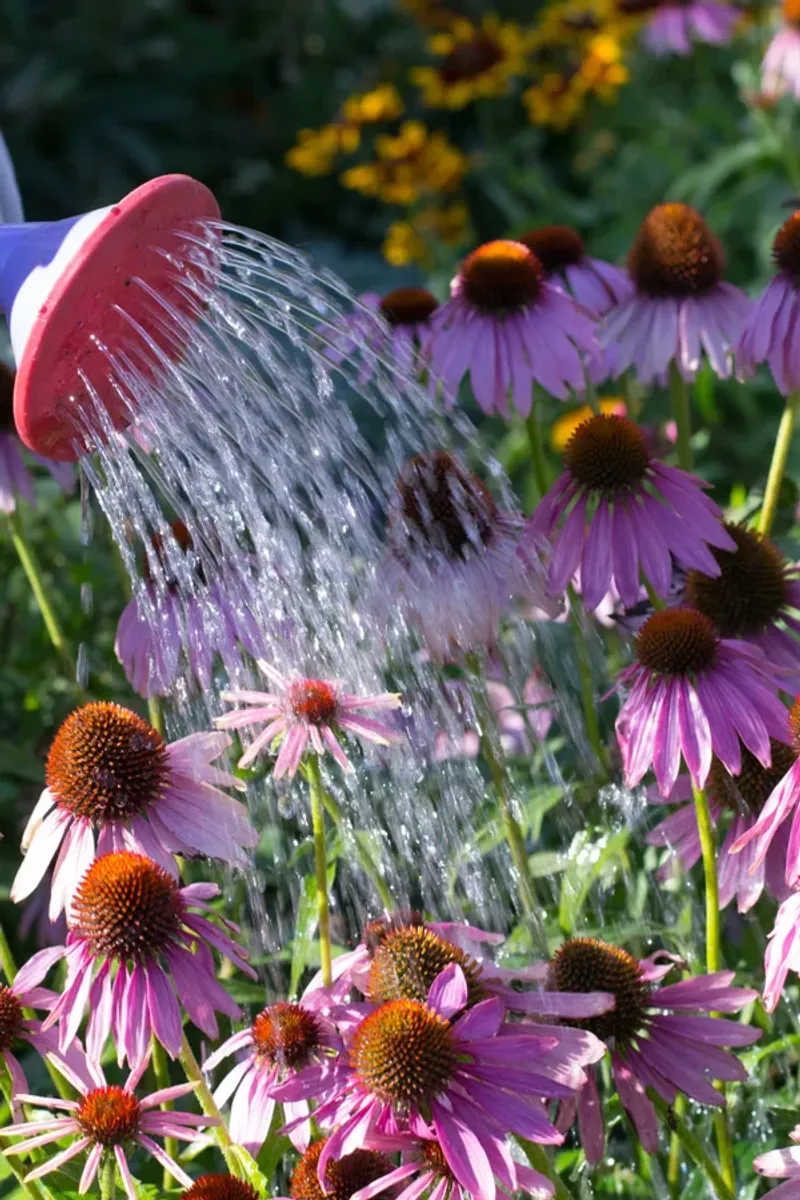
Newly planted coneflowers need consistent moisture to get their roots settled in. Without it, young plants can struggle through their first summer, especially during dry stretches.
Water new plants deeply two to three times per week during the first growing season. Deep watering encourages roots to grow downward rather than staying shallow near the surface.
Shallow roots make plants more vulnerable to drought stress later. Getting roots to go deep early on sets the plant up for stronger performance in subsequent years.
A soaker hose or drip irrigation works well for this. It delivers water directly to the root zone without wetting the foliage, which can reduce the risk of fungal issues in humid conditions.
Once plants show new growth and appear vigorous, you can gradually reduce watering frequency. Established Purple Coneflower is reasonably drought-tolerant, though it may still benefit from occasional deep watering during extended dry periods.
Mulching around the base of new plants helps retain soil moisture between watering sessions. A two to three inch layer of shredded wood mulch or straw works well.
Keep mulch a few inches away from the crown to allow air circulation.
5. Leave Seed Heads Through Fall
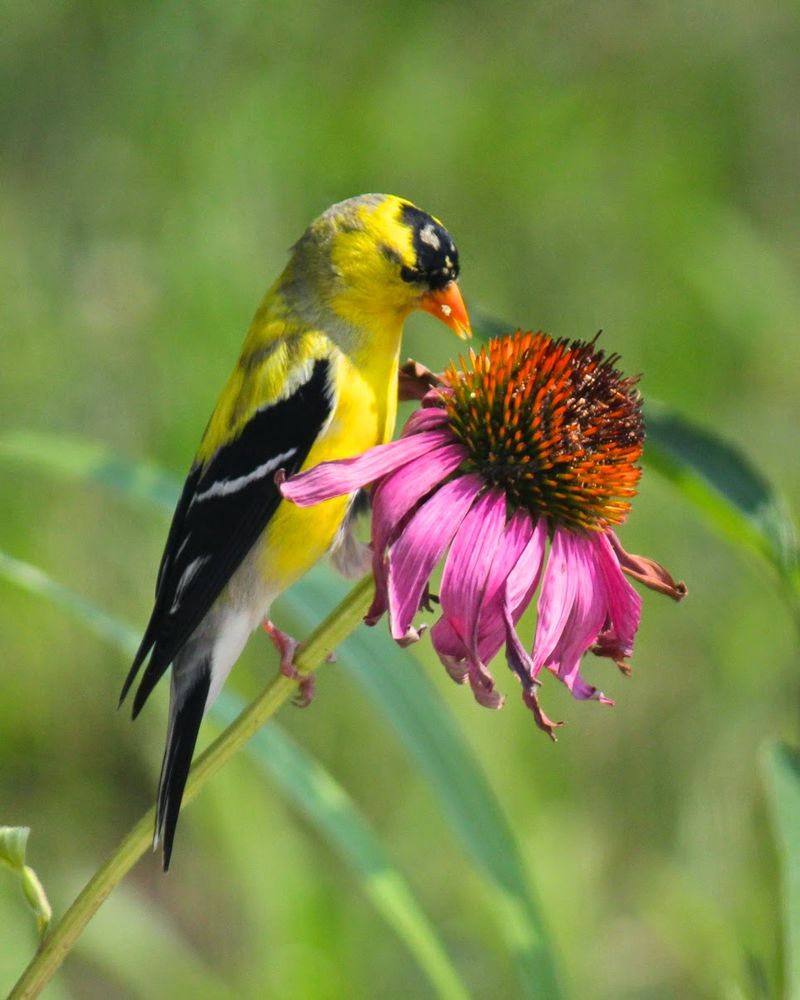
Cutting down spent coneflowers in late summer is one of the most common gardening mistakes if attracting goldfinches is your goal. Those dried seed heads are the whole point.
Goldfinches begin targeting coneflower seeds as summer winds down and fall approaches. Removing seed heads early eliminates the food source right when birds need it most.
Leaving seed heads standing through fall provides a natural buffet. Birds perch directly on the cones and pull seeds out one by one.
It is genuinely entertaining to watch.
Beyond goldfinches, other seed-eating birds like chickadees and house finches also visit coneflower seed heads. Keeping them up benefits a wider range of backyard wildlife without any extra effort on your part.
Seed heads also add visual interest to the fall garden. Their dark, spiky silhouettes contrast nicely against golden autumn light and work well alongside ornamental grasses or asters.
From a plant health standpoint, leaving seed heads in place also allows some seeds to drop naturally. Purple Coneflower can self-sow under the right conditions, gradually expanding your planting over time without you having to buy more plants.
A simple guideline: hold off on any major cleanup until late winter or early spring.
6. Delay Cutting Back Old Flowers
Patience pays off when it comes to coneflower cleanup. Cutting back old flower stems too early removes habitat and food that wildlife depend on heading into cooler months.
Old stems also provide shelter for certain beneficial insects that overwinter in hollow or pithy plant material.
Removing everything in fall can reduce populations of native bees and other garden-friendly insects.
Waiting until late February or early March to cut back is a reasonable approach for most of the Southeast. By that point, overwintering insects have typically completed their cycle and birds have largely finished foraging the seed heads.
When you do cut back, trim stems down to a few inches above the soil line. New growth will emerge from the crown as temperatures warm up in spring.
Avoid cutting stems all the way to the ground.
Leaving a few inches above the crown protects the plant’s base from late cold snaps and gives new shoots something to emerge around.
Some gardeners do a staggered cleanup, cutting back a portion of stems in fall and leaving the rest until spring.
This approach balances tidiness with wildlife value and works well in more visible front yard settings where appearance matters.
7. Grow Other Native Flowers Nearby
Purple Coneflower works even better when it has company. Pairing it with other native flowering plants extends the bloom season and gives birds and pollinators more reasons to stick around.
Black-eyed Susan is a natural companion. It blooms around the same time, thrives in similar conditions, and its seed heads also attract finches and sparrows through fall and into early winter.
Native asters bloom later in the season, picking up right around the time coneflower seed heads are peaking. Planting asters alongside coneflower creates a continuous late-season food source that keeps birds visiting longer.
Switchgrass and little bluestem are native grasses worth adding to the mix. Grasses provide seed, shelter, and nesting material.
They also add movement and texture to the garden, which improves overall visual appeal.
A layered planting approach works well. Shorter plants in front, taller ones behind, with varying bloom times spread across the season.
Birds benefit from the structural variety and use different plants for different purposes.
Native plants sourced from local nurseries in Georgia tend to perform better than those shipped from distant regions. Locally grown stock is already adapted to regional soil types, rainfall patterns, and temperature swings.