The Most Underrated North Carolina Perennial That Keeps Blooming From Spring Straight Through Fall
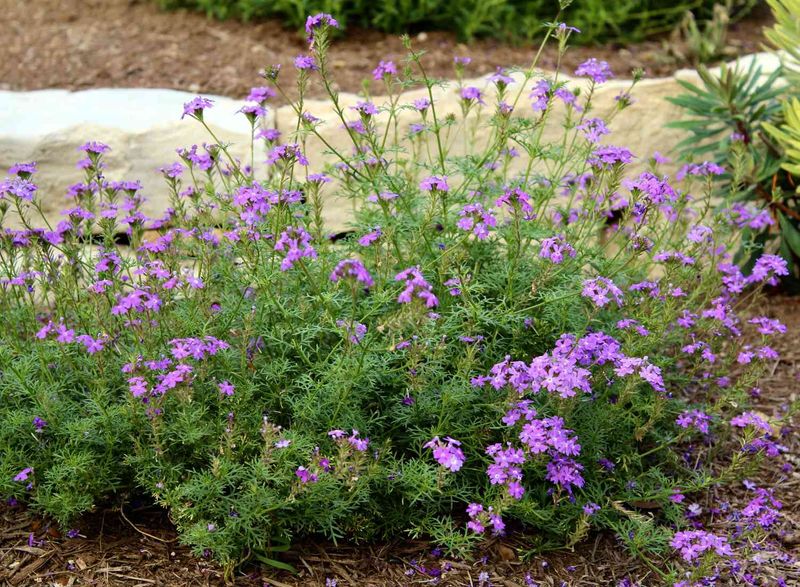
Walk past a sunny slope in the North Carolina Piedmont in late April and you might notice a low, spreading plant covered in clusters of pink or purple-lavender flowers, and wonder why nobody talks about it. That plant is rose verbena, Verbena canadensis, a native perennial with a documented bloom window stretching from April through September across the Coastal Plain, Piedmont, and mountains. It handles heat, humidity, and dry spells better than most ornamentals you can buy at the garden center. The catch is that it does need the right site, a little startup care, and honest expectations, and this article gives you all three.
A Long-Blooming Native, Not A Proven Superlative
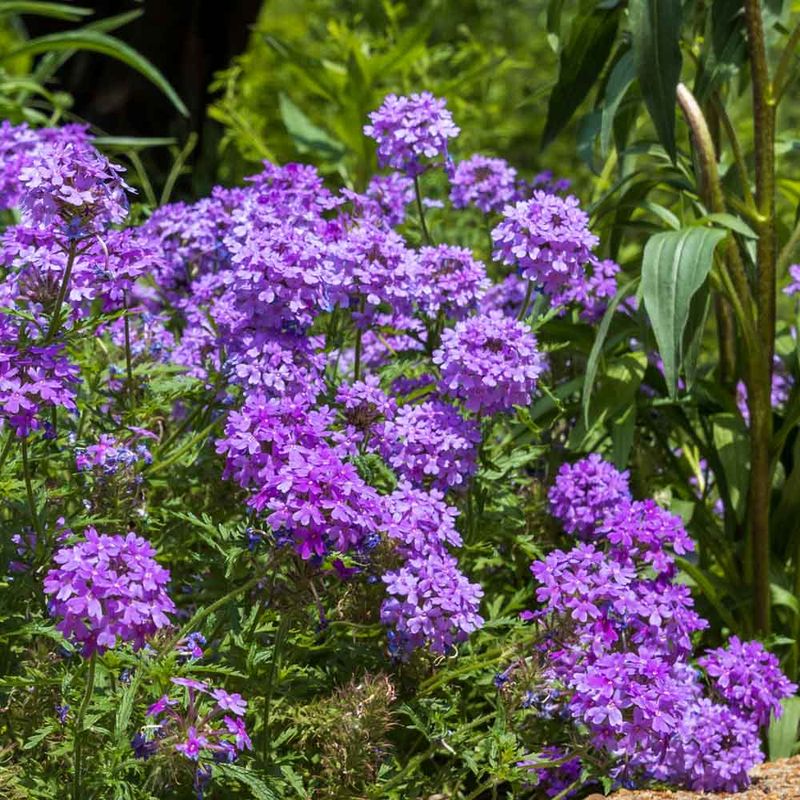
Headlines love superlatives, and this one promises a lot. The honest version is simpler and still genuinely impressive: rose verbena, known botanically as Verbena canadensis, is documented by NC State Extension as a North Carolina native perennial that blooms from April through September, covering spring, summer, and early fall in a single plant. Calling it the most underrated perennial in the state is an editorial opinion, not a ranking anyone has actually measured. What the evidence does support is a plant with a well-documented long bloom window, solid regional credentials, and a low, spreading form that earns its place in a yard.
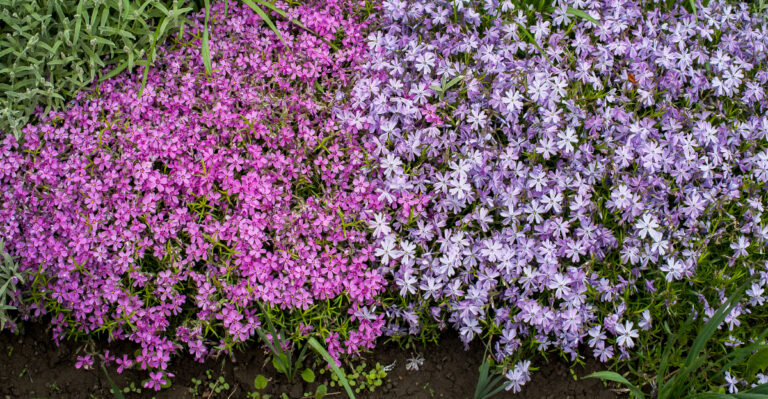
Rose verbena grows naturally along roadsides and in dry, especially sandy habitats across North Carolina. It forms a low mound that hugs the ground and spreads outward, making it genuinely useful as a front-of-border plant, a ground cover on a sunny slope, a container planting on a porch, a rock-garden filler, or a low-maintenance option for a bank that is hard to mow. Its flower clusters can reach about 2.5 inches across and carry 10 to 25 small blooms in shades of pink and purple-lavender.
One distinction matters before you shop: rose verbena is not the same plant as garden verbena, Verbena x hybrida, which is an annual hybrid that needs deadheading to keep blooming all season. Ask for Verbena canadensis by botanical name or common name at the nursery, and confirm what you are buying before you leave the parking lot. Getting the right plant is the first practical step toward a season-long display.
What April Through September Really Means
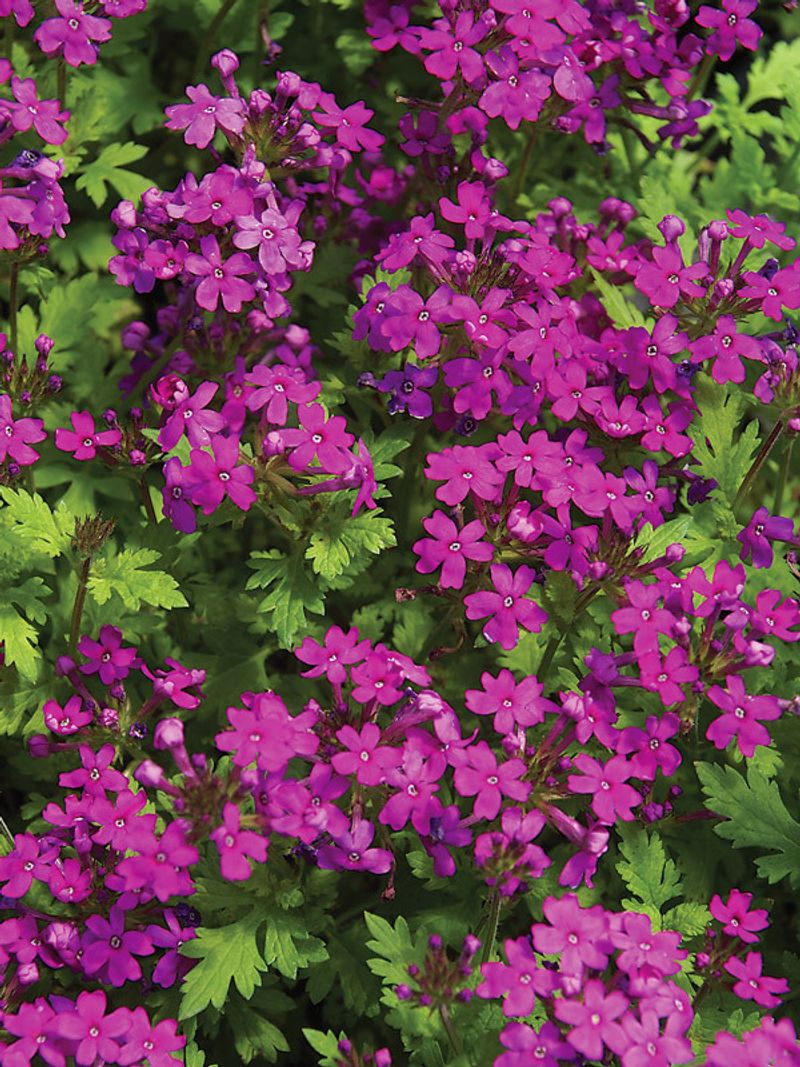
April through September is a long stretch of calendar, and that window is exactly what NC State Extension records for rose verbena in North Carolina. That covers the cool brightness of spring, the full weight of a Piedmont summer with its afternoon thunderstorms and 90-degree stretches, and the gentler warmth of early fall. Not many perennials hold color across all three of those seasons in this state.
Here is where it gets tricky, though. A six-month bloom window does not mean every stem is covered in flowers every single day from April 1 through September 30. Flowering intensity naturally rises and falls with temperature swings, rainfall, and how well the plant is established in its first season. A plant that went into dry, compacted ground in June and never got consistent water during its first few weeks will perform differently than one placed in a well-drained spot in early spring with regular startup watering.
Your North Carolina Garden Changes Every Week. Your Plan Should Too.
Gardening in North Carolina changes quickly throughout the season. Every Friday you’ll receive a simple weekly plan showing exactly what to plant, prune, fertilize, harvest, and protect so you never miss the right timing.
NC State’s plant profile for Verbena canadensis lists the flower clusters as pink and purple-lavender, each cluster containing 10 to 25 small individual blooms. What you can reasonably count on is recurring flushes of color across a genuinely long season, with the plant returning to bloom after brief lulls. That is a realistic promise, and for most North Carolina yards dealing with muggy summers and the occasional dry August, it is a genuinely useful one.
Drainage Is A Key Consideration Regardless Of Soil Type

Rose verbena is more flexible about soil texture than most people expect. NC State lists it as tolerant of clay, loam, sand, and even shallow rocky soil, which means it can grow in Piedmont red clay just as well as in sandy Coastal Plain ground. The factor that actually matters most is not what the soil is made of but how well water moves through it. Persistently wet or waterlogged ground is where rose verbena runs into real trouble.
Many Piedmont gardeners have dug a planting hole in their red clay, dropped a plant in, and wondered why it sulked or rotted out over the winter. The problem is often that the hole itself holds water like a bucket, even when the surrounding area drains reasonably well. NC State recommends well-drained soil for this plant, and when you are working with compacted ground, the fix is to improve the broader planting area, not just the hole. Work in about 1 to 3 inches of compost across the whole bed before planting.
Before adding lime or fertilizer, NC State Extension advises testing your soil first so you are not guessing at what amendments are actually needed. A raised bed or a gentle slope naturally solves the drainage problem without any amendment at all. The takeaway is straightforward: find a spot where rainwater does not sit for hours after a storm, and rose verbena will be much happier, regardless of whether that spot is red clay in the Piedmont or sandy soil closer to the coast.
Choose Sun And Leave Room To Spread
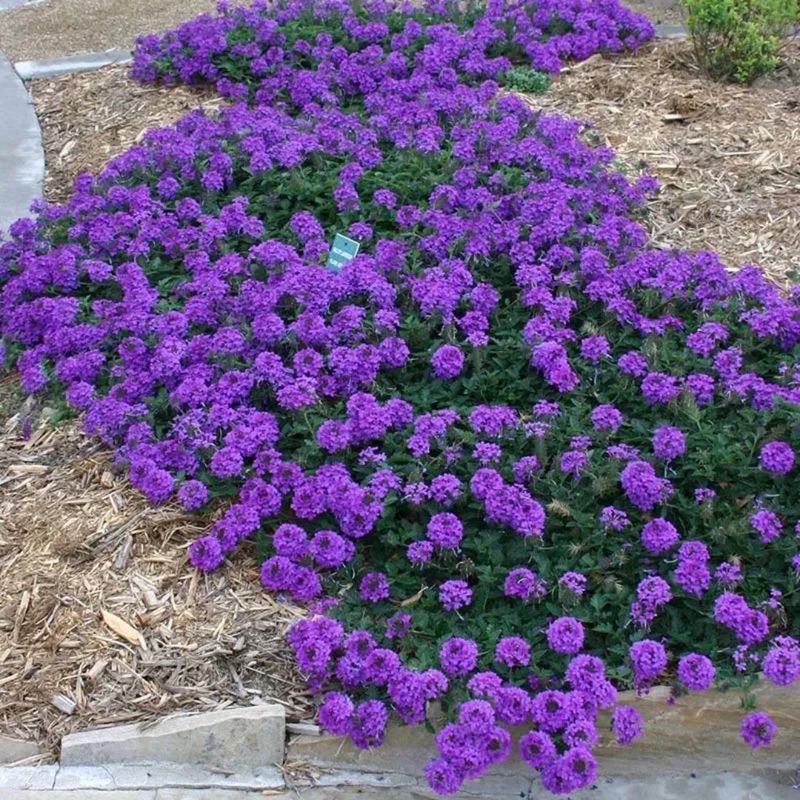
Sunny spots are where rose verbena actually delivers on its reputation. Roughly 6 or more hours of direct light daily gives the plant its strongest flowering across the Coastal Plain, Piedmont, and mountains. NC State’s plant toolbox notes that Verbena canadensis tolerates partial shade, so a spot that catches morning sun and a bit of afternoon shade is workable, but expect fewer blooms compared to a fully open location. If your yard has a choice between a half-shaded spot and an open one, go with the open one.
The spreading habit is something to plan for before planting, not manage as a surprise later. Rose verbena forms a low mound and creeps outward along the ground, and stems can actually root where they make contact with soil. That trait makes it genuinely useful as a slope stabilizer or a ground cover that fills in over time, but it also means a plant placed too close to a walkway or a smaller neighbor will eventually need trimming. A practical spacing guide is to allow roughly 12 inches to 2 feet per plant, based on a mature width of 1 to 2 feet.
Picture it at the front of a sunny border, tucked into a rock garden between larger stones, trailing over the edge of a container on a south-facing porch, or holding a bank that gets full afternoon sun. Each of those spots plays to the plant’s natural strengths. Give it room to do what it does, and it will fill that space with color from spring into early fall without needing much from you in return.
Establishment Care Comes Before Easy Care
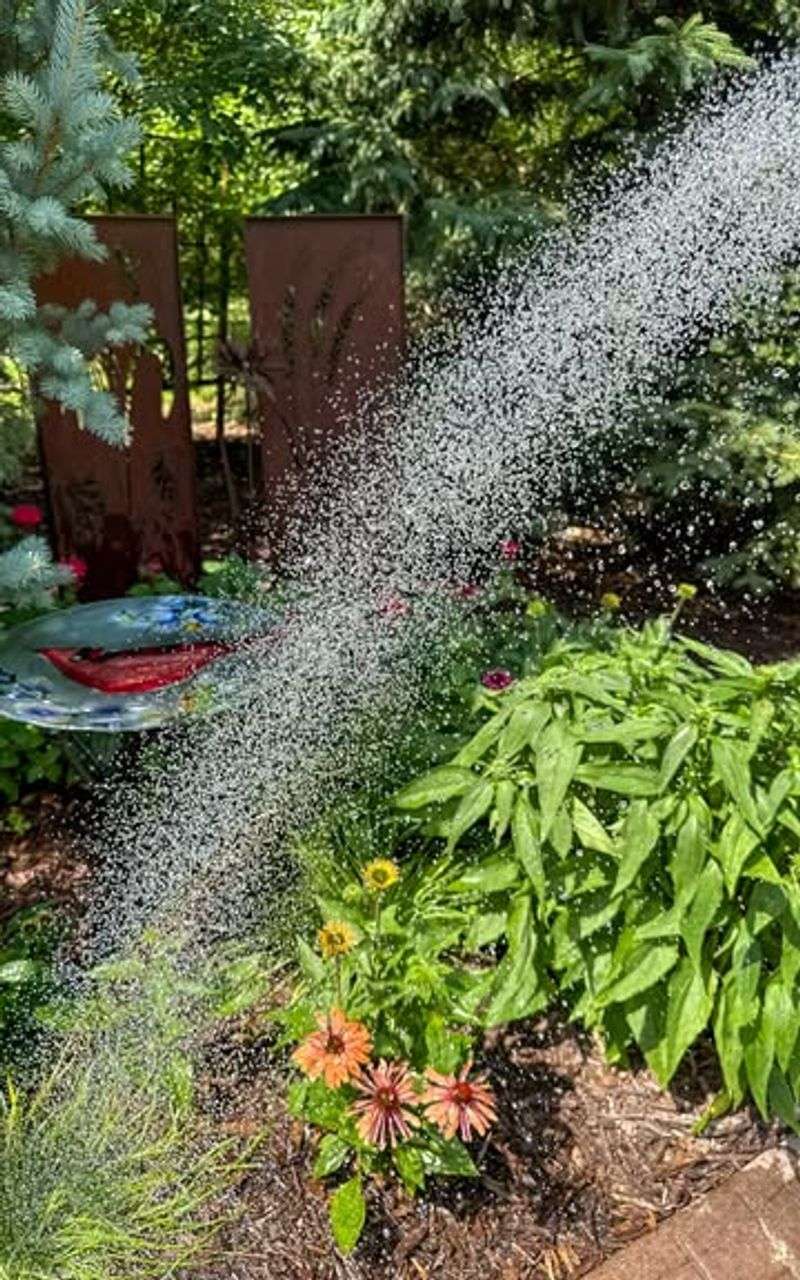
The phrase almost no effort describes an established rose verbena on a good site, not a plant that just went into the ground last Saturday. The first few weeks after planting are the window that determines how well the plant performs for the rest of the season and into future years. NC State Extension recommends keeping newly planted native plants well-watered for the first few weeks until roots settle in and start drawing moisture on their own.
After establishment, watering becomes more situational. NC State’s general guidance for perennial beds is roughly 1 inch of water per week during the growing season, adjusted for heat, rainfall, soil type, and how much sun the site gets. That number is a starting reference, not a rigid rule for rose verbena specifically. During a dry August in the Piedmont, when afternoon temps sit in the low 90s and the last real rain was two weeks ago, an established plant may genuinely need a deep drink.
Deep, infrequent watering beats shallow daily watering every time, because it encourages roots to reach further into the soil.
A 2-inch to 3-inch layer of mulch spread around the planting area helps conserve that moisture, moderates soil temperature, and keeps weeds from competing with a young plant. Keep mulch pulled back from the plant crown and stems to reduce the chance of moisture sitting against the base. These steps support healthy establishment and strong growth, and they give the plant the foundation it needs to carry color across a long season.
A Few Trims Keep Its Habit Manageable
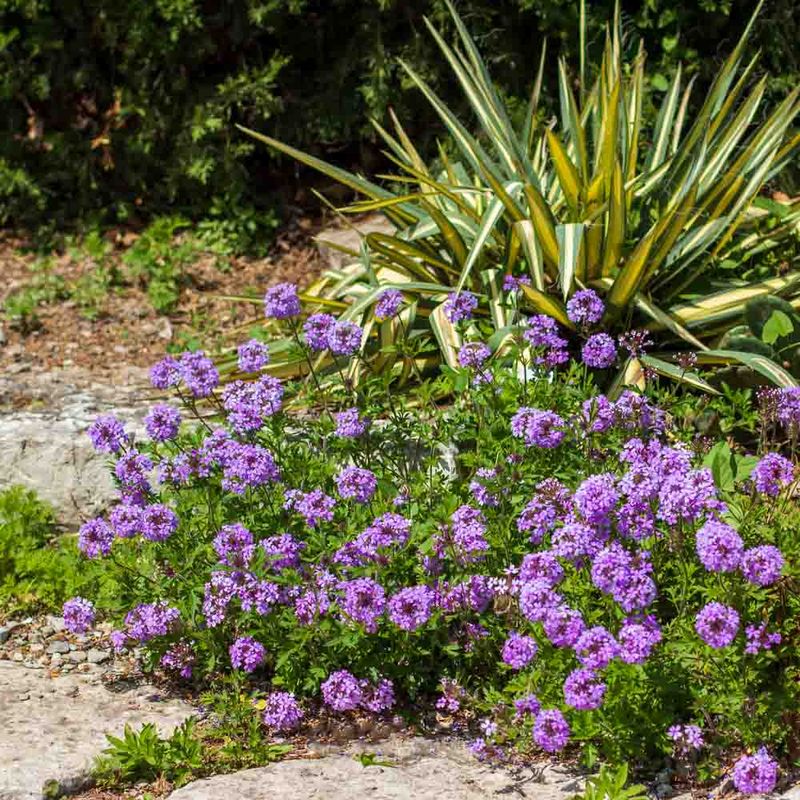
Medium maintenance is how NC State actually rates rose verbena, and that rating is worth taking seriously before you plant. The good news is that medium in this case means occasional attention, not a weekly chore. Deadheading, which means snipping off flower clusters after they fade, is optional for the plant’s survival but useful for keeping it compact and attractive through the season. Think of it as a quick pass with hand pruners every few weeks rather than a daily task.
The spreading habit that makes rose verbena a good ground cover also means it can wander. Because stems root where they touch soil, a plant that started at the edge of a border can gradually move toward a pathway or into a neighboring perennial over a season or two. NC State notes that trimming those roaming stems when they start moving out of bounds is the practical way to keep the plant where you want it. It is not a perfectly contained clumper, so plan for some management.
Rose verbena may also self-seed in conditions it likes, which can help it persist in the garden. But self-seeding is variable, not a guarantee, and it depends on site conditions and winter temperatures. More importantly, NC State classifies rose verbena as a short-lived perennial. Native status does not mean permanent survival.
A plant that thrives for two or three seasons and then gives way to a self-sown seedling is still doing its job, but going in with that expectation helps you avoid disappointment if a crown does not return after a hard winter.
Its Pollinator Value Works Best In A Diverse Bed
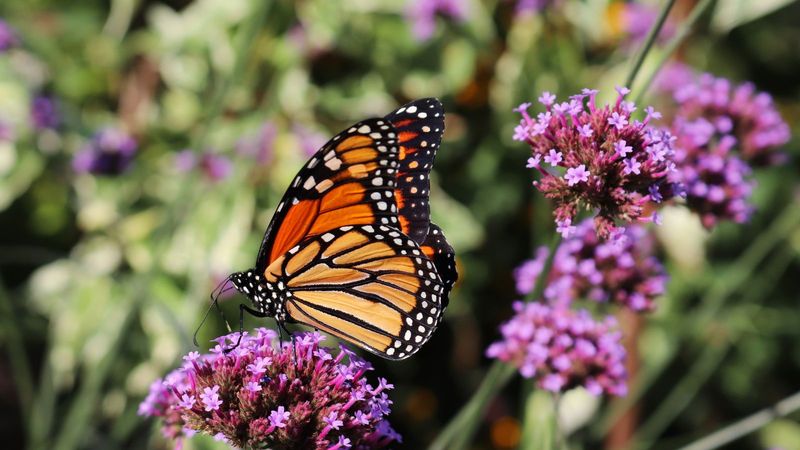
Butterflies find rose verbena reliably. So do hummingbirds and a range of other nectar-seeking pollinators. NC State’s plant profile documents nectar value for butterflies, hummingbirds, and other pollinators, and birds may also use the fruits as a food source. For a North Carolina yard trying to support beneficial wildlife through the summer, that is a meaningful contribution from a single low-growing plant.
One plant cannot do everything, though. Rose verbena provides nectar across its bloom window, but it is not a host plant for butterfly larvae, it does not offer nesting habitat, and it does not provide seeds, cover, or food through the winter months. Treating it as a complete wildlife solution misses the point of how a healthy yard actually works. A diverse mix of native plants blooming across different seasons fills those gaps in a way that one perennial, however long-blooming, simply cannot.
NC State Extension recommends including at least three native species blooming in each growing season, spring, summer, and fall, as a practical planning benchmark. Pair rose verbena with spring bloomers like native columbine, summer-blooming natives like Joe Pye weed or black-eyed Susan, and fall standouts like goldenrod. NC State’s landscaping-for-wildlife guidance reinforces that a yard supporting pollinators and songbirds across the full year needs that layered variety, not a single workhorse plant asked to carry the whole load.
Decide Whether Rose Verbena Fits Your Yard
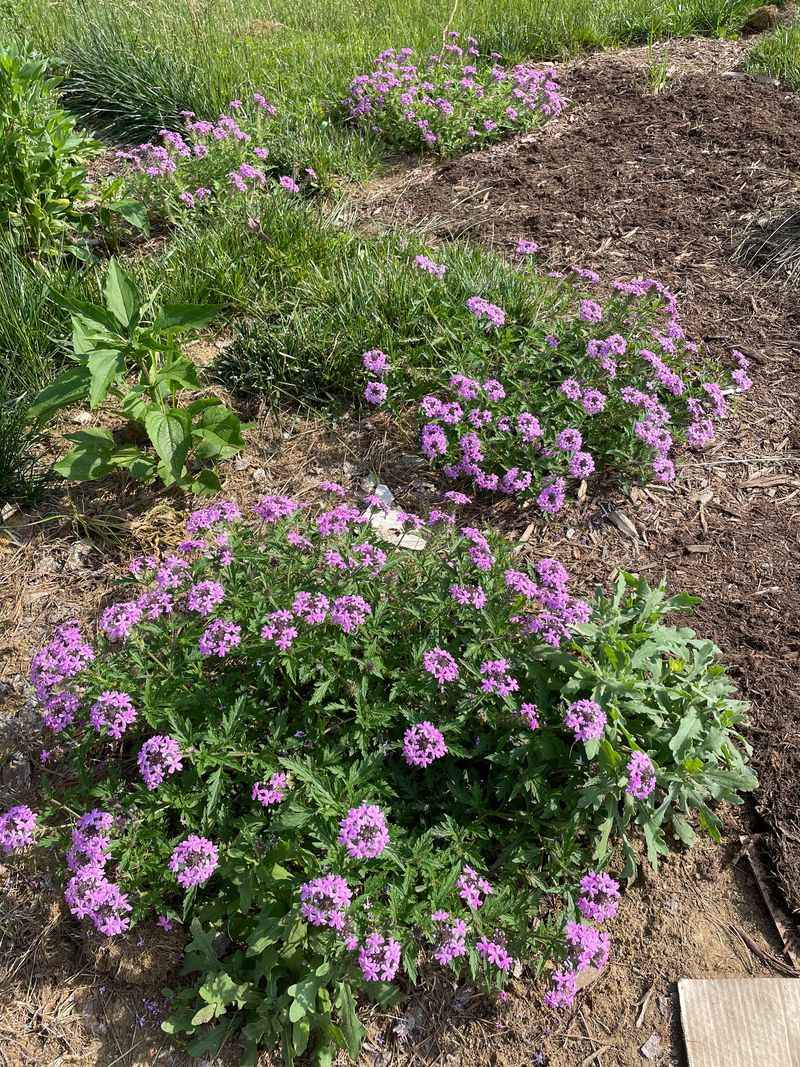
The decision comes down to a short checklist. Does the spot get roughly 6 or more hours of direct sun? Does water drain away within a few hours after a rain rather than pooling? Is there room for a plant that may spread 1 to 2 feet outward from where you put it?
And are you willing to water consistently for the first few weeks after planting and come back occasionally with pruners to trim stems that wander? If the answers are yes, Verbena canadensis is a genuinely well-matched choice for North Carolina conditions across the Coastal Plain, Piedmont, and mountains.
The supported promises are real and worth repeating once more: a bloom window from April through September, pink and purple-lavender flower clusters that attract butterflies and hummingbirds, tolerance for heat and drought once established, and adaptability to clay, loam, and sandy soils as long as drainage is adequate. The promises that do not hold up are zero maintenance, permanent survival, uninterrupted peak bloom every day, and any kind of pest control. Rose verbena does not repel deer reliably, either, so if deer pressure is heavy in your area, factor that in.
NC State Extension is consistent on one point that applies here: native plants still need site matching, startup care, and enough space to perform well. Match this plant to a site it suits, pair it with a few other native perennials that bloom in different seasons, and the result is a long-blooming, low-fuss addition that earns its spot. The quiet ones usually do.